In Christian eschatology, the millennium is possibly the period that has given rise to the widest variety of views regarding when it will take place and what happens during that timeframe. The main views fall into one of three categories, and even then, these categories have subcategories that differ significantly. Some perspectives outside of the mainstream present interesting alternatives to the more common views and are worth mentioning to show the range of interpretations that exist. Surprisingly, there are many views on a period detailed in only one chapter of scripture.
The Millennium in Scripture
The millennium refers to a period of 1,000 years and derives from two Latin words: mille, meaning “a thousand,” and annus, which means “year.” Revelation 20:1-8 details the events that occur at the beginning, middle, and end of the millennium:
“Then I saw an angel coming down from heaven, holding in his hand the key to the bottomless pit and a great chain. And he seized the dragon, that ancient serpent, who is the devil and Satan, and bound him for a thousand years, and threw him into the pit, and shut it and sealed it over him, so that he might not deceive the nations any longer until the thousand years were ended. After that, he must be released for a little while. Then I saw thrones, and seated on them were those to whom the authority to judge was committed. Also, I saw the souls of those who had been beheaded for the testimony of Jesus and for the word of God, and those who had not worshiped the beast or its image and had not received its mark on their foreheads or their hands. They came to life and reigned with Christ for a thousand years. The rest of the dead did not come to life until the thousand years were ended. This is the first resurrection. Blessed and holy is the one who shares in the first resurrection! Over such the second death has no power, but they will be priests of God and of Christ, and they will reign with him for a thousand years. And when the thousand years are ended, Satan will be released from his prison and will come out to deceive the nations that are at the four corners of the earth, Gog and Magog, to gather them for battle; their number is like the sand of the sea.”
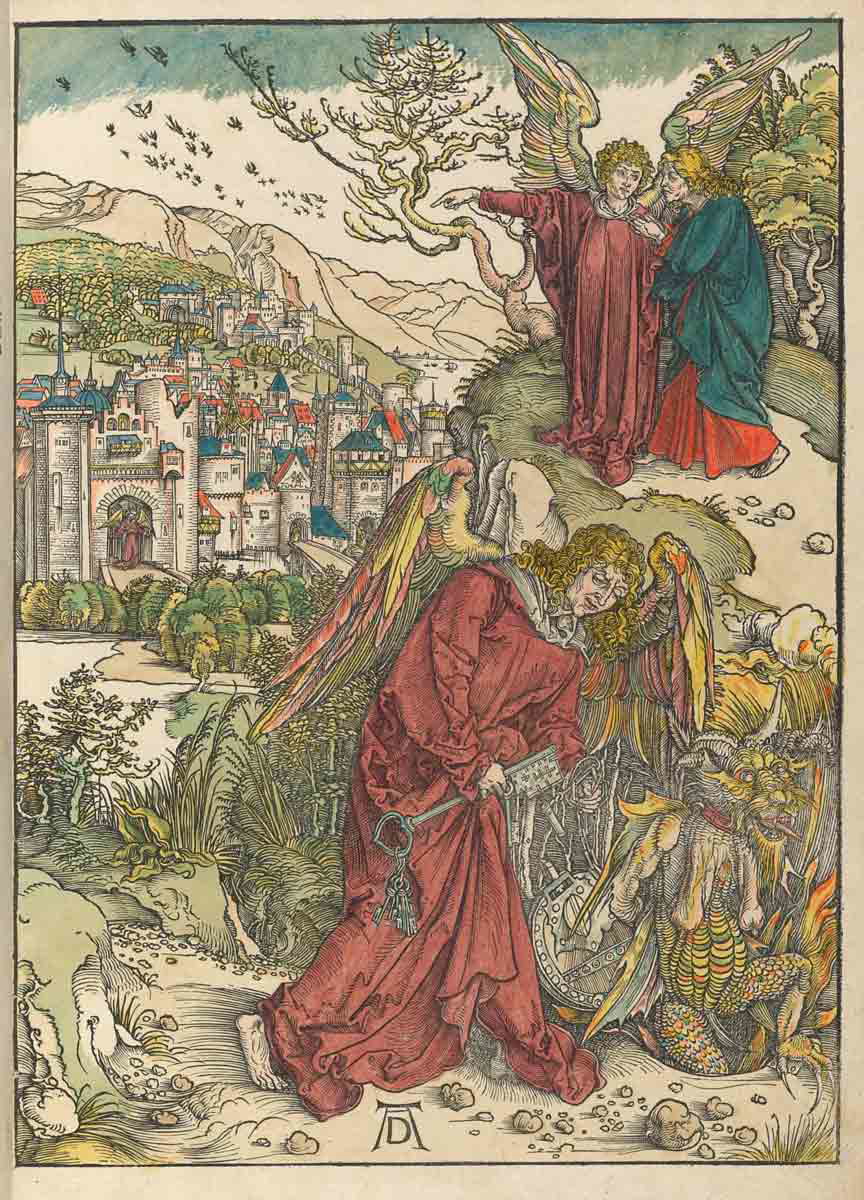
From this passage, the following key events emerge: the millennium begins with an angel binding Satan and casting him into the bottomless pit, sealing it above him so that he cannot deceive the nations. His binding and captivity are temporary. During the millennium, a group of the righteous who have died for their faith and those who will experience the first resurrection will receive authority to judge as they reign with Christ. At the end of the millennium, the “rest of the dead” will resurrect, and Satan will be released to deceive the nations again. Satan will be cast into Hell shortly afterward.
Since this passage comes from Revelation, a highly symbolic book, much of the content must be figurative language or metaphors. Since Satan is a spiritual being (Ephesians 6:12), the binding with chains and imprisonment has to be symbolic. The challenge with apocalyptic symbolism is that its ambiguity results in a multitude of interpretations, as we will discover.
Mainstream Views
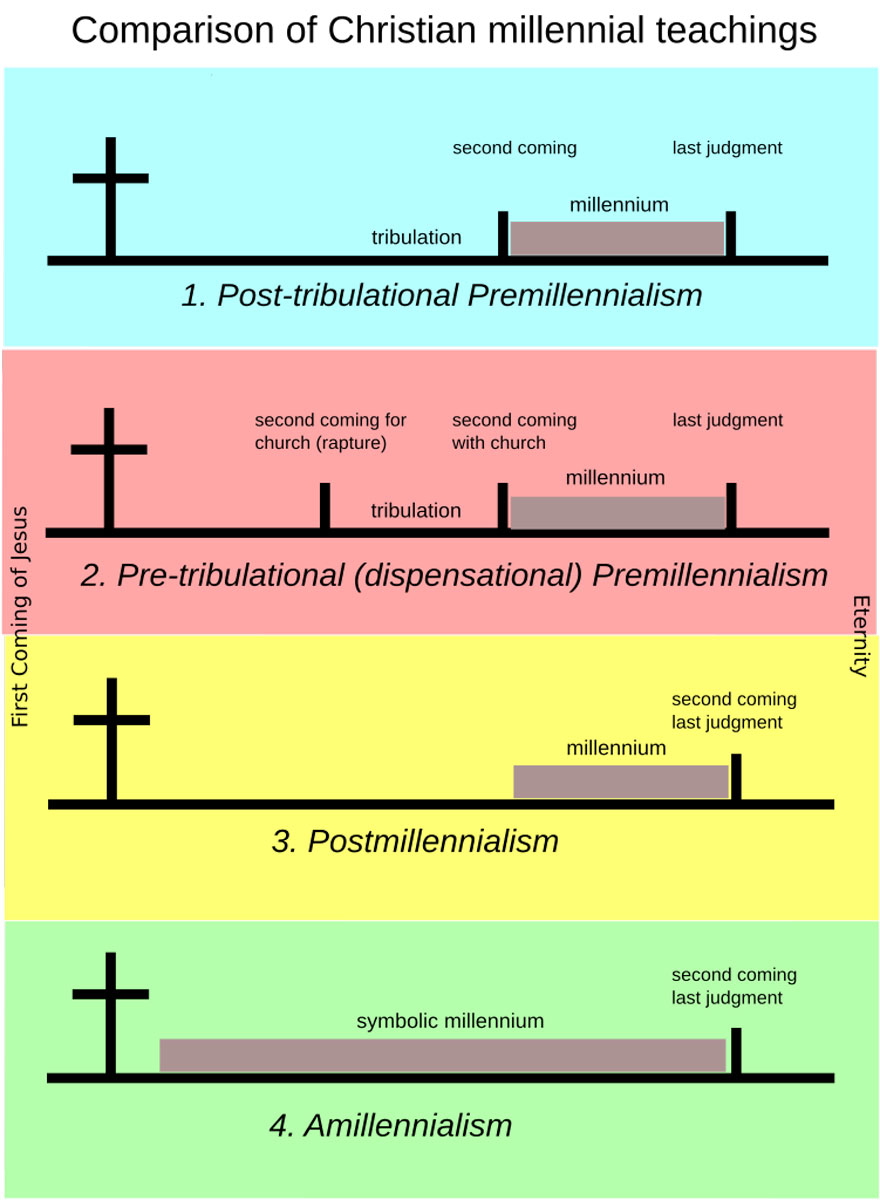
The three main perspectives on the millennium are premillennialism, postmillennialism, and amillennialism.
Premillennialism
In premillennialism, the millennium begins after the Second Coming of Christ. According to this view, the millennium is a period during which Christ and his saints rule over his literal kingdom on Earth, with many believing his throne will be in Jerusalem. To them, the millennium will be a time of unprecedented peace on Earth. Proponents often quote from Isaiah 11:6-9 and Zechariah 14:9 to bolster this view.
Premillennialism was popular from early in Christian history, with several Church Fathers, like Justin Martyr and Irenaeus, being notable supporters. Allegorical interpretations overtook premillennialism in post-Constantinian times. It gained prominence again in the 19th century with the rise of Dispensationalism. The millennium fits the pretribulation rapture doctrine. Scholars refer to the original version of premillennialism as Historical Premillennialism and the latter as Dispensational Premillennialism.
Postmillennialism
Postmillennialism teaches that the Second Coming will occur after the millennium. According to this teaching, the efforts of the Church and the spread of the gospel will initiate a period of spiritual and societal progress that leads to a global turn to God. This view uses a symbolic interpretation of the 1,000 years, which refers to a long time.

Those who hold to this position often point to Psalm 22:27 as evidence of the veracity of their perspective. They believe the Second Coming will occur after this golden age of gospel expansion and success, which happened due to the binding of Satan during that period. This view dominated Protestant thinking from the Reformation to the time of the Puritans and the Second Great Awakening. It lost favor as Dispensational theology spread, and the world wars of the 20th century raged.
Amillennialism
Amillennialism, meaning “no-millennium,” rejects a literal 1,000-year period outright. They interpret the period as a representation of the Christian era that was initiated with the First Coming of Jesus and ends with the Second Coming. In this view, Christ reigns spiritually from heaven, and Satan is limited, thus bound, because his influence is limited. They understand the “strong man” reference of Matthew 12:29 as reflective of their perspective.
This view became dominant after the time of Augustine and remains prevalent in Catholicism as well as some Reformed and Lutheran traditions. Amillennialism emphasizes the spiritual nature of Christ’s kingdom and avoids speculative timelines.
Alternative Views
The Adventist View
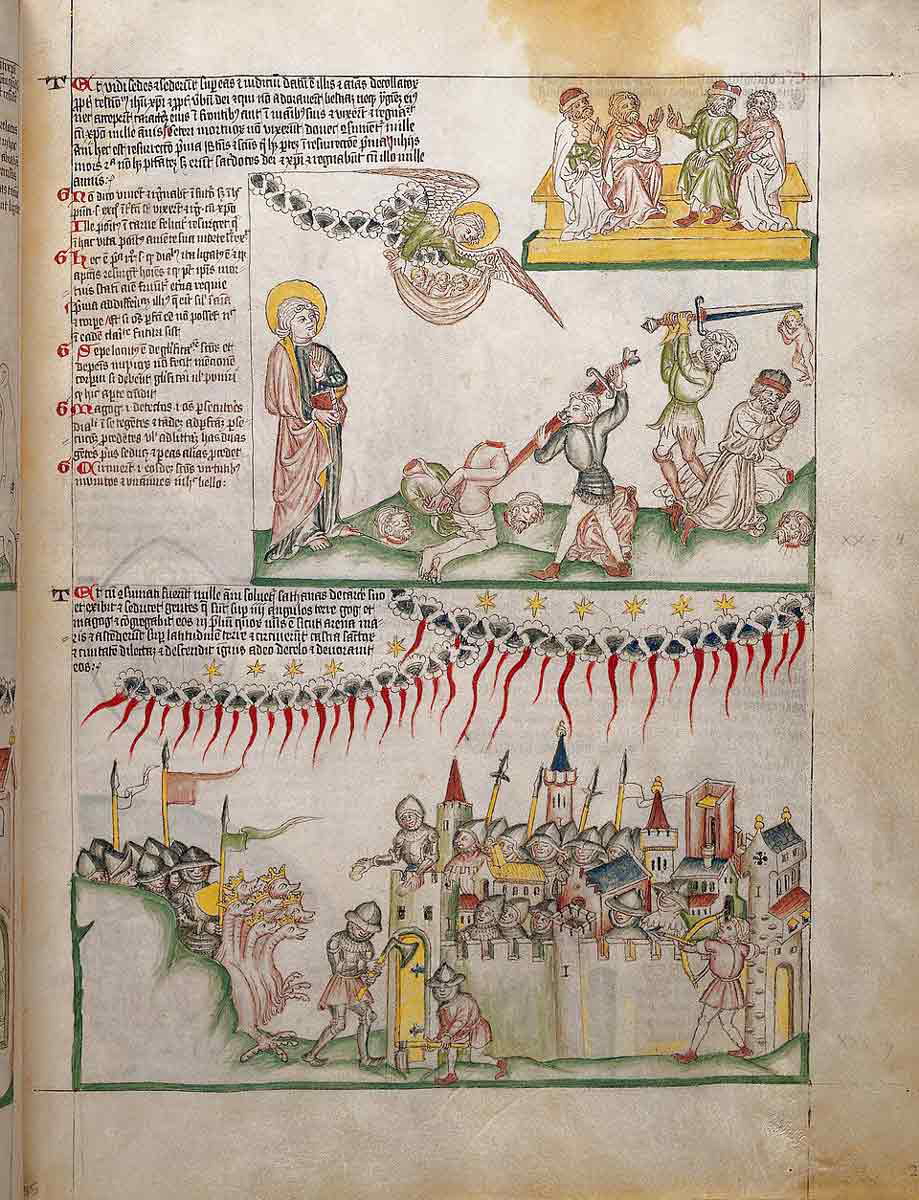
Technically, the Adventist view of the millennium is premillennial, but their understanding of events during the millennium differs significantly. They believe Satan’s binding is because all the wicked will die at the Second Coming (see Revelation 19:17-18, 21) while the faithful are all alive and go with Christ to Heaven (1 Thessalonians 4:15-17). The Second Coming, which occurs unexpectedly “like a thief in the night,” will be followed by the destruction of everything on Earth, leaving it barren and unpopulated (1 Thessalonians 5:2, 2 Peter 3:10, 12, Jeremiah 4:23-27).
Satan’s chains metaphorically refer to his inability to deceive anyone, and his imprisonment is because he will be confined to the Earth (the bottomless pit), not being able to deceive the living who are all in Heaven. This state continues for the duration of the millennium. The righteous, who will be in Heaven, engage in an investigative judgment, which resembles an audit of the judgment of God to determine the final destiny of all people. As soon as the wicked are resurrected at the end of the millennium, Satan is no longer bound because he can deceive them again.
The Jehovah’s Witness View
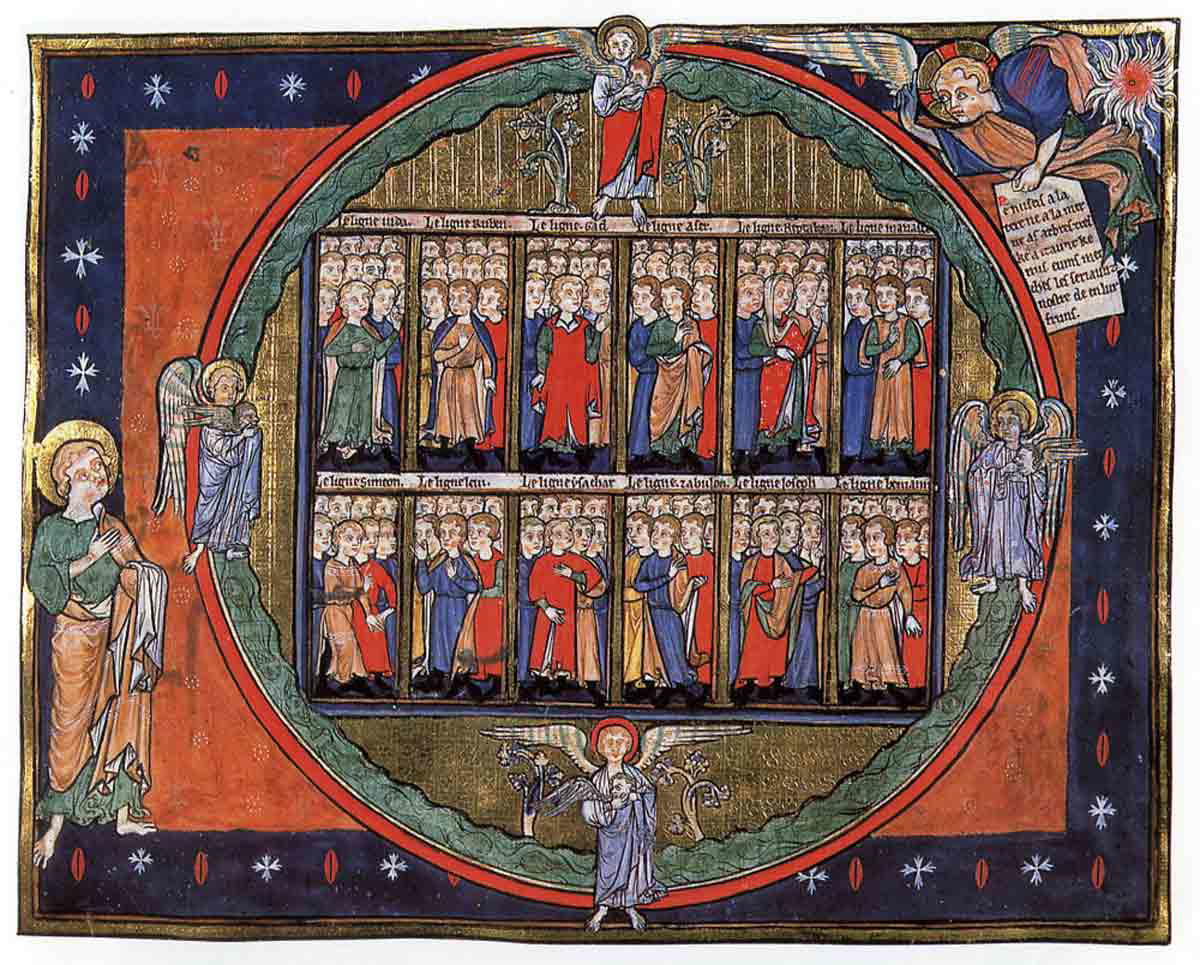
Jehovah’s Witnesses believe the millennium is a literal period during which Earth becomes a Garden of Eden-like paradise as Christ rules. In their understanding, there will be two classes of the righteous during that time. The 144,000 (Revelation 7:1, 14:1-5) will rule alongside Christ from Heaven as immortal spirit beings. The great crowd consists of the rest of the believers who reside on Earth and cultivate it. During the millennium, there will be a gradual resurrection of the just and the unjust (Acts 24:15) who never had an opportunity to know God. They teach that Satan is unbound to test the faith and loyalty of humanity. Those who withstand the test receive eternal life, and those who do not are destroyed alongside Satan.
The Christian Millennium: In Conclusion
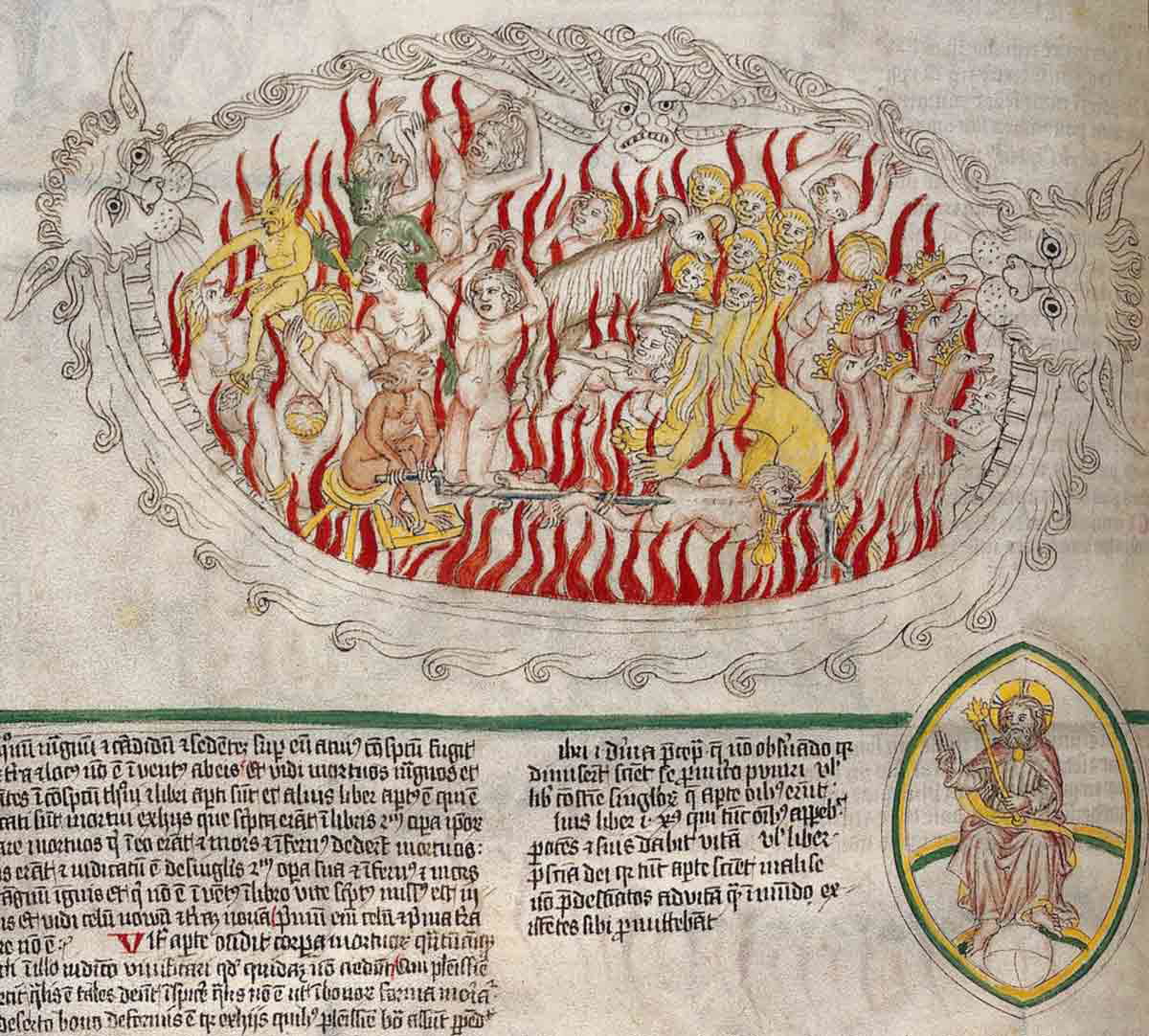
There is a significant range of interpretations of the millennium, considering the concept derives from only eight verses. The determining factor is the way believers interpret apocalyptic texts. Apocalyptic texts can be notoriously ambiguous and open to various interpretations, making it almost impossible to arrive at a consensus view.
As interpretations have changed throughout history, the dominant understanding of the millennium has also adapted. If the narrative of Revelation 19 and 20 represents a legitimate chronology, then the premillennial interpretations are more scripturally sound. Even so, the events during the millennium still range from an earthly reign to a heavenly reign, and Revelation 20 does not provide a definitive view. The different views rely on other texts read alongside the millennium narrative of Revelation 20:1-8, although these external texts may not relate to it.
Though the different perspectives on the millennium have little in common, they do agree on one aspect: in the end, Christ emerges victorious and punishes those who rebelled against God.