Today, many people see Spain as a bastion of Roman Catholicism and the birthplace of the famous Conquistadors who brought this religion to the New World beginning in the 1500s. However, portions of Spain and Portugal were, until shortly before the era of New World settlement, occupied by many Muslims of North African origin.
These Moors contributed significantly to culture on the Iberian Peninsula and also affected European culture as a whole. During almost 800 years of Moorish occupation, Spain and Portugal were influenced by new types of architecture, cuisine, and customs. Muslims in Spain also had a significant impact on the Renaissance Era through innovations in science, medicine, and mathematics, which led to widespread improvements in European life.
Setting the Stage: Origin of Islam Circa 610 AD
The origin of Islam, a monotheistic religion similar to Christianity and Judaism, can be traced to 610 AD in the Arabian Peninsula. The teachings of the Prophet Muhammad were quickly spread to the surrounding areas of the Middle East and North Africa along trade routes. Within 30 years of Muhammad’s death in 633, the religion was firmly established in North Africa. The religion was eagerly adopted by many early people, who viewed the arrival of Muslims (followers of Islam) as liberation from oppressive rulers. Teachings of proper behavior and the need for a just and equitable society, outlined in the Qur’an, the Islamic holy book, were also popular.
Muslim merchants spread their religion across the Sahara Desert of North Africa by the beginning of the 8th century. At this time, the Muslim empire was governed by the Umayyad Caliphate, which was similar to a monarchy. Its capital was moved to Damascus, Syria, and its governing apparatus included many Christians, which marked the beginning of a long history of inter-religious cultural exchanges. A 14-year civil war resulted in undisputed Umayyad control of the empire, and new leader Al-Walid I began to expand the Muslim empire further during a period of stability.
711: Muslims Begin Settling the Iberian Peninsula
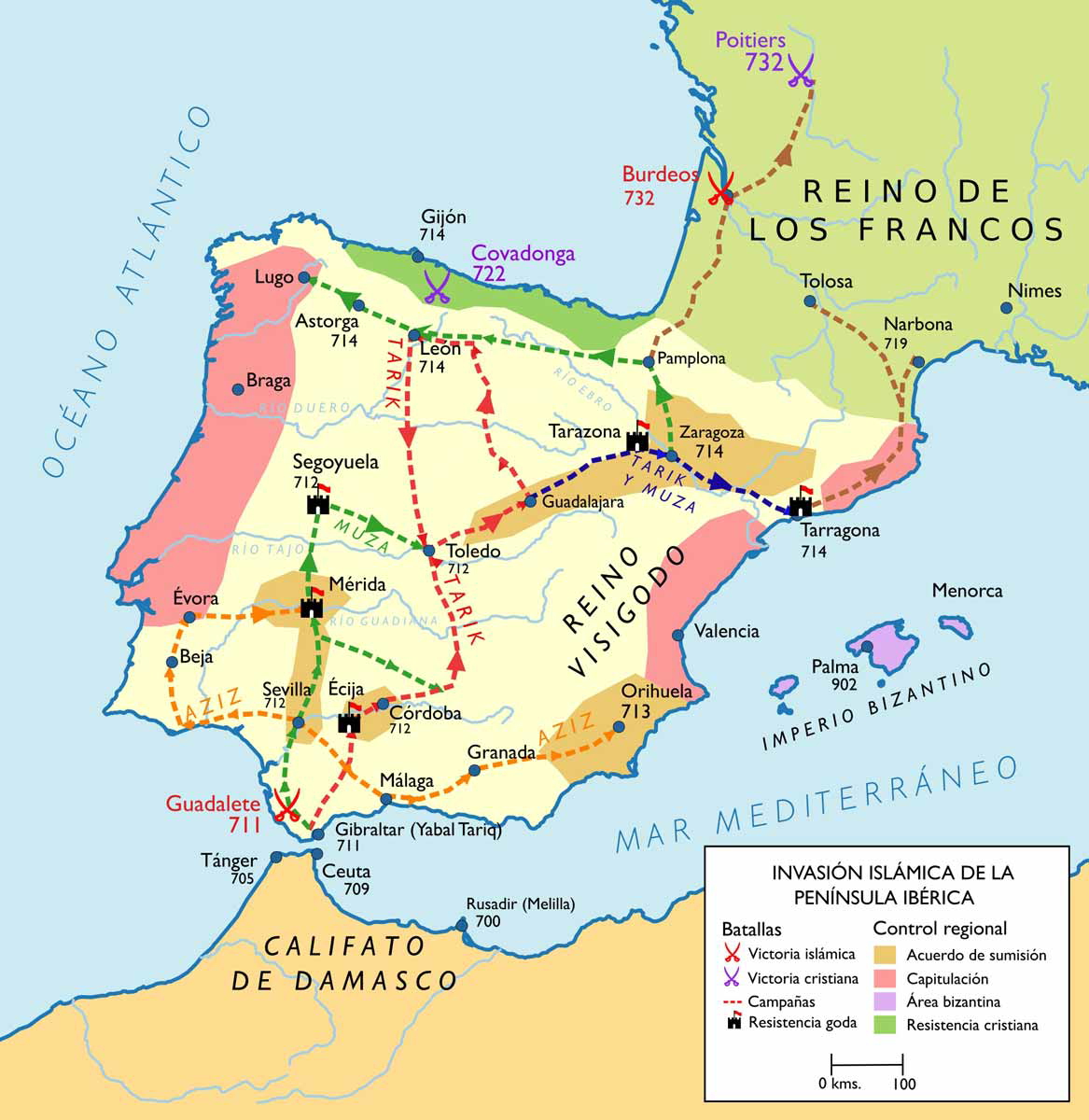
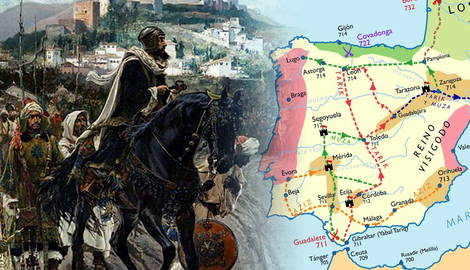
Under Caliph Al-Walid I, a Muslim army composed of North African Berbers landed in Gibraltar, Spain—the narrowest point between Europe and North Africa along the Mediterranean coast—in 711. General Tariq bin Ziyad quickly took the city of Cordoba with troops numbering somewhere between seven and 17 thousand men. This Muslim-controlled territory became known as Al-Andalus, and mosques (Islamic churches) were constructed in the towns and cities. Its capital was at Cordoba, thus establishing the Caliphate of Cordoba in 929.
At its greatest extent, Al-Andalus encompassed most of southern and central Spain, as well as parts of Portugal and southwestern France. This maximum extent occurred shortly after the initial invasion in 711, before organized resistance could take place. For roughly 300 years, a relative peace occurred as organized resistance prevented the spread of Al-Andalus. During this three-century period, much was accomplished in terms of political, economic, and cultural stability, which flourished. During this era, the Spanish cities of Granada (a coastal port), Cordoba, Merida, Toledo, Zaragoza, and Barcelona were controlled by Muslims.
Moorish Artistic and Linguistic Influences

For hundreds of years, Muslims, Christians, and Jews coexisted peacefully in Al-Andalus. Andalusian styles of art, music, and architecture developed and were witnessed by Europeans. Music and dance in Europe, especially Spain and France, were influenced by Andalusian styles. For example, the lute musical instrument is thought to have arrived in Europe either through Al-Andalus or Sicily, both of which were controlled by Muslims at the time. The popular Spanish flamenco dance is also considered to have Muslim origins in Al-Andalus. Artistic designs also spread to Western Europe through the Spanish Moors, including calligraphy (stylized writing) and colorful tile mosaics.
Chess entered Western Europe through the Moors shortly after the invasion of Iberia, with the famous game of strategy being adopted by Muslims, likely originating in ancient India. Europeans adopted the game and eventually changed the pieces to reflect Medieval society’s leadership positions: king, queen, bishop, knight, etc. Today’s game of chess likely evolved only by the end of the 15th century, by which point Christians had reclaimed Europe from Muslim control. Finally, the Spanish language itself is significantly influenced by Arabic, with many words bearing the same roots. This contribution also spread to France, which was next to Al-Andalus. Due to the Muslim spread into Sicily as well in the 9th century, the Romance languages in Europe are all somewhat influenced by Arabic.
Moorish Contributions to Math, Science, and Education
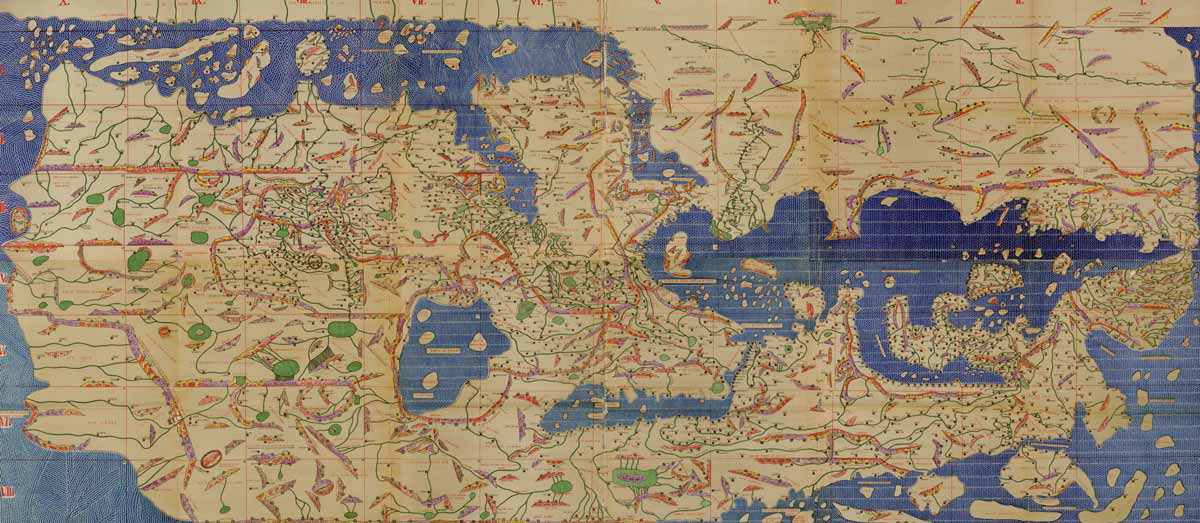
In Al-Andalus, Muslims introduced Arabic numbers, which became the norm for mathematical and scientific usage. Through this region, Europe was also introduced to advanced mathematics being developed by the Muslims, including algebra. This new form of math allowed great strides to be made in the fields of geography and surveying, improving navigation. Renaissance visionaries like Leonardo da Vinci used algebra, revealing the spread of this new type of math across Western Europe. Muslims also pioneered the use of math in astronomy, further assisting navigation.
Benefiting science, Moors also popularized the idea of medical hygiene, including using alcohol as an antiseptic to prevent infections. These mathematical and scientific developments were catalogued and taught to others through universities, which were widely available in Al-Andalus but almost nonexistent in Christian Europe. Moors, like Muslims outside of Iberia, valued scholarly pursuits. Only toward the end of the 11th century did Christian Europeans begin to make great strides in formal higher education, and the Moorish curriculum became common, especially in philosophy and medicine.
Moorish Architecture
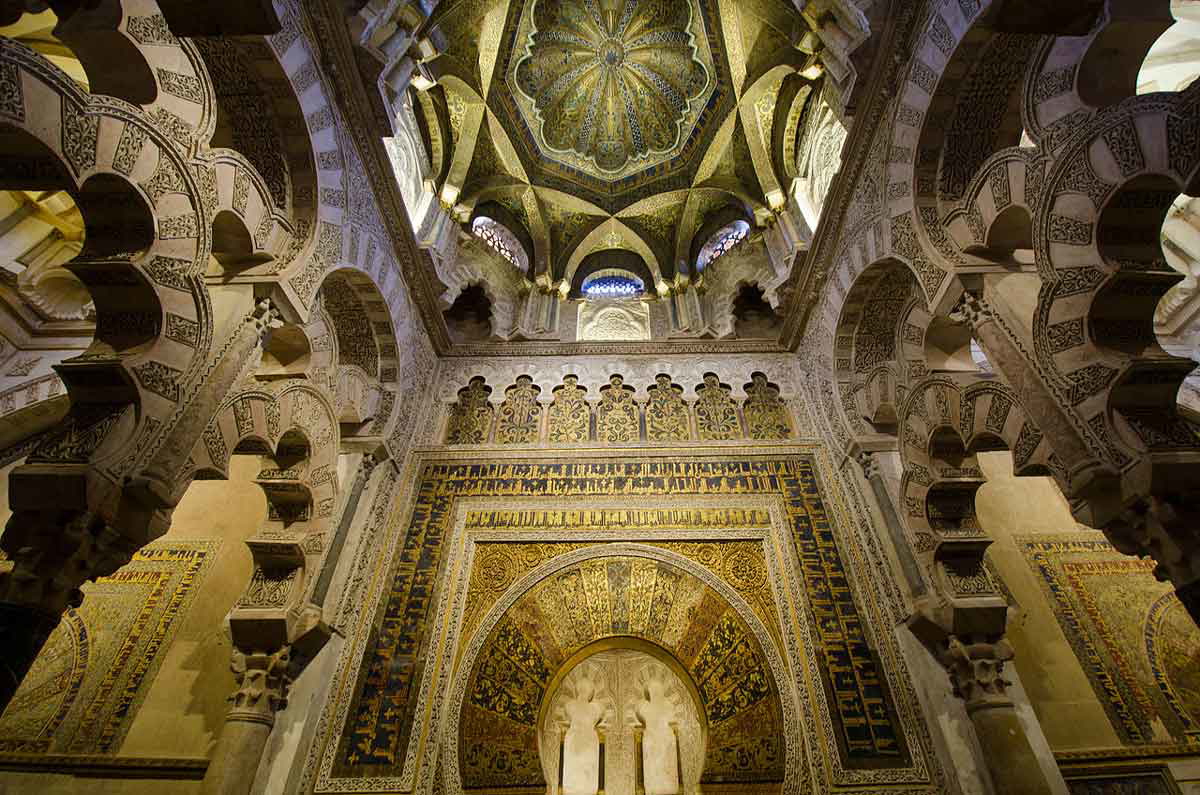
In Iberia, visitors can see Moorish influences on architecture, especially in churches. These include curved ceilings and archways, minarets, and spires. Inside buildings, repeating artistic patterns were popularized in Muslim architecture and transferred to European architecture. Visitors and artists who went to Al-Andalus were often inspired by the ornate buildings, especially their use of flowing arches instead of entirely straight lines, and took those ideas back to their countries of origin. Today, many buildings incorporate interior open-air courtyards with gardens, allowing relaxation in nature without having to venture onto the street.
Famous examples of Moorish architecture that appealed to visitors from across Europe include palaces in Granada, Seville, and Zaragoza, and mosques in Cordoba and the Catalonia region. Moorish architecture in Spain evolved into Mudejar architecture beginning in the 12th century, which blended Islamic styles with European Gothic styles. This style lasted from the 12th to the 16th centuries, when Muslims were finally expelled from the Aragon region of Spain. Today, Euro-Islam architecture for mosques combines elements of both traditional Islamic architecture, including Moorish architecture, and contemporary European secular designs.
The Spanish Reconquista
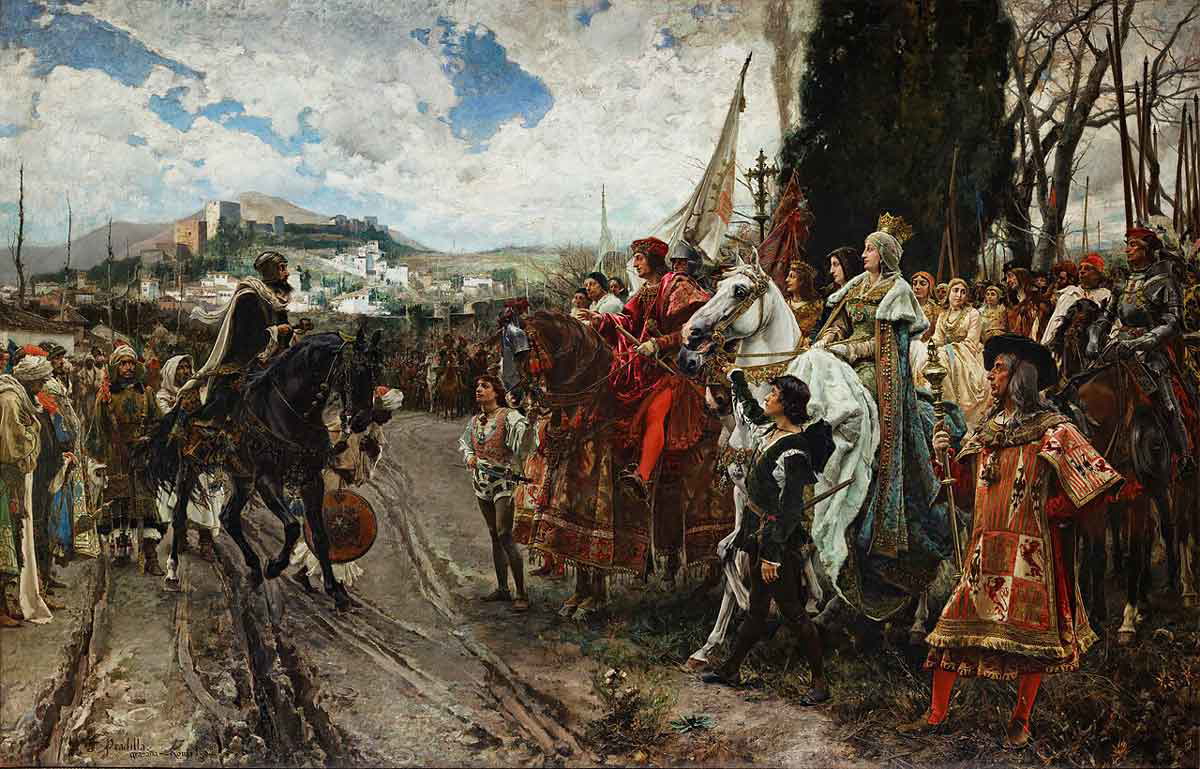
The Reconquista is often considered to have begun in 1085 with the Christian capture of the city of Toledo. This organized effort to retake the Iberian Peninsula and drive out the Muslim population was similar to the Crusades, and the Second Crusade in the late 1140s included the Pope’s authorization to include the Reconquista as part of the holy war. In 1147, English soldiers aided the Spanish and Portuguese in besieging the city of Lisbon in modern-day Portugal, successfully driving out the Moors. The next year, the English, French, and Italian Crusaders helped the Spanish retake more territory in the Iberian Peninsula.
Culturally, the Reconquista helped unify Christians against Islam, with which a relative truce had existed in Al-Andalus for centuries. The Second Crusade, which became part of the Reconquista, increased cross-cultural ties within European Christianity. Popes continued to bless the Reconquista, strengthening ties between Spain’s monarchs and the Catholic Church and unifying Christians in Iberia. By the early 1200s, it was clear that Christians would retake the peninsula eventually, and the last Moorish city, Granada, surrendered after a siege on January 2, 1492.
Reconquista Influences the Spanish Inquisition
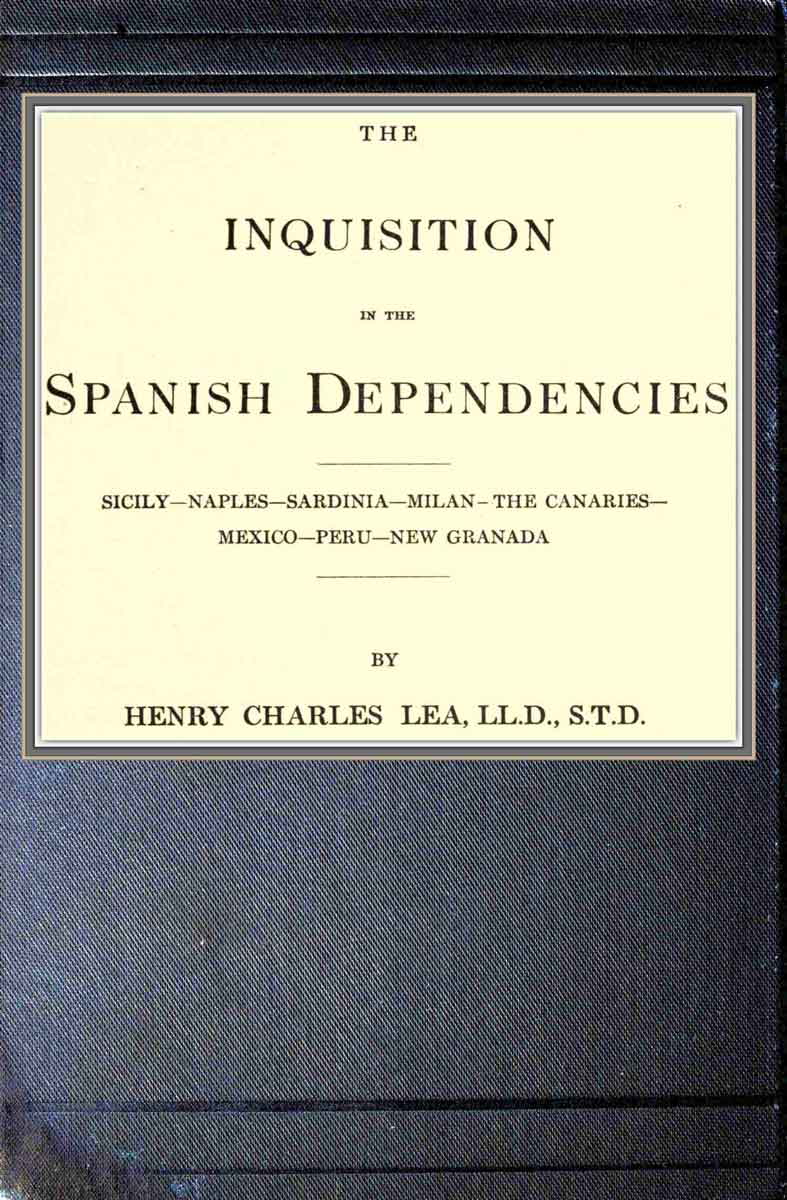
The Spanish Christian effort to push out the Moors also influenced another religious movement: the Spanish Inquisition. This organized persecution of non-Catholics began in 1478, shortly before the end of the Reconquista. Tragically, many people suffered severe punishments, including torture and execution, for being considered heretics, or non-devout Catholics. Specifically targeted were conversos, Jewish people who had converted to Catholicism and were suspected of maintaining Jewish practices, and Moriscos, Muslims who had converted to Catholicism and were suspected of retaining loyalties to Islam.
In September 1609, the Moriscos were ordered expelled from Spain by King Philip III. Over five years, up to 300,000 converted Moors were expelled, with most settling in North Africa. A small number, however, went to England due to England’s rejection of Catholicism. Moriscos were banned from immigrating to the New World, though up to 50 individuals of suspected Muslim heritage were documented as arriving in the Spanish colonies between 1512 and 1659. The Inquisition occurred in Spanish colonies as well, with a former Muslim slave turned Conquistador imprisoned and investigated in the 1530s.
Legacy of the Spanish Moors Today
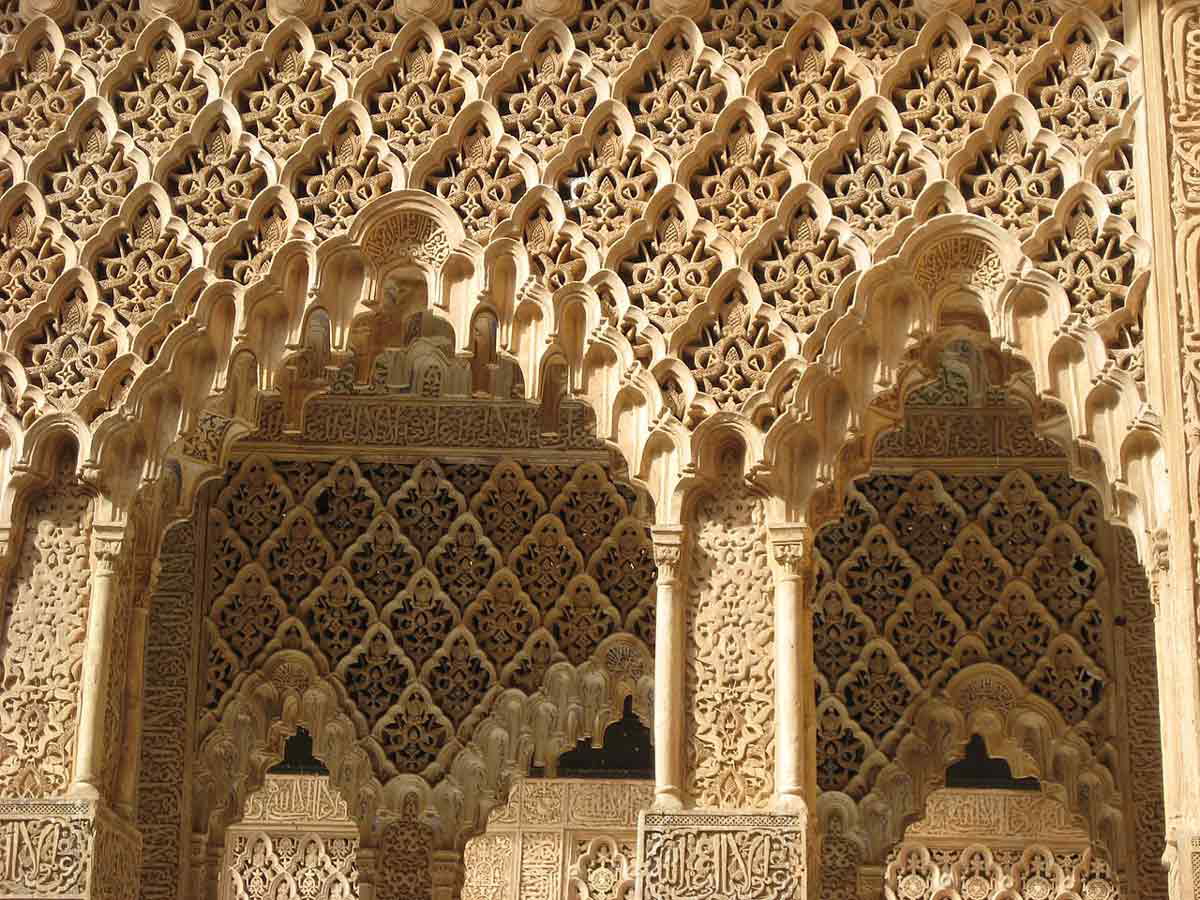
Only in 1834 did the Spanish Inquisition officially end, though its practice was widely halted by the Napoleonic Wars early in the century. Today, many prominent examples of Moorish culture and architecture remain visible in Spain and Portugal, though much of the linguistic, mathematical, scientific, and educational contributions of the Moors have been thoroughly blended into European practices. In recent generations, academics have credited Moorish contributions to the Renaissance in Europe.
Muslims are the largest religious minority in Spain today, constituting as much as 5 percent of the population. Spain’s acceptance of its Andalusian history remains mixed, with some embracing Moorish heritage and cultural contributions and others attempting to portray Spain as thoroughly white and Christianized. This ambivalence has shifted back and forth over time, often linked to international perceptions of Islam and the Middle East and North Africa. In recent decades, the Global War on Terror has increased political right-wing criticism of Muslim communities—especially immigrant communities—in Europe, including Spain. As of 2023, the government of Spain publicly declares religious freedom and considers Islam a recognized religion.