Africa is the second-biggest continent and contains 54 countries recognized by the United Nations. It is also home to more than 1.5 billion people representing over 3,000 different ethnic groups and over 2,000 spoken languages.
Which African country holds the record for being the continent’s most populous?
Nigeria Ranks as the Most Populous Country in Africa
The West African nation of Nigeria holds Africa’s largest national population, currently standing at 236 million individuals, making it the sixth most populous country in the world, representing 2.89 percent of the world’s total population.
Just over half of Nigeria’s population lives in urban centers, the largest of which is Lagos, home to over 15 million people and the biggest city in Africa. Other major population centers in Nigeria include Kano, Ibadan, Abuja, Port Harcourt, Kaduna, and Benin City, among several others.
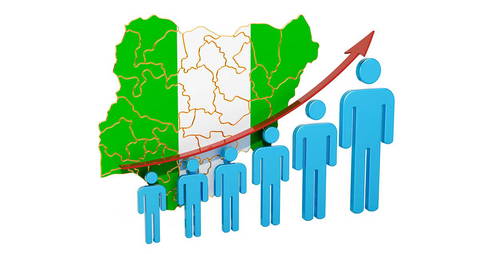
Nigeria’s population is growing rapidly, and the government has not implemented any programs for family planning. Current projections indicate that by 2050, Nigeria will have around 375 million people, and by 2100, the country could have far in excess of half a billion people. Nevertheless, the fertility rate is slowly declining, as is the net reproduction rate.
According to Worldometer, Nigeria has a young population with the median age being just 18 years. It also has a population struggling with poverty, with the average life expectancy being just 55 years and infant mortality being 68.5 per 1000 live births.
Languages and Ethnic Groups
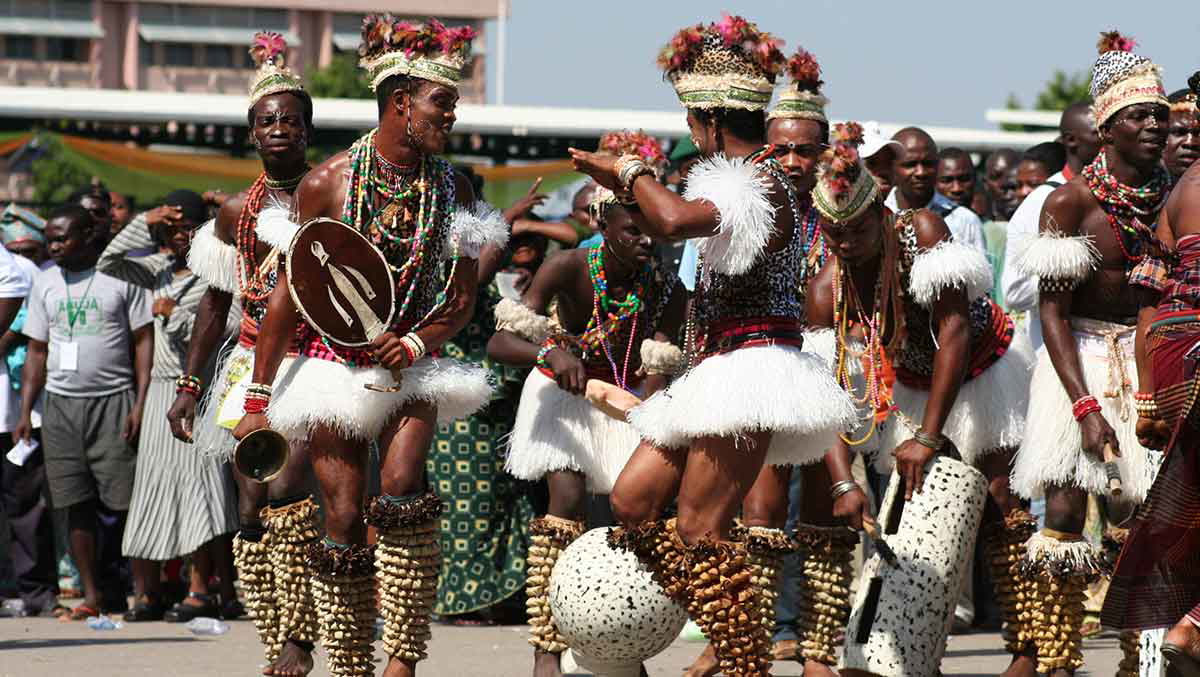
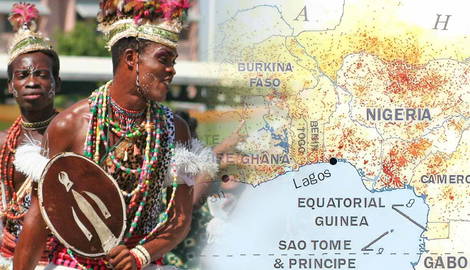
Nigeria is also, however, extremely rich in culture. It is home to 371 ethnic groups speaking more than 500 languages! As such, Nigeria is one of the most ethnically and linguistically diverse countries in the world.
The three biggest ethnic groups in terms of population are the Hausa, the Yoruba, and the Igbo, which together represent over 60 percent of the country’s population. Other ethnic groups with significant representation in terms of population are the Fulani, which represent 6 percent of the population; the Tiv and the Kanuri, which each represent 2.4 percent, and the Ibibio and the Ijaw, each representing 1.8 percent of the population.
English is the official language of Nigeria and is spoken as a first or second language by more than 60 million Nigerians. Hausa, Yoruba, and Igbo are national languages and collectively are spoken by over 140 million people as first or second languages.
Of great importance is Nigerian Pidgin, an English-based creole spoken across virtually the entirety of Nigeria. It is also significantly represented in neighboring countries in the region. Widely understood and spoken as a second language, Nigerian Pidgin has facilitated the breaking of communication barriers between speakers of different languages.
Other Contenders
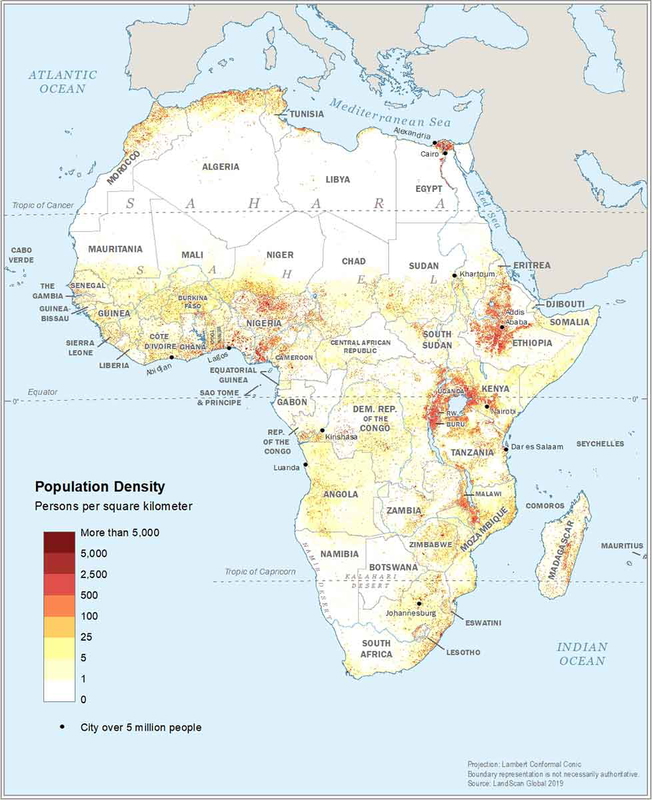
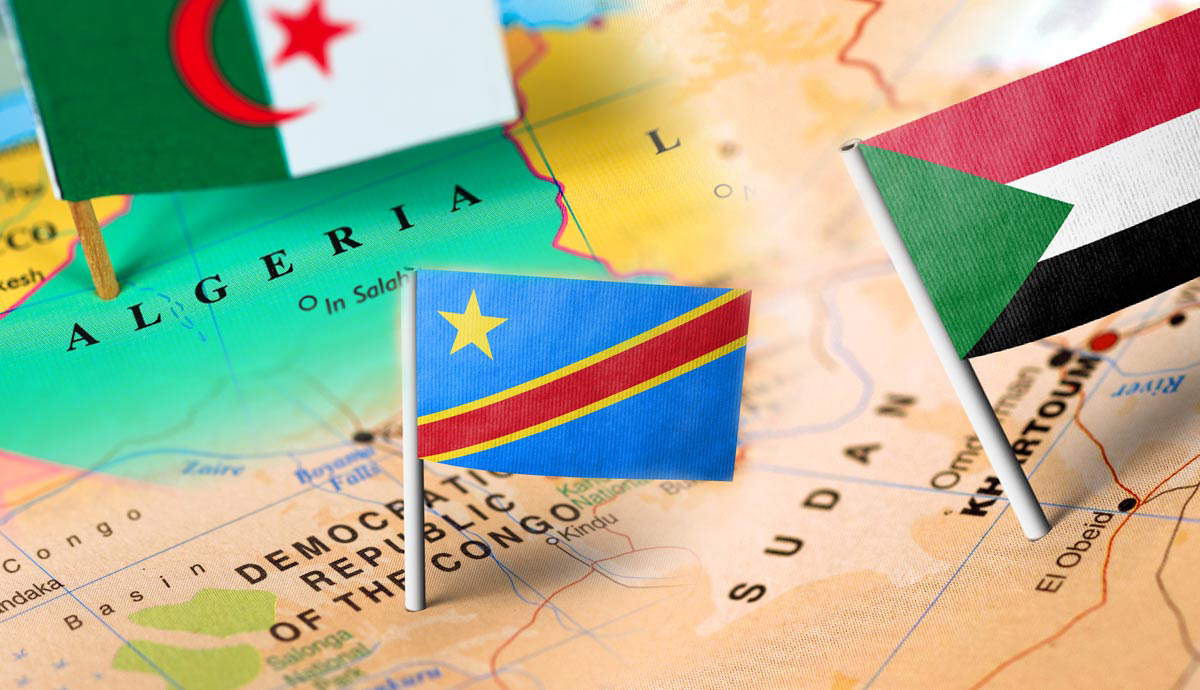
Nigeria isn’t the only country in Africa with a large population. Ethiopia, Egypt, and the Democratic Republic of the Congo all have over 100 million people but are far behind Nigeria’s total population. Tanzania, South Africa, Kenya, Sudan, and Uganda all have populations above 50 million people.
In the modern era, Africa has become the continent with the fastest-growing population. How this will impact the future of the continent is a subject of much academic debate, involving vast quantities of data. Suffice it to say, the growing population of Nigeria and the rest of the continent will offer new challenges as well as possibilities for the future.