Carl Jung postulated that within each person, there exist primordial symbols, which he termed archetypes—cross-cultural patterns of human experience. Perhaps the most puissant is the Mother Archetype—this figure appears in reveries, stories, and feelings. This figure has two poles: the nurturing, life-giving mother and the possessive, devouring one. Either can influence the ways in which we love, grow, and relate to others. So the question is this: How has this inner image of “mother” shaped who you are and what you currently are, and how do you perceive the world?
What Is the Mother Archetype? Jung’s Definition and Origins
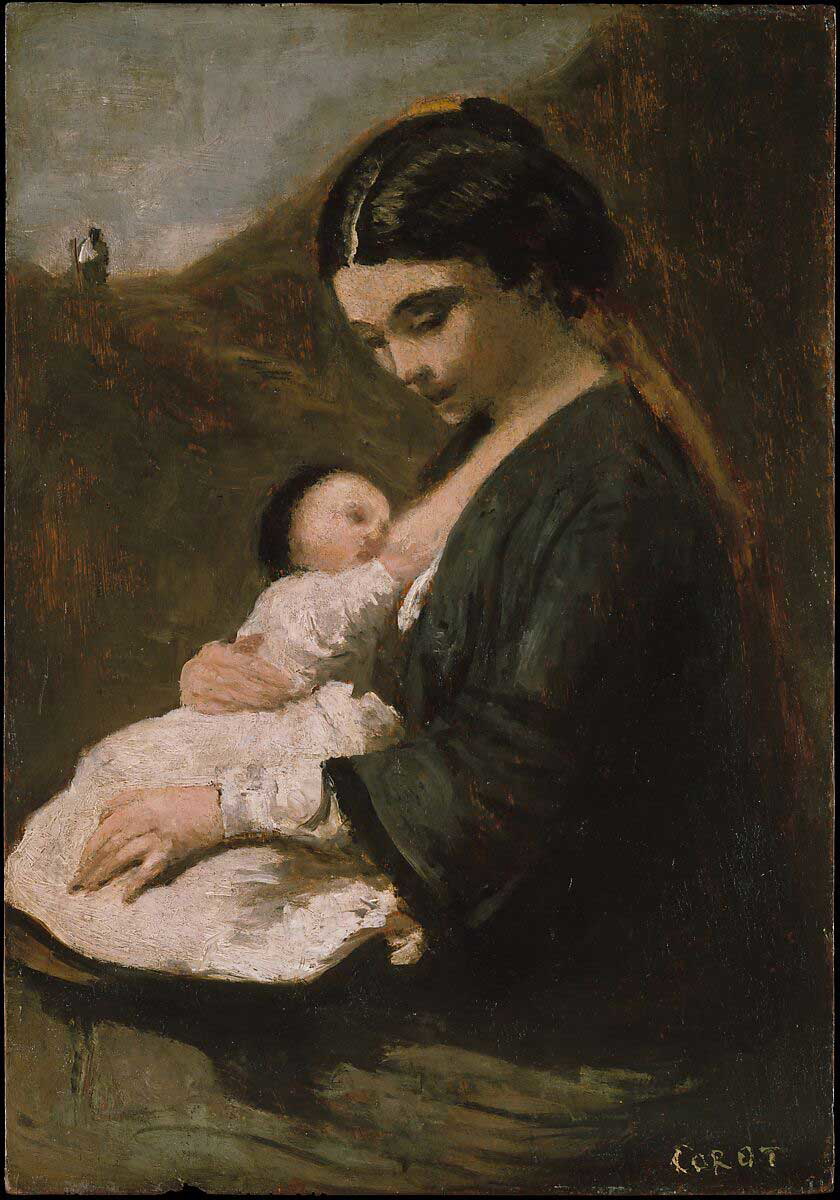
Within Jungian psychology, the Mother Archetype is a potent symbol existing within the collective unconscious—a shared psychological framework inherited by all human beings.
This goes beyond one’s relationship with their personal mother. Rather, it encapsulates an image of “motherhood” that is universal: giver of life, nurturer, protector, and sometimes controller.
It appears in countless forms, including dreams, myths, religion, and nature itself. Jung felt the Mother Archetype might be represented by the earth, the womb, the sea, a church, or even a tree of life—anything providing shelter, nourishment, and giving birth.
You can find the archetype in mythic characters such as Demeter, the Greek harvester and mother goddess. Or Isis, the Egyptian goddess of mothers. Or Mary, the Christian embodiment of divine love and protection. These characters embody the nurturing aspect of the archetype but also possess complex emotional depths.
Philosophically speaking, the Mother Archetype resonates with the theme of origin and return, something philosophers such as Plato have described as the soul’s desire to return to its origins. The mother, in this sense, then represents where we originate and what we yearn for when we desire safety, love, and belonging.
The Nurturing Mother: Care, Protection, and Growth
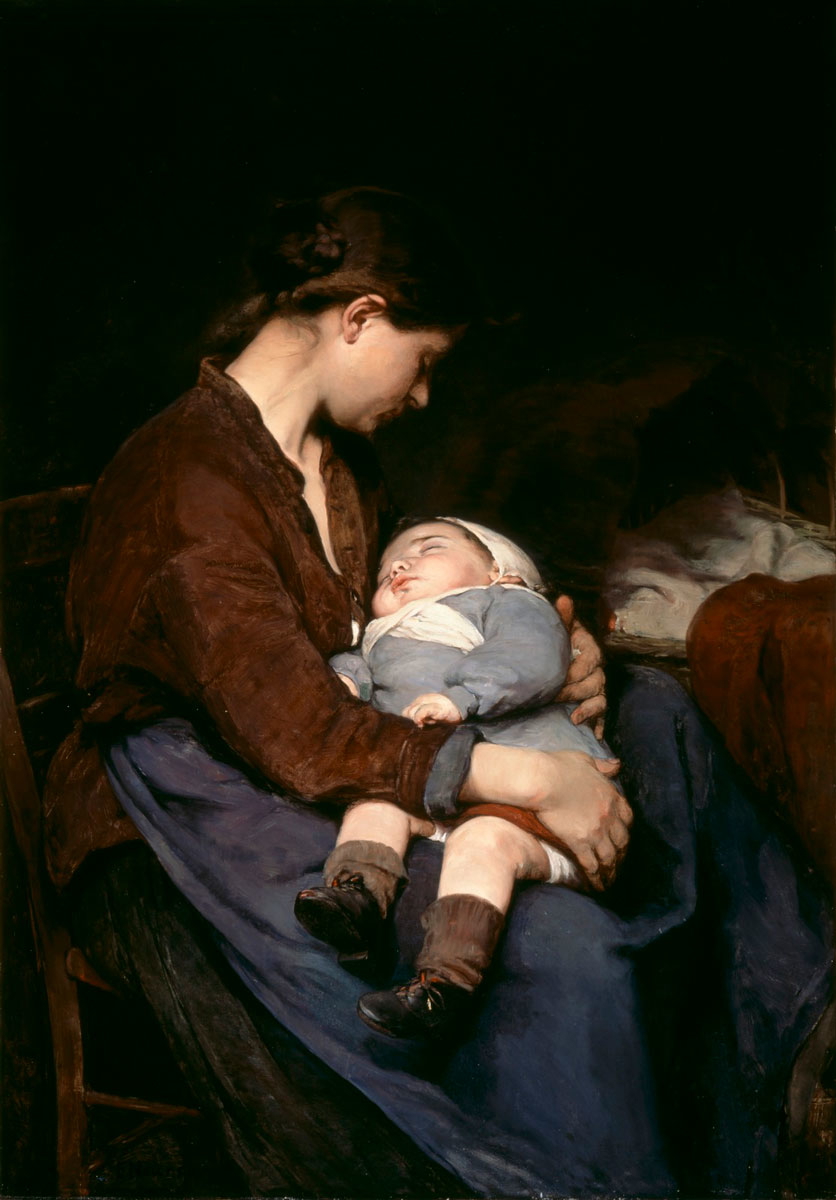
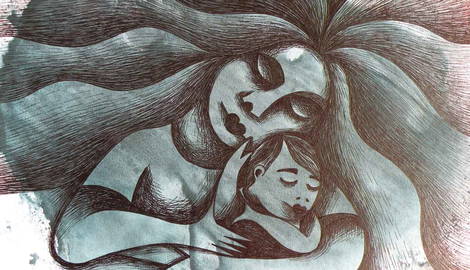
The Nurturing Mother embodies the loving, reassuring aspect of the Mother Archetype. She represents love with no strings attached: a kind protector who wants to see us become all we can be.
Whether this energy comes from our mother, a mentor, or another source, we thrive on being understood and encouraged by it. In dreams, she may manifest as a cozy home, a fertile landscape, or simply someone who holds us gently.
This archetype fosters our emotional foundation. It helps us grow up feeling safe and lovable, so we have good self-esteem and can bounce back from life’s knocks. Internally, whenever we feel inadequate or scared, it is this maternal spirit who reassures us that we are worthwhile—just as we stand.
Being nurturing does not mean we must fix everything. Rather, she teaches us how to look after ourselves by being patient, supportive, and present (whether things are going well or badly).
Plato, the philosopher, suggests that Good is like a mother because it takes care of all living things. He also says developing our souls is similar to looking after a garden. So, a Nurturing Mother is not just a single image such as your own mum but a universal one: think Mother Earth, Mother Nature, or the sacred feminine.
When we bring this archetype into our lives, we become better carers—both for other people and for ourselves. This force teaches you that strength doesn’t have to be tough. Instead, true strength is gentle, big-hearted, and has lots of life-giving energy.
The Devouring Mother: Possession, Control, and Dependency
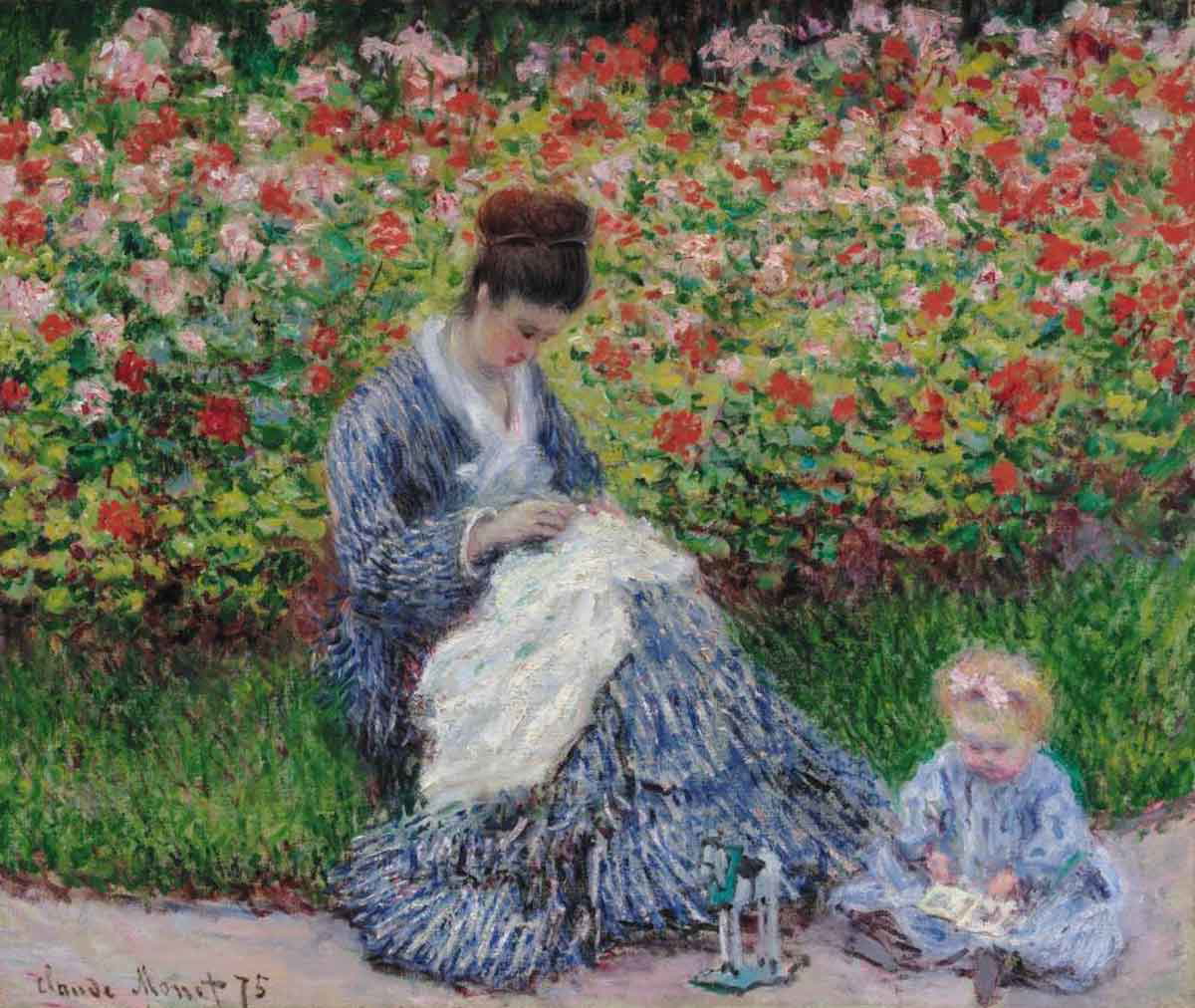
The Devouring Mother is the darker side of the Mother Archetype. While the nurturing mother gives love and freedom, the devouring mother smothers: she loves but in a controlling way.
Her traits include manipulation, overprotection, and emotional enmeshment—where a child is not seen as separate from her but rather as an extension of herself. This mother may have good intentions. However, when fear of loss or change predominates, love can transform into control.
Mythology gives us the narrative of Medea, who, having been betrayed, kills her own children—not because she hates them but out of a perverted sense of justice mingled with desolation.
This same storyline plays out in codependent relationships: one partner provides care to the point of self-effacement or an inability to allow the other to be independent—an energy aspect also identified and explored by contemporary psychology.
Friedrich Nietzsche cautioned that love can be perilous if wielded from a position of power or anxiety. If affection is employed as a form of authority, he said, it ceases to be love and becomes domination.
This principle serves as a warning that excessive shielding stunts development: authentic care requires room to breathe. The Devouring Mother does not represent wickedness but unresolved terror. We need to realize when our love has become overbearing—and take back our freedom with kindness if we are to grow.
The Great Mother in Myths, Dreams, and Culture
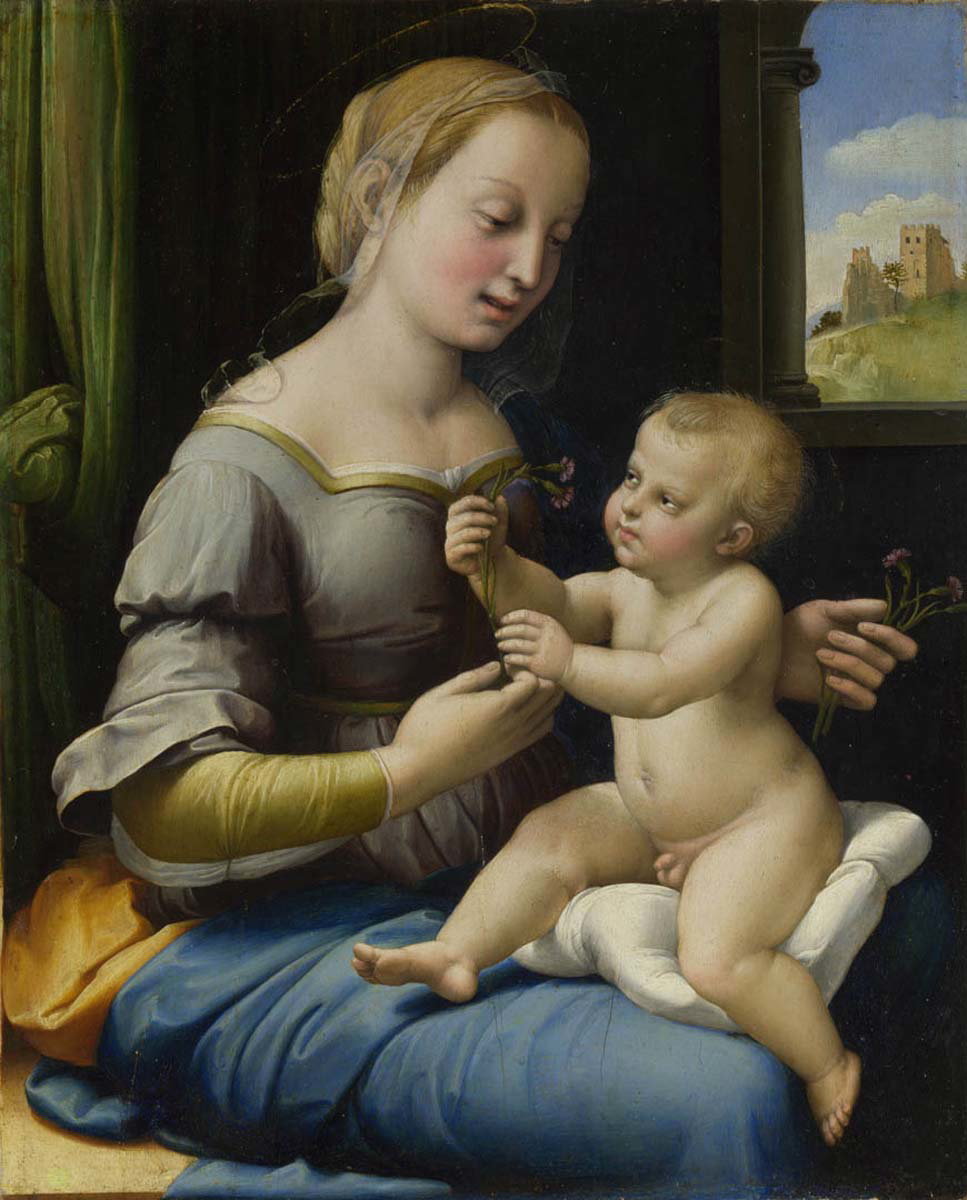
Next, the Great Mother is an ancient and potent image found throughout human culture. In various myths from around the world, she embodies both creation and destruction—life’s most fundamental processes.
For example, the Greek goddess Gaia, mother to all living beings, or Kali in Hindu myth, who brings life as well as death. These stories illustrate that the Great Mother does not just nurture things into being but can also change them beyond recognition, often via chaotic means.
When we dream about this figure, she may take many forms, such as a cave (a womb-like space), a wild animal, or a fertile landscape—all symbols with connotations of birth, power, and the unknown.
This dual aspect is also evident in fairy tales. For instance, there’s an archetype known as a “good fairy godmother” who assists the heroine’s growth (an aspect). And the wicked stepmother who tries to destroy her. These are two faces of the same archetype.
According to Carl Jung, the Great Mother embodies all stages of metamorphosis—creation, development, destruction, and regeneration. Residing in our psyches’ depths, she materializes when we’re prepared to progress. Confronting her dark aspects enables patterns to shift; tapping her caring features renews.
In a sense, philosophically speaking, she’s akin to Nature: lovely but fierce. Whenever this figure appears in dreams or myths, one is encountering forces primed within for profound transformation.
The Mother Complex: Influence on Identity and Relationships
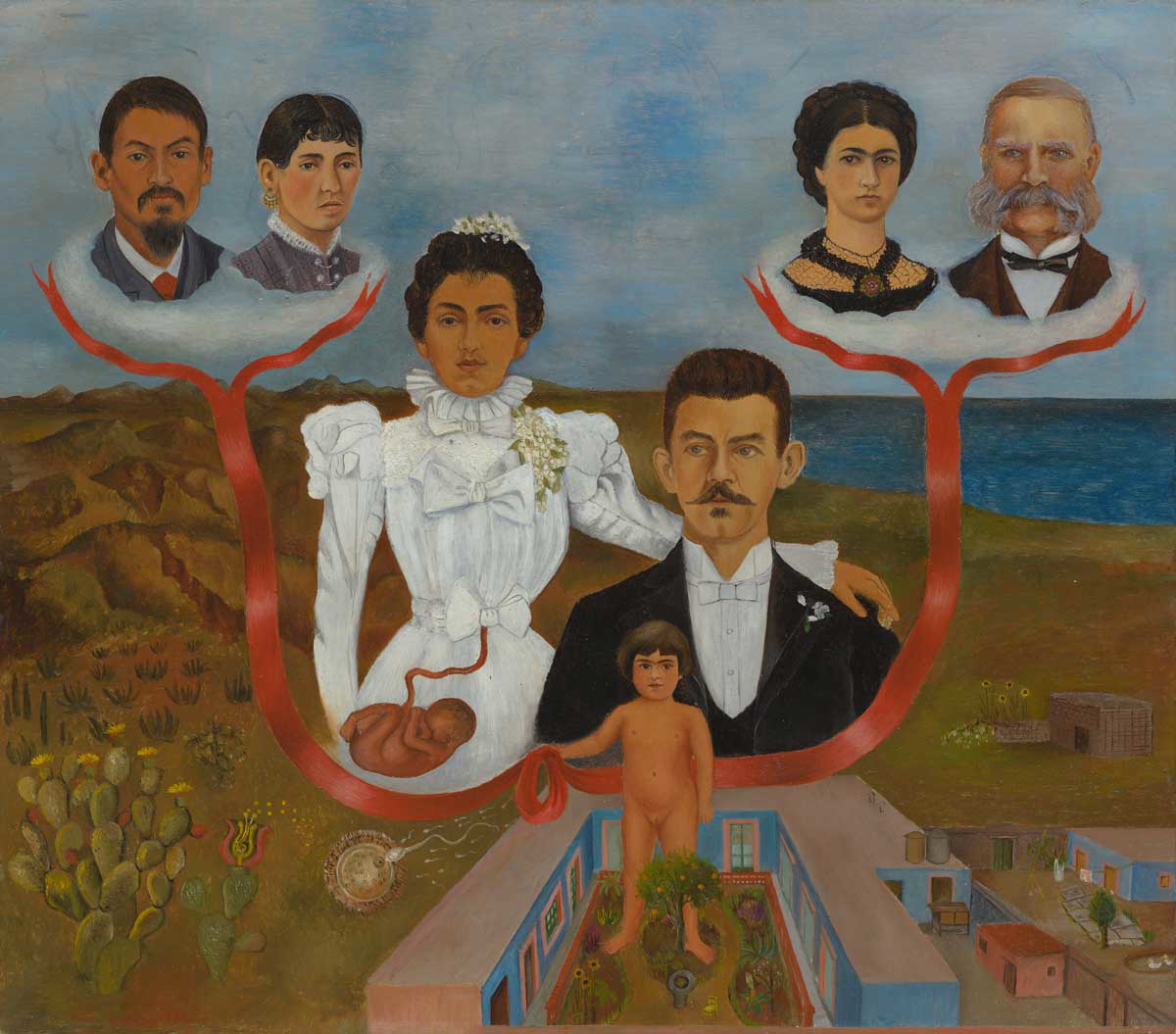
In simple terms, it is the emotional imprint that our relationship with the mother figure leaves on us, whether she was absent or present, difficult or loving. Jung believed that both men and women carry a mother complex, which affects how we perceive ourselves and others. It acts as a filter for understanding love, care, and our own value.
A positive mother complex may lead us to develop strong self-esteem, a balanced emotional life, and the ability to nurture others. But those with negative mother complexes may struggle with low self-esteem, guilt feelings, fear of intimacy, or become overly reliant.
This can have profound effects on romantic relationships: some people seek partners who resemble their mother, either to undo past problems or because they are drawn to those qualities.
It can also influence our spiritual desires as we seek unconditional love or cosmic reassurance. Freud studied this when outlining the Oedipus complex: a child’s wish for the parent of the opposite sex leads to tension.
Jung agreed that early relationships matter, but placed greater emphasis on symbolic importance. To Jung, the mother complex doesn’t involve wanting your actual mom so much as it symbolizes the quest for a kind of unity and wholeness within oneself.
Recognizing such patterns enables individuals to stop behaving on autopilot, freeing them up to form warmer, more mindful connections.
So, What Is the Mother Archetype in Carl Jung’s Theory?
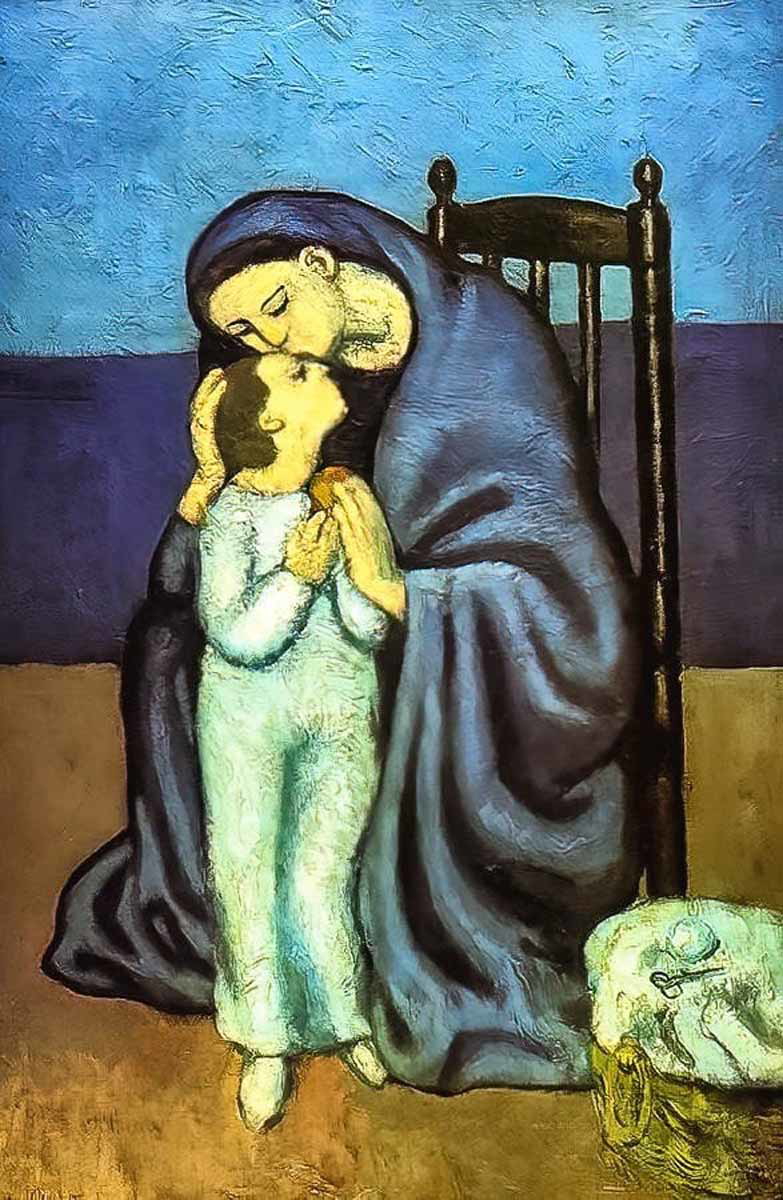
The concept of the Mother Archetype in Carl Jung’s theory is considered to be one of the most potent symbols within the human psyche. It symbolizes both an abundance of caring attributes as well as those that control, which can often be harmful.
These two aspects are often represented archetypally as light and dark, providing love, growth, and nurturing comfort on the one hand, but also manifesting fear, manipulation, or emotional hold-back on the other.
Because this archetype affects everyone—regardless of their sex—it has a profound effect on how people care for others or how they receive care.
Whether motherhood is something joyful or painful (or perhaps both at different times) for you, the emotions surrounding this relationship are still shaped by an archetype with these dual characteristics.
Jung’s lesson is clear: we need to confront the good and bad aspects of our inner mother if we want to be complete.
Once we take this step, we can start to look after ourselves in positive new ways rather than simply responding as we always have out of habit. This is when real emotional growth starts, when we accept all aspects of the maternal within us.