Summary
- The Reina Sofía museum is undergoing a five-year transformation, redesigning one collection floor each year until 2028.
- The new collection in the fourth-floor spotlights “forgotten” artists from Spain’s transition to democracy.
- There is a significant focus on representing women artists, who now comprise 35% of the newly exhibited creators.
- The museum challenges linear history by offering three different exhibition routes for the same contemporary art period.
- A remarkable 64% of the works on the renovated floor are previously unexhibited pieces from the museum’s collection.
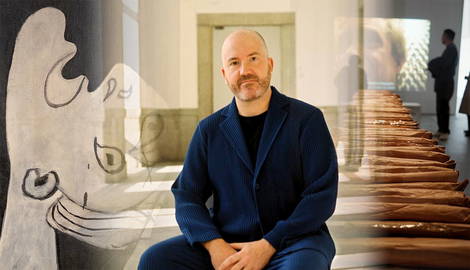
Since its inception, the Museo Reina Sofía in Madrid has stood as a bastion of modern and contemporary art, housing some of the world’s most famous artworks, including Picasso’s Guernica. Under the leadership of its new director, Manuel Segade (since 2023), the museum is undergoing a profound metamorphosis.
TheCollector recently visited Reina Sofía and got a first-hand opportunity to view its recently renovated fourth floor and interview Manuel Segade on a wide range of issues, from the museum’s decision to spotlight multiple “forgotten” artists to his favorite artwork.
What’s Changing? Reina Sofía’s Five-Year Transformation
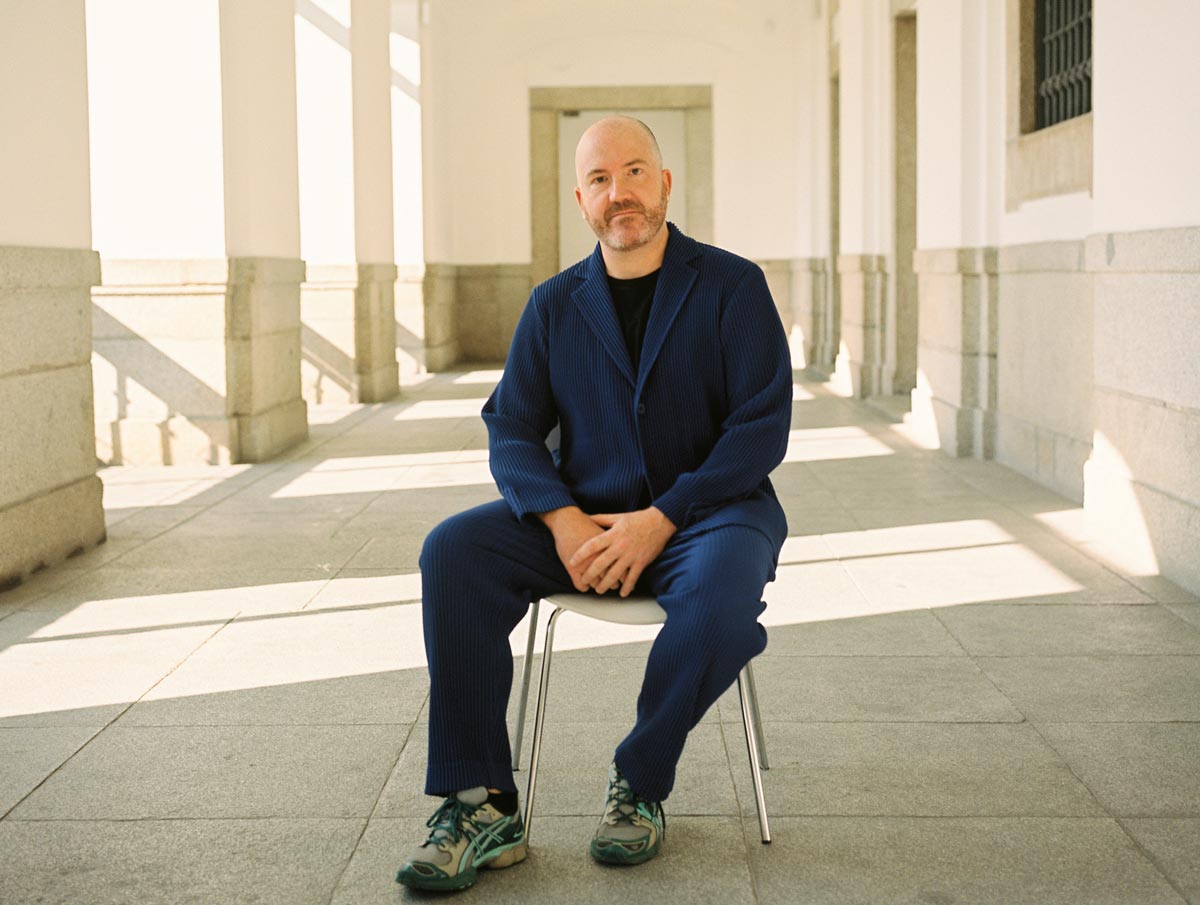
Since 2023, the museum has been changing. The change is “repurposing” the very architecture of Reina Sofía’s Sabatini and Nouvel buildings to better serve the art and the public. Segade outlines the timeline and the goal:
“This new presentation is the start of a three year transformation of the uses of the spaces in the museum’s headquarters. We’re changing one floor of the collection a year until 2028, because we are repurposing the spaces of our different buildings, leaving the upper floors of the old hospital—Sabatini building—for the collection and the ground floors and the spaces of our new Nouvel building for the temporary exhibitions’ program. This new presentation covers the last 50 years and gets through the end of the dictatorship of Franco to the present, as to say, the civic construction of the democratic arena in Spain.”
The “Forgotten” Artists Who Deserve the Spotlight
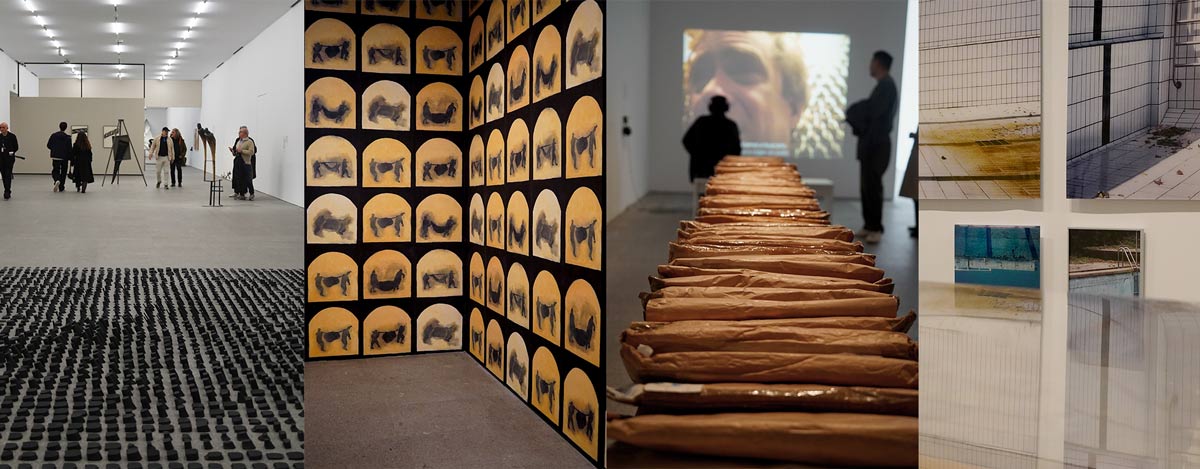
The museum’s fourth floor, which recently reopened to the public, recounts the art history of Spain over the past 50 years by way of 403 works by 224 artists. The new exhibition, titled Contemporary Art: 1975-Present, takes visitors back to the 1970s, the turbulent period when Spain transitioned from Franco’s 36-year dictatorship to democracy. The collection seeks to underscore the contribution of Spanish contemporary art to this process from 1975 to the present.
Of the total 403 works on show, 258 works (64%) are unexhibited. This means that new perspectives that had not been on view in past presentations of the museum’s permanent collection are now reaching audiences.
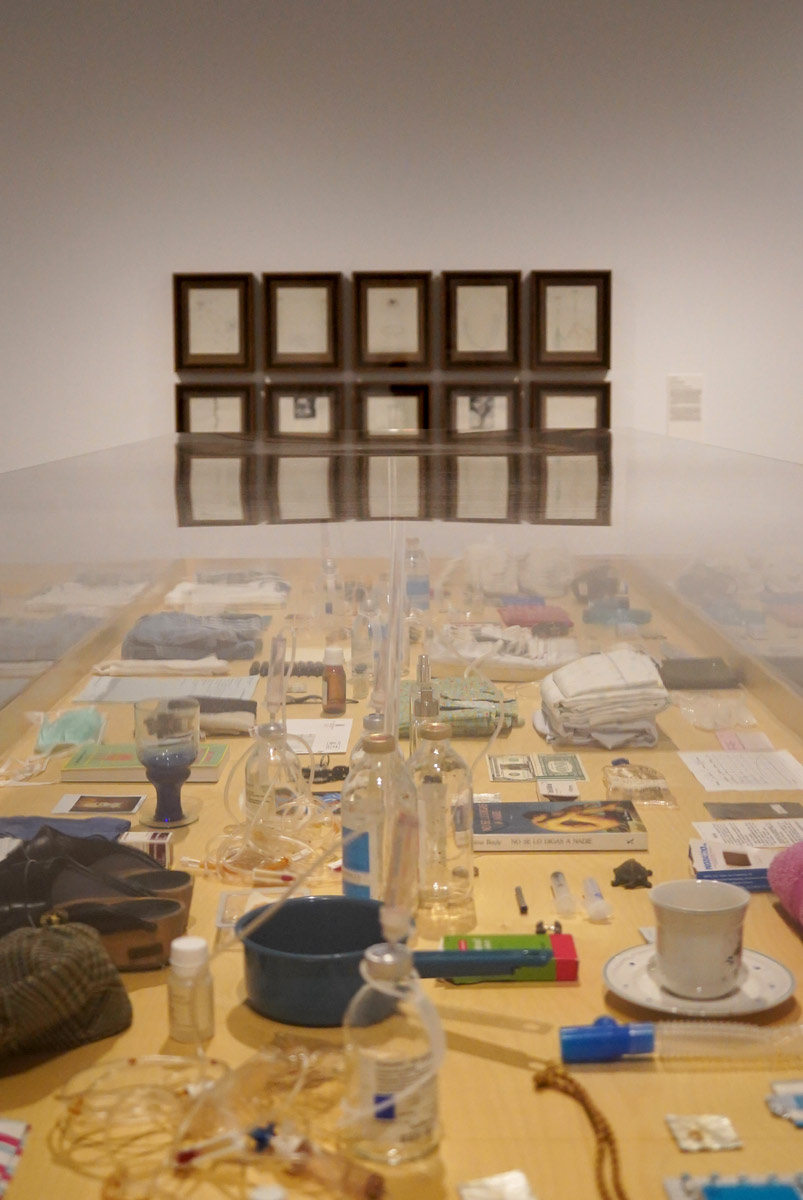
We asked Segade if this new presentation features any “forgotten” artists who particularly deserve the spotlight right now.
“So many… I think it is important to vindicate the early pioneers of conceptual art, like Paz Muro, whose irreverent actions were key to define our aesthetics in the 70s, or Isidoro Valcárcel Medina, whose continuous redefinition of what art is still provokes debate on our scene.”
Among these, there are also multiple women artists who were previously overlooked and are now receiving renewed attention. According to Segade:
“Also, there are a lot of women artists overseen in the past that should be valued for their contributions, like Paloma Navares and her new media feminist critiques or Salomé Cuesta questioning traditional optics and traditional perspective.”
Representing Women Artists
![«Lo personal es político. Feminismos y nuevas presencias de género». Judy Chicago, Women and Smoke [Mujeres y humo] 1971-1972. Museo Reina Sofía. Fotografía: Roberto Ruiz. © Judy Chicago, VEGAP, Madrid, 2026](https://cdn.thecollector.com/wp-content/uploads/2026/04/judy-Chicago-women-smoke.jpg?width=1200&quality=100&dpr=2)
Another key feature of this new organization, as we previously mentioned, is the representation of women artists.
Of the total of 173 artists, 69 are women; a large number, but one that needs to increase in the future. Segade acknowledges the progress made, while remaining candid about the work that remains:
“We’ve introduced almost 35% of women artists, the biggest ever in the museum, but that clearly needs to increase: in 26,000 pieces in our collections, only the 15% are made by women artists.”
The role of women in this “new” Reina Sofía is more than a token gesture. It is a fundamental restructuring of the narrative:
“We really think that women were fundamental to produce the system of representation that we call contemporary art. The Second Wave of feminism is key in the formation of performance art and the struggles of the 70s happened in women artists’ bodies.”
Challenging Traditional Museum Narratives
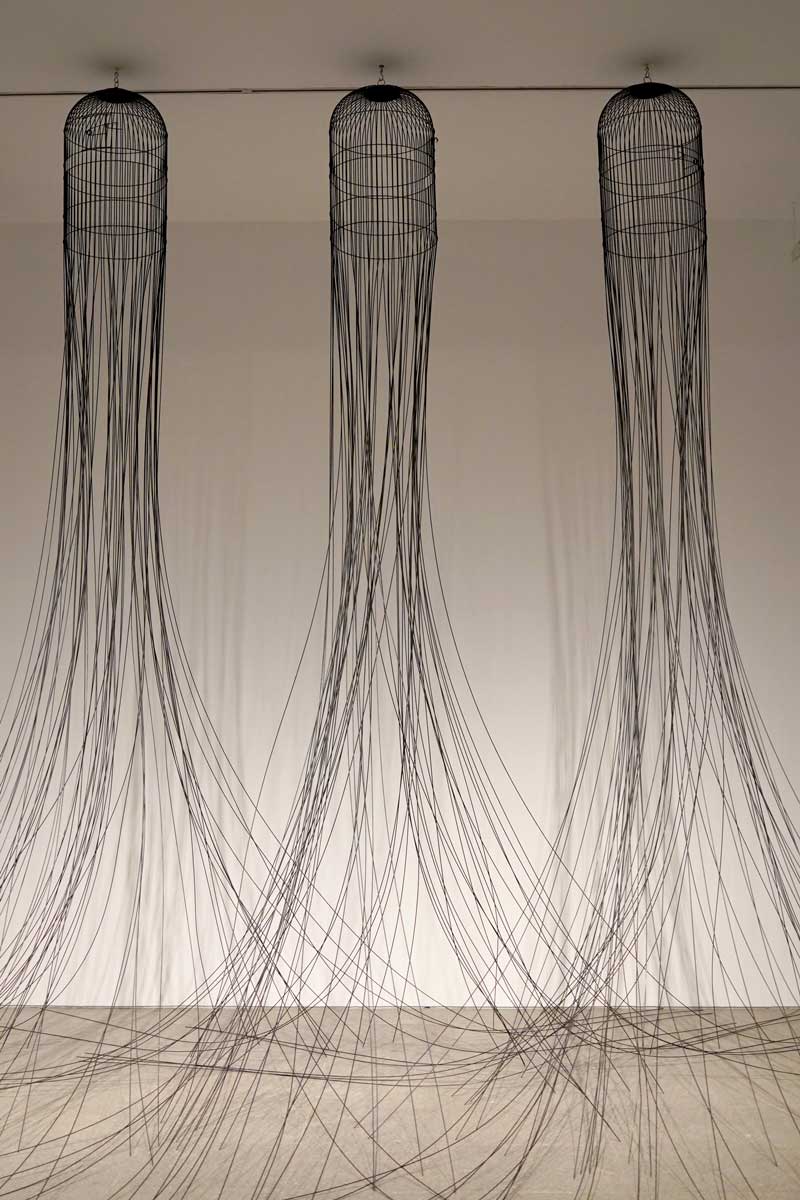
Another change is the “hanging” itself. Eschewing a single, linear timeline, the museum now offers three distinct perspectives on the post-1975 era, forcing the viewer to engage with the art through different lenses.
The first thing a visitor sees upon entering the fourth floor is Juan Genovés’ Documento No… 1975, which sets the tone by addressing censorship and the relevance of basic rights. From there, the visitor moves to an introductory space featuring the following three chapters:
- The Structures of Affect of the Spanish Transition: highlighting the emotional frailty of Spanish society during the period of democratic transition.
- Material Counterculture: this chapter showcases the multiple subjectivities that remained underground during the period of Franco’s dictatorship.
- Attempts at and Limits of an Institutional Regime for Art in Democracy: this chapter is concerned with the institutionalization of Spanish culture and art.
These three chapters mirror and serve as introductions to the three exhibition routes that the floor offers to visitors. “We don’t propose one but three different readings of the same period,” says Selgade. According to the museum’s director, the three tales presented in the exhibition are:
- A History of Affect in Contemporary Art: an affective history of contemporary art.
- The Powers of Fiction: Sculpture, New Materialisms, and Relational Aesthetics: a display of material culture—not only sculpture, but also what contemporary artists did to objects—and our relation with them.
- A New Framework: The Institution, the Market, and the Art that Transcends Both: a tale of the institutional frame constructed to hold contemporary art in the last decades. Like that, the floor restarts back again in the 70s three different times.
The third route is particularly interesting for those interested in museums and heritage as it tells the story of the genealogy of the Museo Reina Sofía and the Spanish art system as well as how museums, as democratic institutions, offered a space and much-needed visibility to new forms of expression and social presence throughout the 20th and into the 21st century.
The Ever-Relevant Anti-War Message of Picasso’s Guernica
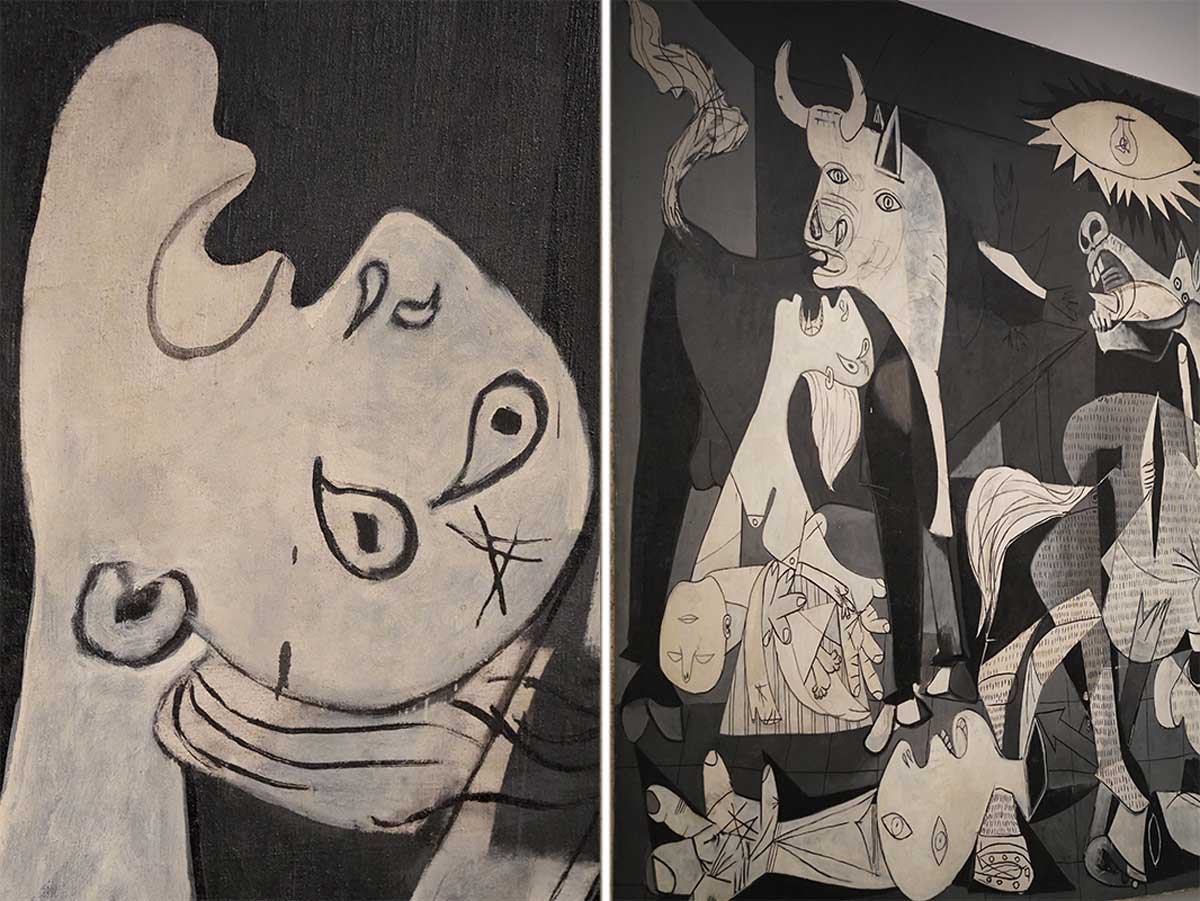
While the museum is currently highlighting its renovated and newly opened fourth floor, crowds still gather in front of its most famous artwork: Pablo Picasso’s Guernica.
“People still feels like getting it out of the street everytime a war starts anywhere on the world,” says Selgade. Picasso painted this grand, in scale and aspiration, work in 1937 in response to the bombing of the town of Guernica by 1937 the German aircraft of the Condor Legion, which Hitler had sent to aid Franco’s forces against the Republicans. The tragedy and pain that unfolded in Guernica was captured by Picasso in his work, and, for this reason, as Selgade notes:
“Guernica continues to be the most important declaration of ‘end to wars’ ever done.”
A Personal Perspective
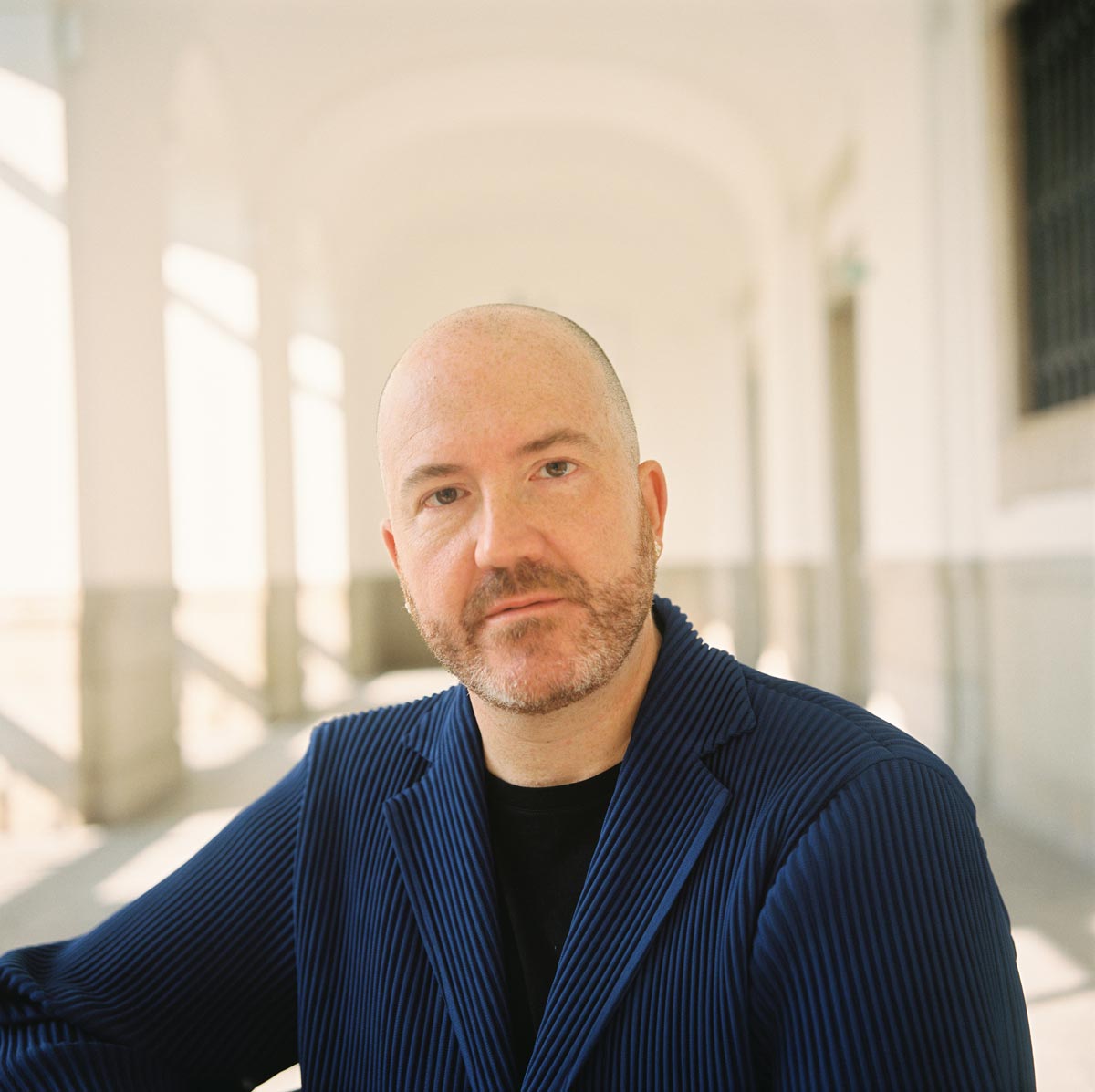
As for his favorite object, Manuel Selgade tells us:
“Nowadays I love the terraces, where I can cross a penetrable sculpture of Venezuelan master Jesús Soto feeling the echoes of traffic from the street…”
As for the Museo Reina Sofía, it continues its journey toward 2028, undergoing a unique and exciting transformation. We are looking forward to seeing the changes unfold!