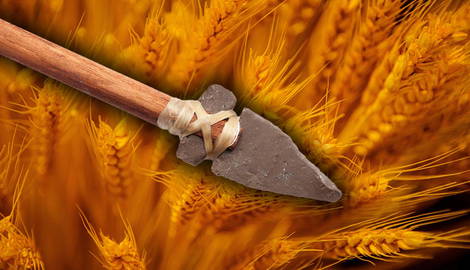
For hundreds of thousands of years, the human species roamed the wilderness, living nomadic lifestyles. They were hunter-gatherers, and survival depended on small mobile groups, following the herds and the seasons.
Around 12,000 years ago, however, something remarkable happened that began to change the way humans had always lived. Humans started domesticating animals and sowing seeds. The Neolithic Revolution, as it is now called, heralded a new era for the human species and challenged the very nature of human existence, providing a foundation for civilization to take shape.
It wasn’t an easy shift, and along with advantages, there were many challenges to overcome.
From an Old to a New Stone Age

Before the Neolithic Revolution happened, human beings had spent hundreds of thousands of years as hunter-gatherers. This lifestyle predated Homo sapiens and was the state of affairs for all members of the Homo genus going back to Homo erectus, which evolved roughly two million years ago. Thus, from an evolutionary perspective, humans were, and still are, wired as hunter-gatherers.
There were advantages and disadvantages to living a hunter-gatherer lifestyle. The human diet was diverse and healthy, but food wasn’t in constant supply, and there was hardly ever any surplus. Farming offered more food security, but created a host of problems that were not easily overcome.
The Neolithic Revolution ushered in a change in lifestyle, but it was not a single event, nor was it universal. It did not happen at the same time across the globe. Until the modern era, there were still people who lived “Palaeolithic” lifestyles. Contemporary peoples living in isolated areas, such as the Sentinelese, still live a lifestyle that is comparable to the hunter-gatherer lifestyles of our Palaeolithic ancestors.
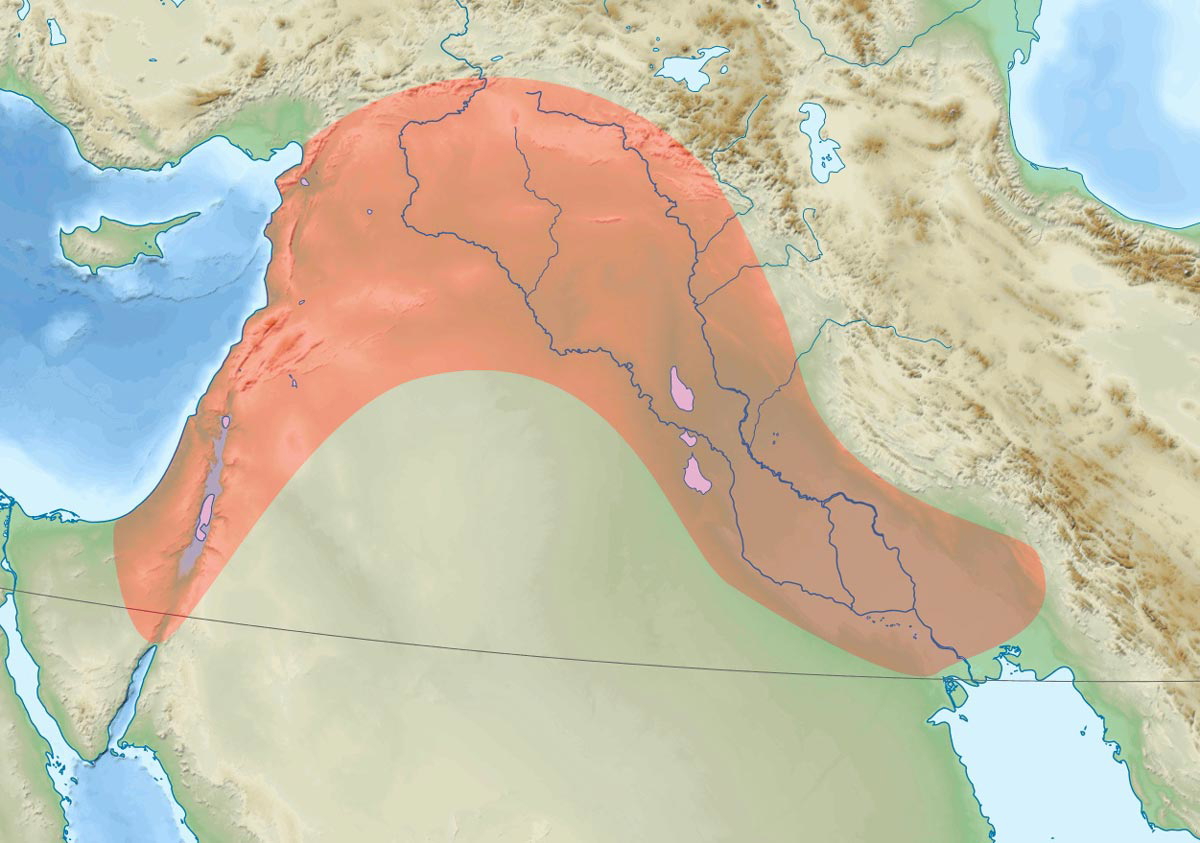
The reason for the change in human activity is one that encompasses many factors and is a subject of much debate, as academics posit new theories, and archaeological evidence changes our understanding. Around 14,000 years ago, the planet went through a significant warming period as the last ice age ended. The Fertile Crescent became a rich source of food, and wheat and barley began growing in abundance.
Widely accepted theories suggest permanent settlement was a natural outcome as people sought to be close to the food sources, eventually settling down instead of moving on. Nomadic lifestyles transitioned to semi-permanent and then permanent settlement. Instead of simply harvesting wild food, people stayed in place longer and began planting seeds to deliberately cultivate the area. Settlements grew, driving the demand for grain, which in turn led to farming practices to support a growing population.
Cattle and Crops

While the Fertile Crescent is usually associated with the Neolithic Revolution, other areas around the world at later points also experienced their own shifts from hunter-gatherer to sedentary lifestyles where agriculture was key. Wheat and barley were the primary crops in the Middle East, whereas in China, rice and millet were cultivated. In Mesoamerica, squash was being cultivated as far back as 10,000 years ago. The Mesoamericans spent thousands of years guiding wild ancestors of maize through genetic selection, eventually creating plants that resemble modern corn. The oldest evidence of an actual corn cob comes from around 5,500 years ago. Around this time, potatoes started being cultivated in the Andes.
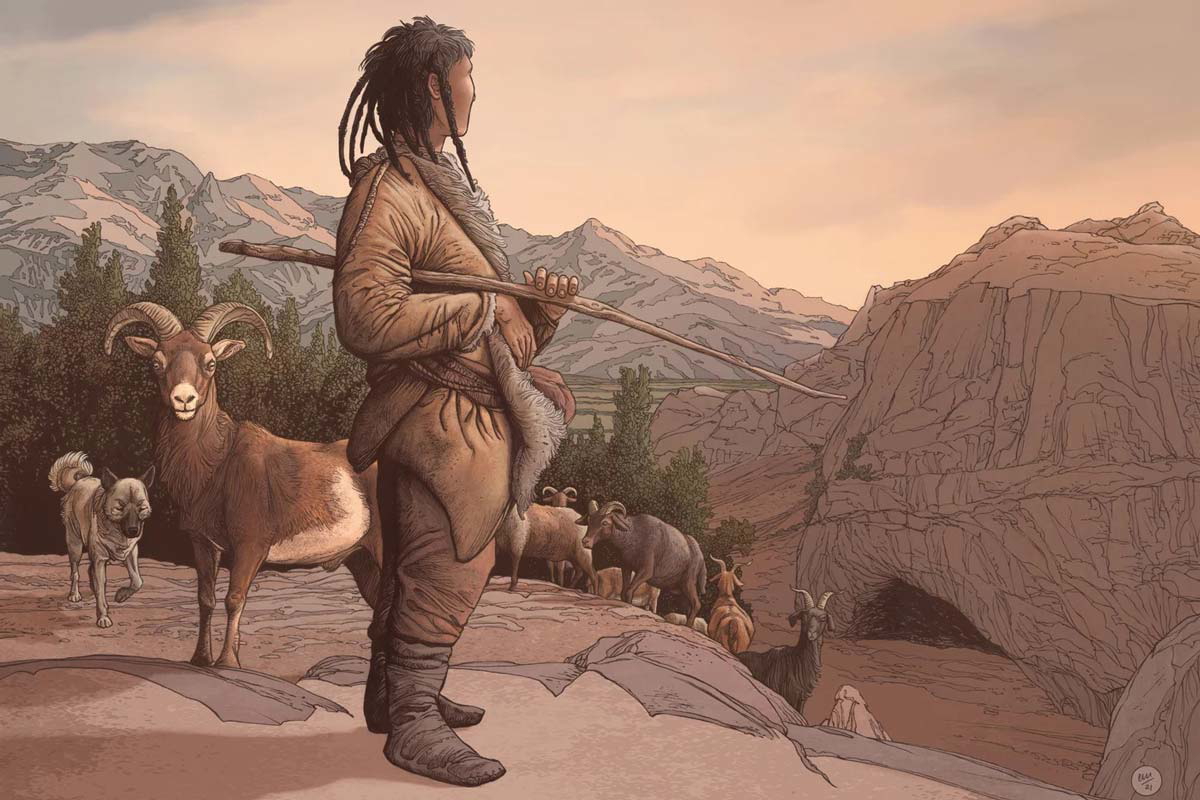
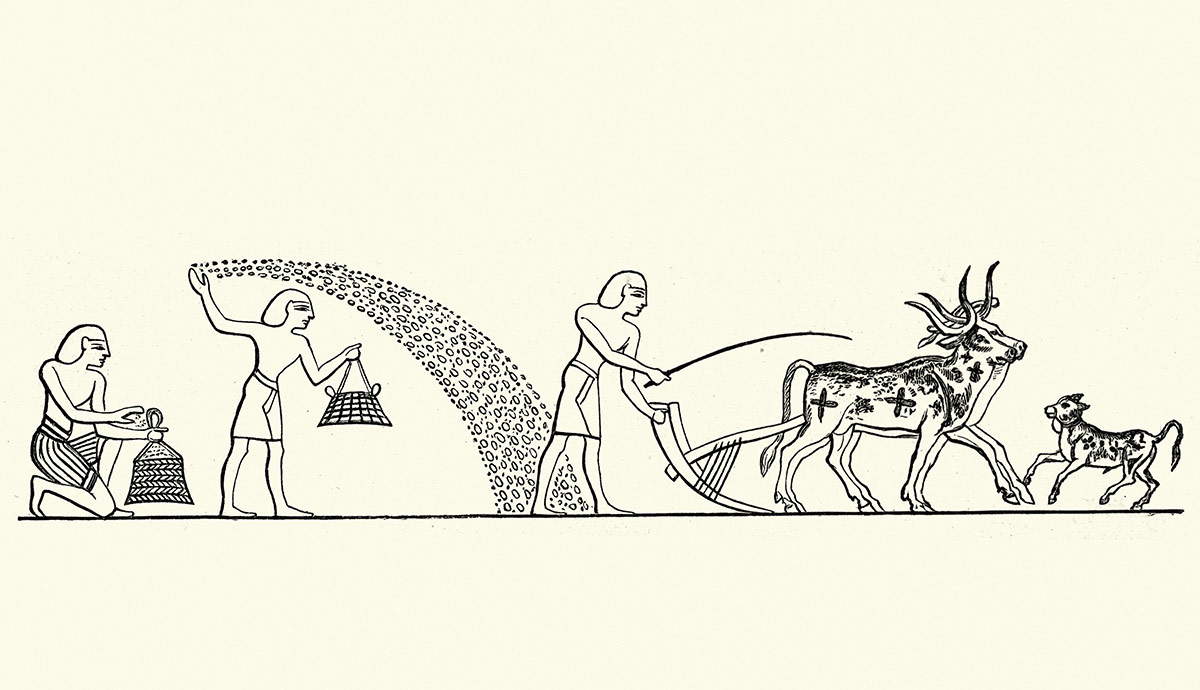
The selective breeding of crops created hardier varieties that provided more food, thus driving the Neolithic Revolution even further. Along with this cultivation of crops was the domestication of animals. Eurasia was blessed in this regard, and there were many species that were perfect for domestication, each contributing to the rise of civilization in a unique way. Sheep, cows, goats, pigs, and later, horses were domesticated. Neolithic peoples had access to meat, wool, and dairy. By the end of the Neolithic, horses would eventually provide draft power as well as transportation, in addition to the use of oxen as draft animals, which began around 4000 BC.
Meanwhile, dogs herded sheep, guarded cattle, and provided companionship, while cats kept the grain stores free of rodents (and also provided companionship in some cases). In South America, Llamas were domesticated around 4,500 years ago, and were a source of meat, wool, leather, and fertilizer while also being used as pack animals.
The early Neolithic was a time of decreased health and a rise in infectious diseases. This can be attributed to reliance on a smaller variety of foods and reduced natural immunity. Humans were shorter and also suffered from an increase in dental issues. Over time, the domestication of a larger variety of crops and animals resulted in an improvement in human health.
Society Changes
Ultimately, the Neolithic Revolution paved the way for a massive growth in human population, and critically, for the birth of civilization, it freed people from a life revolving around the search for food. Much fewer people were needed to source and produce food than in hunter-gatherer societies. This meant that larger populations could be supported, and the birth rate increased dramatically. The world population, however, did not start increasing until around 5000 BCE. It seems to have been tempered by disease and warfare for several thousand years.
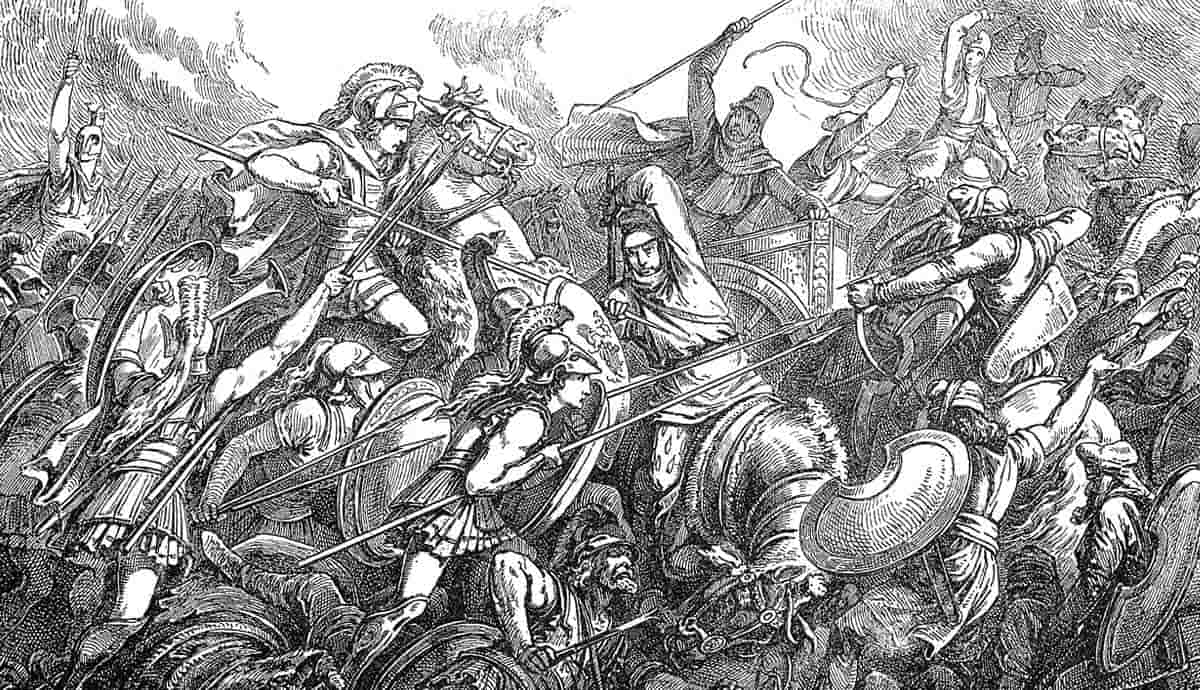
It is believed that the transition from hunter-gatherer to sedentary lifestyles was a catalyst for increased competition over resources and territory. Organized warfare, generally in the form of skirmishes, became more common in the millennia following the Neolithic Revolution. Technological progression from the Stone Age to the Bronze Age and the Iron Age also led to the development of new weapons and tactics, and evidence for prehistoric warfare has been found on every continent except Antarctica. Alfred S. Bradford, chair in Ancient History at the University of Oklahoma, states that the need to cooperate to irrigate farmlands also gave rise to the idea of cooperating from a military perspective. Workers were needed to work the farms, while soldiers were needed to defend them.
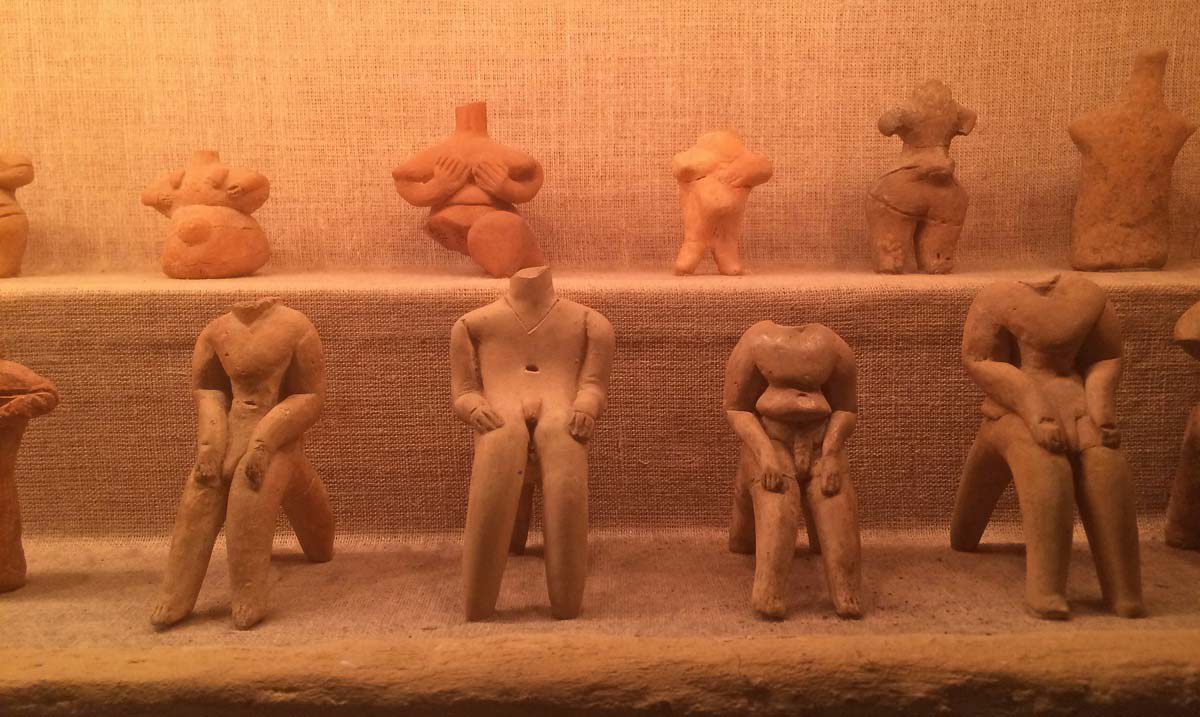
The rise in food production also meant that a huge section of the population need not be involved in the production of food, and thus could follow other pursuits. This led to the development of crafts and industries not directly related to food production. Pottery and textile industries arose alongside specialized labor, and jewelry was created, the wearing of which denoted social prestige.
Preserving and expanding settlements required masonry, carpentry, boat building, and weaponsmithing, among other occupations, while artists contributed to the society’s unique culture. Bartering gave rise to the invention of money, and class divisions based on wealth became apparent. Hierarchies became evident, leading to the stratification of society, from slaves to merchants to kings. Although certainly not universal, these processes began early in the history of the Neolithic Revolution, as evidence of slavery reaches as far back as 11,000 years. Ruling classes emerged that controlled the wealth and labor. This wasn’t the situation everywhere, however, and many settlements and villages were likely to have been less concerned with class and caste, although few would have been as egalitarian as their Palaeolithic forbears.
The Neolithic was a transitional period in this regard, and the dynamic is not well understood. Many societies remained egalitarian for many thousands of years, and it has been suggested that the advent of the ox-drawn plow around 4000 BCE was the catalyst for a steep incline in inequality as land became more valuable and labor decreased in value.
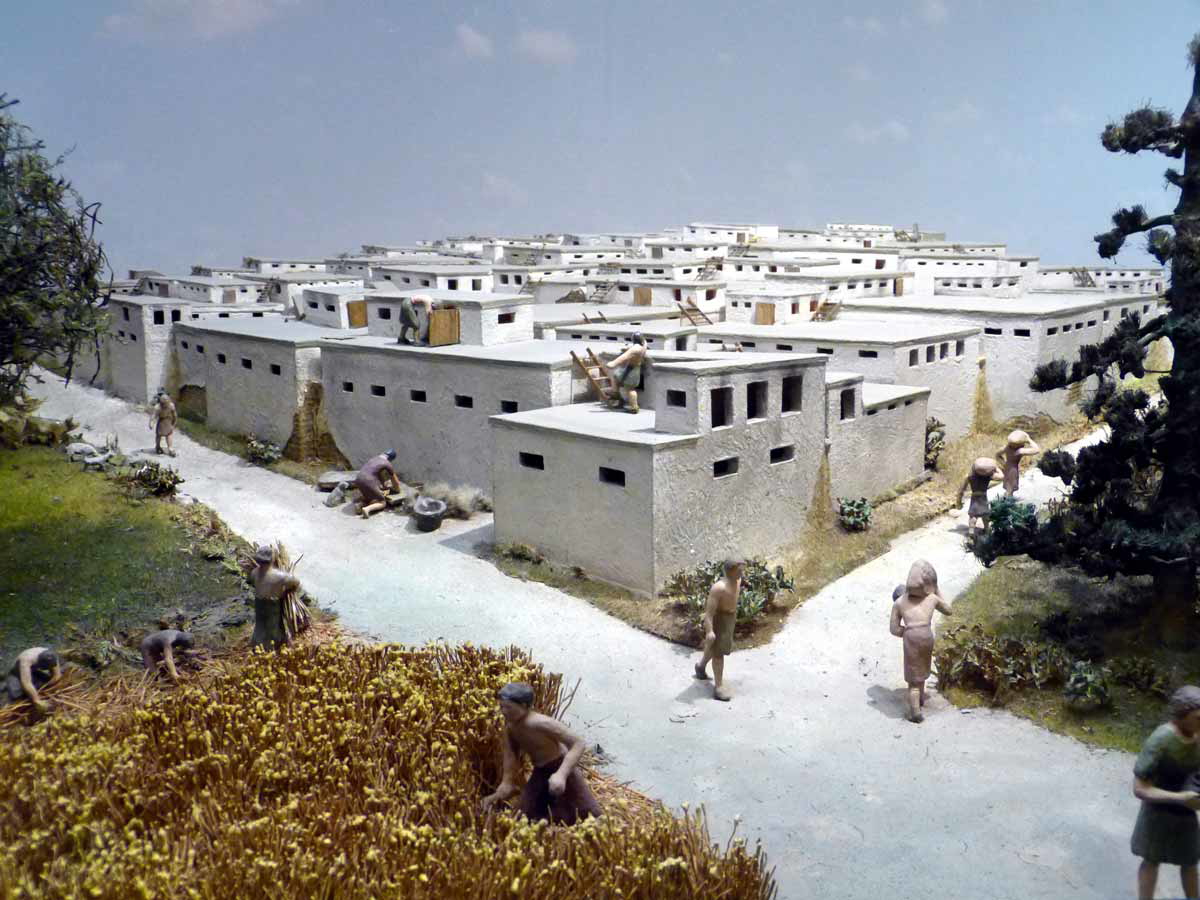
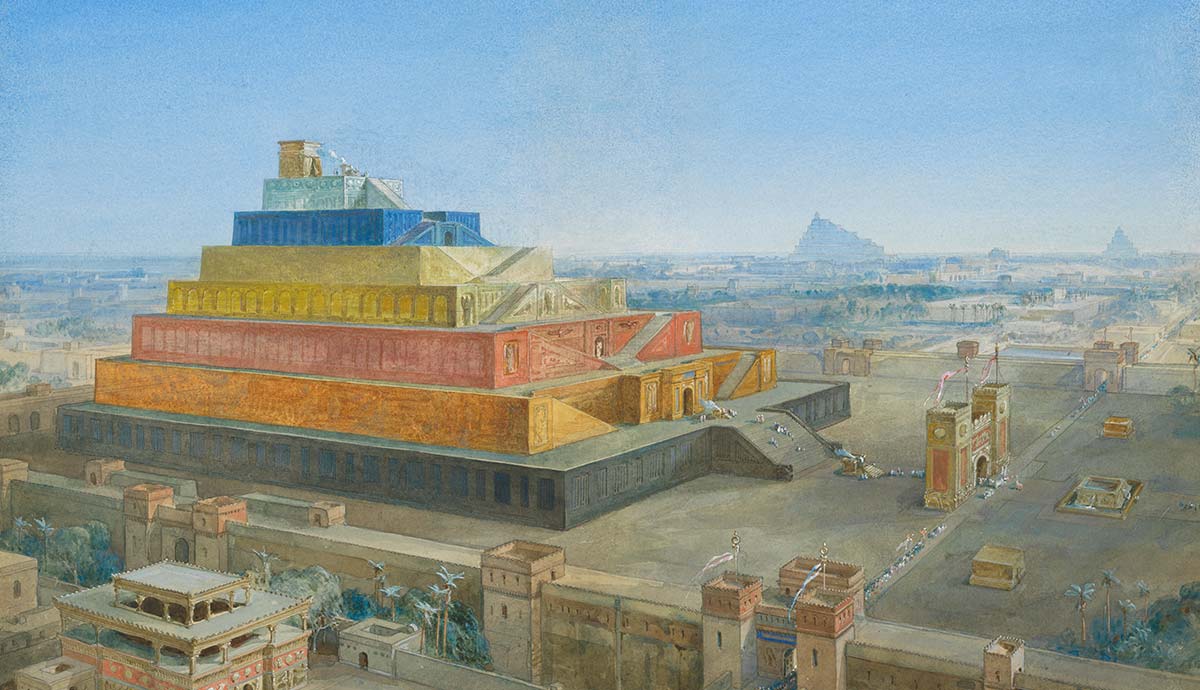
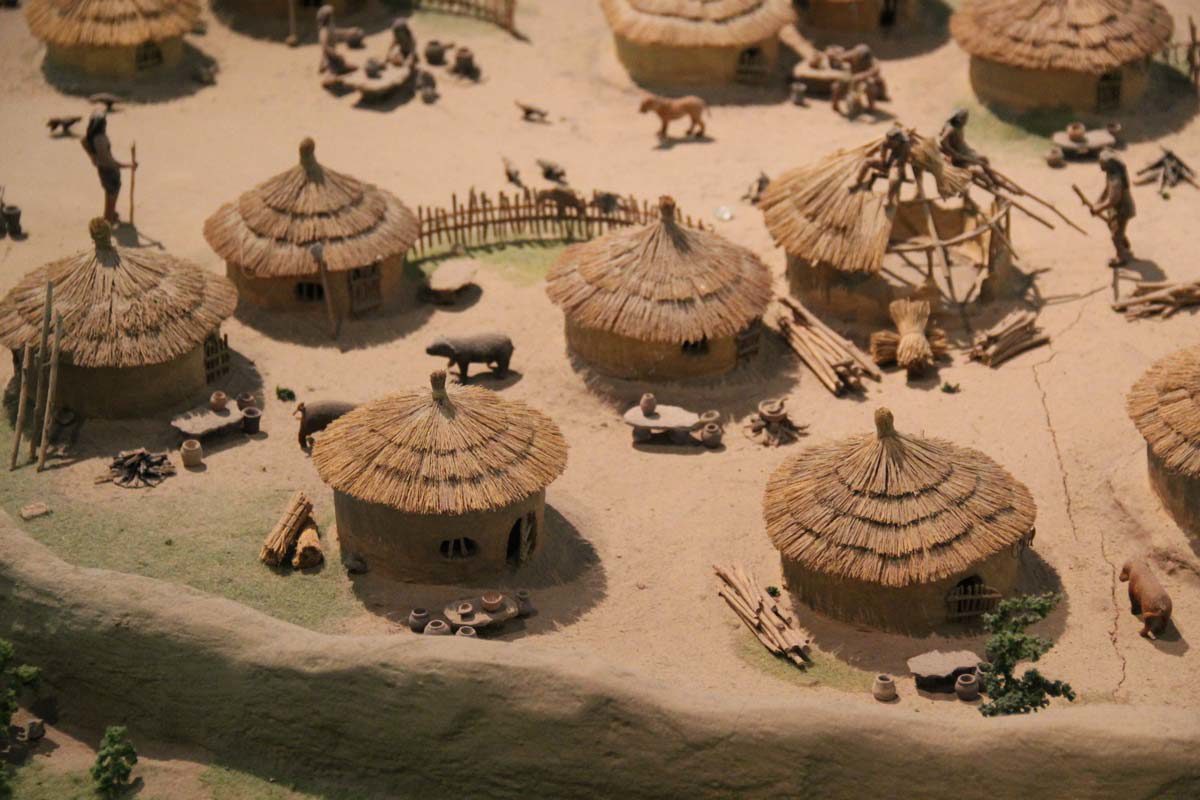
As settlements grew, they became towns and (the Neolithic equivalent of) cities, as exemplified in Jericho and Çatalhöyük. Maintaining such large populations wasn’t just about food supply. There was a need to enforce societal norms and maintain law and order. However, it wasn’t until the end of the third millennium BCE that laws were codified in Mesopotamia. Since there was no official legal system, community consensus would have likely been the norm in deciding what was unacceptable and what the consequences should be. Religious traditions would have certainly been a factor in guiding decisions.
Keeping law and order wasn’t just about internal factors. It was also about protection from external threats. As such, settlements looked to defensive measures and became fortified.
Advancing Technologies
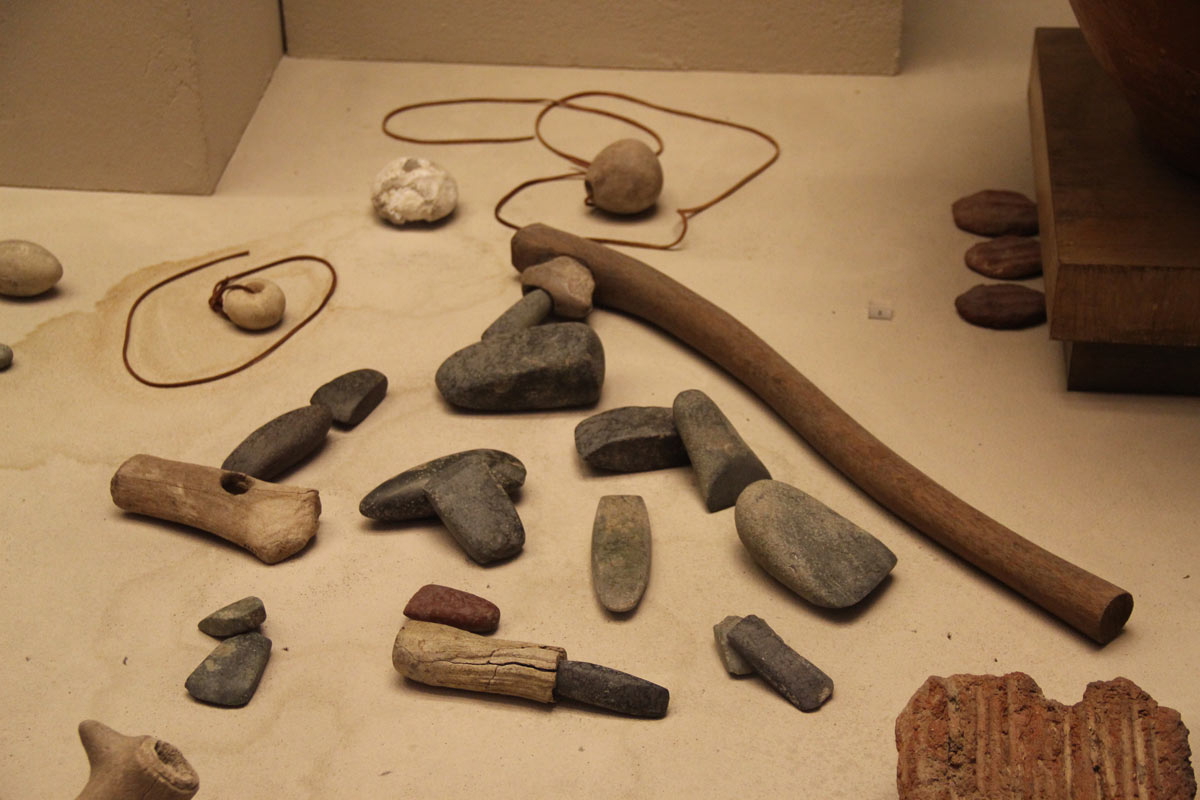
Technologies such as the potter’s wheel, the bow drill, and the pole lathe were early indicators of advancing sciences. As there was a constant need for farmwork to support growing populations, there was also a growing need for tools. Neolithic people had access to a wide range of materials, but they weren’t much different from the materials available to the people in the Palaeolithic period.
Stone was a vital substance and could be fashioned into a variety of tools such as axes, adzes, spear points, and knives. Wood was a common resource, as were the various resources from animals like leather, sinew, bone, and antler. Reeds could be used to make wicker baskets and roofs for thatched houses. A major advance occurred with the increased use and spread of pottery. This technology changed the way humans cooked and stored food, marking a huge shift in what was possible.
Beginning around 4500 BCE and considered part of the Neolithic, the Chalcolithic or Copper Age is noted for the use of copper, although evidence suggests copper was in use thousands of years before this date. This metallurgical advance provided copper tools, weapons, and ornaments. Copper was malleable, could hold an edge, and was easier to fashion than stone.
Ultimately, copper would be combined with tin to produce bronze, thus beginning the Bronze Age. In different parts of the world and at different times, this development signaled an end to the Neolithic Period.
Consequences
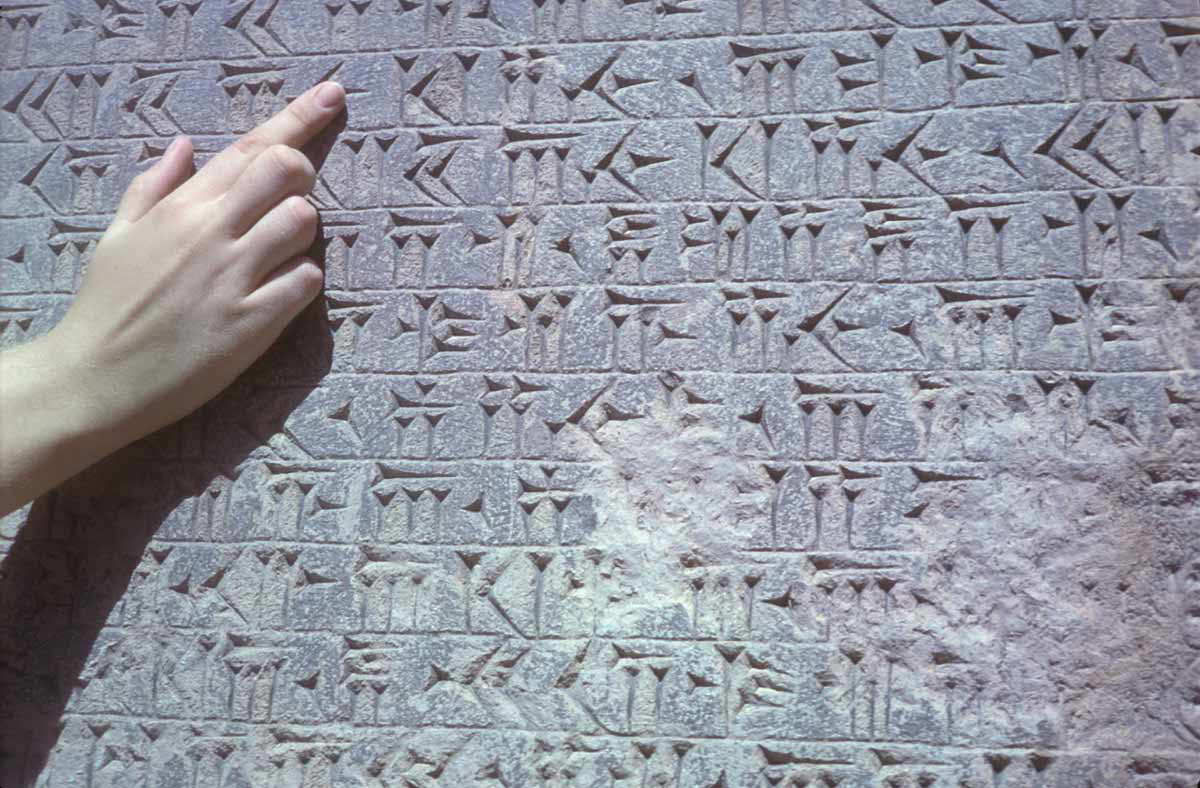
The Neolithic Revolution saw a gradual change in the human worldview. In hunter-gatherer societies, time was cyclical. The seasons came and went, and everything began anew. For tens of thousands of years, this was the case, and there was little change to signify otherwise. The Neolithic Revolution set the stage for change to be noticeable, to the point where our worldview and our sense of time became linear rather than cyclical.
The dawn of agriculture set in motion a chain of events that led humankind to where it is now. In a gradual shift, sedentary lifestyles became the norm. While some people still lived nomadic lives, the practice became the exception rather than the defining feature of human societies.
The sedentary lifestyle generated permanent settlements, some of which grew into villages and towns, and later, into cities that held power and influence over the surrounding era.
This was the birth of civilization.