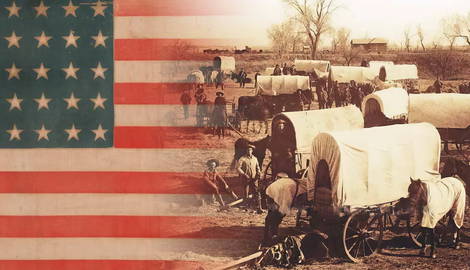
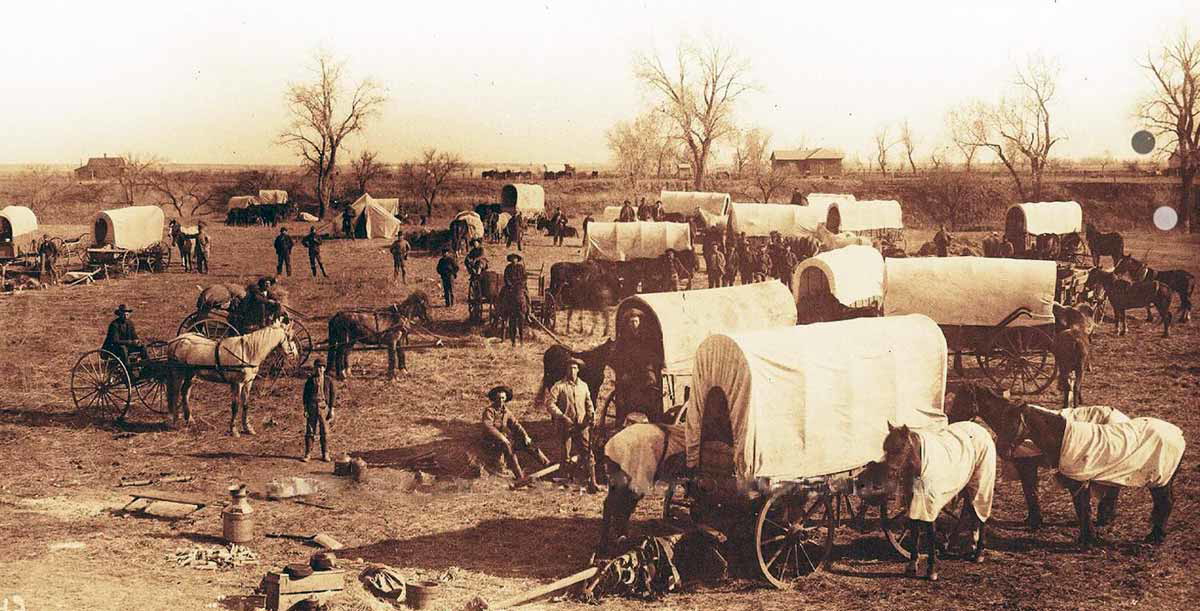
The definition of the Old West typically refers to the area west of the Mississippi River. Most starry-eyed (or more practical-minded) settlers saw this region as a vast, unsettled land. Events before, during, and after the American Civil War, such as the 1849 California Gold Rush, contributed to its allure. First by wagon, horse, and boat, an estimated 7 to 9 million people migrated before 1865. The “iron horse” or railroads brought some 20-30 million more, nearly three times more, after 1865. The Old West’s draw was clearly unmistakable.
The Economic Pull
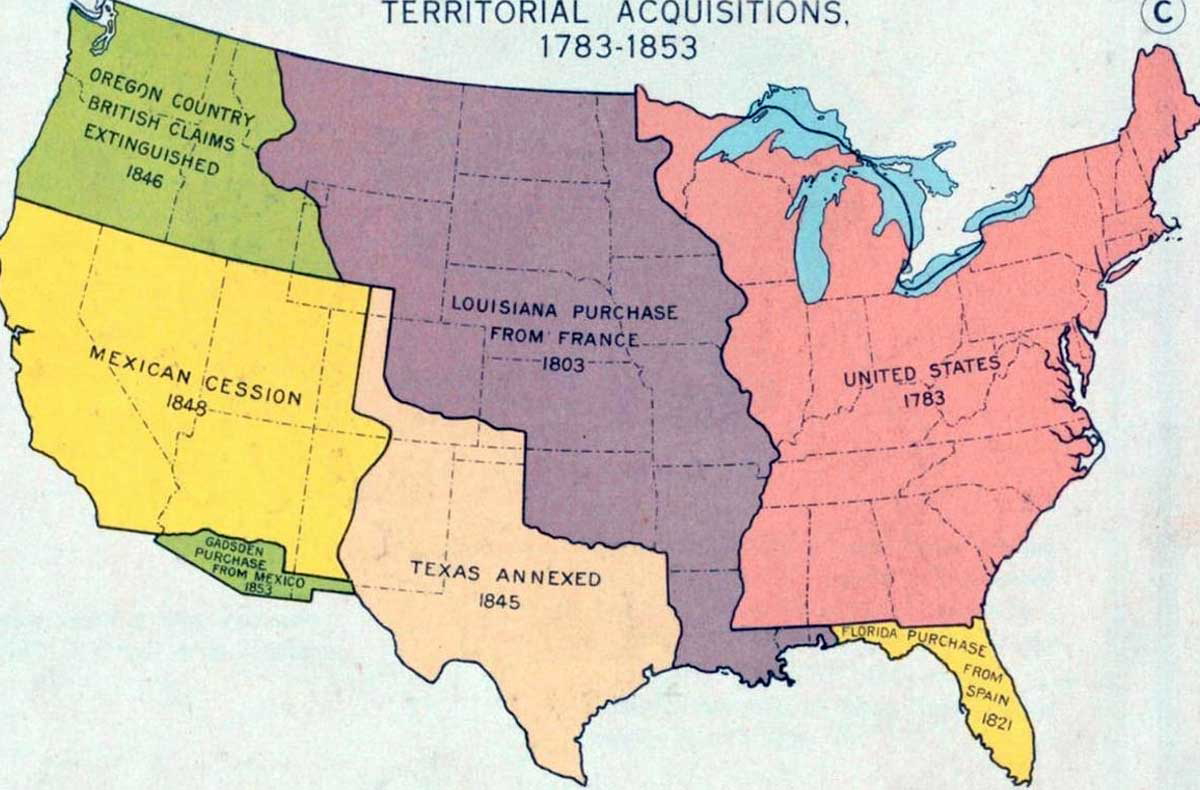
The Old West’s economic appeal can’t be understated. In a time of packed Eastern cities, limited farmland, and employment, the expanding frontier offered opportunities.
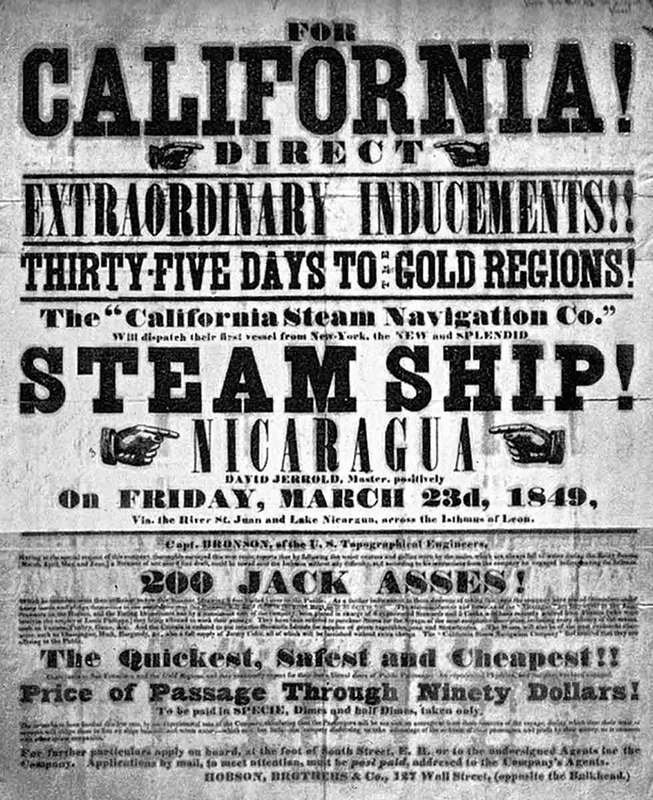
Whether by government or discovery, opportunities abounded. The greatest and most famous was the 1849 Gold Rush. This discovery of gold in California unsettled America and the world. Millions flocked to California and later to other boom times, including people from Europe, Latin America, and China. Future infamous boom towns would include Deadwood and Tombstone.
The slightly later Homestead Act of 1862 created a similar rush. Signed into law by President Lincoln, this Act granted 160 public acres of land. Settlers needed to stay and improve the lot for at least five years. Around 270 million acres, or 10% of total U.S. land, was granted. Though riddled with corruption and waste, the Act hastened westward expansion, with freed slaves, poor immigrants, and women receiving grants. The grant furthered the West’s appeal, helping to create the image of the self-reliant, independent farmer. This reputation would be added to the American mythos.
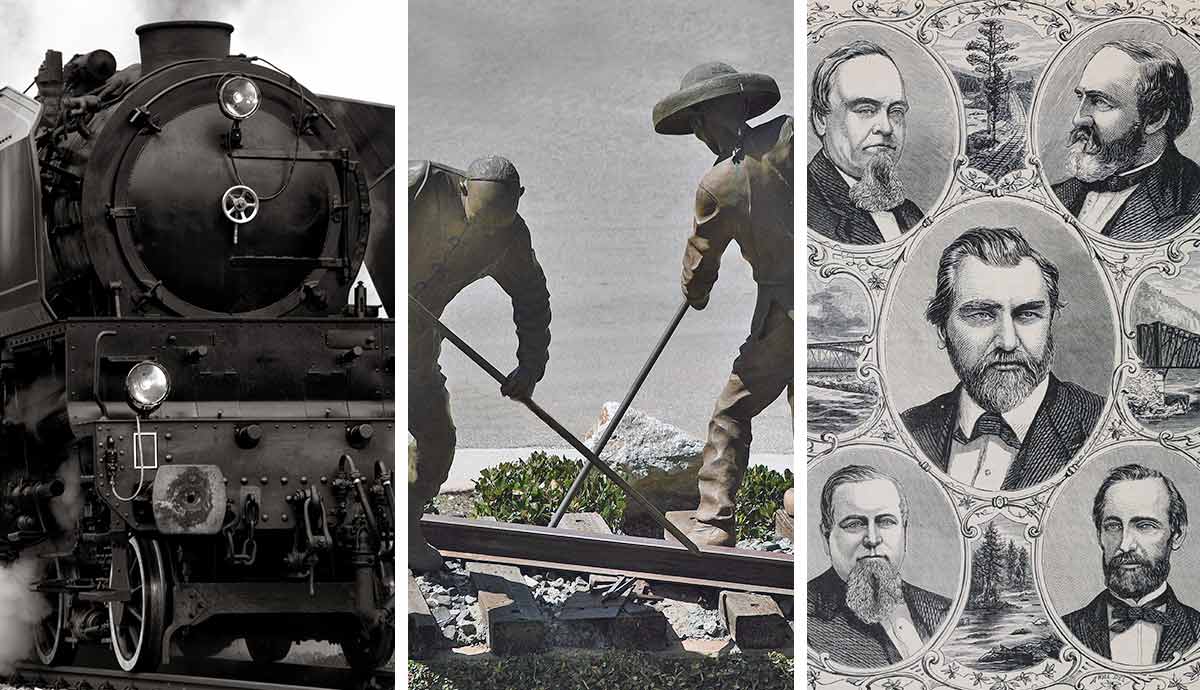
1869 saw the two continent-spanning railroads meet in Utah. With that, Western migration ballooned. The Transcontinental Railroad offered a faster, more reliable, and safer method of travel. When combined with further gold booms, cheap land provided by the Homestead Act, or just desiring better circumstances, settlers came by the millions. The railroads, too, became a boon to the West, creating jobs and towns along their routes.
The Irresistible in Real Terms
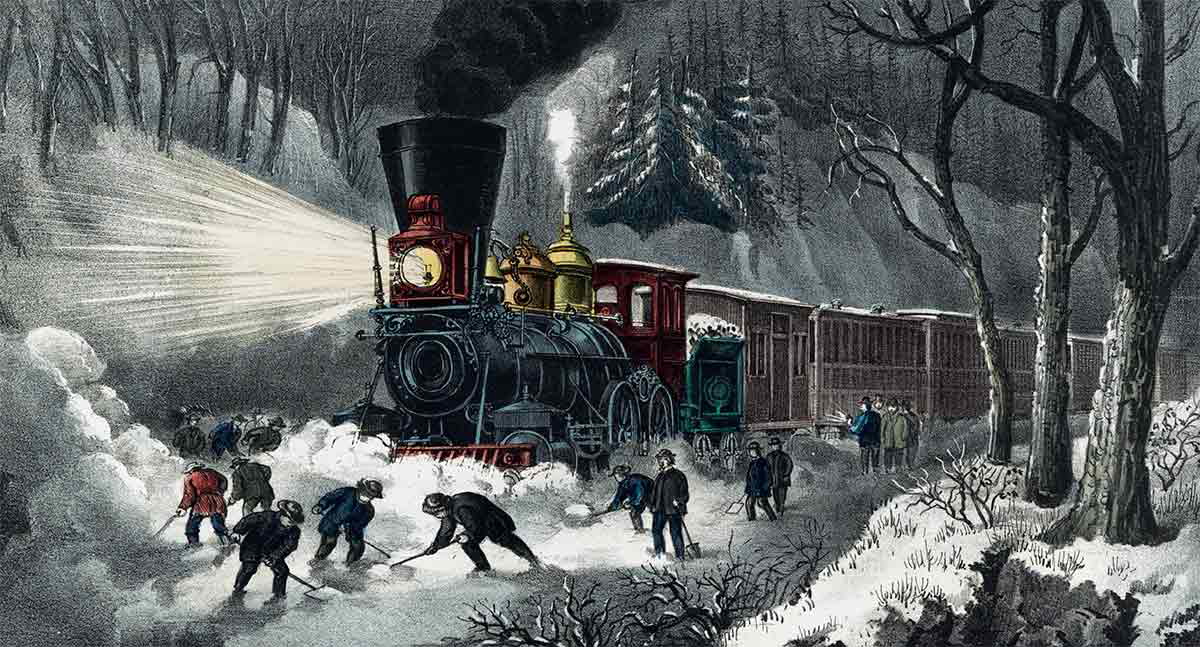
Beyond the Old West’s possible wealth or land opportunities lay an ideological appeal. The appeal came from various sources, such as America’s Manifest Destiny push or simply escaping society’s constraints. The West offered potential for redemption and reinvention, so many other people leapt to try.
For freed or ex-slaves, they could escape the crushing racism. These pioneers used the Homestead Act to claim their 160 acres of the Great Plains. African Americans built towns such as Nicodemus, Kansas; Blackdom, New Mexico; and Dearfield, Colorado.
For women, too, the West could mean freedom. Some territories offered women land ownership, a distinct legal difference from the East. Survival took priority over Eastern social norms. One successful woman settler, Elle “Cattle Kate” Watson, owned a successful ranch. Sadly, land-hungry ranchers lynched her husband and herself in 1889.
Romanticizing the Myth
Writers, entertainers, and artists inevitably glamorized the Old West, similar to the medieval era. Through stories, art, and entertainment, life in the West became exaggerated or idealized. Myth overtook real life. A unique 19th-century invention, the dime novel created that myth. These wildly popular, cheap mass-produced novels contained the same power as today’s social media.
Costing only a dime, made of pulp paper, and circulated widely, these often-exaggerated stories blended myth and reality. The authors used real-life figures, often creating larger-than-life characters. Deadwood Dick was entirely fictional, whereas Calamity Jane’s life, the frontierswoman, was embellished.
Other semi-fictional but real persons included Billy the Kid, Wild Bill Hickok, and Jesse James. Such stories created a mystique glorifying honor, violence, and the rugged, self-made man. The adventures glossed over the Old West’s harsh reality, only painting it as a bold adventure.
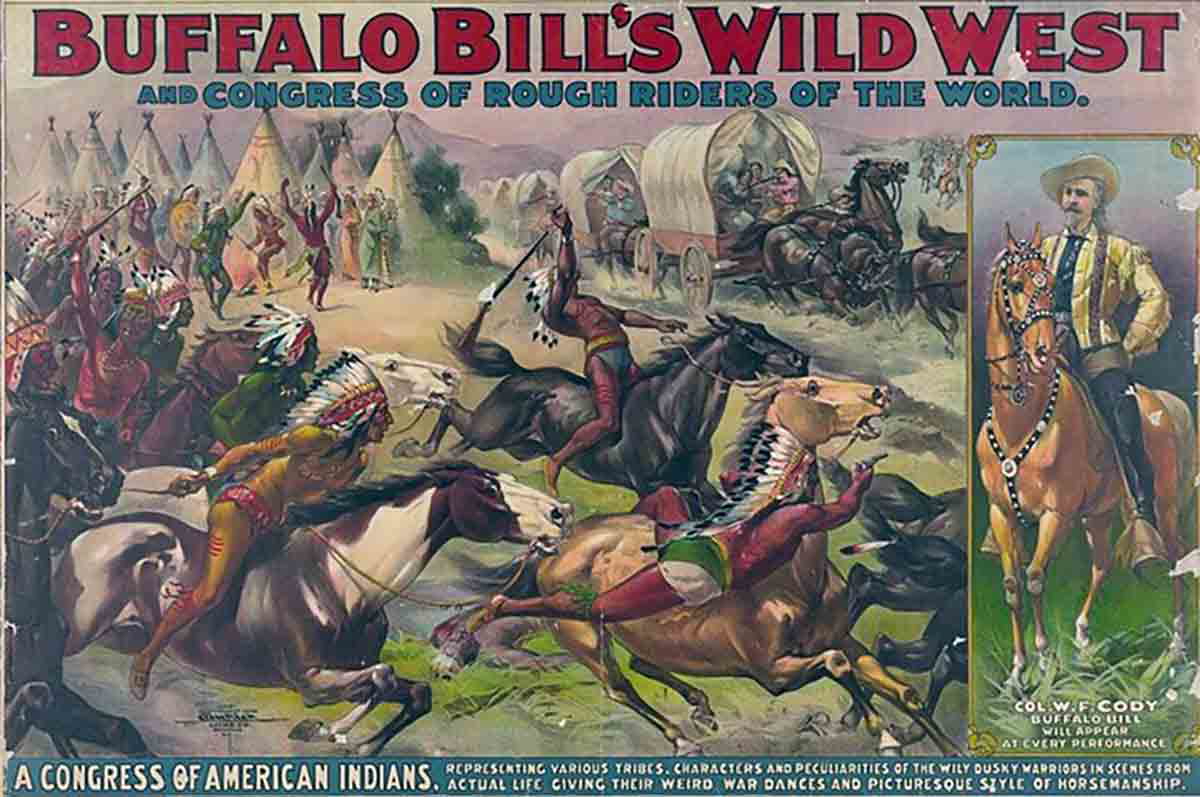
Finally, traveling adventure shows like Buffalo Bill’s Wild West Show had a prominent part. They featured battle reenactments, stunts, or sharpshooting. Such entertainment grew extremely popular, especially in the Old West’s later decades (1883-1913). These shows toured Europe and America, distorting facts and myths. Yet they embedded the Old West in American popular culture.
The Captivating Illusion but Brutal Reality
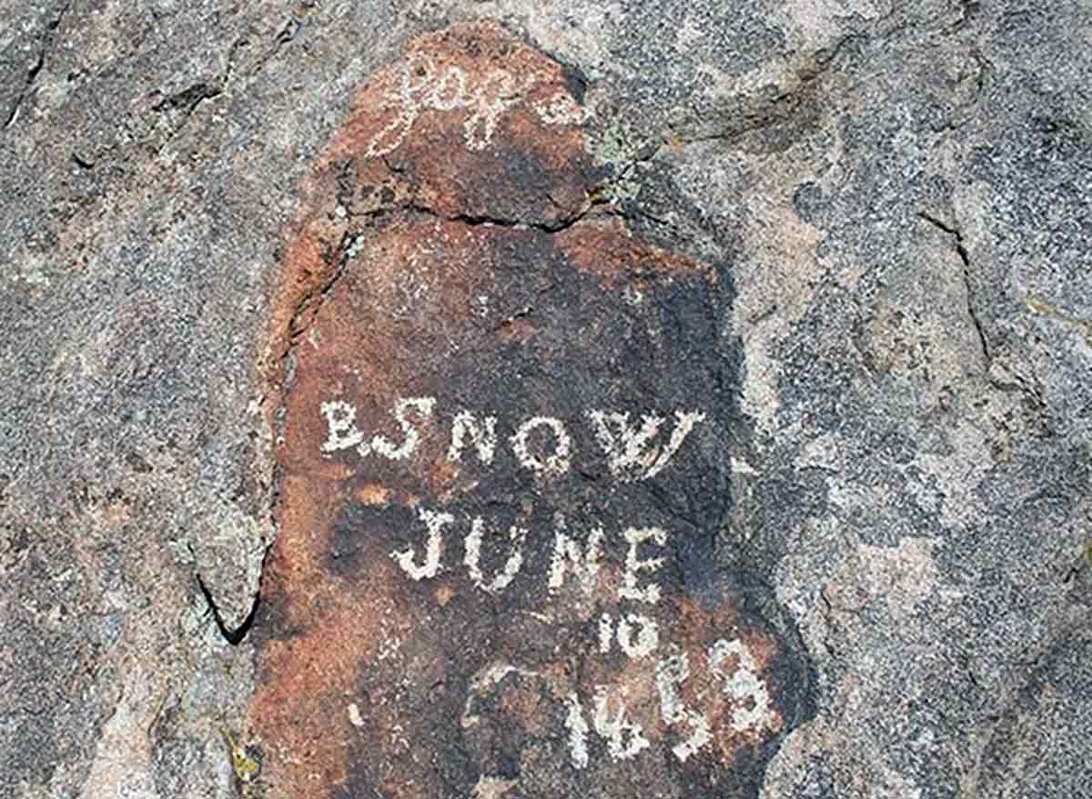
For nearly a century, the Old West’s lure drew multitudes of Americans across the Mississippi River by all means and by foot if necessary. While the physical appeal of cheap land, gold fever, and freedom proved successful, the mental lure pulled too. The Old West meant a break from their old norms. Even for a freer country like the U.S., the Old West’s pros outweighed the cons. And for millions, that was enough.