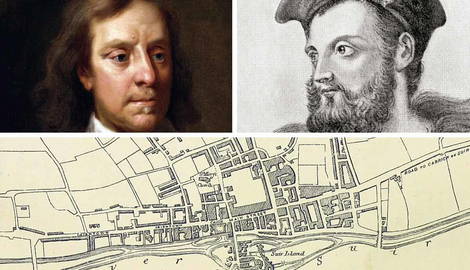
Nine months was all it took for Oliver Cromwell to alter the landscape of Ireland forever. He did it with a hammer, blunt and forcefully applied to the walled towns that resisted him. But such bluntness came at a significant cost to his famous New Model Army, and never more so than on the banks of the river Suir in the spring of 1650.
Cromwell’s Nemesis
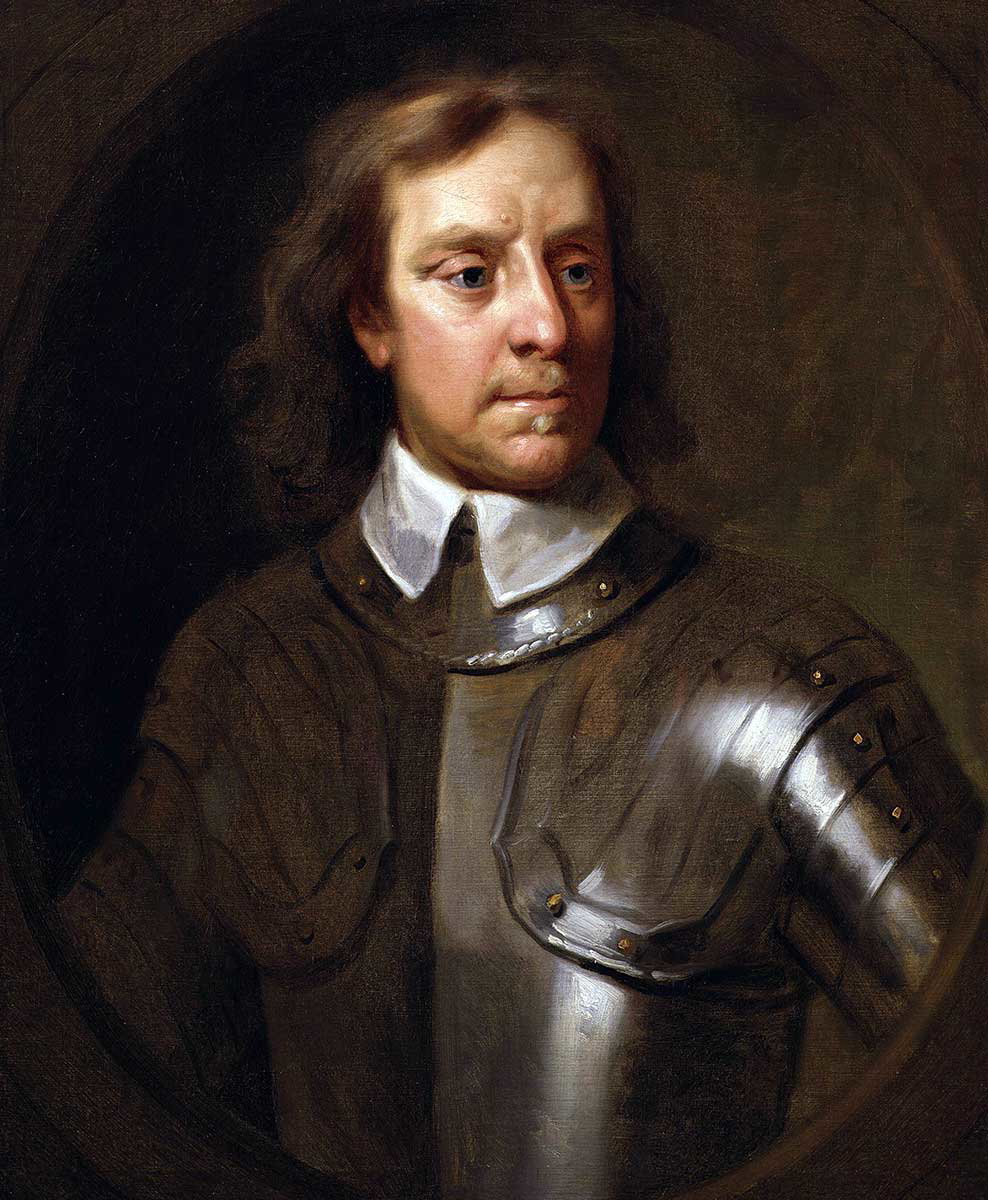
Oliver Cromwell was a man haunted by the past. Never more so then of his last month in Ireland when his hitherto invincible army smashed itself bloody against the stout walls of Clonmel in county Tipperary. Of his coming to the town and the storming of it, Cromwell was silent. His son-in-law, Henry Ireton, bore no such qualms, remarking long after of the horrors that befell the army on the River Suir. It was enough to turn him towards thoughts of vengeance against the man who had so blackened Cromwell’s eye, and when the city of Limerick succumbed to Ireton’s army a year later, its warrior governor fell into his hands.
That man who now stood with the threat of execution looming over his head, came from the line of the O’Neill’s of Tyrone, yet was born an exile in Brussels and learned his soldering in the wars of the Spanish Kings. He was 31 before he ever set foot in Ireland, following his uncle, Owen Roe O’Neill, to assist his ancestral land in a time of ruthless war. Now a decade later, with his life in balance, Hugh Dubh O’Neill stood firm in the conviction that he had always done his duty and had nothing to fear. His court martial agreed, and much to Ireton’s consternation, Hugh Dubh O’Neill departed Ireland intact.
O’Neill’s role in the storied military career of Oliver Cromwell and the New Model Army was all too brief, yet of enormous impact. For no general ever delivered unto him such a reverse as he met before the walls of Clonmel in May 1650. But his stand at Clonmel, for all the slaughter reaped upon Cromwell’s army, was waged in isolation in a cause that was already on its knees. A year earlier it was not so.
Cromwell Smashes the Royalists in Ireland
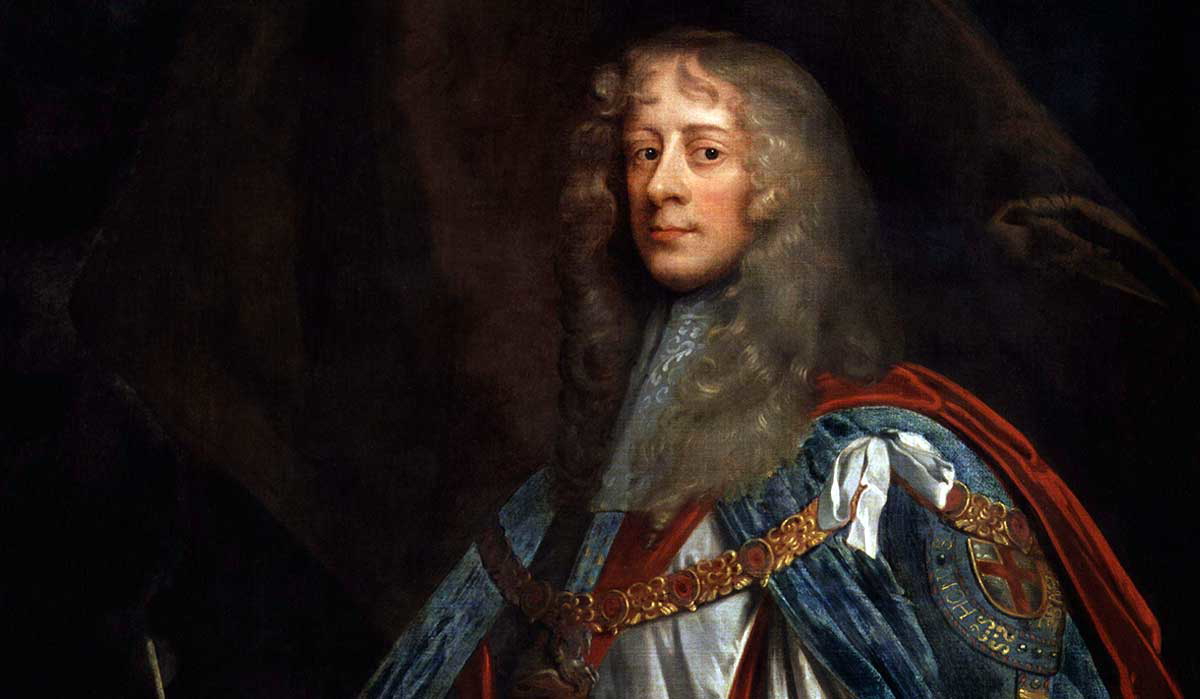
The internecine warfare that plagued Ireland since 1641 had cooled as Protestants and Catholics rallied to the Royalist cause of King Charles I against the rising power of Parliament. When the Parliamentarians removed the King’s head in January 1649, they simply switched their allegiance to his son, Charles II. Cromwell warned of a potential invasion of England should they succeed in taking Dublin. But the Royalists led by the Marquis of Ormond faltered before the Irish capital and were routed in August 1649.
The victory of the Parliamentarians came a mere two weeks before Cromwell landed with a large army. Despite the sea sickness that attacked him during the crossing, Cromwell had cause to rejoice. Ormond’s army was dispersed. It had been the only force then in the field capable of challenging his own, and reeling in defeat was unable to offer him even token resistance, except from behind the walls of Ireland’s towns.
These Cromwell promptly set about reducing. Drogheda was the first. Nestled on both banks of the Boyne near where its waters flowed into the sea, it had withstood siege before. But Cromwell was a cavalryman at heart and wasted no time. With demands for its surrender refused, he blasted through the walls, and on September 11 fought his way in. The massacre that followed stunned Ireland and left Ormond reeling.
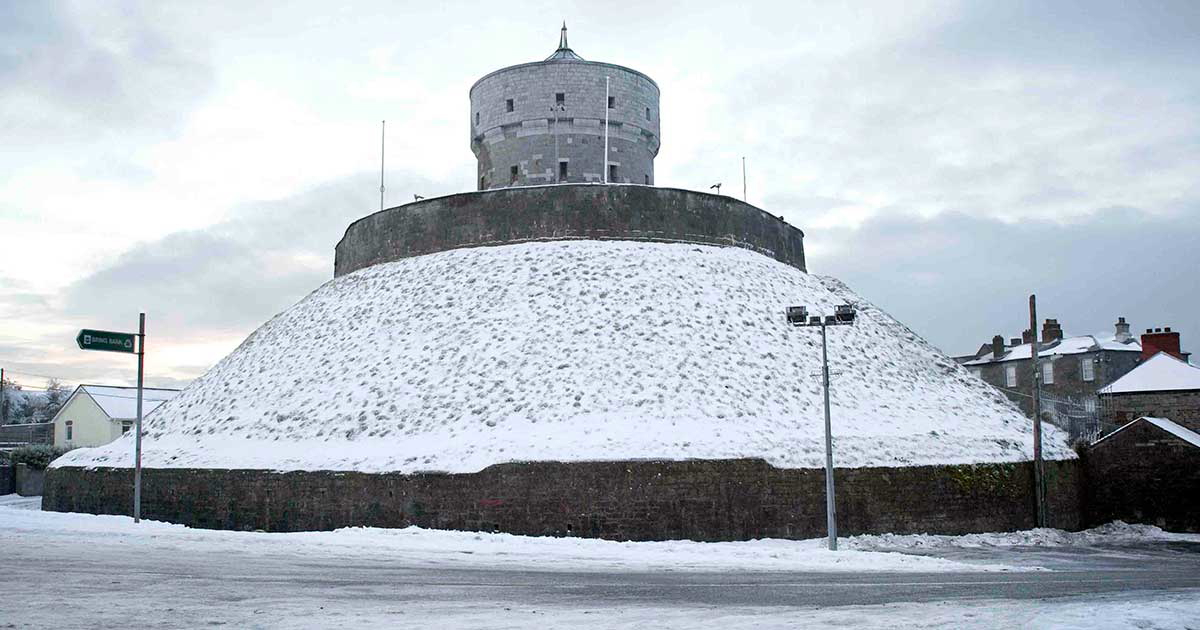
The annihilation of some of Ormond’s finest regiments within Drogheda’s walls deprived him of desperately needed manpower and left few of his men eager to engage Cromwell in battle. Thus, unable to keep an army in the field long enough to contest Cromwell’s advance, Ormond watched helplessly as his garrisons in Leinster and Munster succumbed one by one. Some like Wexford resisted and shared the same gory fate as Drogheda. The terror sown from these two sacks alone was enough to induce the garrison of New Ross to surrender after a breach opened up in their walls. Only before Waterford did the New Model Army finally stall.
Ireland’s greatest killer was disease, and after three months campaigning, the New Model Army had lost hundreds of men. Cromwell himself fell ill by November. On top of this, the tenacity of the Waterford garrison ensured the city would hold on until Cromwell was forced to seek winter quarters. He had been frustrated by soldiers newly entered upon the war against him, but who were as seasoned as any of the men Cromwell himself commanded. These men were opponents with whom he was to become intimately acquainted, for Ulster had joined the fight against him.
The Ulstermen Come South
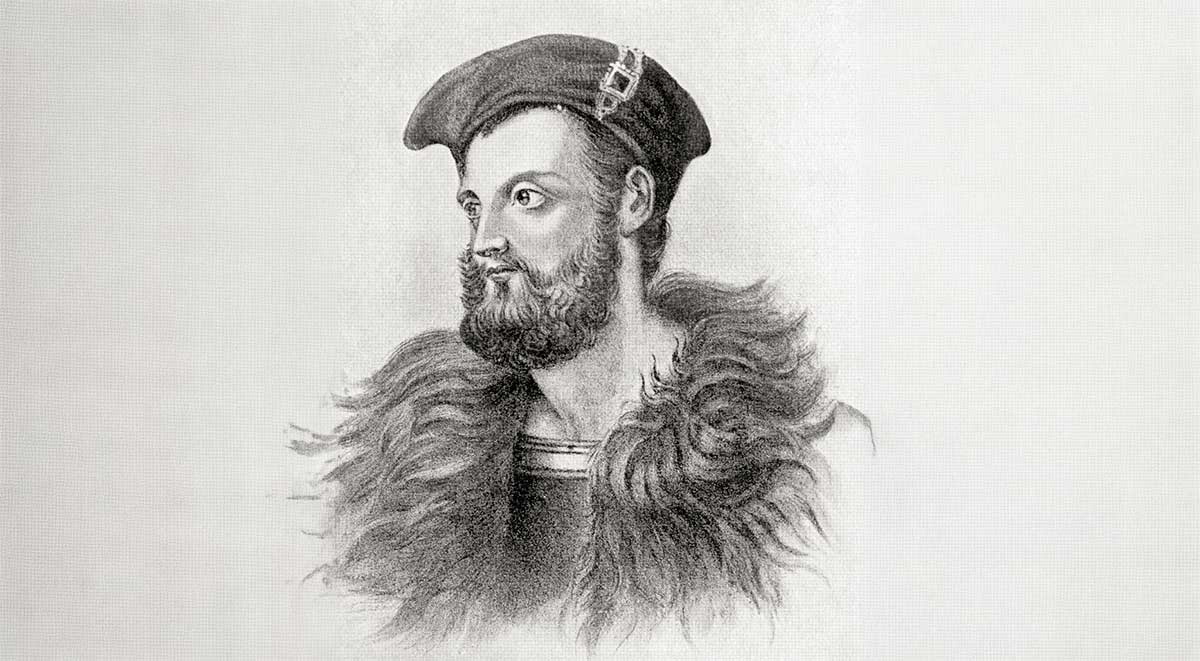
Amongst the diverse factions of the Catholic Confederacy of Kilkenny there stood the old Gaelic Irish of Ulster headed by General Owen Roe O’Neill. His Ulstermen were forged by hard experience and equipped by Papal supplies and money into a formidable army.
But now Owen Roe was a sick man, his army was exhausted from years of campaigning. Keeping his men out of Ormond’s Rathmines fiasco, Owen Roe entered negotiations with the Marquis soon after. The specter of Cromwell was enough to reconcile the old foes towards an alliance. In exchange for concessions to Irish Catholics, Owen Roe agreed to place the Ulster army at Ormond’s disposal. With Owen Roe’s condition worsening to the point he could no longer travel, he dispatched an advance force of 2,000 men under his nephew Hugh Dubh O’Neill to act under Ormond’s commands. Within two weeks Owen Roe died, rendering his army operationally impotent as its leadership took to squabbling among themselves. Only those already sent south would play a significant role in the fight against Cromwell.
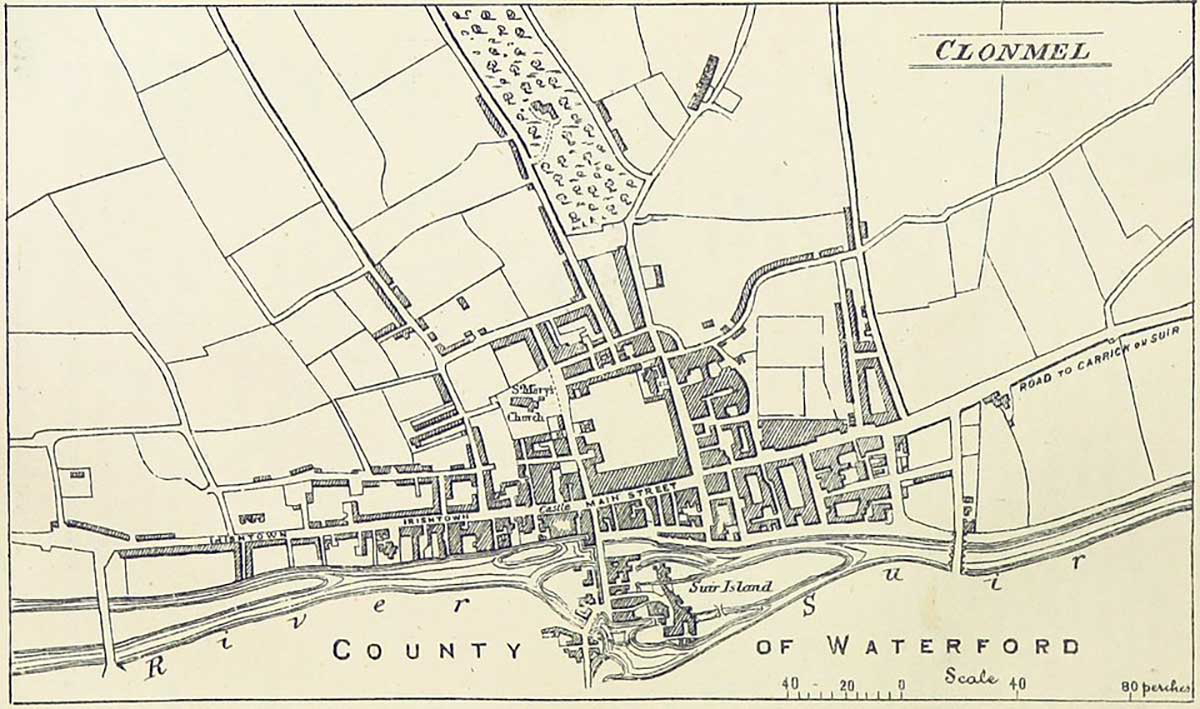
Like his deceased uncle, Hugh Dubh was a man of war. Fashioned by Spain’s long conflict with the Dutch into a professional soldier he followed his uncle to Ulster with 15 years of military service behind him. Unluckily, however, Hugh Dubh’s career in Ireland was cut short and he was forced to linger as a prisoner of war for three years. Now he led two veteran regiments of foot and several troops of horse southward. Ormond promptly placed them in Clonmel on the Tipperary side of the Suir. With 1,200 men at his command, Hugh Dubh quickly set about strengthening Clonmel’s defenses. An old hand at sieges, he recognized the limitations of the town.
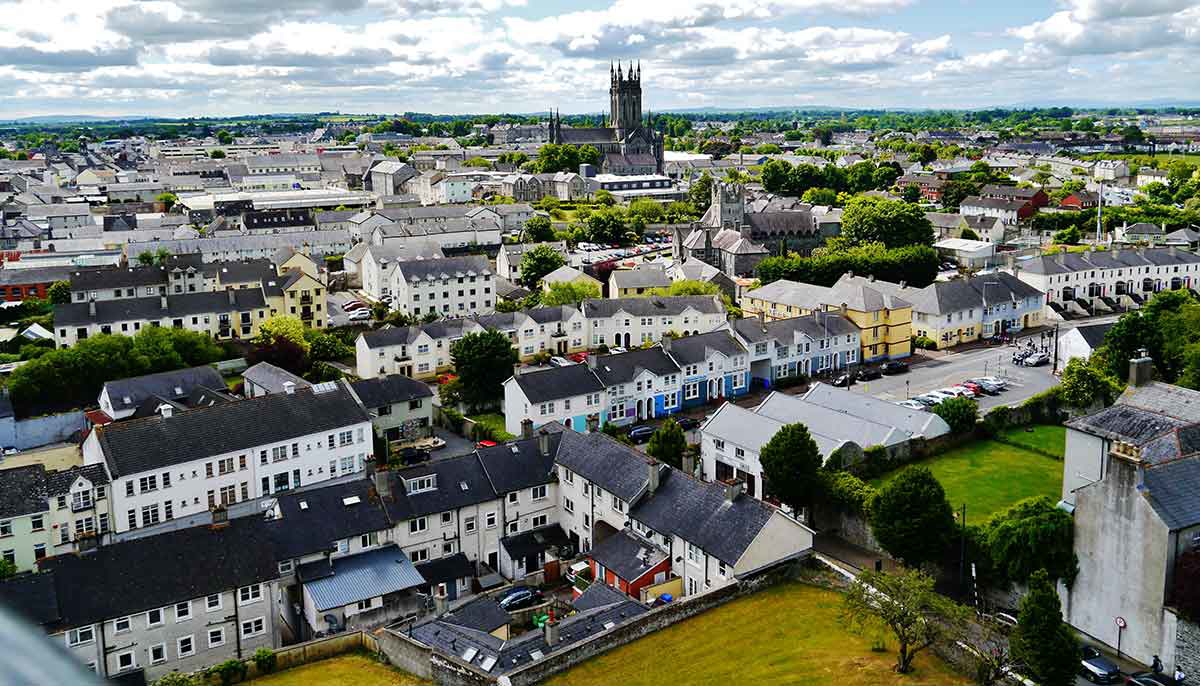
Clonmel was a rectangle with its back to the Suir and high ground to the north. Thirty-foot-high walls six feet thick encased the town of four gates with a fosse and outer ditch offering the only obstacles to an attacker before the town’s walls. It was not the most imposing place in Ireland, but in Hugh Dubh it possessed a commander seasoned in siege warfare. Cromwell’s approach to these matters was far cruder compared to the more sophisticated sieges Hugh Dubh had known in Flanders: blast a hole in the walls and send in the infantry. It was a formula that often worked, but at a cost.
The mild winter aided by the recovery of many of his sickened soldiers, prompting Cromwell to recommence operations at the end of January 1650. Leaving his winter quarters on the Munster coast, he thrust into the counties of Tipperary and Kilkenny with a three-pronged assault that bagged him several towns in the immediate vicinity of Kilkenny.
Faltering Before Kilkenny
Once again, Cromwell’s rapid movements caught Ormond’s forces napping and within two months of the start of the campaign he stood before the old Confederate capital of Kilkenny, his guns hammering away with a brusqueness that signaled the inevitable infantry storm. More than six months after the first assaults on Drogheda, the New Model Army had yet to meet a town it could not subdue. But at Kilkenny the mental and physical costs of these successes became glaringly obvious.
In attacking the town Cromwell saw his infantry falter, storming the breach without the same spirit that had greeted past assaults. Indeed, Kilkenny’s defenders fought Cromwell’s attackers to a standstill and while surrendering in the end they did not suffer the fate of Drogheda or Wexford. By his own admission, Cromwell recognized his tactical handling of sieges was uninspired. Prolonged sieges cost money and supplies he did not possess, nor was England able to provide. Yet the frontal assaults were taking a toll on the effectiveness of his men who could only test their luck in the breach so many times. Kilkenny showed signs of their cracking. Clonmel would split them wide open.
Bloody Clonmel
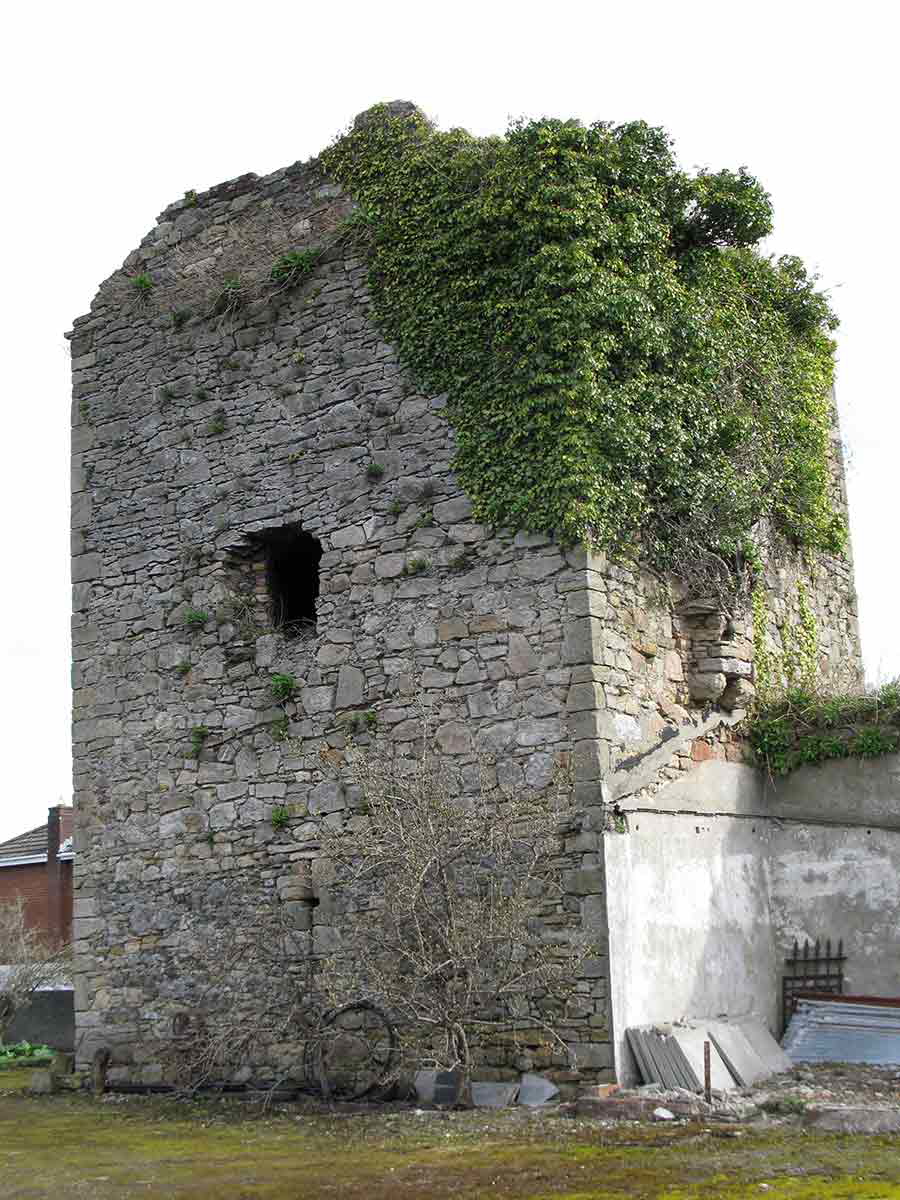
With Kilkenny humbled, at the end of April Cromwell turned his eyes upon Clonmel, where he found an opponent far more active than any he had met before. Hugh Dubh would not sit idle but strove to disrupt Cromwell’s preparations to deploy his guns by leading his men on several sorties to disrupt the digging of batteries. The problem for Cromwell was that his field guns were too light to blast through Clonmel’s northern perimeter. After spending weeks bringing his heavy siege artillery inland from the coast, he found the ground too soft to hold all but a handful of guns. With so few guns, Cromwell had no alternative to a direct frontal assault from the north.
Hugh Dubh, that “surly old Spanish soldier,” quickly determined where the blow would fall, and using every available man and woman to hand, threw up a second line of defenses fronting the breach by fortifying the houses either side of a gaping hole in the walls. In connecting these makeshift fortifications, the Irish defenders raised a traverse across the breach that was made serviceable the afternoon of May 15, 1650. Cromwell, however, would only attack the next morning.
This delay afforded Hugh Dubh more time to prepare his killing zone, sighting every gun available to him at the breach. When Cromwell’s men finally came forward the next day, it was in a tightly packed column, one regiment upon another. Hurtling themselves up the fallen masonry ramp into an open area beyond, they entered Hugh Dubh’s carefully prepared trap and were cut down by the hundreds. Bunching together in what one historian has recently equated to the crush of the Hillsborough Disaster of 1989, the New Model infantry were slaughtered in heaps amidst the nightmare of the breach. Those who survived the inferno recoiled in horror. Soon the dead were the only men Cromwell had inside the walls.
A Pyrrhic Victory
It was a nightmare Cromwell kept himself aloof as he waited with his ironsides to storm into town as soon as his troops opened the gates from within. Coming upon the wreck of his advance party, it was only with vigorous cajoling he managed to keep the survivors before the walls. Another attack was doubtful. Luckily enough for Cromwell, Hugh Dubh decided to abandon the town altogether that very night. His ammunition had been expended and despite inflicting extraordinary losses upon the enemy, he decided to live and fight another day.
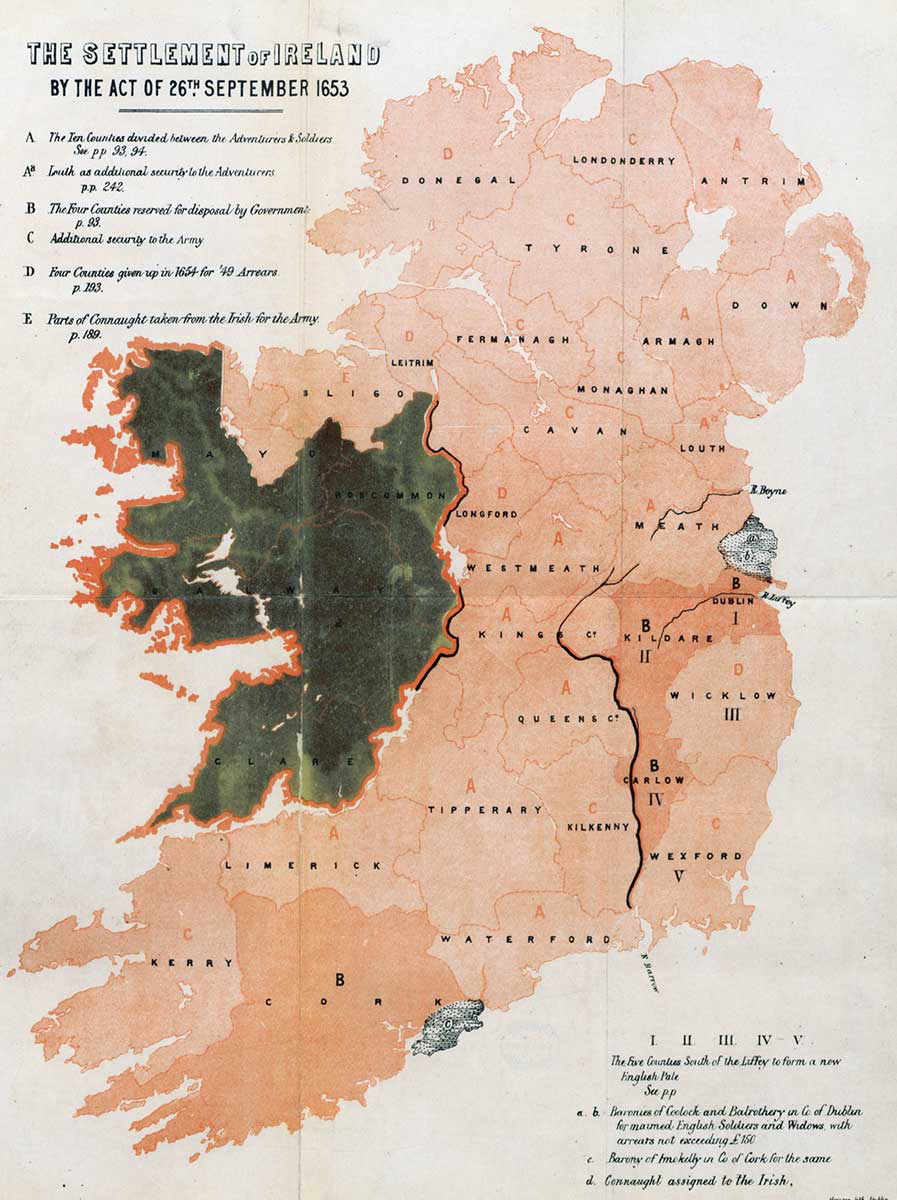
Clonmel surrendered without a massacre and Cromwell left Ireland forever only a few weeks later to wage war with the Scots. His days in Ireland ended upon a sour note, but Clonmel was a reverse suffered in isolation. The Royalist cause was reeling, unable to recover from the disasters of Drogheda and Wexford. For all the bluntness of Cromwell’s siege operations they were enough to quell effective resistance to his reconquest, whose legacy looms over Ireland to this day. By comparison, Cromwell’s nemesis Hugh Dubh O’Neill died in a forgotten Spanish exile.
Suggested reading
Lenihan, Padraig. Siege in Ireland 1641-1653 (Dublin: Four Courts Press, 2025).
O Siochru, Micheal. God’s Executioner: Oliver Cromwell and the Conquest of Ireland (London: Faber & Faber, 2008).
Wheeler, James S. Cromwell in Ireland (Dublin: Gill & MacMillan, 1999).