
While the modern Olympic Games are huge, lucrative, and often controversial events, their significance still does not match that of ancient Greece. Back then, a win at the Olympics could set you on the path to absolute power at home, while the sequence of games every four years formed the basis of the collective Greek calendar. The festival of running, horse racing, and fighting took place every four years at Olympia in western Greece for a thousand years.
The history and origins of the Olympics occupied some of the greatest minds in Greece, such as Aristotle. Yet, the origins of the games are vague and shrouded in myth. Searching for them reveals a lot about Greek society.
Sports and Society in Ancient Greece
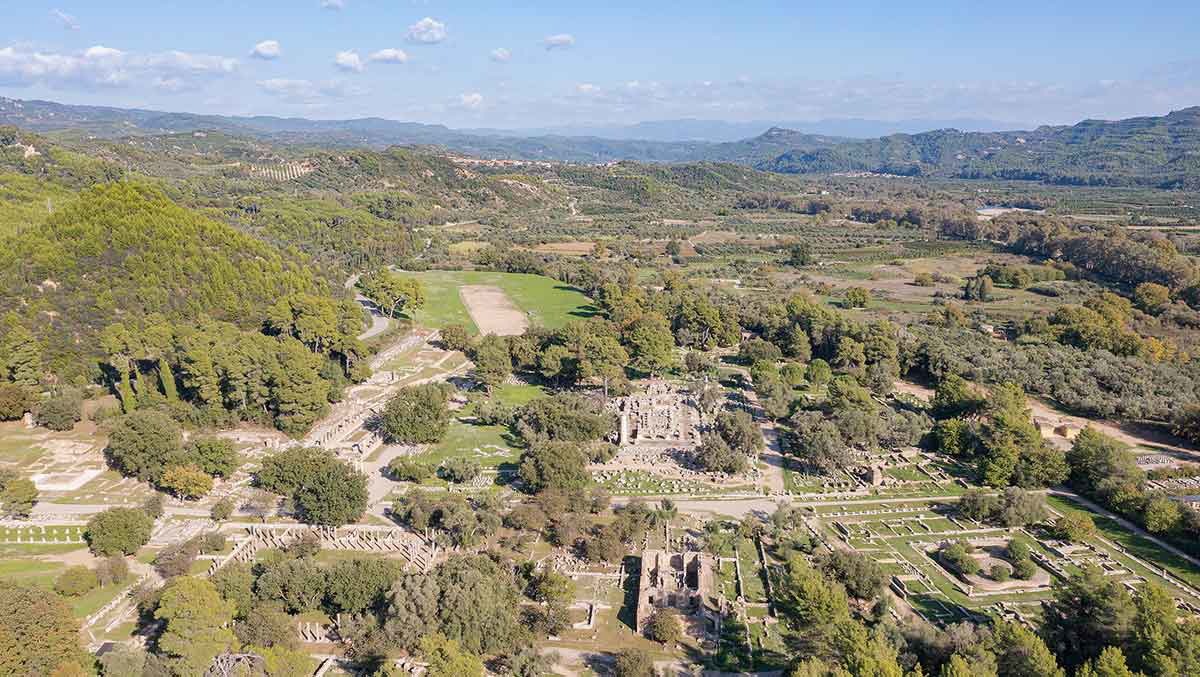
The Olympic Games were held for five or six days every four years at the site dedicated to Zeus at Olympia in the north-west of the Peloponnese. The Greeks recognized the games as the most prominent sporting and religious event in their calendar, but they were by no means the only show in town. Exercise and competitive sport, much of it performed publicly, were central elements of Greek society. While every society has its sports and spectacles, perhaps only the proliferation of sport in our times matches that of ancient Greece.
Some of the earliest Greek works, such as the poetry of Homer, depict mythic heroes organizing games for funerals or demonstrating their prowess with the discus. Pindar, one of the most renowned Classical Greek poets, celebrated successful athletes in verse. A gymnasium became such a common feature of cities that it was one of the elements that defined a city as Greek (Waterfield, 2018, 66). By the Classical and Hellenistic eras, the Olympics were just the pinnacle of a pyramid of international and local games.
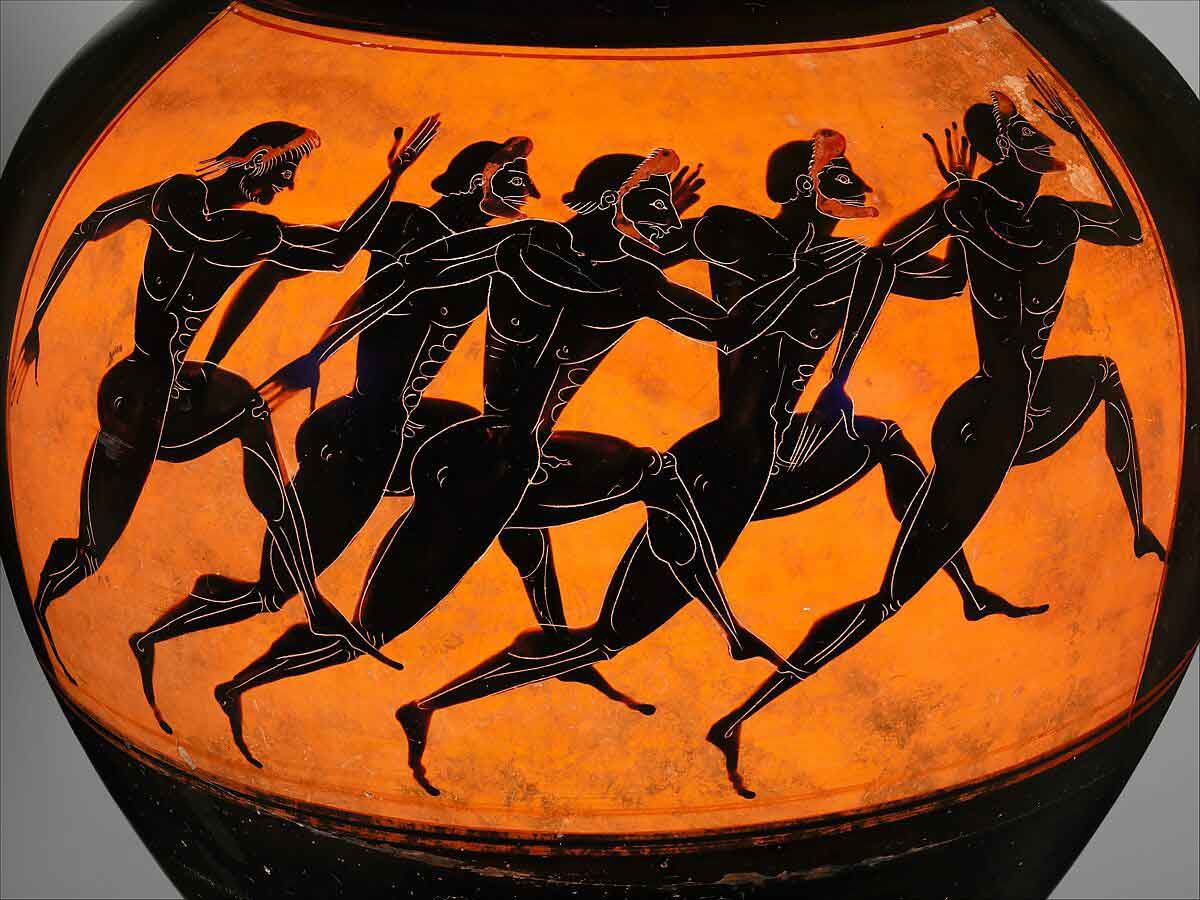
The Olympics were recognized as the most prestigious of a series of four so-called crown games. Olympia, Delphi, Isthmia, and Nemea all hosted major periodic athletic and artistic contests in which the glory of receiving a crown of olive, laurel, celery, or pine leaves trumped any material reward. Below these major games were a huge number of local events. One scholar estimates at least 150 by the Classical era (Nielsen, 2018, 14). Tens of thousands of people traveled from across the Mediterranean-wide Greek world to compete or watch these events, putting them amongst the largest public gatherings of their day.
Religion and Glory
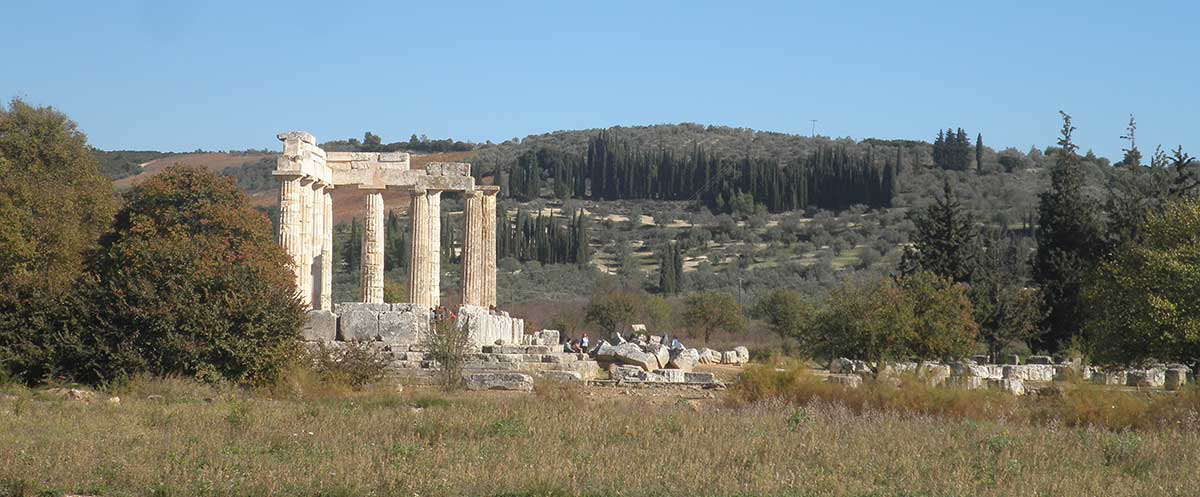
Olympia, Delphi, Isthmia, and Nemea were all sites of major sanctuaries to a variety of gods and heroes. The Olympics and other games were part of religious festivals, with the events taking place next to temples and sacrifices as part of their schedules. It was undoubtedly worship of the god Zeus, in the case of Olympia, that first drew people together.
Funeral games of heroes, mythic or real, may lie at the origins of public games, which throughout their long life remained infused with a religious character. But Greek sport clearly took on a life of its own, and its link to religion should not be overstated (Golden, 1998, 23).
The key to understanding the Olympics and Greek sport is the question of who was competing and how. While there are references to some female participation, Greek games were an essentially male affair. An elite male affair. To compete at Olympia, an athlete not only had to travel to the games and stay there a month beforehand, but they had to swear they had followed a long training program. Only an elite few had the leisure time to be serious athletes.
Chariot races and equestrian events were even more exclusive, as only a small minority could afford to keep and train horses. If they could get sponsorship or support, poorer athletes could compete, but we are essentially talking about contests amongst the Greek elite.
Underlying the popularity of sports in ancient Greece was the pursuit of glory. In these games, only the victor got recognition. Win a race at Olympia, and your name would live on; many are still known to us today. Come second, and you were anonymous. It was this competitive spirit and the desire of an elite for glory that explains the popularity and success of Greek sports and its central role in society (Nielsen, 2018, 167). Sports were a way for the elite to display their brilliance. Olympia became the most important stage.
Olympia
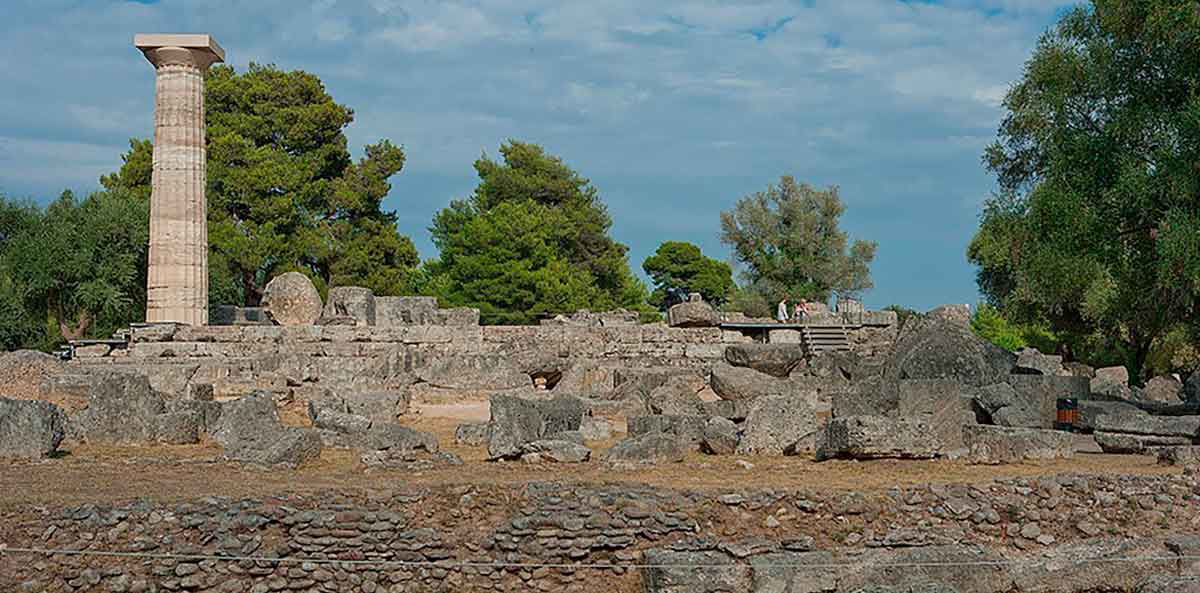
Olympia has been described as a place where, above all else, victory was celebrated (Miller, 2004, 91). All Greek sanctuaries were filled, cluttered even, with dedications of statues, inscriptions, altars, weapons, and armor. Dedications connected to war dominated at Olympia (Sinn, 2021, 67). One of Olympia’s early uses was as an oracle to consult before a campaign, and Olympian seers often marched with armies. This backdrop was seen as the ideal place to compete in a winner-takes-all contest.
Olympia was well situated for an international meeting ground (Waterfield, 2018, 14). Not too far from the coast in the north-west Peloponnese, the site was accessible by sea whilst being distant from any overly powerful city-state. The closest major city to Olympia was Elis, which organized the games and managed the site but was never a significant power.
The first traces of religious activity currently known date back to the 11th century BC, with some possibility that Zeus was being worshiped in some form (Sinn, 2021, 65/Waterfield, 2018, 17). It was some time, though, perhaps not until the 8th century BCE, that any connection with athletics was visible. Instead, what emerged here was a regionally important site focused on the worship of Zeus that drew people from central Greece.
Following waves of colonization across the Mediterranean, Olympia’s location on the west coast made it popular with Greeks from Sicily, Italy, and beyond. This increased Olympia’s importance, making it a place where Greeks could recognize each other as Greeks.
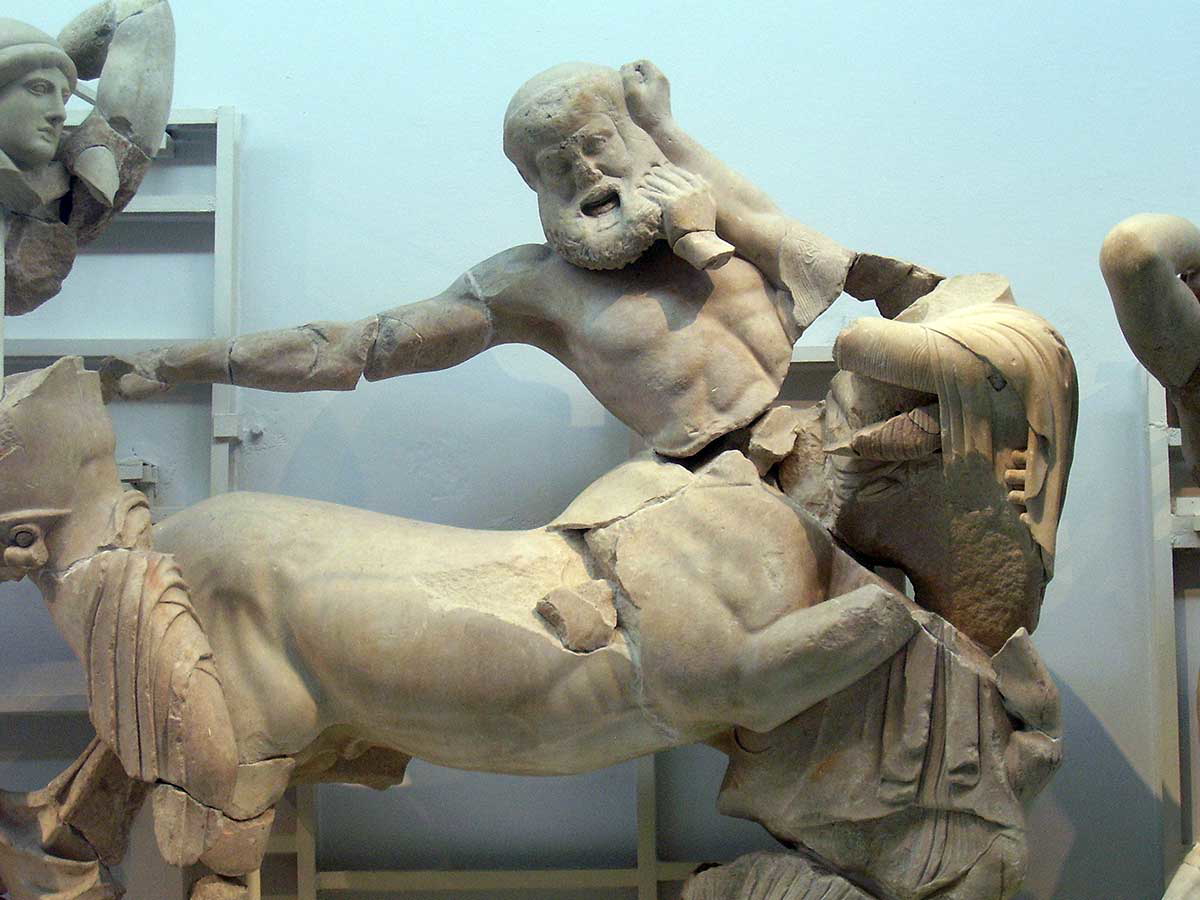
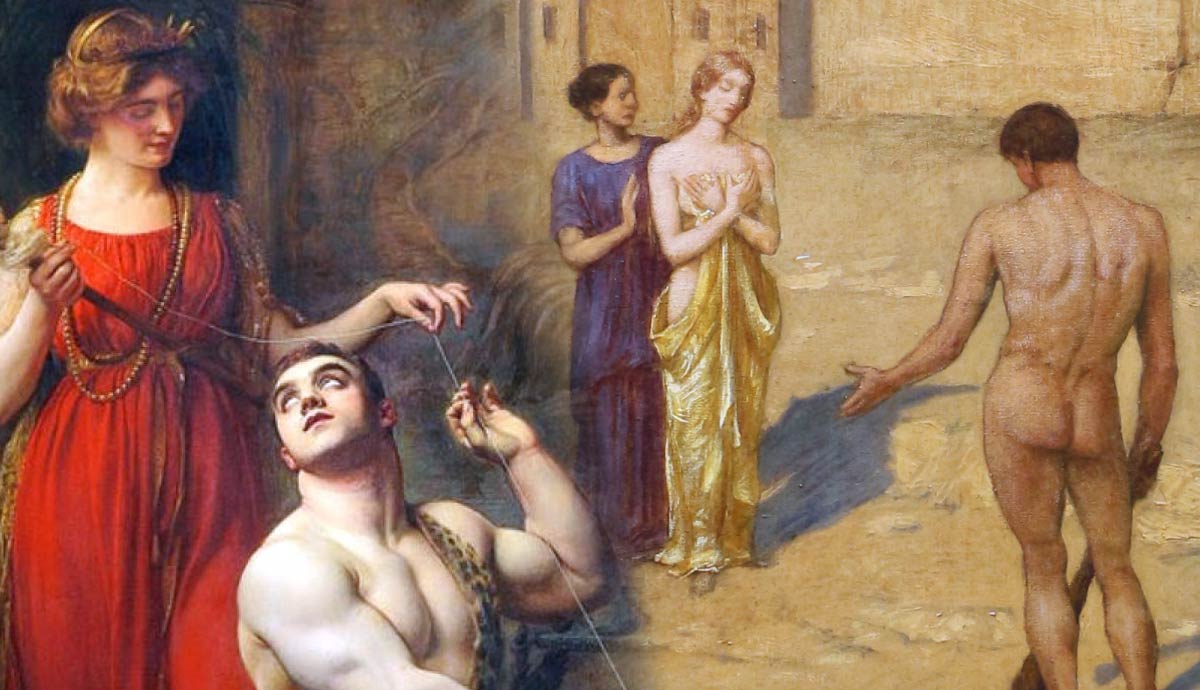
Zeus, the king of the gods, remained the central figure at Olympia, but he was not alone. As well as the worship of his wife, Hera, and other versions of the Olympian pantheon, two mythic heroes stand out: Herakles and Pelops. Both were descendants of Zeus (though there was some confusion over which Herakles appears in some stories). Myths concerning the two figures linked them with the origins of the games, but both were heavily connected with the local area, as many in the Peloponnese saw themselves as descendants of Herakles and his followers, while Pelops is the origin of the name Peloponnese.
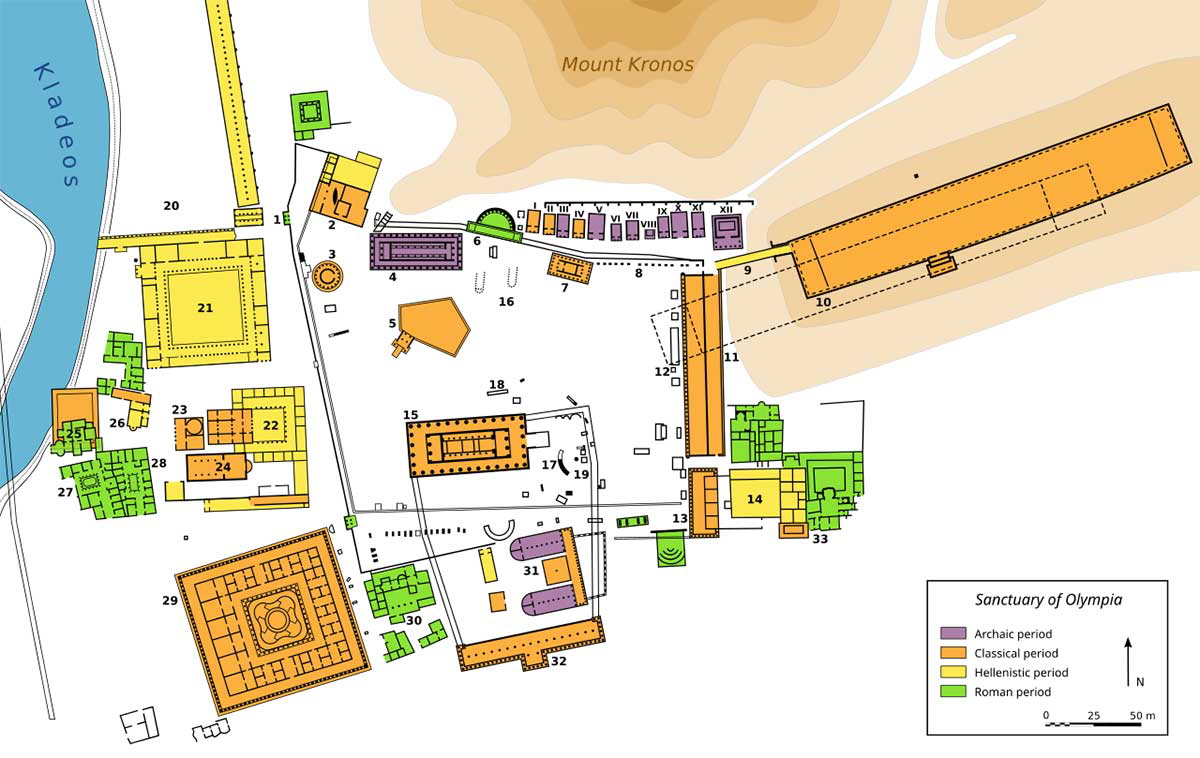
Contest and battle were key elements in the stories of Zeus, Herakles, and Pelops, and Olympia was built around them. By the time we reach the height of Classical Greece in the 5th century BCE, Olympia is perhaps the most significant site in Greece. At its core was the Altis, an enclosed sacred area containing the temples of Zeus and Hera and the grave of Pelops. Inside the temple of Zeus stood one of the seven wonders of the world, the colossal gold and ivory statue of Zeus created by Phidias. When the games were on, and tens of thousands of people were in attendance, it was the heart of the Greek world.
Mythic Origins
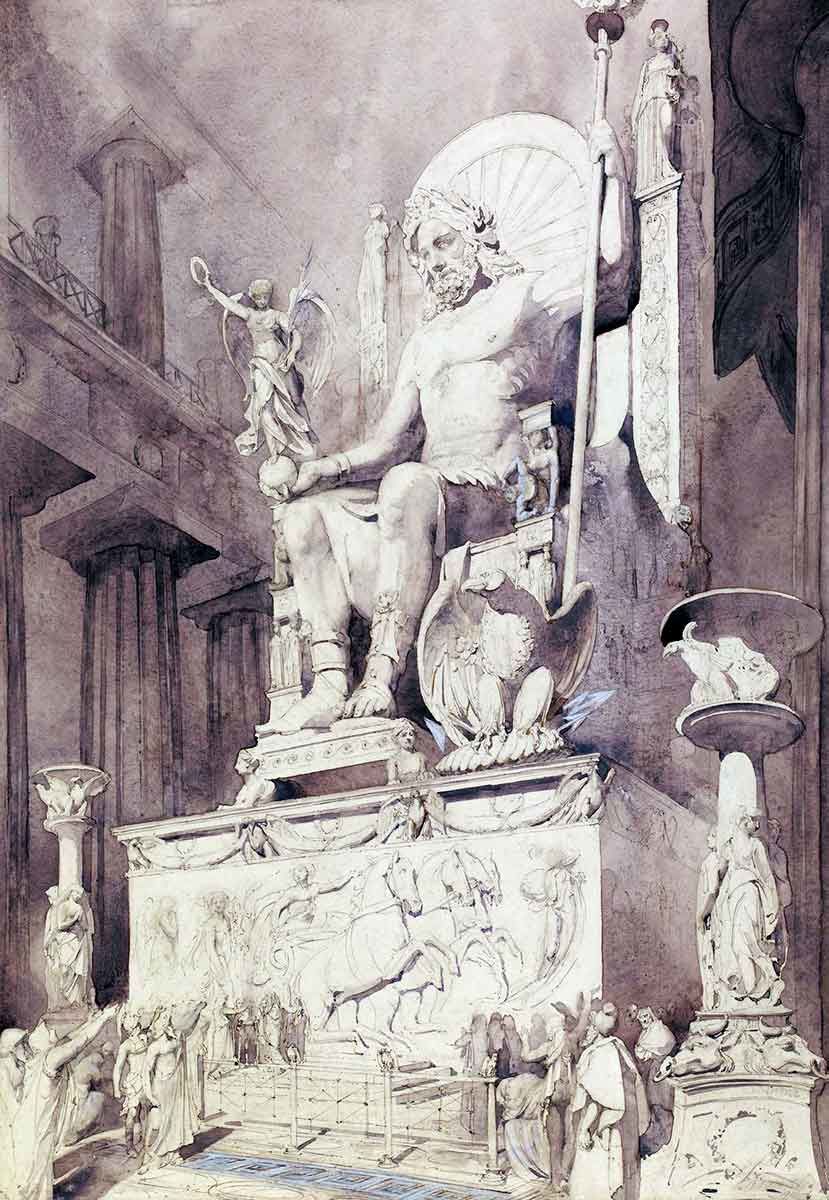
Zeus, Herakles, and Pelops were central to a variety of myths and stories that explained the origins of the games. Greek myths did not derive from a single authority but instead were an accumulation of stories varying over time and from place to place. Such an important location as Olympia naturally acquired a great wealth of myths which, whatever their origin, reveal aspects of the games’ history and character.
Some stories place the origin of the Olympics as far back as possible, with Zeus’s father, Kronos. Pausanias (5.7), writing a detailed description of Olympia in the 2nd century CE, said this was the local Elean belief, but that others said Zeus wrestled Kronos at Olympia or arranged games to celebrate his eventual triumph over his father.
If it was not Zeus who founded the games, it could have been Herakles. His strong association with Olympia has already been mentioned, and his famous twelve labors were part of the iconography at the site. Herakles was credited with laying out Pelops’s tomb and founding contests (Pindar, Olympian Odes, 10), perhaps a reminder of an early link between athletic contests and funerals.
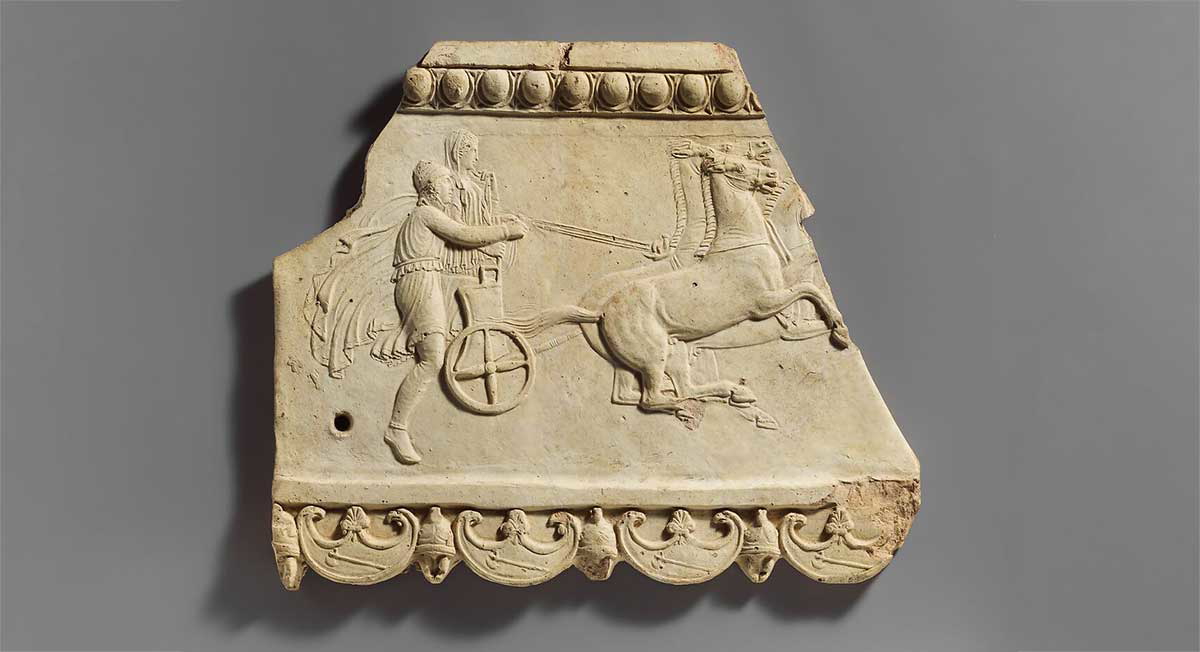
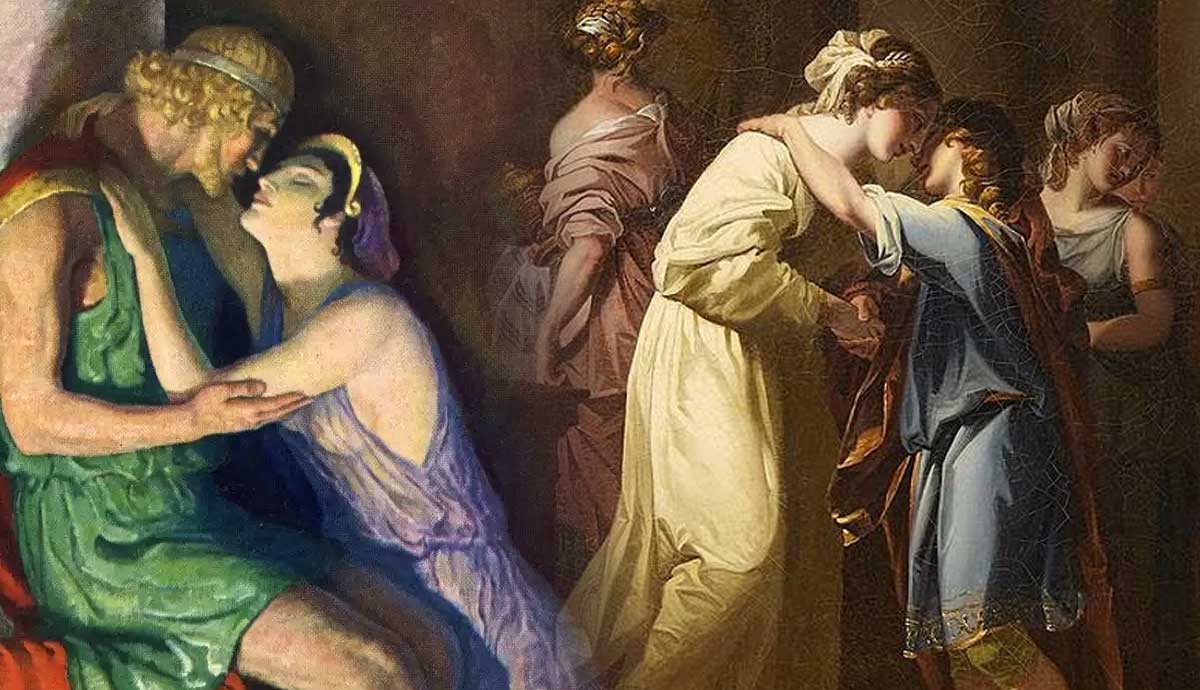
Pelops’s story is one of the most famous of the myths linked to Olympia, centering on his deadly chariot race with Oinomaus. Pelops was said to have come to Pisa, a small city near Olympia and occasional rival of Elis, to marry Oinomaus’s daughter Hippodamia. Fearful of a prophecy warning him to be wary of a son-in-law, Oinomaus challenged potential suitors to a chariot race, which inevitably ended in death for the would-be groom. In one version of the story, Pelops gets Oinomaus’s charioteer to replace parts of the chariot with wax, ax leading it to crash during the race. Another version replaces those suspicions of cheating with divine help in the form of horses lent by Poseidon (Pindar, Olympian Odes, 1). Out of Pelops’s victorious race came the games.
It has been noted that this story is probably a relatively late addition to the games’ origin myths. Chariot races were a major part of the games, but they were not part of the original program and were only added in the 7th century BC. It is likely then that this story reflects a later interest in the races (Waterfield, 2018, 36).
These different myths connect the Olympics and participating in the games not just to worshiping the gods and heroes but directly to those divine figures. An Olympic athlete was following in the footsteps of Herakles, Pelops, and Zeus.
Historical Origins
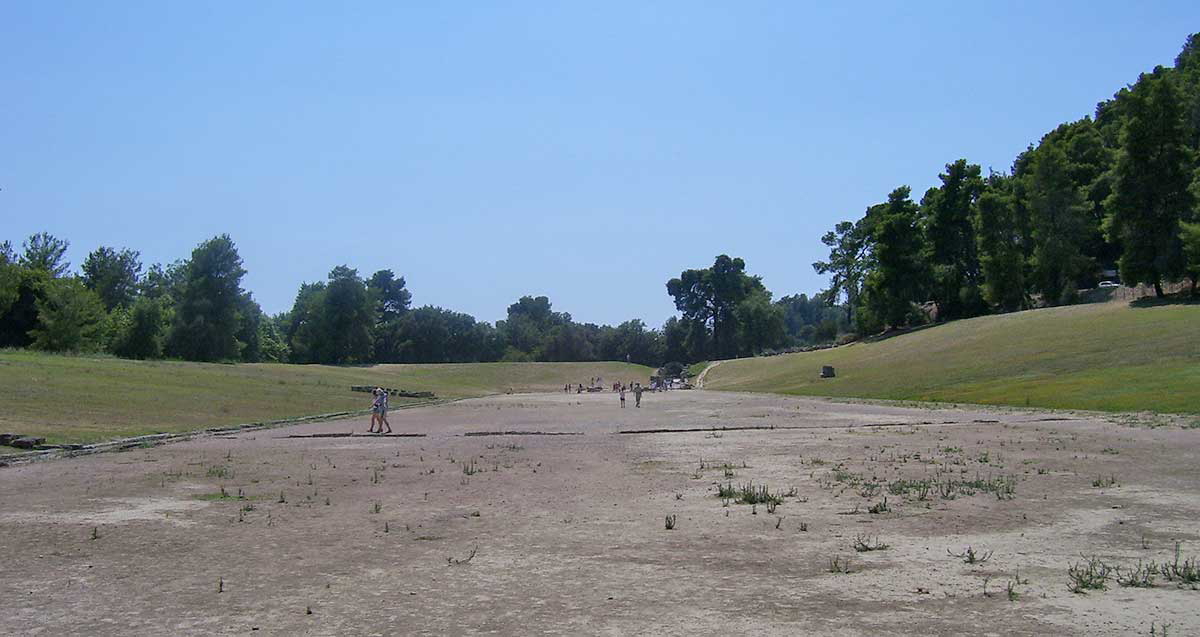
The Greeks did more than just tell stories about the origins of the Olympics. Some of them at least believed they could put a date on it: 776 BC in our calendar. That was the date chosen by Hippias of Elis in the 5th century BC. That date has been questioned since antiquity, but may not be far off (Sinn, 2021, 69).
The exact date may be inaccurate, but scholars now believe that the games started around the 8th-7th centuries BC. There were substantial changes in and around the sacred Altis c. 700 BC, pointing toward a large festival, such as the digging of wells and the first stadium (Sinn, 2021, 67/Waterfield, 2018, 47). It therefore seems likely that Hippias was broadly correct, and a large-scale athletics festival was underway around the 8th-7th centuries BC.
The importance and popularity of the Olympics meant that lists of victors, myths, and traditions around its origins were preserved and well-known. So too was a tradition of which events were included and when (Miller, 2004). The first, and initially only, event was the stadion, a footrace of just under 200m. A double stadion (diaulos) and a long-distance race (dolichos) were added by the end of the 8th century BC. Wrestling (pale), boxing (pyx), and a form of all-in fighting (pankration) were gradually added from the late 8th to mid-7th centuries.
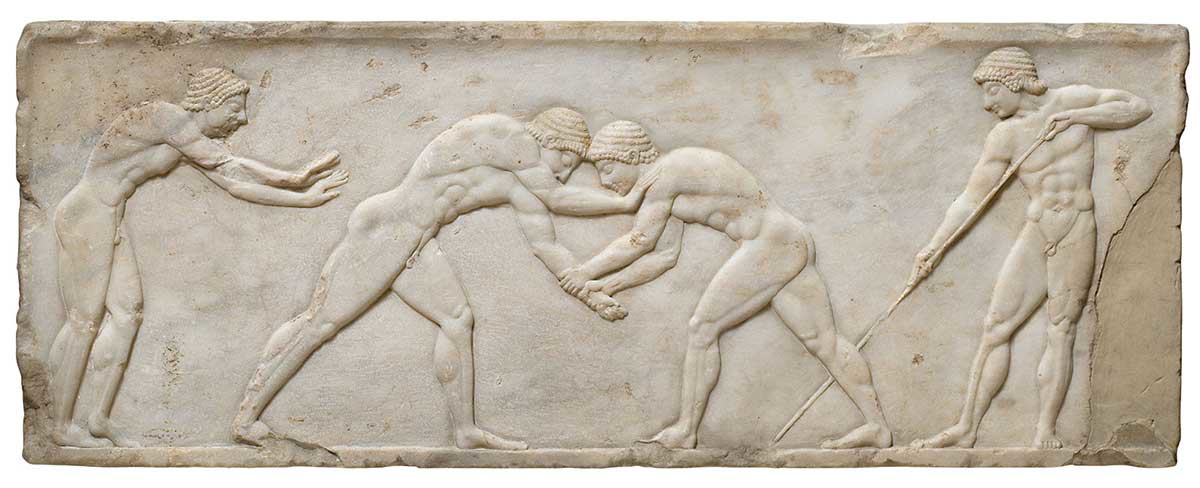
Equestrian events such as the four-horse chariot race probably began around a century into the life of the games. As the story of Pelops’s race shows, this became one of the most popular features of the Olympics. However, its character was somewhat different from the other events. The footraces, fighting, and the pentathlon (added c. 708 BC) all celebrated the athletes and their personal display of skill. In the equestrian events, it was the owner of the horses who took the prize rather than the charioteer or jockey, who could be a youth or slave. This did, however, mean that this was a rare event that could be won by women who were generally excluded from the Olympics.
Other Greek games also included musical competitions. At Olympia, the games would start with contests to choose a herald as a stadium announcer and a trumpeter, but the Olympics retained its focus on competitive athletics.
While there would be further modifications by the 6th century, the Olympics were in a recognizable form as a five or six-day summer festival of athletics every four years at Zeus’s Olympia.
Why the Olympics?
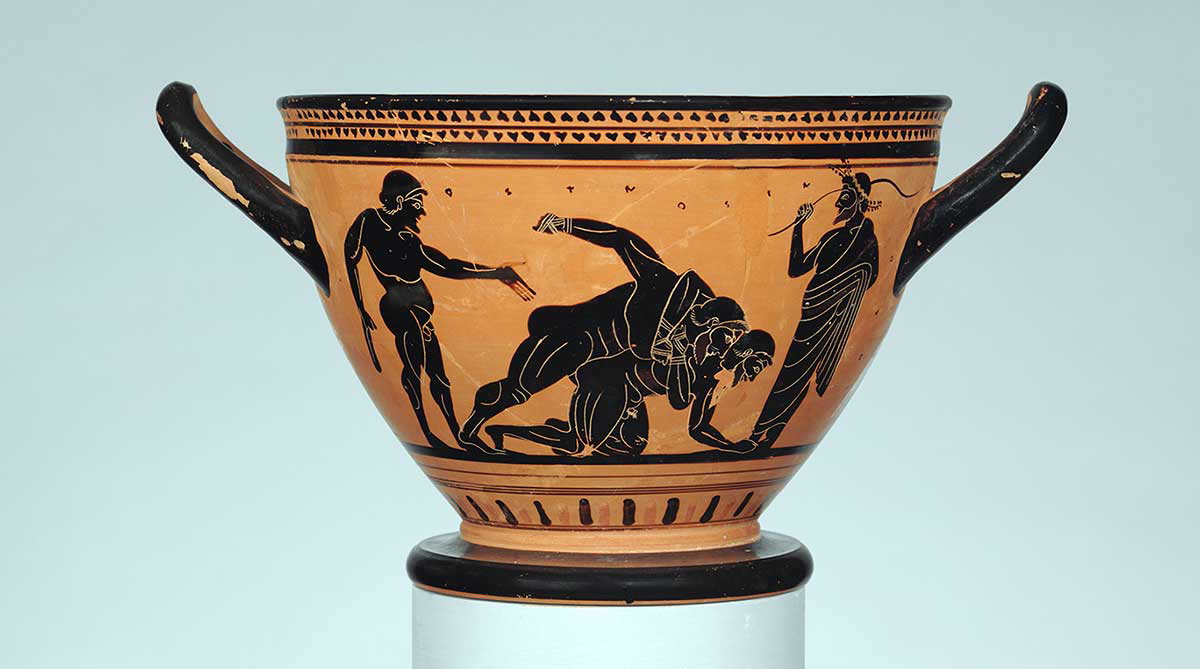
Bringing all these threads together, we can start to understand the origins of the Olympics. They were born in a society with a high degree of competitiveness, especially amongst its elite. Athletic contests became another site to fight for glory.
Olympia, with its focus on military victory and gods and heroes such as Zeus, Herakles, and Pelops, was a perfect fit to host competitive contests celebrating both humans and divinities. The site of Olympia, which had a long tradition of worshiping Zeus, was easily accessible to Greeks spread across the Mediterranean, whilst not being under the control of an overly powerful city-state. Once the tradition of the games was established, it quickly grew into the fabric of Greek life, becoming a major spectacle, meeting-place, source of glory, and even a framework to organize time.
Bibliography
Golden, M. 1998. Sport and Society in Ancient Greece. Cambridge University Press.
Miller, S. 2004. Ancient Greek Athletics. Yale University Press.
Nielsen, T.H. 2018. Two Studies in the History of Ancient Greek Athletics. The Royal Danish Academy of Sciences and Letters.
Sinn, U. 2021. “Origins of the Olympics to the Sixth Century BCE”. In Futrell, A, and Scanlon, T, The Oxford Handbook of Sport and Spectacle in the Ancient World. 65-73. Oxford University Press.
Waterfield, R. 2018. Olympia: The Story of the Ancient Olympic Games. Bloomsbury Publishing