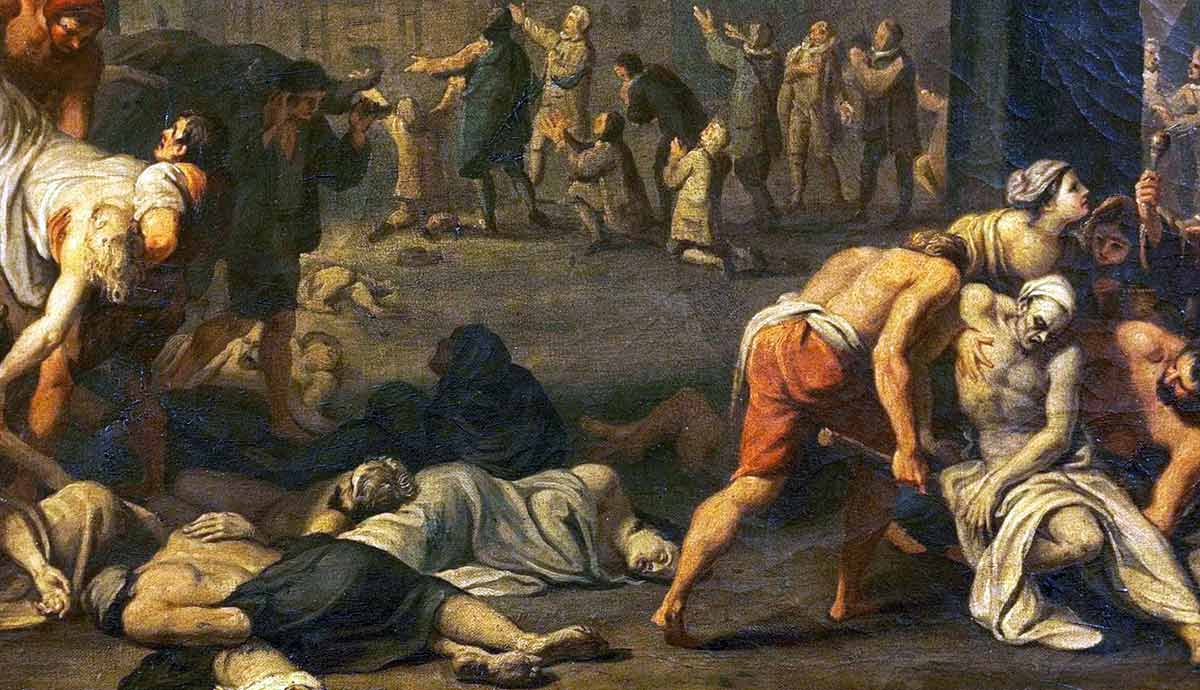
In the late 13th century, Osman I, the son of a Turkic chieftain, established a new kingdom and dynasty on the Anatolian coast. His kingdom would grow into the mighty Ottoman Empire, stretching from the Balkans to the Red Sea and ruled by Osman’s descendants until the 20th century. Yet Osman’s life is shrouded in mystery and legend. Learn how a minor nomadic nobleman was able to set the foundations of one of the greatest empires in history.
Background
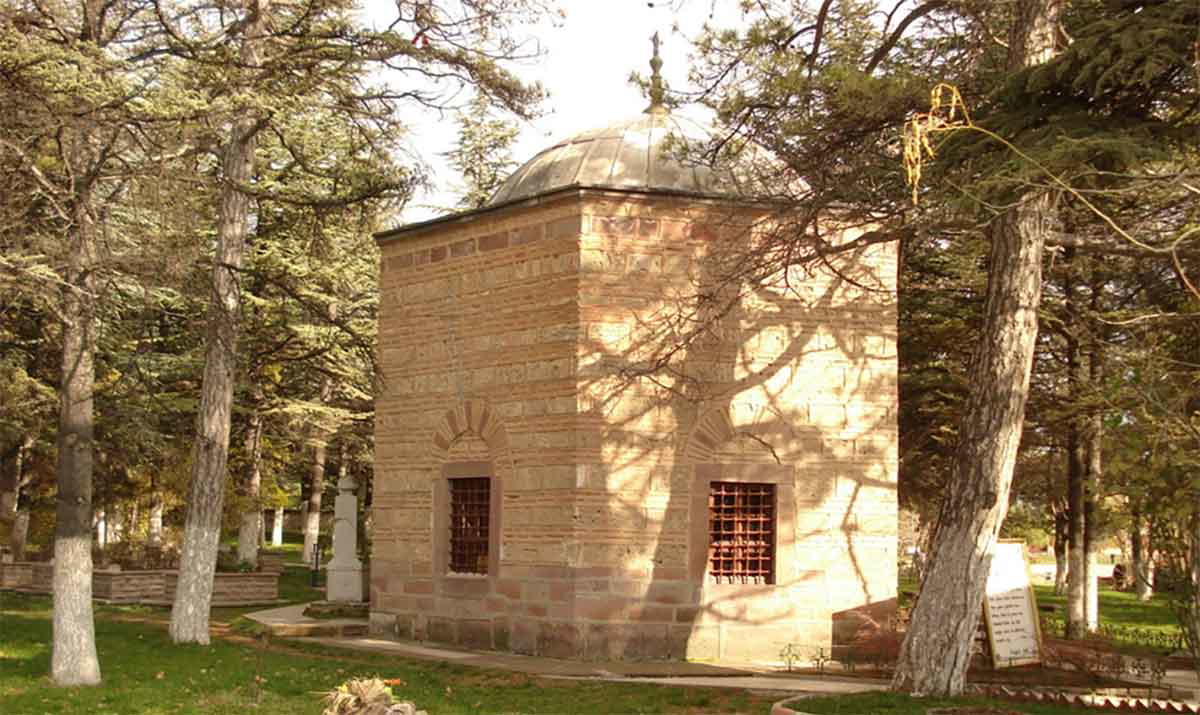
For a man who left such a lasting impact on the world, the truth is that Osman I’s actual life is quite mysterious. There are few contemporary written sources about him, and later writings from Ottoman sources regularly embellished or mythologized certain aspects of his life. However, what little we can ascertain about Osman’s rise helps to show how he laid the foundations for later Ottoman success.
Osman, also known as Othman or Uthman, was born in the mid-13th century. Tradition says he was born in 1258, on the same day that the Mongol Ilkhanate captured the city of Baghdad. However, other sources suggest he was born around 1254. His father, Ertuğrul, was chieftain of the Kayı, an Oghuz Turkic clan, and a Bey, or lord, of a fiefdom based around the settlement of Söğüt near the Anatolian coast. Ertuğrul’s Beylik was one of a number in Anatolia, each made up of one or more Turkic clans practicing a semi-nomadic lifestyle while taking tribute from towns in their territory and occasionally raiding each other’s lands. Officially, Ertuğrul was a vassal of the Seljuk Sultanate of Rum, but by the time of Osman’s birth, the Sultanate was declining, and the Beyliks of Anatolia enjoyed a fair degree of autonomy.
Into this world, Osman rapidly came of age. He would have been taught the martial skills required for a young nobleman and future leader. However, he also studied religious texts and Islamic law. Tradition dictates that after Ertuğrul died, Osman had to overcome his ambitious brothers and uncles to succeed him. One story notes that Osman’s uncle had him taken to the Seljuk Sultan for imprisonment. However, Osman so impressed the Sultan and his advisor, the Sufi saint Ḥājī Baktāš Walī, that the Sultan declared that Osman would be the new Bey and chief of the Kayı.
Rise of Osman
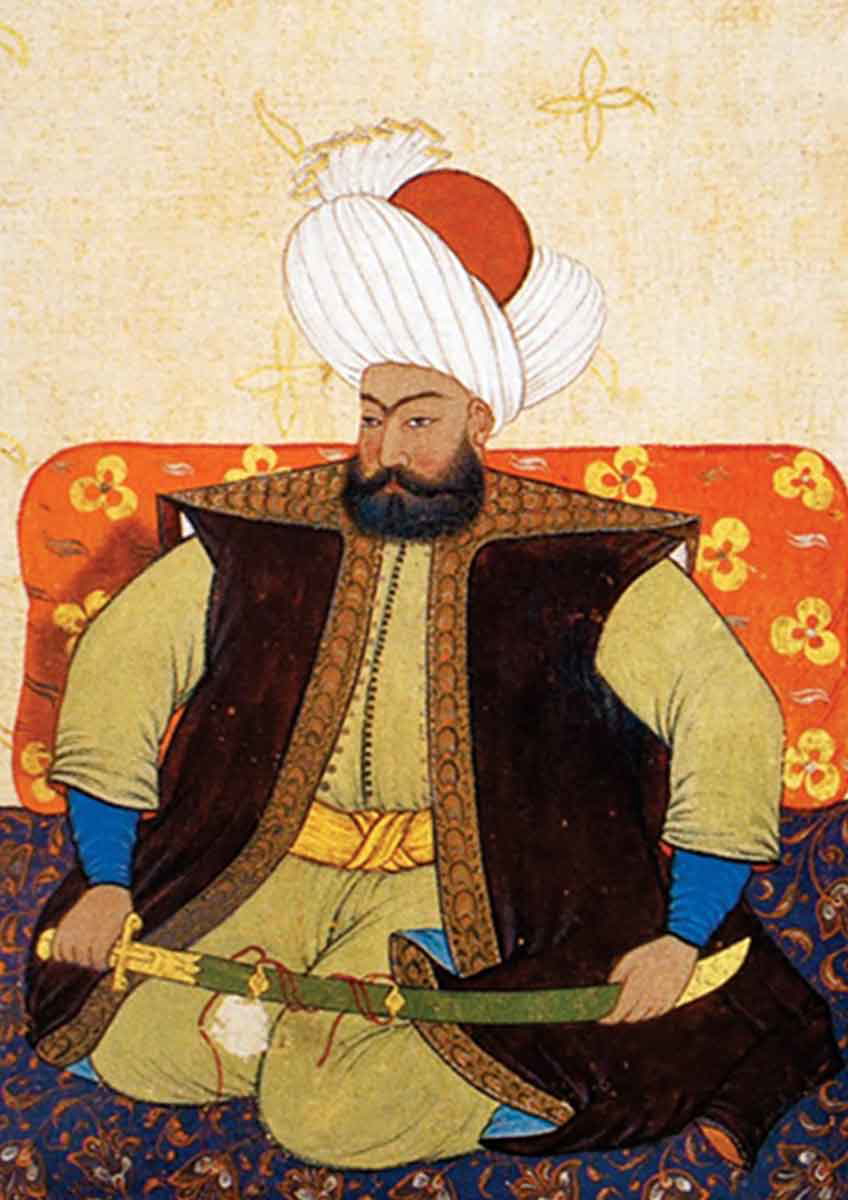
Once again, the truth of Osman’s actual succession is uncertain, and how much influence the Seljuk Sultans had over the Beylik remains debatable. It does, however, highlight one of Osman’s crucial skills: his alliance-making with other Turkic clans and connection to Sufi scholars and other religious organizations. In any case, sometime around 1281, Osman had become chief of the Kayı and Bey in his own right. Yet he was still only a relatively small fish in a pond full of equally ambitious beys. How Osman turned his small vassalage into a powerful independent state was thanks to timing, location, and clever decisions.
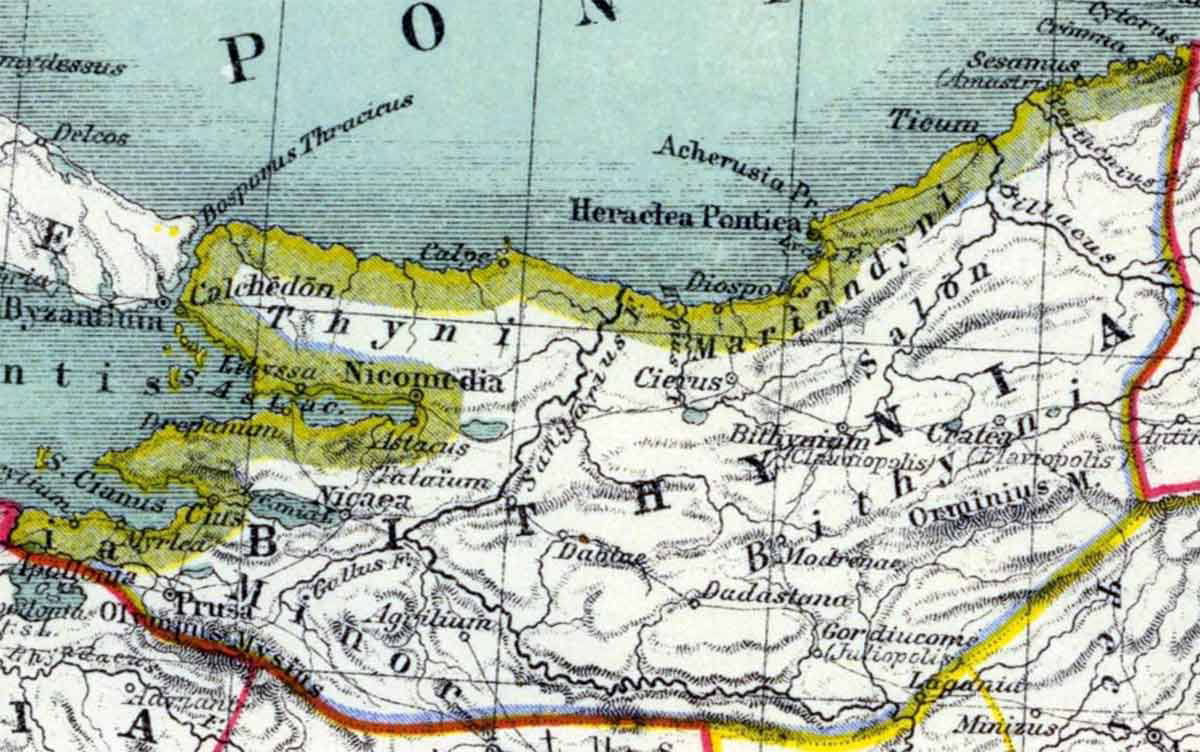
Osman’s new Beylik lay on the borders of the remaining Byzantine territory in Asia Minor. As the 1280s continued, Osman increasingly came to blows with the semi-independent governors, known as Tekfurs, of the numerous Byzantine strongholds in the region. By 1287, he had won several victories against the Tekfurs and brought many settlements under his control. Chief among these were the towns of Kulacahisar and Karacahisar, which he turned into fortified bases for further operations.
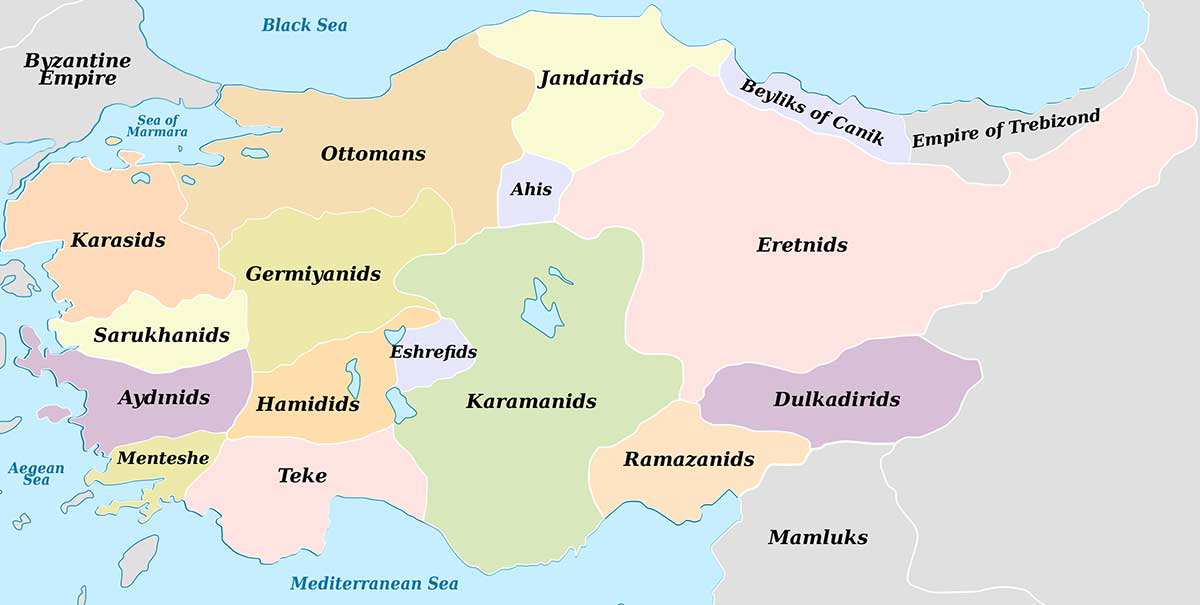
There were also occasional skirmishes with other Beyliks, including against the neighboring Germiyanids, yet in terms of actual expansion, Osman kept his focus on the Byzantines. The waning power of the Byzantines and somewhat disunited Tekfurs gave the Kayı plenty of opportunity to expand deeper into Bithynia and towards the Hellespont, whereas seizing territory from other Beyliks ran the risk of them forming an anti-Kayı coalition or perhaps an intervention from other powers.
Furthermore, the Christian Byzantines were a more religiously and politically justifiable target than fellow Muslims and gained Osman further recognition from them and, in particular, the Sufi sects. The Kayı was not the only Beylik threatening Byzantine territory—further south, the Germiyanids made moves against the territory on the coast around Philadelphia.
However, Osman was unique in turning raids into genuine territorial expansion, secure from the other Beyliks, the Seljuks, and Mongols, and encompassing vital trade routes into Europe. Meanwhile, Osman’s growing support among Sufi mystics and the Dervish sects helped him grow his military forces and boost his Beylik’s population.
Territorial Expansion and the Ghazi
As Osman’s prestige and territory grew, so did his following. Tribes fleeing the Mongol expansion in the East had flocked to the Kayı in Anatolia for many years. Yet Osman’s expansion into Byzantine territory brought even more tribes to his cause. Most notably, his respect among the Sufis garnered Osman the support of many Ghazi, Islamic warrior societies that contracted their services to conquerors in exchange for land, glory, and plunder.
The Ghazi became a core component of Osman’s growing fighting force as his campaigns in Anatolia continued. Though not exactly holy warriors like the Crusader orders of knights, the Ghazi were strongly connected to religious movements, particularly Sufism. Osman himself allegedly became inducted into a Ghazi society through one of his earliest allies, the Sufi leader Sheikh Ebedali. Ebedali was one of Osman’s closest allies, connecting him with important religious and political figures among the Turkic tribes and promoting him widely throughout Asia Minor, even marrying Osman to his daughter to seal their friendship. These religious and political connections further strengthened Osman’s campaigns of expansion during the 1290s.
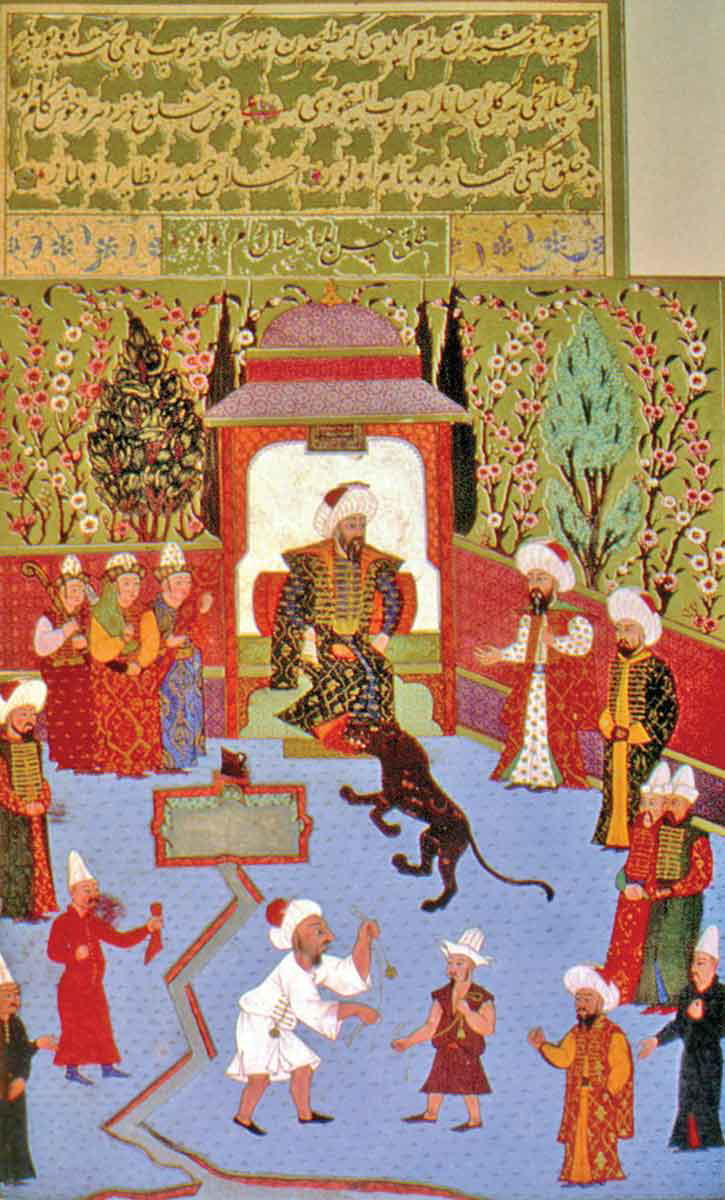
However, while the Ghazi and support of the Sufi and Dervish sects were crucial to Osman’s burgeoning expansion, he was not necessarily fighting a war of religious conquest. While later Ottoman sources attempted to retroactively portray Osman as a holy warrior, the evidence suggests he was tolerant of non-Muslims in his lands. Osman happily welcomed Byzantine recruits to join his Beylik nonviolently.
In several cases, he expanded his control into Byzantine lands through peaceful negotiation with Tekfurs who, disillusioned with the absentee administration in Constantinople, willingly cooperated with him or defected outright. The most famous of these was Köse Mihal, or Michael Kosses, the Tekfur of modern-day Harmanköy, who defected to Osman and became one of his most trusted advisors and lieutenants. Osman, it appears, managed to walk the tightrope of religious devotion and tolerance ably as he sought to turn his nascent state into a true independent kingdom. However, Osman’s (admittedly hands-off) vassalage to the Seljuk Sultanate would soon come to an end.
Independence
In truth, the Seljuk Sultanate, what was left of it at least, was beholden to the Mongol Ilkhanate of Central Asia after the Battle of Köse Dağ in 1243. Since then, the Seljuk Sultans had devolved from Ilkhanate vassals to mere puppets before the state was abolished entirely in 1308. Yet well before this date, Osman and the Kayı were already functionally independent.
Symbolically, the last of the Seljuks retained overlordship of the Anatolian Beyliks, but in truth, they held little, if any, authority over them. A few of the last Sultans, on the orders of their Ilkhanate masters, made abortive attempts to bring the Anatolian Beyliks to heel, but all failed. Being on the far extremity of Anatolia, Osman remained undisturbed by even the most spirited Seljuk and Ilkhanate military interventions, allowing him to nation-build in relative peace and provide a haven for Turkish tribes fleeing Mongol oppression in the East.
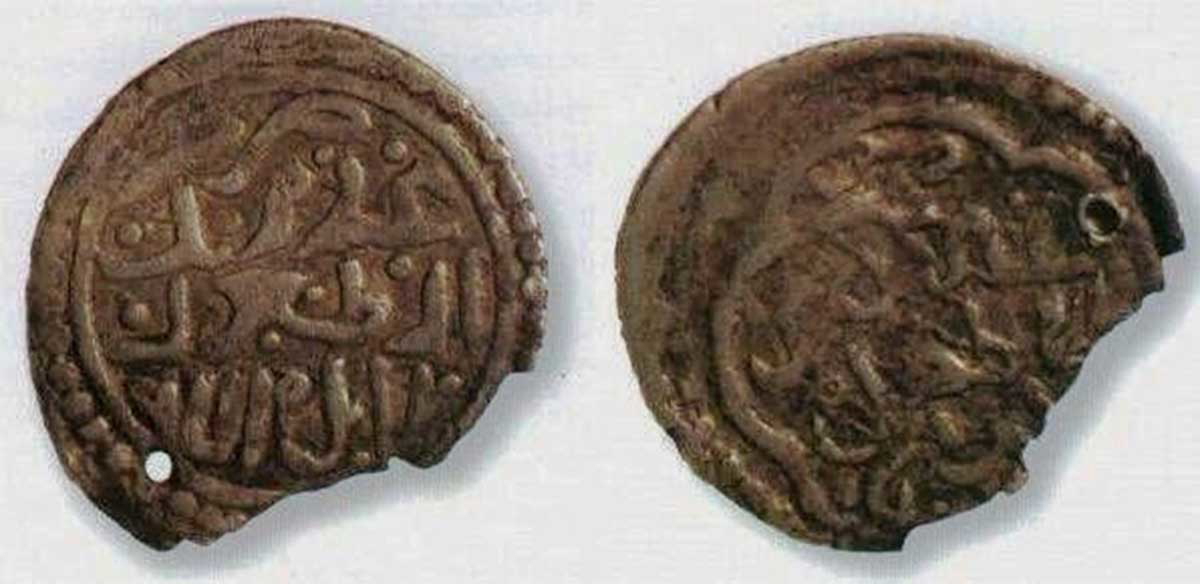
Later Ottoman chroniclers emphasized Osman’s relationship with the Seljuk Sultans to legitimize Ottoman rule by connecting it to the previous Turkic power, as seen in the story of his appointment as Bey. Ottoman chroniclers also recorded that, after his Byzantine conquests, Seljuk Sultan Kayqubad III honored Osman with gifts of status and the right of Khutba wa sikka. This was a right for Osman to mint coins bearing his name and have his name mentioned in sermons before Friday prayers, both symbols of a leader’s authority and sovereign status.
However, while Sultan Kayqubad might have rewarded Osman with gifts, it is unlikely he would have given his erstwhile vassal rights that effectively recognized him as an independent ruler. More likely, Osman, with the Sultanate’s dwindling authority and relative safety from the Ilkhanate’s backlash, took these rights for himself. Though there is no evidence that he used the title Sultan himself, by the turn of the century, it appears that he had effectively created an independent kingdom. In 1302, this was confirmed by his most famous and consequential military victory.
Battle of Bapheus

By 1302, Osman and the Kayı effectively controlled the hinterland around the remaining Byzantine strongholds. This prevented the Byzantines from growing food to keep their garrisons fed and paid, while refugees poured into the strongholds or abandoned Anatolia entirely and fled into Europe. Facing a now unavoidable crisis, the imperial court sent a relief force under General Georgios Mouzalon to deal with Osman on a field known as Bapheus on July 27, 1302.
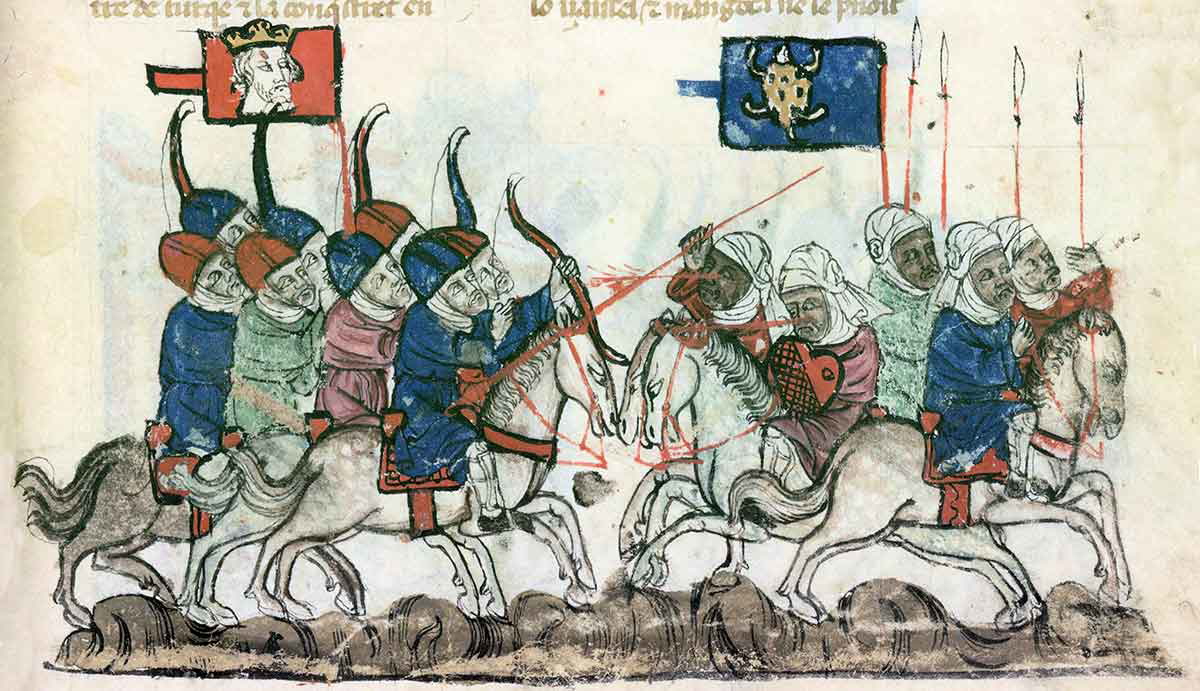
The battle is one of the earliest events in Osman’s career chronicled by contemporary sources and one of the most consequential battles for the Byzantine Empire and burgeoning Ottoman state. Mouzalon, despite fielding only 2,000 troops to Osman’s 5,000, was confident his professional Byzantine regulars and Alan mercenaries could overcome Osman’s army, made up almost entirely of light cavalry. However, a miscommunication saw the Byzantines take to the field without the support of the Alans, and Osman’s light cavalry charged and broke the Byzantine line before this could be rectified.

Bapheus and the following Battle of Dimbos in 1303, where Osman shattered a coalition of local Tekfurs, tipped the regional balance of power entirely in Osman’s favor. He could let the remaining Byzantine strongholds surrender at his leisure and send raids, so Byzantine chroniclers claimed, over the Hellespont and into Europe. However, the Byzantines weren’t quite finished. In 1303, they hired a notorious mercenary band known as the Catalan Company, commanded by the Italian adventurer Roger de Flor, to retake Anatolia.
The Catalans sent Osman and the Kayı reeling back into the Anatolian interior. However, for whatever reason, Roger and his mercenaries saved the bulk of their campaigning for the region around Philadelphia and the other Turkish Beyliks further south. In the end, the Kayı got off relatively unscathed while the other tribes suffered brutal defeats at the hands of the mercenaries, before in 1304 the whole venture collapsed due to Byzantine political infighting. Osman and his Beylik survived and swiftly recovered from this final Byzantine fightback, and so began the process of turning a nomadic tribe into a continent-spanning empire.
Osman’s Final Years
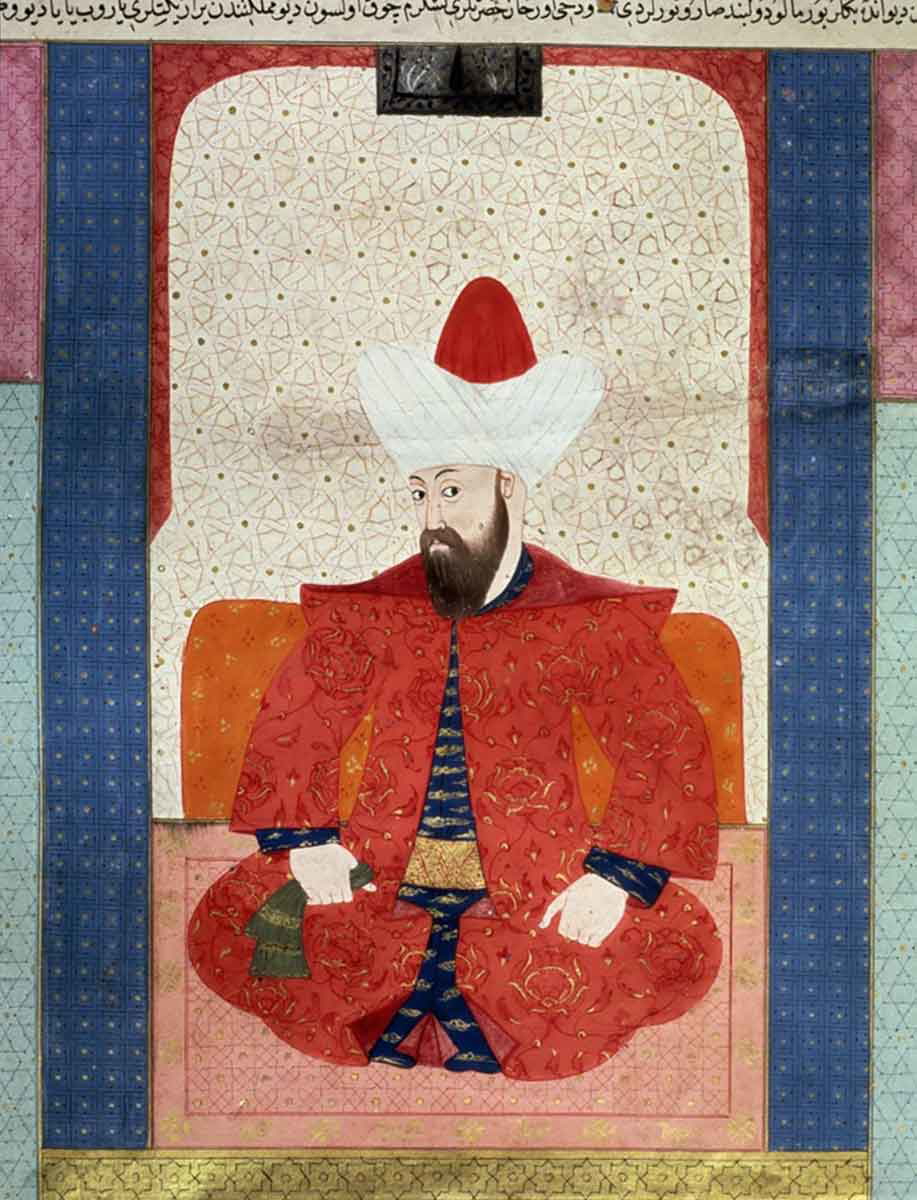
It is unclear when Osman’s Beylik became known as the Ottoman Sultanate; most historians begin using the name Ottoman at some point between 1299 and shortly after Bapheus. Although Osman never called himself “Sultan” in his lifetime, it is around this time that he took the title Padişah Āl-ıʿOsmān, or Ruler of the House of Osman. In this new role, he would oversee the next stage of evolution: a symbolic transformation of the small nomadic nation into a fully independent sovereign state.
The Kayı had already begun transitioning to a less nomadic way of life for some time; however, after Bapheus, this transition picked up speed as yet more Turkic peoples joined the mighty Osman and settled in the former Byzantine lands. Soon, Osman started developing a proper centralized government administration, based largely on the old Seljuk model, and consolidated the Ottoman state throughout the 1300s-1310s. There is little known for certain about his specific policies, save that he kept taxes on his new followers (and those Byzantines who chose to remain under Ottoman rule) relatively low and managed to keep the traditionally anti-central-authority Ghazis on side. He also appointed the first Grand Vizier, Alaeddin Pasha, in 1320. Whatever the finer details of Osman’s government policies, he undoubtedly laid the foundations that would grow into the mighty Ottoman Empire.

One area of Osman’s state building that is well documented was his aim to capture major Byzantine cities. Although the remaining minor castles and small towns fell relatively quickly after Bapheus, the great cities like Pusra and Nicaea still held out. Taking a major city would be an unprecedented step in the development of the Ottoman Sultanate, so Osman set his sights on Pusra in the mid-to-late 1310s. However, the large-scale siege warfare required for such a city was unfamiliar to the Ottomans, even with the advice of the Byzantines who had defected to their cause.
The Ottomans blockaded the city, but Pusra stubbornly held out for almost a decade, and by the time the city fell in 1326, Osman had become too old to campaign, and the surrender was accepted by his son Orhan. The legendary founder of the House of Osman died at almost the same time the last great conquest of his life had been achieved.
Osman’s Legend and Legacy
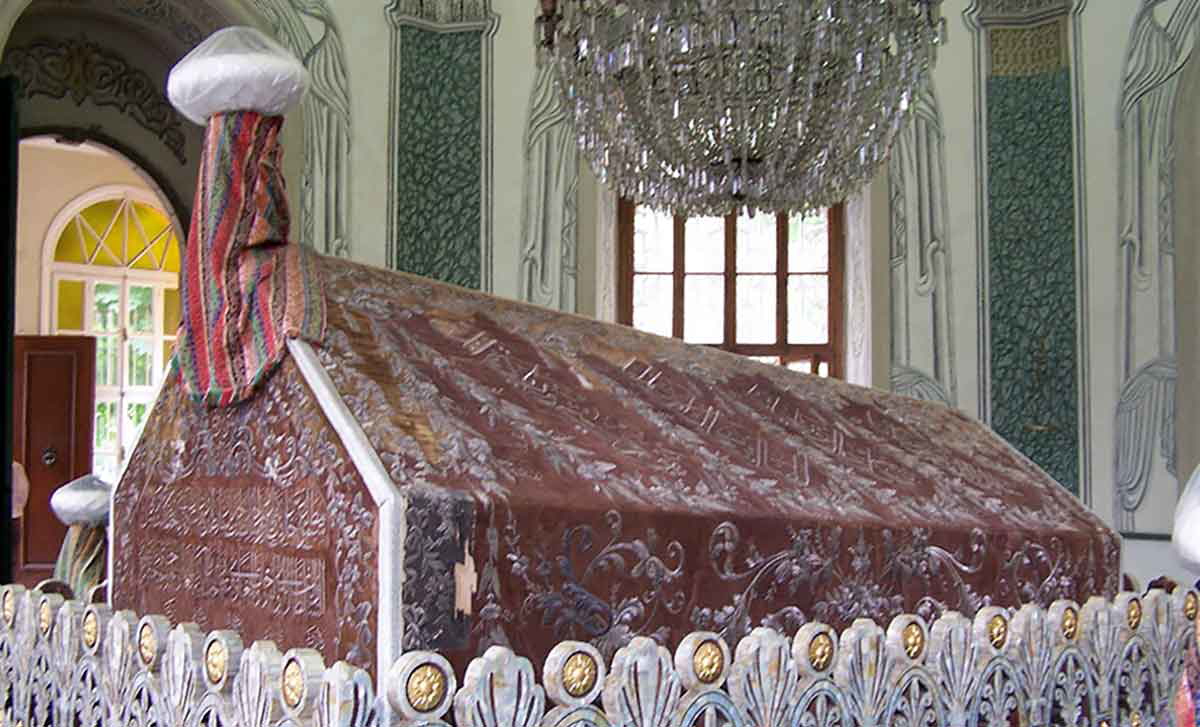
The story of Osman is the story of the rise of the Ottoman Empire, yet it was after his death that the Ottomans truly blossomed into a superpower. Orhan would succeed his father and, from his new capital in Prusa, direct Ottoman operations into Europe while also piecing together the administration that made the Ottoman state so powerful. Yet none of what the Ottomans became would have been possible without the foundations laid by Osman, which makes the precious details we know about him and his ventures that much more compelling.
It is easy to dismiss Ottoman sources as overemphasizing Osman’s actions and ability as just “Great Man” theory and an attempt to artificially connect Osman with the previous Seljuk regime. However, the idea that Osman had no impact on the Ottomans’ eventual success and that a great power would always have arisen from the Ottomans’ location and geopolitical circumstances is equally reductive.
The advantages of geography and the collapse of the Seljuk and Byzantine empires could easily have been squandered by a lesser leader. Maintaining the balance of expanding the Beylik whilst avoiding weakening the control over the already conquered territory took skill, as did maintaining balance between keeping up the support of the Ghazi sects while also encouraging defections amongst the Byzantine Tekfurs. We may not know the whole story of Osman, but it is clear that his ability to transform a tribe of Turkish nomadic warrior groups into a nascent settled state was vital to his descendants building one of the most powerful empires the world has ever seen.