
Jesus’ preferred teaching-style was through stories, also known as parables. This article explores four must-know teachings of Jesus that could benefit anyone. They are: the faithful steward, the wise builder, the wildflowers’ concern, and the bridegroom’s return. Each of these parables do not only hold truth; they transform one’s perspective and affect how you live life going forward.
| PARABLE NAME | SCRIPTURE REFERENCE | CENTRAL THEME | MODERN APPLICATION |
|---|---|---|---|
| The Faithful Steward | Luke 16:1-13 | Stewardship | Managing resources and talents with integrity. |
| The Wise Builder | Matthew 7:24-27 | Foundation | Building your life’s values on a solid, lasting base. |
| Wildflowers’ Concern | Matthew 6:28-34 | Trust | Reducing anxiety by trusting in divine providence. |
| The Bridegroom’s Return | Matthew 25:1-13 | Preparedness | Staying spiritually alert and ready for future events. |
The Faithful Steward

“Whoever can be trusted with very little can also be trusted with much” – Luke 16:10
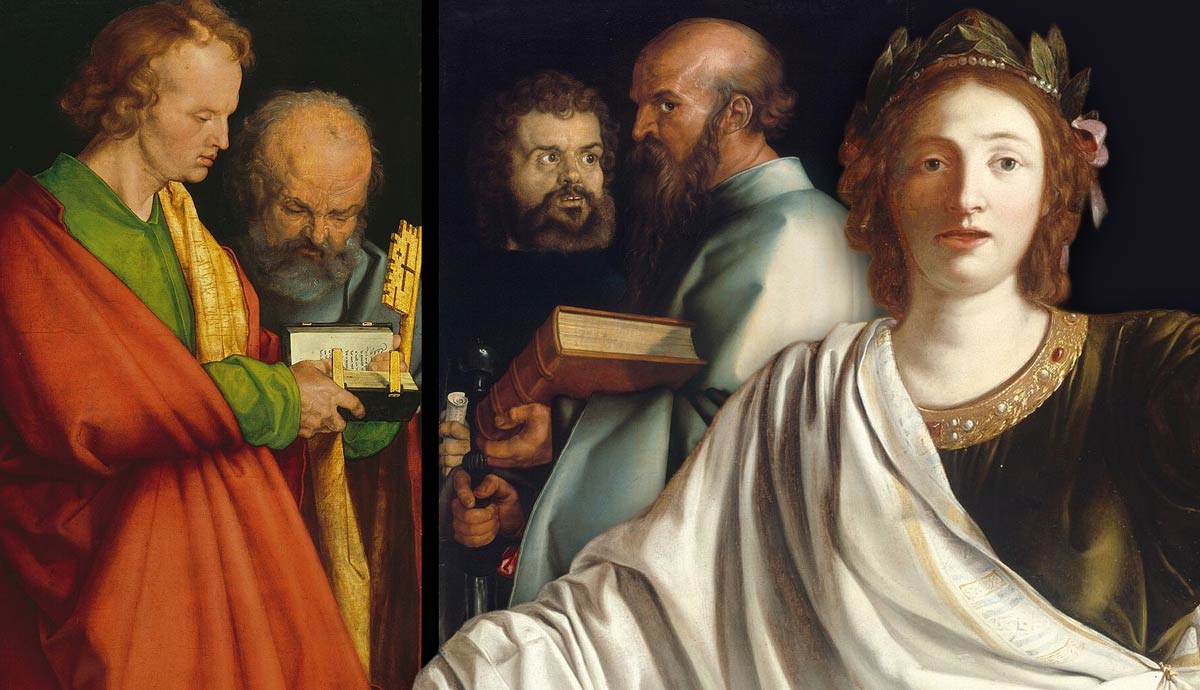
There are many parables about an owner (God) who went away and left some of his possessions (gifts, skills, talents, resources) with his servants (humankind), tasking them to take care of it. Some received a lot; some received a little.
The ones who received a little were afraid of messing it up, so they buried it or kept it in the bank. But the ones who received much worked with it, and it increased. When the owner came back, he praised the servant who was a faithful steward but cursed the one who did nothing.
Jesus was saying that everybody receives something. If you make the best of it, it will increase, but if you look only at what you lack, you will lose what you started with as well.
The Wise Builder
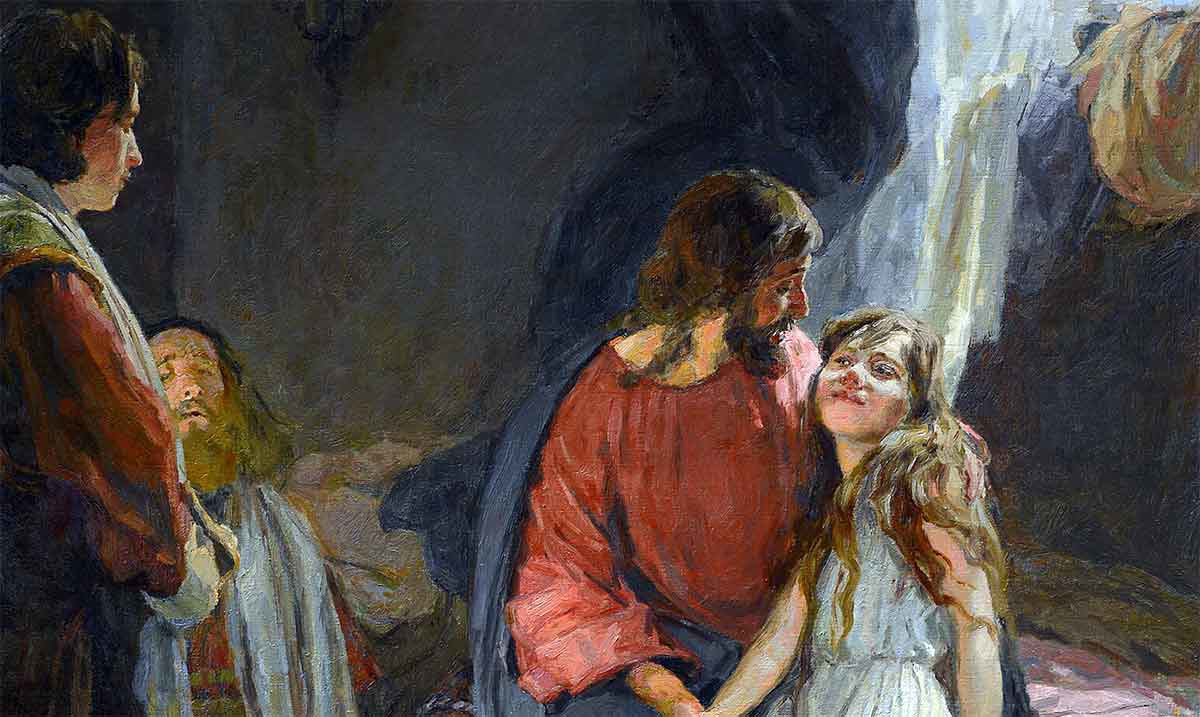
Storms will come. Is your life founded on something that cannot be shaken? Eternal things and lasting truth can outlast anything that life throws your way, while material joys and shallow delights will only be washed away.
“Everyone who hears these words of mine and puts them into practice is like a wise man who built his house on the rock”- Matthew 7:24
He also told a parable about a builder (humankind) who was building a house (a life). If the builder did not consider his ways and constructed a house on the sand, it would not withstand the storms (of life). However, if a wise builder decided to build on the rock (wisdom/relationship with God), his house would remain.
Jesus was saying that people should build their lives on things that last (faith, family, friendships), not on earthly things that’s swept away (money, possessions, ego). If you act intentionally and with wisdom, your life will withstand life’s storms.
The Wildflowers’ Concern
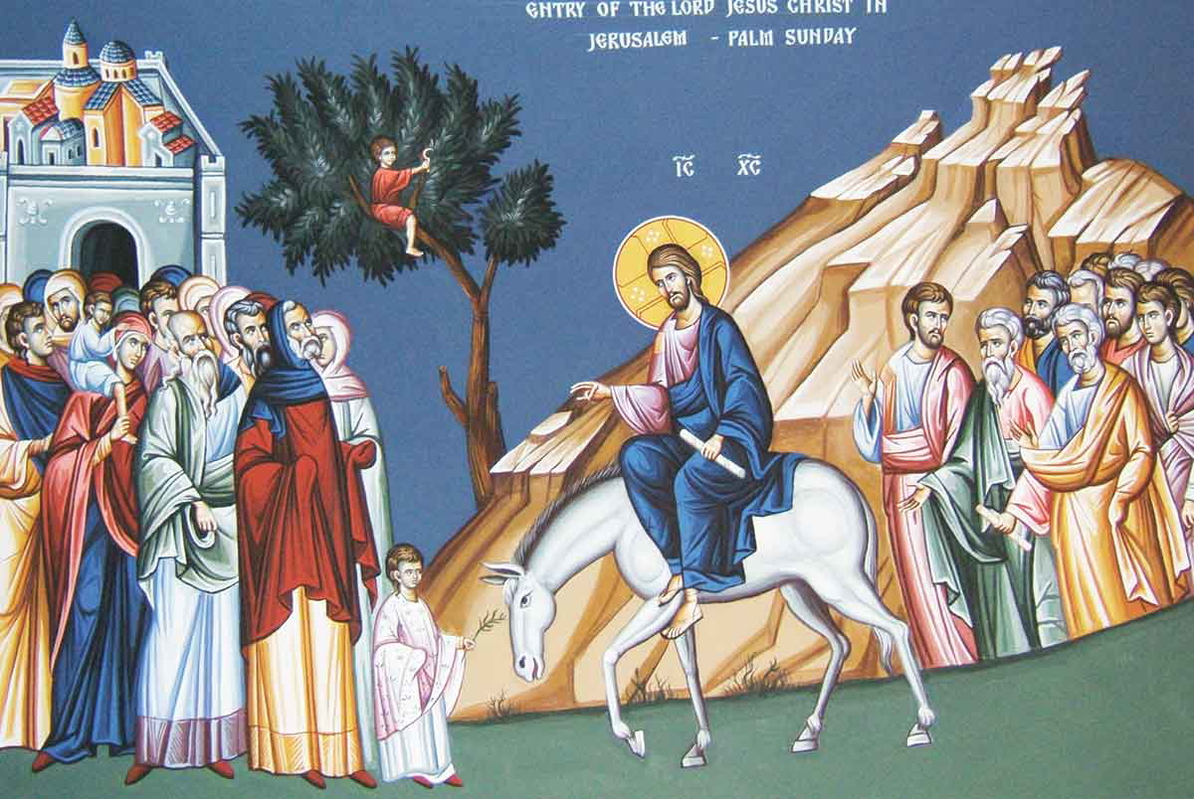
If you don’t know what to do; look at nature.
“If that is how God clothes the grass of the field, which is here today and tomorrow is thrown into the fire, will he not much more clothe you—you of little faith?” – Matthew 6:30
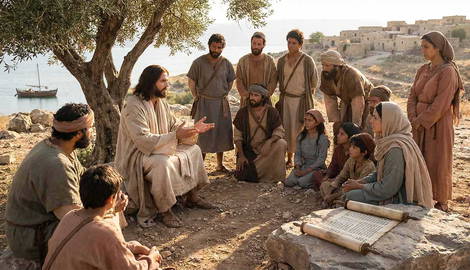
As part of the Sermon on the Mount, he taught the disciples by pointing to the things in nature around them. “Look at the birds”, he said. “They don’t work or have bank accounts, yet God cares for them… And the wild lilies growing here – They don’t have worries or concerns, yet nobody is dressed as beautifully as them…”
Jesus was saying that worry and concern get you nowhere. It is better to surrender and trust that the same God who cares for the wildflowers will also take care of you. Meditate on thankfulness (abundance) and instead of anxiety (lack).
The Bridegroom’s Return
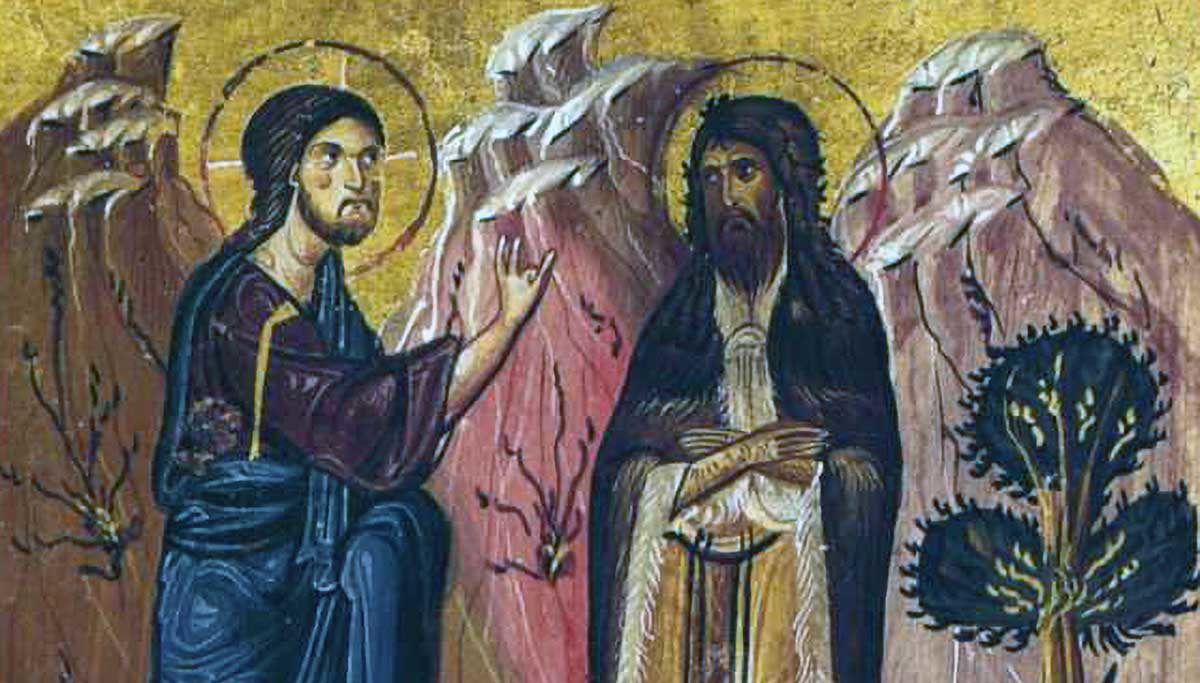
An oil lamp does not burn the wick, like a candle does – it burns the oil. If you are constantly burnt out and exhausted, you need to stop burning yourself and find the source of oil that lasts instead.
“The foolish ones said to the wise, ‘Give us some of your oil; our lamps are going out.’ “‘No,’ they replied.” -Matthew 25:8-9
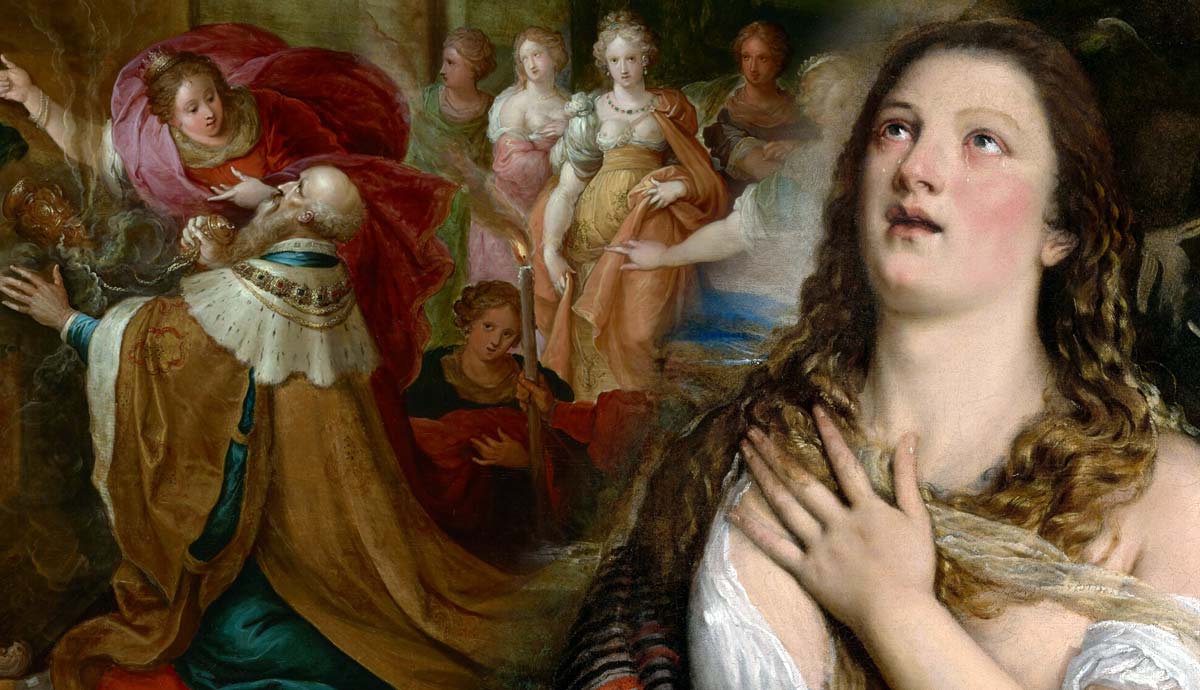
In this parable of Jesus, there is a bridegroom (God) who left behind some servants (humankind) with lamps in the dark (their lives) – the lamps cannot burn without oil (wisdom/relationship with God). Some servants had oil, but did not care about it until the last second when the bridegroom was coming.
Jesus was saying that you need to get your own oil. You cannot ride on somebody else’s passion. In the moment when it matters most, a lack of oil will become evident.
People Also Ask
Why did Jesus use parables to teach his followers?
Jesus used parables to translate complex spiritual and moral principles into relatable, everyday imagery. By using familiar scenarios, such as building a house or managing finances, he made profound lessons regarding integrity and trust accessible to everyone.
What is the main lesson of the Parable of the Wise and Foolish Builders?
The main lesson is the importance of a solid spiritual foundation. The parable compares a life built on the “rock” of hearing and acting upon truths to a house built on “sand,” which is prone to collapse during the storms of life.
How does the Parable of the Wildflowers address human anxiety?
This parable teaches that anxiety over material needs is unnecessary. By pointing to how wildflowers grow beautifully without toil, it encourages people to trust in providence and prioritize spiritual well-being over worldly worries.