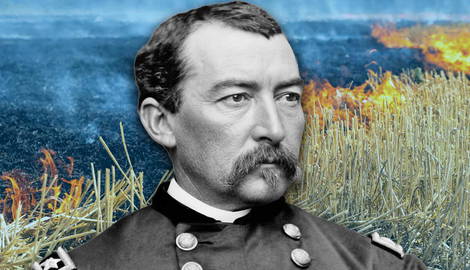
Philip Sheridan was one of the most aggressive and feared Union generals in the Civil War. His scorched earth tactics broke the South’s will to continue to fight in the war, leading to the conflict’s end. Post-war, Sheridan played an important role in Reconstruction before moving on to fight in the Indian Wars. While he undoubtedly helped shape America into the country it is today, his controversial tactics and legacy remain a point of contention among contemporary historians.
Early Life: From Shop Boy to Cadet
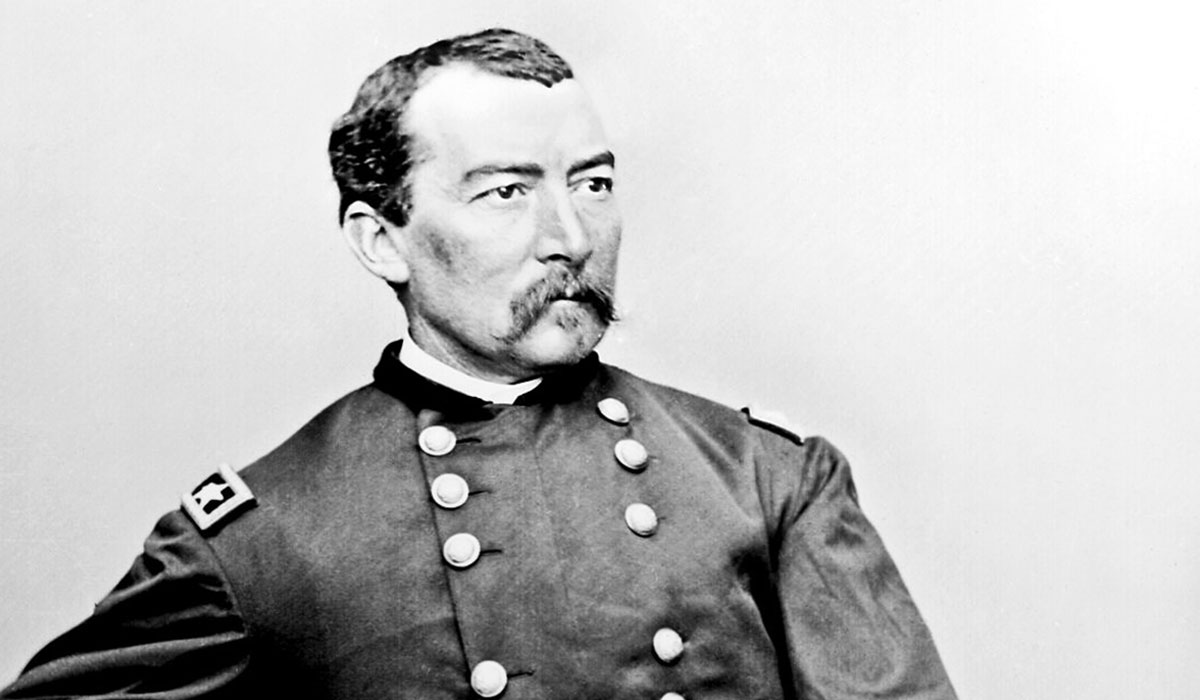
Philip Henry Sheridan was born in 1831 in Albany, New York, to John and Mary Meenagh Sheridan. His early years were difficult as his parents often could not afford to provide for their six children. Their growing family and the difficulties of living in early industrial-era New York led the Sheridans to relocate shortly after Philip’s birth to Somerset, Ohio.
At five feet five inches, and from what Abraham Lincoln recalled, “a chunky little chap,” Sheridan had a determination and a strong temper that would see him in trouble later in life. As a teenager, he worked at a general store in Somerset. It was here where he made an impression on Thomas Ritchey, a U.S. Congressman from Ohio. Ritchey had just removed his first recommendation from the U.S. Military Academy at West Point for having failed the entrance exam and was searching for another.
Sheridan earned the nomination from the Congressman and received an appointment to West Point in 1848, but his time there didn’t go smoothly. He got into fights and was suspended for a year after attacking a fellow cadet, William R. Terrill, with a bayonet after Terrill allegedly commented on Sheridan’s Irish heritage. In spite of this, Sheridan graduated in 1853 and was commissioned as a second lieutenant in the United States Army. He spent most of the 1850s serving in the Pacific Northwest, engaging in small battles as part of the larger Yakima War against the Indigenous Yakama of the region.
Sheridan’s Civil War Service
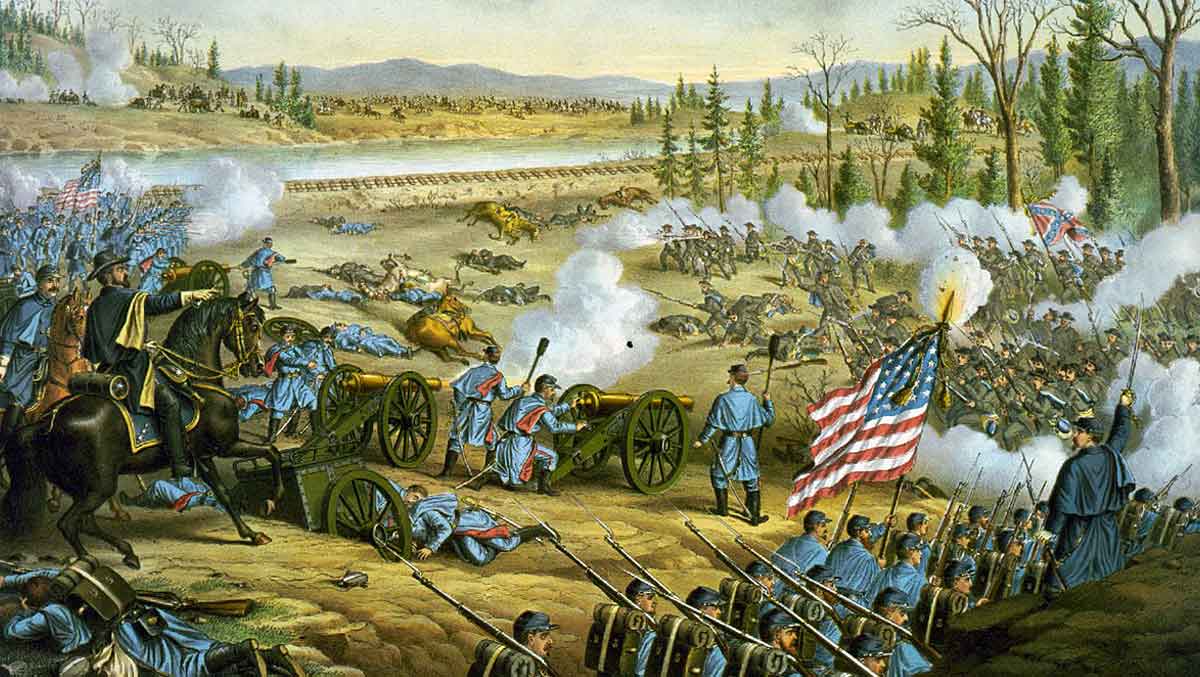
When the Civil War began, Sheridan was still a junior officer with no battlefield command. But that didn’t last long. He was promoted to Captain quickly after proving himself in the battles of Perryville and Stones River in the western theater, even impressing the likes of General William Tecumseh Sherman. These early successes earned him a commission as Colonel of the 2nd Michigan Cavalry, a promotion he accepted despite having no experience as a cavalry commander.
Sheridan was eventually promoted to Major General of the regular army, commanding the Army of the Potomac’s Cavalry Corps in the more prominent eastern theater. In 1864, he led a brutal yet effective scorched earth campaign in the Shenandoah Valley. Sheridan burned barns, towns, and railroads in an attempt to destroy the local economy and supply chain. The scorched earth campaign worked. The Valley could no longer supply Lee’s Army of Northern Virginia after what the residents referred to as “the burning.” Sheridan’s subsequent pursuit of Lee’s Army in 1865 helped bring about its surrender at Appomattox and bring the war to a close.
Reconstruction Era Efforts
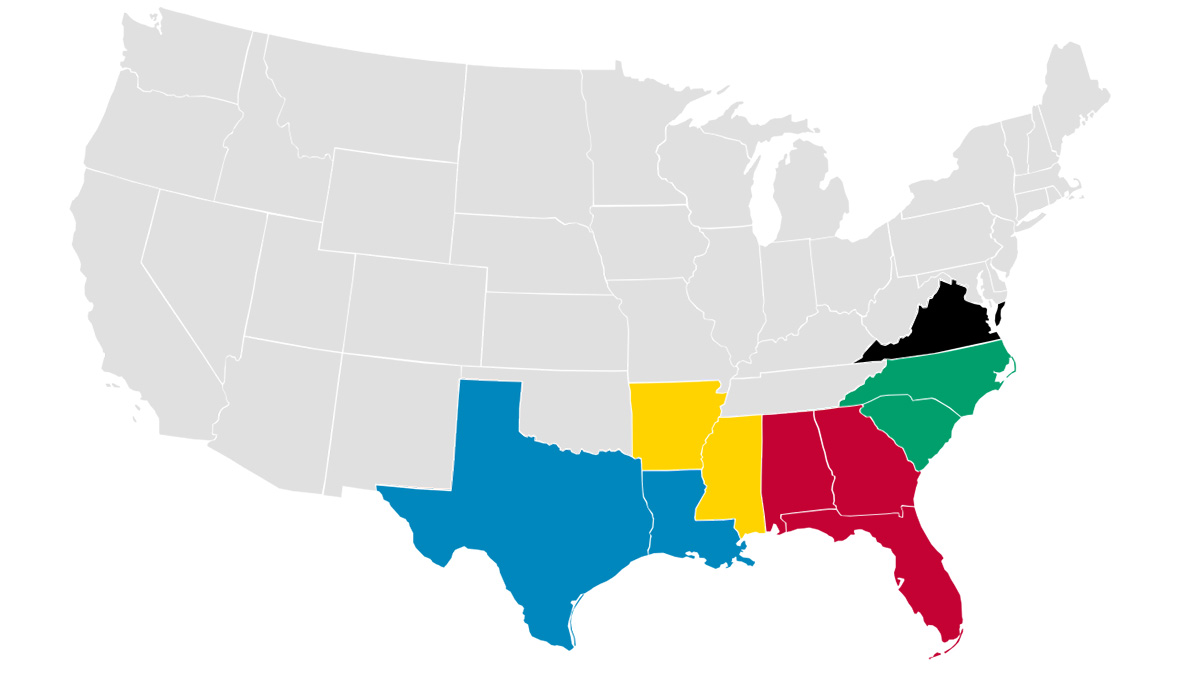
After the Civil War, the country entered into the Reconstruction Era, a period in which the Federal Government assimilated former Confederate states back into the Union. The plans for doing so, however, changed as the years progressed. Congressional Reconstruction, also referred to as “Radical Reconstruction,” began in 1866. This plan separated the South into five military districts, each overseen by an army general.
In 1867, Sheridan was appointed governor of the Fifth Military District, which included Texas and Louisiana. It was one of the most difficult jobs in the country. The governors were charged with overseeing the creation of new state constitutions that would include the 13th Amendment, which banned slavery with the exception of its use as punishment for a crime.
In his new role, Sheridan cracked down on violence against freedmen, removed former Confederate officials who refused to support the 13th Amendment from office, and insisted that the Civil Rights Act of 1866 be enforced and honored by every citizen of his district. He famously removed the governor of Louisiana, calling him unfit for office due to his ties to the old Confederate regime.
Sheridan’s approach to governance won him support from Radical Republicans in Congress but earned him enemies in the South and even the White House. President Andrew Johnson, who wanted a softer approach to Reconstruction, clashed with Sheridan repeatedly. In 1867, Johnson removed Sheridan from the district and reassigned him to the West.
Indian Wars: Scorched Earth in the West
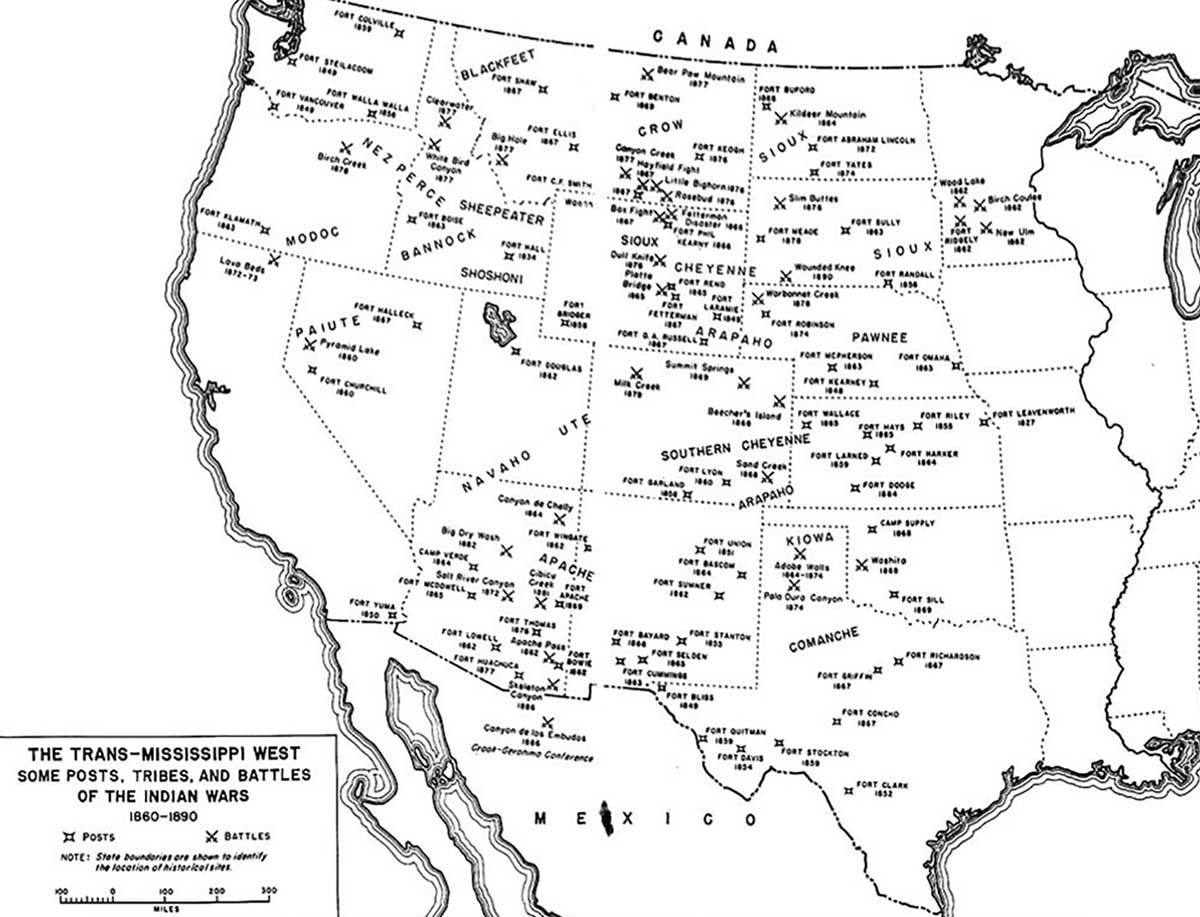
In his new assignment, Sheridan turned his full attention to the so-called Indian Wars. As commander of the Division of the Missouri, he oversaw operations across the Great Plains during the height of these conflicts. Sheridan applied his proven scorched earth strategies to the Native American tribes in the western United States. He believed that the only way to bring peace to the frontier was to destroy the tribes’ ability to resist and their means of survival.
In the 1870s, Sheridan helped lead the Red River War against the Comanche and Kiowa and backed campaigns against the Lakota and Cheyenne. His quote, “The only good Indian is a dead Indian,” became symbolic of the era’s brutality and inhumanity (though there is debate among historians over whether he actually said it). Sheridan also supported the development of Army forts and railroads in an effort to further control Native lands. His campaigns broke the military resistance of the Plains Tribes and destroyed various communities and cultures.
Sheridan’s Later Life
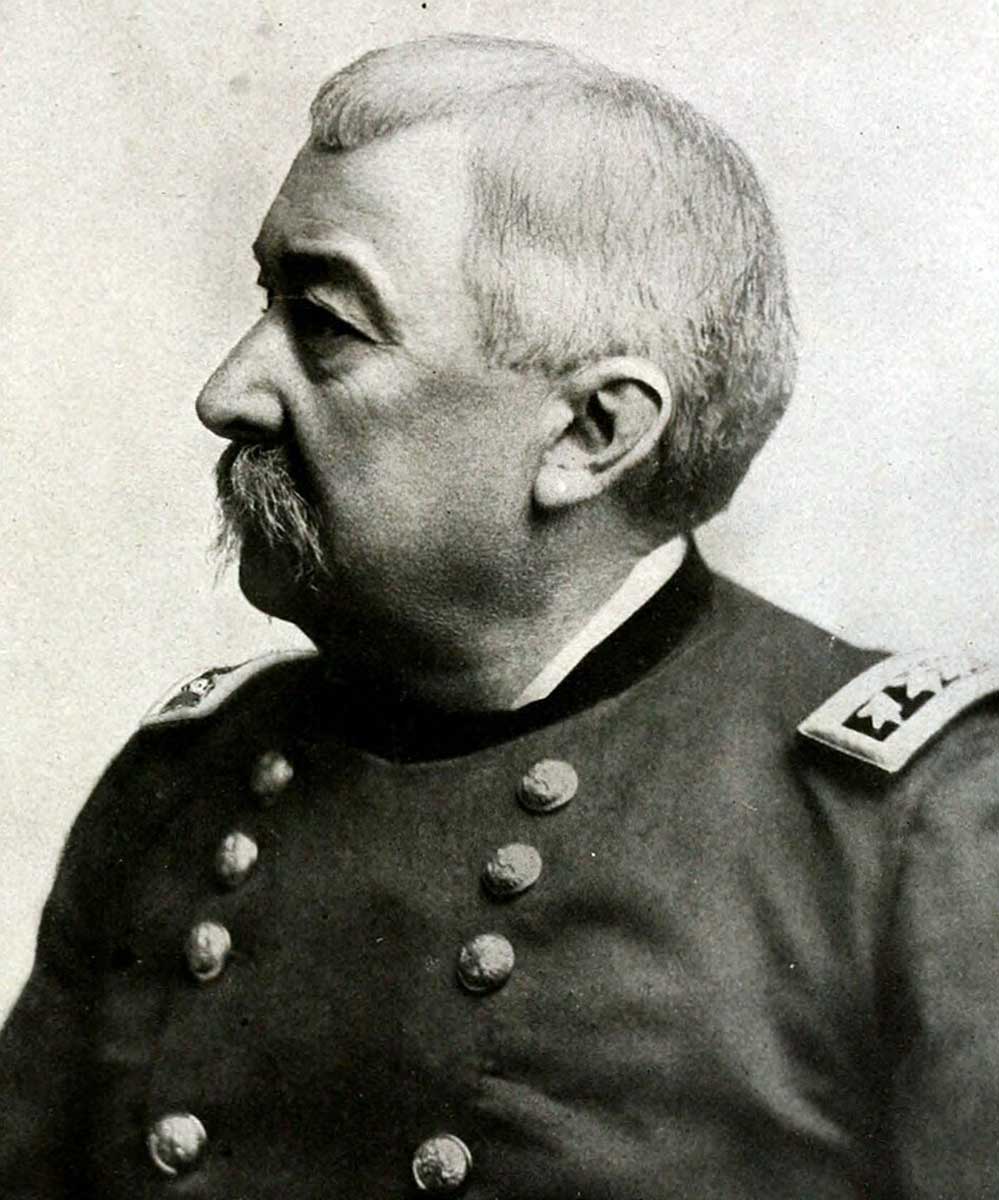
Sheridan remained in the Army his entire life. In 1883, he was promoted to General, its highest rank. He kept busy during this time, advising multiple presidents and playing ceremonial roles at national events. He also remained a fierce advocate for a strong Army and pushed for modernization in training and equipment. Sheridan also spent time writing memoirs, following the example set by Ulysses S. Grant.
His health began to decline rapidly in the mid-1880s. Years of rough field life and stress took their toll. He suffered a series of heart attacks and was bedridden for months leading up to his death. A final heart attack would lead to his death at age 57 in 1888. Sheridan was buried at Arlington National Cemetery; once the home of Robert E. Lee and now the final resting place of America’s war heroes. In the years following his death, statues and forts would be named after him. Despite what many view as a controversial legacy, Sheridan embodies the “American dream.” He had gone from a poor boy in Ohio to one of the most powerful military figures in U.S. history.
Legacy: Up for Debate
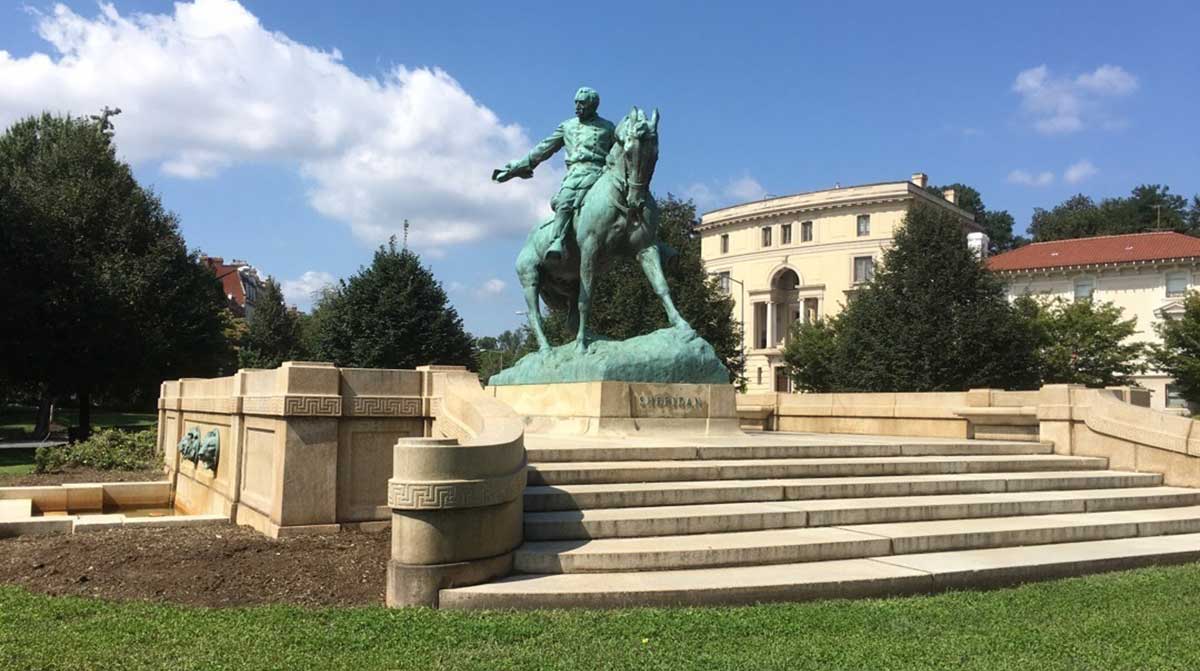
Philip Sheridan has a complicated legacy among historians and history enthusiasts alike. In a war where the Union struggled to find effective generals, Sheridan was one of its best. His scorched earth campaigns accomplished their goals, but devastated communities. During Reconstruction, he tried to protect Black Americans at a time when citizens both north and south struggled to cope with the enforcement of the 13th Amendment and Civil Rights legislation.
Yet in the West, his policies contributed to the destruction of Native American societies. For some, Sheridan is a symbol of progress and unity. For others, he represents the dark side of American expansion and military power. Like many figures of the 19th century, Sheridan’s story forces readers to confront the dual nature of American history, both its achievements and its injustices.