
From Guimarães to Silves, you can learn about Portugal’s foundation and how historical events led this beautiful land to become one of the oldest countries in Europe. Along the way, you must visit Sintra, Évora, Braga, Porto, and Lisbon. This tour will offer a comprehensive view of how Portugal has changed over the centuries.
1. Guimarães: The Cradle City
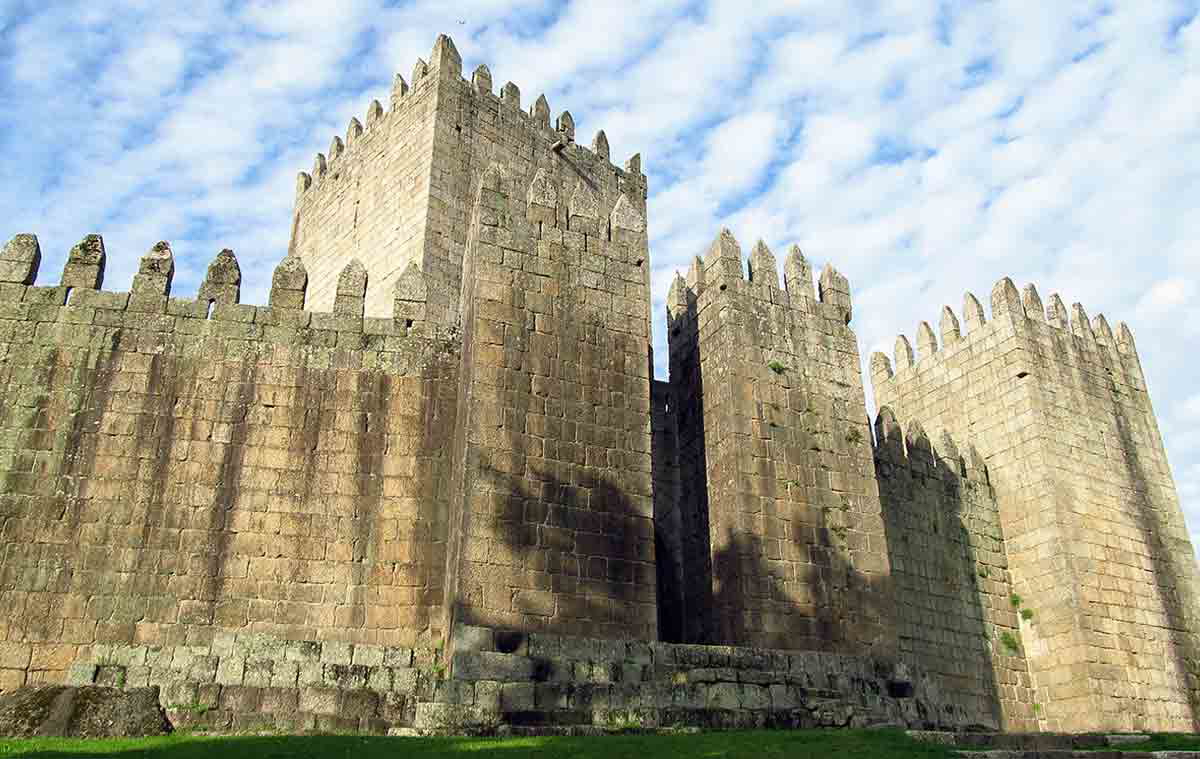
Guimarães is a stunning medieval city and the place where Portugal was founded. That is why you can admire the words “Aqui Nasceu Portugal” (“This is where Portugal was born”) displayed on the ancient city walls.
It all started in the 8th century. The Moors arrived in the Iberian Peninsula and marched north, conquering the territory we now call southern Portugal and Spain. As a result, Christians were pushed back to Asturias in the Cantabrian Mountains.
Later, in the 9th century, Guimarães (formerly known as Vimaranis) became the capital of the Condado Portucalense, a small county in the Northeast Iberian Peninsula. The city was often raided, and Countess Mumadona Dias ordered the construction of a hilltop castle to protect the people. This was the same castle where D. Teresa and D. Henrique, Counts of Condado Portucalense, welcomed their first son Afonso Henriques, Portugal’s future first king.
Afonso Henriques grew to follow in his father’s footsteps, pushing the Moors south. After his father’s death, his success in battle was undeniable. In 1143, Afonso Henriques and King Afonso VII of Leon and Castille signed the Zamora Treaty, granting the Kingdom of Portugal its independence.
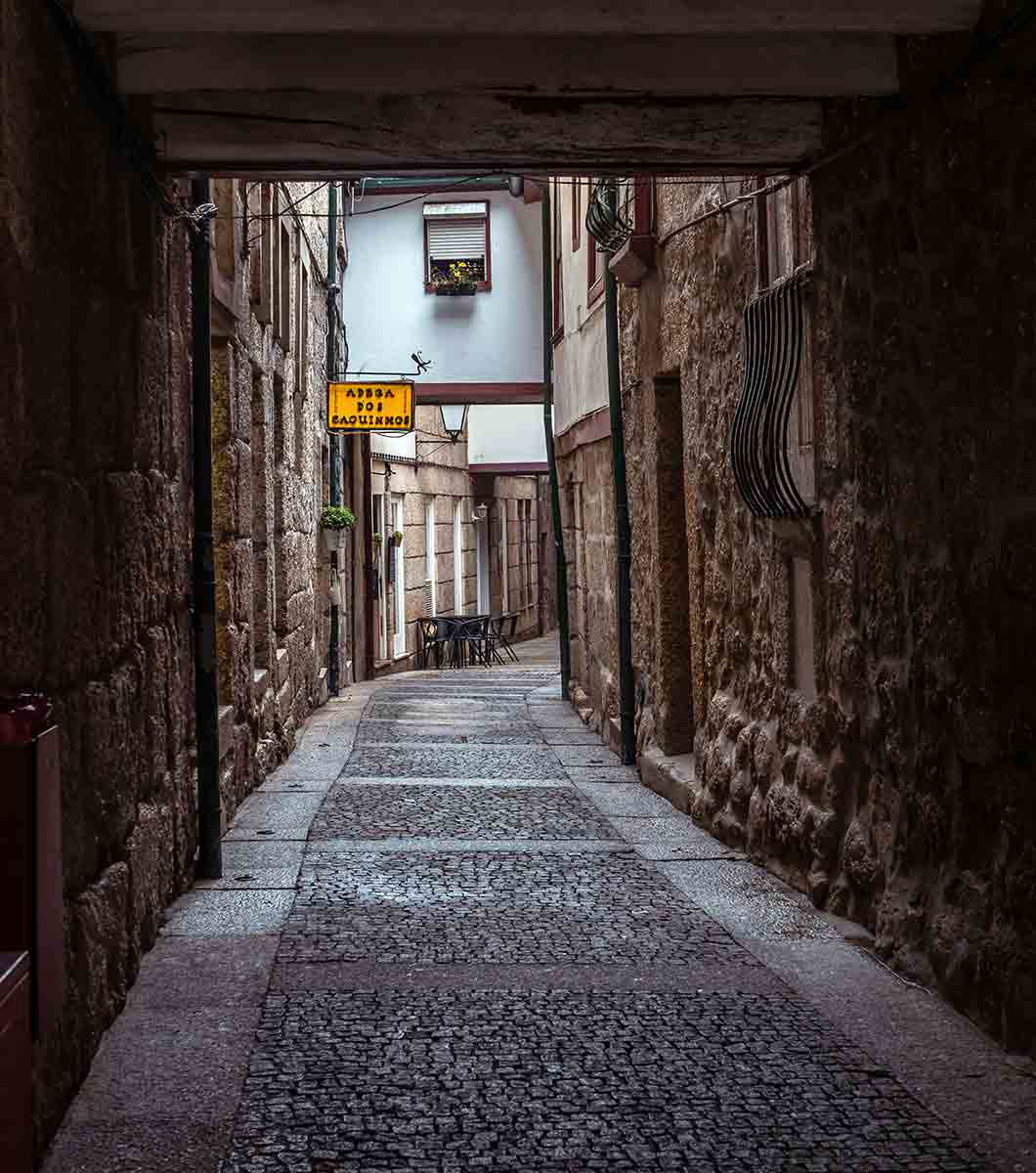
As a history lover, you will be happy to know that Guimarães Historical Center is a UNESCO World Heritage Site. Besides admiring beautifully well-preserved medieval buildings, you can also contemplate some of the most important monuments in Portugal.
Guimarães Castle is one of them. Its architecture has suffered some alterations since its foundation. Nevertheless, you can still admire the impressive stonework. Nearby is the São Miguel Chapel, a 12th-century Romanesque chapel where King Afonso Henriques was baptized.
Wander Santa Maria Street and explore the oldest street in Guimarães, built in the 10th century. It will lead you to Nossa Senhora da Oliveira Church, a historic double monastery built in 950. Located at Largo da Oliveira Square, this is one of the most iconic locations in Guimarães. Beside it, you can admire the Padrão do Salado, a Gothic-style monument from the 14th century.
2. Silves: The Charming Moorish Capital
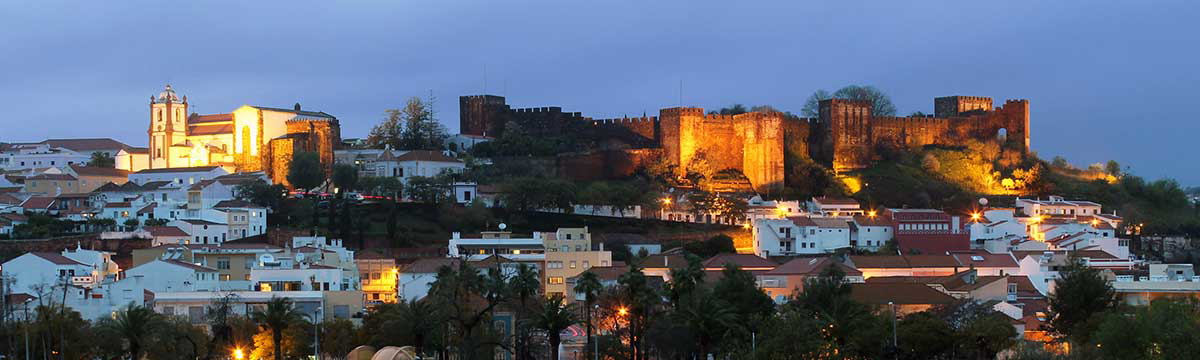
Silves is a small city in the lesser-known countryside region of the Algarve in southern Portugal. If you’re curious about the Moorish heritage of Portugal, this is the place to be. Although the Phoenicians and Romans also settled here, the Moors stayed the longest after conquering Silves in 716.
Xelb, as the Moors called it, quickly became a strategic location. The remains of a hilltop fortification served as foundations for an impressive red-walled castle. To this day, Silves Castle is the largest and most well-preserved Islamic castle in Portugal.
But that is not all. Xelb was surrounded by fertile lands, perfect for planting orange, almond, and carob trees, which the Moors imported. Also, the nearby Arade River offered enough water and served as an easy route to the ocean. Since Xelb was far from the coastline, and secluded among the hills, it was easier to defend.
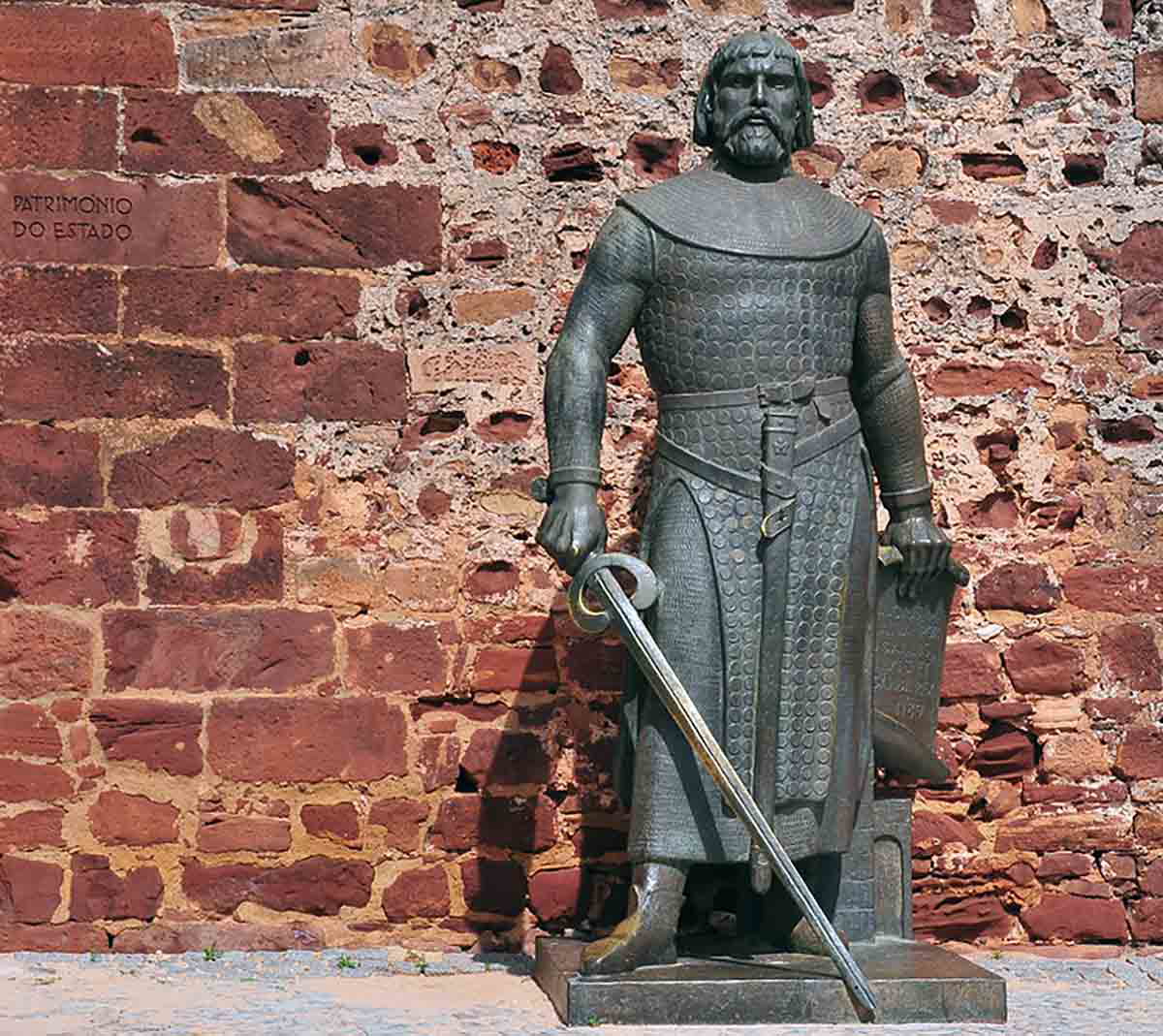
As Xelb became a commercial trading post, more people arrived from all over the caliphate, reaching an astounding 30,000 people. During its golden age, Xelb was home to Moors, Jews, and Christians who co-existed in peace. Over the years, it became a cultural mecca for writers, musicians, and philosophers. It was often compared to Seville or Cordoba.
When the Christian armies reclaimed the city, Silves witnessed one of the bloodiest battles in Portugal’s history. In 1249, King Afonso III conquered the city and ordered its resettlement. Silves was rebuilt, but most of the surviving population moved to coastal areas, fearing another battle.
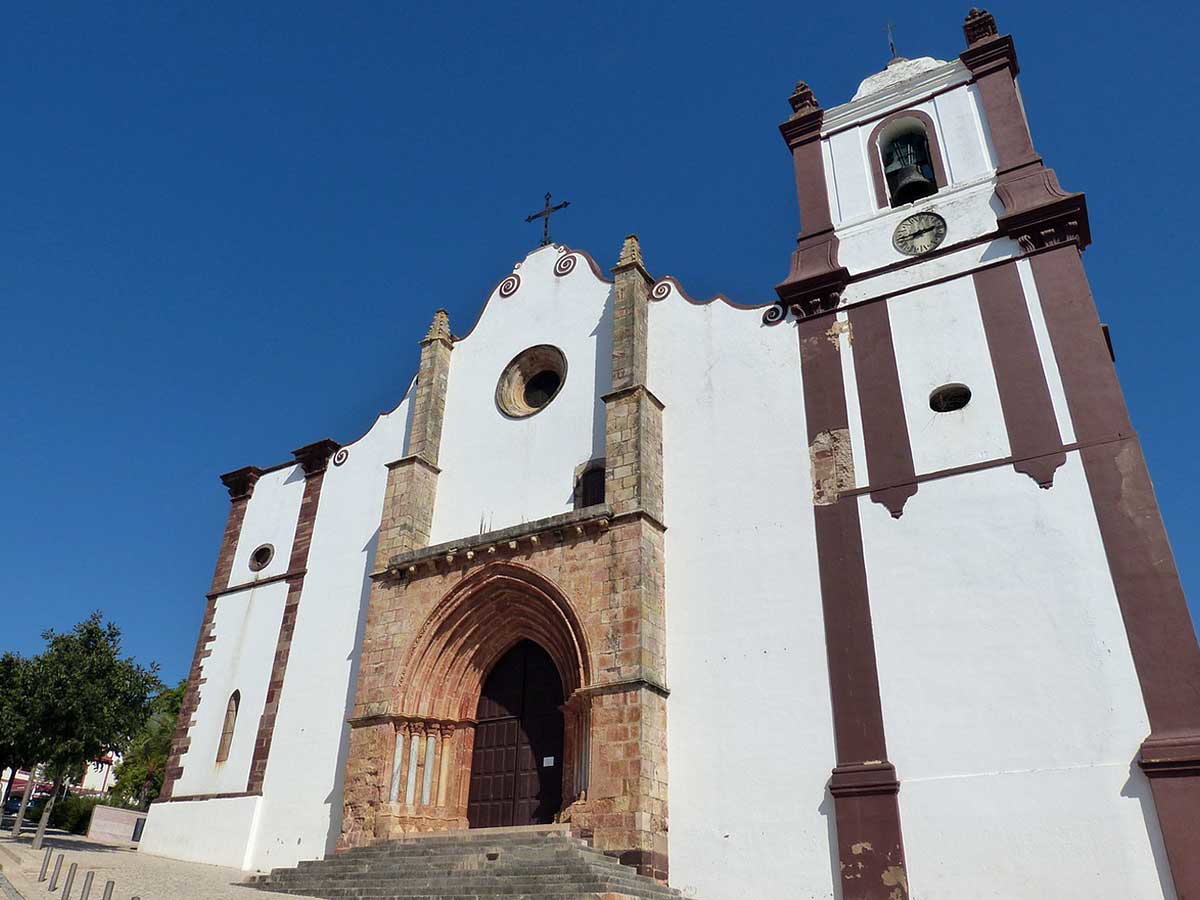
Roam Silves’s old town and visit the Cathedral, a Gothic-styled masterpiece built in 1268. Archeologists believe it was built over an old Mosque.
A few steps down the street, you can visit the city museum and admire a unique Islamic cistern from the 12th century. Nearby is the Torreão das Portas da Cidade, an ancient Islamic sandstone albarrana tower. It was used to connect the alcaçova to the medina. While wandering the streets, you will find other Islamic influences. The narrow streets, outdoor patios inside private homes, and colorful tiles covering façades are only a few examples.
3. Sintra: The Most Romantic Village in Portugal
Sintra is a charming village in the mountains amidst a dense green forest. The Cultural Landscape of Sintra is a UNESCO World Heritage Site where you can admire fairy-tale-like chalets and palaces in a unique setting.
This mesmerizing village has been inhabited since the Neolithic. Over the centuries, it was also home to the Romans and the Moors. However, it was Portuguese royalty that transformed this tiny village into one of the most famous locations in Portugal.
From its early beginnings, Sintra has always been a strategic location. The Romans believed Sintra was the perfect connection between Olissipo (present-day Lisbon) and the mountains. For the Moors, it was an important commercial center. So much so that they repurposed the ruins of an old fortification and built their own castle.
During the Reconquista, the village and its castle were raided several times. Finally, in 1147, King Afonso Henriques conquered Sintra. In the following centuries, military and religious orders made it their home.
In the 16th century, Sintra flourished with the presence of the rising aristocracy. Yet, shortly after, everything changed. In 1580, Portugal lost its independence for the next 60 years after King Sebastião disappeared at the Battle of Alcacer-Qibir. As a result, Sintra lost its influence among royals, who preferred Vila Viçosa, a tiny village in the Alentejo region.
Between the 18th and 19th centuries, Sintra benefited from the Romantic movement. Its dense forest and misty aura captivated the Portuguese aristocracy and wealthy businessmen. The result was lavish palaces and chalets that inspired famous authors such as Lord Byron or Henry Fielding.
There are a few locations you must visit to unravel Sintra’s past.
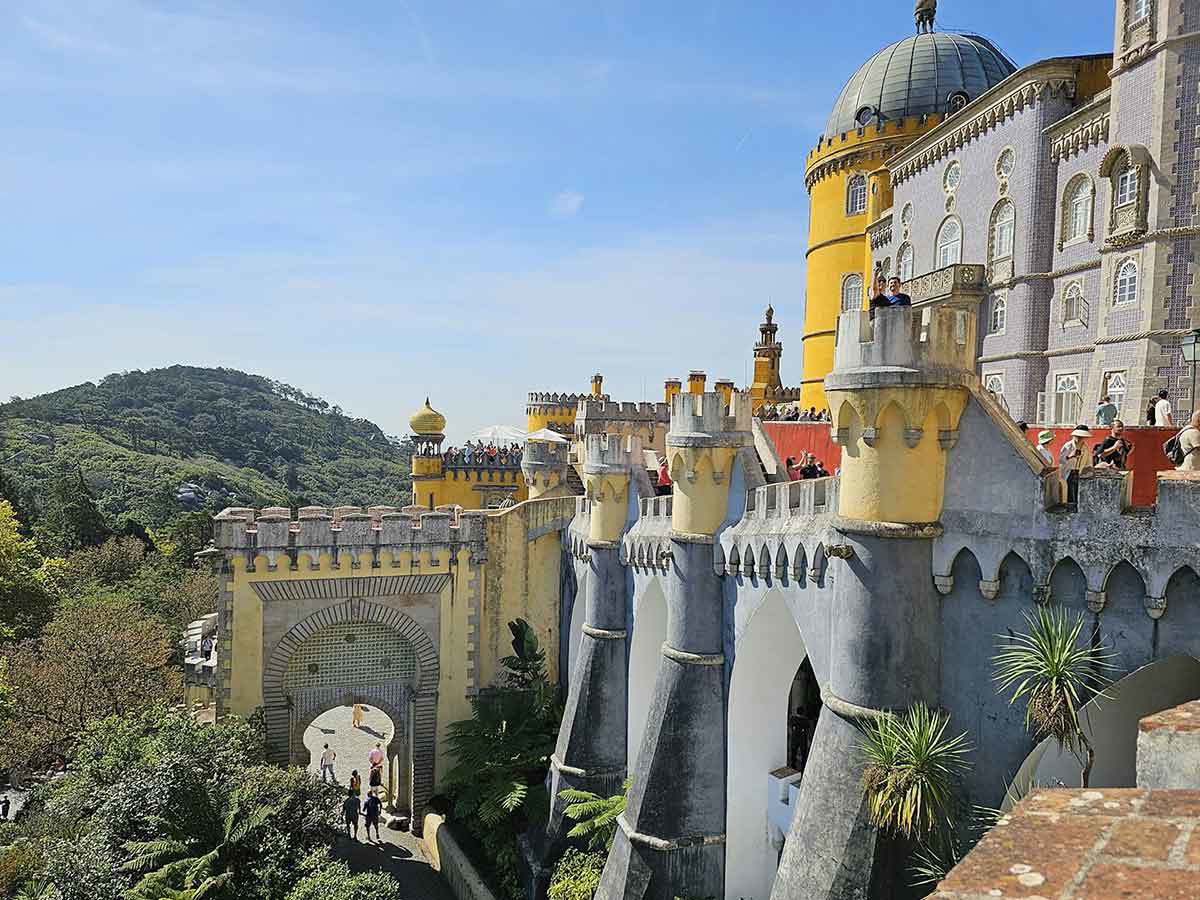
One of them is Palácio da Pena, a striking and colorful palace, once the favorite residence of Queen Amelia. Here, you can admire a blend of architectural styles, ranging from Neo-Gothic to Neo-Manueline, Neo-Islamic, and Neo-Renaissance. While walking up to the palace, take some time to admire the mesmerizing English-style park.
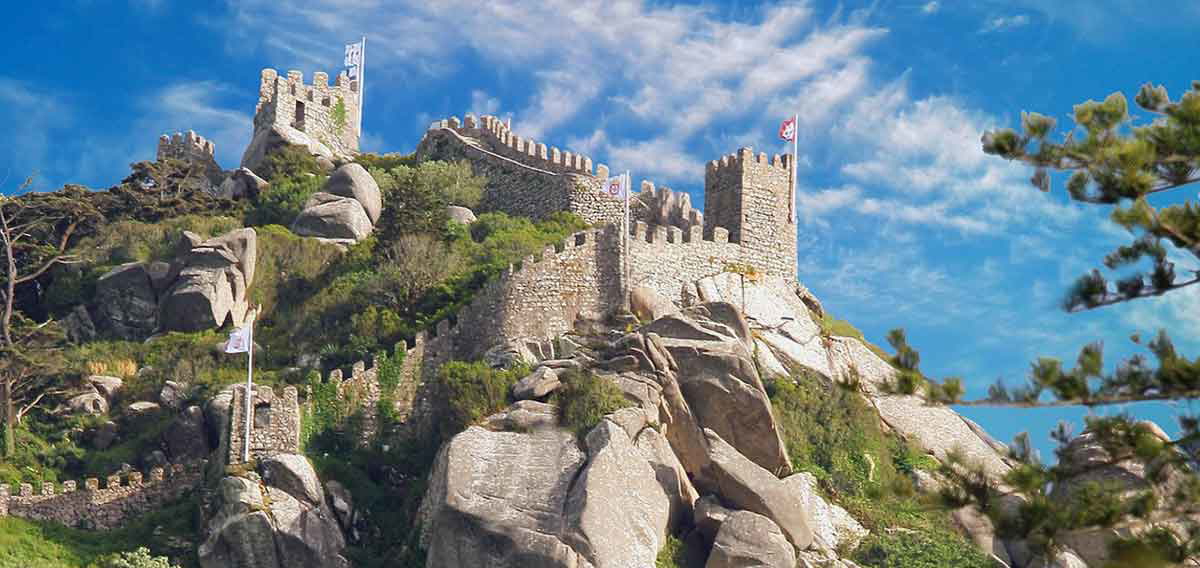
The Moorish Castle was built in the 8th century, shortly after the Moors arrived in the Iberian Peninsula. This is the oldest Islamic castle in Portugal. From here, you can admire Palácio da Pena in the distance and gaze at the horizon while enjoying a 360º view of Sintra and its surroundings.
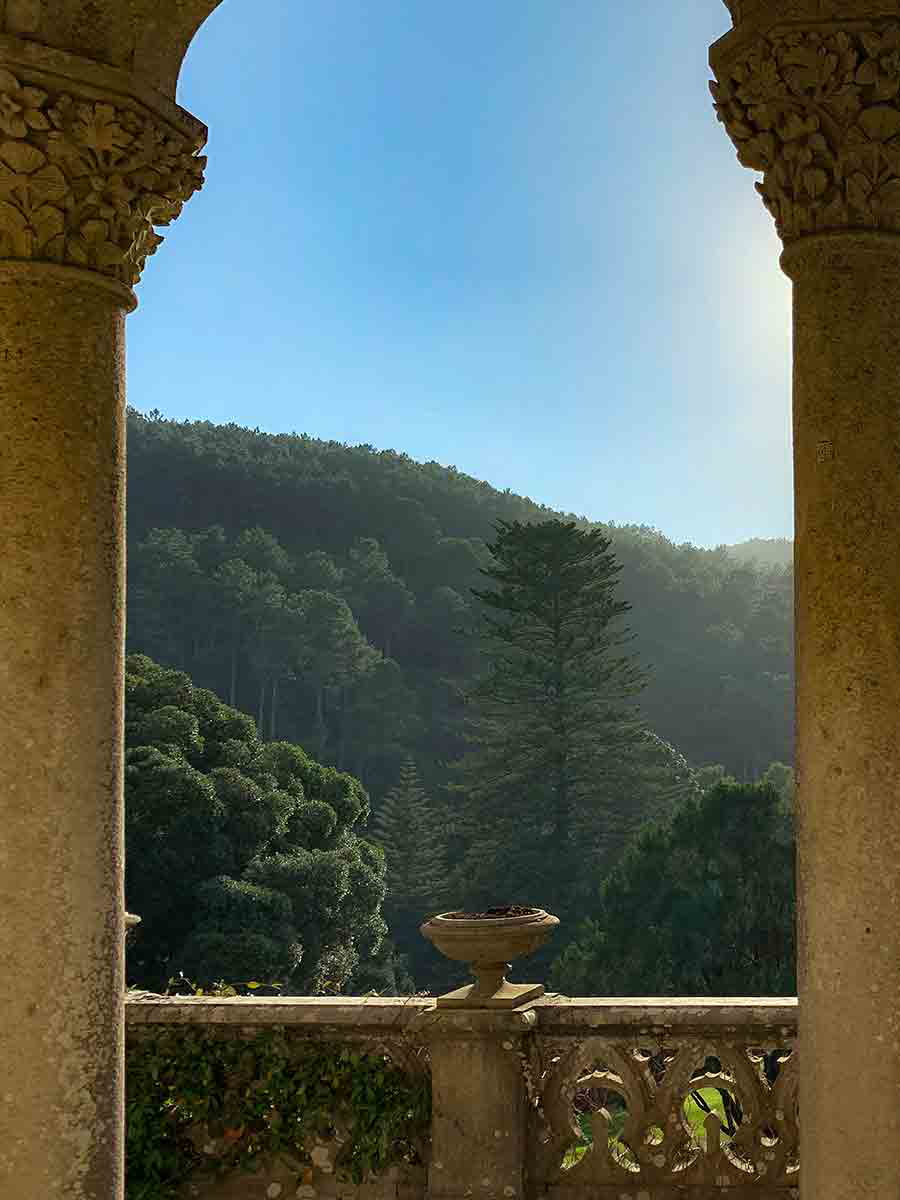
Quinta da Regaleira, Montserrat Palace, and Sintra Palace are other iconic landmarks you must visit to catch a glimpse of Sintra’s golden age.
4. Évora: The City-Museum
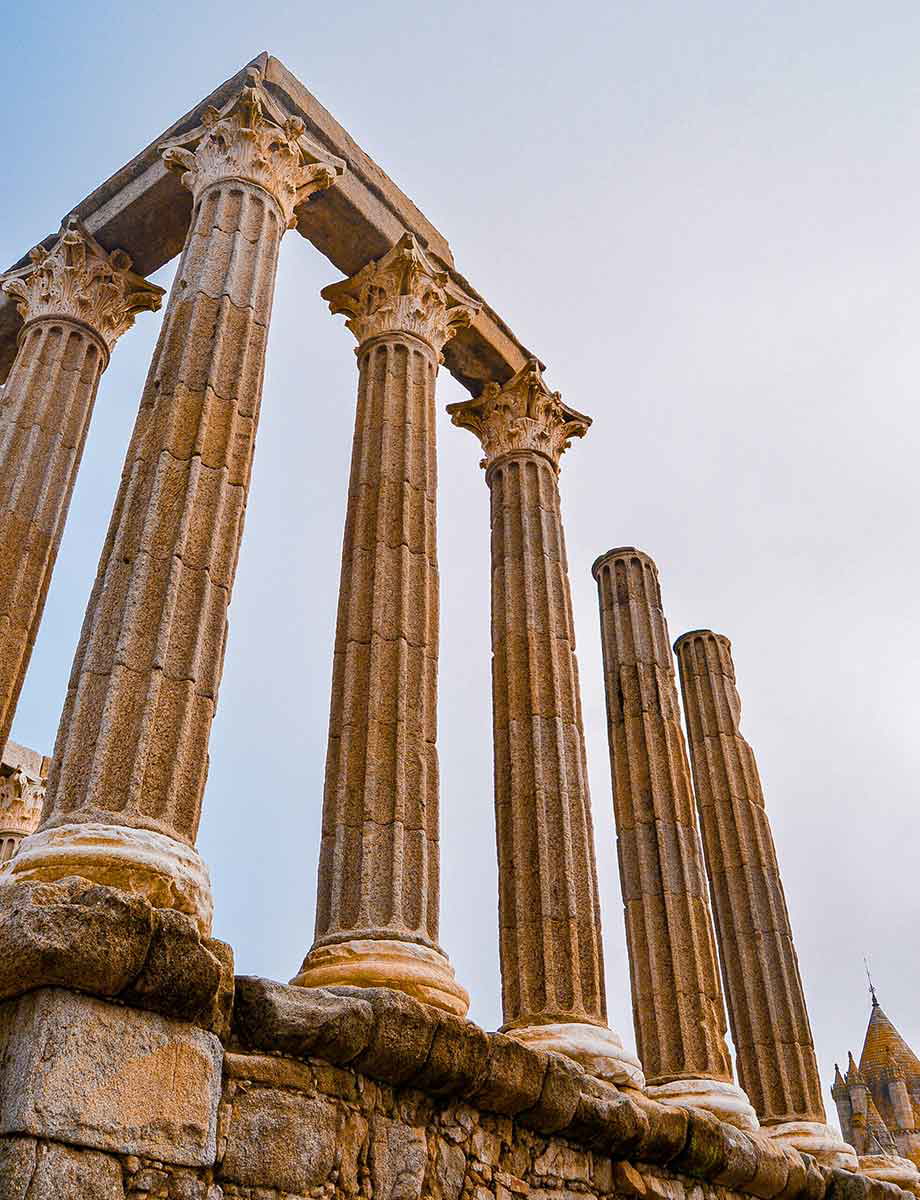
Inside the iconic city walls, Évora holds one of the most well-preserved historic city centers in Portugal. Classified as a UNESCO World Heritage Site since 1986, the historic old town is the perfect location to explore the city’s past.
Historians believe the city was founded in the 8th century BCE by the Eburones, a Gaulish-Germanic tribe and the Romans considered Évora a strategic location. Julius Caesar granted Évora the honorific title of Ebora Liberalitas Julias in the 1st century CE.
The Roman temple, located at Évora’s highest point, is evidence of the city’s Acropolis. During Roman rule, the city walls included four gates directly connected to the road system. The northern gate is the only one that has survived to this day.
Next, the Moors conquered Évora in 714 and the city became an important commercial trading post, due to its strategic location and the existing road system.
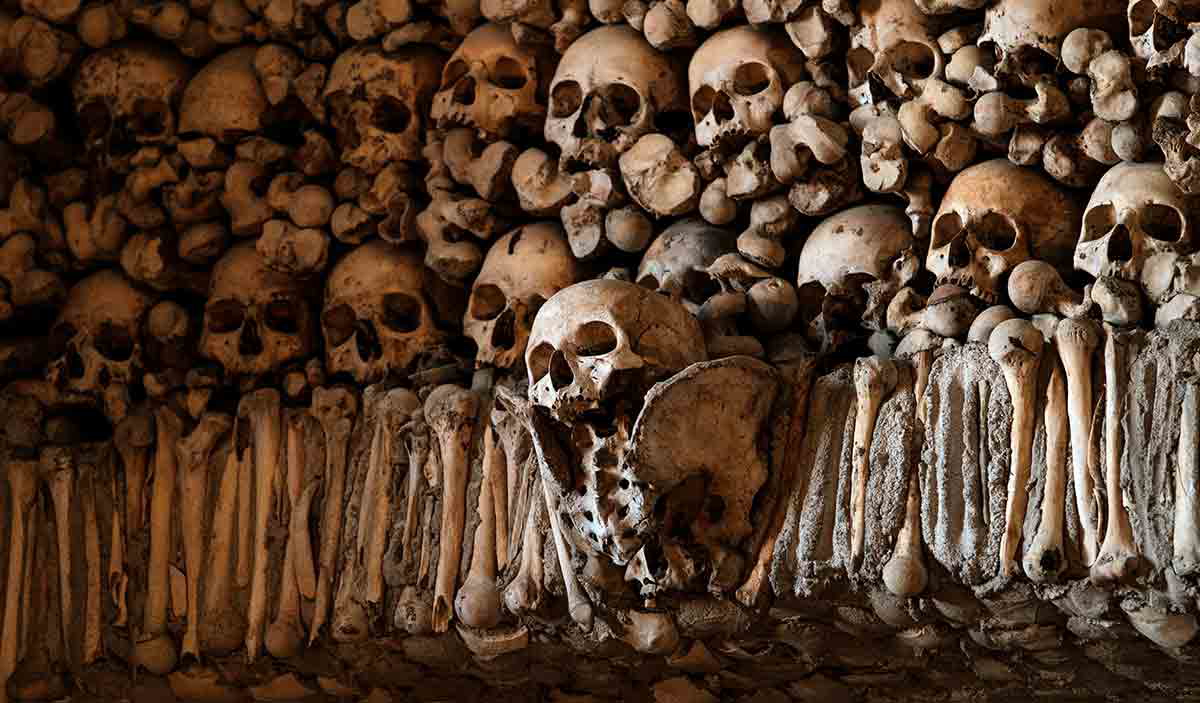
Over time, the city grew as the Islamic urban layout replaced the ancient Roman design. Today, you can still admire the narrow streets and tall buildings designed to avoid the extreme heat during the summer.
In 1165, Évora was reclaimed by Giraldo Sem Pavor, a fearless knight whose nickname translates to “Giraldo Without Fear.” Once the city was captured by the Moors, Giraldo granted it to King Afonso Henriques.
Between the 13th and 14th centuries, Évora welcomed several kings and their courts. Although their stay was temporary, it was long enough to help develop the city; the stunning cathedral was finished in 1250.
The Renaissance transformed Évora once again. As it became a cultural city, Portuguese royalty and noblemen built their palaces here. Palácio D. Manuel is one of the best examples; here you can admire a blend of Mudejar, Manueline, and Renaissance architecture.
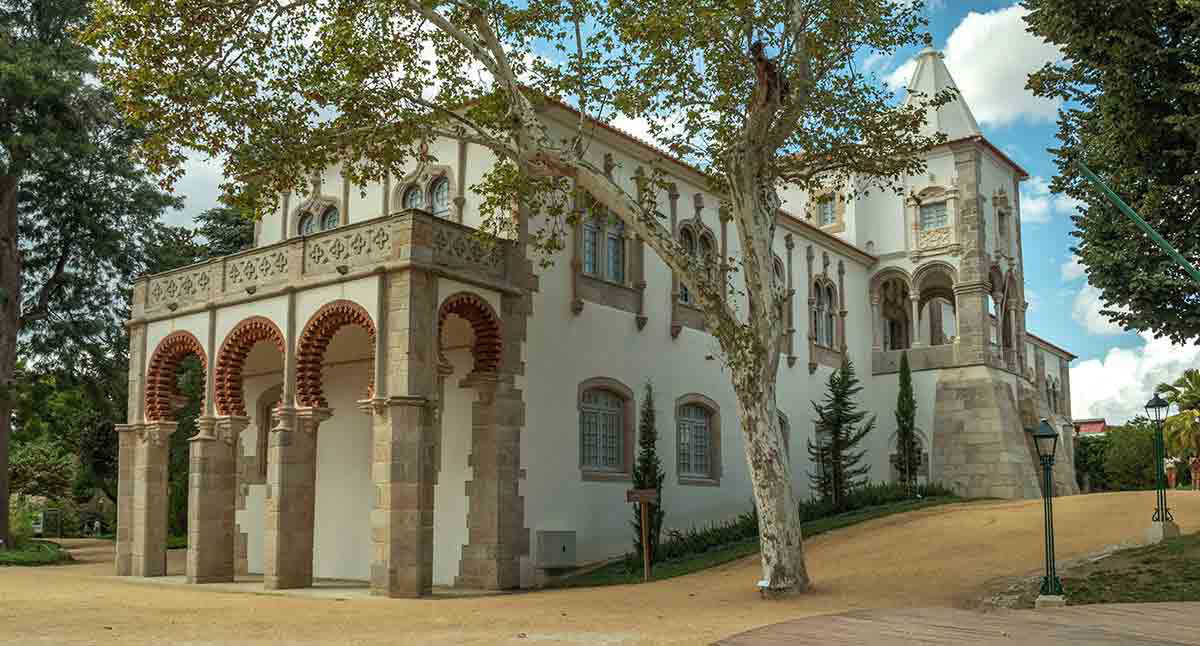
Another iconic building from this period is the Colégio do Espírito Santo. This is the oldest building at Universidade de Évora, the second oldest university in Portugal. At Colégio do Espírito Santo, you can admire the traditional Portuguese tiles in the cloister and a white marble fountain. While exploring the building, you will find Baroque elements in its décor and architecture.
5. Braga: The Archbishop’s City
Founded by the Romans as Bracara Augusta, Braga is the oldest city in Portugal. During the Roman occupation, this was one of the largest and most prosperous cities in the Iberian Peninsula, with over 280,000 people. Due to its influence in the Roman Empire, Emperor Diocletian promoted the city to Gallaecia’s capital.
In the 5th century, Braga saw several battles between Romans, Suevi, Alans, and Visigoths. With the decline of the Roman Empire, the Suevi took over. Although they established an independent kingdom, Braga lost its influence to Porto and Lugo as the Visigoths rose to power.
In the 6th century, the city held the First Council of Braga. In the years that followed, other councils were held here, which resulted in significant reforms. When the Visigoths finally conquered Braga in 585, the city became an ecclesiastical capital instead of a state capital.
The Moors conquered Braga in 717, only six years after arriving in the Iberian Peninsula. Yet, the Christians reclaimed the city in less than 40 years. Braga was restored to the episcopal see and became the seat of the archbishopric.
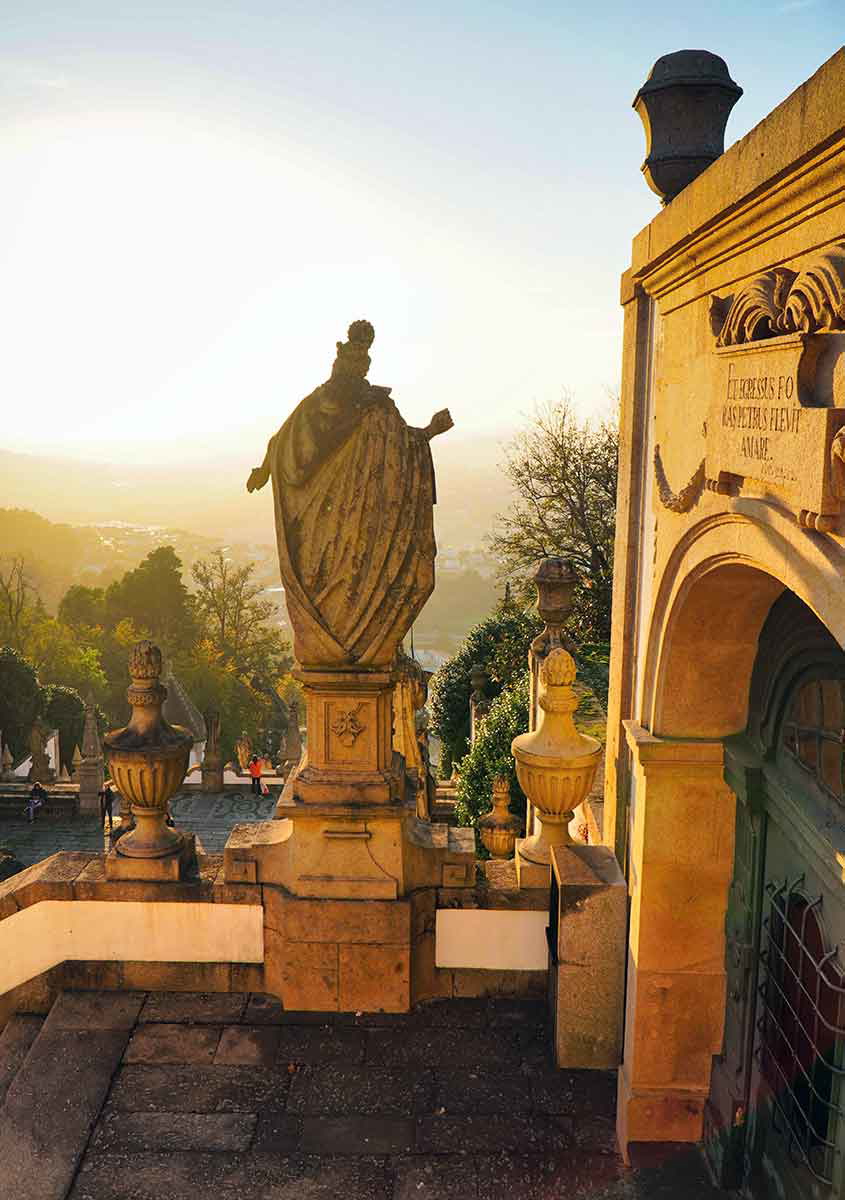
Even after the foundation of Condado Portucalense, and the independence of the Kingdom of Portugal, Braga was handed over to the Church. Between the 13th and 15th centuries, the city changed. The city wall was refurbished, and the city plan was updated to include new streets, squares, and buildings such as monasteries and churches. Between the 16th and 18th centuries, several religious buildings were refurbished to include Baroque and Neoclassical features.
While wandering Braga’s streets, several monuments will capture your attention.
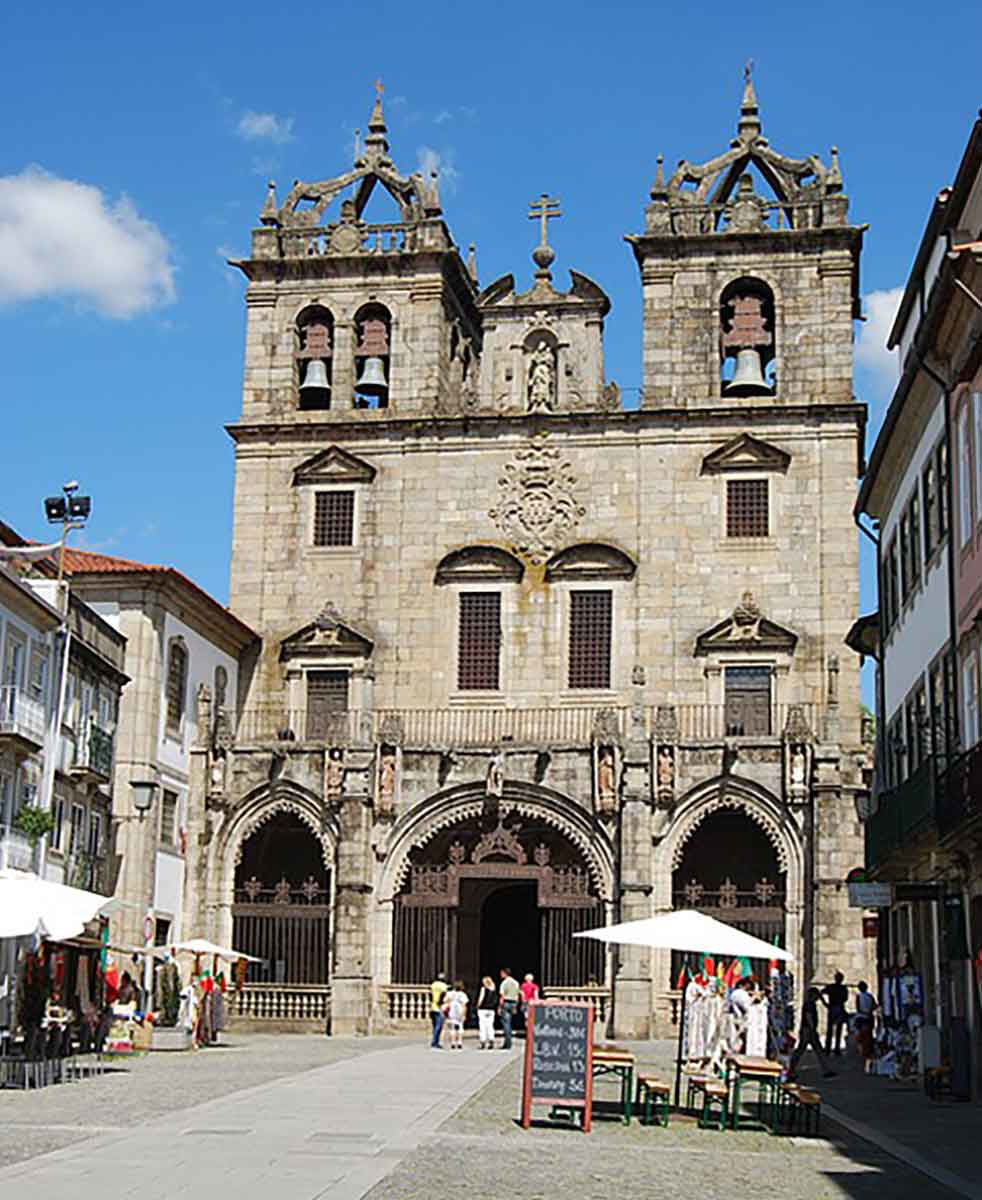
Start with the Roman Baths of Alto da Cividade and Fonte do Ídolo to explore the Roman legacy in Braga. Next, head to Sé the Braga, the oldest cathedral in Portugal. It was built during the 11th century and underwent several refurbishments throughout the centuries. As a result, you can admire different architectural styles ranging from Romanesque to Gothic to Baroque.
Torre de Menagem is the last remaining keep from Braga’s medieval castle. Today it is a National Monument used as an art gallery. You can enjoy Braga’s historic charm at Largo do Paço and Jardim de Santa Bárbara. Close by is the Arco da Porta Nova, one of the city’s main gates built in the 14th century.
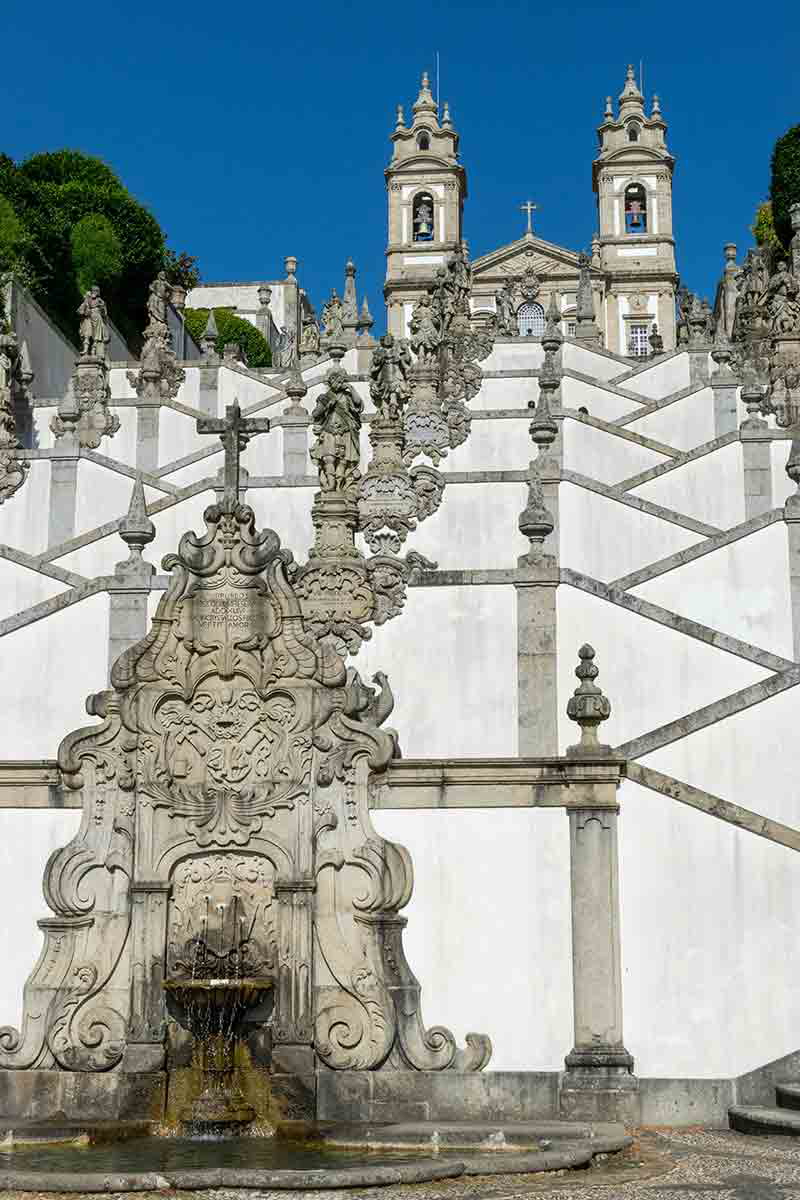
Although Basilica dos Congregados, Igreja dos Terceiros, Mosteiro de Tibães, and Igreja de Santa Cruz are iconic religious landmarks, the most famous are Santuário de Nossa Senhora do Sameiro and Santuário do Bom Jesus do Monte, which are classified as UNESCO World Heritage Sites. They were built in the 19th century and are located a few kilometers from Braga city center.
6. Porto: Old World Architecture City
Did you know the word “Portugal” comes from Porto’s original name “Portus Cale”?
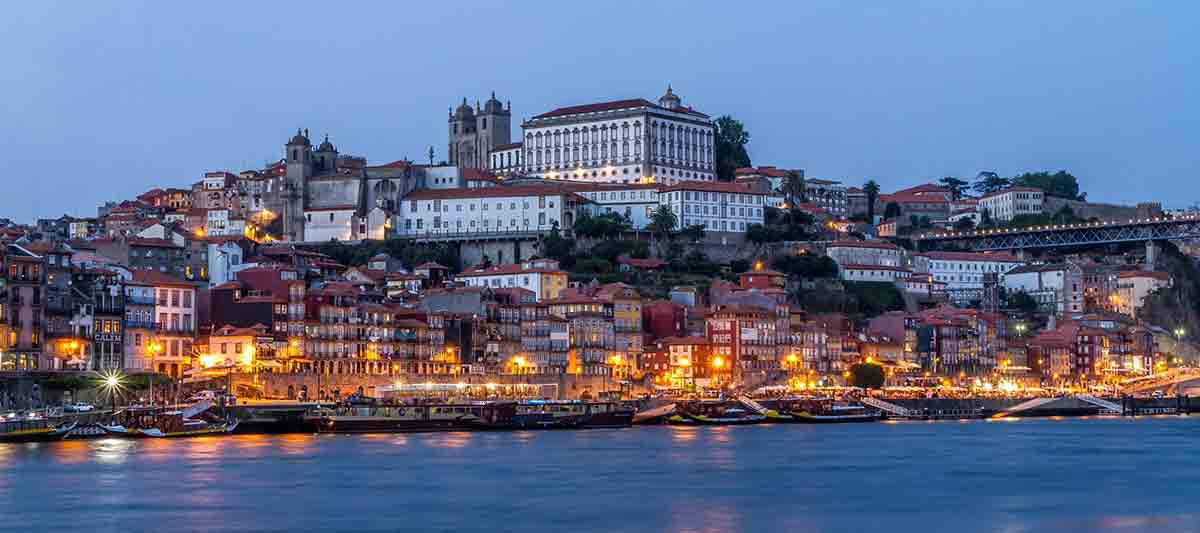
Porto is the second largest city in Portugal and has unique landmarks classified as UNESCO World Heritage Sites. It has been inhabited since Prehistoric times. Since then, Romans, Alans, Visigoths, Moors, and Christians have lived here. From its earliest beginnings, Porto has always been a strategic seaport city.
Under the Visigothic rule, King Sisebuto minted Portocale coins, a sign of the city’s importance and independence. However, when the Moors conquered Porto in 716, and left a trail of destruction. After a brief period under Moorish rule, Porto was reclaimed by King Afonso of Asturias in 750. During the Reconquista, the city changed hands between Christians and Moors several times until the Condado Portucalense expanded its borders to Condado de Coimbra.
In the 11th century, Portucale was the capital of Condado Portucalense. This was a safe city as Condado’s borders continued to expand South.
In the Middle Ages, Porto grew as a commercial port city. People from all over Portugal and Europe settled in Porto, attracted by the city’s expansion. After a few decades of uncontrollable growth, Porto was a confusing cluster of narrow streets, dead ends, and narrow alleys. So, King João I decided to reorganize the city.
With a new urban layout and a new city charter granted by King Manuel I, Porto thrived. New religious buildings emerged, and noblemen and clergy were attracted to the city, leaving the suburbs to the commoners.
Later, in the 19th century, when Napoleon invaded Portugal, Porto was one of the first captured cities. After several battles and after being subdued by French enemies and British allies, the people had had enough. They started a liberal revolution whose liberal ideals reached Lisbon, fueling the beginning of the Portuguese Civil War.
Once all conflicts were resolved, it was time to rebuild. Moreover, during the second half of the 19th century, Porto benefited from industrialization. New and contemporary buildings replaced outdated constructions, renewing Porto as a cosmopolitan city.
While visiting Porto, discover a few landmarks to learn more about this incredible city.
Start with Cais da Ribeira, the historic city harbor. Besides admiring the architecture, this is one of the best locations to contemplate the Luiz I Bridge.
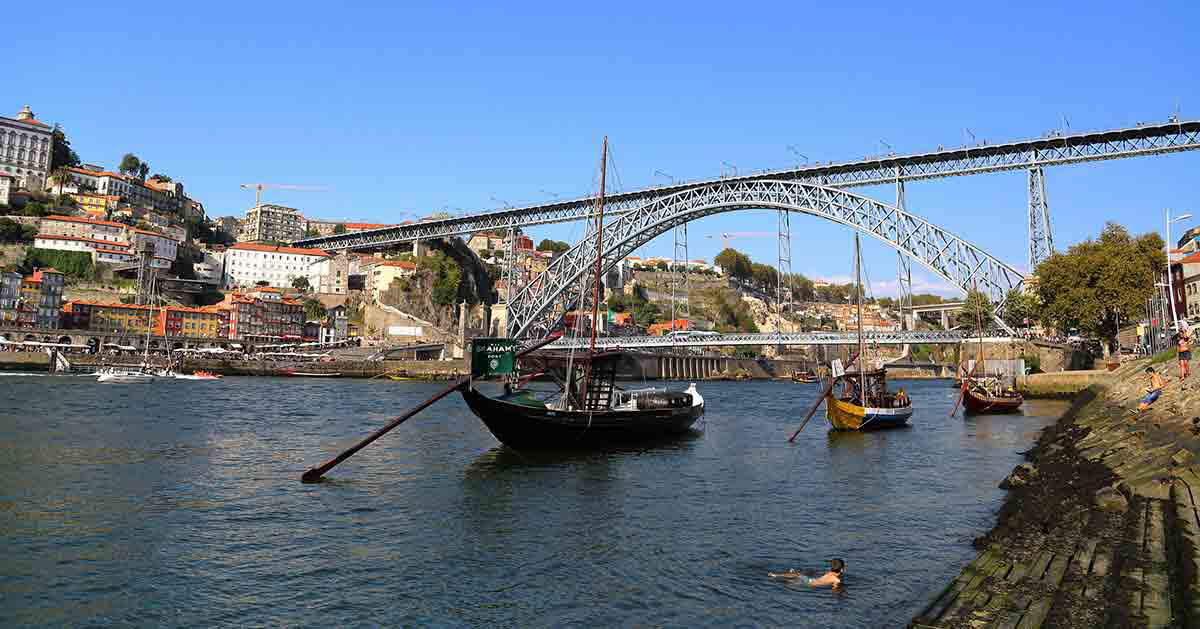
Porto’s cathedral, a Romanesque-styled building erected in the 12th century, is one of the oldest religious constructions in the city. Due to this, you will find architectural and decorative elements from the 14th century onwards.
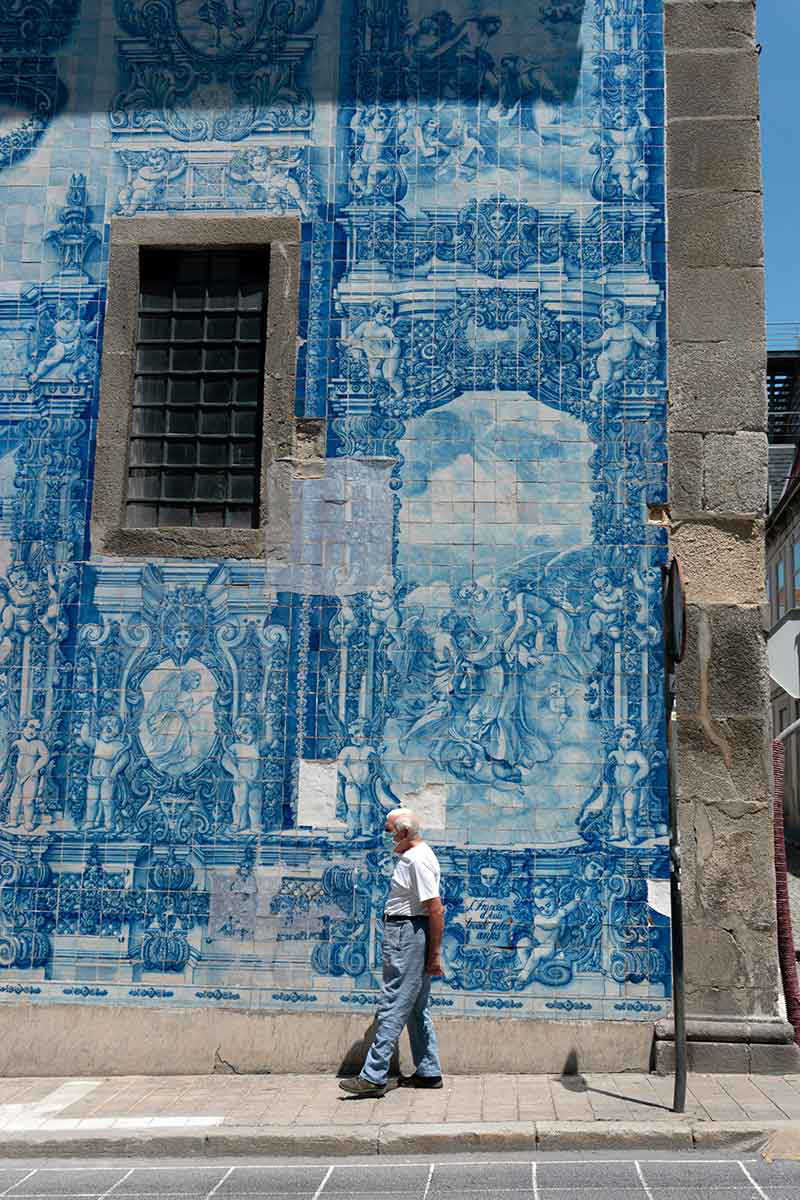
Consider spending some time at Igreja de Santa Clara, Igreja de São Francisco, Mosteiro da Serra do Pilar, Capela das Almas, Mosteiro de São Bento da Vitória, Igreja de Santo Ildefonso, and Igreja e Torre dos Clérigos to admire Porto’s religious architecture.
Palácio da Bolsa is another mesmerizing landmark in Porto’s cityscape. It was built in 1842 to welcome the city’s merchants and provide them with a place to do business.
Finally, at São Bento Train Station, you can admire traditional Portuguese tile panels depicting the history and evolution of transportation.
7. Lisbon: One of the Oldest Cities in Europe
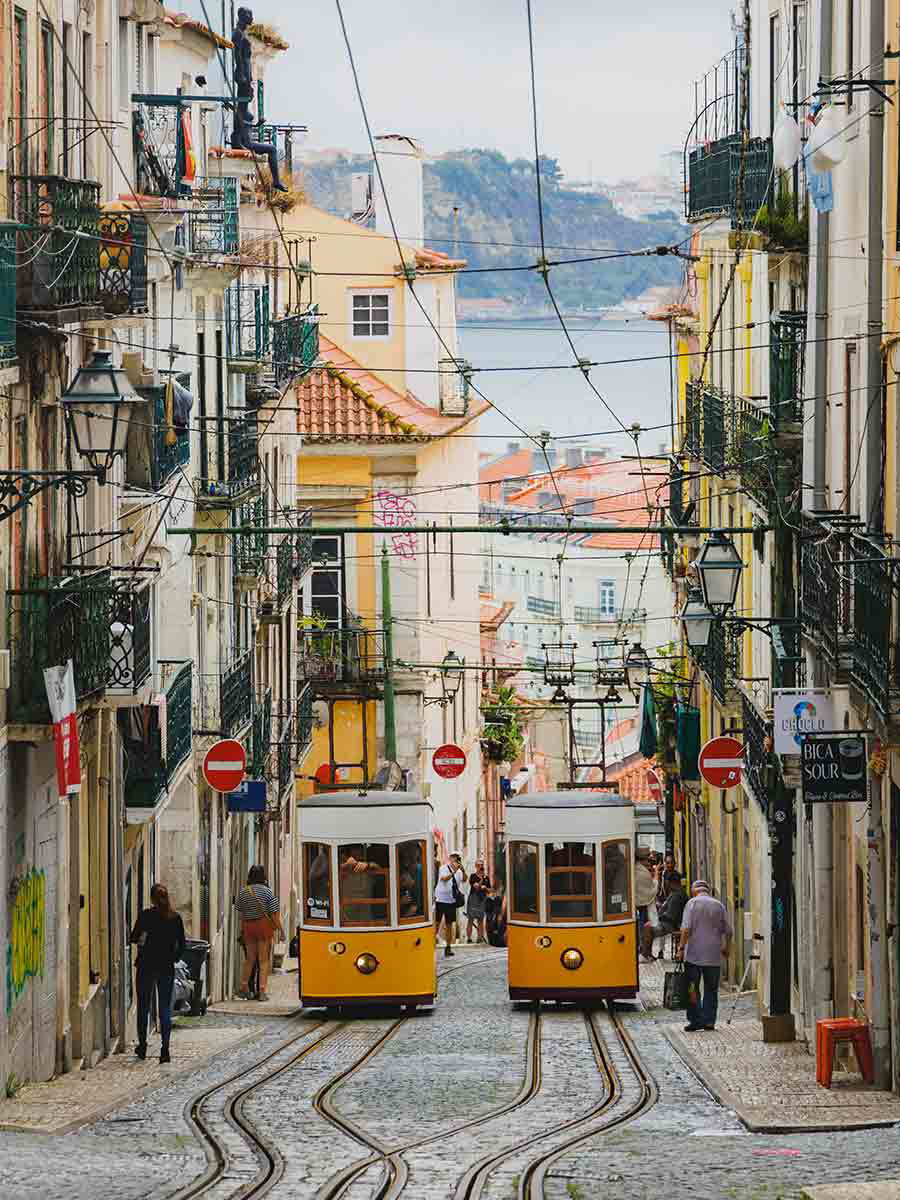
Last but definitely not least is Lisbon, Portugal’s capital and largest city and one of the oldest cities in Europe.
Lisbon’s history dates back to the Neandertals, however, the first people to settle here were the Oesteminis. Throughout the centuries, other people have come and gone. Phoenicians founded Lisbon under the name Alis Ubbo. The Romans called it Olissipo. The Suevi called it Olisipona. The Moors called it Al-Ushbuna. After several battles against the Moors, on November 1, 1147, King Afonso Henriques proclaimed the new city of Lisbon.
Since its foundation, Lisbon has always been an important commercial port. However, during the Portuguese Maritime Expansion in the 15th century, Lisbon was a wealthy, cosmopolitan, and vibrant city, welcoming travelers worldwide.
Later, a succession crisis led Portugal to lose its independence to Spain. Under Spanish rule, Lisbon became bankrupt. In 1640, Portugal regained its independence, but Lisbon lost its influence as a commercial seaport.
In 1755, the most devastating earthquake ever recorded in Portugal hit Lisbon, and most of the population died. During the reconstruction effort, Marquês de Pombal, Portugal’s secretary of state, was behind Lisbon’s downtown grid urban layout. Besides implementing wide avenues, he imposed new anti-seismic construction techniques, the first in the country.
From the 19th century to this day, Lisbon saw several important political events that shaped Portugal’s future. In 1807, the Portuguese royal family escaped to Brazil as Napoleon’s General Junot arrived in Lisbon. During the King’s absence, the population rebelled, leading to the Revolution of 1820.
What historical locations should you visit in Lisbon? The Roman Galleries make for one of the best places to explore the city’s Roman past. This cryptoporticus is only open twice a year since it needs to be flooded with water to preserve the humidity levels inside.
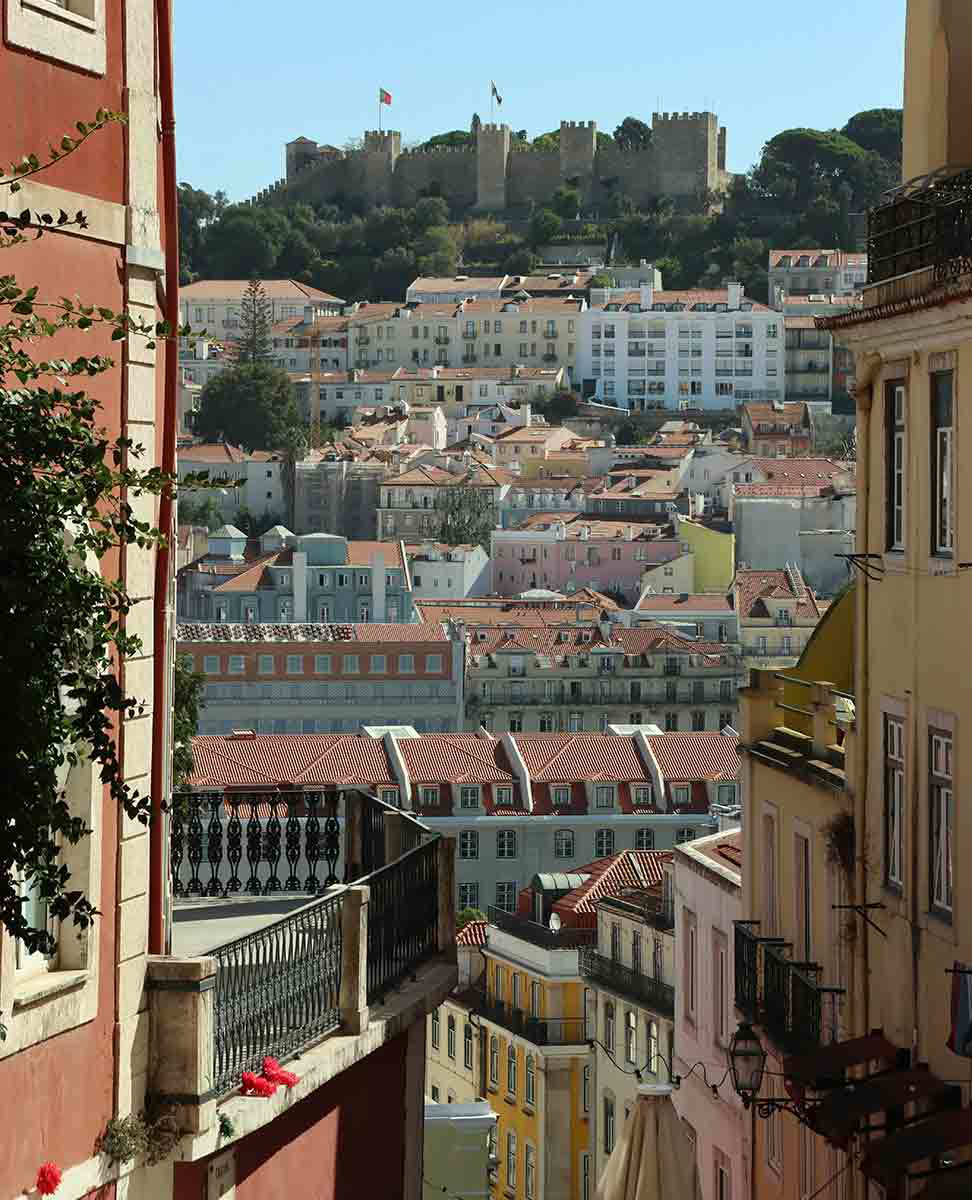
São Jorge Castle, built in the 2nd century, is one of the city’s oldest buildings. Here, you can visit a strategic location inhabited since the Iron Age, which was crucial in defending the city in the 16th century. You can admire a 360º view over Lisbon from the top of the castle walls.
Lisbon Cathedral was built shortly after King Afonso Henriques conquered the city in 1147. This Romanesque construction was built over an old mosque.
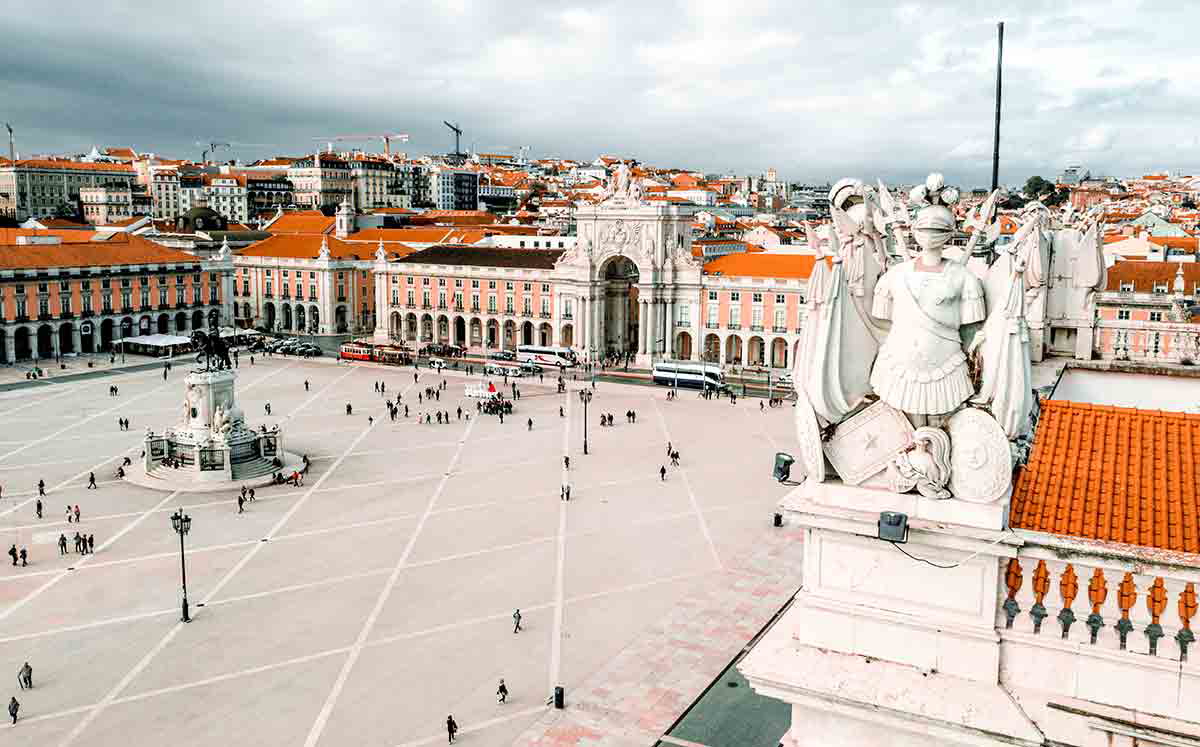
Praça do Comércio, also known as Terreiro do Paço, was severely hit by the 1755 earthquake. This was the location where Portugal regained its independence in 1640, where King Carlos and his son were murdered in 1908, and where Pope Benedict XVI celebrated mass in 2010.
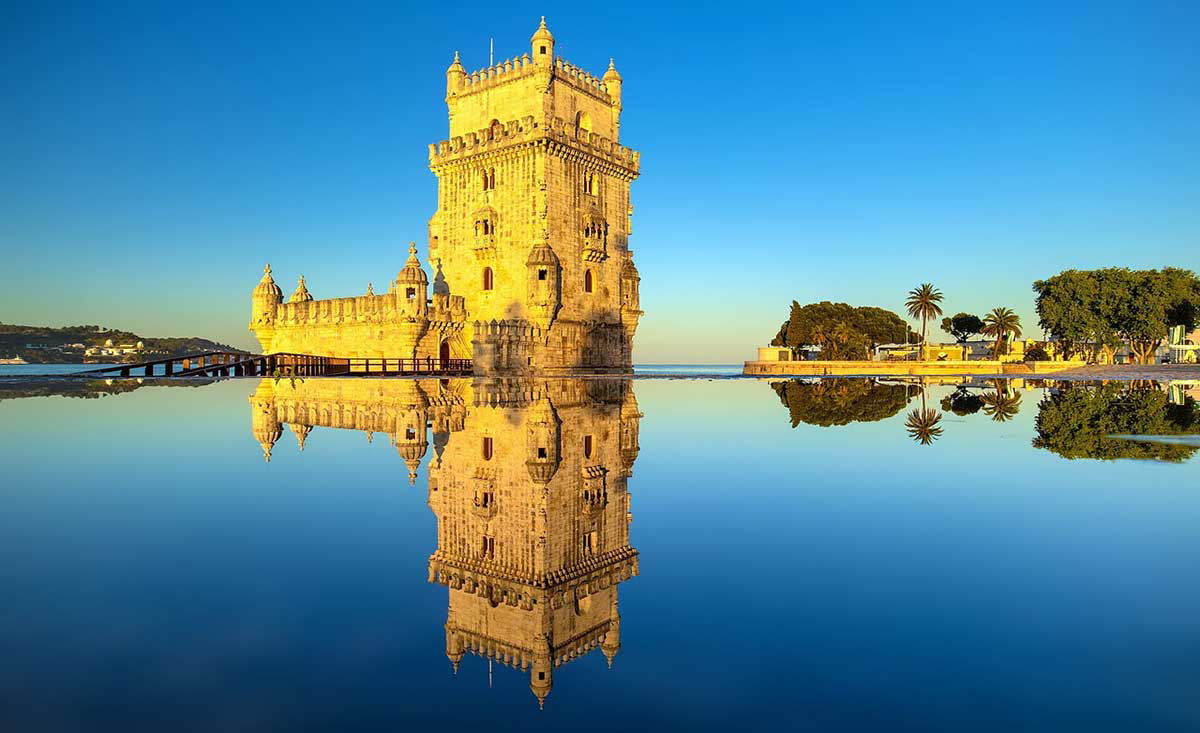
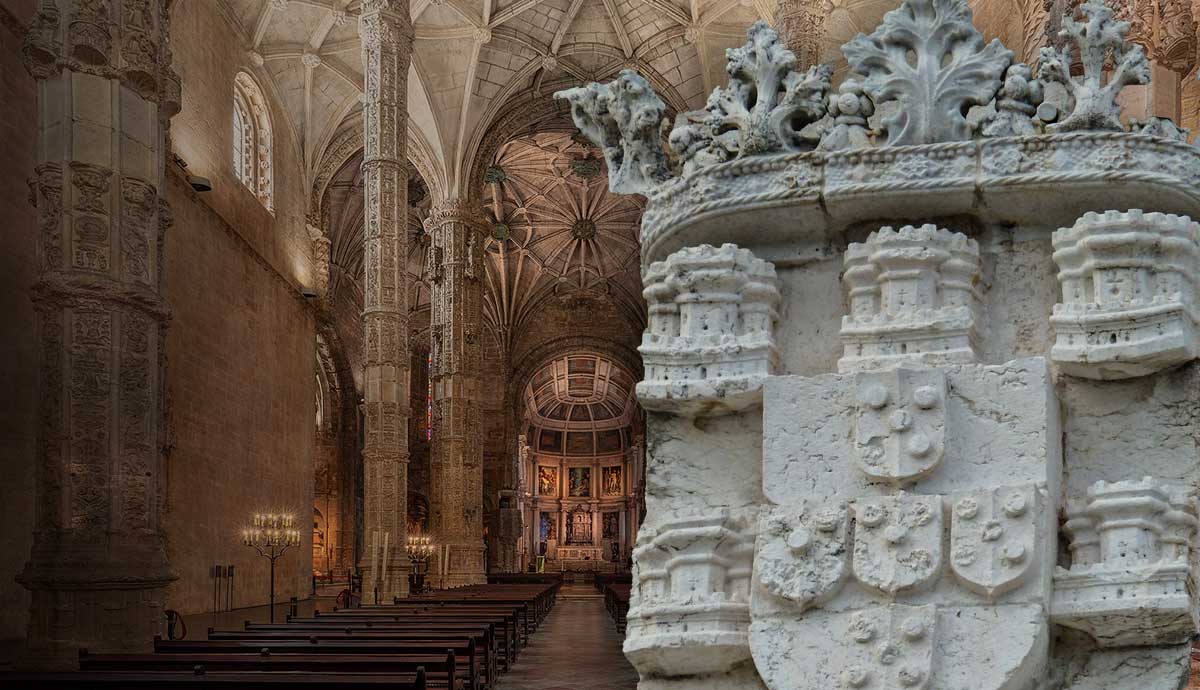
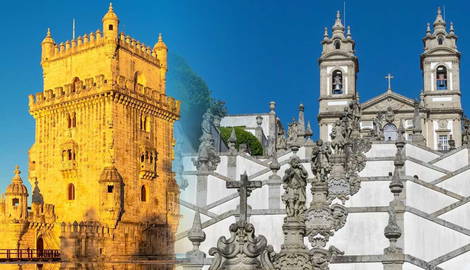
Mosteiro dos Jerónimos and Torre de Belém are two particularly iconic landmarks, classified as UNESCO World Heritage Sites, that are deeply connected to the Portuguese Maritime Expansion. Another monument paying homage to this period is the Padrão dos Descobrimentos.