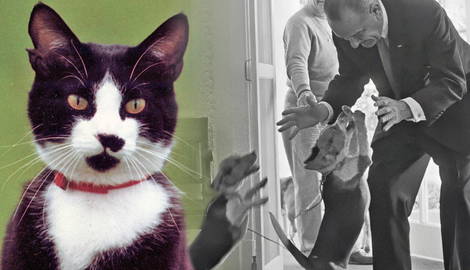

People consider pets family members. Pets roam our homes as observers of our lives and love us unconditionally. The White House is no exception, as it is a home where many families have lived. It is a place that has been shaped by those who have lived within its walls, including presidential pets.
Read on to learn about some interesting presidential pets that have roamed the corridors of the most famous residence in the United States.
Him, Her, Freckles, and Edgar
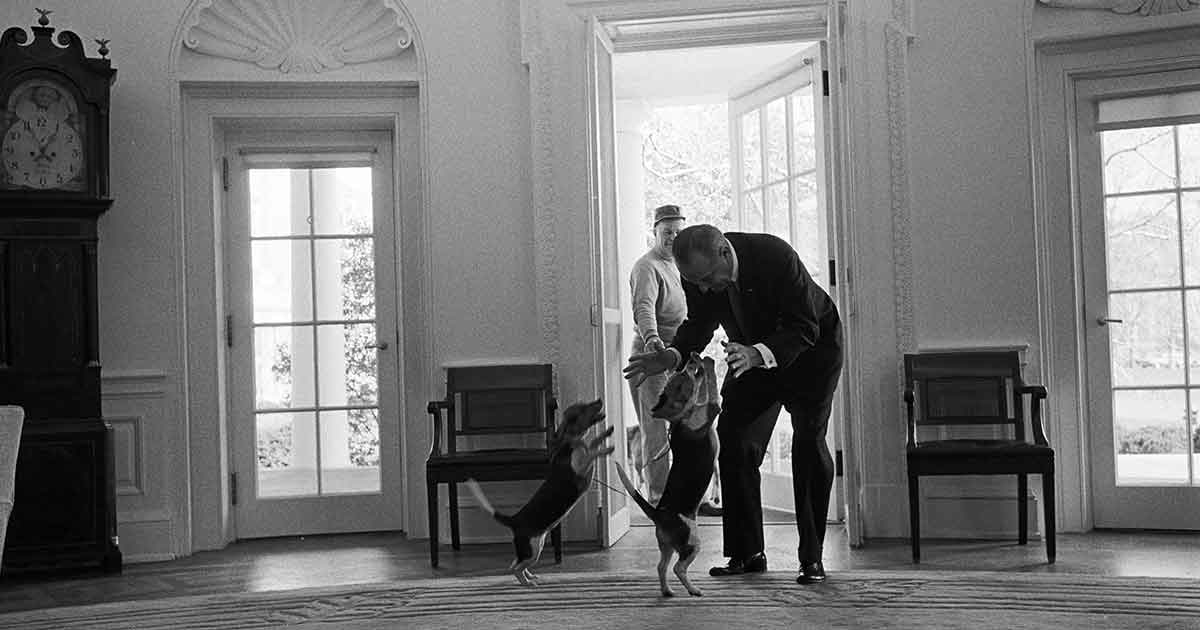
Lyndon Baines Johnson held the presidency from 1963 to 1969. Throughout this time, multiple beagles resided in the White House. Johnson and his family moved into the White House in December 1963. The family’s beagles joined them, the most famous of the president’s beagles being “Him” and “Her.”
Him and Her moved into the White House with the family in 1963, garnering national attention when they graced the cover of an issue of Life magazine in June 1964. This issue included a picture of Johnson holding Him up by his ears. This photo brought negative attention from animal rights organizations, ultimately causing Johnson to apologize publicly. However, Johnson did not understand the issue. According to the American Kennel Club, as a rancher, Johnson thought pulling a dog’s ears to make them bark was good practice for testing hunting dogs’ voices. Despite this incident, the dogs appeared to be integral parts of the family’s lives.
Lady Bird Johnson, the president’s First Lady, mentions Him and Her in her diaries. In her entry on July 26th, 1964, the First Lady talks about her and Johnson taking Him and Her on a walk around the White House lawn. On this walk, Johnson invited 100 tourists to join them and meet the dogs. Him even came close to getting into a fight with a tourist’s dog (much to the First Lady’s embarrassment) while Her entertained the crowd and showed off her bone.
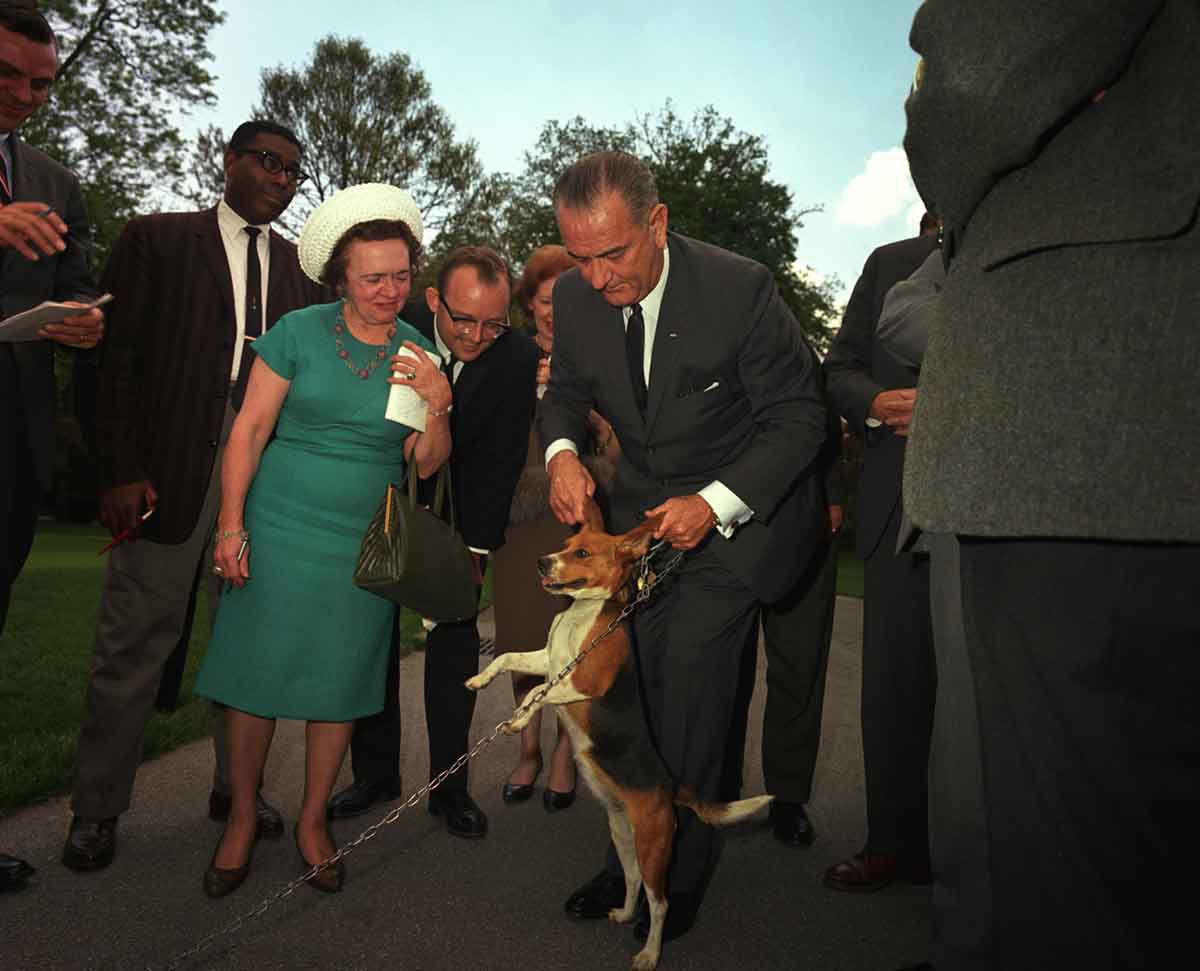
Her passed away in 1964 after swallowing a rock. In 1965, Him was bred with another beagle. One of the beagles from this litter, Freckles, stayed at the White House. A car fatally struck Him in 1966. Shortly after Him passed, J. Edgar Hoover gifted the Johnson family with a beagle. The family named the new beagle Edgar after the FBI Chief responsible for the gift. At the end of the presidency, a White House staff member adopted Freckles, and Edgar moved home to the family’s ranch in Texas.
Poll the Parrot
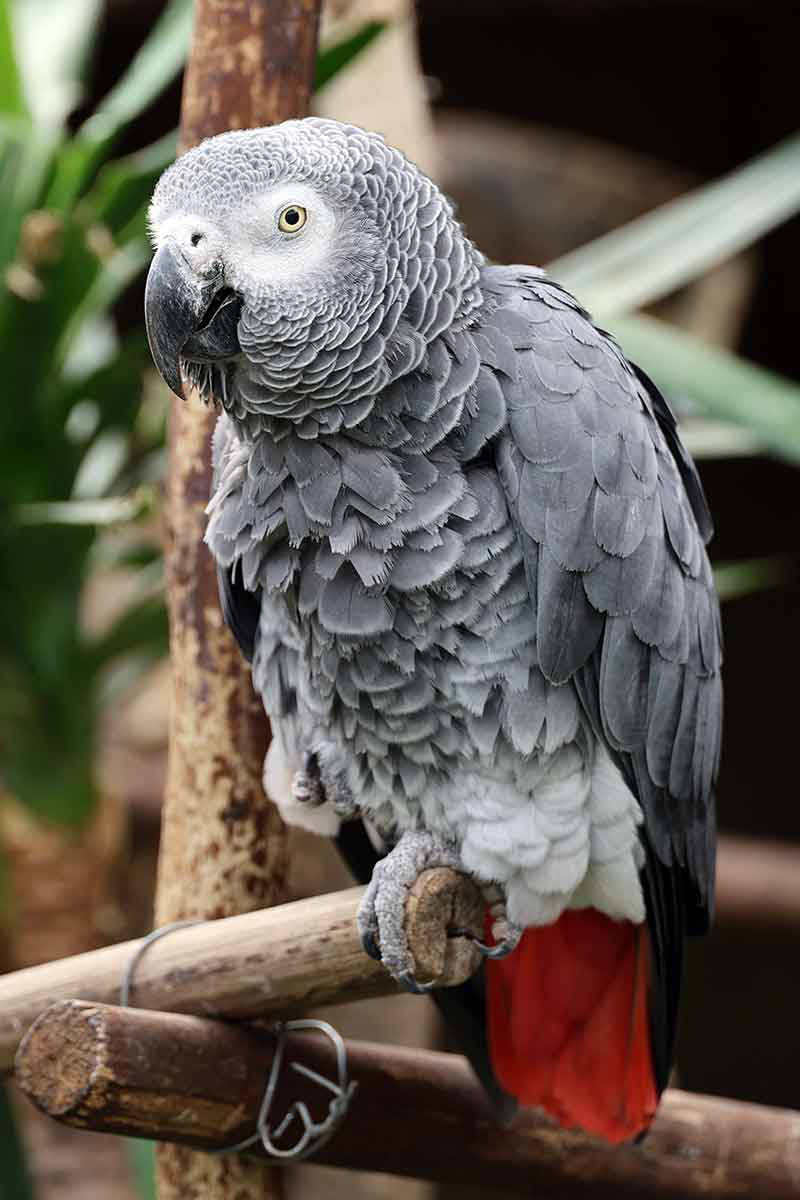
Andrew Jackson was president from 1829 to 1837. Prior to his presidency, his wife, Rachel, owned a pet African gray parrot named Poll. Caged birds made popular pets during the 18th and 19th centuries. Parrots were especially popular because of their bright and colorful plumage. After Rachel passed away in 1828, Jackson decided to keep Poll and bring him along when he moved into the White House.
During The War of 1812, Andrew Jackson’s troops nicknamed him “Old Hickory” as a nod to his stubbornness and strong will. He carried this nickname with him to the White House, often showing his stubborn and controversial side with a quick temper. Some say that pets begin to act like their owners, and this certainly seemed to be the case for Poll. Upon finishing his presidential term, Jackson and Poll retired to their home, the Hermitage, in Tennessee. In 1845, Andrew Jackson passed away, and his funeral was held in front of an audience of thousands. Poll was one of those in attendance. According to one mourner, Reverend William Menefee Norment, Poll swore loudly and continually until he had to be removed from the funeral.
A Presidential Turkey
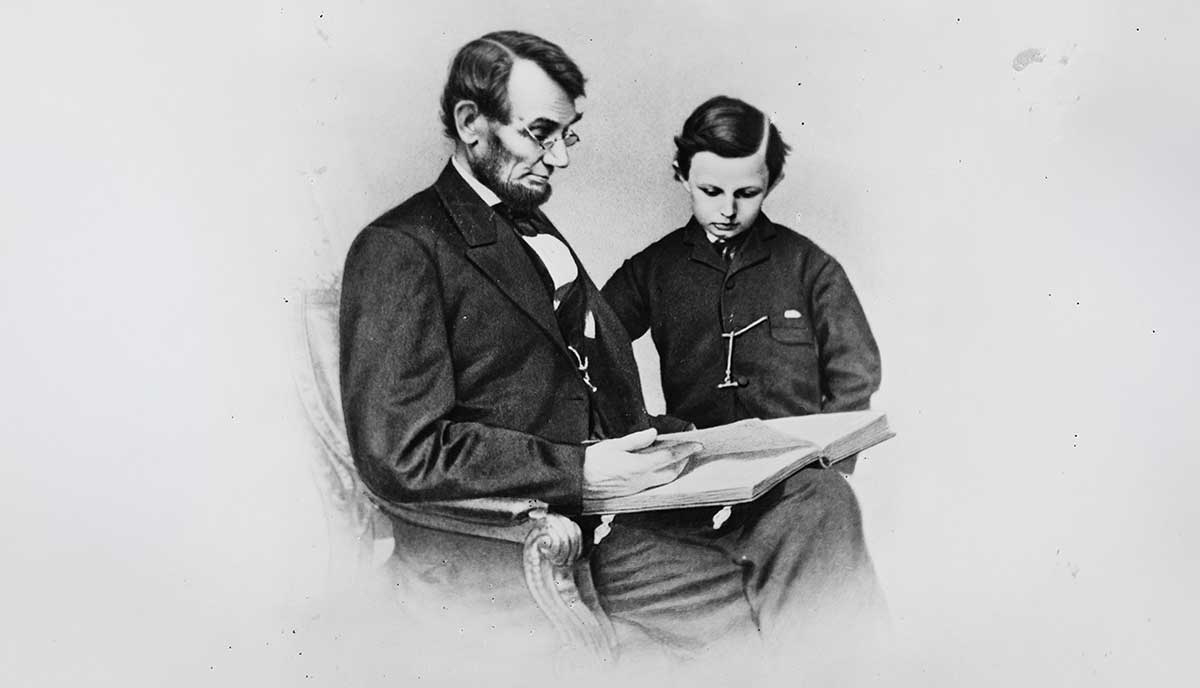
Abraham Lincoln’s family also kept a bird in the White House, which left his mark on history. Lincoln’s second son, Tad, had a reputation for loving animals and taking care of others. During the middle of Lincoln’s term, the family received a turkey to kill and feast upon for Christmas. Tad named the turkey Jack and treated him as a pet. Upon learning that his pet was to be eaten, Tad argued with his father that Jack should be allowed to live. Eventually, Lincoln gave in to his son and issued a written reprieve for the turkey. Tad kept Jack for at least another year. Some believe this pardoning led to the current tradition of presidential turkey pardoning on Thanksgiving, while others believe that the Lincoln turkey pardoning may not be entirely truthful (although the Lincolns did own a pet turkey). In 1963, John F. Kennedy officially pardoned the first turkey in a consecutive line of turkey pardoning, which is still a Thanksgiving tradition to this day.
Poll the Parrot and Jack the Turkey have not been the only birds to call the White House home. Some notable other White House birds include James and Dolley Madison’s macaw, James Buchanan’s bald eagle pair, and Calvin Coolidge’s canaries. Lyndon Baines Johnson’s lovebirds currently hold the title of last birds in the White House.
The Roosevelt’s Snakes
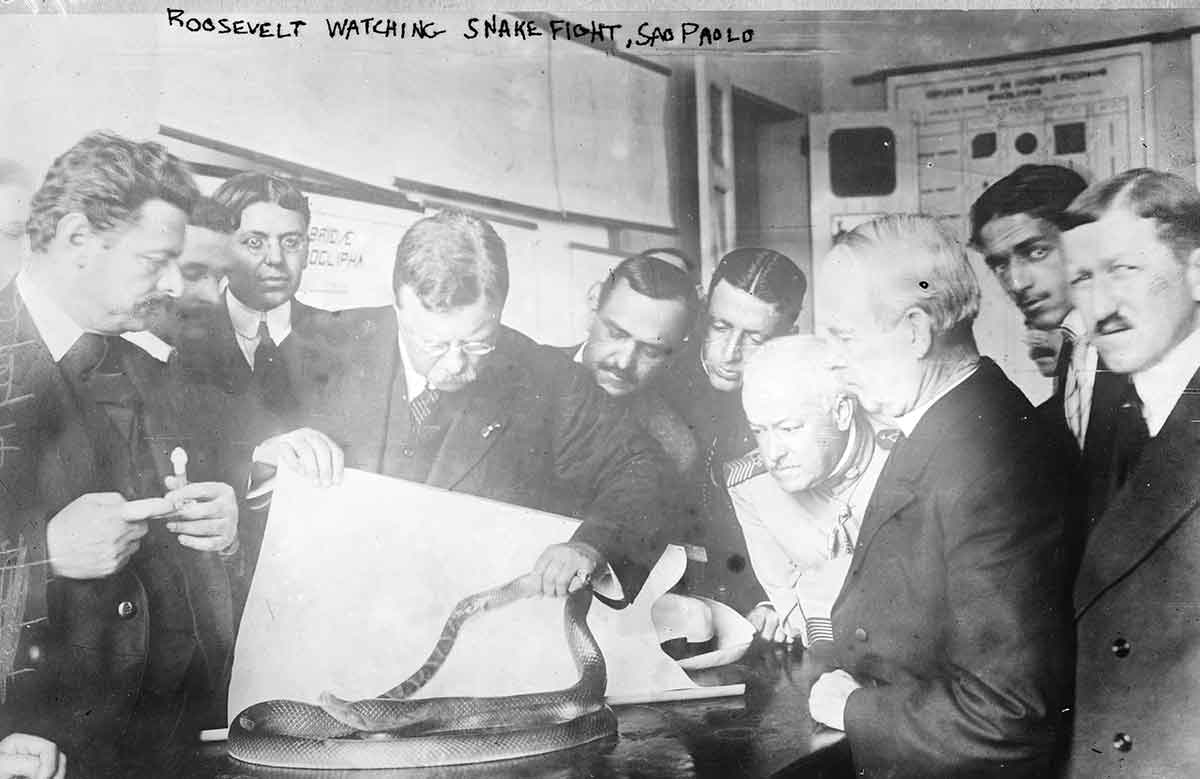
Theodore Roosevelt served as president at the turn of the century. During his presidency, the Roosevelt family kept a variety of pets at the White House. These pets included a one-legged rooster, a hyena, a badger, dogs, ponies, and snakes. The family’s snakes attracted attention in the press.
On September 26th, 1907, The New York Times published an article detailing the president’s son, Quentin Roosevelt, and his adventures with snakes in the White House. Quentin had found a few snakes while visiting Oyster Bay with family. Upon returning home to the White House, the snakes had fallen ill and needed to visit a “snakeologist.” Upset at having to leave his snakes to heal, Quentin brought home one king snake and two other snakes from the “snakeologist.” He arrived at the White House on roller skates with the snakes entwined around him. Quentin rushed in to show his father his new pets. Quentin found his father in a meeting with Attorney General Bonaparte. Much to the attorney general’s displeasure, Quentin brought the snakes in to meet them. Later that day, Quentin interrupted his father’s work again for assistance in separating the king snake as it attempted to eat one of the others.
Quentin was not the only Roosevelt child who brought pet snakes home to the White House. Alice Roosevelt, the oldest child, owned a green garter snake. Alice named the snake Emily Spinach, reportedly, “because it was as green as spinach and as thin as my Aunt Emily.” Alice often carried the snake with her in her pocketbook.
Bears and Raccoons
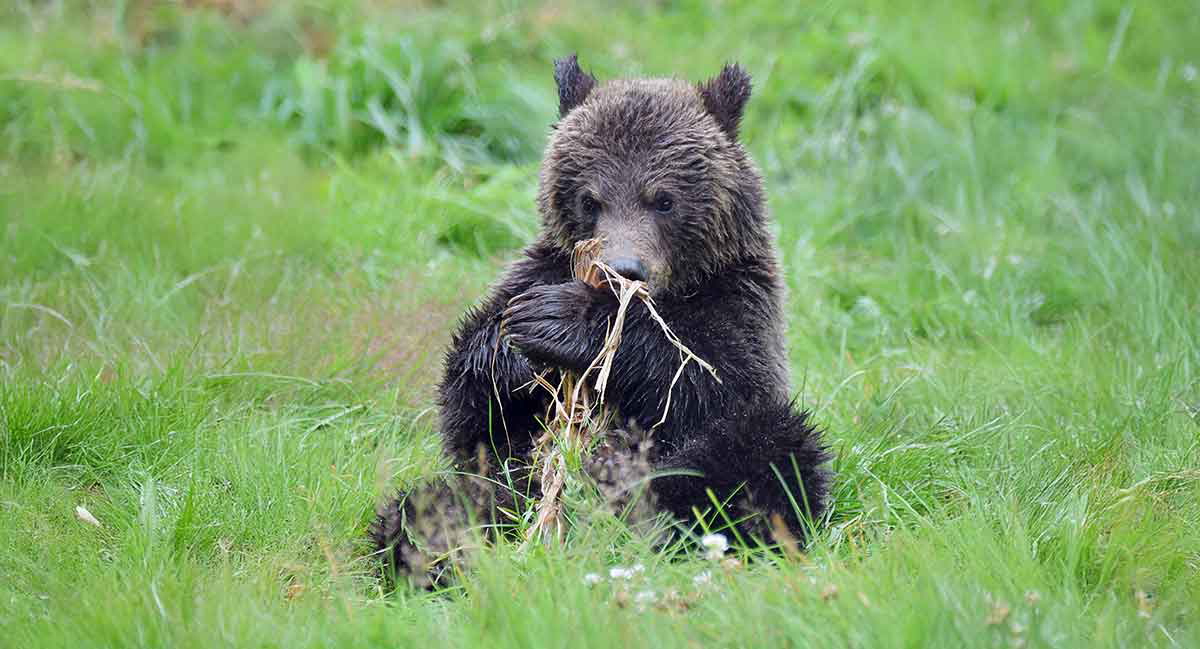
Thomas Jefferson served as president from 1801 to 1809. During his stay in the White House, he owned two grizzly bears. Captain Zebulon Pike gifted Jefferson the female and male grizzly bears in 1807, after acquiring them in Spanish territory. He purchased the bear cubs because they were a different species than was native to the Eastern United States.
Grizzly bears had a dangerous reputation, and Jefferson did not think they would make decent pets. He wrote to his friend, Charles Willson Peale, the owner of a museum in Philadelphia that had previously housed a grizzly bear. Peale agreed to take the bear cubs to the museum. However, it took him about two months to pick them up. During this time, the cubs outgrew their indoor enclosure and had to be kept in a paddock on the White House lawn. Once the cubs arrived at Peale’s Philadelphia museum, they were raised with the hopes that they would remain docile, but this was not the case. As they grew, the grizzlies became dangerous, and one escaped. Both were put down, and Peale mounted their heads for museum display.

Calvin Coolidge held the presidency from 1923 to 1929. The Coolidge family kept many pets, but the most notable were a pair of raccoons named Rebecca and Reuben. According to historians with the Library of Congress, supporters sent the Coolidge family a raccoon to kill and eat for Thanksgiving dinner in 1926. Instead of serving the animal for dinner, the family decided to keep it as a pet. The family named this first raccoon Rebecca, and they built a little pet house for her. First Lady Grace Coolidge took Rebecca on walks and out-of-town trips, and allowed her to attend White House events. The 1927 White House Easter Egg Roll was one of the most notable events Rebecca attended. The family added a second raccoon, Reuben, in 1928 as a companion for Rebecca. When Coolidge’s term as president began to wind down, the family decided to donate both raccoons to Rock Creek Zoo (now known as The Washington Zoo).
Alligators!
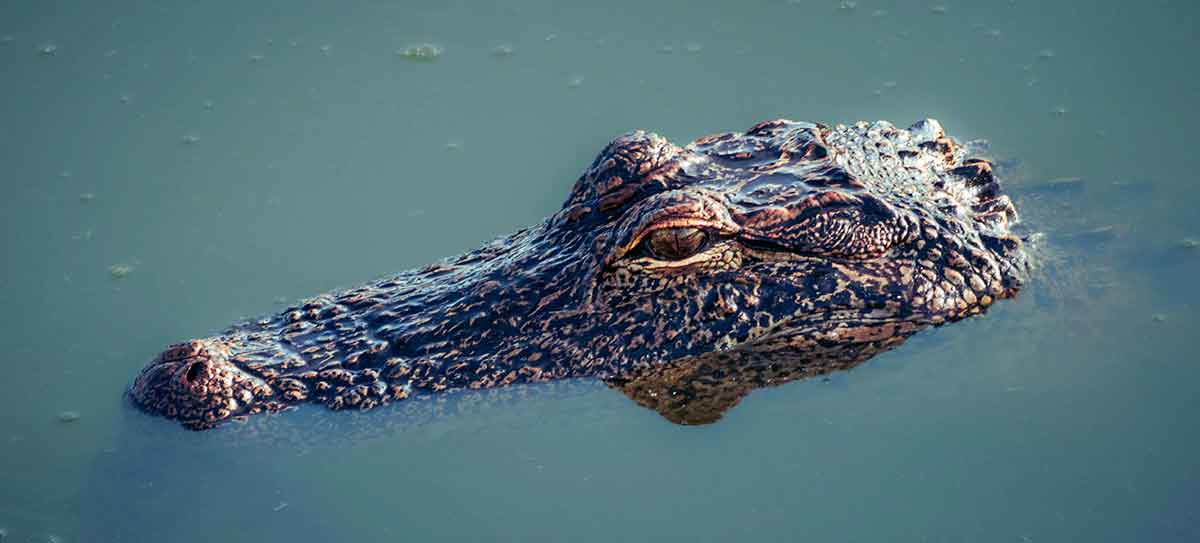
Herbert Hoover was another president with a pair of sharp-toothed pets. Herbert Hoover served as president from 1929 to 1933. As a child, Hoover’s son Allan kept two pet alligators that he received as a gift from a family friend. The alligators lived in the Hoover family’s Washington DC home on South Street. Originally, the pair stayed in one of the home’s bathtubs. They eventually became too large for the tub, and Allan relocated the alligators to a pond on the property. Luckily it seems these two never made their way to live in the White House officially. Eventually, the alligators became too difficult to care for, and Allan donated them to the Smithsonian Zoo.
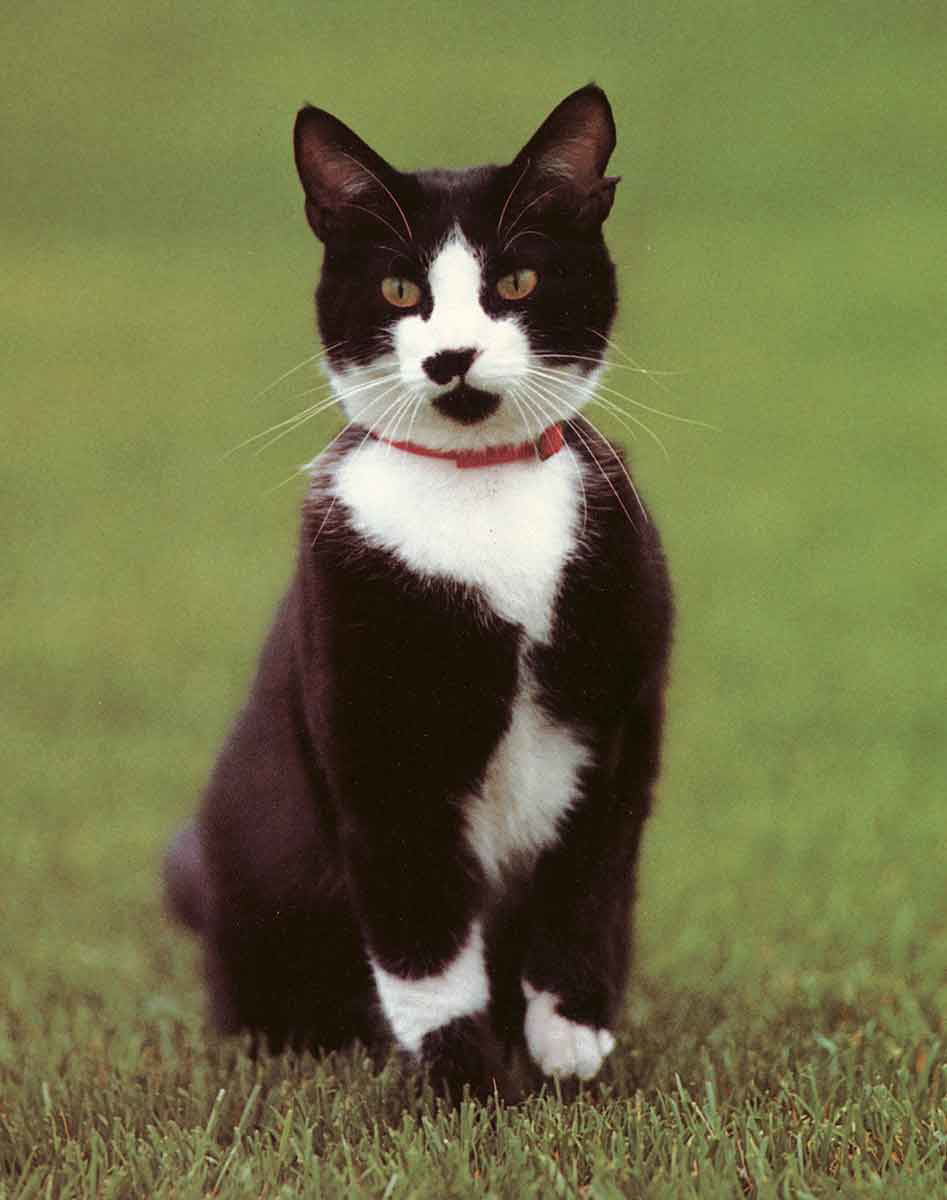
All but three presidents have kept pets in the White House, ranging from average house pets to the more exotic. The White House pets continue to captivate citizens with their unique personalities.