The Religious Society of Friends, or Quakers, originated in 17th-century England. There, as well as in America, they were persecuted at times for their unorthodox views, which others saw as blasphemy in some instances. Nevertheless, Quakers played a significant role in establishing the United States. A Quaker once owned the State of Pennsylvania. Their role in abolitionism, women’s suffrage, and civil rights impacted American Society. Though pacifists, they left their mark during several wars in America and Europe.
Quaker History
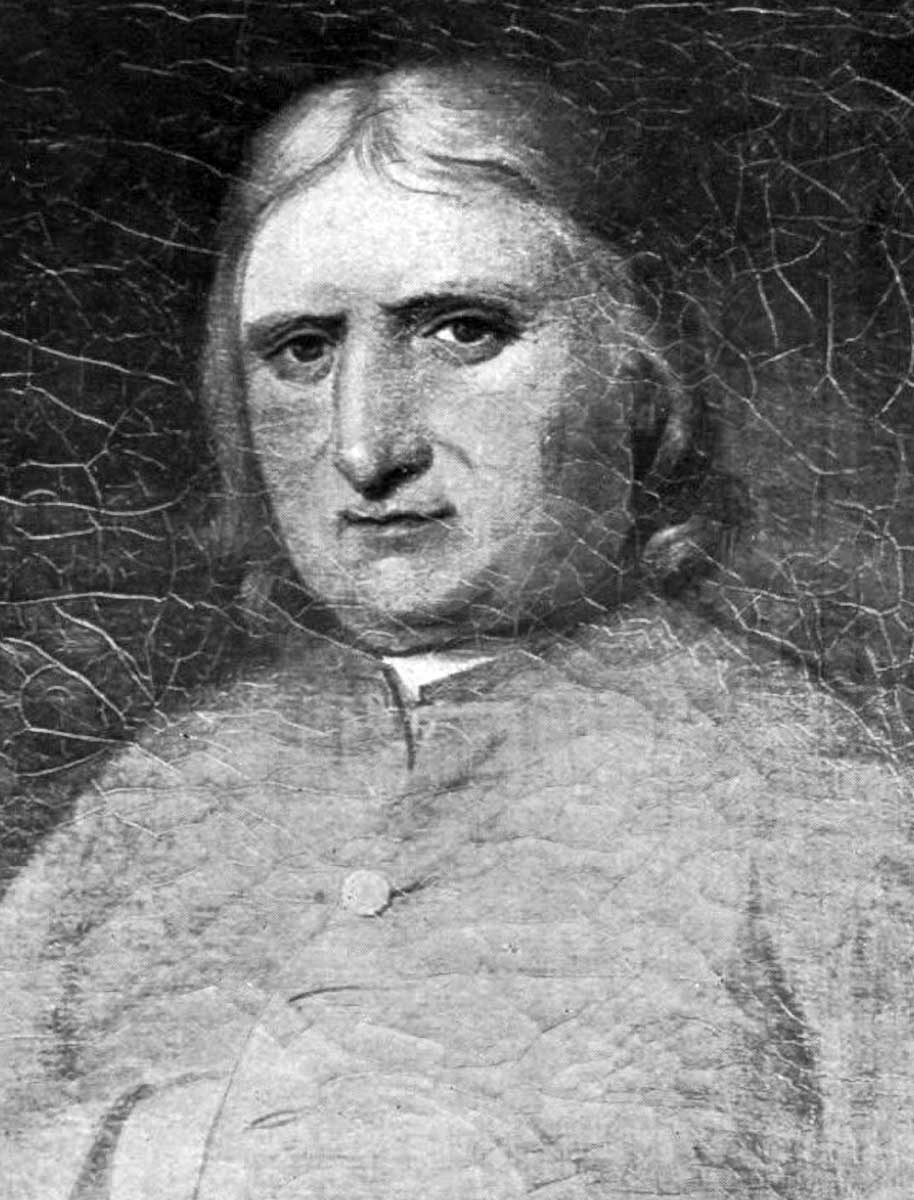
George Fox, a native of the east midlands of England in the mid-1600s, became convinced that none of the priests or preachers of the different Christian traditions could speak to his condition. He heard a voice telling him that only Jesus Christ could, and he had direct access to him. He started spreading doctrine that did not align with any orthodox Christian group. Other Christians accused him of blasphemy, and authorities arrested him for his views and teachings.
When Fox spoke to his inquisitors, he warned them to “tremble and quake at the word of the Lord.” His interrogators scoffed at his words and mockingly he received the label “Quaker.” He embraced the nickname, and his subsequent followers accepted the title in addition to the “Religious Society of Friends,” which they already used. The Religious Society of Friends was officially established in 1652.
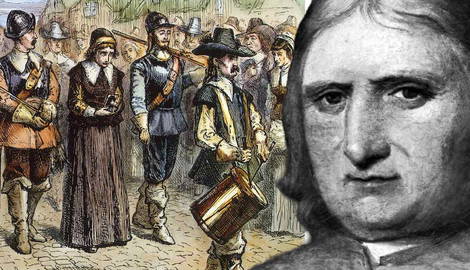
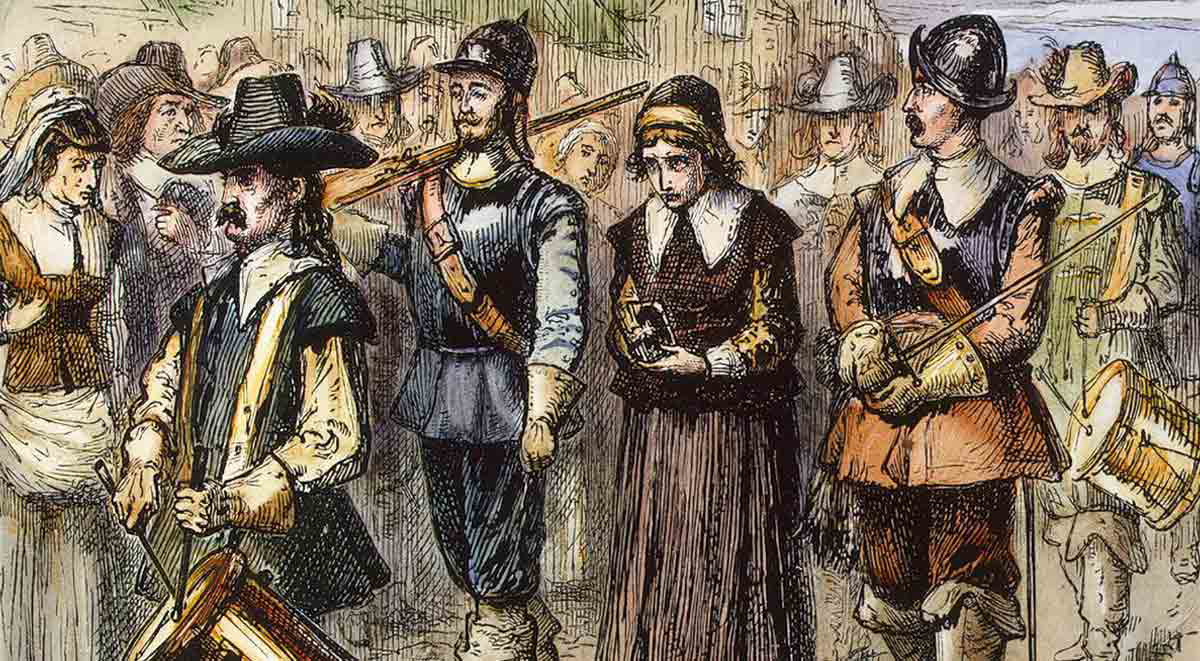
By the mid-1650s, some Quakers had already settled in the American colonies and converted many Puritans to their views. Some Christians accused Quaker women of witchcraft, and Mary Dyer, an avid proclaimer of Quaker teachings, was executed for refusing to cease preaching their doctrine in 1660. News of her death reached England and King Charles II declared that execution of people who professed Quaker beliefs was illegal.
The Quaker religion in England grew rapidly and other religious groups considered them a dangerous sect. Fox wrote a Peace Testimony in which he shared the Quaker’s commitment to pacifism.
The community’s protest of the Religious Society of Friends resulted in the Quaker Act of 1662 which outlawed Quaker activities. Many Quakers fled to the Colonies in America to escape the restrictions in England.
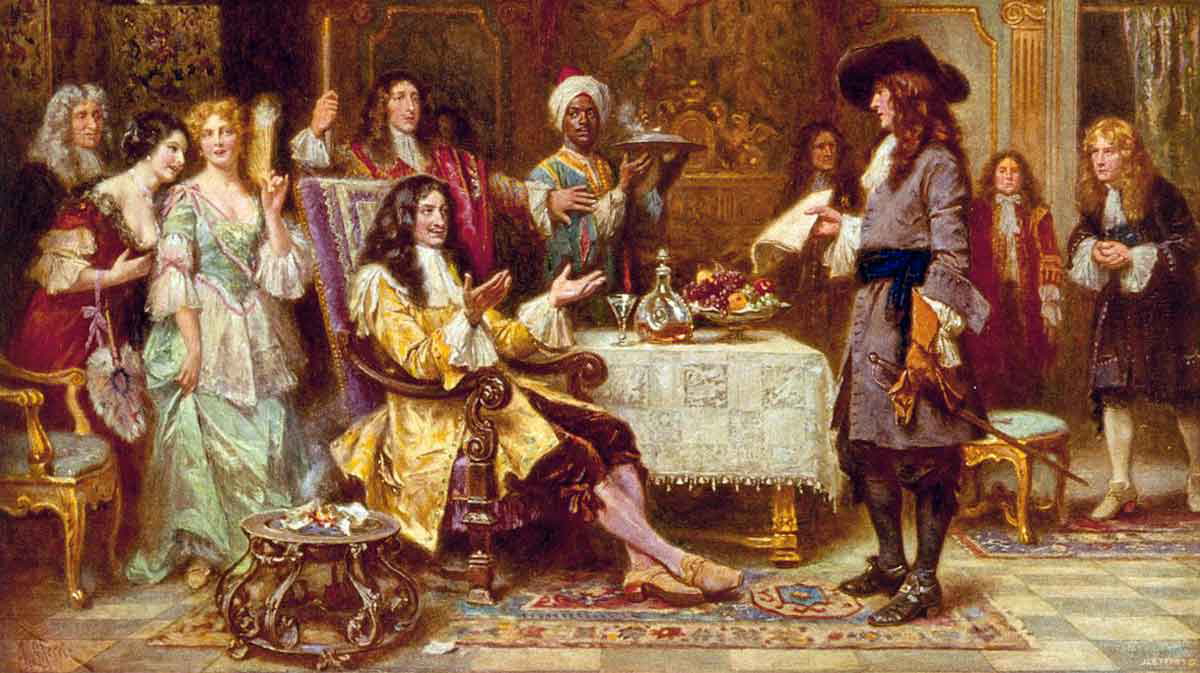
Authorities arrested William Penn for attending a Quaker gathering in the Colonies in 1667. It was the first gathering he attended, but the negative outcome did not deter him from becoming a Quaker. In 1675, Penn drafted a Constitution for the West Jersey Quaker region and titled the document the Concession and Agreements. In 1681, King Charles II granted William Penn a piece of land of approximately 45,000 square miles in settlement of a debt to William’s father, Admiral Penn. William wanted to call the land Sylvainia, which means “woods” or “forest” in Latin, but the king insisted that it carry the family name. So, William combined the names, which is how Pennsylvania received its name.
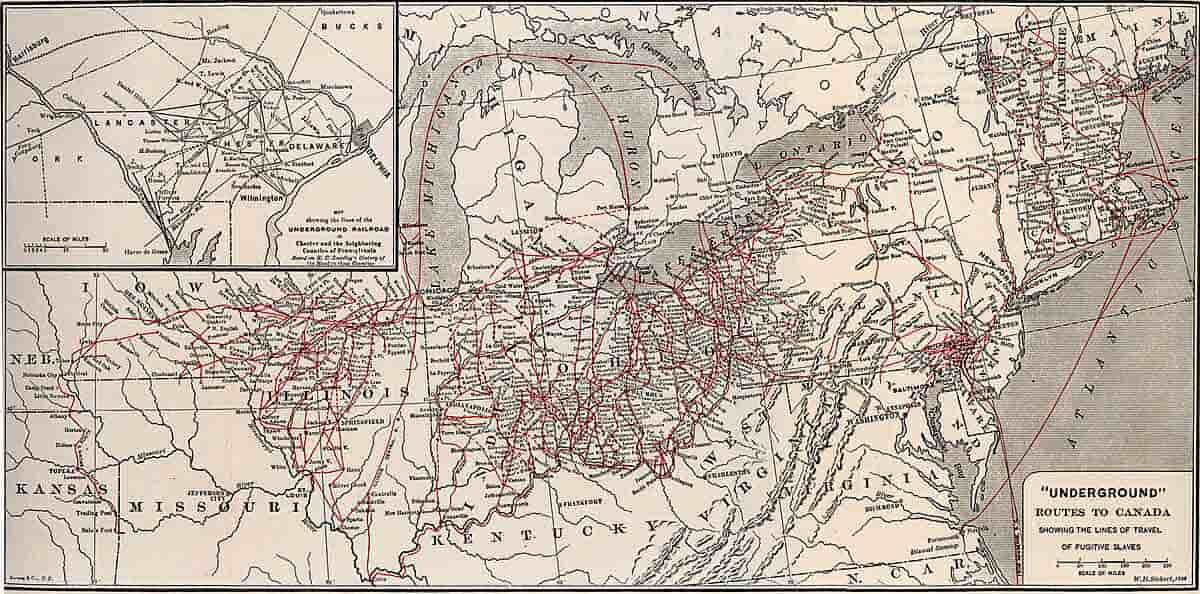
The Quakers were activists for equality, tolerance, and abolishing slavery. They led anti-slavery movements (1688–1700s) and actively participated in the Underground Railroad, helping enslaved individuals to escape. At times, the pacifism of Quakers put them at odds with warring parties. During the American Revolutionary War, they would not choose sides and assisted injured soldiers from either side, causing the opposing side to consider them enemy sympathizers.
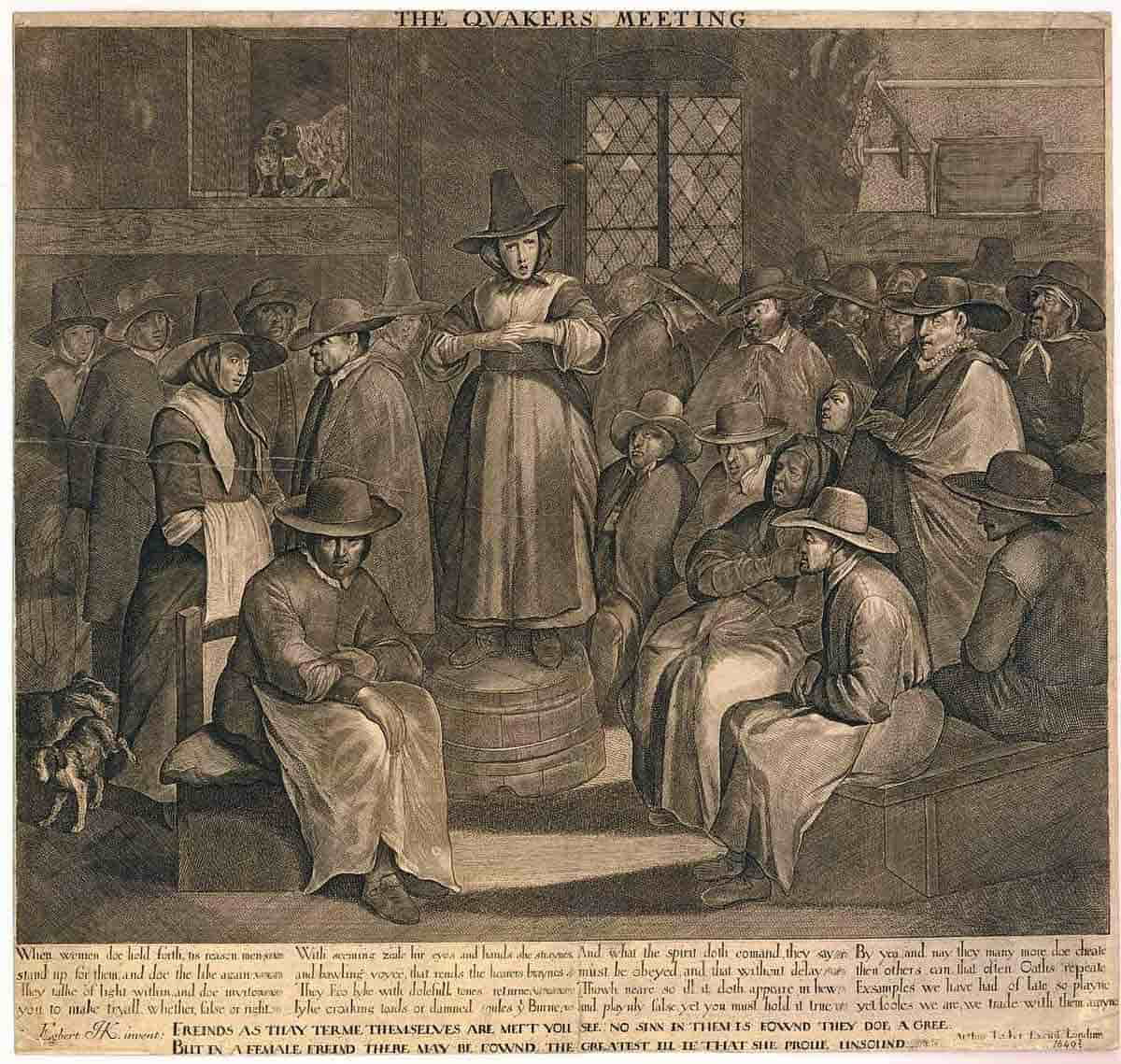
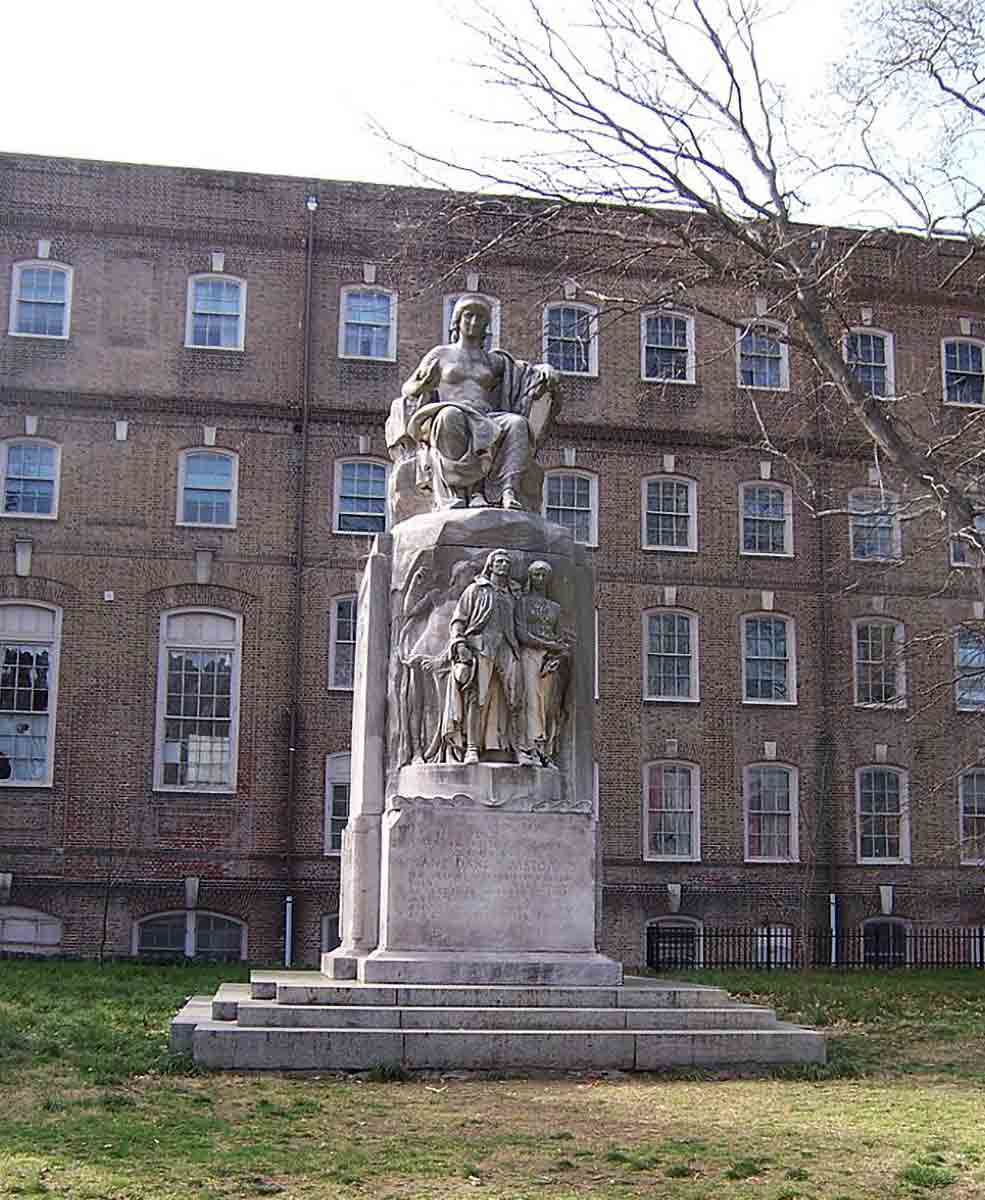
Francis Pastorius was the founder of Germantown in Pennsylvania. He was a German-born scholar and passionate Quaker advocate. When he found Quaker slave owners in America, he was outraged and called them out for their hypocrisy. How could a people who believe in the equality of all people hold slaves on the basis of race? He drafted the Germantown Petition Against Slavery, one of the first documents to call for the abolition of Slavery in America.
William Penn’s authority and stabilizing influence waned when he left Pennsylvania from 1684 to 1699 when he traveled to England to attend to various matters. On his return, Philadelphia was much different from when Penn left. The balance of power in the state had tipped. Penn signed a charter establishing the first democratically elected legislature in America shortly before he left Pennsylvania again, never to return. He passed away in England. His wife, Hannah Penn, ran the Colony for 13 years.
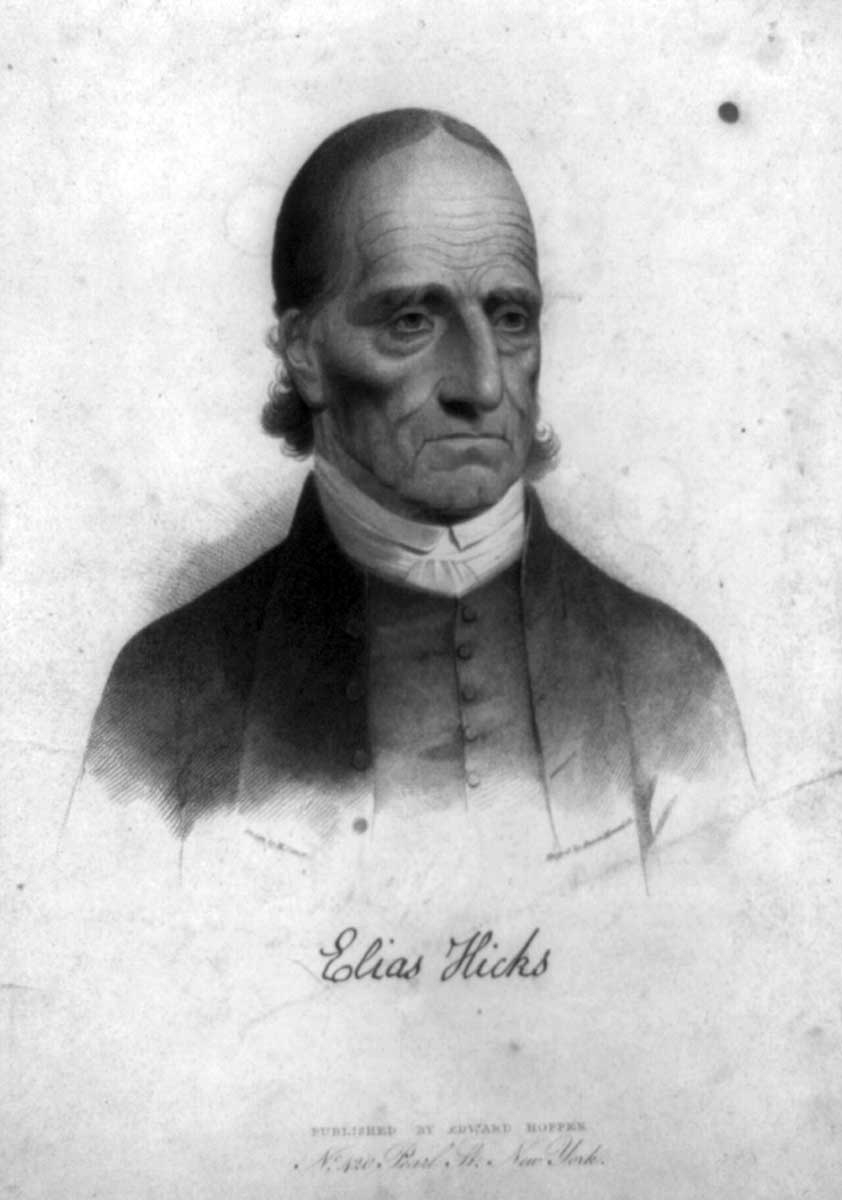
In time, different groups within the Quaker community developed, with the group that followed the teachings of Elias Hicks being one example. Hicks opposed modernization and preferred rural living. His followers were called Hicksites. They eventually split into several groups because of differences in views as well.
Levi Coffin, a Quaker, played such a significant role in the Underground Railroad that some referred to him as its president. Though Quakers were abolitionists, some believed in segregation. Abraham Lincoln specifically courted the Quaker vote, knowing their stance on slavery.
The Civil War is one of the only instances in which the Quakers have participated in combat. They considered it a righteous war because they fought injustice and slavery.
Traditionally, Quakers are active in social justice and civil rights issues. President Richard Nixon, elected to office in 1969, was a Quaker. His background likely played a role in his interactions with Martin Luther King. Today, Quakers are still involved in humanitarian and civil rights issues internationally.
Quaker Oats attribute their name to the character associated with the Quakers. A Quaker Mill partner, Henry Seymour, wanted the brand to portray integrity, honesty, and purity.
General Beliefs
Quakers do not subscribe to a formal creed and have varying views on many aspects of faith. It is impossible to pin down their beliefs like most other denominations.
Orthodox Quakers believe in the Trinity (Father, Son, and Holy Spirit), but Liberal and Unprogrammed Quakers do not focus on it, preferring to emphasize the inner light. Universalist Quakers believe spiritual truth exists in multiple religions, while non-theist Quakers do not believe in a personal God at all.
The teachings of Jesus are central to their faith, and they focus on peace and love. Quakers accept the Protestant Bible, but not as the only rule for faith and practice. They emphasize direct inspiration and revelation through the inner light they believe each person has. Moral integrity and equality of all people are very important to them.
Quakers believe in expressing faith through works that manifest their beliefs, like service and charity. It motivates their involvement in humanitarian endeavors.
Though views vary, most Quakers believe in eternal spiritual existence after death. Their spirituality manifests in private and communal prayer and worship.
Distinct Beliefs
Quakers believe each person has an inner light that God communicates through. It negates the need for clergy or mediation of God’s revelation through anyone else. Quakers practice silent worship, allowing the individual time and opportunity to have a personal experience with God without structured rituals like other churches.
Another unique aspect of the Quaker faith is the lack of sacraments like baptism or communion. For Quakers, all aspects of life are sacred, and periodic practices and rituals of faith should not constitute sacred events.
Quakers are anti-war pacifists and conscientious objectors. On the rare occasions where they must engage in war, they perform non-combative roles such as serving in medical capacities or logistics. Closely related to this view is their involvement in issues of equality, social justice, and civil rights.
The belief that direct revelation from God guides every individual prevents Quakers from drafting a uniform creed or formulating strict doctrine that all members have to subscribe to. The result is a diversity of views held among Quakers. In light of such freedom to believe according to personal conviction, it is interesting that Quakers tend to prefer plain dress and speech. They have traditionally rejected titles like “Sir” or “Mister” and have avoided clothing that distinguishes some among them as of a wealthier or poorer class. Their emphasis on equality permeates their lifestyle.
Structure
Due to their belief in the inner light and their subsequent rejection of clergy, the Quakers have a non-hierarchical structure. Local groups gather in a meeting that can be either programmed, with a person presiding and preaching, or unprogrammed, where attendees wait in silence for revelation through the inner light in their thoughts. Their view reflects the idea of the priesthood of all believers more so than any other church, especially for the 17th to 19th century.
Business meetings, where members discuss administrative matters make decisions by consensus rather than voting. This methodology ensures unity in the group. Instead of pastors or priests, the meeting appoints a clerk to lead the meeting and record decisions.
Where necessary, a group may set up oversight committees of volunteers to manage projects. Regional meetings tend to occur monthly, and larger structural meetings attended by regional representatives happen annually. Other Quaker organizations exist for specific purposes like humanitarian aid, social justice, or peace. Examples are Quaker Peace & Social Witness (QPSW) and the American Friends Service Committee (AFSC).
The Quaker community worldwide is estimated to have between 350,000 and 400,000 members. Almost half reside in Africa.