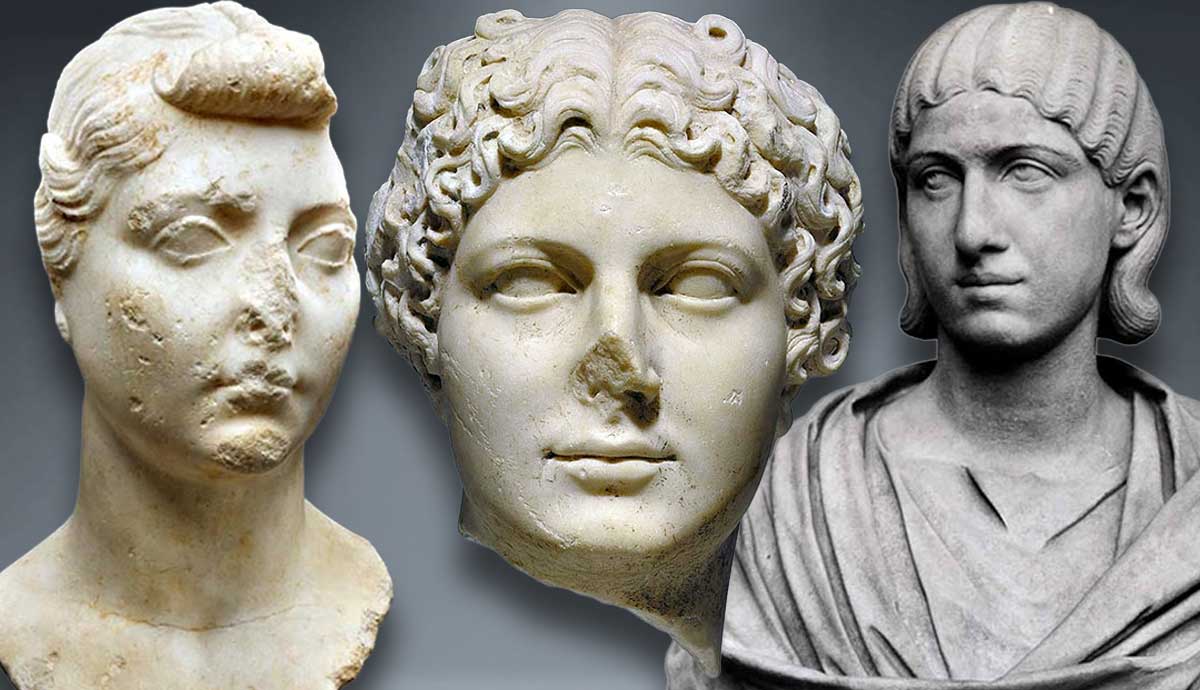
It was customary for Macedonian kings to take multiple wives. Marriages were a source of political alliance, so multiple marriages allowed them to expand their network. It also gave them a greater chance of producing a suitable heir. Alexander the Great’s father, Philip II, had seven wives, forging ties with royal families in the region. After his conquest of Persia, Alexander married three times, all to women of his new subject kingdoms, to help cement his new position. His most famous wife is the Bactrian princess Roxana, because she gave him his only legitimate son, Alexander IV. This also meant that she became embroiled in Hellenistic politics following Alexander’s early death.
Background I: Alexander the Great’s Conquest of Persia
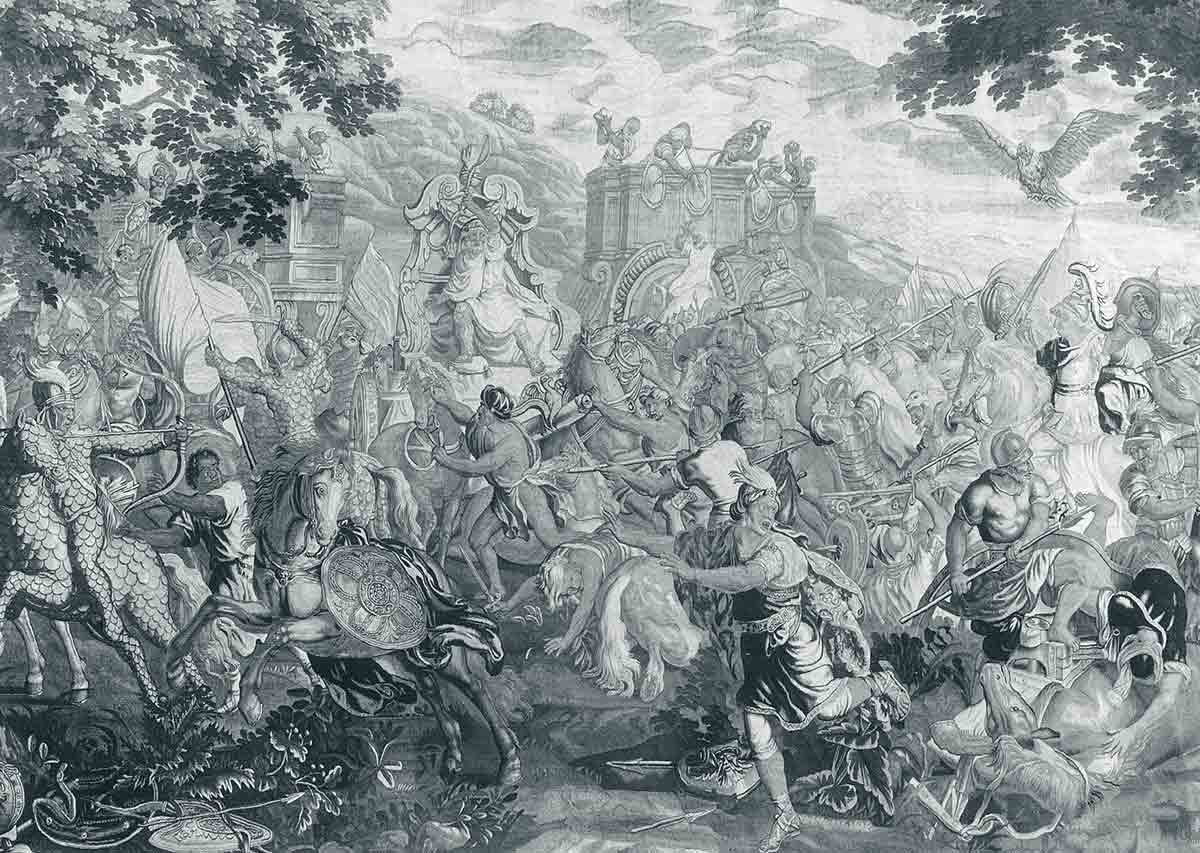
In 331 BCE, Alexander the Great marched into battle one last time against Darius III, the king of Persia. When they met at Gaugamela, the Macedonians delivered a crushing blow against Darius’ forces and the Persian king was left with no option to flee. Alexander marched on into the wealthiest cities in the Persian Empire, including Babylon, to claim them as his own. Meanwhile, Darius headed east, over the mountains toward Ecbatana in Media. His plan was to regroup, recover, and re-form an army from the eastern satrapies of the empire with which he could challenge Alexander once again.
Unfortunately for Darius, he had lost the confidence of his people. Alexander appeared invincible, able to find a way to defeat the numerically superior Persian forces each time they met. While fleeing, Darius was taken prisoner by a number of his Persian noblemen led by Bessus, satrap of Bactria and a kinsman (with his own claim to the throne). Darius was murdered by the conspirators as they fled from a Macedonian scouting party, which soon led Alexander to the corpse of the former Achaemenid king. Alexander had wanted to capture Darius alive, and the treachery involved in his death angered the king’s sensibilities. He ordered the fallen Persian monarch to be buried with his ancestors at Persepolis.
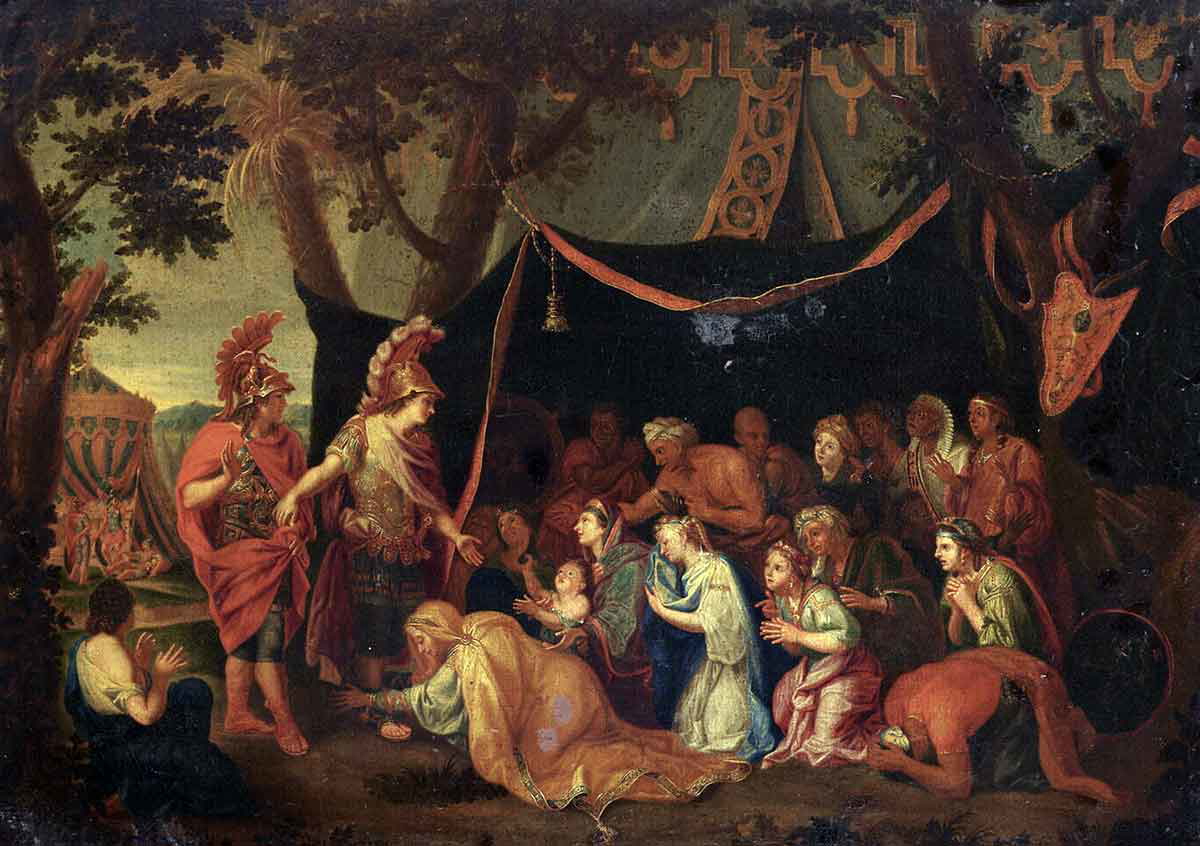
With Darius dead, Bessus took the regnal name Artaxerxes V and called himself the king of Asia. Retreating into central Asia, he launched a guerrilla campaign against the Macedonians, having witnessed their superiority in the field first hand at Gaugamela. Alexander’s campaign to capture Bessus, who he regarded as a usurper, took in vast swathes of territory in central Asia. The pursuit of Bessus was eventually brought to an end when the traitor was himself betrayed. Spitamenes, a Sogdian chieftain, betrayed Bessus to Ptolemy, and the usurper was executed in 329 BCE.
Background II: Who Were the Sogdians?
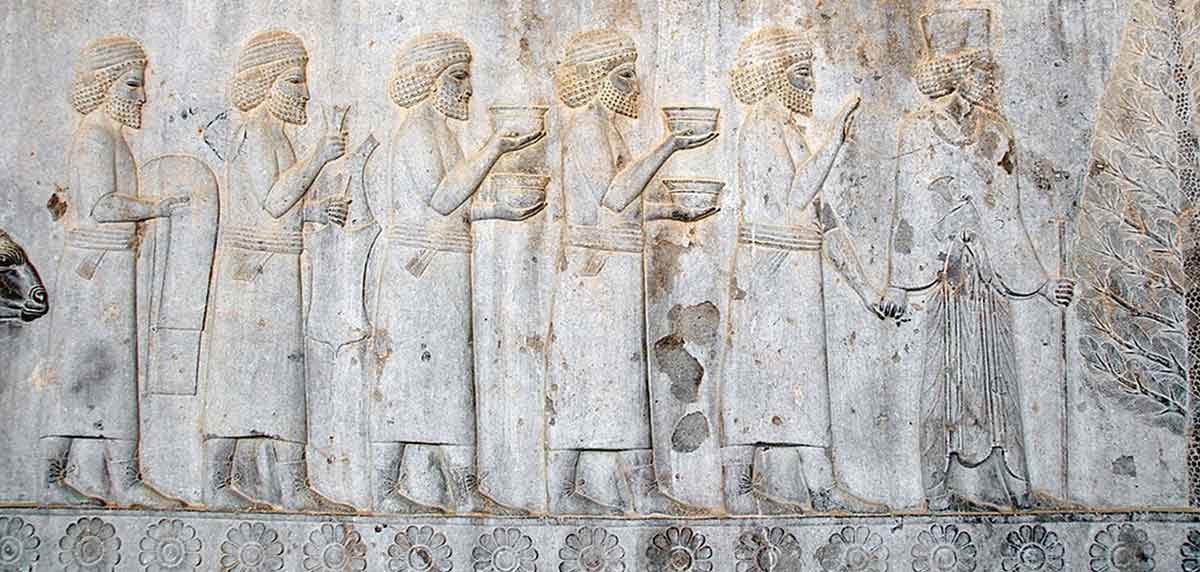
Sogdia was located in central Asia, in an area roughly equivalent with modern Uzbekistan and Tajikistan. The region had an exceptionally long history of urban settlement, dating as far back as the 4th millennium BCE with the settlement of Sarazam (Tajikistan). In the mid-6th century BCE, the region was conquered by Cyrus the Great and incorporated into the Achaemenid Empire. There does not appear to have been a dedicated Sogdian satrap, so scholars generally conclude that the territory was governed by Bactria. This had been Bessus’ role prior to his usurpation of Darius’ position. As part of the Achaemenid Empire, the Sogdians provided soldiers to the Great King’s military. They are known to have supplied troops for the failed invasion of Greece led by Xerxes I in the early 5th century BCE.
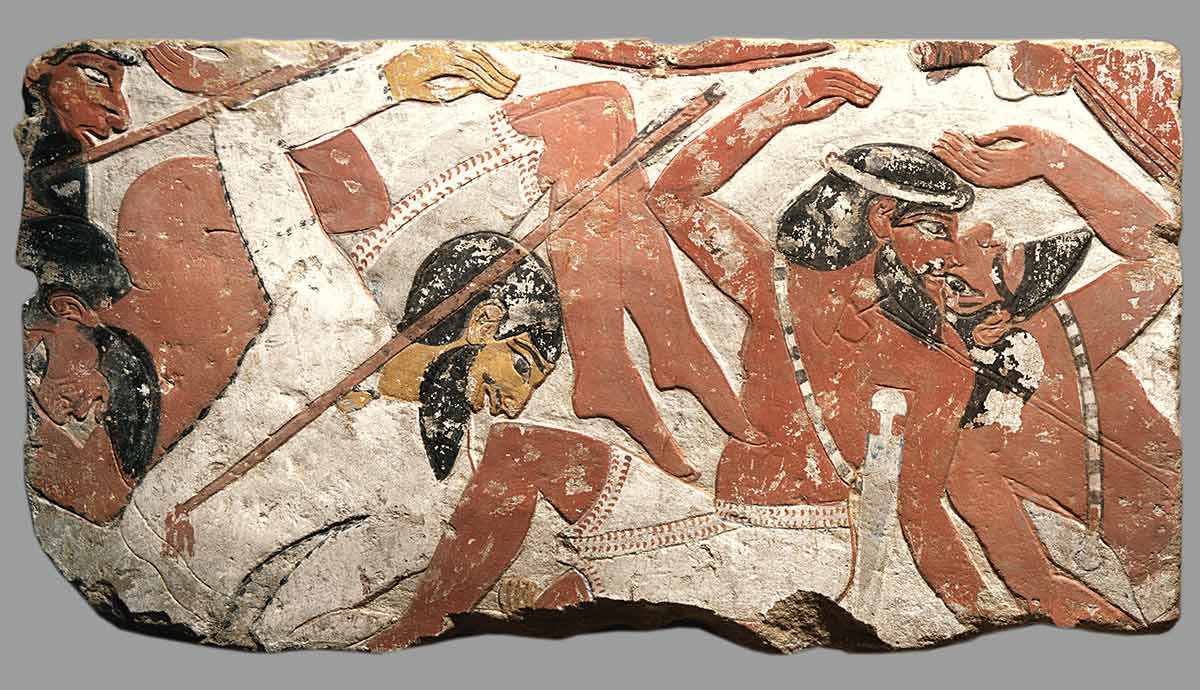
As well as providing soldiers to the Persian Empire, the Sogdians appear to have been generous in their gift-giving. An inscription recovered from Susa, the winter capital of the Achaemenid Empire, records that the opulent palace there was decorated with lapis lazuli and carnelian, which had originated from Sogdia. Their gift-giving was commemorated at the Apadana at Persepolis, where there is a relief depicting Sogdians offering tribute to Darius I.
The Sogdians did not long remain subjects of the Persians. In around 400 BCE, sensing an opportunity because of the weak rulership of Artaxerxes II, the Sogdians, along with a number of other regions of the Persian Empire, revolted and regained their independence. They still worked with the Persians, typically providing support against the Scythians to the north and east, but now did so under their own auspices.
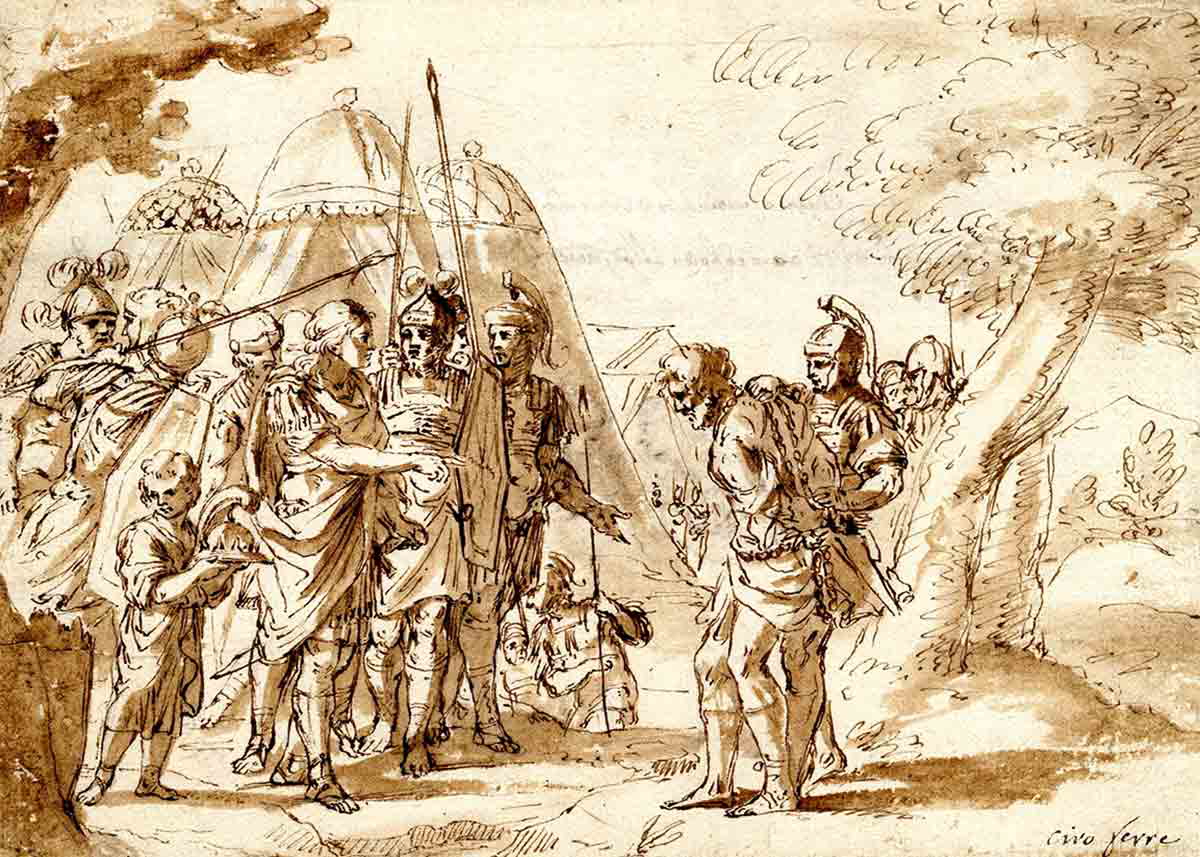
After orchestrating the murder of Darius III, Bessus had retreated into Central Asia. Although he was soon betrayed by Spitamenes, the Sogdians appear to have had no intention of allying themselves with Alexander. After the Macedonians had turned his attention to a campaign against the Scythians, who he defeated at the Battle of the Jaxartes, Spitamenes led the Sogdians in revolt. It was to bring the full force of the Macedonian army against them.
Background III: Battle of the Sogdian Rock
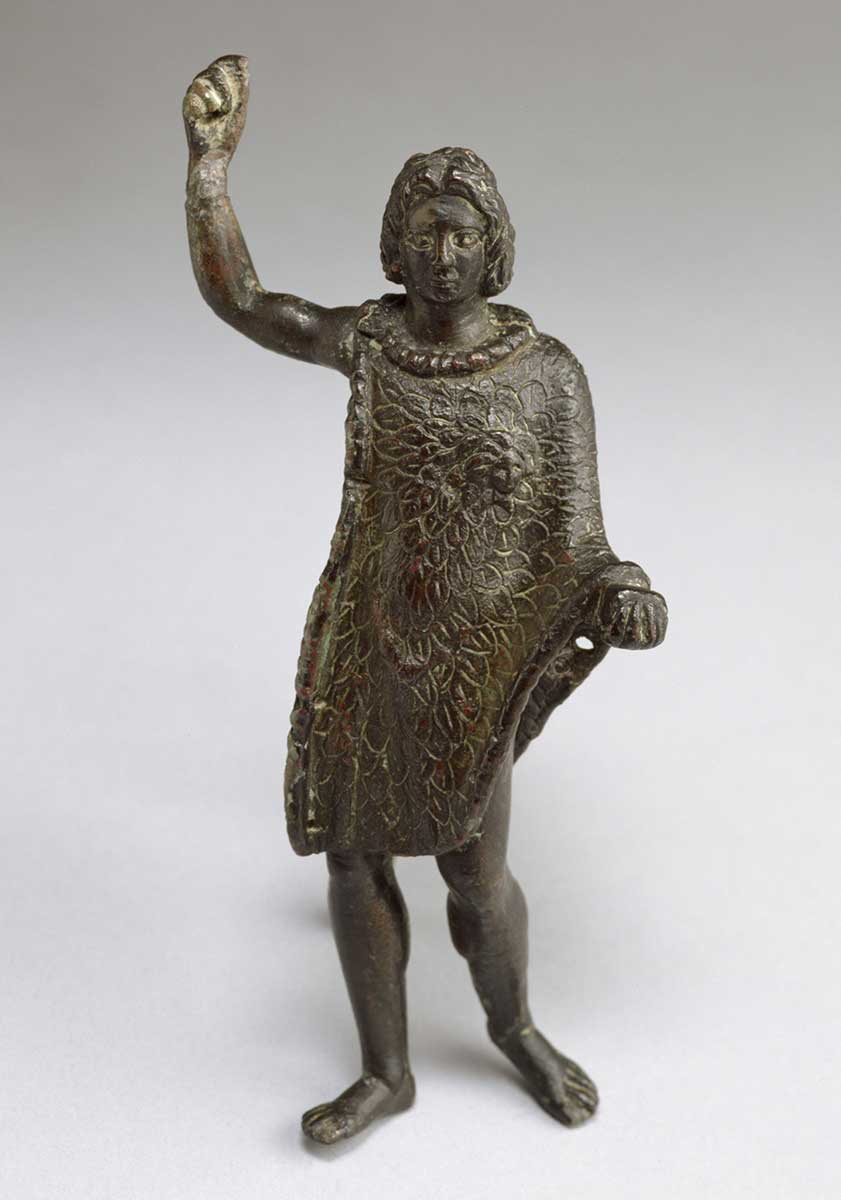
Upon learning that Spitamenes was besieging the Macedonian garrison at Markanda (Samarkand, Uzbekistan), Alexander dispatched a small force to confront Spitamenes’ army. It was promptly destroyed with heavy losses. Realizing the threat posed by the Sogdian uprising, Alexander moved decisively. Chasing the rebels into Bactrian territory, Spitamenes was defeated at the Battle of Gabai in 328 BCE. At the same time as Spitamenes’ forces were being vanquished, another Bactrian nobleman, Oxyartes, had sent his family to take refuge in the fortress of Arimazes. Also known as the Sogdian Rock, this was an imposing fortress located high in the mountains of Tajikistan. So confident were they that the fortress was impregnable, that the defenders taunted Alexander and his soldiers that they would need men with wings to capture it.
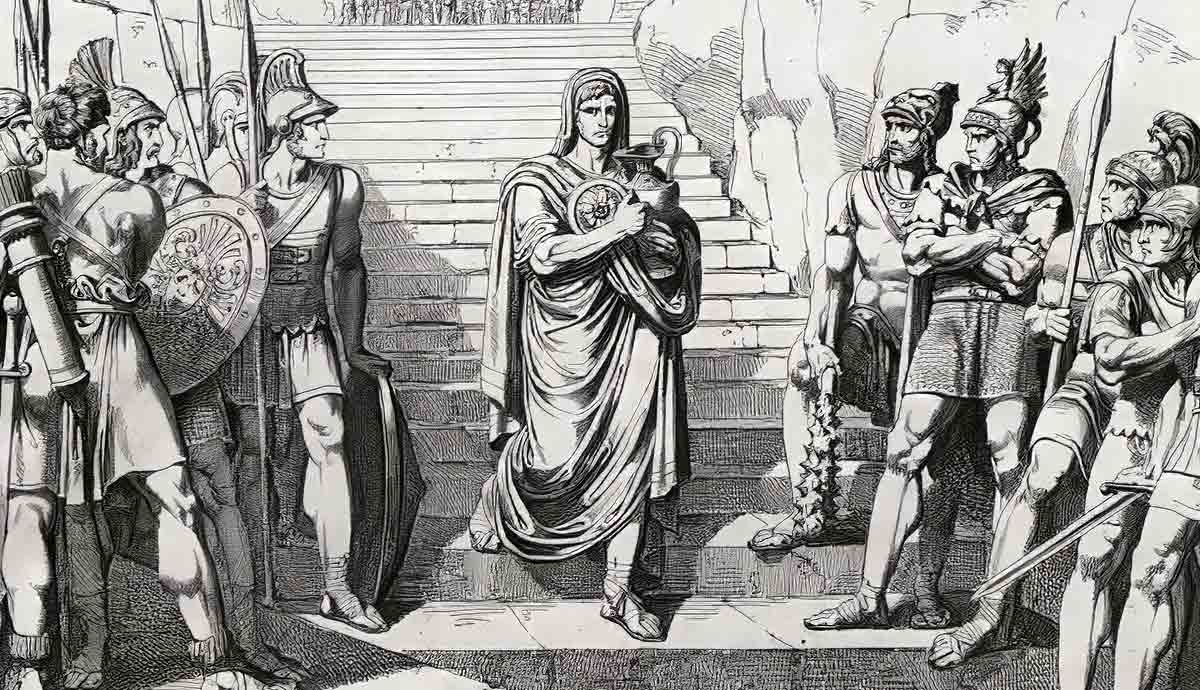
Unfortunately for the besieged Sogdians, Alexander was no novice when it came to capturing seemingly unconquerable fortresses; they would have done well to have learnt from the lesson of the city of Tyre. A handful of Macedonian volunteers, about 300 in total, equipped themselves for a perilous climb up the sheer cliffs in the dead of night. A handful of men did not make the summit, plunging to their deaths in the dark. However, come morning, the successful ones signaled to the Macedonians massed far below. Alexander, delighted, calmly informed the defenders of the Sogdian Rock that if they looked high up above them, they would see the winged men of Macedon.
Although the Macedonians at the summit remained a comparatively small force relative to the fortifications, their sudden appearance so demoralised the defenders that they surrendered immediately. The Macedonian victory at the Sogdian Rock paved the way for the Macedonian armies to consolidate their control of central Asia, which in turn provided the platform for Alexander’s campaigns in India. Of equal significance, when they captured the fortress and took the Sogdian nobility into captivity, Alexander first met the princess Roxana.
Royal Union: Alexander & Roxana
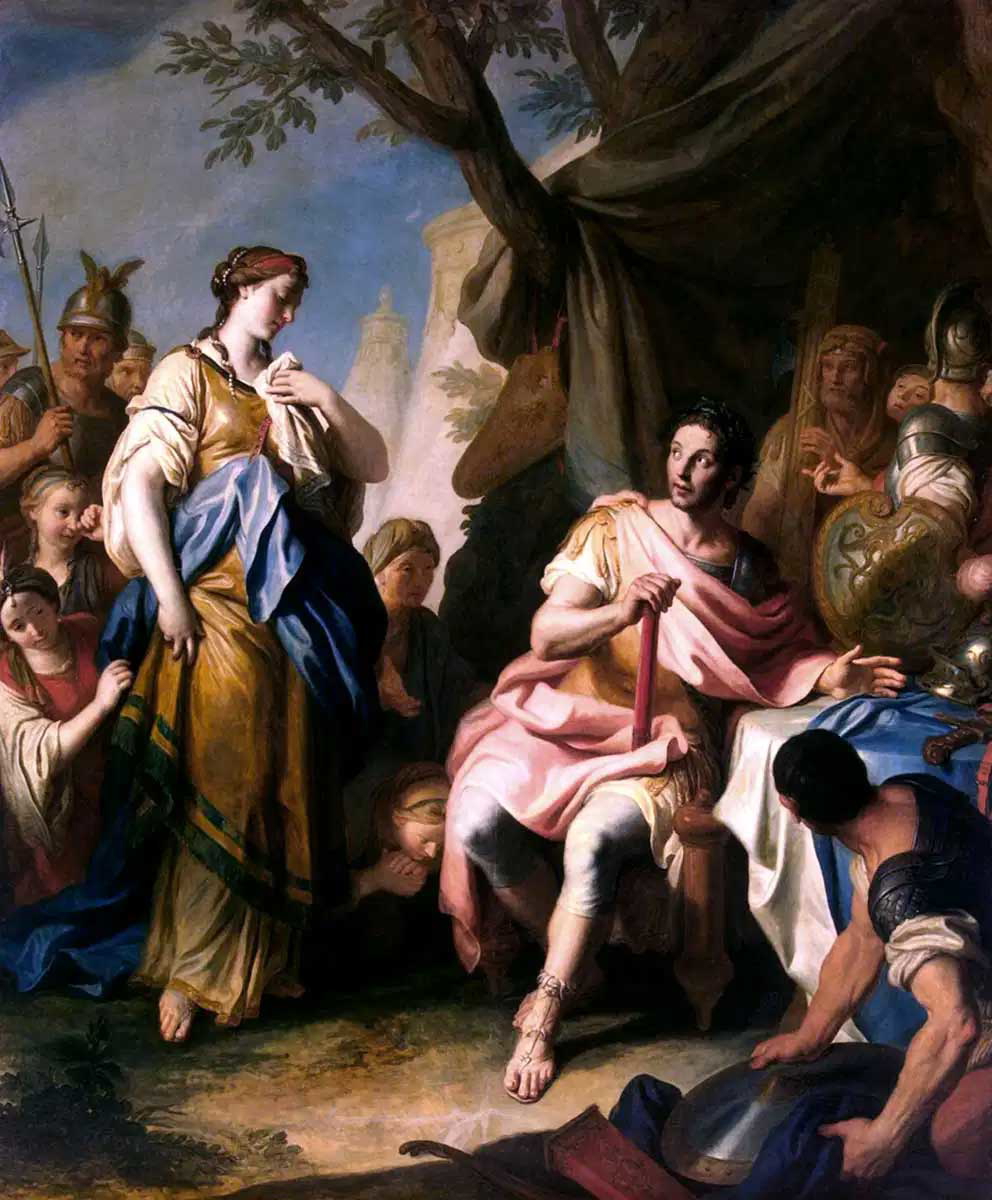
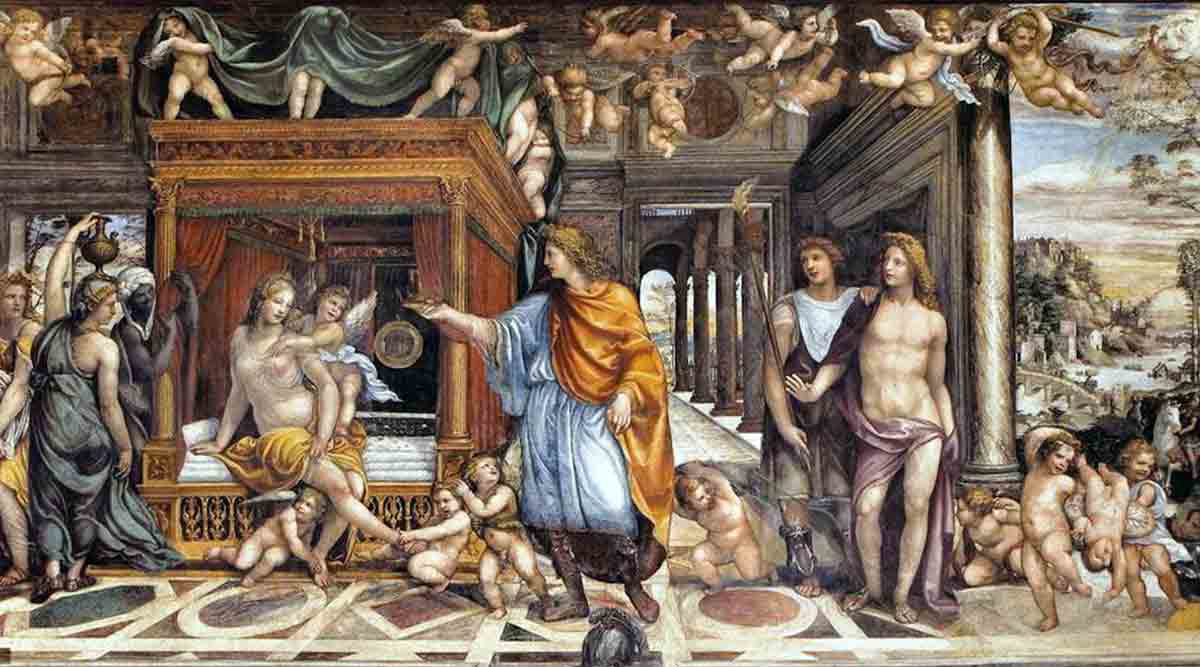
Roxana was the daughter of Oxyartes, and she had been sent to the Sogdian Rock for safety as the Macedonian invaders looked to quash the rebellion in the region. After the success of Alexander and his winged Macedonians in capturing these seemingly impregnable fortresses, grand festivities were planned. It was at these celebrations that Alexander was first introduced to Roxana, becoming instantly smitten with the princess. The two were soon to be wed. The festivities were, as described in the majority of the ancient accounts, conducted according to Macedonian, rather than local Sogdian, customs.
Even if Alexander was besotted with Roxana, there is no denying that their union was a political move. The region of Sogdia and Bactria had already proved volatile. Not only had it rebelled against Alexander himself, but the nobility from the region had ended Darius III’s ambitions for launching another campaign against the Macedonian invaders. Marrying into the local nobility would do much to engender closer ties between the Macedonians and the local chieftains. Alexander knew full well that he could not have any open revolts in the rear of his forces as he was preparing for campaigns in India.
Marriage between Macedonian men and local women would be a tactic Alexander would return again during his campaigns. The most famous instance of this was a mass marriage ceremony of Macedonian officers to Persian women upon the army’s return from India. It was hoped that these unions would promote greater concord between the Macedonian veterans in Alexander’s army and the Persians, who were increasingly incorporated into the King’s military and administrative structures, to the chagrin of many of the Macedonians. The veterans and officers were married en masse to Persian noblewomen at Susa. Alexander himself married two Persin princesses as part of the ceremony.
Heirs & Intrigues: Roxana After Alexander
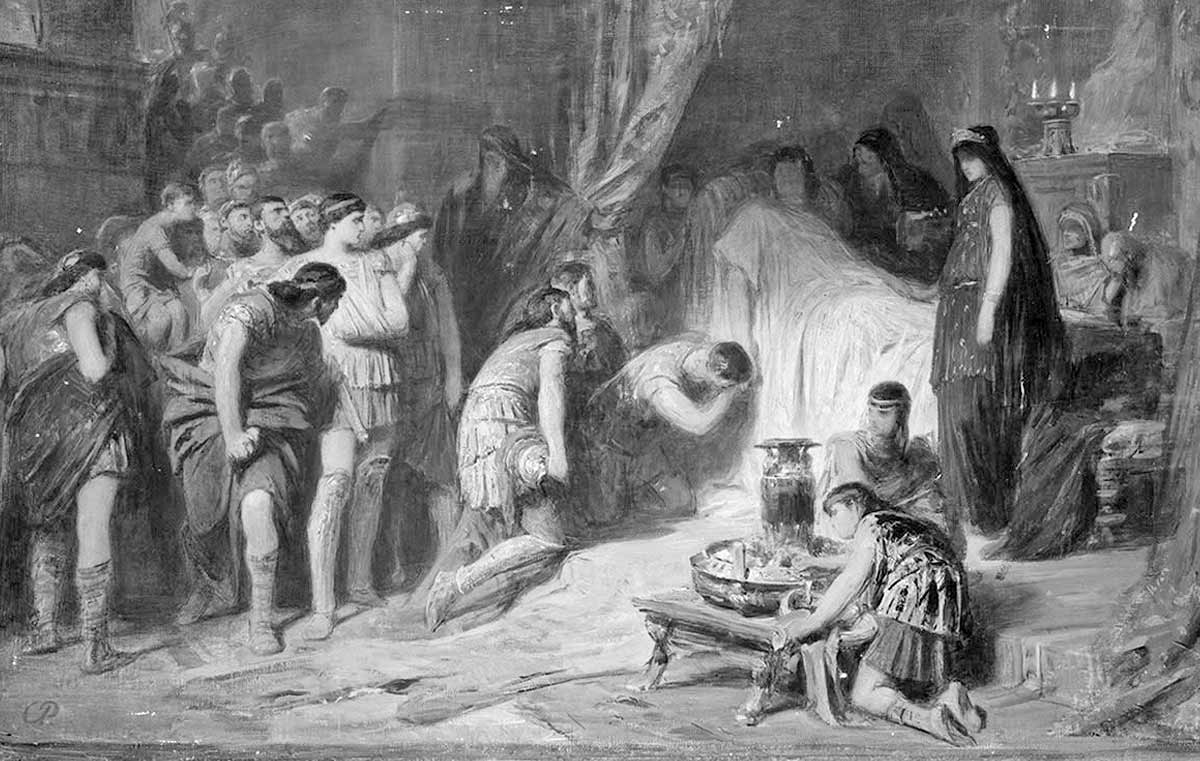
After their marriage in 327 BCE, Roxana remained by Alexander’s side for the majority of the rest of his life. She accompanied the Macedonian king on his campaigns into north-west India. Their first child would tragically die soon after being born, close to the Acesines River in November 326 BCE.
While their marriage was certainly of political benefit to Alexander, Roxana’s family also gained from their close relationship to the king. In 324, upon Alexander’s return to Persia following the campaigns in India, Roxana’s brother was promoted to the elite cavalry of Alexander’s forces. However, this further integration of natives within his armed forces was unlikely to have improved the morale of Alexander’s soldiers, who had already mutinied, forcing his return from India.
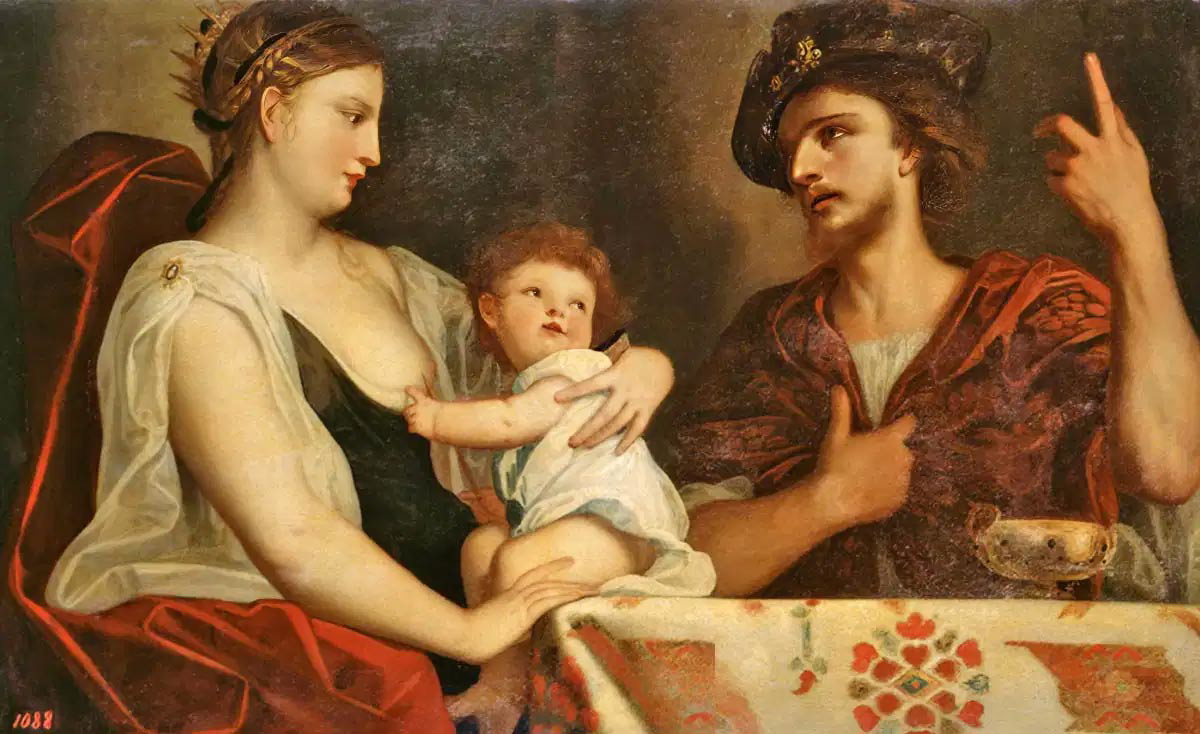
The years following the return from India also highlighted the political expediency of marriage in antiquity. As he was marrying off his officers, Alexander married two more brides, Stateria II, the daughter of the former Persian King, Darius III, and Parysatis, the daughter of Artaxerxes III of Persia.
This type of polygamy was not uncommon in the royal court of Macedon, as mentioned, Alexander’s father had seven wives. Conflict between the wives, particularly over who would sire the king’s heir, proved a source of tension in Alexander’s childhood. We do not know what Roxana thought of these further marriages, but she was spared infighting by Alexander’s sudden death at Babylon in 323 BCE.
When Alexander died, Roxana was already pregnant with his child. Plutarch’s biography of Alexander alleges that Roxana was quick to move against potential rivals, orchestrating the murder of both of Alexander’s other wives and some of their family members. She was assisted in her schemes by Perdiccas, the regent of Alexander’s empire in the immediate aftermath of his death.
Checkmate: Succession Politics & the Death of Queen Roxana
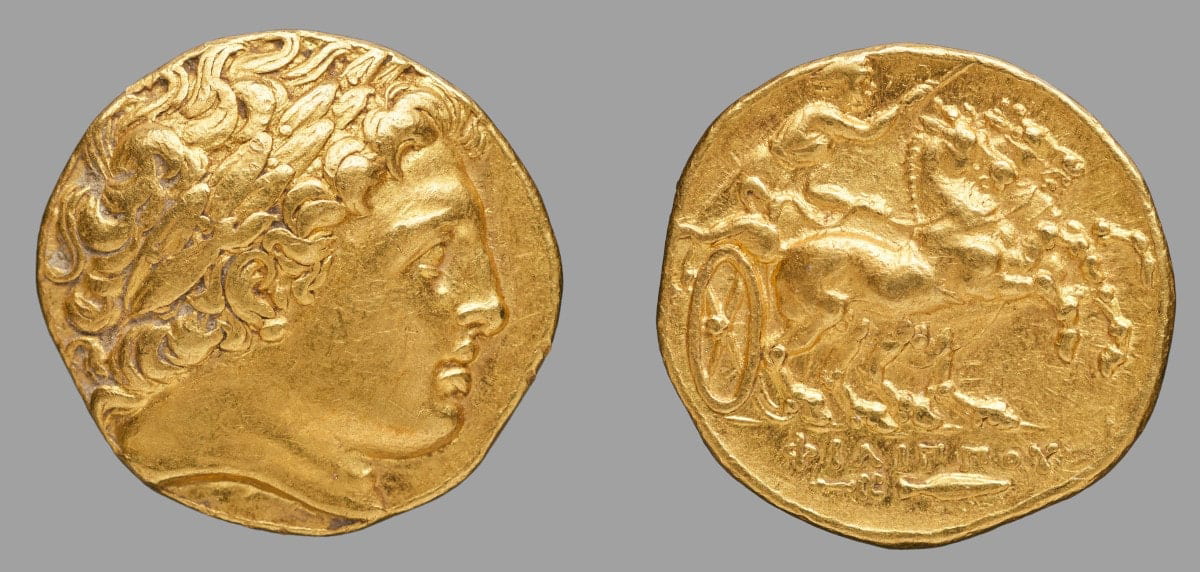
Roxana gave birth to a son in 323 BCE, whom she named after his father, Alexander IV. He was considered by Alexander’s squabbling successors, the diadochi, to be too young to be king in his own right. Therefore, Alexander IV was to be allowed to grow and mature, while Philip Arrhidaeus, the former king’s half-brother, ruled Macedon as regent. Alexander’s general carved up the rest of his empire between them. The compromise reached by the successors was fragile, making Alexander IV and his mother pawns in a very dangerous game.
Young Alexander’s greatest threat was Cassander. The son of Antipater had arrived in Babylon very late in Alexander the Great’s life, but would play a decisive role in the turbulent politics that followed. Allied with a handful of other ambitious individuals, including Eurydice, the wife of Philip Arrhidaeus, Cassander declared war on the Macedonian regency. By around 318, Cassander had assumed full control of Macedon. Roxana and Alexander fled to neighboring Epirus, where they were sheltered by Alexander’s mother, Olympias. Although they would briefly take back control of Macedon, their hold on the kingdom was tenuous. When Cassander returned to the battlefield in 316, Macedon was captured once more and no quarter was shown. Olympias was executed, while Roxana and Alexander IV were taken prisoner and held captive in Amphipolis.
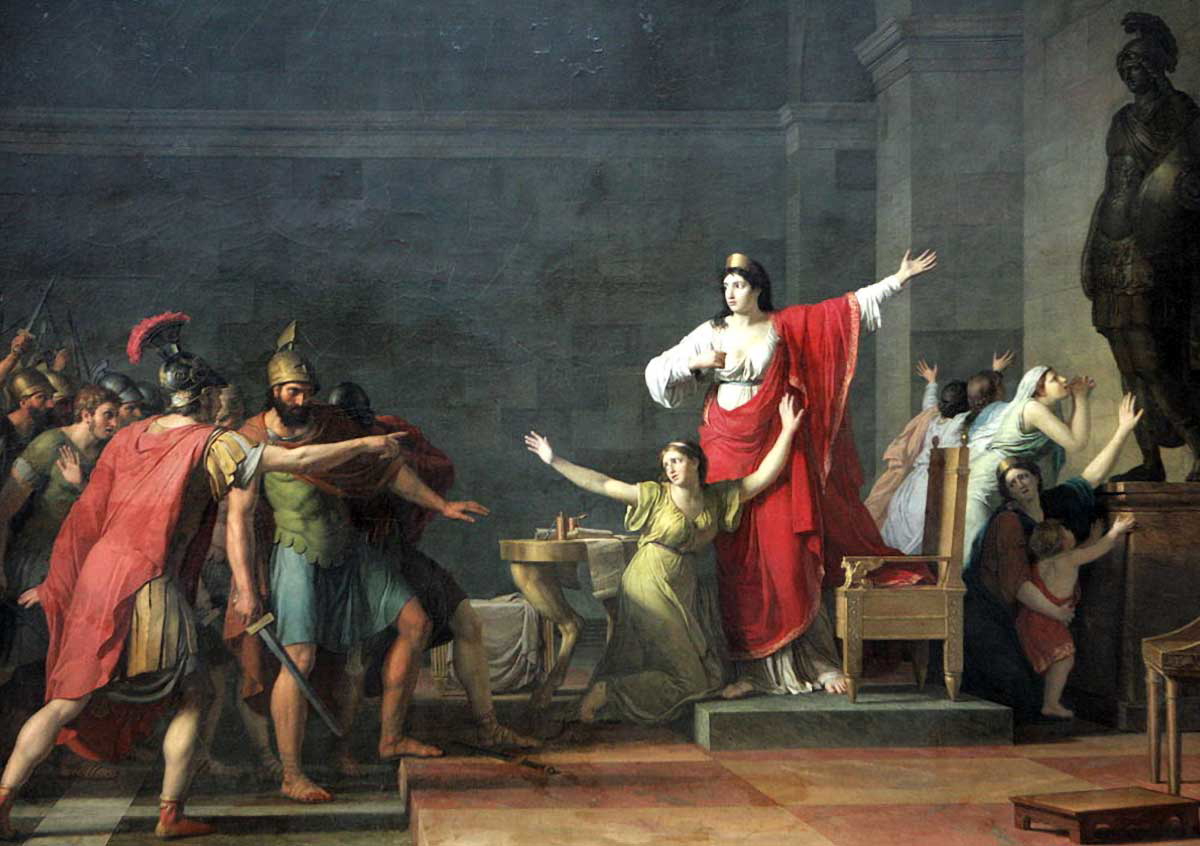
For a brief time, it looked as though there may have been hope for Alexander IV’s prospects as king. An agreement reached between the successors in 311 stipulated that he would rule Macedon after Cassander’s death. However, when rumors reached the current king of the young boy’s popularity and the desire among Macedonians for him to take over, he moved decisively. Alexander IV and Roxana were murdered on Cassander’s orders in 309 BCE. With the boy’s death, the Argead dynasty of Philip II and Alexander the Great, which had ruled from Pella to the Punjab, came to an end. It was a tragic ending for the life of the Sogdian princess Roxana, and one tinged with irony. Plutarch would later describe Roxana and her marriage to Alexander as a love affair that would lead to harmony. In the end, she was a victim of the exact kind of political division her betrothal was meant to avoid.