Rome, the Eternal City, has been besieged and attacked many times over its long history. The most famous occurrences were when it was sacked by the Gauls in 390 BCE and by the Visigoths in 410 CE. But the city was not only sacked in ancient times. In 1527, the city fell to invaders. Mutinous forces of the Holy Roman Empire stormed into the city. Rome’s paltry militia was unable to stop them, and the Pope was forced to flee. With the situation hopeless and the city falling around them, a rear-guard action by the papal Swiss Guard represented the last line of defense.
Setting the Stage
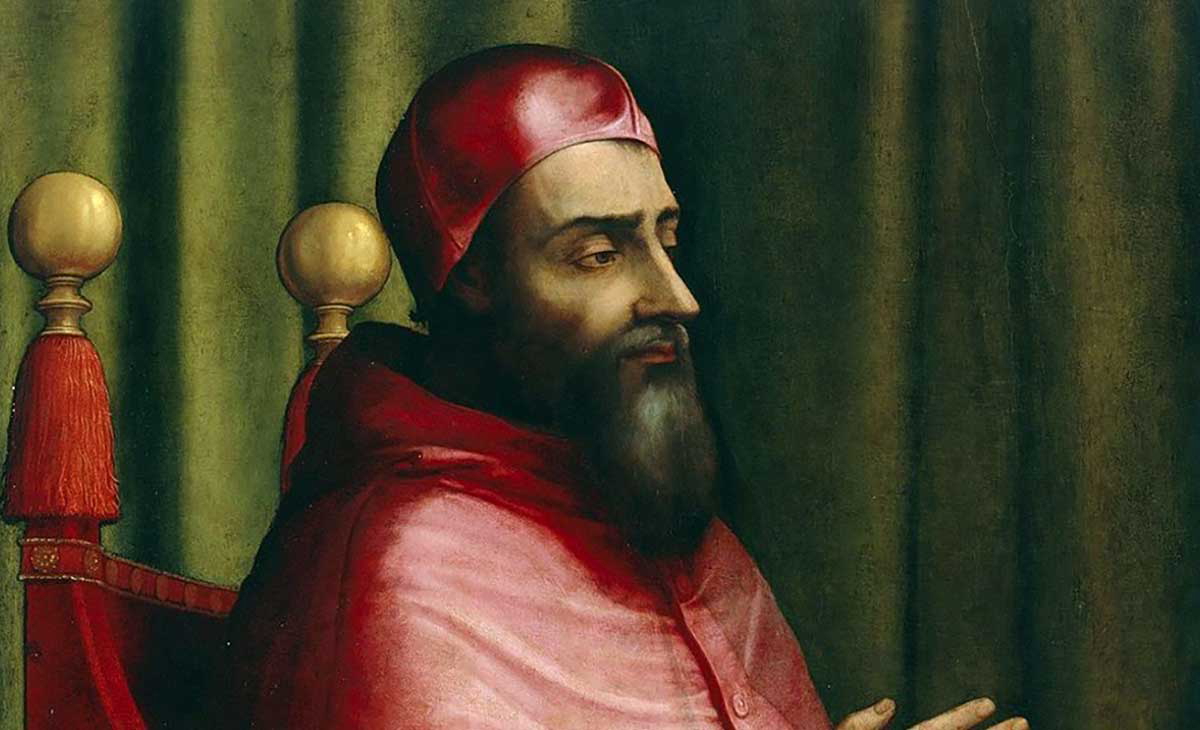
The seeds of the conflict were planted many years earlier. In the 16th century, Italy was not a unified country, but a collection of constantly warring city-states. Foreign powers, especially France, Spain, and the Holy Roman Empire centered in Germany, began to exert control over Italy in a series of bloody conflicts called the Italian Wars.
By the 1520s, large portions of Italy fell under the sway of the Holy Roman Empire, led by Charles V. This dominance was concerning to Pope Clement VII. In response, Clement formed the League of Cognac in 1526. Made up of France, Milan, Venice, Florence, and Genoa, this was a direct challenge to the Emperor’s authority.
The League took the initiative, striking Siena in 1527, a campaign that ended in disaster as the League’s poorly trained troops failed to make any headway. Their army, centered around a large French contingent, was then defeated by a 34,000-strong Imperial army. Though they won a decisive victory, Emperor Charles had a larger problem. Such a large army was expensive, and a large portion of the Imperial army was made up of mercenaries who were only interested in money. Unfortunately, Charles didn’t have the funds to pay these soldiers, and they rebelled.
To be more specific, they deserted the army and turned south to ripe plunder opportunities. Charles had no intention of invading Rome and gave orders to avoid the city. However, from the mutineers’ perspective, the lightly defended heart of the Papacy was too tempting a target. They turned south to take by force the riches they believed they were owed. With the rampaging army outside Imperial control, they were on a collision course with the Holy See.
The Invaders
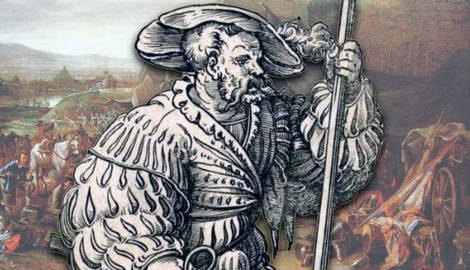
The renegade army consisted of around 20,000 men, though the exact number is unknown. These included 6,000 Spanish soldiers and an unknown number of Italian troops. The core was 16,000 Landsknecht.
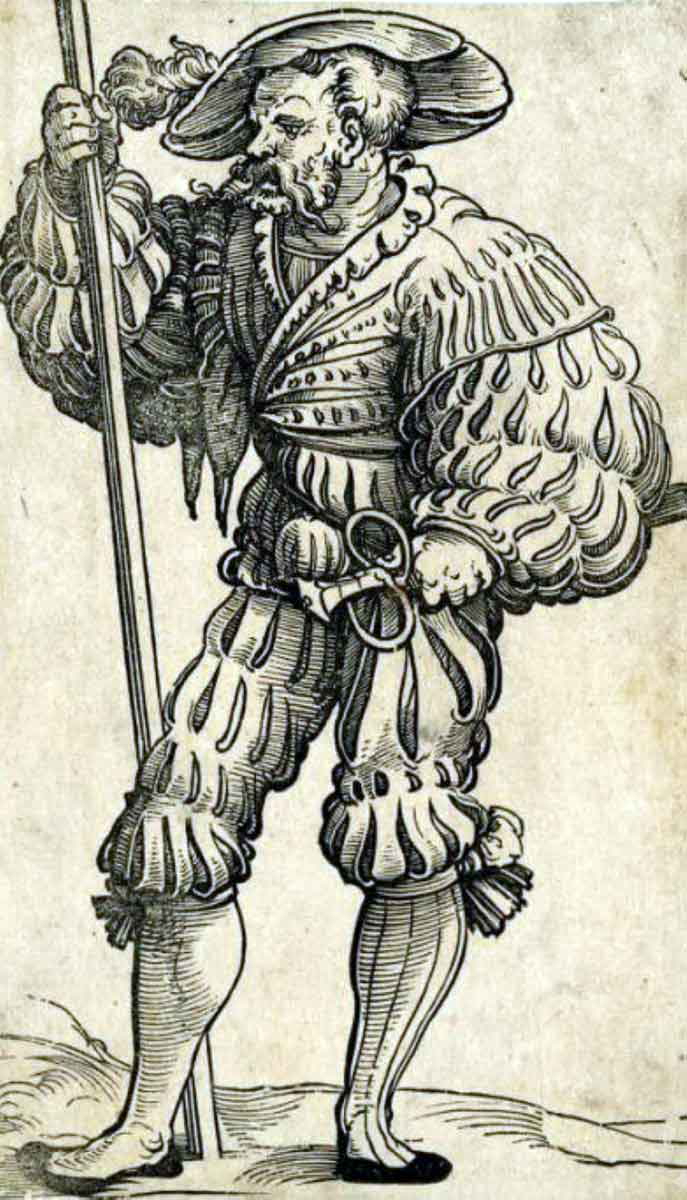
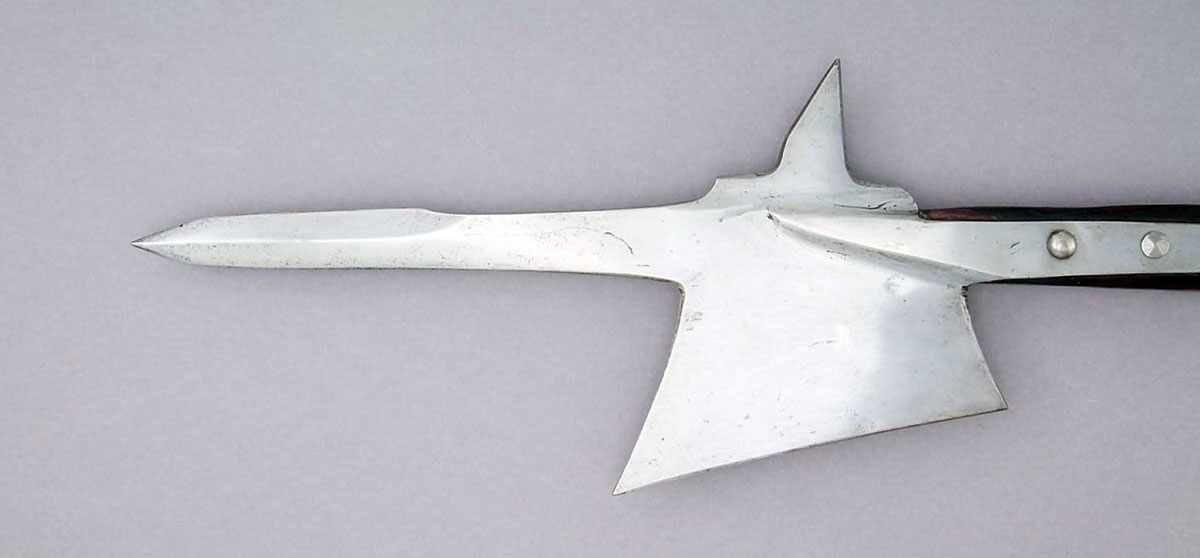
These men were from Germany and were adherents of the new pike and shot style of warfare that was replacing the earlier medieval style of combat. They fought in a dense block of soldiers in a formation similar to a Greek phalanx, and wielded long pikes in a forest to overwhelm the enemy. They also used halberds, large two-handed swords, crossbows, and early firearms such as the arquebus and matchlock musket. Their signature weapon was a single-handed straight sword called a katzbalger, which had a distinctive S-shaped cross guard. They wore steel helmets and breastplates for protection.
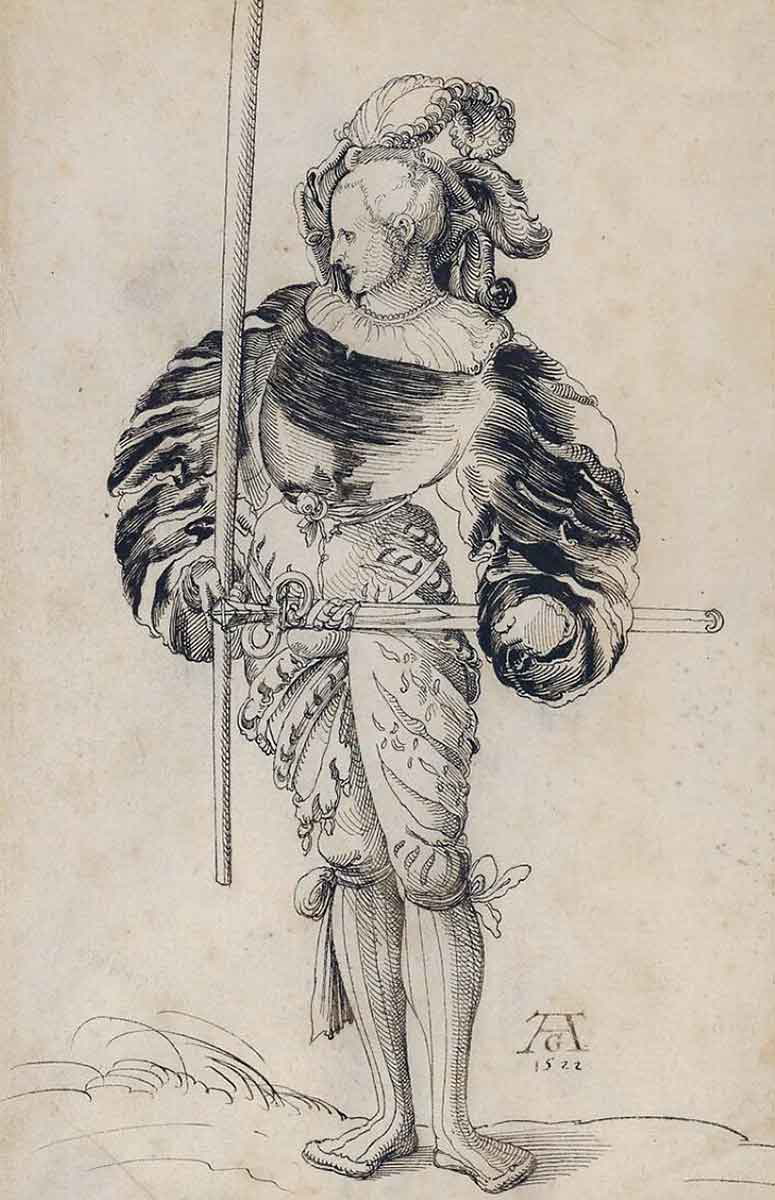
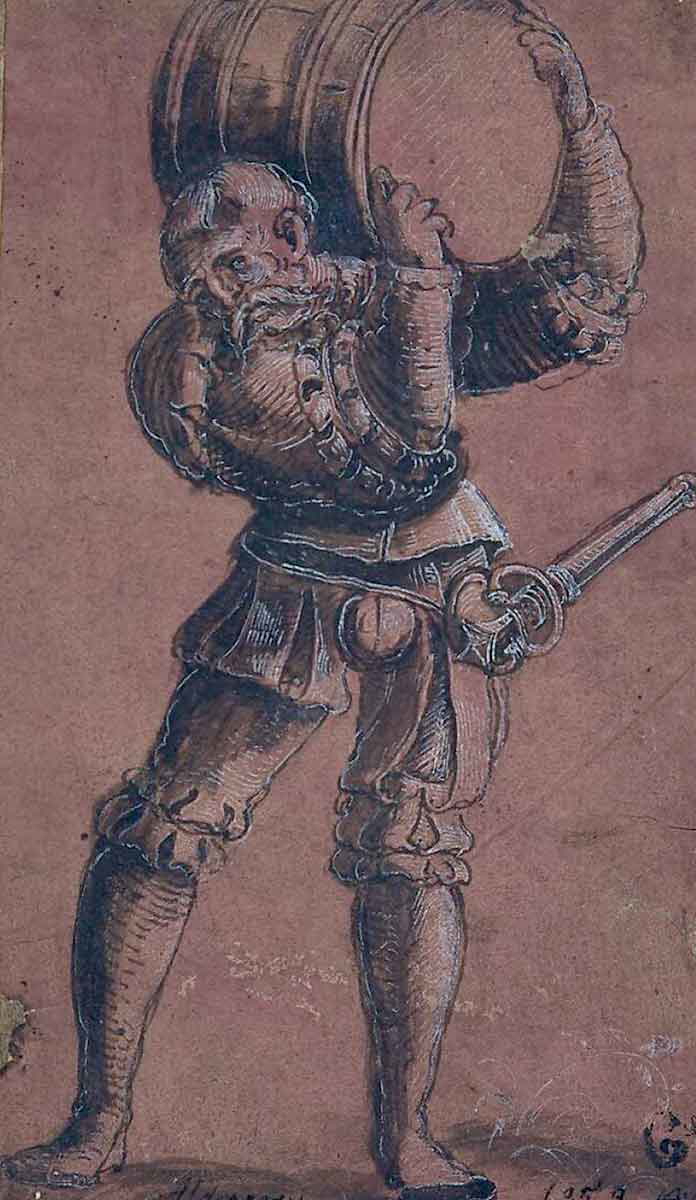
The Landsknechts’ most distinguishing feature was their elaborate outfits. Made with the intention of being as ostentatious as possible. They were brightly colored, with puffed sleeves, which had numerous slits for aesthetic purposes. Long leather belts, feathers, sashes, and other ornamentation were also commonplace, and the entire outfit deliberately used more material than was necessary. The Landsknecht were exempt from sumptuary laws and could dress however they saw fit. It was also a form of advertising. These men were mercenaries and would sell their services to the highest bidder. Poor soldiers tend not to live long enough to get paid. By dressing in expensive clothes with costly ornaments, they were displaying how effective they were.
As they were mercenaries, the Landsknect would routinely abandon their contracts if paid more by someone else. When pay didn’t arrive, they had no compunctions about simply leaving, or in the case of the army in 1527, disobeying orders and marching to where they could acquire the loot they believed they deserved. To add to the situation, the majority of the Landsknecht were Protestants. This conflict was not religious in nature, but the differences in religion meant that they had no hesitation in attacking the heart of the Catholic Church or striking against the Pope.
The Defenders
With the renegade army bearing down on them, Rome’s defenses were in a panic. It may be strange to hear, but in spite of Rome’s cultural, historic, political, and religious significance, the city was lightly defended. The heart of the Papacy was protected by about 5,000 militiamen who were poorly trained and equipped. Even though most of the militia were outclassed, Pope Clement could call upon at least one force that had the training and dedication to stand their ground.
In the late 15th century, Swiss pikemen revolutionized warfare, focusing on pike-armed infantrymen as opposed to the knight-centered cavalry armies of the Middle Ages. Their innovations spread quickly, and Swiss pikemen became highly valuable mercenaries and instructors. They were soon the most disciplined and sought-after troops in Europe. The Landsknecht learned their craft through emulating the tactics of their Swiss teachers. Many royal heads of state also employed permanent forces of Swiss soldiers. The most famous of these were the Papal Swiss Guards, who were the personal bodyguard force of the Pope, a role that they continue to this day.
In 1527, 189 of these stalwart soldiers defended the Holy See. The Swiss pikemen were similarly armed as the Landsknecht, though not as ostentatiously dressed. Over the years, the two groups developed a rivalry. When they encountered each other on the battlefield, their combat devolved into bloody brawls with few survivors. Their hatred for one another became so great that it spawned the term schlechter Krieg, “the bad war.”
Rome was also protected by thick stone walls and a significant amount of artillery. Though outnumbered and with worse equipment, it was hoped that these defenses would be enough to hold back the onrushing tide of enemy marauders.
The Siege Begins
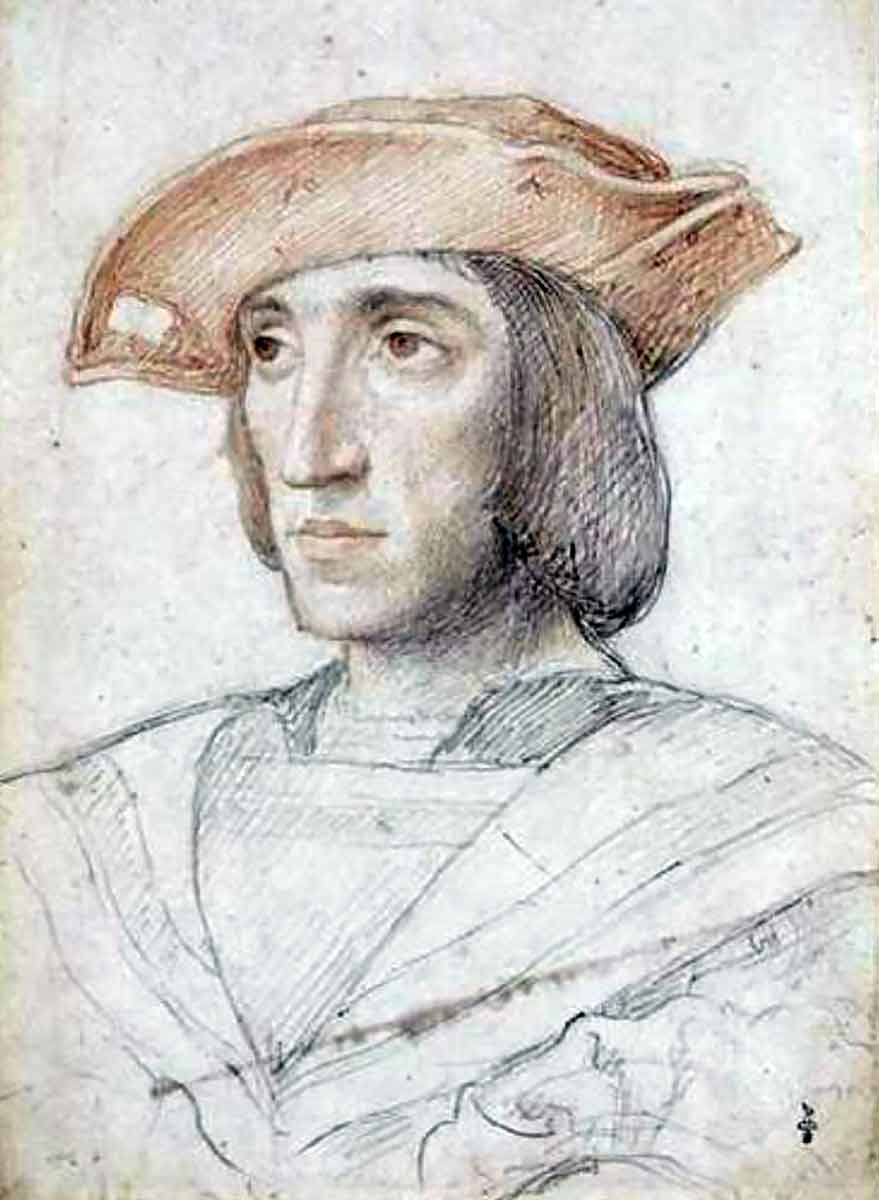
On May 6, 1527, the attackers, led by Charles de Bourbon, arrived at Rome. They were at a bit of a disadvantage when it came to artillery. Since they were an army operating without official orders, they lacked any significant cannons to blast Rome’s walls. Settling in for a long siege was not an option, so the city was assaulted directly, a highly unusual tactic. As they approached the walls, they were hit by a furious bombardment of projectiles fired by the defenders, which included merchants, clergy, common laborers, and artists, including sculptor and goldsmith Benvenuto Cellini. The attackers endured casualties as they closed in, but they were still determined to break into the Eternal City.
Leading from the front, de Bourbon charged the walls with his famous white cloak around his shoulders, marking him out for his men to follow. Though a gallant display of leadership, it also marked him out for special attention from the defenders. He was shot, allegedly by the artist Cellini, if Cellini’s account can be believed. Though they were dismayed at the loss of their leader, the attackers pressed their assault. The defenders were overwhelmed by the sheer weight of numbers. With the walls breached, the defenses crumbled, and the attackers poured into the city.
Witnesses say that the German and Spanish troops began massacring all in their path, taking out their bloodlust on any unfortunate enough to get in their way. It seems as though the death of de Bourbon angered the attackers, and his subordinates didn’t have the same authority to restrain the men.
The Last Stand
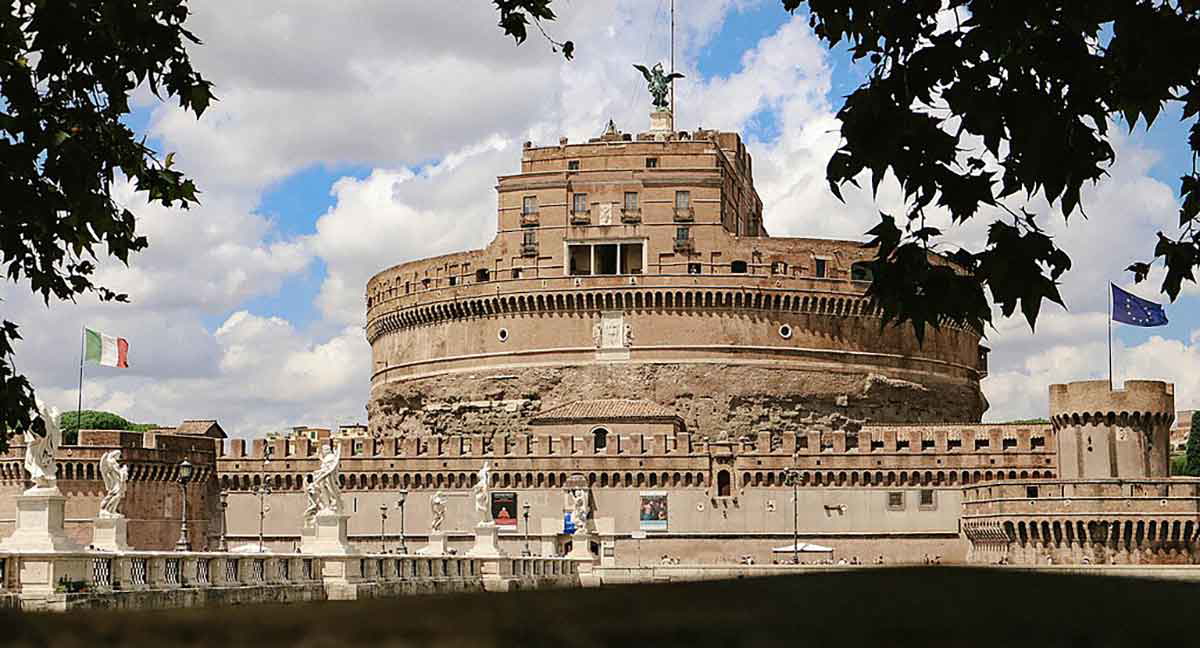
As the city was falling, Pope Clement VII was at prayer in his private chapel. When the Imperials breached the walls, cardinals and other Church officials begged him to evacuate to the relative safety of Castel Sant’Angelo. This was originally a mausoleum built by the Roman emperor Hadrian, but was converted into a fortification and prison in the 14th century. It was a close escape, with Clement only heading for the fortress at the last possible moment. According to one account, if he had stayed to say “three more creeds,” the vengeful Imperials would have been upon him. The other issue was that organized resistance had collapsed, almost.
As the Pope fled with his entourage, the 189 members of the Swiss Guard fought a rearguard action. Making their stand at the Teutonic Cemetery, the Swiss fought bitterly, battling tooth and nail for every inch of ground. They fought bravely, but even their skill and discipline could not stem the tide of tens of thousands of enemy soldiers. Their commander, Kaspar Roist, was wounded and then killed in front of his wife as he sought refuge at his house. The other guardsmen were cut down one by one as they were forced back to St. Peter’s Basilica. It was here that the remaining 42 Swiss Guards, as well as a few other defenders, held off the Imperials, buying time with their lives.
Pope Clement and his small entourage slipped through the twisted streets of Rome along secret avenues before crossing the Passetto di Borgo, an elevated platform that provided a secure pathway to Castel Sant’Angelo. He remained trapped in the fortress for a month before agreeing to a ransom of 400,000 ducats for his release.
The rest of the city was not so lucky. After the Swiss Guard was neutralized, the Imperials had complete control over the city. Almost immediately, they began to loot and pillage Rome, killing any who offered resistance. Merchants were extorted for their goods and money, cardinals and other clerics were captured and held for ransom, and many common citizens were simply killed, men and women alike. Sacred relics were trampled or destroyed, and churches and chapels were pillaged or desecrated. The protestant members of the Imperials jokingly elected Martin Luther as the Pope, and dressed one of their members in papal robes, carrying him around the city as a mocking version of a Catholic ceremony.
The Fallout
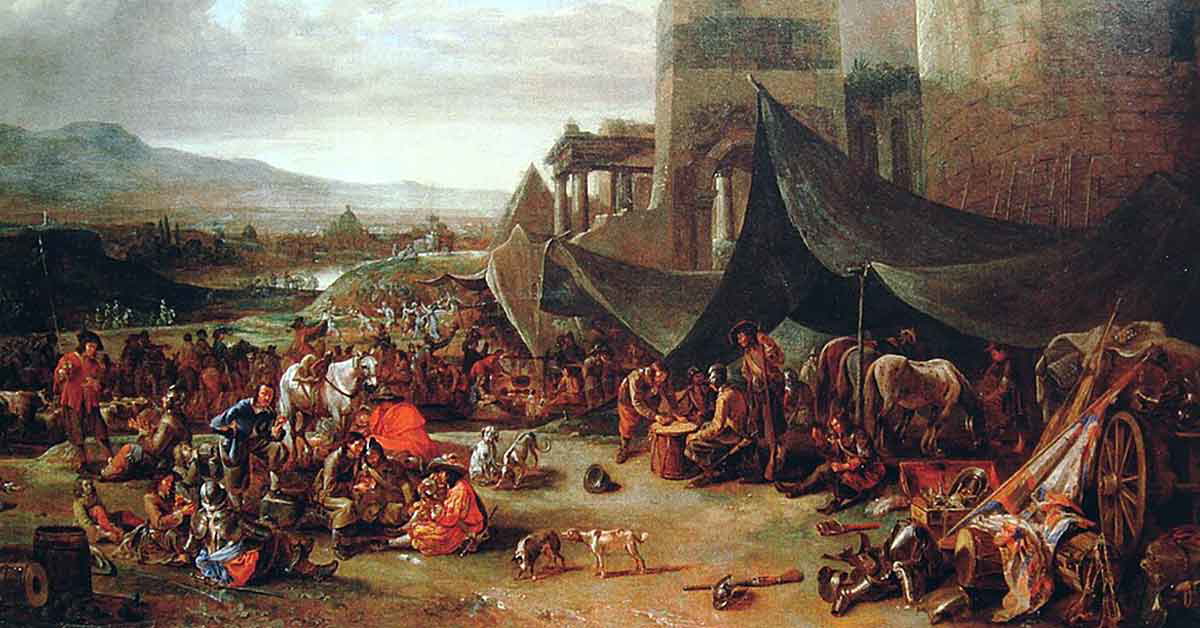
When the fighting was over, the defenders had lost around a thousand dead, with an unknown number wounded. The Swiss Guard was badly crippled, with 147 killed out of the 189-man contingent. The casualties suffered by the attackers are unknown, but were presumably light in comparison.
The real victims of the Sack of Rome were the civilian population. Before the assault, Rome’s population was estimated to be around 55,000. After the Imperials were done with their looting and pillaging, the number had shrunk to about 10,000. Most of this population loss was from citizens fleeing the city, but it is possible that between 6,000-10,000 civilians were killed.
Clement VII managed to avoid capture until forced to surrender a month after the siege. On June 6th, 1527, he agreed to be ransomed for 400,000 ducats. After the first few installments were made, he reneged on the agreement and fled to Orveito. A short while later, he and Charles V, who never wanted to attack the city but still took advantage of the situation, reconciled. Nevertheless, Clement spent the rest of his reign as the Pope in a subordinate position to the emperor.
In one of the strange ripple effects of history, when Henry VIII of England asked Clement to annul his marriage to Catherine of Aragon, the Pope refused, no doubt influenced by Charles, who was Catherine’s nephew. Clement was in no position to contradict Charles. In effect, England became a Protestant nation thanks to the 1527 sacking of the city. In more general terms, this was the final nail in the coffin for any hope of reconciliation between Catholics and Protestants. Having the heart of the Holy See so brutally desecrated drove a wedge between the denominations that still has not healed.
Art Inspired by the Sack of Rome
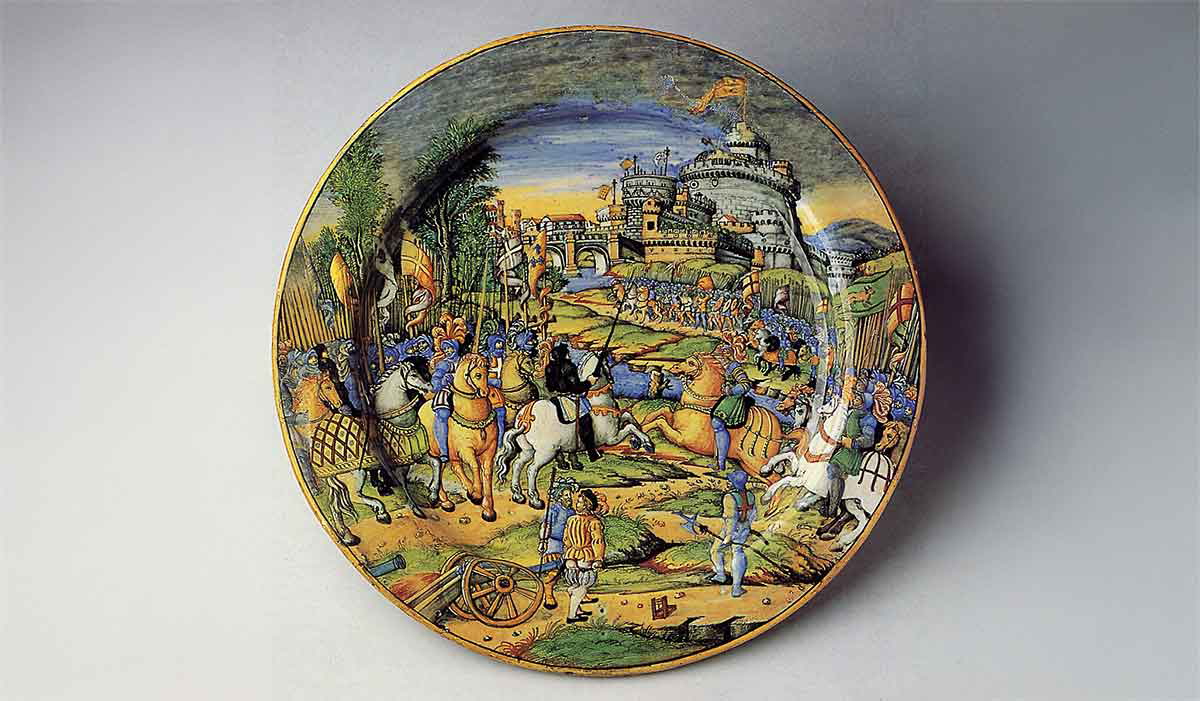
Another effect was on the artistic front. Before the siege, Rome was a center of art at the height of the High Renaissance. With the city in ruins and the wealth carried off by the Imperials, artists were no longer able to earn a living and were forced to seek employment abroad. This spread artistic styles abroad. The Sack of Rome was also the subject of a great deal of art in its own right. Throughout Europe, the event was immortalized in engravings, paintings, and even sets of commemorative dinner plates.
Today, the 1527 Sack of Rome is largely forgotten, overshadowed by the 410 sack by the Visigoths, but there are some who still remember. The Swiss Guard inducts new members each year on May 6, the anniversary of their battle on the steps of St. Peter’s Basilica. They have also been immortalized in the hit song The Last Stand, the title track on an album by the Swedish power metal band Sabaton, detailing the courageous final moments of the Pope’s bodyguards.