As humankind evolved and developed, its medical understanding did as well. Nevertheless, even today, doctors are stumped by changing pathogens and conditions, and medical advancement continues to move forward in response. It’s no surprise that in the early days of civilization, particular groups of humans in certain conditions were accompanied by a mysterious affliction later known as scurvy. Even once scurvy was well understood, it continued to plague various people. In fact, scurvy is far from extinct, causing suffering in the modernity of the global 21st century.
What is Scurvy?
“Never mine eyes such dreary sight beheld,
Ghastly the mouths and gums enormous swelled,
And instant, putrid like a dead man’s wound,
Poisoned with foetid streams the air around…”
This graphic account comes from Camoens, a Portuguese poet, describing scurvy as it attacked explorer Vasco de Gama’s crew on a voyage to India at the tail end of the 15th century. Scurvy is a medical condition caused by a deficiency in vitamin C. Vitamin C is an essential nutrient for humans. It is also known as L-absorbic acid and is water soluble, meaning regular intake is necessary. It cannot be manufactured by the body and must be consumed. Vitamin C has many applications within the human body, including synthesizing certain compounds and metabolizing protein for utilization. It is an important antioxidant, removing damaging free radicals from the body and supporting the operation of the immune system. It helps certain neurotransmitters work properly and is even believed to delay or stave off certain cancers and cardiovascular diseases. Recommended levels of vitamin C vary depending on gender, age, and life factors like pregnancy, but most people require 75-90 mg a day.

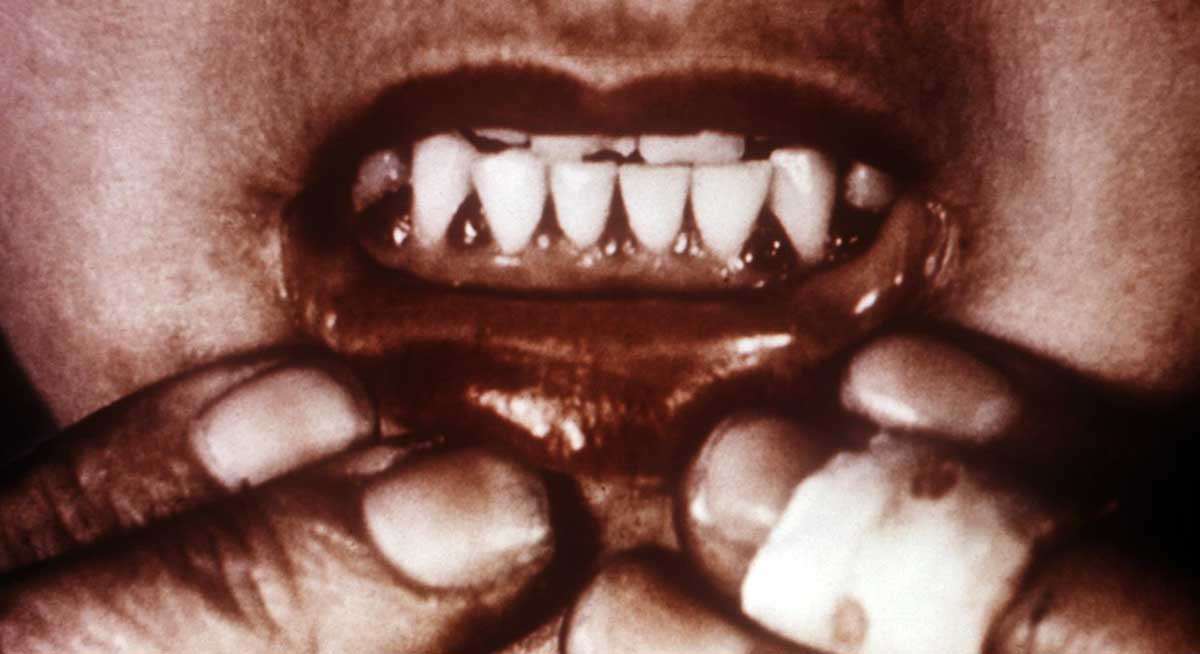
When an individual is consuming less than 10 mg a day over a period of time, sometimes in as little as a month, scurvy can develop. It primarily affects the skin and soft tissue of the body but can present with a variety of symptoms. Fatigue and weakness are prominent symptoms, often concentrated in the upper legs. As the disease progresses, it can cause depression, thickening of the skin, poor wound healing, damage to the hair, and swollen gums. The bacterial buildup as a result of gum damage can cause putrid breath, as referred to in Camoen’s poem. In advanced stages, bleeding becomes a concern, including ecchymosis or discolored skin caused by internal bleeding. Blood may be present in the urine or visible in the whites of the eyes.
Though the disease is easily treated, it was poorly misunderstood in the early years of human medicine and could lead to death. Not only could the symptoms of scurvy cause maladies such as sudden heart failure, but they also weakened the body to the point that it was vulnerable to other infections, such as pneumonia.
Scurvy’s Ancient History

Episodes of a disease that is believed to be scurvy were first recorded in 1550 BCE in an Egyptian medical scroll known as Eber’s Papyrus. Most other major civilizations of history also reported descriptions of the disease, including Ancient Greece and Rome. In 460 BCE, Hippocrates, one of history’s most well-known physicians, described symptoms in which “the gums separate from the teeth, blood runs from the nostrils…”
Scurvy was the bane of the exploration age, perhaps best known for its impact on sailors. Landmark events such as the American Civil War, the Irish Potato Famine, and the California Gold Rush were dotted with cases of scurvy. Though the disease was common globally, its cause, prevention methods, and treatment remained undefined for centuries.
The Sailor’s Plague-Land Sickness

Before 1500, most boat trips were coastal, but with the advent of a sea route to India and the voyage of Christopher Columbus to the “New World,” a new era in sailing was born. Sailors left port for months, even years, at a time, subjecting their bodies to restricted diets and new challenges. Since refrigeration and canning had yet to be invented, fresh foods only lasted so long on ships, which left sailors relying on rations such as biscuits and dried meats. The limited diet, often unsanitary conditions, and close quarters meant that disease, including scurvy, ran rampant. Lacking access to fresh fruits and vegetables, men began to sicken. It is estimated that in the 300 years between 1500 and 1800, the height of the exploration era, more men died from scurvy than from all other nautical dangers combined.

Before the disease was officially identified and named, it went by many monikers. These included the “Black Death of the sea,” “scorbutus,” “mal de la terre” (“land sickness”), and in Norwegian, “skyrbjugr,” as the Vikings first thought the disease was due to consuming too much skyr (a Scandinavian food similar to yogurt). Scurvy plagued several famous voyages from different parts of the world. Royal Navy expeditions, Magellan’s circumnavigation, whaling voyages, and Captain Cook’s excursions were all affected by the malady.
Captain Cook was actually one of the first to demonstrate that the consumption of fresh fruits and vegetables played a role in preventing scurvy, bringing sauerkraut on voyages, and taking on fresh produce in port when possible. The sanitation standards on his ships were also higher than what was typically considered acceptable.
As early as the 16th century, Scandinavian sailors were experimenting with using berries and plants to prevent scurvy, echoing the Viking tradition of carrying cloudberries on board their ships. Little did they know that sailors who resorted to eating the ship’s rats in times of strife were also inadvertently helping themselves, as rats synthesize their own vitamin C.
The Limeys Had it Right

In 1622, explorer Sir Richard Hawkins, who claimed that in his 20 years at sea, scurvy killed 10,000 men, wrote that “sower [sic] lemons and oranges” were useful in treating the mysterious malady. However, his observations were not taken seriously until over 100 years later, when surgeon’s mate James Lind served on the HMS Salisbury. On the Salisbury, Lind carried out one of the earliest known controlled medical trials, treating scurvy patients with different remedies that had been suggested through history and recording the results from the different treatment groups. His methodologies included treatments like cider, elixir of vitriol, seawater, a garlic paste, vinegar, and citrus fruits. By the end of his first week of study, the patients who had consumed the citrus fruits daily were almost fully recovered from their ailment.

Lind published the results of his study in Treatise of the Scurvy. Still, it took 42 years for the British Admiralty to issue its first order calling for the distribution of lemon juice to sailors. Citrus fruit and their products became a staple on British ships, earning them the nickname “Limeys” from American sailors who scoffed at the preventative. The Americans would be eating crow just a few years later when American Navy physician William Barton attempted the British standby and cured scurvy-infected crew members by dosing them with citrus. Still, the disease was not understood completely until the identification of vitamin C in 1928. A lemon tree now holds a place of honor on the crest of the Institute of Naval Medicine, celebrating Lind’s work.
Scurvy in the Modern Era

Based on modern medical understanding and its generally easy remedy, one would think that scurvy is a disease firmly confined to the past. However, that is not the case. Though scurvy is not nearly as rampant as it was, it is still seen throughout the world today, with a resurgence being observed in some areas. Between 2009-2014, scurvy-related hospital admissions in England rose by 27%. Modern scurvy is usually observed, particularly among the very young or elderly, in places where fresh fruits and vegetables are not a regular part of the diet, such as in refugee camps or war-torn locations.

Children who are extremely selective or picky eaters are at risk for scurvy in the 21st century. Other high-risk individuals include those on restricted income who may be forced to choose often cheaper, less nutritious processed foods as opposed to produce. Those on restrictive diets or who have undergone bariatric weight loss surgery may use their limited caloric availability on other food choices, increasing their scurvy risk. Scurvy is often not the first diagnosis to appear in the 21st-century doctor’s mind. However, despite a long history, clear cause, and effective, fast treatment, scurvy continues to leave its mark on modern society.