Summary
- Spartan boys were taken from their families at age 7 to begin the brutal agoge training system.
- The agoge was divided into three age-based groups: paides (7-17), paidiskoi (18-19), and hebontes (20-29).
- Boys endured minimal clothing, slept on reeds, and were taught to steal food to develop cunning and stealth.
- The agoge’s primary purpose was to produce ideal Spartan citizens and select the city’s next generation of leaders.
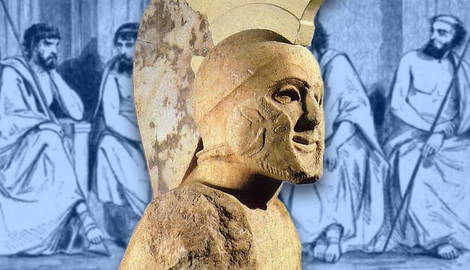
The agoge was the Spartan public upbringing, which boys and men from ages 7 to 29 were required to undergo; only those from the ruling families of the Agiads or the Eurypontids were exempt. The agoge was divided into three separate categories, based on age and training: paides (7-17), paidiskoi (18-19), and hebontes (20-29), and were supervised by a paidonomos (“boy-herdsman”). The main purpose of the agoge was to produce the ideal Spartan citizen and the city’s next generation of elites.
Paides
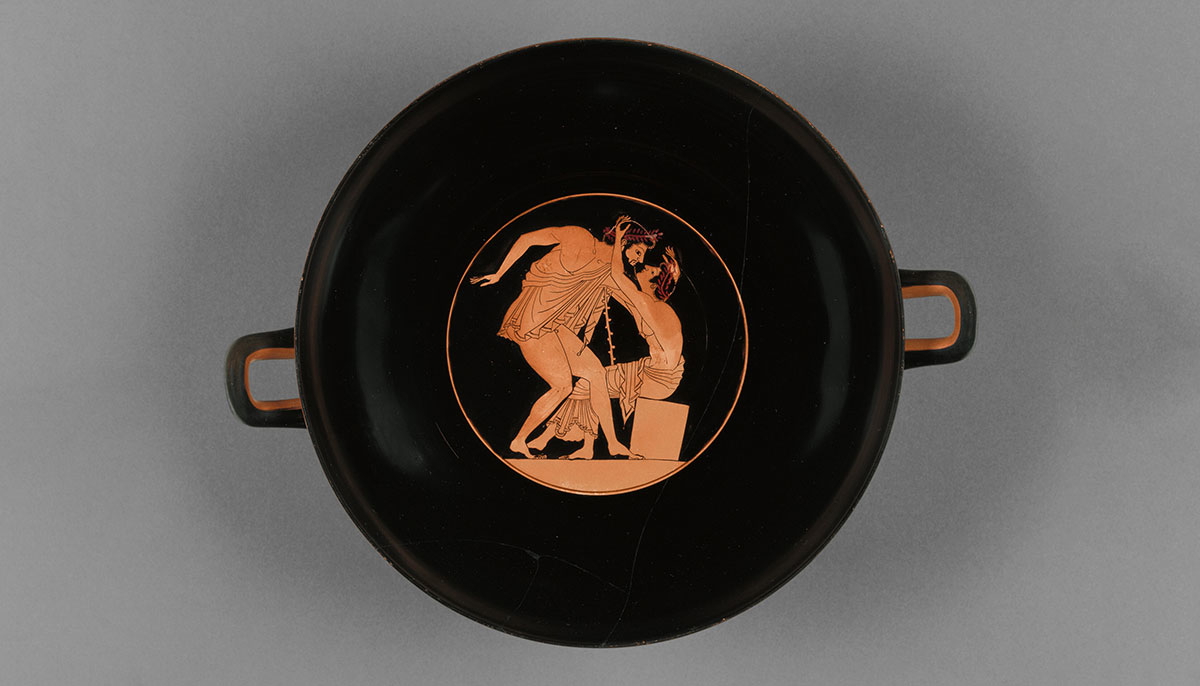
Discussing the agoge in the chapter on Lycurgus in On Sparta, Plutarch writes that once a Spartan boy reached the age of 7, he is taken from his family and distributed into “Troops,” (Plutarch, Lycurgus 16); the word agele, or “herds,” is used, though the Spartan term was boua, or “herd of cattle,” (Talbert, Plutarch’s Lycurgus, 227n52). The boys lived and were brought up together, doing everything as a group. A captain of the group was appointed based on which of the boys possessed the best judgment and the best “fighting spirit.”
The captain would then be responsible for instructing and handing out punishments to the other boys, who always listened to and paid attention to him for the purpose of learning obedience and respect for elders. Reading and writing were taught, but only to the extent that was necessary (Plutarch, Lycurgus 16).
By age 12, Plutarch writes that the boys never wore a tunic and were only given a single cloak per year. The boys slept together and made mattresses for themselves with reeds from the River Eurotas, and during winter mixed thistle-down into the mattresses for warmth (Plutarch, Lycurgus 16). It is also at this age, Plutarch writes, that the boys would be “courted by lovers” from both young men and older men.
This relationship is described by Plutarch as one of Spartan pederasty, in which boys between 12 and 18 enter into a relationship with an older man for the purpose of education or instruction (Plutarch, Lycurgus 16). The effect of the pederastic bond was that the boys would develop personality and skills outside of the communal structure they had been in up until that point (Ducat, Spartan Education, 93).
Plutarch’s wording (“courted by lovers”) implies the relationship was, or could be, an erotic one; Xenophon, on the other hand, states that the erotic aspect of pederasty was outlawed in Sparta (Xenophon, Constitution of the Lacedaimonians, 2.13).
Padiskoi
Once the boys reached 18 years of age, they entered the next stage of the agoge and were considered paidiskoi. The paidiskoi were army reservists, of whom a select group participated in the krypteia (Hornblower & Spawforth, Oxford, 41). In the Constitution of the Lacedaimonians, Xenophon says a schedule of constant work and occupation was imposed on the young men in order to control their “insolence” and “appetite for pleasure” (Xenophon, Constitution, 3.2).
The penalty for avoiding one’s work was “exclusion from all future honors” (Xenophon, Constitution, 3.3), which possibly could have meant exclusion from earning full citizenship. Therefore, the state made sure that not only did the public authorities keep strict watch over the young men, but the young men’s relatives as well.
While physical training was the main part of the agoge, it was not the only part. In order to train modesty, the young men also had to keep their hands in their cloaks, walk in silence, and keep their eyes fixed on the ground. Xenophon compares the boys to a “stone image,” and says that in Sparta, the men possessed more “decorum” than the women due to their training (Xenophon, Constitution, 3.3 and 3.4).
Hebontes
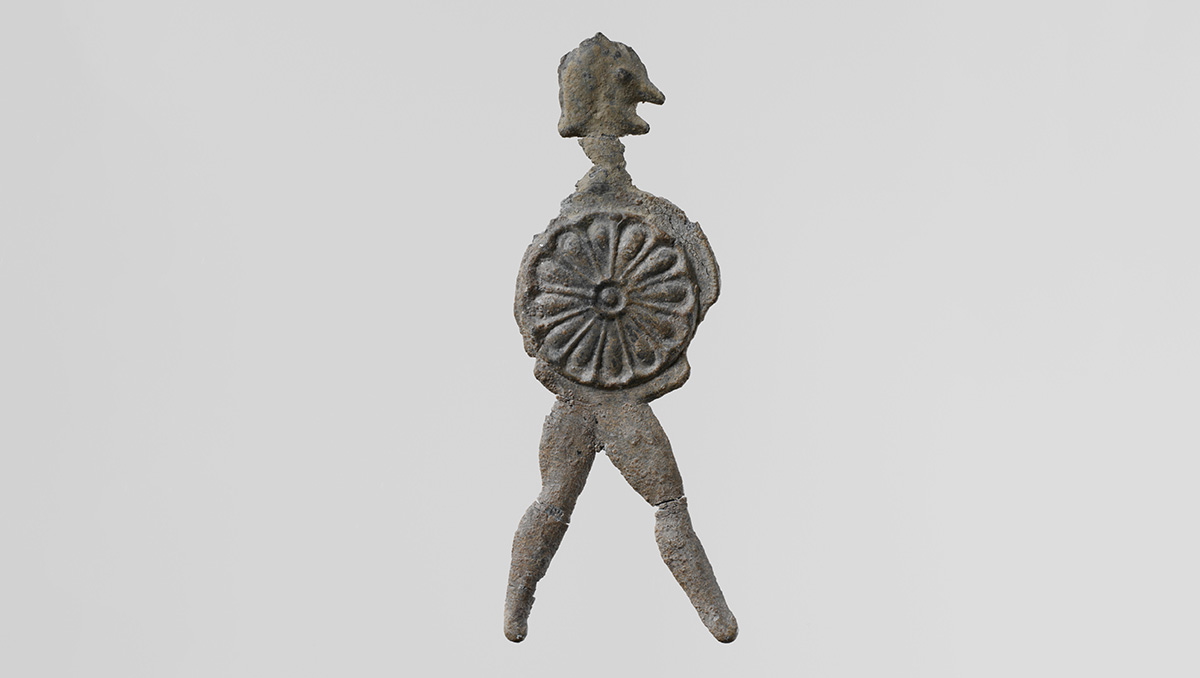
Once they reached 20, the young men of the agoge were considered hebontes (Hornblower & Spawforth, Oxford, 41). They also took on the title of eiren, who were trainers to the younger boys in the agoge. The eiren commanded the rest of the boys in their exercises and fights, and was served food by the boys in his private quarters. He commanded the stronger boys to fetch heavier materials, such as wood, and the weaker ones to fetch vegetables (Plutarch, Lycurgus 17).
Plutarch writes that these materials and foodstuffs were acquired by the boys through stealing so that they may learn cunning and stealth and be able to fend for themselves. The punishment for getting caught stealing was “many lashes of the whip” (Plutarch, Lycurgus 17).
Despite not being a full citizen, the hebontes had certain duties in common with full citizenship, most importantly being able to serve in the army. They typically served in the front ranks of the phalanx, and Xenophon claims that they were the most well-trained soldiers. From their ranks, the hippeis were also chosen (Ducat, Spartan Education, 104).
The hebontes were also able to become members of the syssition (obligatory communal dining for all citizens over the age of 20). Both hebontes and full citizens were subject to the authority of the ephors.
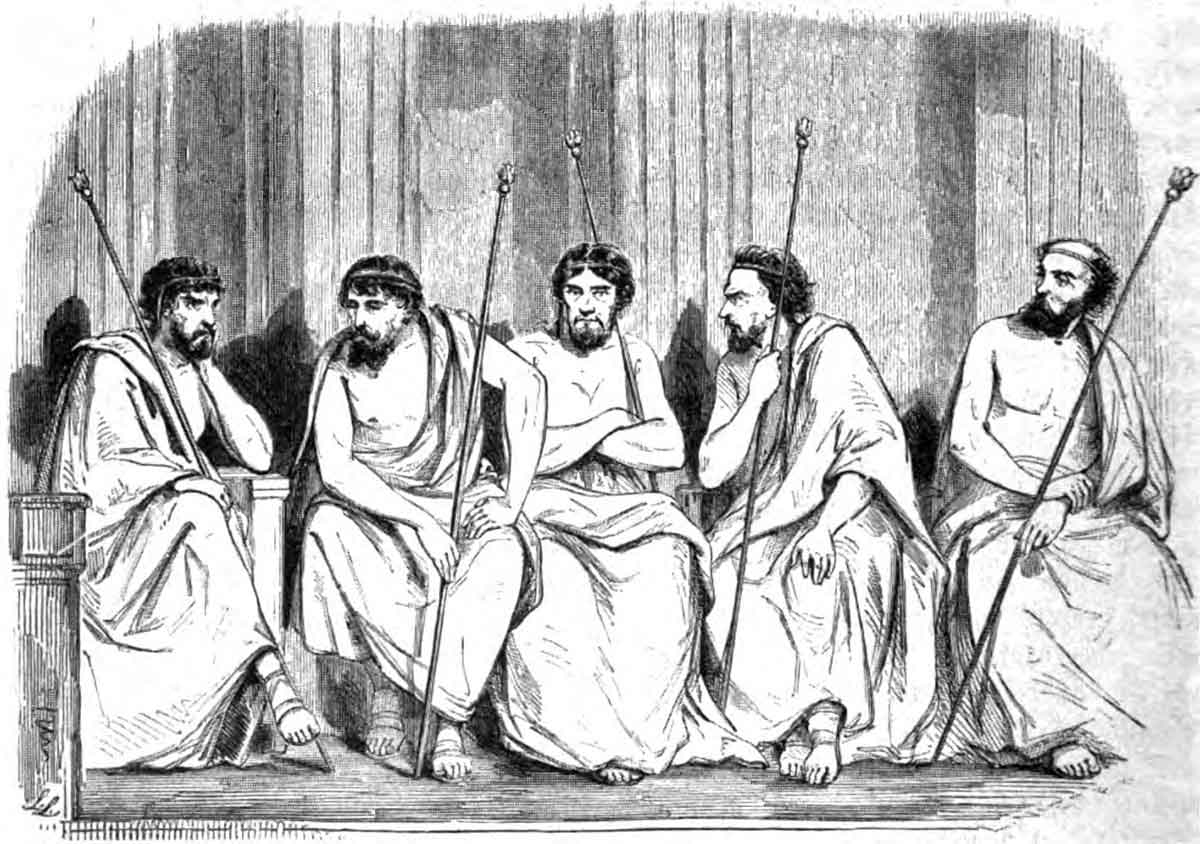
If two hebontes were fighting, they were brought before the ephors, and the matter was resolved then. The hebontes were also subject to examination by the ephors. Every ten days, they had to stand naked in front of the ephors so that the ephors could ensure the hebontes were not eating too much food. Their sleeping arrangements and clothes were also inspected.
Despite being on their way to citizenship, the hebontes still had a ways to go—other citizens were not subject to these examinations, and while they were no longer considered paides (“boys”), they were still considered to be part of the agoge (Ducat, Spartan Education, 104).
Paidonomos
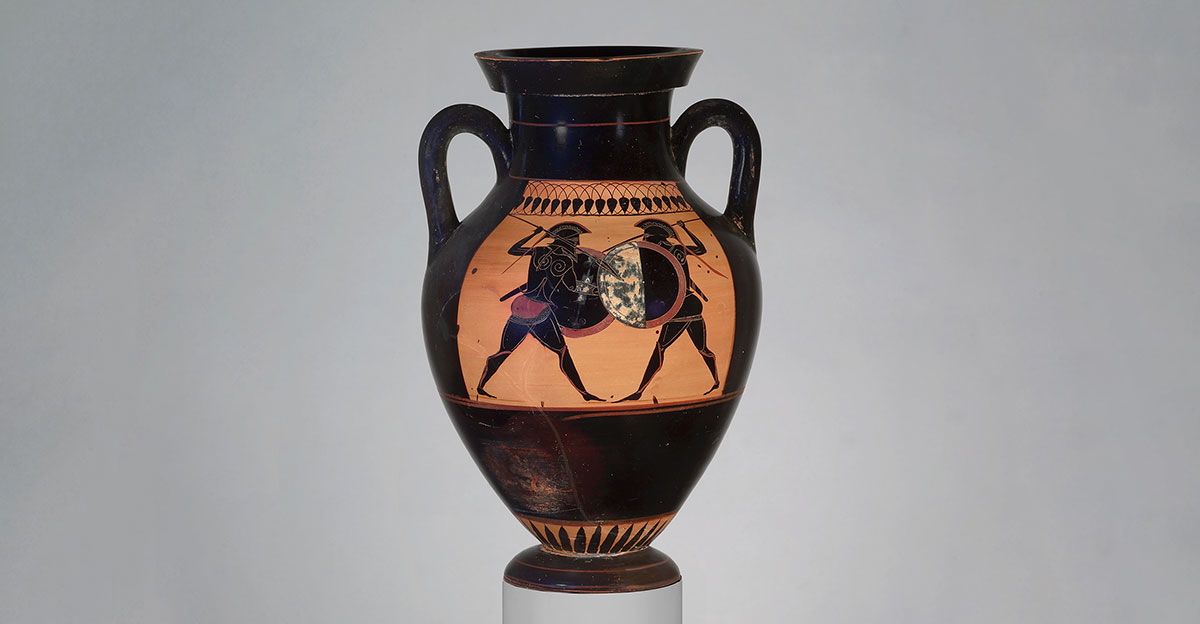
The paidonomos was the magistrate in charge of overseeing the agoge (Ducat, Spartan Education, 159). They were, essentially, the embodiment of the state in the eyes of the students of the agoge. While the paidonomos was a magistrate of the city, he did not really hold much genuine political power. Still, the paidonomos was an extremely important and prestigious role to hold.
The paidonomos was accompanied by two magistophoroi, or “whip-bearers,” who were chosen from the ranks of the hebontes and could hand out punishments to the boys and maintain order if need be, but whose role was likely most often that of an escort to the paidonomos. He was also accompanied by several “pedagogic” assistants in the form of the eiren, the older teenagers who commanded the younger boys in their “troop.”
Any Spartan citizen could also be an assistant to the paidonomos at any time, and therefore could take a hand in the education and discipline of the boys at any time. Even though any citizen could take a role in the education of the boys, the eiren still had a more important role in the boys’ education than any real citizen, despite not being full citizens themselves yet.
Laconism
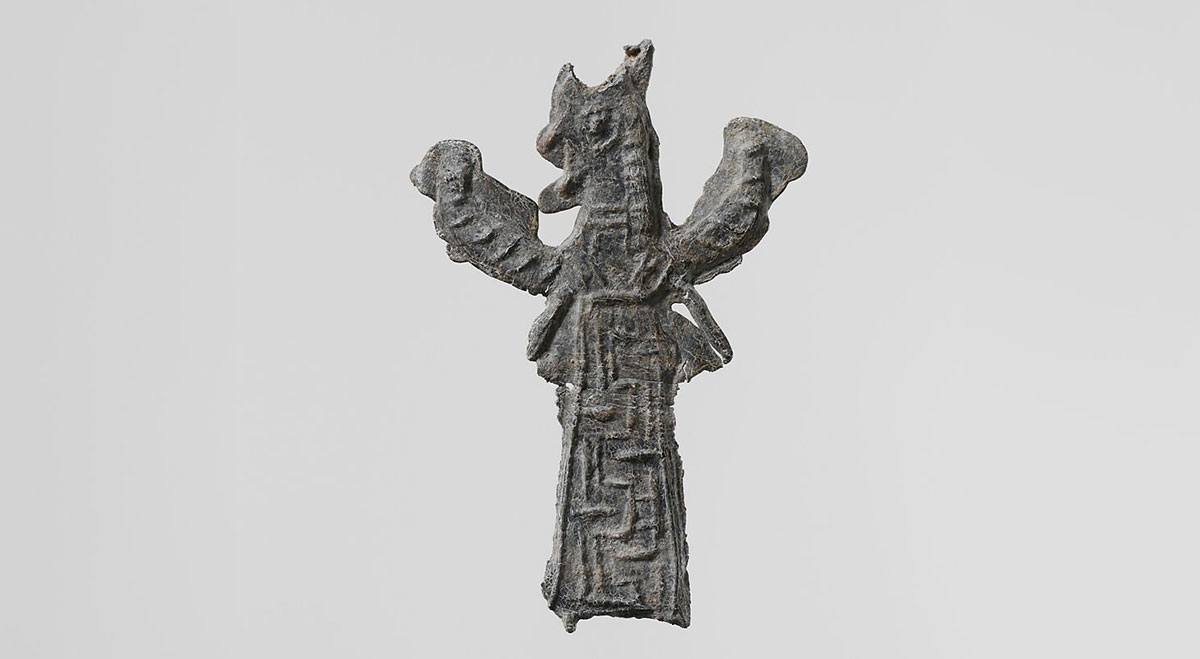
In addition to physical training, the Spartans also trained the boys and young men in speech (Ducat, Spartan Education, 160). From a young age, boys were taught to express themselves in a way so as to get their point across in as few words as possible. This style of speech was known as “Laconism,” referring to Laconia, the region of Greece where Sparta was located.
Plutarch writes that because the boys spent much of their time in silence, they learned to use words efficiently but effectively, expressing many ideas in a short sentence or concise remark (Plutarch, Lycurgus 19).
Mocking and joking with other boys was also an important aspect of the boys’ training in speech, both being able to mock other boys with short, brief remarks as well as taking other boys’ remarks in their stride.
Laconism was something that was taught to Spartan boys, not simply inherited. It was the product of a long and deliberate apprenticeship in the agoge to teach the boys and young men this style of speech (Ducat, Spartan Education, 121).
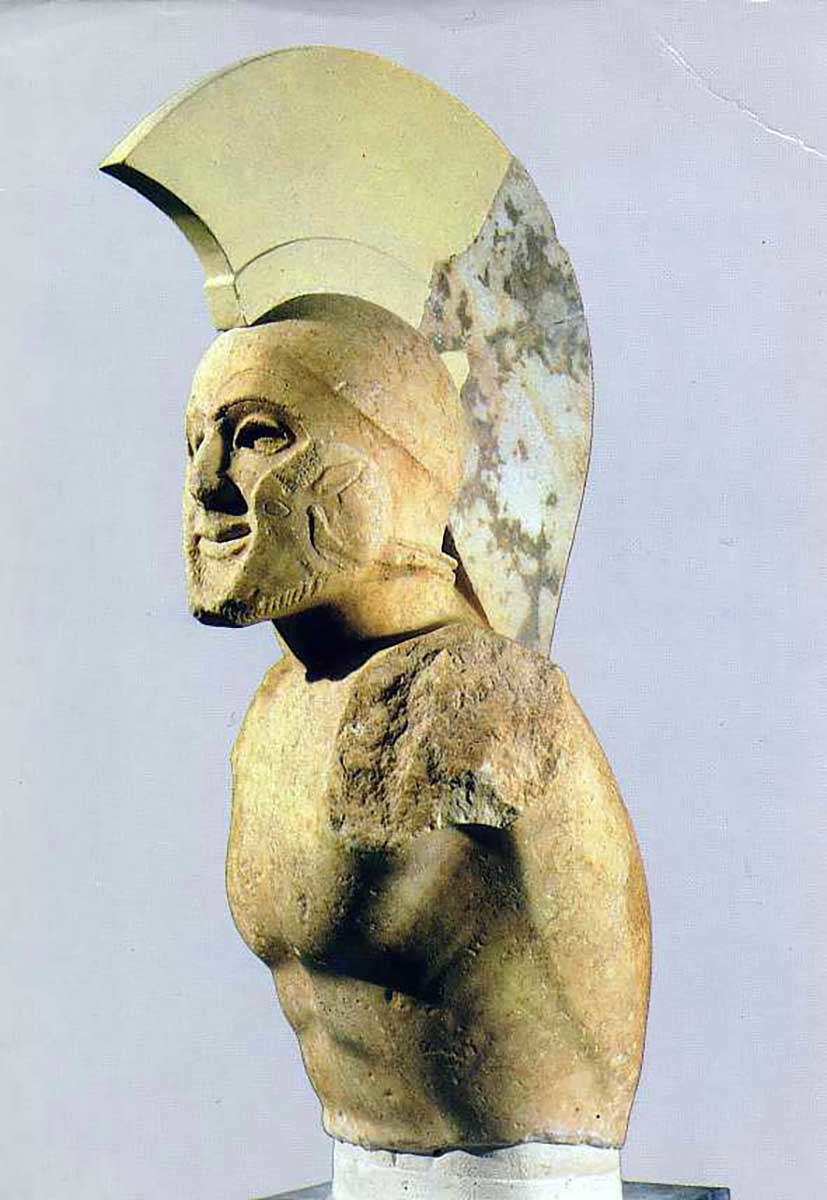
What lay at the heart of laconism was the opposition between speech and action, for the Spartans believed that prolonged speech impeded one’s actions. Speech, for the Spartans, was ideally a type of action. A discussion or disagreement is a type of combat, and the victory goes not to the one who says the most, but the one who reduces the other person to silence (Ducat, Spartan Education, 122).
Purpose
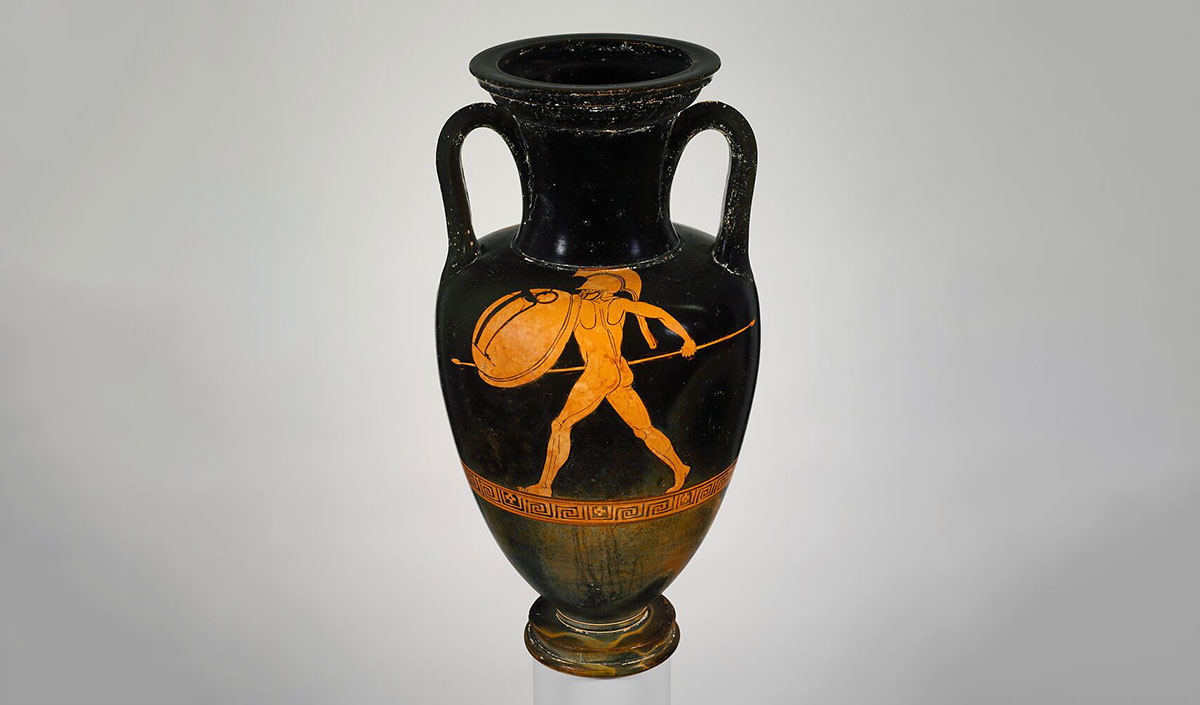
Jean Ducat, in his work Spartan Education: Youth and Society in the Classical Period, argues that one of the main purposes (though not the only) of the agoge was to instill boys with qualities that made for a good soldier. According to Ducat, all Greek writers of Classical Greece recognized the agoge as something which instilled these particular martial qualities in young Spartans: physical strength (especially endurance), discipline, responsibility to his unit as a whole, honor, and loyalty to his city (Ducat, Spartan Education, 144).
While important, preparation for war and the making of good soldiers were only one of the goals of the agoge. The overall purpose of the agoge was to produce and find the city’s next generation of elites, and to mold the young Spartans into the ideal citizens. War was only one of the activities of the ideal Spartan citizen.
A Spartan citizen was expected to play a very active role in the public affairs of the city, and in order to do so, he must learn the qualities necessary to be able to function as an ephor or member of the Gerousia. He would also need to know what qualities to look for when electing other city officials.
The fact that the agoge was mandatory, state-run, and emphasized communal obligation gives weight to the idea that its main purpose was to produce the ideal Spartan citizen and to pick out future elites of the city.
Works Cited
Ducat, J. D. (2006). Spartan Education: Youth and Society in the Classical Period (E. Stafford, P. J. Shaw, & A. Powell, Trans.) [PDF]. The Classical Press of Wales. https://dokumen.pub/spartan-education-youth-and-society-in-the-classical-period-1910589535-9781910589533.html
Hornblower, S., & Spawforth, A. (Eds.). (1999). Agoge. Retrieved October 23, 2025, from https://ia902909.us.archive.org/2/items/hornblower-simon-spawforth-antony-the-oxford-classical-dictionary-1999/HORNBLOWER%2C%20Simon%3B%20SPAWFORTH%2C%20Antony%20-%20The%20Oxford%20Classical%20Dictionary%20%5B1999%5D.pdf
Plutarch. (2005). On Sparta (R. Talbert, Trans.). Penguin Books.
Xenophon, Constitution of the Lacedaimonians (E. C. Marchant & G. W. Bowersock, Trans.). (1925). [Accessed online.]. Harvard University Press. https://www.perseus.tufts.edu/hopper/text?doc=Perseus%3Atext%3A1999.01.0210%3Atext%3DConst.+Lac.%3Achapter%3D1%3Asection%3D1