
One of the prevailing images of the Old West is a picture of an enclosed wagon, pulled by four horses, arriving at an old-style frontier hotel with a well-dressed lady or gentleman exiting. Known as a stagecoach, they were one of the primary forms of long-distance transportation both before the railroads and into areas which had not yet been reached by the railroads.
Why the First Stagecoaches Transformed Travel in the Old West
Stagecoach routes began in the Americas in the mid-1700s as the towns grew in the colonies. As the United States pushed west and made further settlements, stagecoach lines grew to meet the demands of travelers. The US Mail was also a major customer of stagecoach lines, which provided a fast way to deliver mail across the continent. Improving technology and construction of stagecoaches, such as the Concord Stagecoach, increased the speed and usefulness of the system.
Why the Legendary Concord Stagecoach Revolutionized Frontier Travel
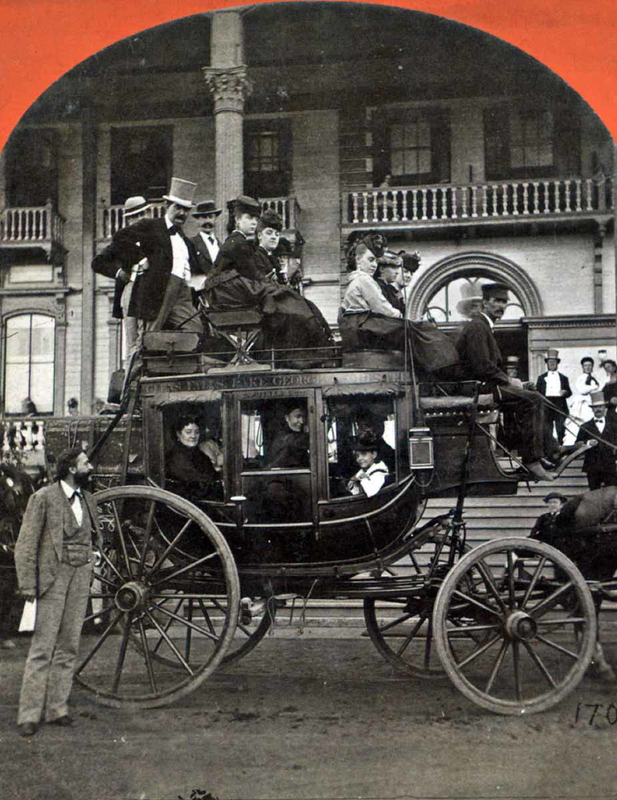
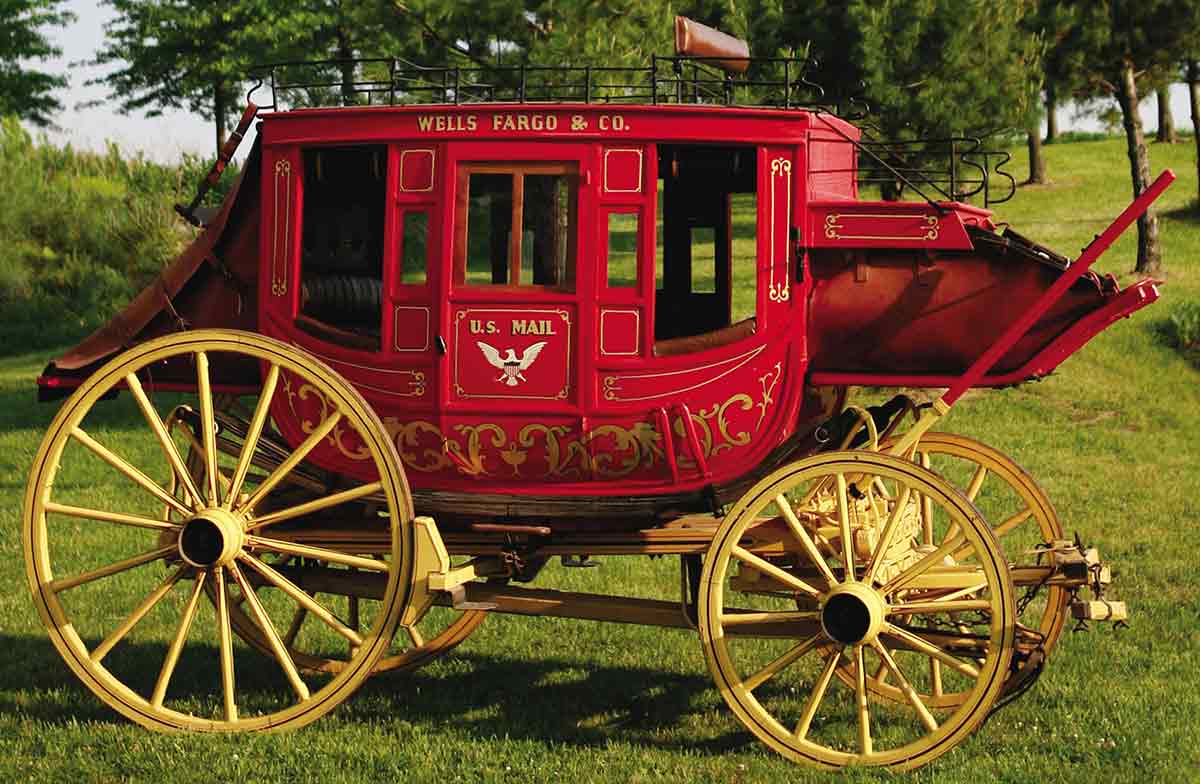
When an American pictures a stagecoach, the Concord Stagecoach is probably the one that comes to mind. The Concord Coach, developed in 1827 by the Abbot-Downing Company in Concord, New Hampshire, was a heavy coach, weighing over a ton, which used a particular leather-strap thoroughbrace suspension that made riding at least tolerable over long distances on bad roads. The coaches were ornate and large, with large wheels, and the design was used for over seventy years.
How Fast Could an Old West Stagecoach Actually Travel?
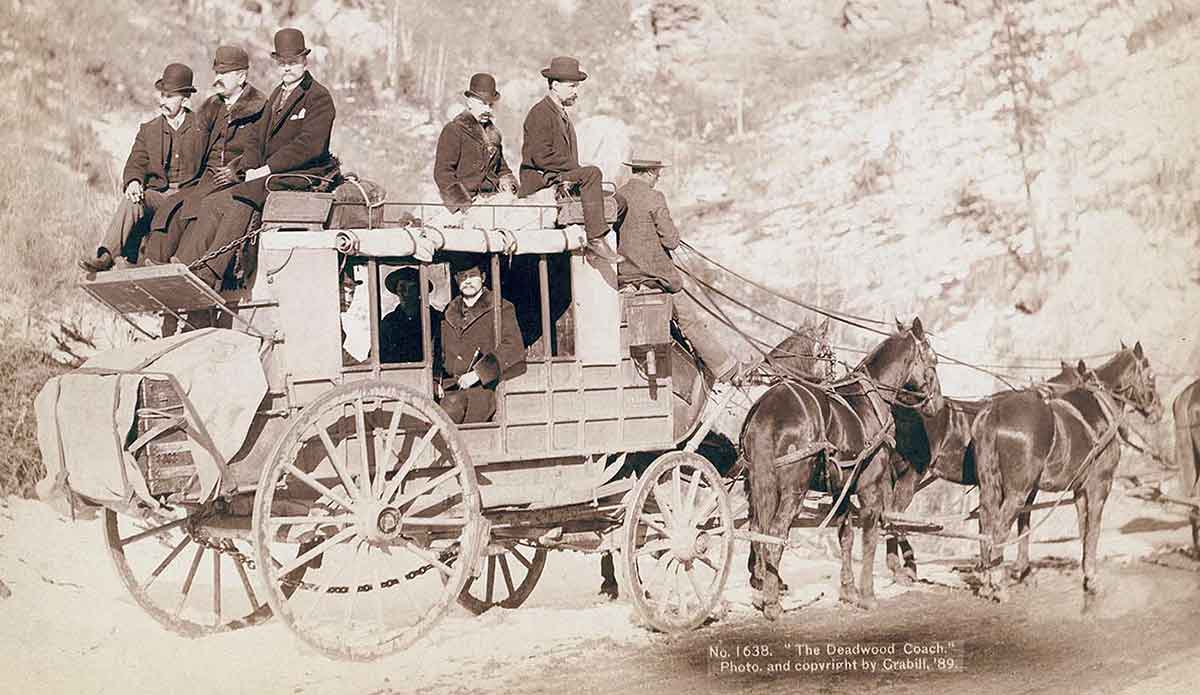
Stagecoach travel varied from 5-9 miles per hour, depending on road and weather conditions, and the condition and type of stagecoach. With enough horse changes, a coach could travel about 70-100 miles in a day for a 12-hour ride.
How Wells Fargo Monopolized the Frontier Stagecoach Industry
Wells Fargo & Company was a business specializing in finance, communications, and transportation, supplying the West with all 3 services in a near-monopoly following the Panic of 1855. Wells Fargo was able to consolidate almost the entire mail delivery system in the Old West by 1866, as well as a majority of stagecoaches, imprinting their name on the collective imagination of Americans for generations.
The End of the American Stagecoach Era
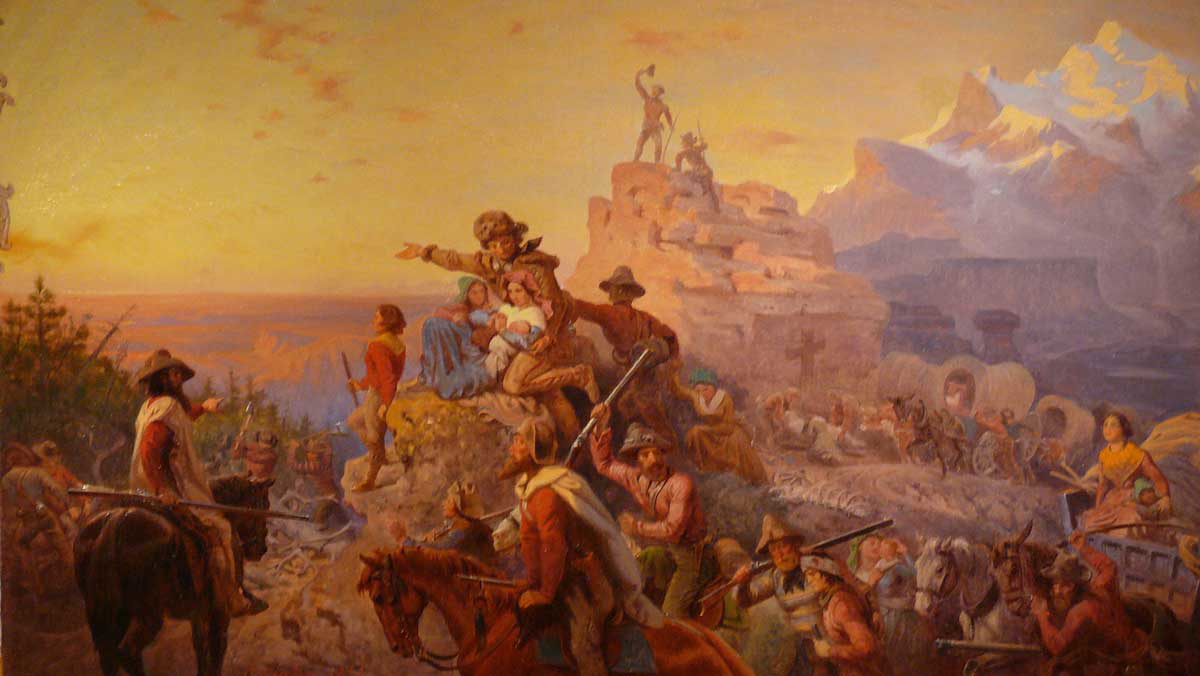
The beginning of the end of the stagecoach began in 1861 with the development of the transcontinental telegraph lines and the ability to send messages instantaneously, vastly reducing the need for overland long-distance mail delivery. Upon the completion of the transcontinental railway in 1869, which connected San Francisco to Council Bluffs, Iowa, where the eastern US railway system terminated, the stagecoach effectively became obsolete outside of a few specific uses. Stagecoach travel was significantly more expensive and slower than rail travel, sometimes costing up to ten times the amount, and was more uncomfortable and dirtier than enclosed rail cars. Stagecoaches would still be used to some extent until the automobile became affordable and in wider use in the early 1900s.
How Did Frontier Stagecoaches Give Us the Phrase “Riding Shotgun?”
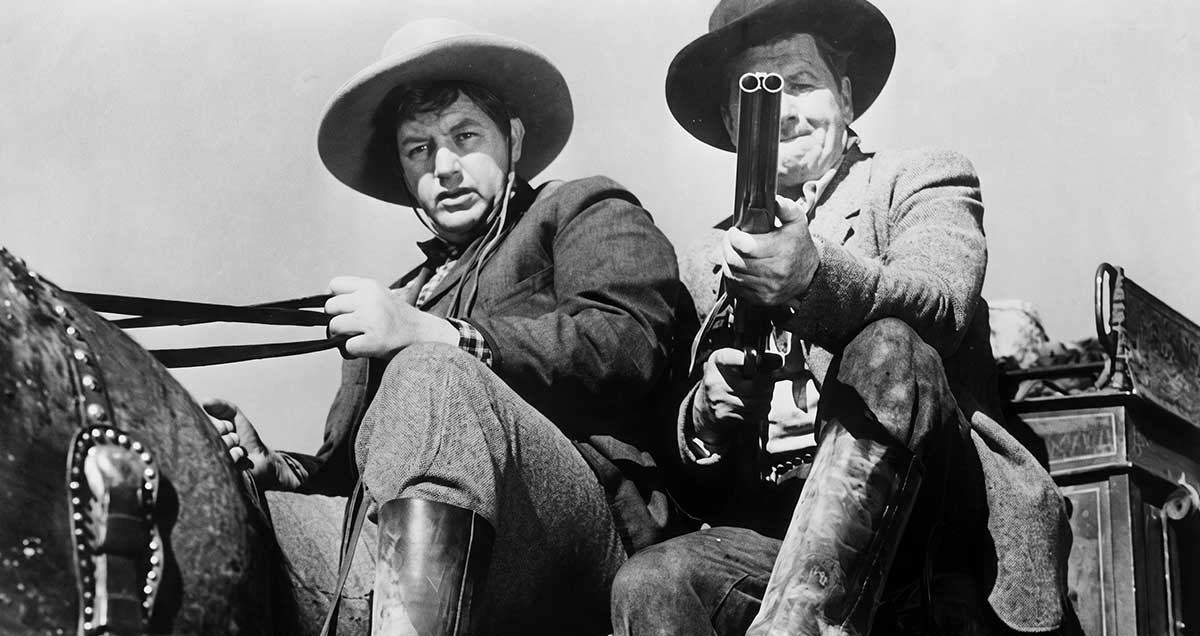
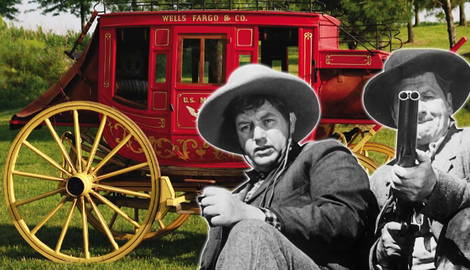
A couple of modern terms have made their way into modern American slang from stagecoach usage. “Hangers-on” referred to the stagecoach riders who clung to the outside of the coach during travel, unable to afford the more expensive interior seats. “Riding shotgun” derives from the position the stagecoach guard rode next to the driver, often carrying a shotgun for protection.
The Surprising Truth About Wild West Stagecoach Robberies
Stagecoaches were commonly used to move money and valuables across the country until the railroads took over. While the stagecoach robbery is a common subject in westerns, only about 450 robberies occurred among the thousands of stagecoach trips in the Old West. With stagecoaches being easy targets, Wells Fargo and other companies took measures to ensure the safe transport of both passengers and cargo.