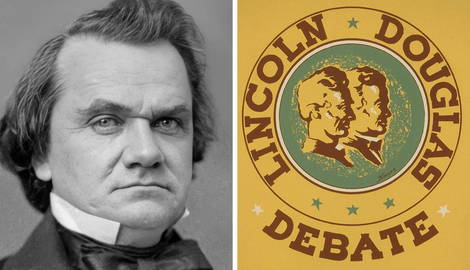
Stephen Douglas was one of the most influential politicians of the 1800s. Nicknamed “the Little Giant” for his below-average height but ability to command a room, he rose from poverty to become a national figure in the 1850s. From championing popular sovereignty to debating Abraham Lincoln and running for president, Douglas was a major figure in the most turbulent time of the 19th century in America. Though his legacy is debated, especially on the issue of slavery, there is no denying the impact Douglas had on American history.
Early Life
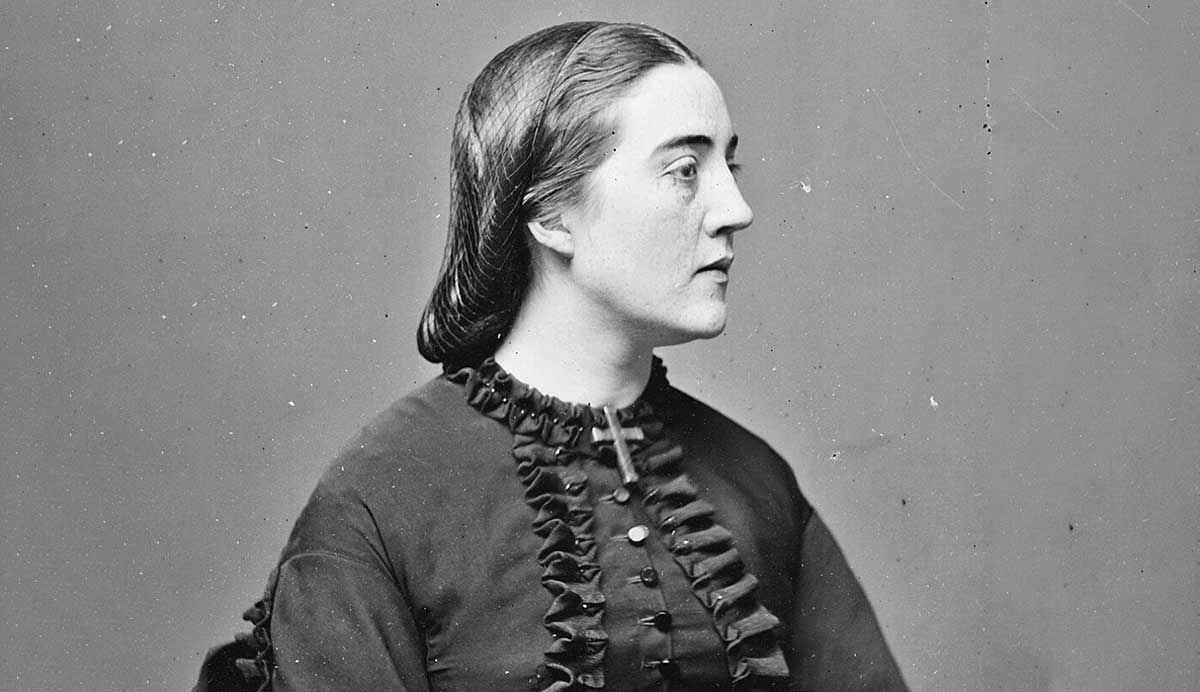
Much akin to the man he would later debate in 1858 for the Illinois senate seat, Douglas’s childhood was stricken by poverty. Born April 23, 1813, Douglas spent his childhood in Vermont. After his father died when he was young, his family struggled to make ends meet.
The young Douglas was forced to help provide for his mother and siblings. Douglas apprenticed as a cabinetmaker, working long hours, carving wood just to help put food on the table. Learning a trade, such as carpentry, was a way to ensure an easy life, but Douglas showed at an early age he was destined for far greater endeavors. He studied law on his own and eventually moved west to Illinois. It was there that he found his true calling in life: politics. Douglas stood out for a variety of reasons.
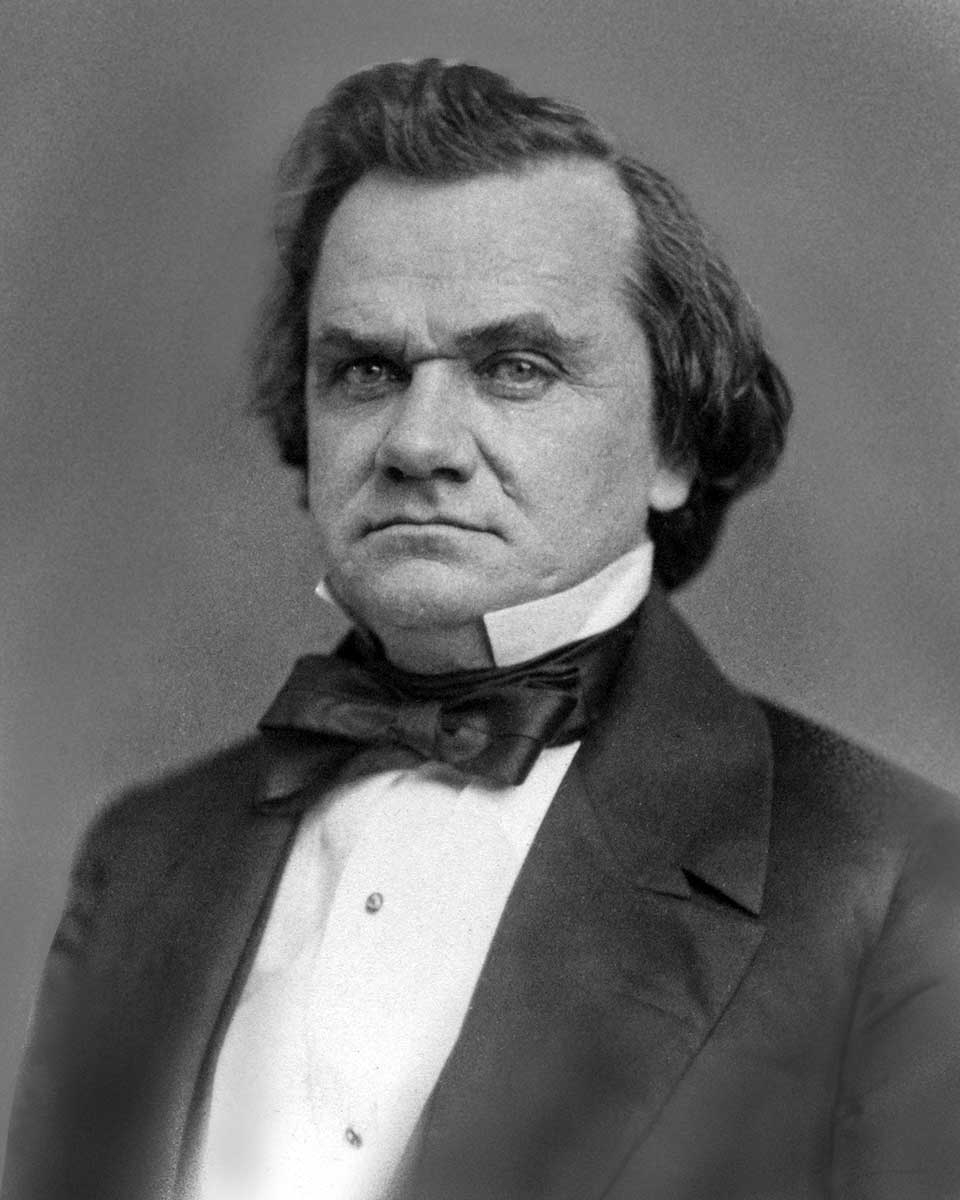
Most politicians at the time came from wealth, Douglas, however, did not. His background gave him a connection with more voters, something his counterparts lacked. He, too, was physically prominent. Douglas stood a mere five feet four inches tall, three inches shorter than the average adult male in the 1850s.
What Douglas lacked in height, he made up for in wit. He earned the nickname “the Little Giant” because of how commanding he was in political debates. By the time he was in his 30s, Douglas had become one of the most powerful politicians in the country, serving in both the House of Representatives and the Senate. As the country plunged towards Civil War, Douglas became a central political figure in the Democratic Party.
Popular Sovereignty
Slavery had been a persistent issue in American politics since the deliberation of the Constitution. Thomas Jefferson, the man who once declared all men were created equal, referred to slavery as akin to “holding a wolf by the ears, you do not like it but you dare not let it go.”
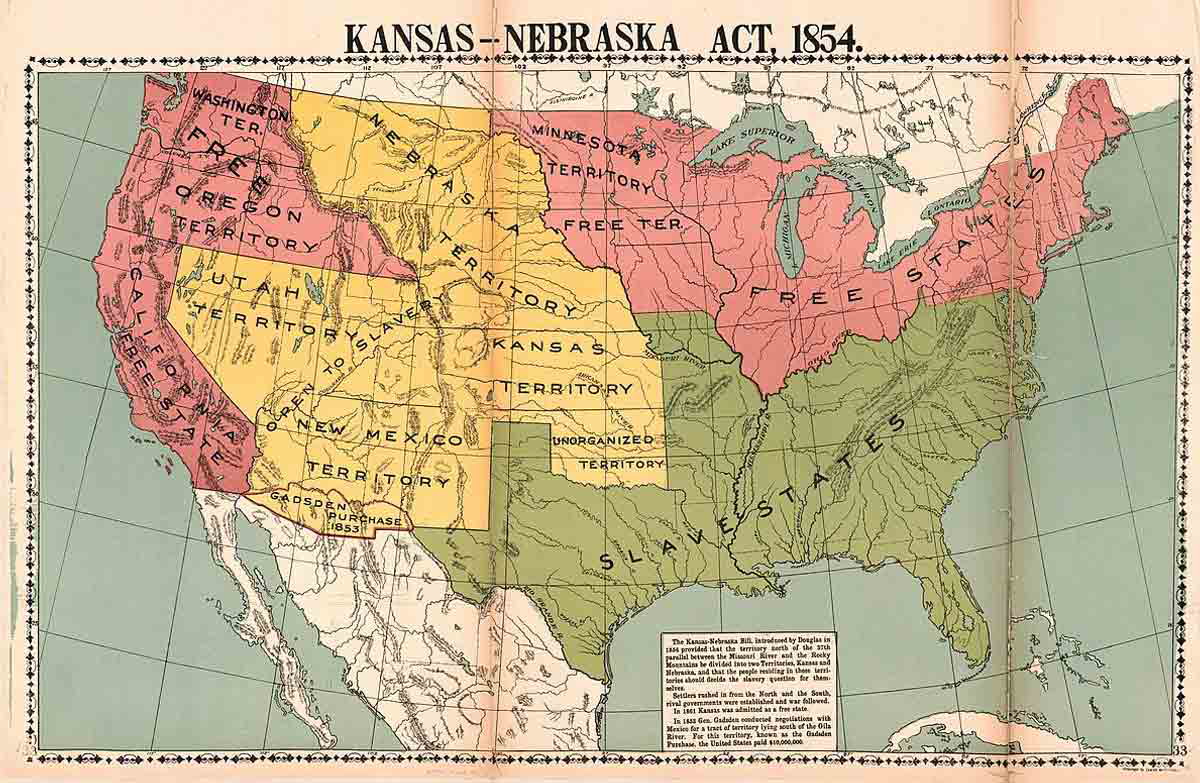
As tensions over slavery continued to grow in the 1850s, with new territories applying for statehood, Stephen Douglas offered what he thought was a compromise over the issue of slavery in these newly adopted states. He pushed for a policy called “popular sovereignty,” which meant that people living in a territory, not Congress, should decide for themselves whether to allow slavery. To Douglas, this was a way to avoid conflict and keep the country together. He believed that the locals should decide for themselves if they wish to allow slavery, not the federal government.
The idea was popular among some, especially those who didn’t want the federal government dictating state affairs. But it quickly became one of the most controversial ideas of the decade. When Douglas helped pass the Kansas-Nebraska Act in 1854, allowing slavery to potentially spread into new territories, violence broke out. “Bleeding Kansas” became a symbol of how Douglas’s compromise only deepened the divide. Northerners accused him of enabling the expansion of slavery, while Southerners questioned his loyalty when he later opposed the Dred Scott decision. His choice to champion such a controversial policy would cost him the biggest political office of his career.
1858 Illinois Midterm
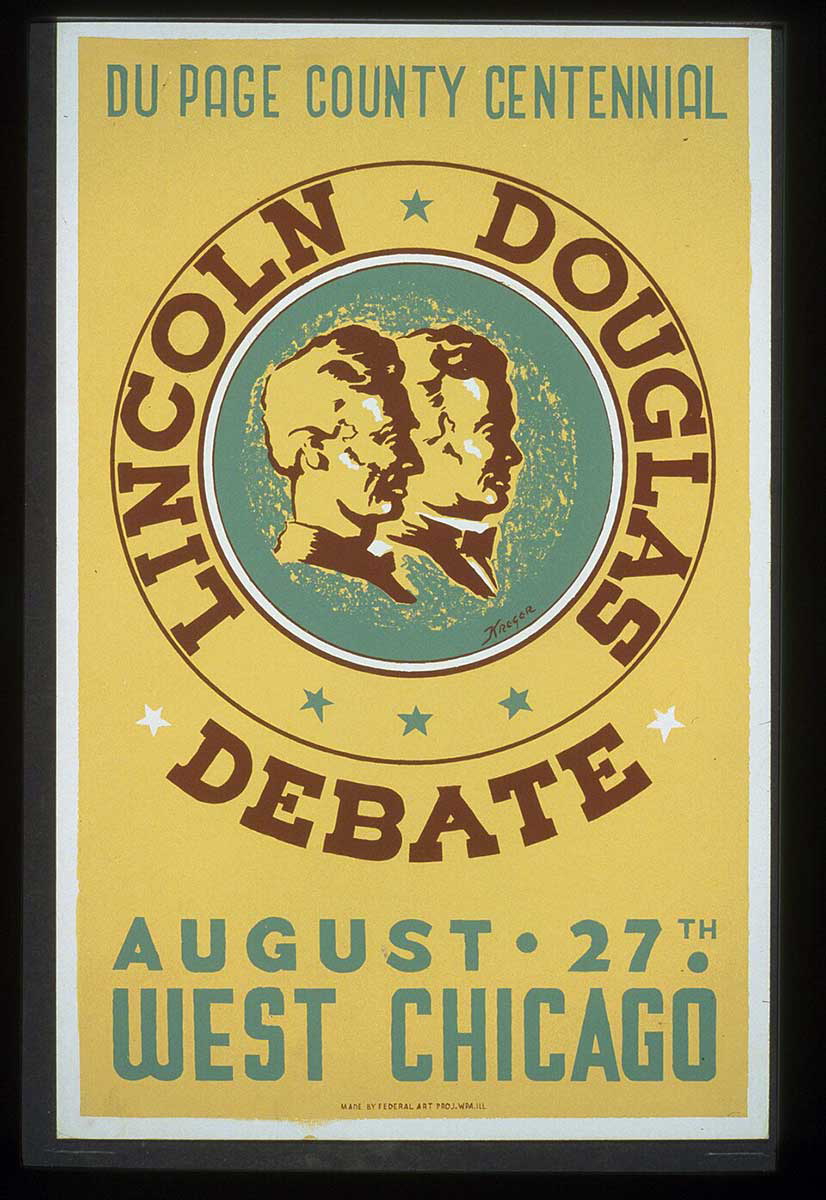
In 1858, Stephen Douglas faced off against Abraham Lincoln in a series of debates for the vacant Illinois Federal Senate seat. Lincoln was the lesser-known of the two. To win, Lincoln knew he needed to challenge Douglas directly on the debate stage. Despite not needing to accept Lincoln’s proposal, Douglas took the bait.
Over seven debates across the state, Douglas and Lincoln laid out their visions for the future of the country. Douglas defended popular sovereignty and warned that Lincoln’s views on slavery would divide the country ever more. Lincoln, however, insisted that slavery was morally wrong but that he did not wish to end the institution where it already existed, merely to stop its expansion. The debates drew massive crowds and were covered extensively in newspapers across the country. Though Douglas won the Senate seat, Lincoln gained national fame and became the face of the newly formed Republican Party, setting the stage for the Presidential election of 1860.
Presidential Election of 1860
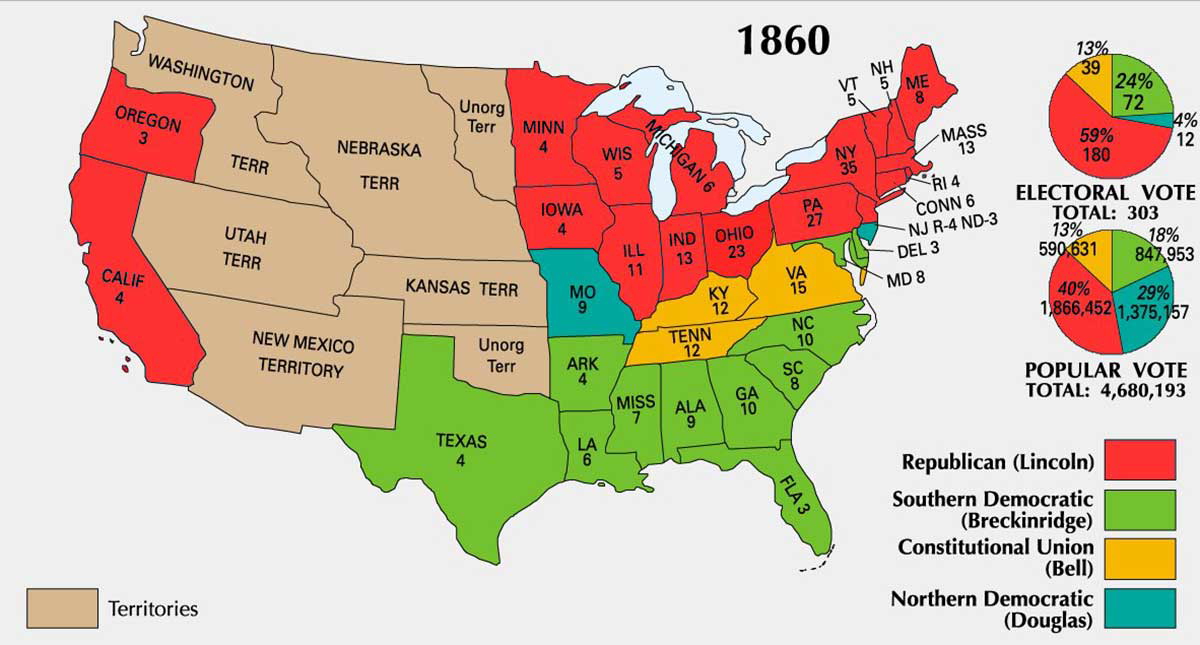
Two years after their famous Senate debates, Stephen Douglas and Abraham Lincoln found themselves facing off again, this time for the presidency. But the 1860 election was more than just a rematch. It was a four-way race that exposed the deep division in the United States. Douglas was poised to be the Democratic nominee for President. However, his unwillingness to denounce popular sovereignty alienated many Southern Democrats.
The division within the party was vast enough that two Democrats would run that year. Douglas ran as the Northern Democratic candidate, while Southern Democrats chose John C. Breckinridge. Lincoln represented the new Republican Party, and former Whigs who had not joined the Republican Party backed John Bell of the Constitutional Unionist Party.
Douglas faced an uphill battle. He knew that division in one party often doomed both candidates. He campaigned harder than any other candidate, traveling across the country to speak directly to voters. But his message of compromise failed to excite a nation that had mostly resigned itself to civil war. Lincoln won the presidency with a majority of the electoral vote, despite not gaining a single vote in the South. The Southern Democrat, John C. Breckenridge, came in second. Douglas, the once fast-rising star of the Democratic Party, only won one state: Missouri.
The Union Foreverc
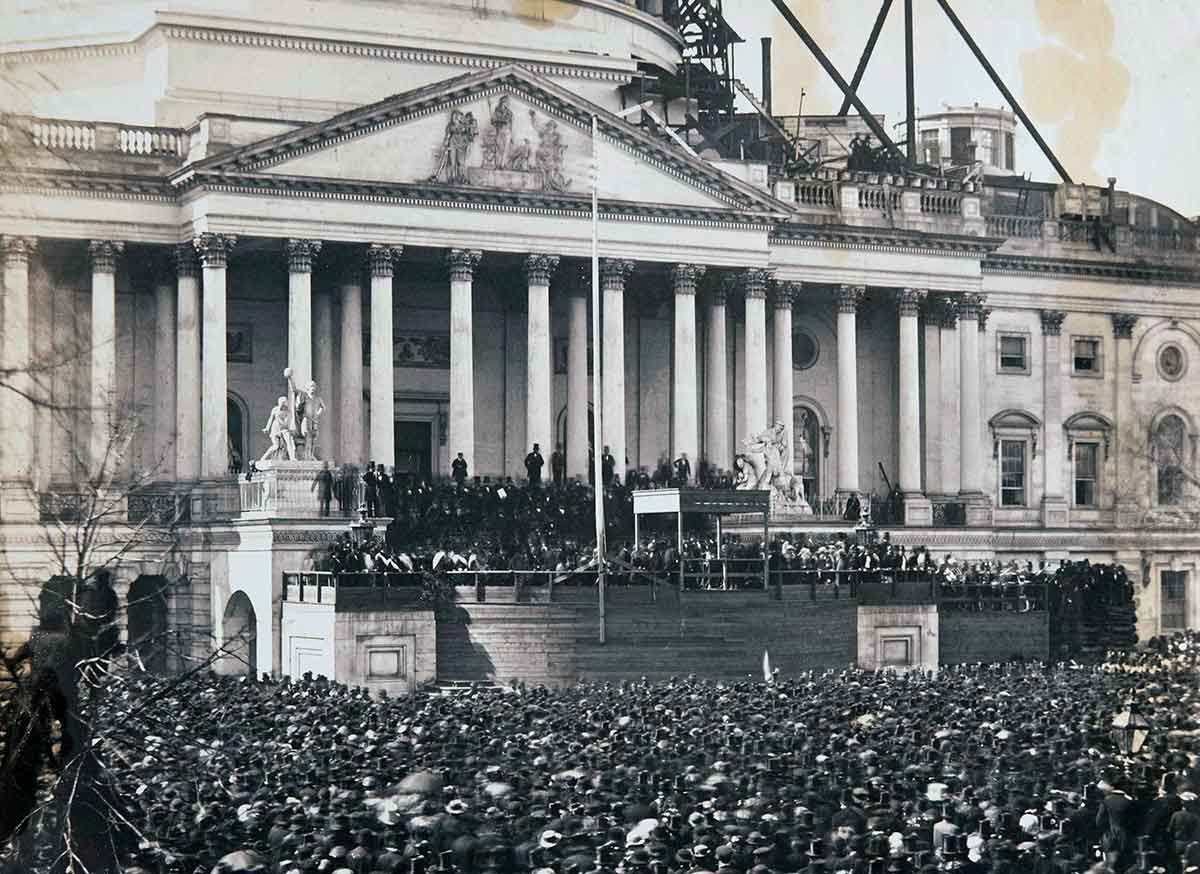
Even after losing the 1860 election, Stephen Douglas didn’t retreat from the national spotlight. In fact, he may have done his most important work in those final months of his life. As Southern states began to secede from the Union, first with South Carolina and Mississippi, Douglas spoke out against secession. He put politics aside and supported Abraham Lincoln, his former rival, attending his inauguration and calling on Americans to stand behind the newly elected president.
Douglas traveled across the country delivering speeches urging unity and warning against civil war. In one speech, he famously said, “There can be no neutrals in this war, only patriots and traitors.”
Despite his efforts, unfortunately, he didn’t live to see how the war would unfold. Douglas died in June 1861, just months after the first shots were fired at Fort Sumter in South Carolina. But in his final days, he made his position clear: whatever differences he had with Lincoln, the Union came first.
An Early Death
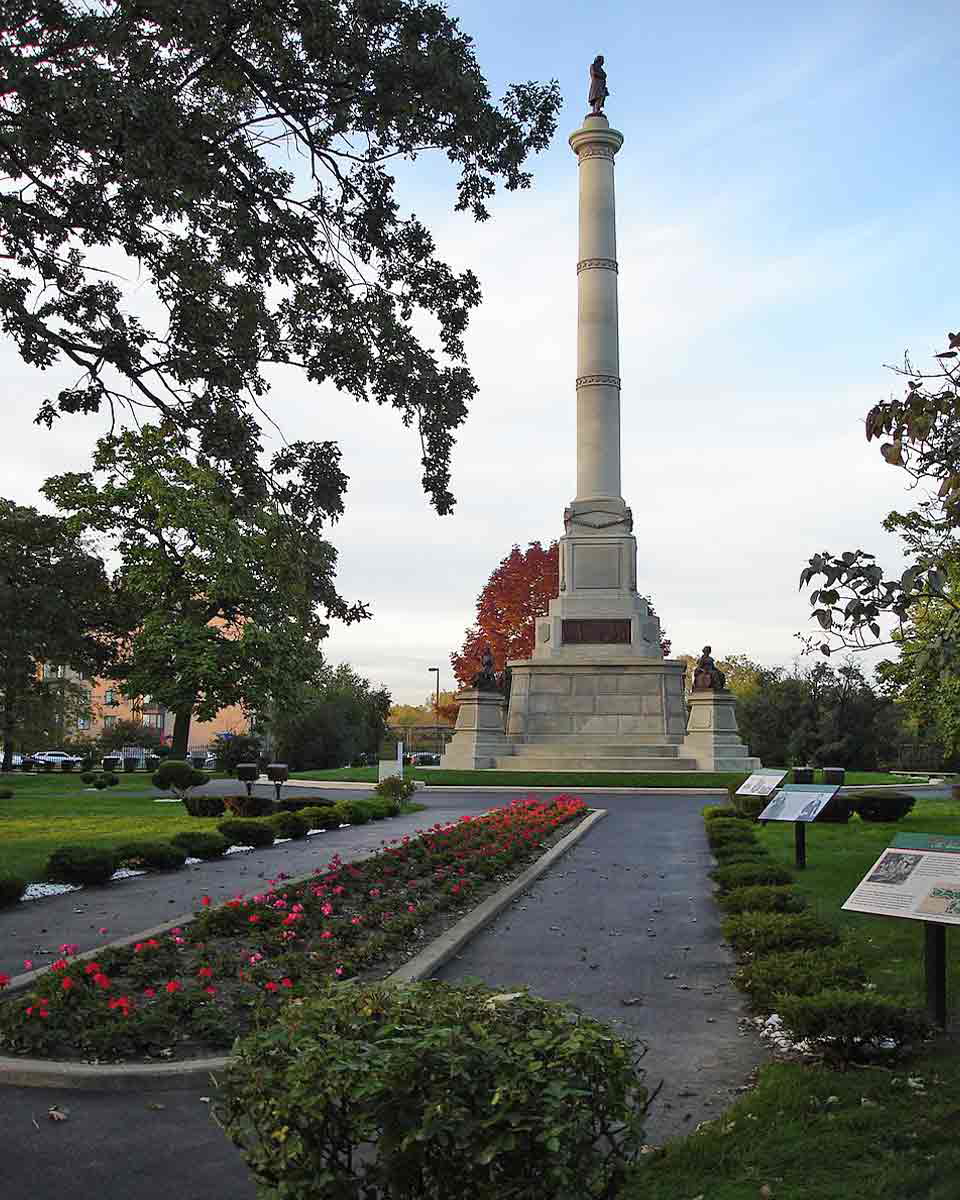
Stephen Douglas passed away on June 3, 1861, at the age of 48. His death came just weeks after the Civil War officially began. Despite being in poor health, Douglas had spent the last months of his life speaking out in defense of the Union, warning Americans that the time for compromise had passed. He died of typhoid fever in Chicago, after months of a stressful speaking tour that likely weakened his immune system.
Douglas had been one of the most influential voices in American politics for nearly two decades. His name had once carried the weight of a presidential contender, a Senate leader, and a key figure in the nation’s most heated debates. While his political positions, especially on slavery, remain controversial, Douglas’s final message of unity and loyalty to the Union left a lasting impression. After his death, even his political rivals, such as Lincoln, acknowledged his commitment to the country.
Legacy
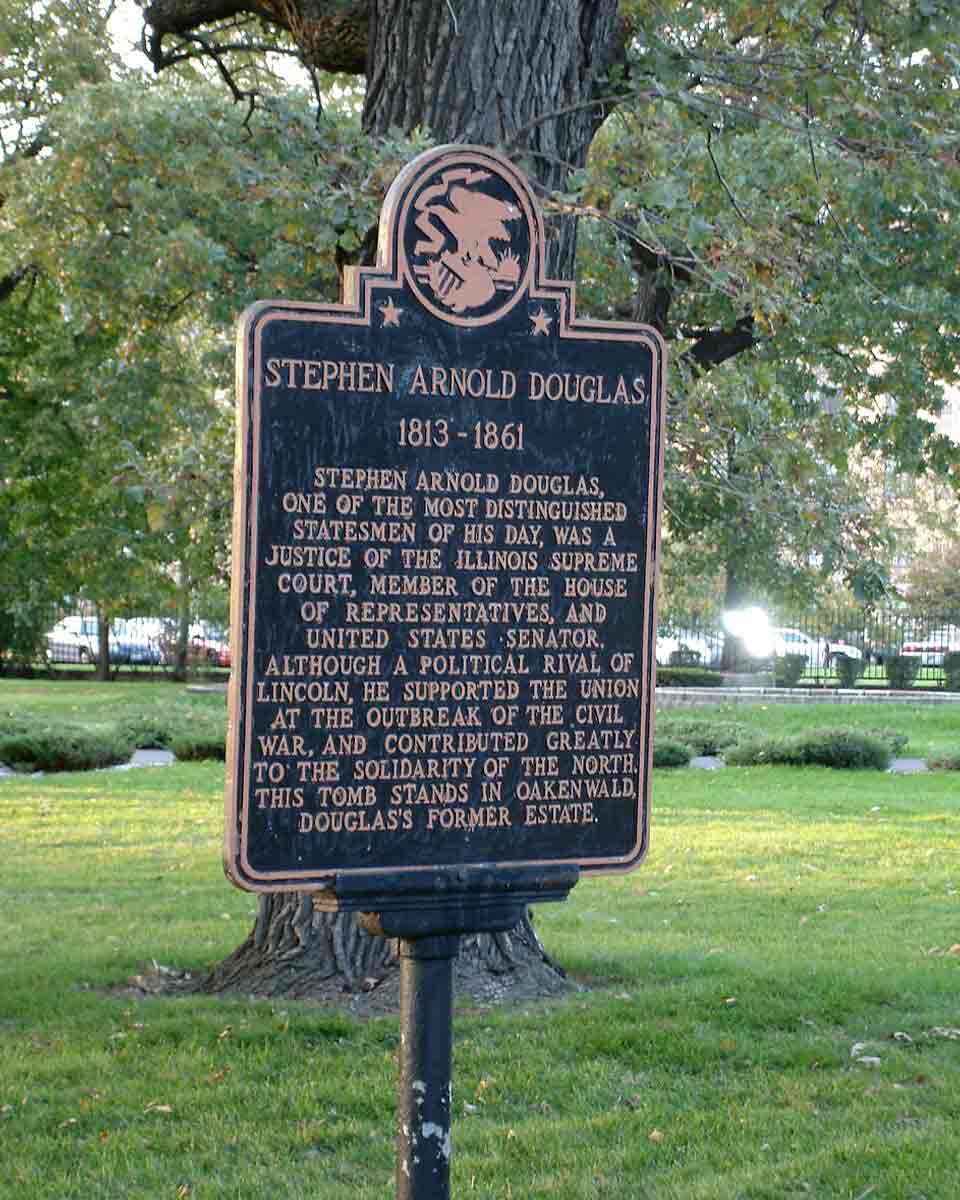
Stephen Douglas remains one of the most complicated figures of 19th-century American politics. On the one hand, he was a fierce Unionist who rejected secession and stood behind Abraham Lincoln in the face of civil war. On the other hand, his touting of popular sovereignty is credited by many as further increasing sectional tensions that led to the war in the first place. What is clear is that he had a huge influence on the events that shaped the nation. His debates with Lincoln helped give Lincoln the platform that would carry him to the presidency, ultimately keeping the Union together.
While Douglas didn’t live to see how the war ended or how the country would change, his imprint on American politics was lasting and undeniable.