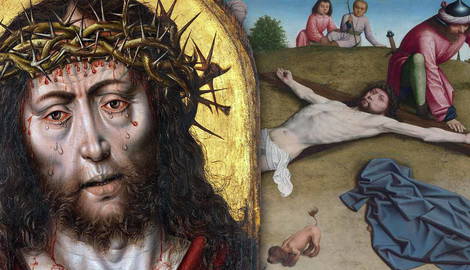
The Book of Isaiah presents several passages about a suffering servant. The fourth and lengthiest begins in verse 13 of the 52nd chapter and ends with the 12th verse of chapter 53. Most scholars refer to the entire section as Isaiah 53 for the sake of simplicity. Jews today consider the nation of Israel to be the suffering servant, while Christians believe the passage is a prophecy describing Jesus Christ as the Messiah who came to Earth as God Incarnate to die in atonement for people’s sins.
Date and Authorship of the Book of Isaiah
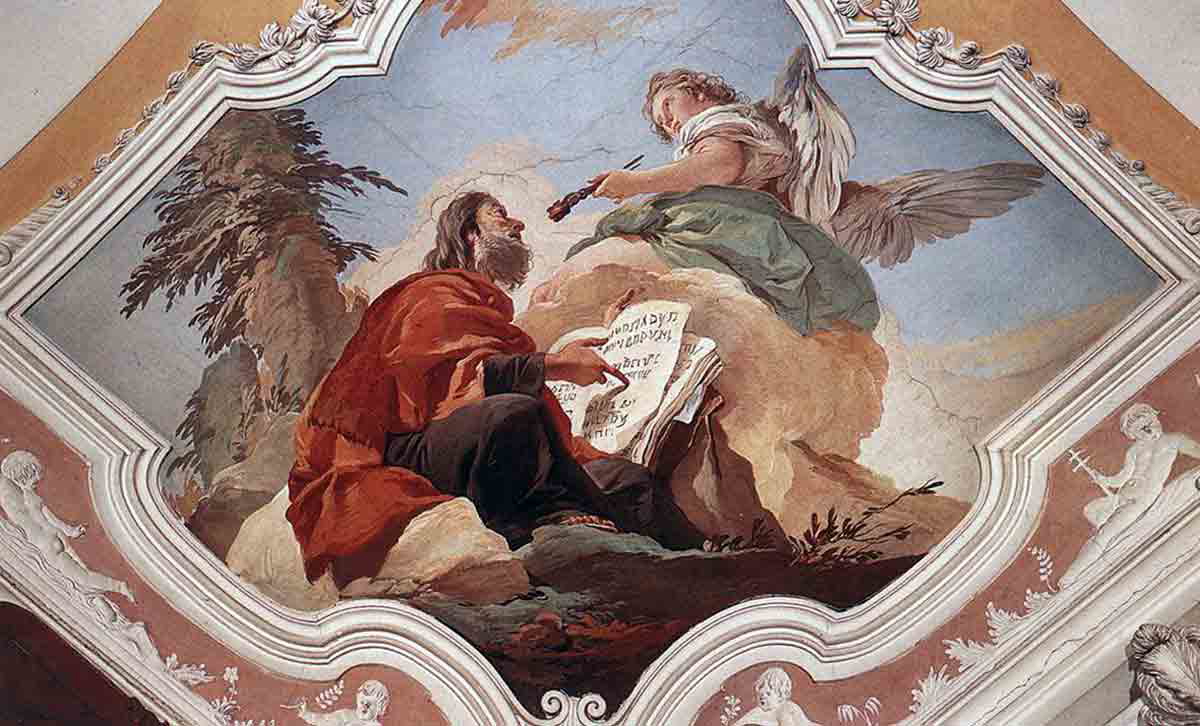
Scholars date chapters one through 39 of Isaiah to the 8th century BCE, when the events they record took place. The remaining chapters, 40 to 66, describe events that occurred in the 6th century when the Israelites were exiled to Babylonia and lived in captivity there.
Therefore, some historians suggest that the prophet Isaiah wrote only the first 39 chapters, while the second half was written by another author or even multiple authors at a much later date. They split the book into two, referring to the first section as Proto-Isaiah and the second as Deutero-Isaiah. Some go further by dividing Deutero-Isaiah into two, naming the third section (55-66) Trito-Isaiah, with chapters 40 to 55 describing the Babylonian captivity and the final eleven chapters describing life for the Israelites after their exile ended.
However, some scholars believe that Isaiah did indeed write the entire book himself, with chapters 40-66 being a prophecy of what was to come rather than a description of what had already taken place.
Who Was Isaiah?
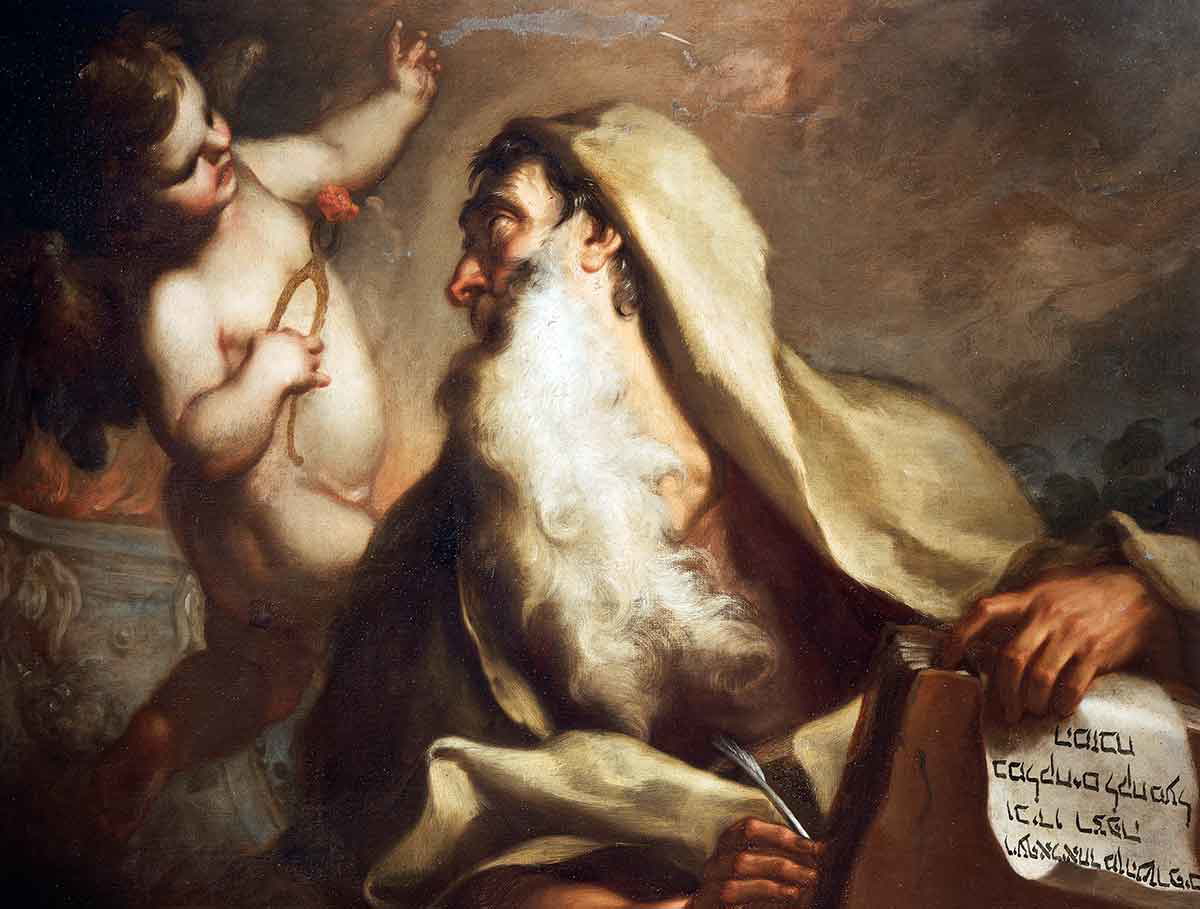
The Bible tells us that Isaiah was the son of Amoz, who may have been the “man of God” mentioned in 2 Chronicles 25:7-9. We know that he married a prophetess (Is. 8:3) and he fathered at least two children, both sons, whose names reflect their father’s mission. Shear-jashub’s name literally means “a remnant will return” (Is. 8:18) and refers to the release from captivity of the small group of Israelites that remained faithful to God. His brother was called Maher-shalal-hash-baz, which means “swift to the spoil, quick to the plunder” (Is. 8:1-4), which points to the country’s invasion by the Assyrians in 732 BCE, who rendered Judah a mere vassal state of their nation.
Isaiah’s initial encounter with God (Is. 6) was in a temple, suggesting that he was a priest. He was also a prophet with the role of communicating the truth of God to the people of Judah in a time when the Israelites there were rebellious and sinful.
Isaiah was tireless in his efforts to bring the people back to God and has been called “the holy prophet” because he emphasized the holiness of God more than any other author of scripture. He prophesied in Jerusalem for some 40 years during the reigns of four kings: Uzziah, Jotham, Ahaz, and Hezekiah. Tradition has it that he was sawn in two during the reign of King Manasseh, who was regarded as one of the most evil monarchs in the history of the Israelites.
The Suffering Servant in Isaiah 53

Scholars have remarked on the beauty of the Hebrew language presented in the Book of Isaiah, even going so far as to consider it on par with Shakespeare’s work. That beauty is evident in the poetic passage of Isaiah 53. Even in English, it is a powerful piece. The following is taken from the New International Version (NIV) of the Bible.
Chapter 52
13”See, my servant will act wisely;
he will be raised and lifted up and highly exalted.
14 Just as there were many who were appalled at him—
his appearance was so disfigured beyond that of any human being
and his form marred beyond human likeness—
15 so he will sprinkle many nations
and kings will shut their mouths because of him.
For what they were not told, they will see,
and what they have not heard, they will understand.”
Chapter 53
“Who has believed our message
and to whom has the arm of the Lord been revealed?
2. He grew up before him like a tender shoot,
and like a root out of dry ground.
He had no beauty or majesty to attract us to him,
nothing in his appearance that we should desire him.
3. He was despised and rejected by mankind,
a man of suffering, and familiar with pain.
Like one from whom people hide their faces
he was despised, and we held him in low esteem.”
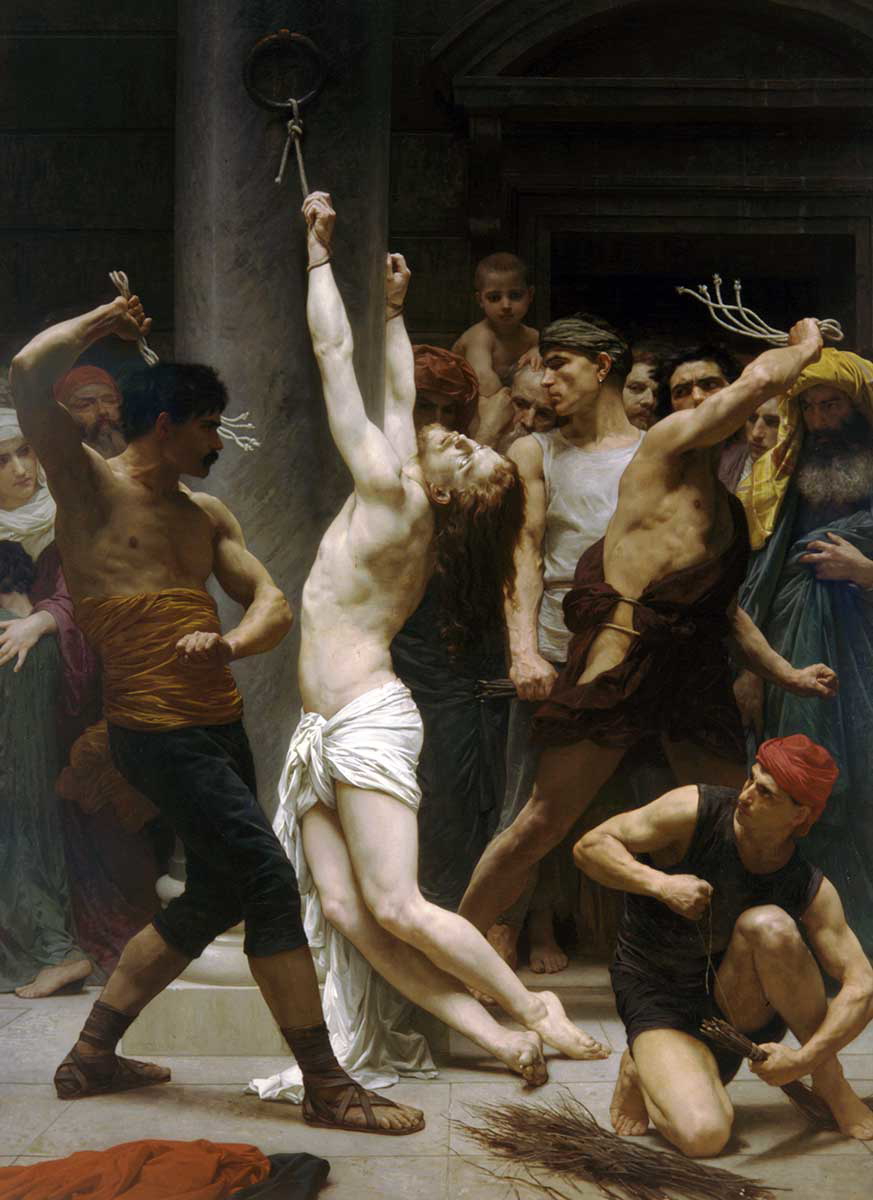
4. ”Surely he took up our pain
and bore our suffering,
yet we considered him punished by God,
stricken by him, and afflicted.
5. But he was pierced for our transgressions,
he was crushed for our iniquities;
the punishment that brought us peace was on him,
and by his wounds we are healed.
6. We all, like sheep, have gone astray,
each of us has turned to our own way;
and the Lord has laid on him
the iniquity of us all.”
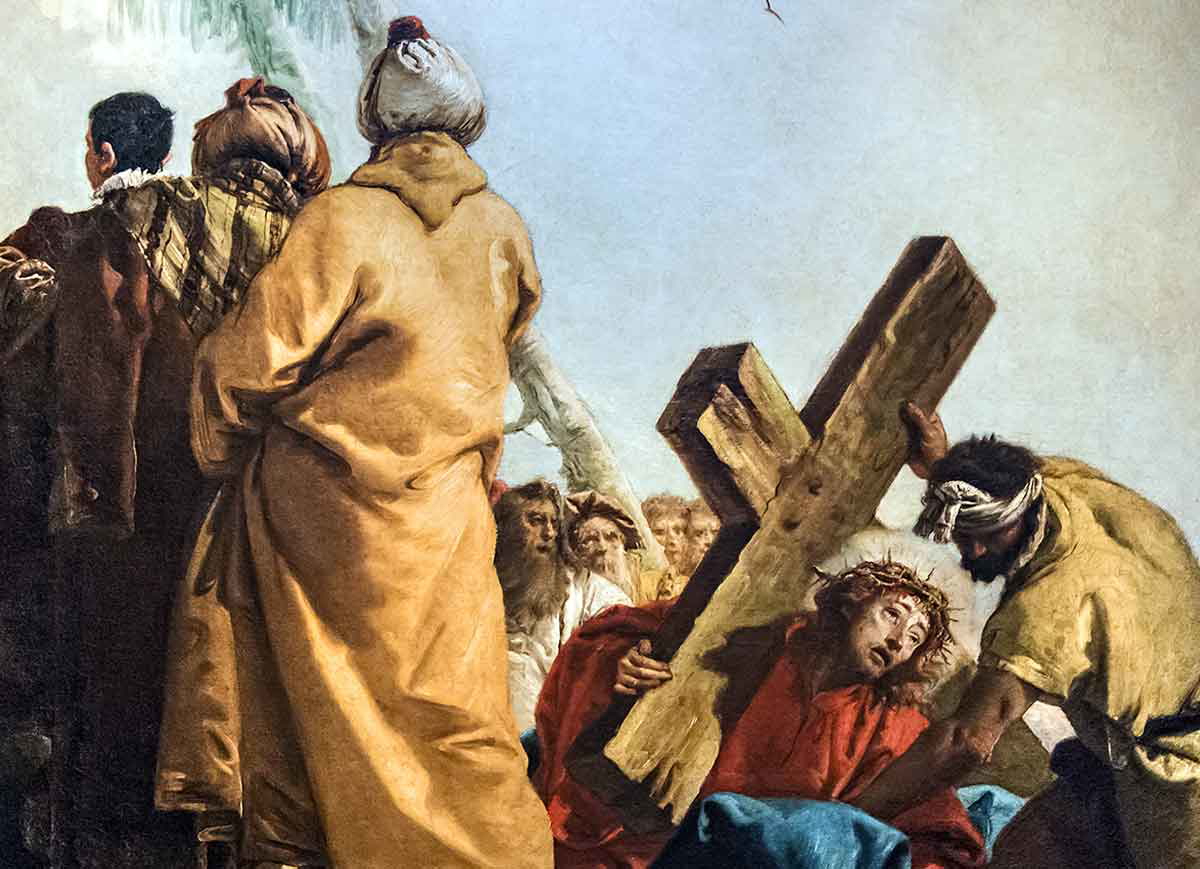
7. “He was oppressed and afflicted,
yet he did not open his mouth;
he was led like a lamb to the slaughter,
and as a sheep before its shearers is silent,
so he did not open his mouth.
8. By oppression and judgment he was taken away.
Yet who of his generation protested?
For he was cut off from the land of the living;
for the transgression of my people he was punished.
9. He was assigned a grave with the wicked,
and with the rich in his death,
though he had done no violence,
nor was any deceit in his mouth.”
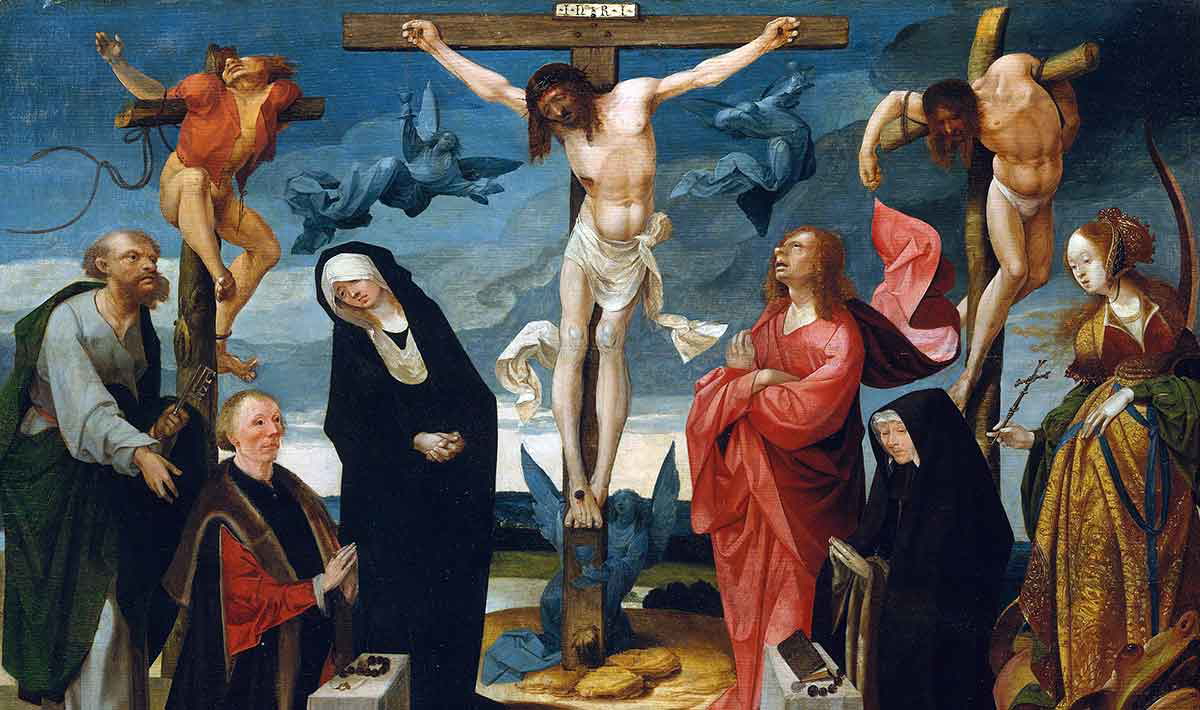
10 “Yet it was the Lord’s will to crush him and cause him to suffer,
and though the Lord makes his life an offering for sin,
he will see his offspring and prolong his days,
and the will of the Lord will prosper in his hand.
11 After he has suffered,
he will see the light of life and be satisfied;
by his knowledge my righteous servant will justify many,
and he will bear their iniquities.
12 Therefore I will give him a portion among the great,
and he will divide the spoils with the strong,
because he poured out his life unto death,
and was numbered with the transgressors.
For he bore the sin of many,
and made intercession for the transgressors.”
Medieval Jewish Scholars
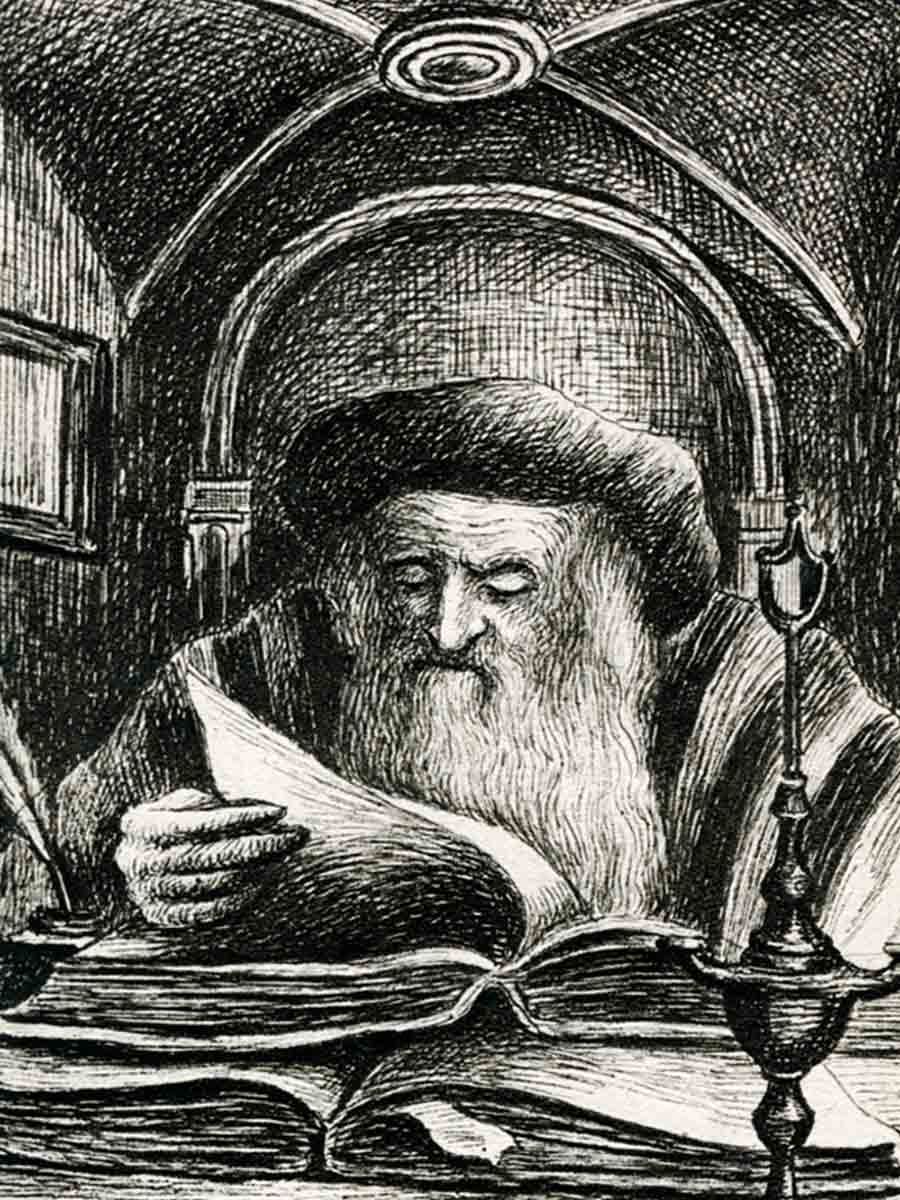
The most prominent and influential interpretations of the passage come from three medieval Jewish scholars: Rashi, Ibn Ezra, and Radak.
Rashi was born as Shlomo Yitzchaki in 1040 CE in Troyes, France. A scholar held in high regard, he wrote commentaries on the Hebrew Bible and the Talmud (a collection of laws, discussions, and various teachings). Jews today still study his work.
Ibn Ezra was not just a scholar known for his exegesis of scripture, he was also renowned as a poet, a philosopher, an astronomer, an astrologer, and a physician. Born in 1089 CE in Spain, he wrote, among other things, a commentary on the Bible, concentrating on the grammar and literal meaning of the text.
Rav David Kimchi, known as Radak, was a rabbi born in France in the city of Provence in 1160 CE. He authored a commentary on the Bible and was most noted for his exegesis of the Prophets and Psalms. He was an apologist who defended Judaism and its beliefs against Christian evangelists.
The Jewish Understanding of Isaiah 53

Some early Jewish writings suggest that the suffering servant is the Messiah. For example, there is the Targum Jonathan, an Aramaic translation of the prophetic books in the Hebrew Bible, attributed to Jonathan ben Uzziel and dated to the 2nd century CE. Believing that the Messiah would be a mighty warrior who would restore Israel to greatness, he chose to emphasize the victory of the Christ rather than any salvation he might provide.
In the Babylonian Talmud (a collection of rabbinic discussions, Jewish laws and tradition by multiple authors from the 3rd and 5th centuries CE), we read: “The Messiah—what is his name? The Rabbis say, the leprous one; those of the house of Rabbi say, the sick one, as it is said, ‘Surely he hath borne our sicknesses’” (Sanhedrin 98b). This last statement is, of course, a direct quotation from Isaiah 53.
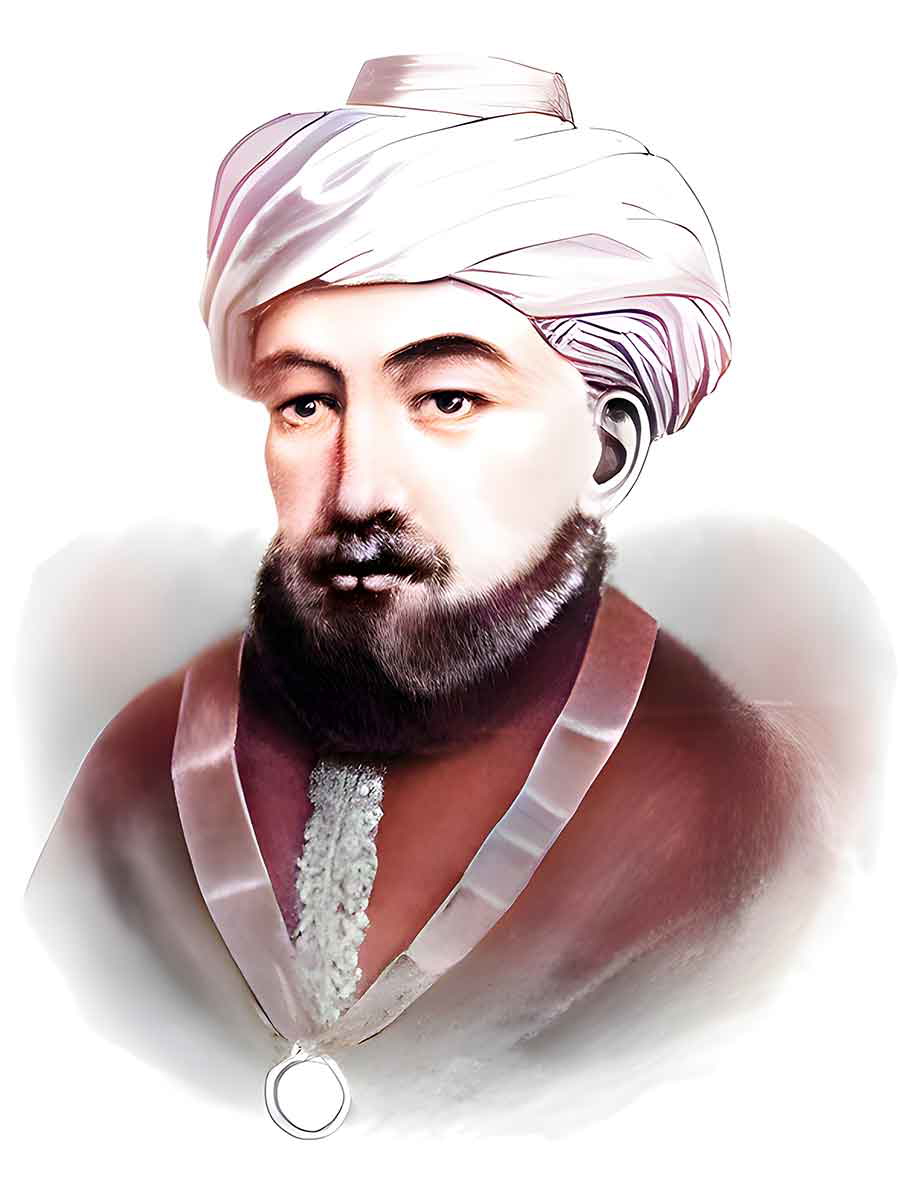
Rabbi Moses Maimonides (known as Rambam), a noted scholar and philosopher from the 12th century, quoted Isaiah, noting that the Messiah would arise “as a root out of dry earth” and that “kings would shut their mouth; for that which had not been told them have they seen, and that which they had not heard they have perceived.”
Midrash Ruth Rabbah (date), an interpretation of the Old Testament Book of Ruth, also refers to the suffering servant in Isaiah as the expected Messiah. Quoting from the Isaiah passage, it says, “He was wounded for our transgressions, bruised for our iniquities.”
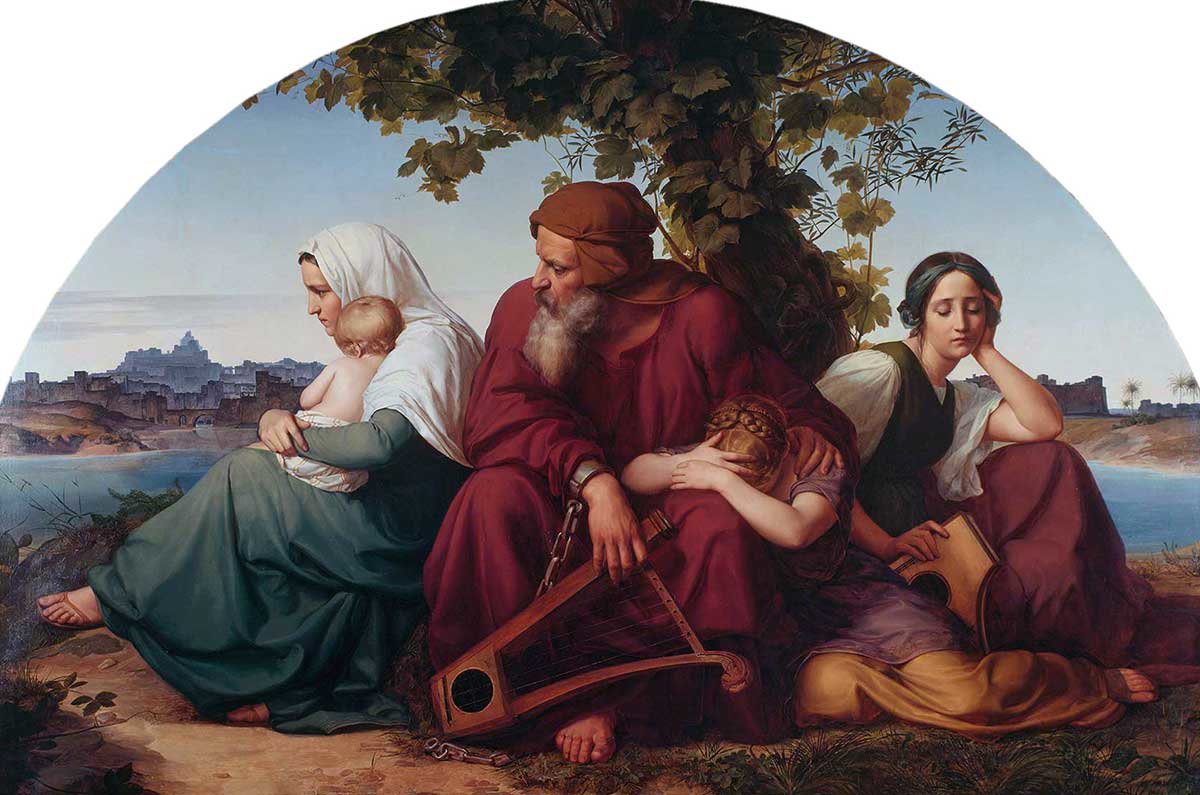
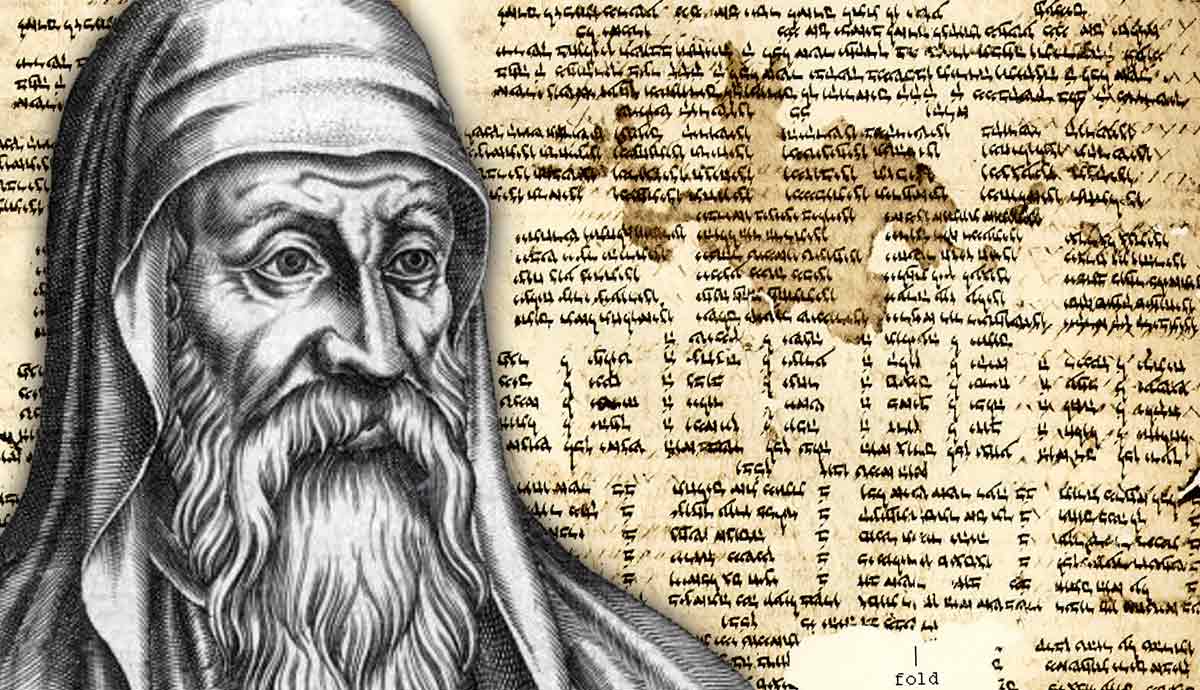
However, the common stance in Jewish scholarship today is that the suffering servant is the nation of Israel or at least a portion of the Israelites, namely the righteous remnant that remained faithful to God through thick and thin. Rashi, Ibn Ezra, and Radak all promoted this interpretation in their writing. Some scholars have incorrectly assumed that Rashi first introduced that idea. However, the early Church Father, Origen of Alexandria, stated in his work, Contra Celsus (248 CE), that he had conversed with Jews who regarded Israel as the suffering servant. So the belief had been around for centuries before the medieval Jewish scholars touted it.
From the Jewish perspective, in the opening stanza of the passage, the servant who will be “raised and lifted up and highly exalted” refers to Israel as a nation that had once been downtrodden to the point that its people did not even look human. When it says that this servant will “sprinkle many nations,” Ibn Ezra asserts that it refers to the blood of the nations that the Israelites will spill as they seek vengeance for their ill-treatment, while their kings, astonished at this new powerful Israel rising up from its debased state, are left speechless. When their voices return, they ask, in the opening verse of chapter 53, “Who has believed our message?” as it seems unbelievable that the lowly Israelites would ever be a strong people again.
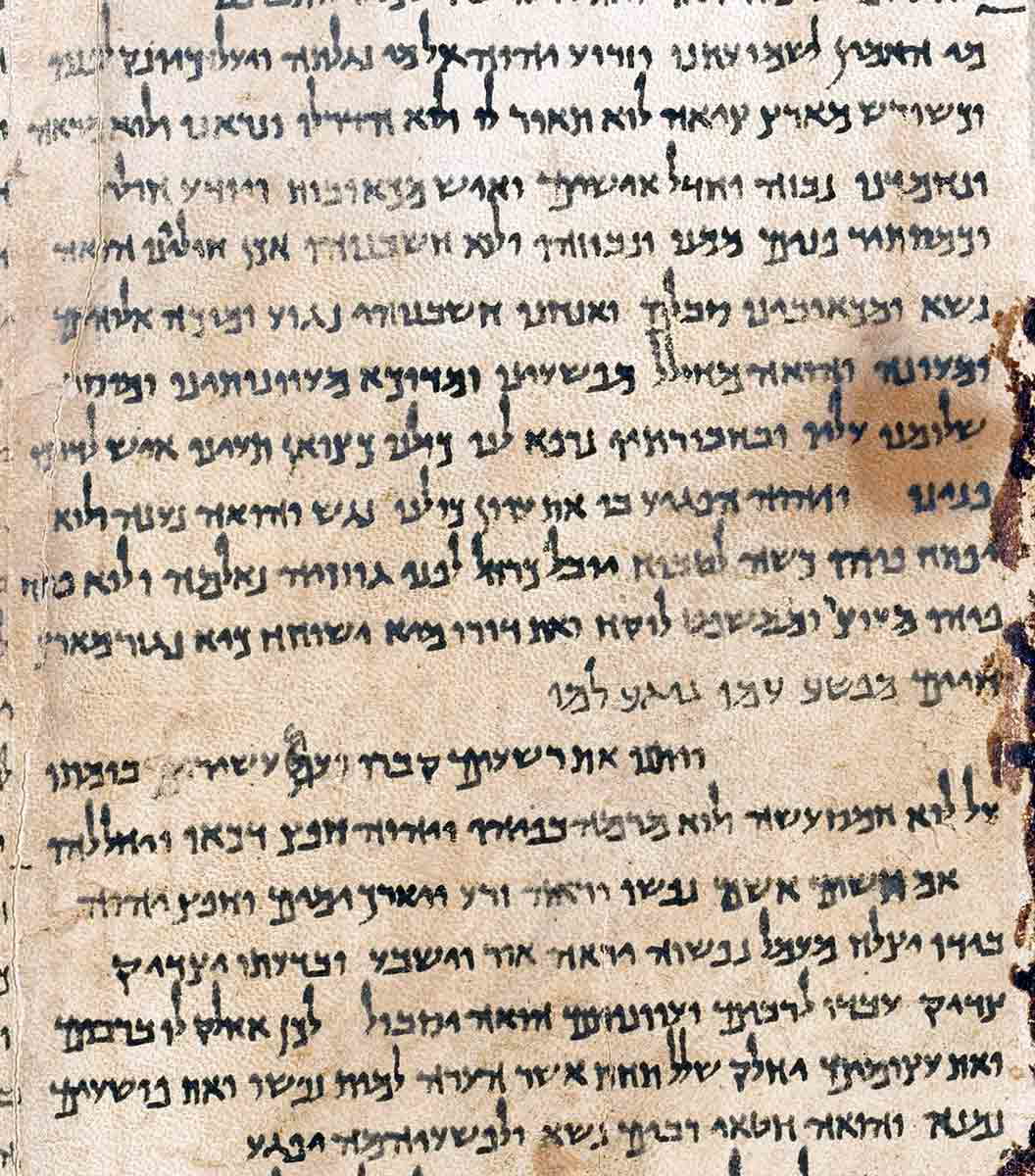
Radak asserts that the description of someone who “grew up like a tender shoot, and like a root out of dry ground” refers to Israel coming out of exile. The following verses that speak of it having no beauty or majesty and being despised and rejected by mankind describe the Israelites in their captivity. Radak explains that Israel was “assigned a grave with the wicked” even though it did not deserve it, noting that some of the Israelites chose death rather than give up their Lord.
When it comes to the servant taking up the pain of the Gentiles, Rashi suggests that Israel’s suffering is redemptive in nature, as the Israelites intercede for all the people who have abused them. Radak concurs, saying that Israel has borne the consequences of the sins that the Gentiles inflicted on the Israelites. Ultimately, the nations will understand and confess the error of their ways.
The Christian Understanding of Isaiah 53
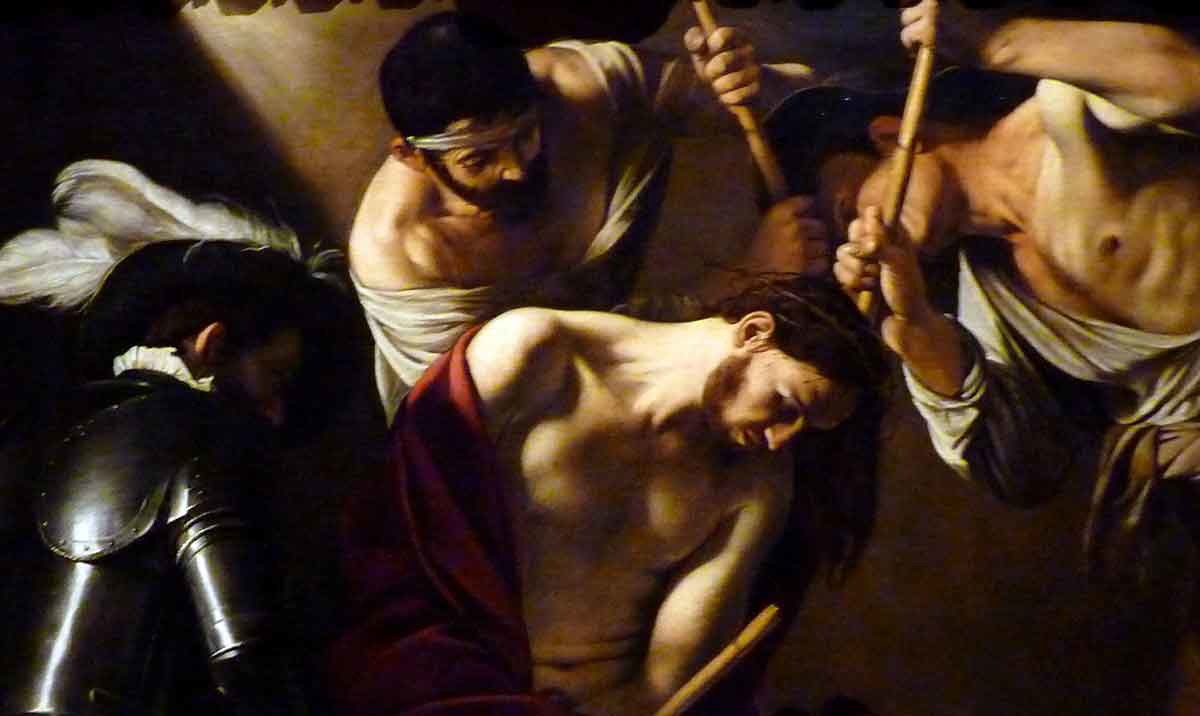
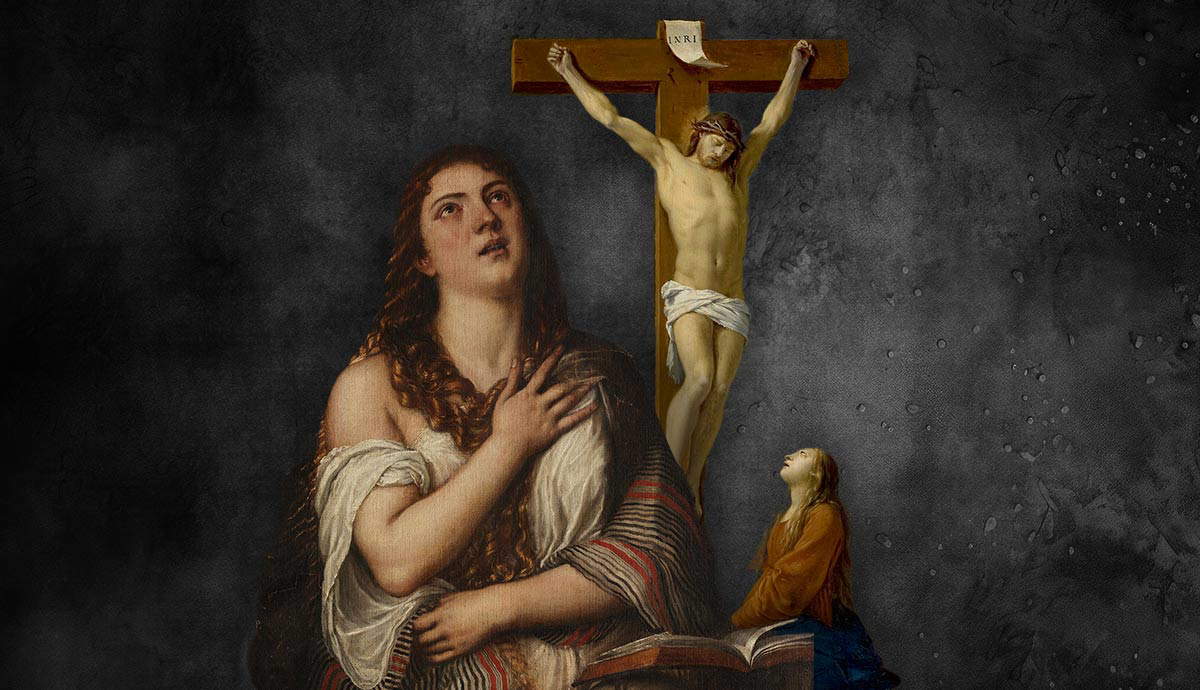
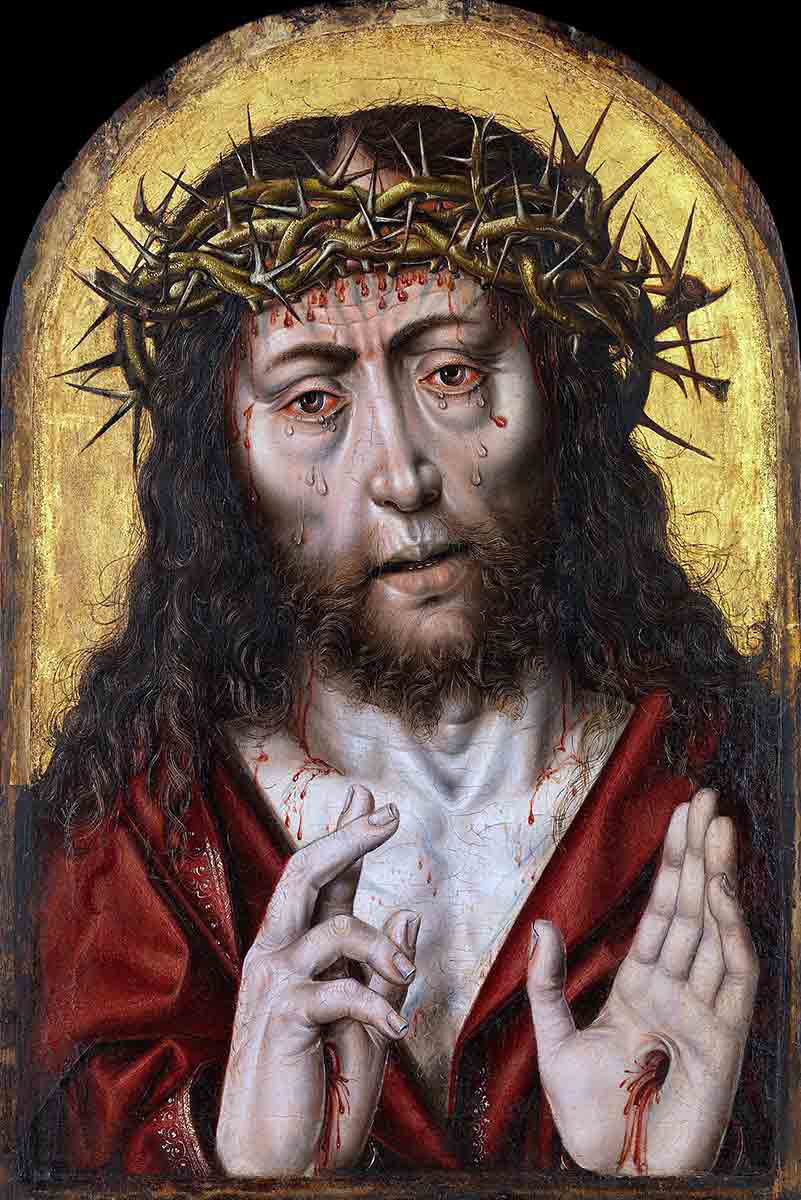
Christians see this passage as a prophecy about the coming of Jesus Christ. The opening verses speak to the end result of Christ’s ministry as he will be ultimately exalted. This is juxtaposed with his disgraced state, having been beaten and whipped to the point that he was so bloody and disfigured that he was unrecognizable. This is attested to in the Gospels of Matthew 27:27-31, Mark 15:16-20, and John 19:1-3, in which we read of Jesus being flogged, struck on the head with sticks, slapped across the face, spat upon, and mocked as the guards placed a crown of thorns upon his head.
Other passages in the New Testament contain quotations from Isaiah 53, considering its subject matter to be Jesus. For example, when Philip encountered an Ethiopian man who was reading the Book of Isaiah, the fellow asked the apostle who the lamb was that was silent before its shearer. And what did it mean that his life was taken away from the earth? Philip told him that Jesus was the lamb sacrificed, and, by the end of the conversation, the author of Acts (probably Luke) reports that the Ethiopian was baptized and became a follower of Christ (Acts 8:32-35).
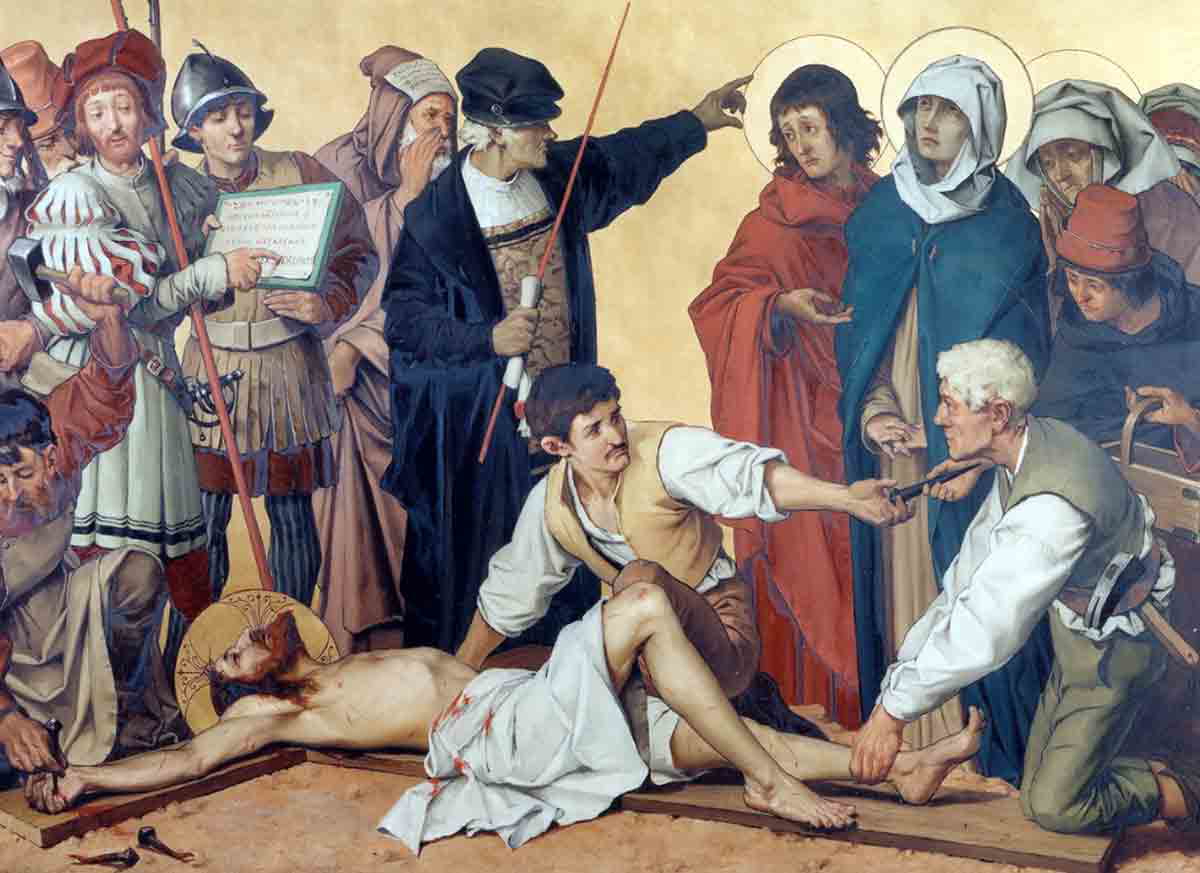
Peter’s first epistle also refers to Isaiah 53, specifically to verses five, six, and nine, which state that the suffering Messiah committed no sin and had no deceit in his mouth. Again, he stated that this referred to Jesus. Paul, as well, quoted from Isaiah 53 in the 10th chapter of his letter to the Romans in talking about Christ. Jesus himself stated that he was the suffering servant, telling his disciples that the statement “And he was numbered with the transgressors” found in Isaiah 53 was fulfilled in him (Luke 22:37).
The image of a tender shoot growing up harkens back to an earlier verse in Isaiah 11:1, which speaks of the Messiah stemming from the root of Jesse, the father of the famous King David. Jesus was indeed a descendant of David. However, he was not recognized or lauded as such during his incarnation and, ultimately, was crucified, crucifixion representing the worst and lowest kind of execution for the worst and lowest of non-Roman wrong-doers, thereby fulfilling the verses in Isaiah that he was despised and held in low esteem (53:3).
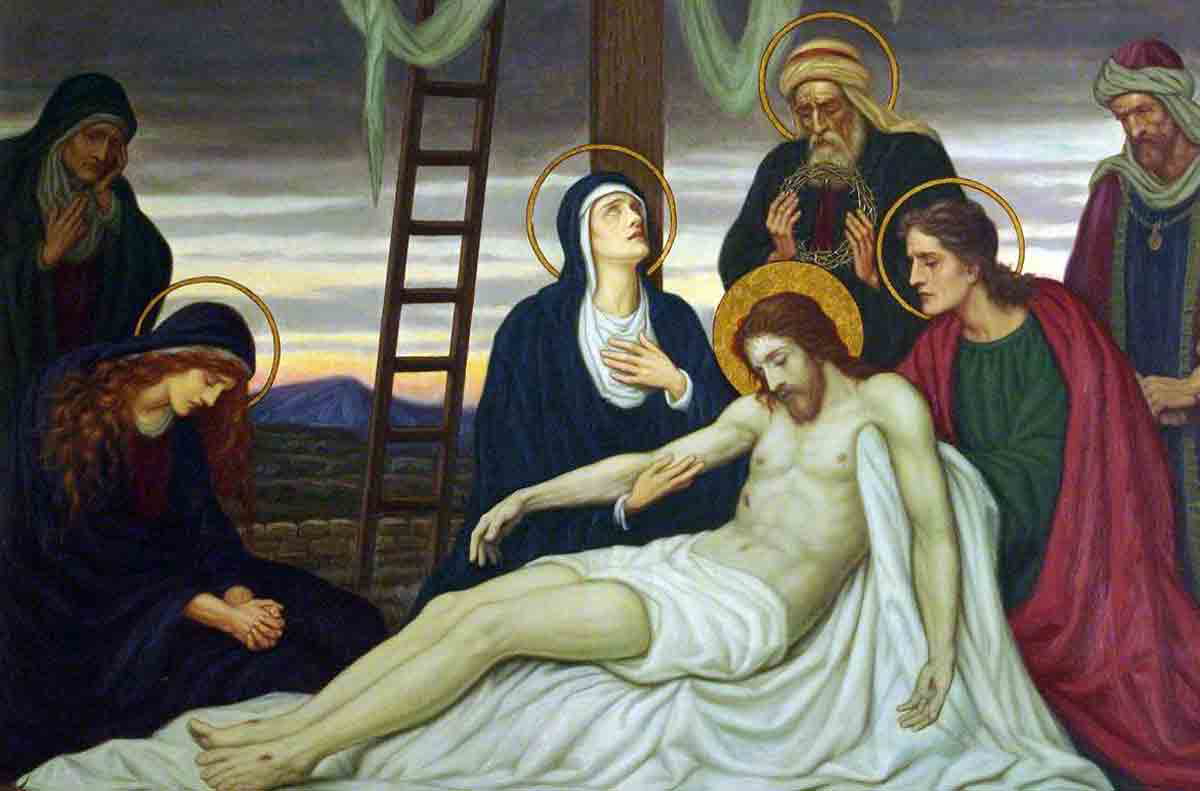
But it is the description of the suffering servant providing atonement for the sins of humankind that confirms the Christian’s belief that he is Jesus. Lines such as “he was pierced for our transgressions” and “crushed for our iniquities” indicate that he was dealt with violently in our place. When the passage states that his “punishment brought us peace” (v. 5), Christians understand this to mean that he has given us right-standing with God from whom humanity had been estranged in rebellion and disobedience. And the sentence “by his wounds we are healed” suggests both physical and spiritual healing, something that can be given by Christ alone as God Incarnate.
The statement that the suffering servant was led like a lamb to the slaughter reflects the Old Testament focus on the unblemished lamb being killed to atone for the sins of the people (Ex. 12:5). The Israelites had to repeat that ritual over and over again. However, Christ’s death, according to the Book of Hebrews, was a final sacrifice that did not have to be repeated. He made it once and for all (Heb. 10:10). The verse in Isaiah 53 about sprinkling the nations refers to Christ’s blood cleansing the wicked, both Jewish and Gentile. The final verses of the passage point to the resurrection and victory over death that Christ obtained, as it reiterates that he “bore the sin of many” and “made intercession for the transgressors.”
Alternative Theories
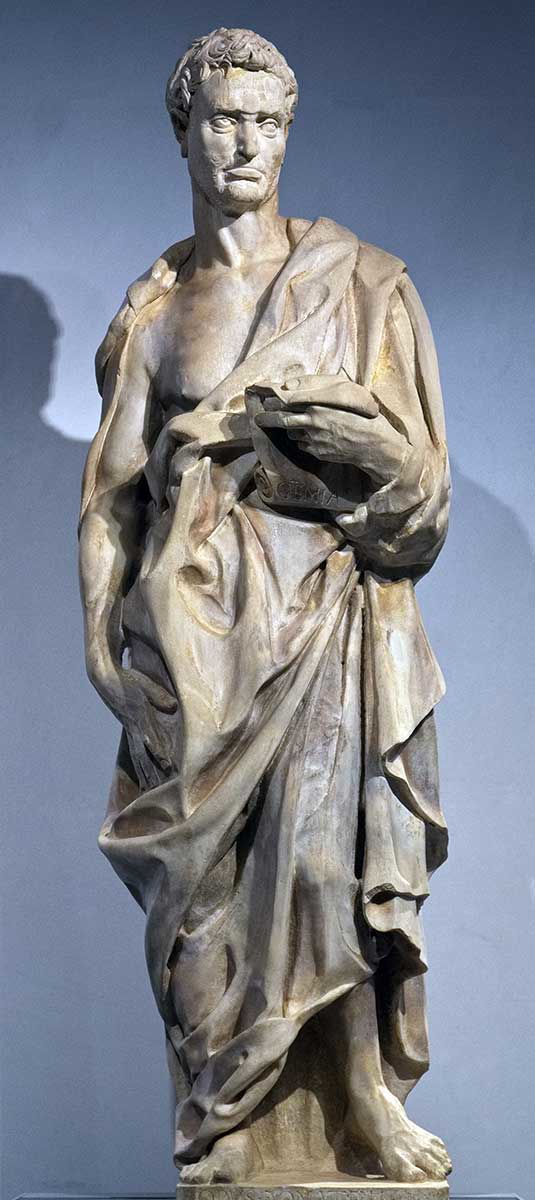
Some scholars have argued that Isaiah 53 is a prophecy with a dual fulfillment. This means that, while it might refer to Israel, it may also represent Christ at the same time. Put another way, it means that the passage had one fulfillment in the past that pertained to the nation of Israel in the 8th and 6th centuries, and another fulfillment that applies to the coming of the Messiah. Christians believe that Jesus was and is the Messiah, while adherents of Judaism do not.
Down through the centuries, scholars have offered other suggestions as to the identity of the suffering servant. Some have suggested that Isaiah himself is the servant, given how difficult and dangerous his life was as a spokesperson for God in a place where God was not honored. Jeremiah, too, had a trying life as a prophet. People mocked him continuously. He was accused of treason and was beaten and placed in prison, as well as thrown into a pit of mud. However, he persisted in his mission to bring the Israelites back to the Lord. Others suggest Moses is the servant, while some scholars believe that the servant is representative of all the Old Testament prophets who suffered in their ministries. Still others suggest that he might be one of the kings, such as Jehoiachin, the king of Judah, who was deported to Babylonia along with his subjects. However, the cases made for each of these are weak and not well-substantiated.
The Suffering Servant: In Conclusion
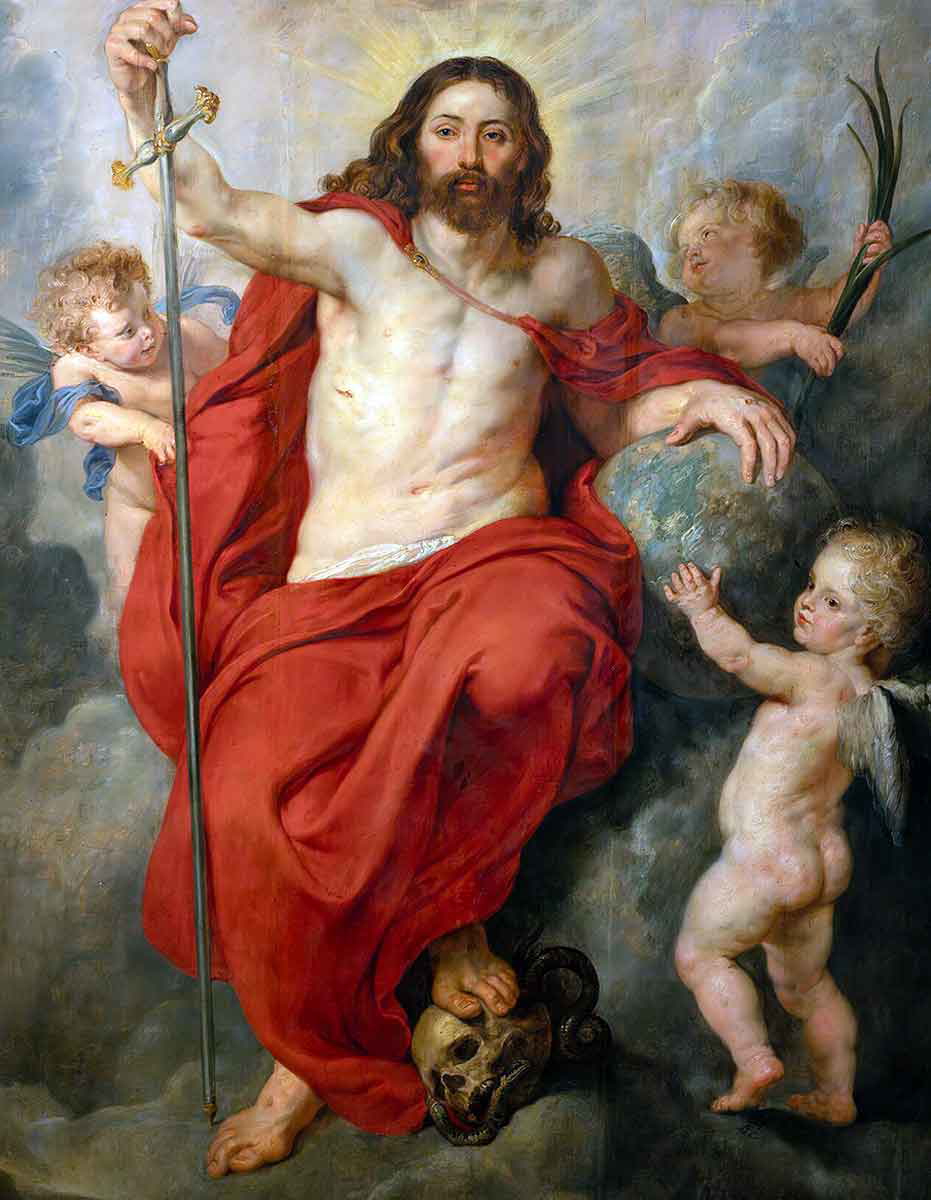
One might ask why practicing Jews disagree with Christians over the meaning of the passage. Scholars suggest that it is because both groups have very different ideas of who the Messiah is and what is expected of him.
In Old Testament times, the Jewish people expected a mighty warrior king like David who would vanquish all their foes and establish their nation as a powerful one once again. This belief was still prevalent in Christ’s day as some of his very own disciples (Simon the Zealot, for example) expected him to lead a rebellion that would result in the overthrow of the Romans and independence for the Jews. Certainly, that image of him does not line up with the Isaiah 53 portrait of a mocked and beaten lamb of a man, humiliated, and executed in the most heinous way.
On the other hand, Christians see two acceptable paradoxes here, one in which power is exercised through weakness and one in which life is obtained through death. Two different understandings of the Messiah will always result in two different interpretations of Isaiah 53.