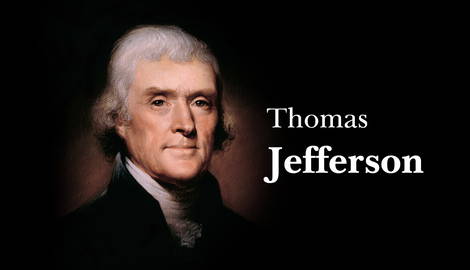
Renowned for crafting the United States Declaration of Independence and later serving as the third president of that republic, Thomas Jefferson is widely known as one of America’s Founding Fathers. However, many may be unaware of his important actions as both a Revolutionary War-era diplomat and as commander-in-chief. Jefferson helped establish many of America’s political traditions, including partisanship, and actively sought to expand the nation from an East Coast territory to a continent-spanning giant. From a pre-Revolutionary politician to his iconic death on July 4, 1826, Jefferson’s life is a terrific study in American history.
Thomas Jefferson’s Early Life
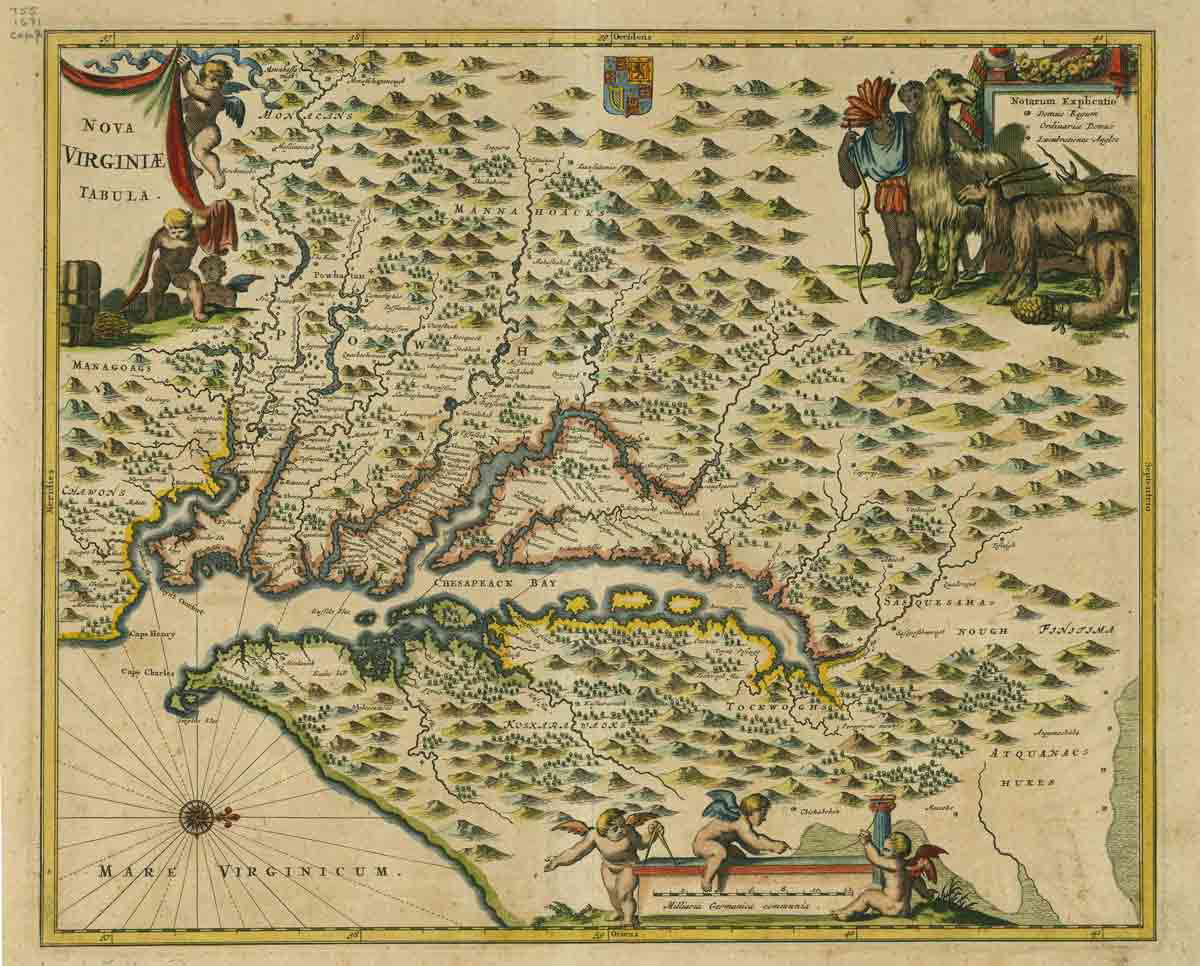
Thomas Jefferson was born to a wealthy family in colonial Virginia in 1743. When he was three, the family moved to a new plantation to manage it after the death of a family friend. For several years, young Jefferson wandered and explored the nearby woods before beginning his formal education at age nine, and was sent to a boarding school. In 1760, Jefferson entered higher education at the College of William and Mary in Williamsburg, Virginia, where he met many influential professors.
From 1762 to 1767, Jefferson received tutoring in law by George Wythe, to whom he was introduced at the College of William and Mary. In 1765, Jefferson was admitted to the bar and began practicing law two years later, specializing in land disputes. As he resided in the western part of the state, where westward expansion led to high demand for land purchases, Jefferson’s legal practice prospered. Public speaking did not come naturally to him, and he preferred research to courtroom litigation. This led him to broaden his legal specialties and become a consultant to other lawyers on difficult cases.
Thomas Jefferson in Pre-Revolutionary Politics
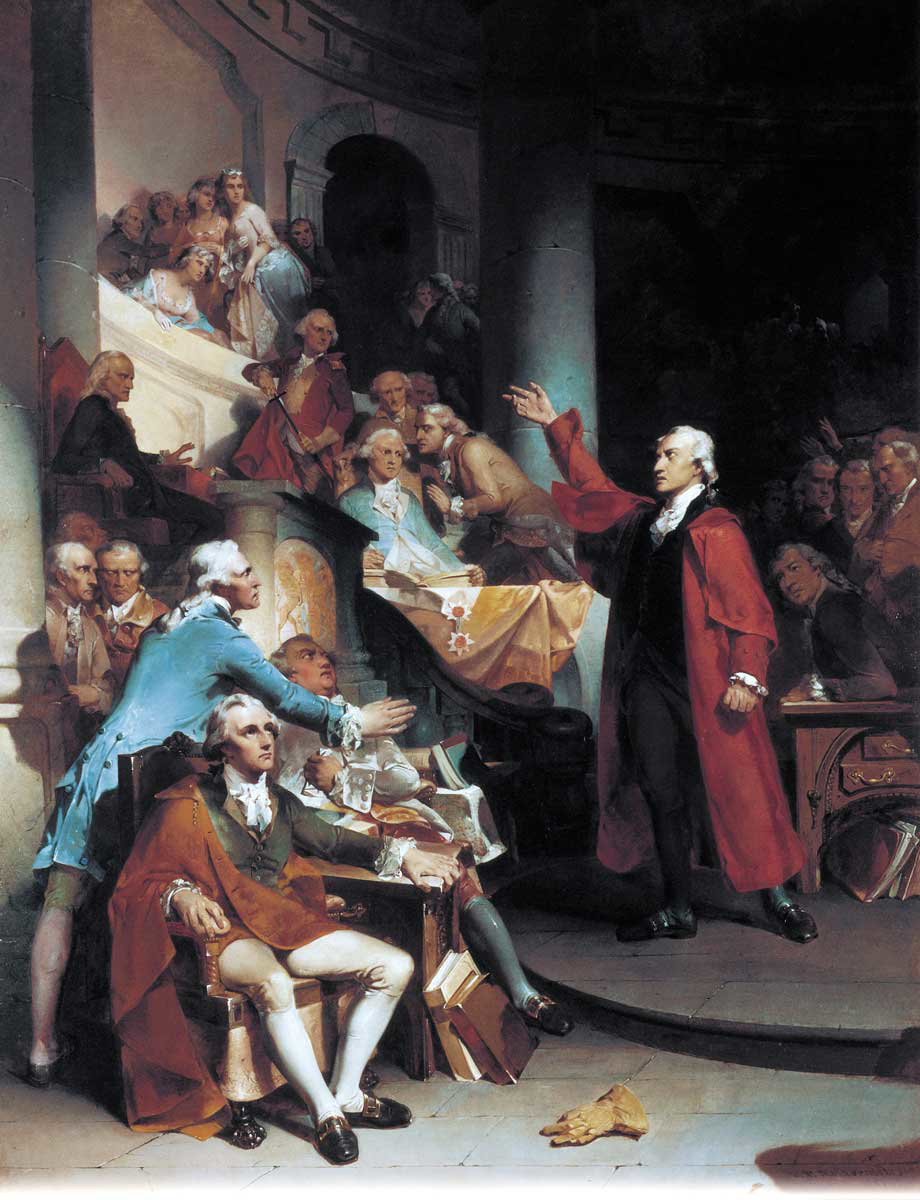
As a young lawyer in 1769, Jefferson was elected to the Virginia House of Burgesses, the colony’s legislative body. Within the House of Burgesses, Jefferson joined the anti-British coalition, which was angered over increasing taxation and government overreach. Four years earlier, as a law student, Jefferson had visited the legislative body and witnessed Patrick Henry’s passionate speech against the Stamp Act. As a legislator, similar to his legal practice, Jefferson used his research and writing skills more than his oratory, helping craft skilled legislation.
In 1774, after Britain passed the Intolerable Acts, further increasing taxation, Jefferson crafted a resolution actively protesting this move. A year later, as the Thirteen Colonies moved toward open rebellion against Britain, Jefferson was chosen as an alternate to attend the Second Continental Congress in Philadelphia, Pennsylvania. When Peyton Randolph stepped down, Jefferson replaced him, becoming the youngest delegate at the Congress. First, Jefferson worked on responses to British acts but later began working on editing Benjamin Franklin’s draft of the “Articles of Confederation,” which he had begun two decades earlier. By July 1775, Jefferson was preparing for the possibility of war with Britain.
1776: Thomas Jefferson and the Declaration of Independence

In May of 1776, Jefferson returned to Philadelphia. By now, the first shots of the American Revolutionary War had been fired. Colonies were working on creating their own state constitutions, and Jefferson quickly put his skills behind creating one for his home state of Virginia. A month later, however, Jefferson’s skills were transferred to a new task: crafting a declaration of independence of all Thirteen Colonies from Britain. Of the five men on the committee, Jefferson would become the famous name and face most associated with the United States Declaration of Independence.
Jefferson largely crafted the Declaration of Independence himself, working on the second floor of the Graff House, though John Adams and Benjamin Franklin provided commentary. On June 28, 1776, Jefferson presented his document to the second Continental Congress, which had already decided to vote in favor of declaring independence. The Congress voted in favor of independence on July 2, with the Declaration adopted on July 4. A copy was made on July 5 and distributed to states, committees, and Continental Army units. On August 2, a copy was created and eventually signed by 56 delegates to the second Continental Congress. King George III of Britain likely received a copy or summary a week or two after this.
Revolutionary War and Virginia Governorship
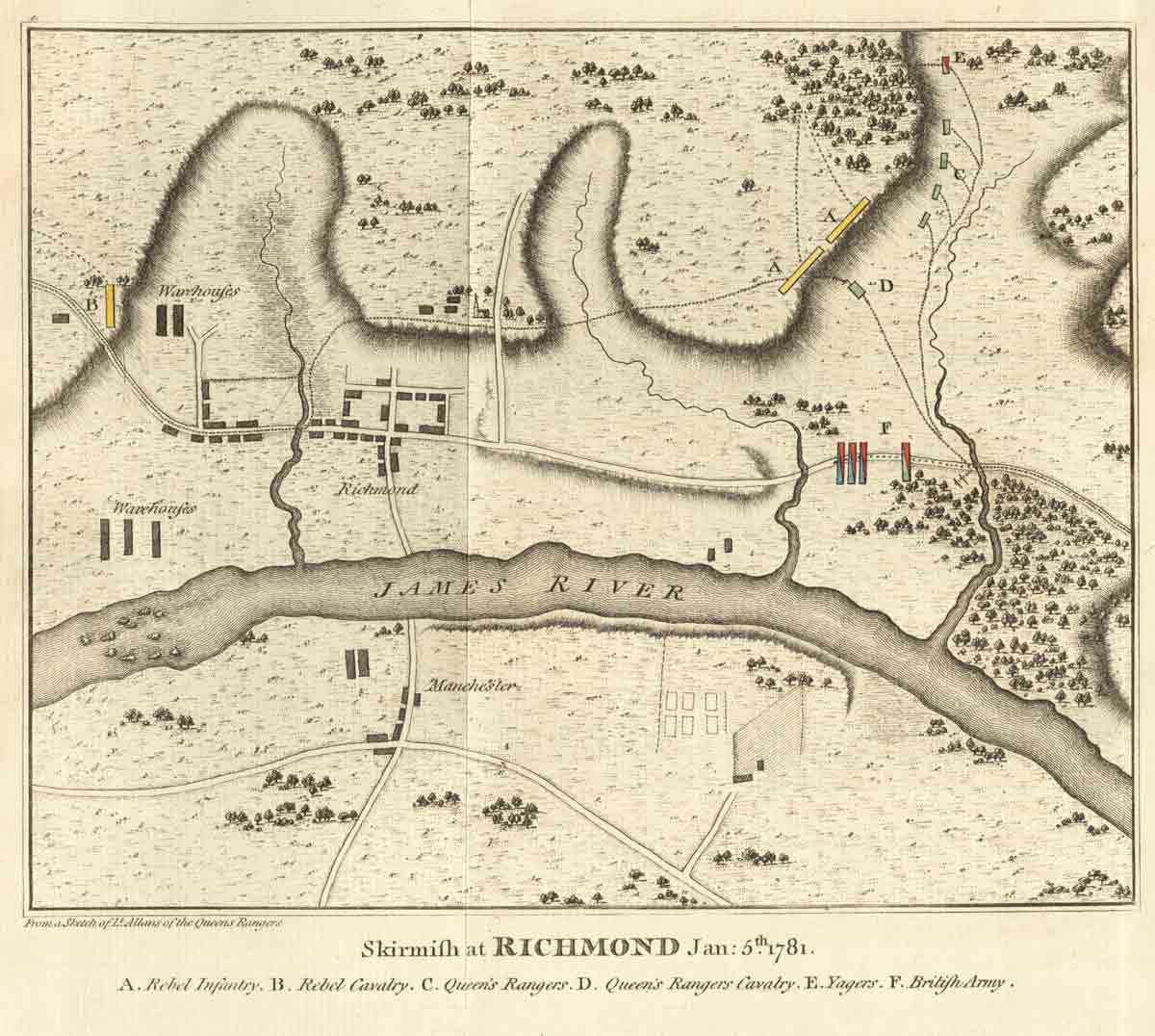
Now that the United States of America was pursuing independence from Britain by force of arms, Jefferson returned home to Virginia to assist the new state government. There, he helped write a state constitution and overhaul the state’s laws as a member of the Virginia House of Delegates. In 1779, he became the state’s governor. While governor, he drafted a bill to guarantee religious freedom in the state, which eventually passed in 1786. Unfortunately, being governor was difficult during wartime, and a January 1781 invasion of the state by the British rendered Jefferson mostly powerless. In June, the British forces almost captured Jefferson himself after forcing the state’s General Assembly to flee.
Thomas Jefferson’s struggles in 1781 as governor, during which time he decided not to run for a third term, represented the low point of his career. He was blamed for moving too slowly when calling upon the state militia to defend against the British and also blamed for not negotiating with the invading British to minimize their plunder. Jefferson found he had no way to enforce his decrees, resulting in high levels of noncompliance by bureaucrats and military officers who did not want to anger the public. When Jefferson evaded capture by the British in June, he went with his family to Poplar Forest rather than returning to join the state legislature in Staunton, leading to allegations of desertion. The state legislature promptly elected a new governor, General Thomas Nelson.
Post-War: Jefferson as American Diplomat
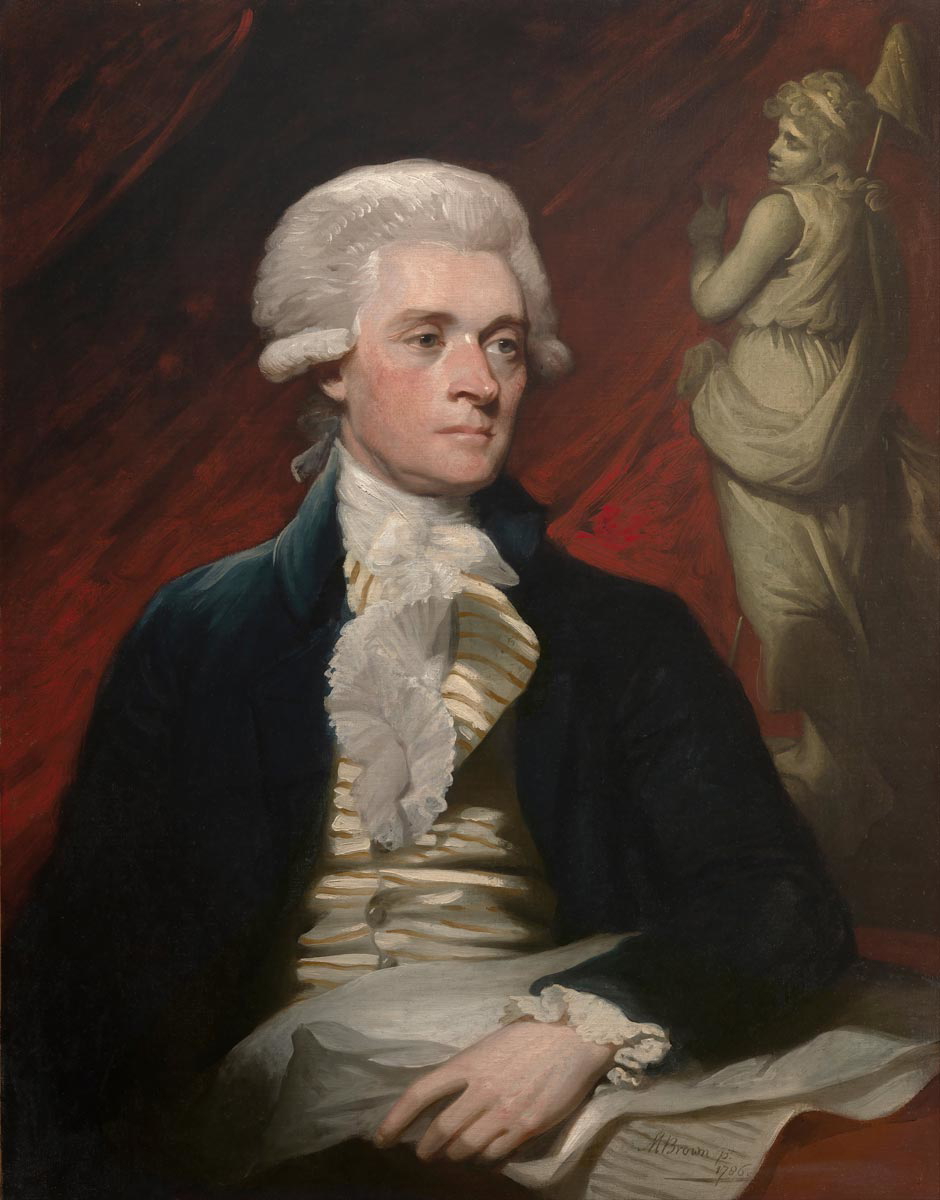
The war situation stabilized in Virginia, with new governor Thomas Nelson immediately receiving the legal powers that Jefferson had lacked. In October 1781, the Continental Army, with the help of the French and Spanish, defeated the British at the Siege of Yorktown, effectively ending the war. Two years later, the Treaty of Paris formalized America’s independence. Thomas Jefferson returned to government in 1783 as Virginia’s representative to the Confederation Congress, which was the national legislature under the Articles of Confederation. The next year, he went to France when the Confederation Congress appointed him as America’s minister to the Court of Versailles—America’s most important ally.
Jefferson arrived in France during the summer of 1784 and spent the next five and a half years as America’s key diplomat in continental Europe, replacing Benjamin Franklin as senior minister to France in 1785. As an educated man, Jefferson was skilled in languages, including French and Spanish, and joined John Adams and Benjamin Franklin as the voices of America. Although Jefferson’s five years in Europe did not produce many treaties, he worked hard to advance American commercial interests and learned much about European culture, which he would put to use as president.
Jefferson as Secretary of State
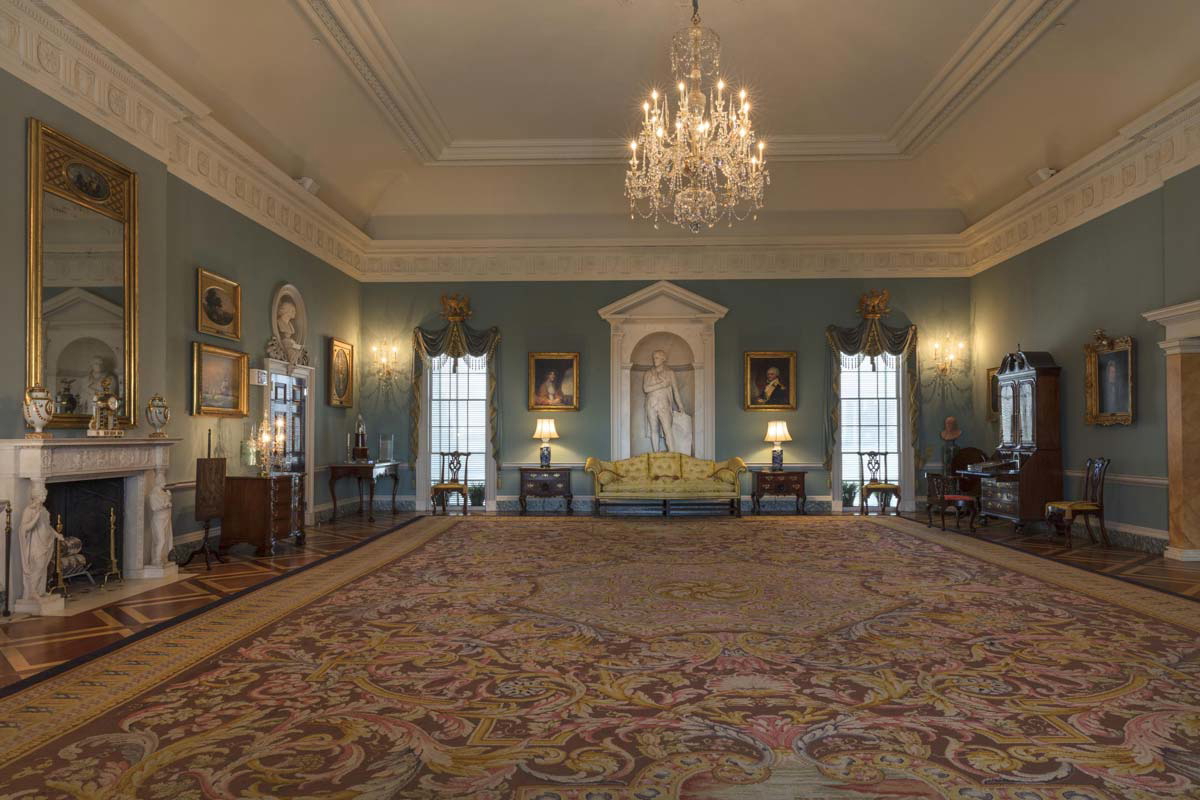
In the autumn of 1789, Jefferson returned home from a France gripped by a burgeoning revolution. Jefferson had supported the revolutionaries’ cause, including helping the Marquis de Lafayette to write “The Declaration of the Rights of Man,” and intended his trip back to the United States to be brief. Instead, Jefferson was offered the position of Secretary of State by the first US president, George Washington, which he accepted. In his new role, Jefferson continued to support France as an American ally but agreed with the president regarding the need to keep the new nation neutral in disputes between foreign powers, especially France and Britain.
As part of the president’s Cabinet, Thomas Jefferson quickly came to disagreements with Treasury Secretary Alexander Hamilton. Jefferson disagreed with the growing powers of the central government, especially in regard to taking on debt and the establishment of a national capital city, and resigned his position as Secretary of State on December 31, 1793. Despite his short tenure in that office, less than four years, Jefferson helped create the new role of the American diplomat and began the difficult work of impressing upon the world the importance of American thought and culture. He also used this time to help found the Democratic-Republican Party, which countered the Federalist Party and its desire for a strong central government and urban commerce.
Election of 1796: America’s First Partisan Contest
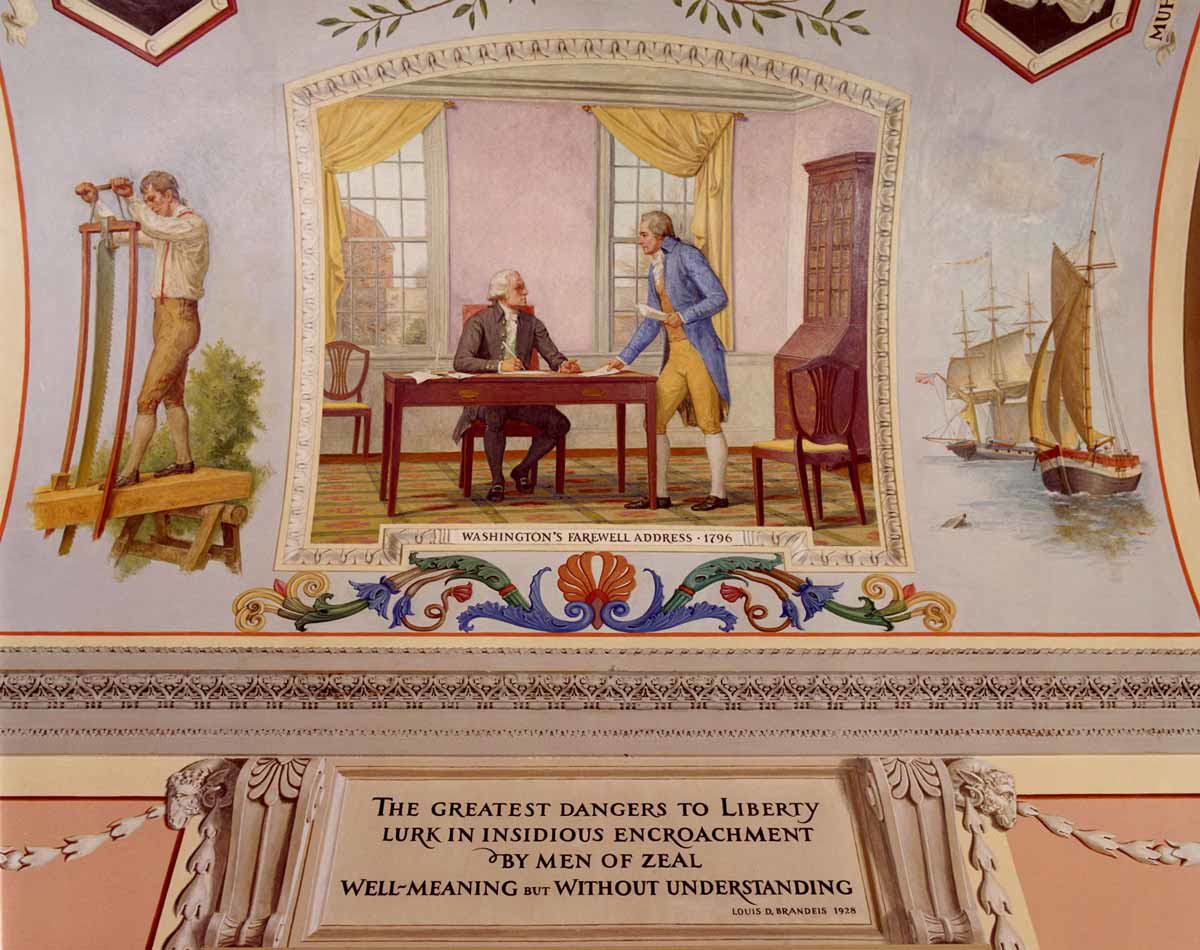
By 1796, despite President George Washington’s disdain for political parties and partisanship, two major parties had formed. In his famous Farewell Address, Washington declared that he would not seek a third term, setting the stage for America’s first contested presidential election. His vice president, John Adams, was the preferred candidate of the Federalists. Former Secretary of State Thomas Jefferson became the nominee of the Democratic-Republicans (which was often called the Republican Party). Unfortunately, the pro-Federalist media quickly turned to mudslinging, disparaging Jefferson and alleging that he had fled as a coward during the British invasion of Virginia in January 1781.
Jefferson’s own allies behaved no better and accused Adams of seeking to create a political dynasty and mocking the vice president’s physical appearance. Behind the scenes, Alexander Hamilton attempted to swing the Federalist electoral vote to Thomas Pinckney, a man who was intended to be Adams’ running mate. Hamilton believed that Pinckney was a more devout Federalist than Adams and would likely bestow more political favors upon Hamilton himself. The plan failed, with Adams still winning the electoral college majority vote… but Thomas Jefferson of the Democratic-Republicans won the second-most votes. Back then, the winner of the second-most votes became vice president, as there was no such thing as a ticket (this method began in June 1804 with the ratification of the Twelfth Amendment to the U.S. Constitution).
Vice Presidency and the Election of 1800
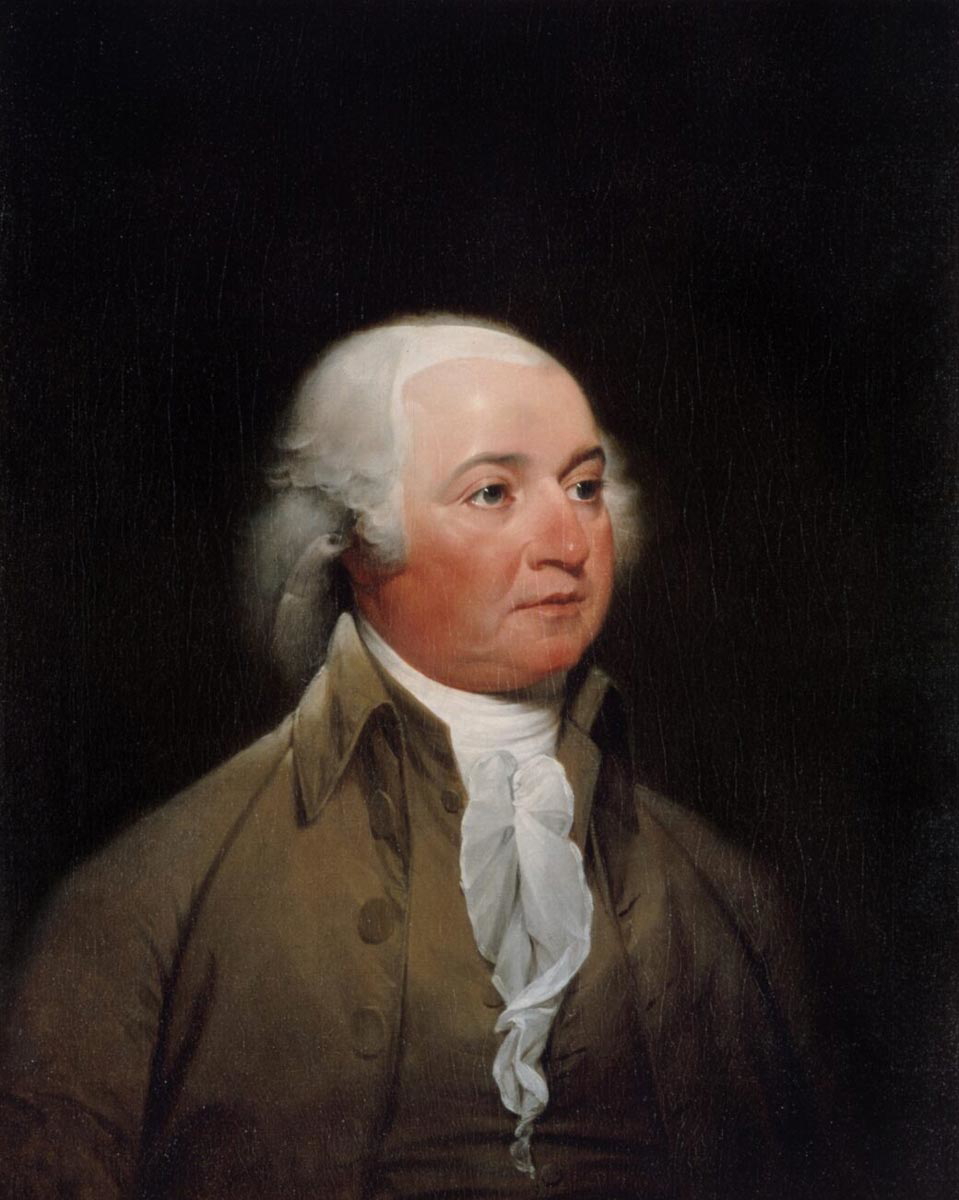
John Adams, a Federalist, was now the US president, and Thomas Jefferson, a Democratic-Republican, was the vice president. As president of the Senate, one of the constitutional duties of the vice president, Jefferson set his skills to use crafting rules for that legislative body. His “Manual of Parliamentary Practice,” published upon his leaving the vice presidency in February 1801, was later adopted by the US House of Representatives in 1837. During this time, the US was facing a growing naval threat from France, resulting in the Quasi-War (1798-1800). As a result of the French seizure of American cargo ships in the Caribbean, the US suspended debt repayments from the Revolutionary War, bringing the two nations to the brink of war.
Adams’s attempts to solve the dispute diplomatically resulted in the “XYZ Affair,” with three French diplomats—the redacted X, Y, and Z in published reports—demanding bribes. The failure of diplomacy led to a rapid expansion of the US Navy to counter the French threat. Despite a treaty between the US and France being signed in September 1800, the Quasi-War and the XYZ Affair damaged Adams’ presidency enough to give the edge to Vice President Thomas Jefferson in the election of 1800. The transition of power from Adams’ Federalists to Jefferson’s Democratic-Republicans after Jefferson’s victory was peaceful, and represented the first transfer of power between political parties in American history. Jefferson’s inaugural address on March 4, 1801, was well received by members of both parties and is credited with helping establish a tradition of peaceful transfer of power between opposing political parties.
Peaceful Revolution and the Third President of the United States
Jefferson’s peaceful and dignified acceptance of presidential power after winning the election of 1800 is often known as the “Revolution of 1800.” Although peace with France was restored, many challenges remained. Jefferson sought to reduce the nation’s debt by decreasing the size of the central government, and he gave greater discretion to state governments under the conservative principle of state sovereignty. In 1803, Jefferson did not object to the famous US Supreme Court decision in “Marbury v. Madison” to give federal courts the ability to nullify laws that were deemed unconstitutional, creating the important concept of modern judicial review.
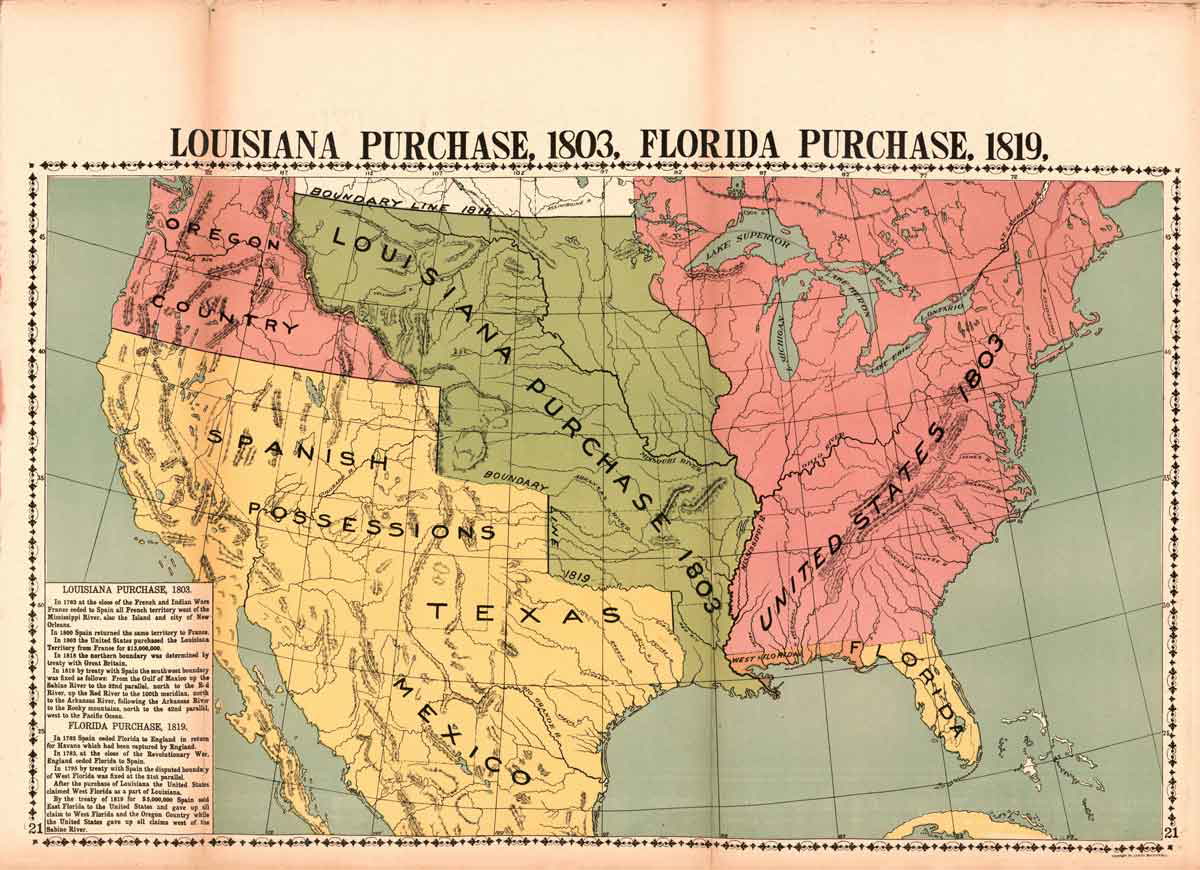
Famously, Jefferson agreed to expand presidential powers and, thus, central government powers in 1803 to purchase the Louisiana Territory from France, which had been offered after the US inquired about purchasing only the port city of New Orleans. The Louisiana Purchase doubled the size of the United States for $15 million, a tremendous sum at the time but equal to only 4 cents per acre. Jefferson ordered the Lewis and Clark Expedition to explore this territory, with Meriwether Lewis having served as the president’s personal secretary for two years prior. In September 1806, the Expedition of the Corps of Discovery returned to St. Louis, Missouri to report what they had learned of the West and reaching the Pacific Ocean in present-day Oregon.
Post-Presidency and Later Life

Like Washington before him, Jefferson had won a second term (in the election of 1804) and decided against seeking a third. Many praised Jefferson for acting decisively in using presidential power for the greater good, such as purchasing the Louisiana Territory despite the US Constitution giving no explicit acceptance of that power. Upon retirement in 1809, Jefferson returned to his plantation estate in Virginia, named Monticello, and studied natural science. In 1819, he founded the University of Virginia. This desire may have been amplified after he sold his personal library collection to the Library of Congress in 1815 to replace what had been destroyed when the British burned Washington, DC during the War of 1812.
In his later years, Jefferson returned to his plantation and hosted numerous friends and guests. His lifestyle was expensive, which influenced his decision to loan out many of his slaves as collateral. As his final years approached, Jefferson made efforts to highlight his accomplishments. The former president was most proud of his role in crafting the Declaration of Independence, the religious freedom in Virginia law, and the University of Virginia. He passed away on July 4, 1826, and had designed his own obelisk-shaped tombstone. Coincidentally, his former friend and political rival, John Adams, died on the same day.
Jefferson’s Legacy: Natural Rights and Sally Hemings

Due to his holding of slaves, which numbered some 150 at most, Thomas Jefferson’s legacy is complicated. Jefferson bought and sold slaves, though he reportedly disliked selling them for humanitarian reasons, and released only a handful during his life and in his will. After a 1998 DNA test revealed that Thomas Jefferson very likely fathered children with his slave, Sally Hemings, the Thomas Jefferson Foundation eventually accepted the historical allegation as fact. Jefferson’s paternity of six children with one of his slaves sparked controversy due to Hemings’ lack of ability to consent to the relationship. Most of Jefferson’s slaves were sold after his death to pay off his numerous debts.
Today, Thomas Jefferson is celebrated for his role in crafting the Declaration of Independence and asserting human rights, although some question his adherence to his famous words, “all men are created equal.” Due to his tremendous writing skills, experience in both domestic and foreign affairs, and tall, statuesque bearing, Jefferson is remembered as one of the most important Founding Fathers. Undoubtedly, his storied career in politics, going back to the Virginia House of Burgesses before the American Revolution, helped establish a workable foundation for the United States of America. However, despite his writing acumen, Jefferson was not present at the Constitutional Convention of 1787; he was a diplomat in France at the time and James Madison, a fellow Virginian, wrote the Constitution.