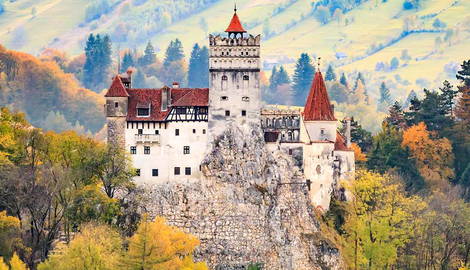
Transylvania, a land famous for its culture, identity, and its association with Dracula, was the target of a vicious struggle between Hungary and Romania during the first half of the 20th century. Like Alsace, Galicia, and Silesia, it was a heavily contested territory that became a brutal battleground during and after World War I. While Romania was awarded Transylvania in 1919, it was compelled to give up Northern Transylvania during WWII but was given the whole of Transylvania in 1945 after switching sides near the end of the conflict.
Transylvania in the Habsburg Empire
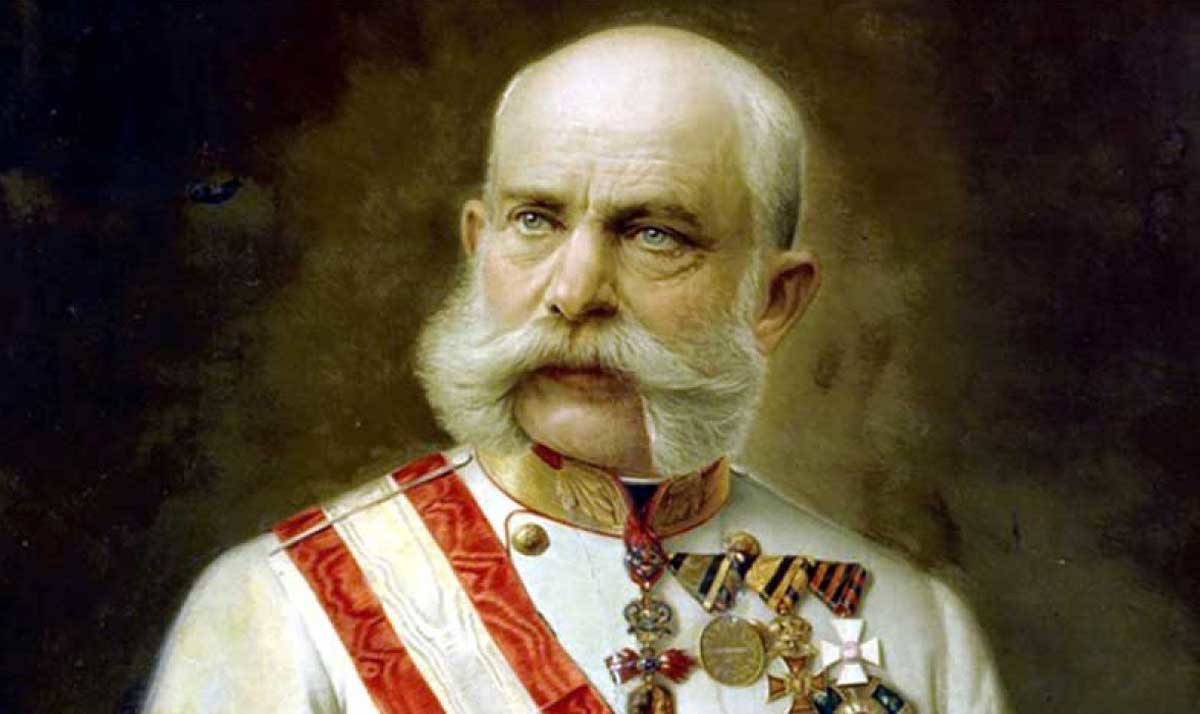
For much of its medieval history, the region of Transylvania had been closely part of the Kingdom Hungary. By the beginning of the 18th century, Transylvania became an independent principality under the Habsburg Dynasty. The region had a mixed population of Romanians, Hungarians, Germans, Jews, Roma, and other peoples. The authorities in Vienna granted the territory some autonomy because it had been an independent region after the 1848 uprising. Vienna hoped to placate the different minority communities in the region and sought to rule the region benignly.
However, the Compromise of 1867 which created the Dual Monarchy of the Austro-Hungarian Empire caused major issues for the Romanian community in Transylvania. The principality was abolished and the territory came under the Hungarian Crown. This made the local population vulnerable to Magyarization, the policy of cultural assimilation into Hungarian society. This led to an awakening of Transylvanian Romanians, who believed that they were facing serious threats to their identity. Efforts by ethnic Romanians to protest were met with force, contributing to the destabilization of the Habsburg Empire. This especially became prominent in the late 19th century with the rise of modern European nationalist movements.
When Romania gained independence in 1878, many Romanian nationalists sought to build their state by unifying it with other territories outside the country with large Romanian communities. Transylvania was high on this list because of its prominence in Romanian culture and national identity. Part of Romania’s justification for entering WWI on the Entente side was to seize Transylvania from the Habsburg Empire. Despite Romania’s heavy losses, the collapse of the Austro-Hungarian Empire created a power vacuum for Romania to exploit.
Territorial Dispute After WWI
Despite being temporarily forced out of WWI by the Central Powers, Romania reentered the war after the Habsburg Empire disintegrated. The Hungarian Monarchy crumbled in the face of the Aster Revolution, which brought to power a government that sought to demilitarize Hungary. However, when the Romanian National Council informed the government in Budapest that it intended to take control of much of Transylvania, Hungary rejected it and insisted that it had legal jurisdiction over all of Transylvania.
On November 12, 1918, Romanian forces crossed the demarcation line on the Mureș River and faced no opposition. They received assistance from Transylvanian Romanians, who believed that they were on the verge of unity with their brethren in Romania proper. This was followed by elections in the National Assembly for Romanians in Hungary and Transylvania. Candidates supporting unification did very well. The Hungarians were powerless to stop these events because they lacked credibility in the region and their military was almost nonexistent.
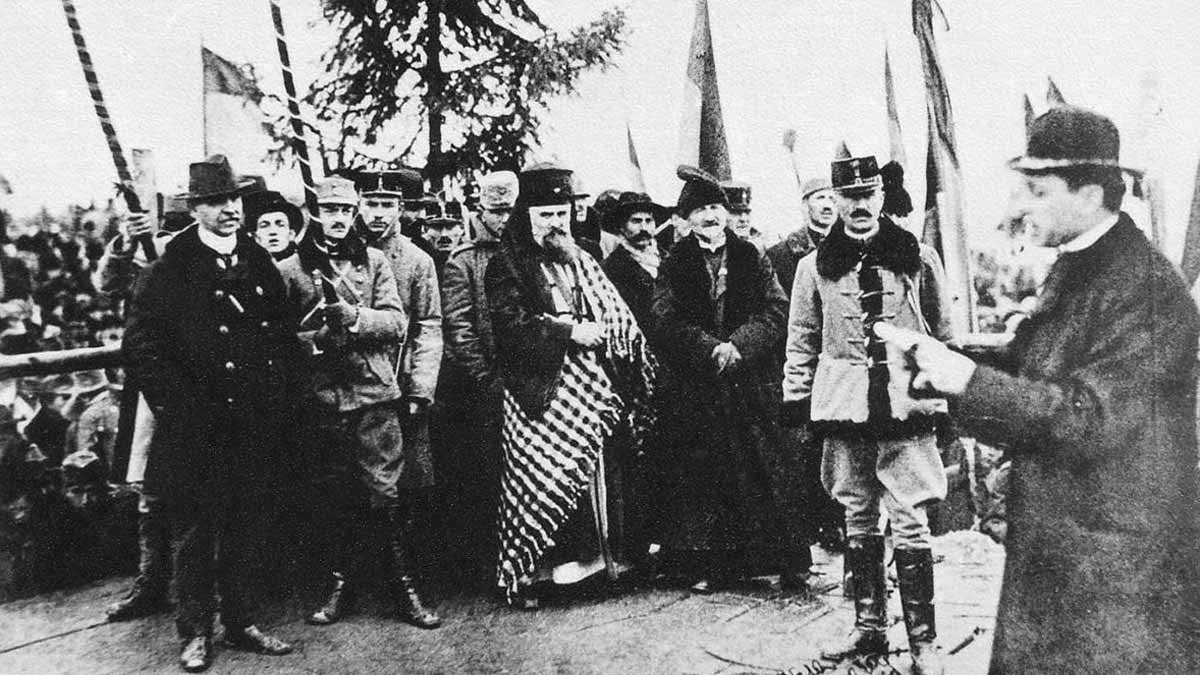
On December 1, 1918, the National Assembly for Romanians in Transylvania and Hungary convened in Alba Iulia. This body unanimously voted to unify Transylvania with Romania, offering equal rights to the non-Romanian population. Facing Hungarian protests in the international media, Romanian troops kept advancing to maintain control over the territory and deny Hungary the ability to contest its control. Hungarian Prime Minister Mihály Károlyi was forced to resign, leading to the rise of Hungary’s first communist government and setting the stage for the Romanian-Hungarian War of 1919.
Start of the Romanian-Hungarian War
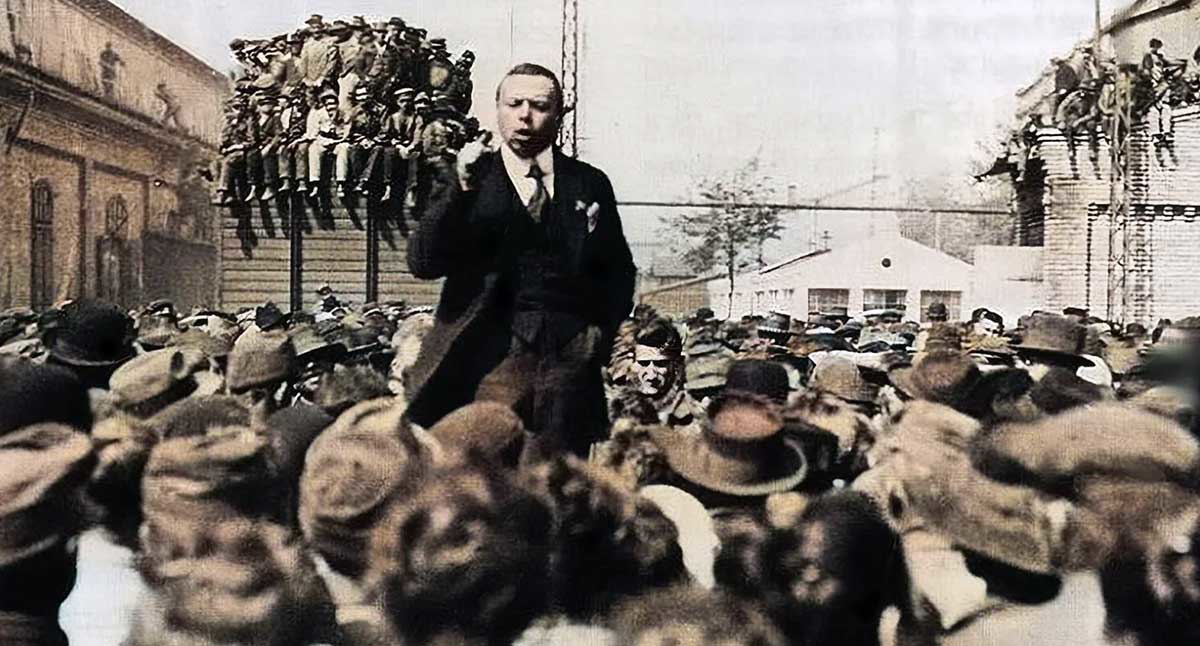
In March 1919, a former officer of the Austrian Army, Béla Kun, led a revolution that created a communist government in Budapest. He combined Hungarian nationalism with revolutionary socialism and vowed to oppose any reduction of Hungarian territory. The ruthlessness of his revolutionary policies enraged other European governments, who feared that the whole continent could fall to communism. In the eyes of King Ferdinand of Romania and his government, Kun was a particularly dangerous threat.
In March 1919, Romanian Prime Minister Ion Brătianu sent a letter to representatives of other Entente governments calling for Romanian control up to the Tisza River. This was rejected, but Entente leaders hoped to negotiate a solution and sent South African Prime Minister Jan Smuts to meet with Kun. The latter refused to back down, insisting that Romanian forces fall back to the Mureș River. King Ferdinand received word that the Hungarians were repressing Romanians in the areas of Transylvania they still controlled. As a result, he ordered the army to prepare a general offensive aimed at defeating the Hungarian Red Army.
Hungarian forces noted the Romanian preparations and launched a preemptive strike. This failed and Romanian forces pushed forward with a plan to drive onto the Tisza River. Over the next several months, the Romanians emerged victorious in several pitched battles against the Hungarians. Their forces, backed by France, pushed to the Tisza and repelled a Hungarian counterattack. By August 1919, Romania successfully seized Budapest.
The Treaty of Trianon
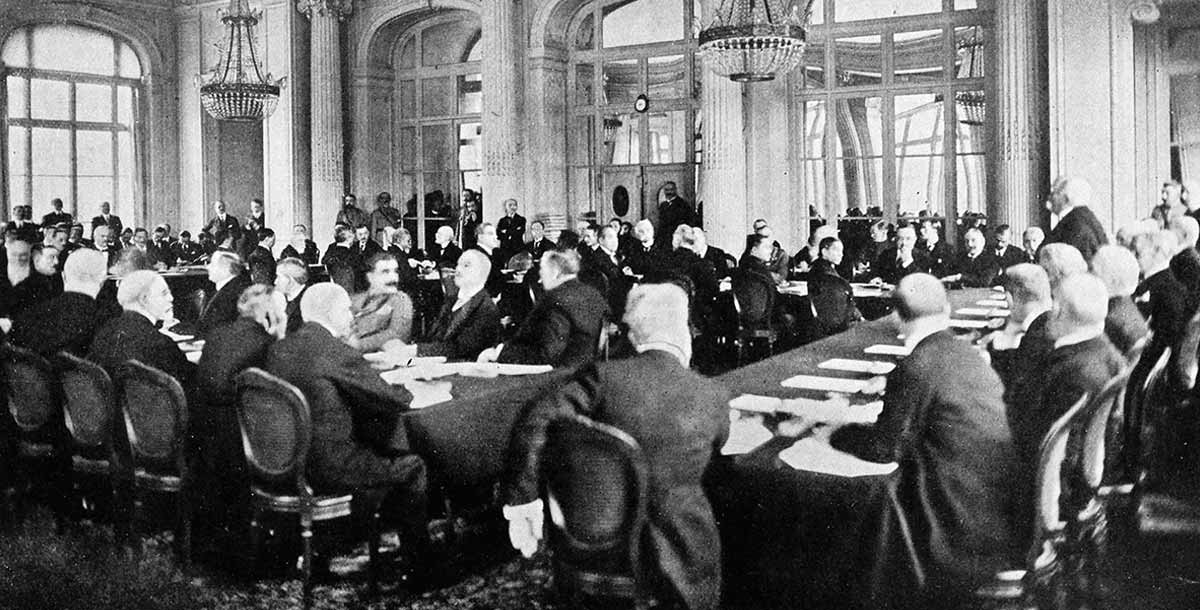
Romanian forces remained in Budapest until November 1919 while a new Hungarian government more acceptable to the Entente was established. The Trans-Tisza region remained under occupation for an even longer period because Romania wanted guarantees that it could keep control over Transylvania without Hungarian interference. The Entente was pleased with Romania’s actions and promised to support its territorial claims. This formed a major component of the Treaty of Trianon.
As the Versailles Conference established the new order of Europe, the question of what Hungary’s borders would be remained. The weakness of the state meant that Romania had a stronger hand at the negotiating table. Despite the new Hungarian government’s pleas that the status of the disputed territories should be determined by a plebiscite, the Entente issued an ultimatum that insisted on Hungary ceding territories to its neighbors.
On June 4th, 1920, Ágost Benárd and Alfréd Drasche-Lázár signed the Treaty of Trianon on behalf of the Hungarian government. This confirmed Romania’s control over Transylvania and deeply weakened Hungary. It also fueled the rise of Hungarian Admiral Miklós Horthy’s nationalist dictatorship. Thousands of ethnic Hungarians living in the region left while many others remained, hoping that Hungary would one day return to retake the territory. Many Hungarian nationalists were enraged with the terms they faced and vowed to recover Transylvania when they were strong enough to do so. For King Ferdinand, the Trianon Treaty validated Romania’s decision to enter WWI.
Second Vienna Award
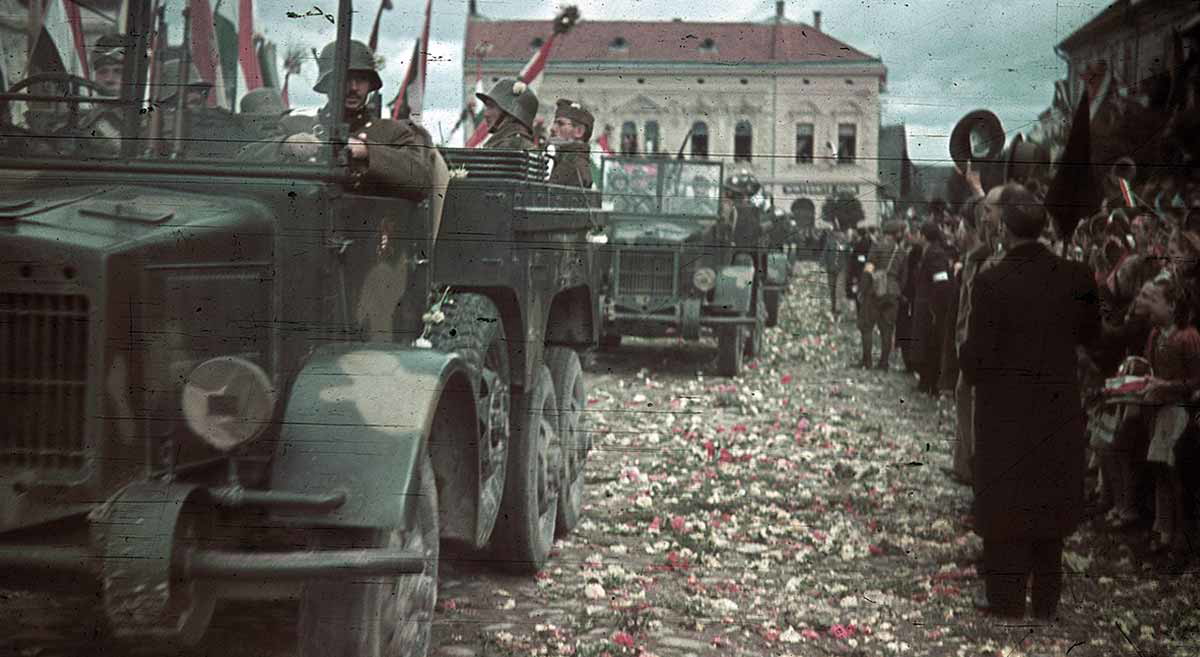
From 1920 to 1940, Romania maintained control over Transylvania and sought to incorporate its population into Romanian society. The country underwent political turmoil common to Central and Eastern Europe in the interwar period. In 1930, Prince Carol von Hohenzollern took power in a coup and led an autocratic government as King Carol II. Notwithstanding his German roots, he began to suspect Nazi Germany of supporting far-right factions in his country that he considered a threat. The mistrust between Germany and Romania encouraged Admiral Horthy to seek closer ties with Berlin.
The close ties between Germany and Hungary paid off for Budapest. In 1936, they gained some territory back in the north through the First Vienna Award. This was followed by Horthy’s greatest feat: convincing Germany to back Hungary’s claims over Transylvania. Romania was concerned about the Soviet Union and could not afford to pick fights with other European powers. King Carol tried to gain support from the British and the French, but this failed with the Fall of France in 1940. As a result, Bucharest started to cede territory it gained after WWI.
In 1940, Germany mediated an agreement between Hungary and Romania called the Second Vienna Award. At the Belvedere Palace in Vienna on August 30, 1940, Romanian Foreign Minister Mihail Manoilescu and Hungarian Foreign Minister István Csáky signed the accord, relinquishing North Transylvania to Hungary. King Carol ordered the Romanian army to withdraw. Romanians living in the territory were offered Hungarian citizenship or told to leave. This contributed to the fall of Carol and the rise of Marshal Ion Antonescu in Bucharest.
Romania Regains Permanent Control After WWII
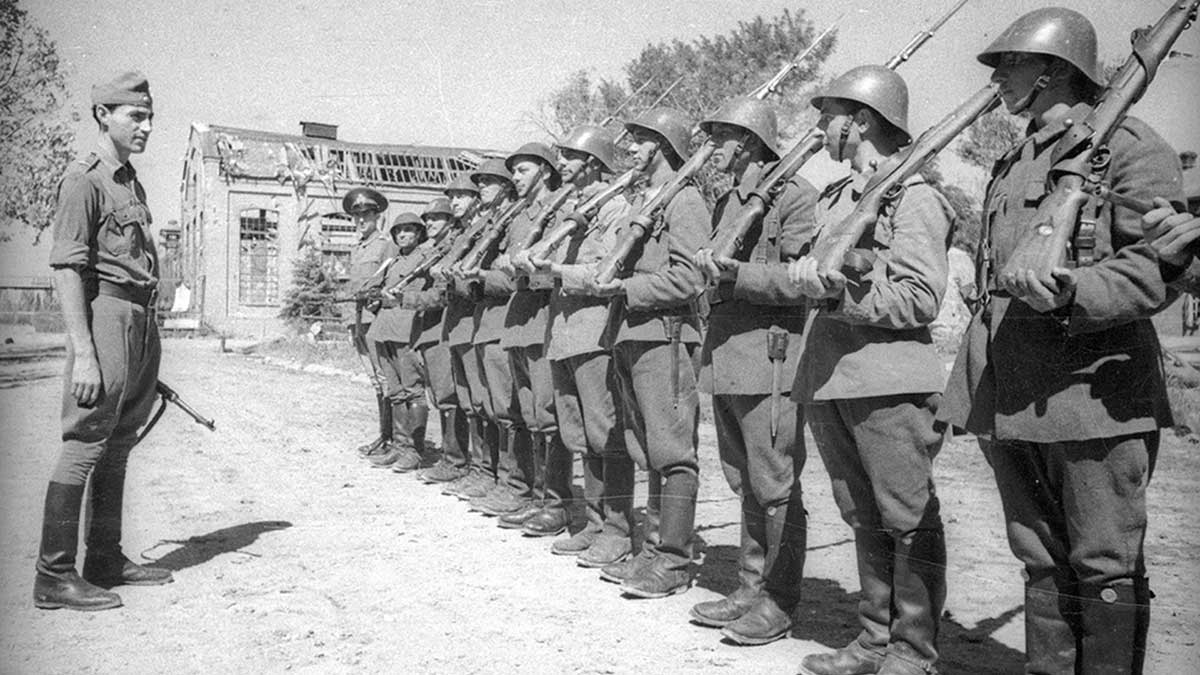
Despite Romanian anger at losing control over Transylvania to Hungary, Marshal Antonescu feared the Soviets more and signed the Pact of Steel and Anti-Comintern Pact to join the Axis Powers. For the next several years, Romanian forces battled alongside other Axis countries, including Hungary, with the aim of controlling Bessarabia (modern-day Moldova) and Bukovina. Their forces advanced deep into Soviet territory. Transylvanians were obliged to fight in either the Romanian or Hungarian militaries or assist the Axis war effort in other ways. The Jewish and Roma communities in Transylvania were subject to discriminatory legislation and abuse, but were left alone until Germany’s takeover of Hungary, after which both communities began to face deportation and extermination.
As Romania’s military fortunes deteriorated, Antonescu found himself under attack from Romanian politicians that wanted out. On August 23, 1944, Antonescu was ousted in a coup led by King Michael and Romania signed an agreement with the Soviets to cease hostilities. Subsequently, Romanian forces advanced alongside the Red Army and retook North Transylvania from Hungary. Regent Horthy was also under threat: he was ousted in a coup by pro-German factions that vowed to fight on. It was a lost cause and Hungary was overrun by Soviet and Romanian forces in 1945. Both Hungary and Romania would remain under communist rule in 1989.
The Allies did not want either Romania or Hungary to fight over Transylvania again and the Soviets hoped to appease Romanian anger over the loss of northern Bukovina and Bessarabia. In 1947, treaties signed in Paris reversed the terms of the Second Vienna Award and granted Romania full control over Transylvania. This was the final time the region changed hands, marking an end to one of the most intense border disputes in 20th century Europe.