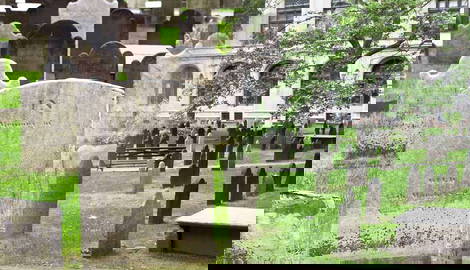
Walk Trinity Church cemetery, and know that you’re stepping into a time machine of New York history, complete with revolutionaries, inventors, and even a bit of scandal. The bones resting under these headstones saw it all—the birth of a nation, the rise of a metropolis, and more drama than a Broadway show. Let’s uncover the inventions and intrigues of some of the most infamous souls laid to rest here.
1. Richard and Ann Churcher: The Earliest Known Graves
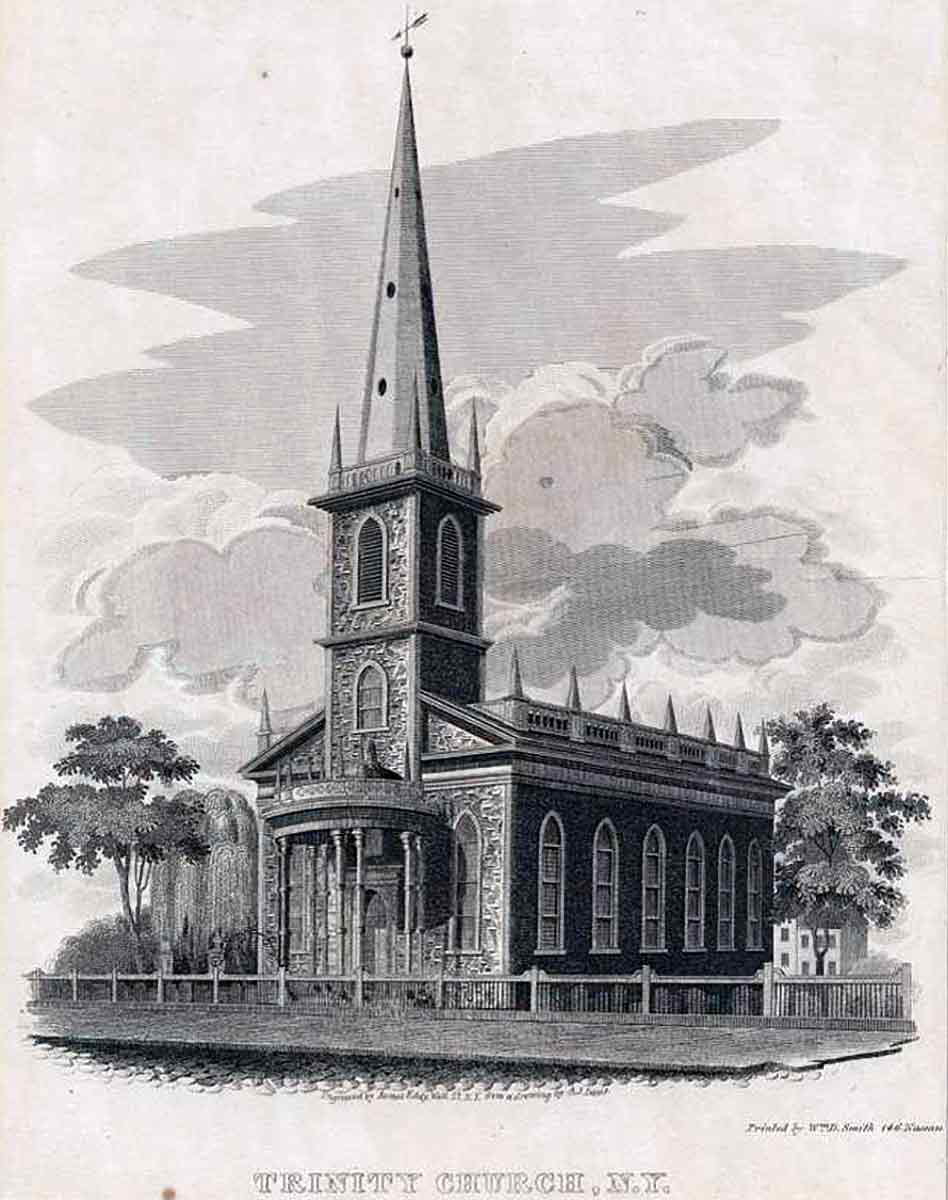
When you think of the oldest grave in a place that dates back to the 1600s, it is easiest to imagine a stately, elderly gentleman who fought in some great war, or maybe a matronly figure who lived through some textbook-worthy moment in history. This assumption would be wrong, as the oldest legible grave belongs to a five-year-old—little Richard Churcher—who died in 1681. Speculation has it that Richard was one of many children to die in the area’s smallpox outbreak around this time. A short life perhaps but his stone is holding up better than many a New York building.
Located in the northeast section of the yard, Richard’s small marker is a quiet reminder of the area’s early history, when life in New York—then New Amsterdam—was harsh and fleeting for many. Buried next to him is Ann Churcher, likely a relative (some have hypothesized that this is his sister), who passed away a decade after Richard did. These graves predate the founding of Trinity Church itself by a handful of years and provide a glimpse into the city’s colonial past.
Although little is known about the Churcher family, their presence in the churchyard highlights the diverse range of people interred here, from children to adults, all representing the early days of the city’s development.
2. William Alexander, Lord Stirling: A Patriot of the American Revolution
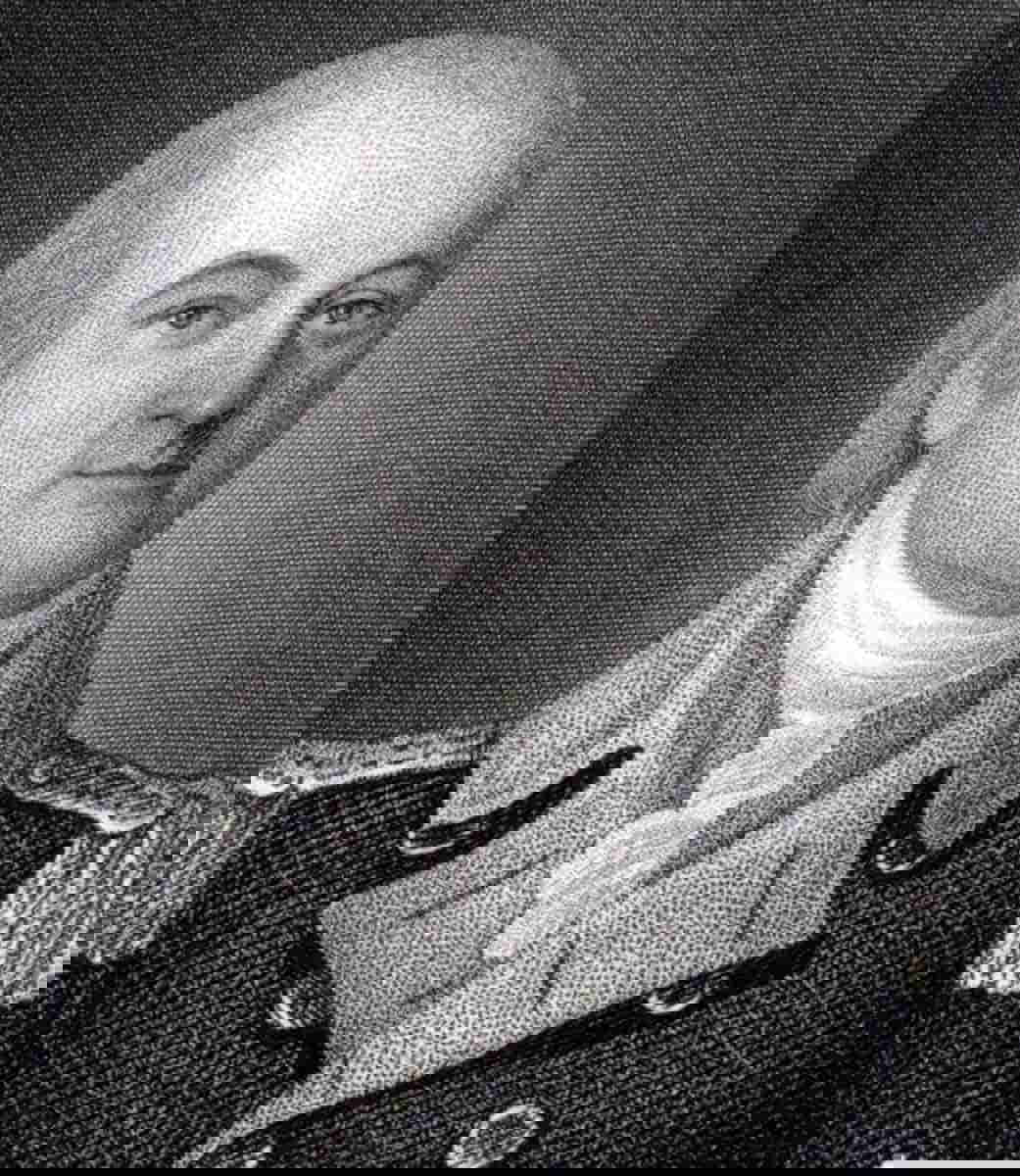
Of all the graves at Trinity Churchyard, few hold as much technological significance as that of William Alexander, aka Lord Stirling. A key figure in the American Revolution, Stirling served as one of George Washington’s most diligent generals. He first witnessed the steadfastness of Washington during the French and Indian War and became a dedicated supporter of the American cause after growing disenchanted with British overreach in the colonies.
Born on Christmas Day in 1726, Stirling was the kind of guy who believed in America before it was the trend. His defining moment came during the Battle of Long Island in 1776, when Stirling held off the Redcoats just long enough to let Washington and his troops melt away from the battlefield to safety. It was a sacrifice—Stirling ended up getting captured. However, he was back in action after a few months as a prisoner, eager to fight again.
Born to privilege, Stirling’s aristocratic roots were complicated by his father’s Jacobite loyalties, which had forced the family to seek freedom in America. Despite his noble title and elite upbringing, Stirling was a rebel from the beginning of the conflict, choosing to fight for America over the British Crown. Today, his gravestone stands as a reminder of his critical role in shaping the nation’s future as well as its attitudes concerning privilege versus achievement.
3. Robert Fulton: Steamboat Pioneer
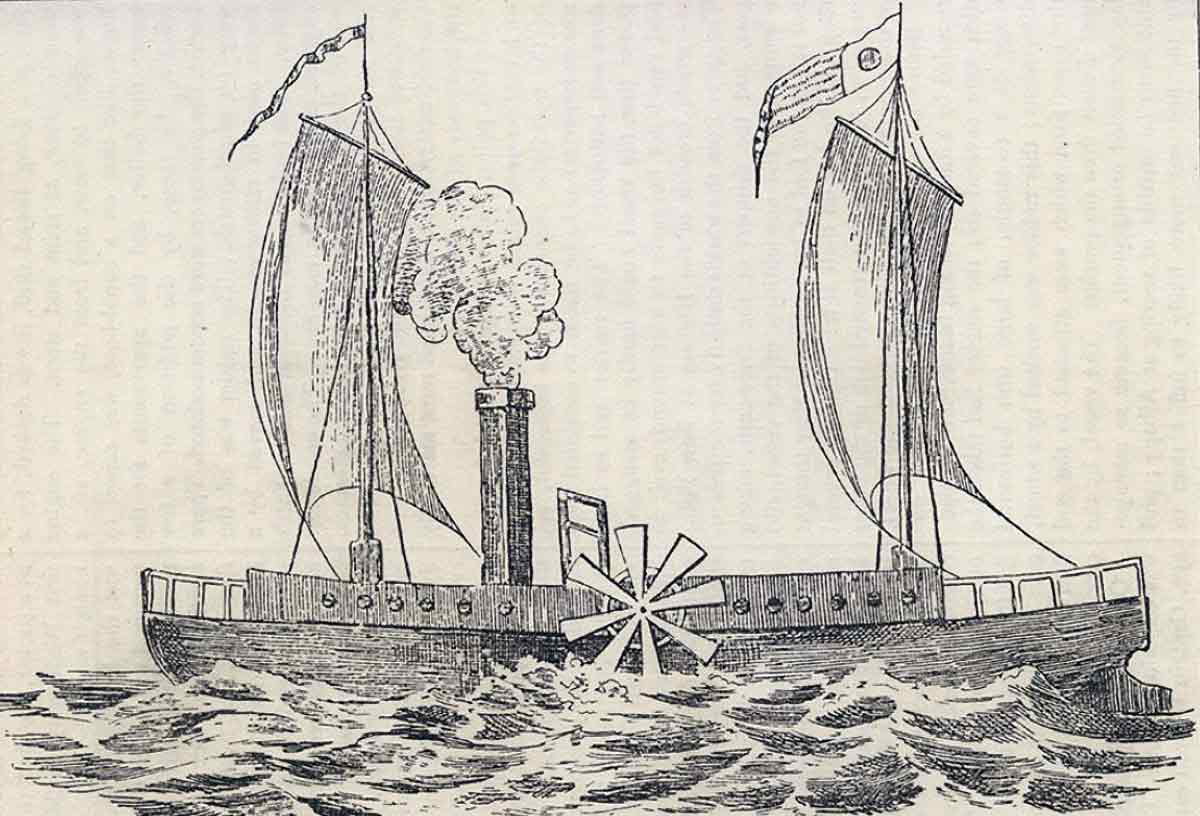
Robert Fulton’s name is synonymous with the steamboat, although it is worth noting that he did not invent the technology, he was the broker who made it a commercial success. Born in Pennsylvania in 1765, Fulton initially pursued a career as a portrait painter, but his inventive mind eventually led him to revolutionize transportation in America.
In the early 1800s, Fulton’s steamboat, the Clermont, made its historic first voyage up the Hudson River, carrying passengers for a fare of five cents per mile. With its sleek design and powerful steam engine, the Clermont opened up new possibilities for both travel and trade, contributing significantly to the Industrial Revolution that changed America from agrarian leanings to a country of manufacturing. Fulton’s innovation made river travel much more accessible, cheaper, and reliable, playing a key role in the nation’s westward expansion as well.
Unfortunately, Fulton didn’t get to enjoy his success for long—he died in 1815, but not before cementing his place in American innovation history (and Trinity Church graveyard).
4. The Hamilton-Schuyler Clan: Founders and Flirtations
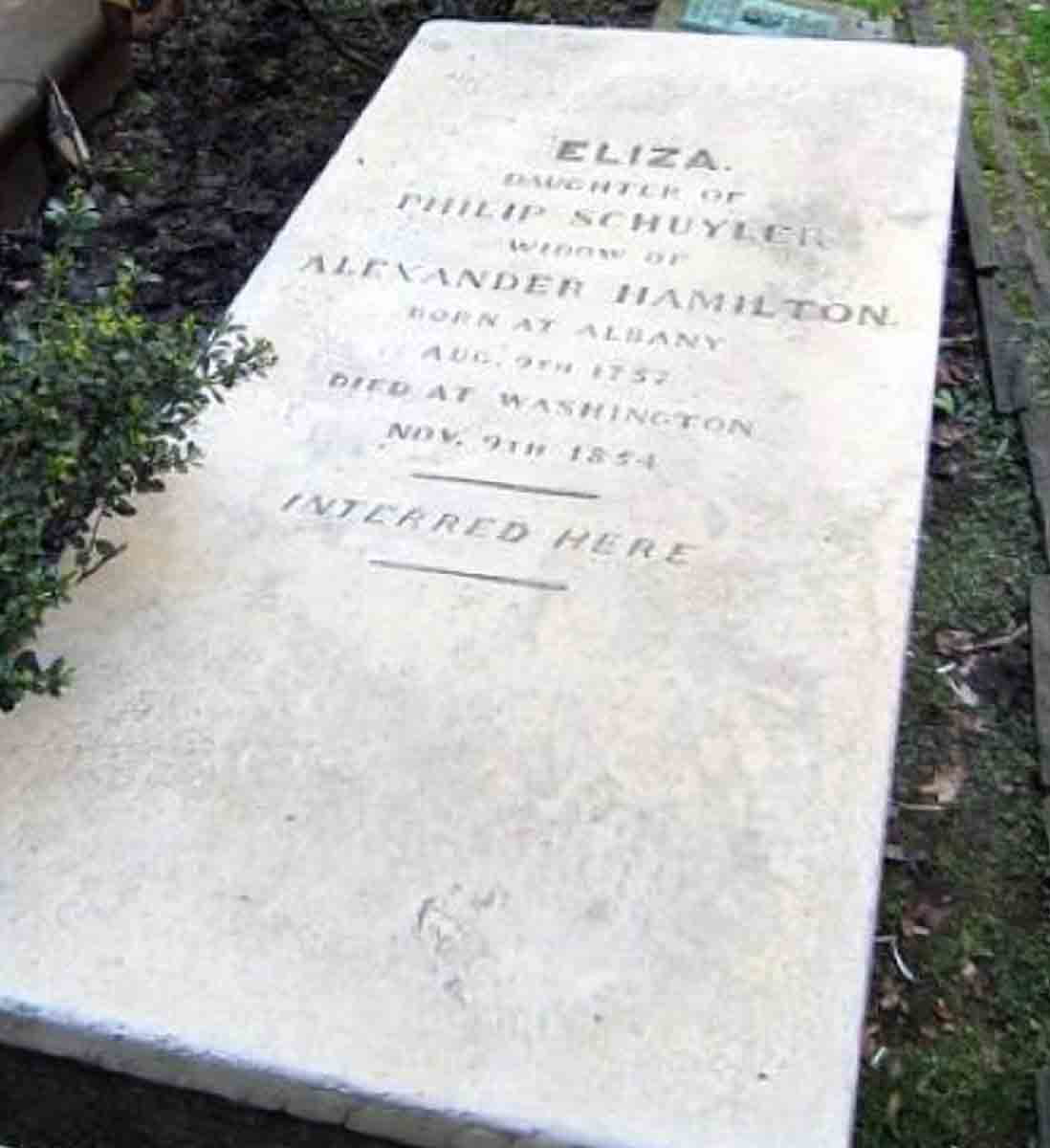
You can’t talk about Trinity Churchyard without giving a nod to the guy who practically built America’s financial system from scratch. After all, in 1789, when he became the first Secretary of the Treasury under George Washington, Hamilton didn’t just stop at making sure this new nation could pay for things. This rather complicated genius set up the National Bank, created the first US monetary system, and even got the tax system up and running.
Aside from his own eight children with his dedicated wife Elizabeth, many forget he is also the father of the Customs Service and the national debt. All Americans who enjoy their functioning and globally sound economy owe Mr. Hamilton a thank you. While Alexander Hamilton’s large monument draws scores of tourists each year, the less frequented graves of his in-laws, including Angelica and Peggy Schuyler, rest nearby.
Angelica Schuyler Church, sister to Hamilton’s wife Eliza, is remembered for her wit, intelligence, and playful flirtations with the founding father himself. Her relationship with Hamilton has been the subject of much speculation, though historians generally interpret their letters as a friendly, if somewhat flirtatious, exchange (she had a very similar literary setup with Hamilton-hater, Thomas Jefferson). Angelica spent much of her life in Europe, traveling between Paris and London, where she mingled with political luminaries such as the royal family, Benjamin Franklin, and the Marquis de Lafayette.
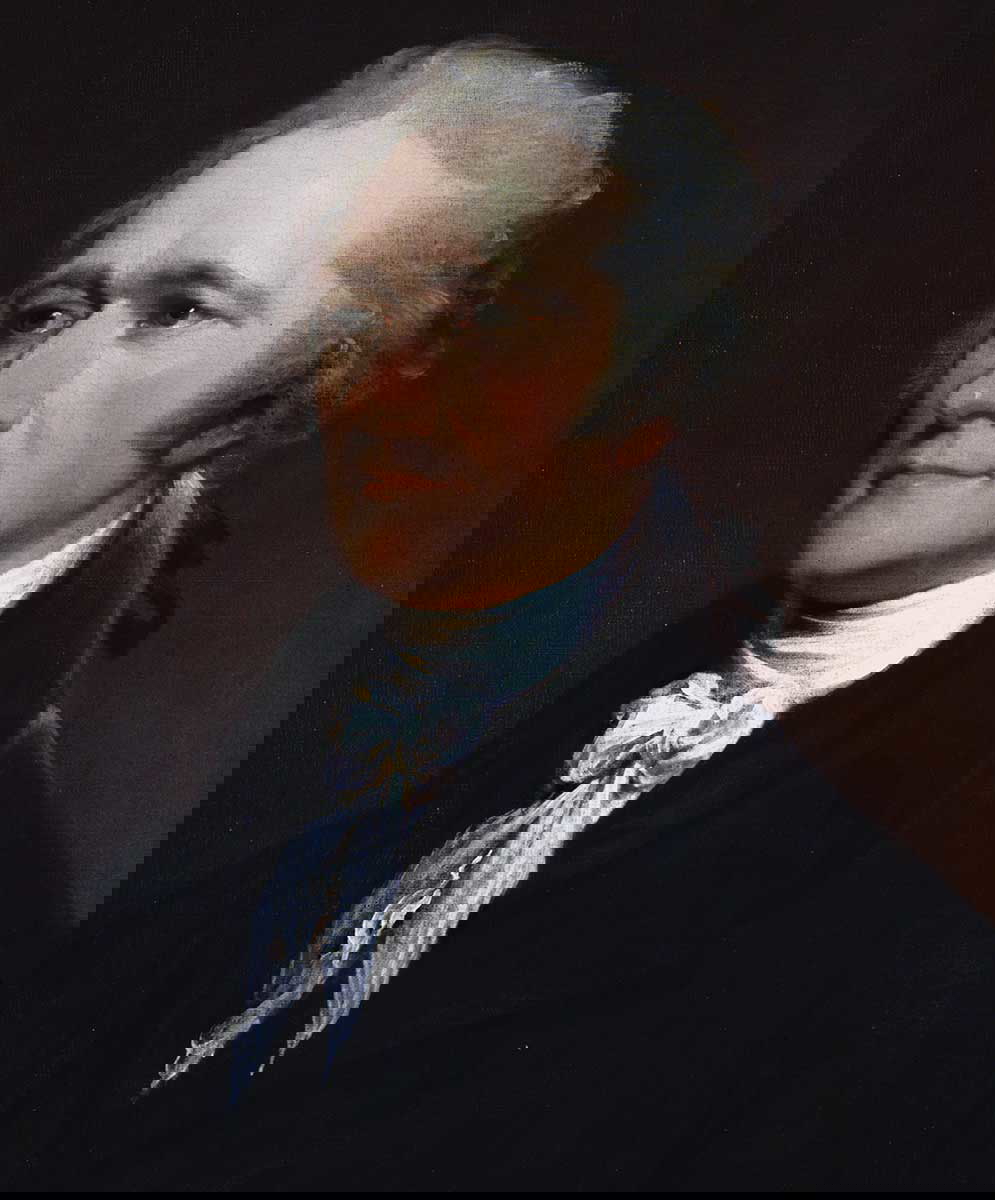
Eliza Hamilton remained a devoted member of Trinity Church, frequently bringing her children to services. The Schuyler sisters’ presence in the cemetery speaks to the strong ties between their families and the early days of American independence.
Margarita “Peggy” Schuyler, the youngest of the three most famous Schuyler sisters, is also buried at Trinity. Much like Angelica, she maintained correspondence with her brother-in-law for most of her short life. Known for her boldness, Peggy once thwarted a British attempt to kidnap her father during the Revolution, proving herself as courageous as she was charming. Although her story is less well-known than those of her sisters, Peggy’s legacy as a key figure in the Revolution lives on in Trinity Churchyard.
5. Charlotte Temple: Fiction Meets Reality
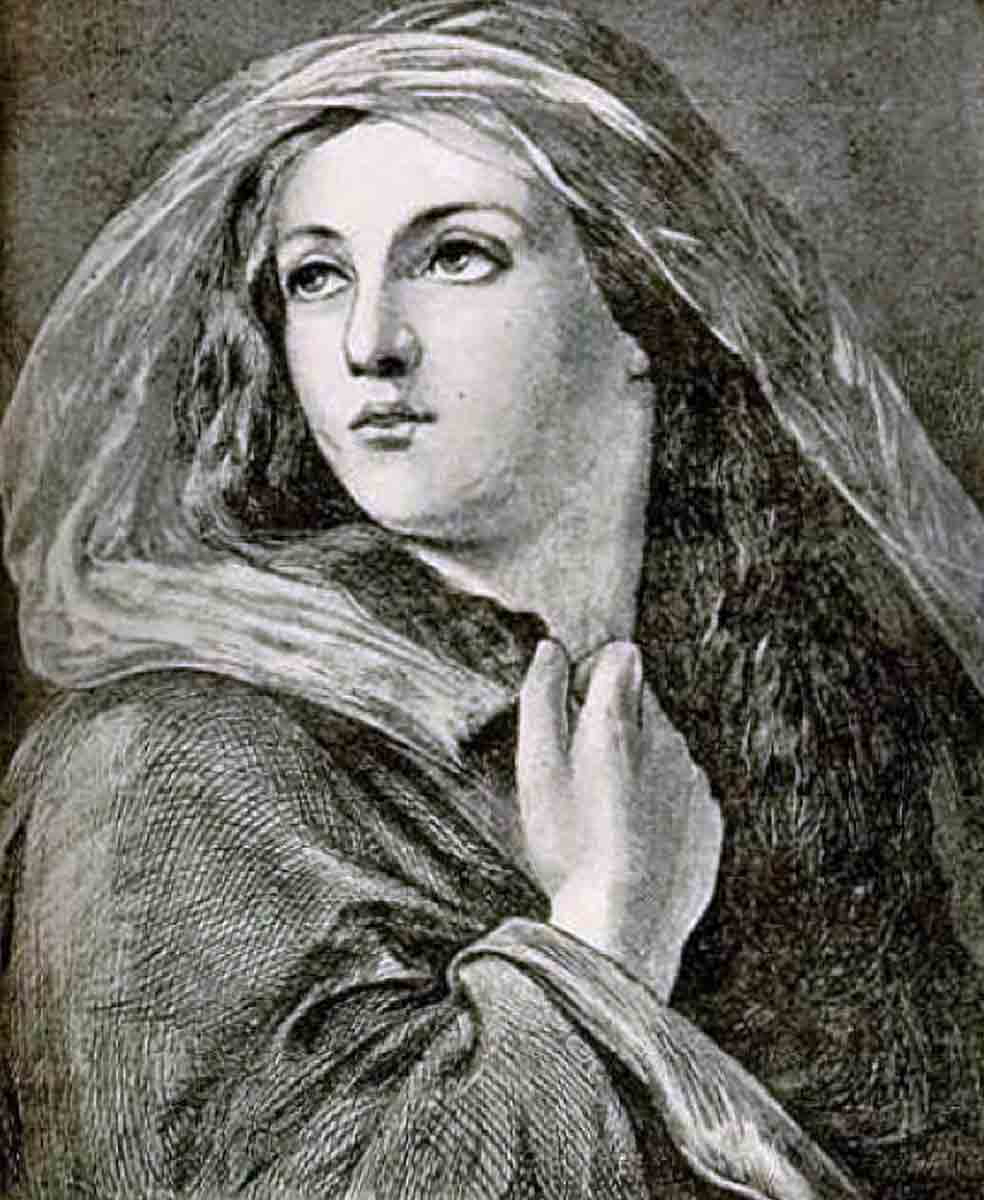
Charlotte was the title character in Charlotte, A Tale of Truth, the first American bestseller, written by Susanna Rowson in 1794. The book was a tragic story about a young woman who got knocked around by life and died after giving birth out of wedlock. Readers, whose heartstrings were certainly tugged by Charlotte’s struggles, came to believe the story was real.
A gravestone for Charlotte popped up in the Trinity Churchyard, and folks came from miles around to pay their respects. However, as Charlotte Temple was not based on a single real woman, many attribute the sudden appearance of her burial marker at Trinity Church to unsurpassable hype man, P.T. Barnum.
Visitors would come to mourn the fictional character as if she were once an actual young woman. The grave remains a curious piece of literary history, a testament to the power of storytelling and the blurred boundaries between fiction and reality in early America.
6. Madeleine Talmage Force: Titanic Survivor and Society Darling
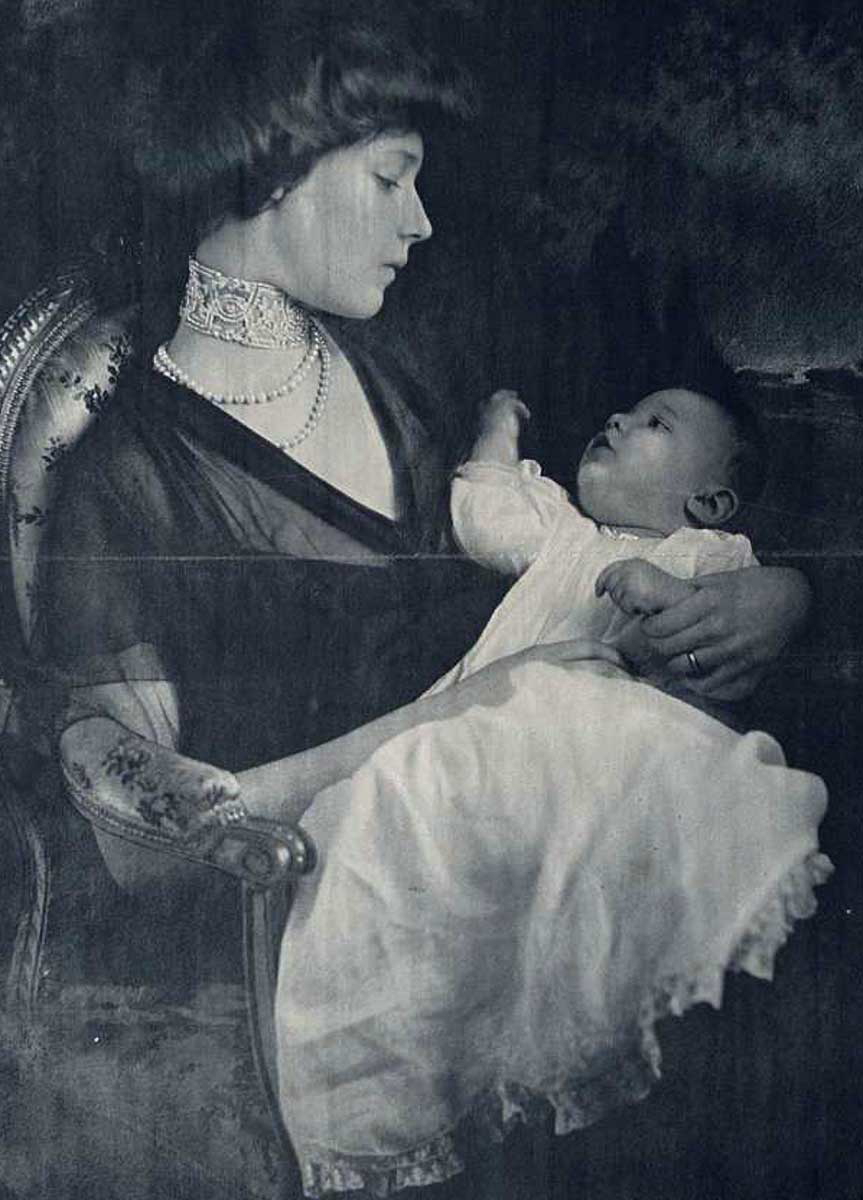
Madeleine Talmage Force was just 18 when she became a Titanic survivor—and that’s far from the most interesting thing about her. Born into wealth in 1893, Madeleine was the it girl of her time, educated at fancy schools like Miss Ely’s and Miss Spence’s, where she excelled in just about everything. She rode horses with an elegant mastery, was a fixture in New York’s social plays, and had a place in the Junior League sisterhood to boot. That’s not even mentioning her grandfather, one of Brooklyn’s former mayors.
Then came John Jacob Astor IV, one of the richest men in the world and fresh off an odious and quite public divorce. Despite the gossip swirling around them—divorce wasn’t exactly considered decent in 1911—Madeleine and John married at his vast mansion in Newport. Societal uproar ensued, as the Titanic movie of ‘90s fame got right: “his little wifey there, Madeleine, is my age in a delicate condition. See how she’s trying to hide it, quite the scandal.”
Just months later, they boarded the Titanic. Madeleine, pregnant and barely out of her teens, was put into Lifeboat No. 4 while her husband was denied a seat. She survived the sinking, displaying what one report called “the greatest courage and fortitude” during the chaos.
After the tragedy, she gave birth to their son, John Jacob Astor VI (aka the “Titanic baby”), and went on to remarry her childhood friend, William Karl Dick. She had two sons with this husband, an industrialist, and a member of the New York Yacht Club.
From socialite to survivor, Madeleine’s life was a whirlwind of societal scandal, romance, and resilience. She now rests at Trinity Church, leaving behind a story that is rather more unsinkable than the legendary ship she once sailed on.
Trinity Churchyard: Resting Place of Revolutionary Heroes and Modern Icons
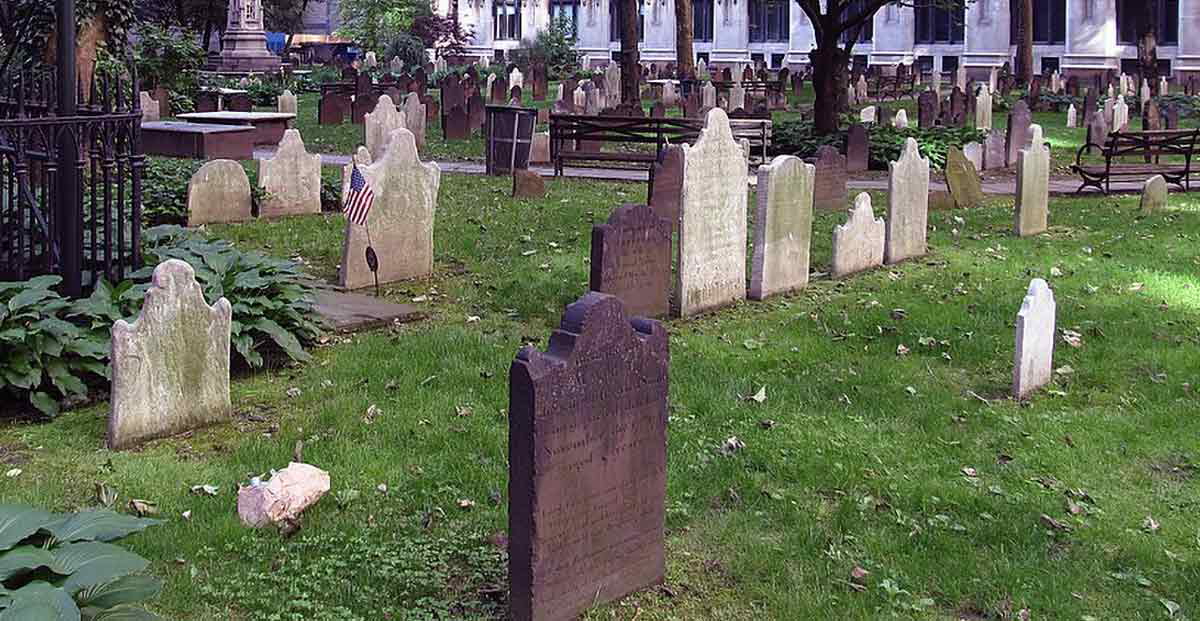
Trinity Churchyard is more than a peaceful cemetery—it is a monument to real American achievement. Beneath its stone markers eternally sleep individuals who shaped America, from the days of revolution to the bustling metropolis we know today. This article has only scratched the surface of the notables who are buried there in the hallowed grounds of Trinity Churchyard.
There is John Peter Zenger, whose defiant stand in a libel trial established the freedom of the press—a right that still stands today. Visitors to this Upper Manhattan cemetery can also wander to the Soldiers’ Monument, which commemorates the Americans who perished in British captivity during the Revolution. Talk about a place steeped in sacrifice.
Fast forward to more recent history: jazz pianist John Lewis rests here, his music echoing in the annals of American culture. He is joined by Robert Lowery, the first Black Fire Commissioner of New York City, and even Ed Koch, the legendary mayor who gave NYC its signature untouchable swagger in the 1980s.
Trinity isn’t just a place to mourn—it is a place to remember how these men and women shaped the country we live in today. From generals to mayors, spies to surgeons, Trinity Churchyard tells the story of American exceptionalism, one headstone at a time.