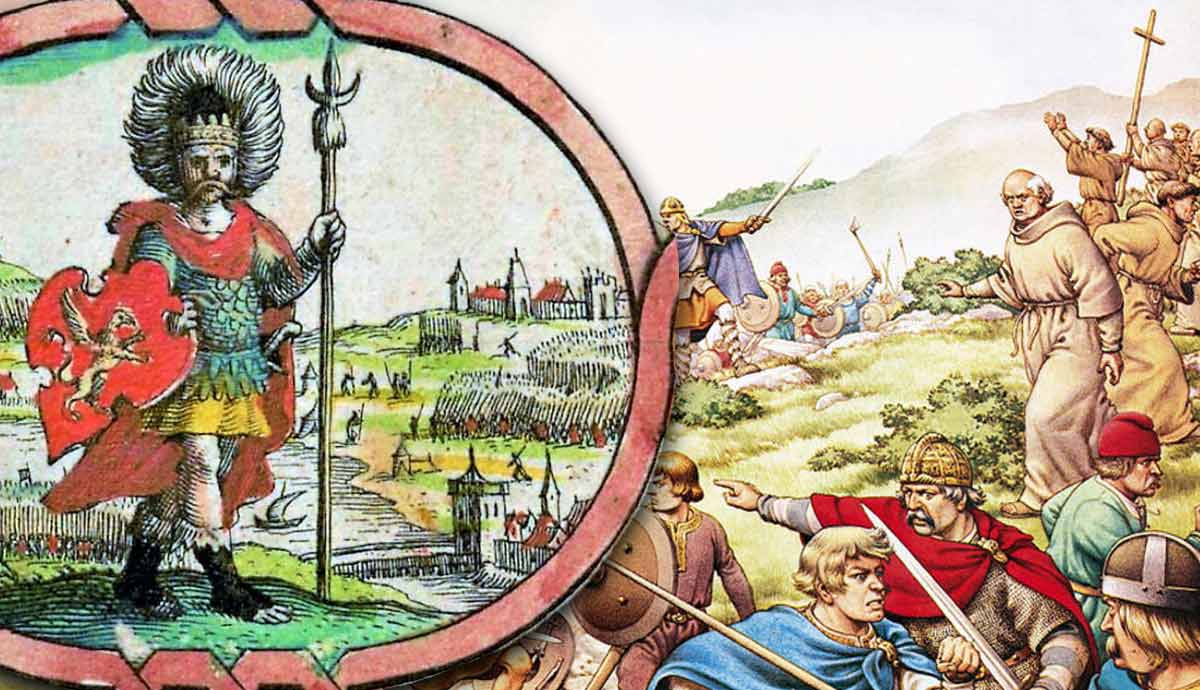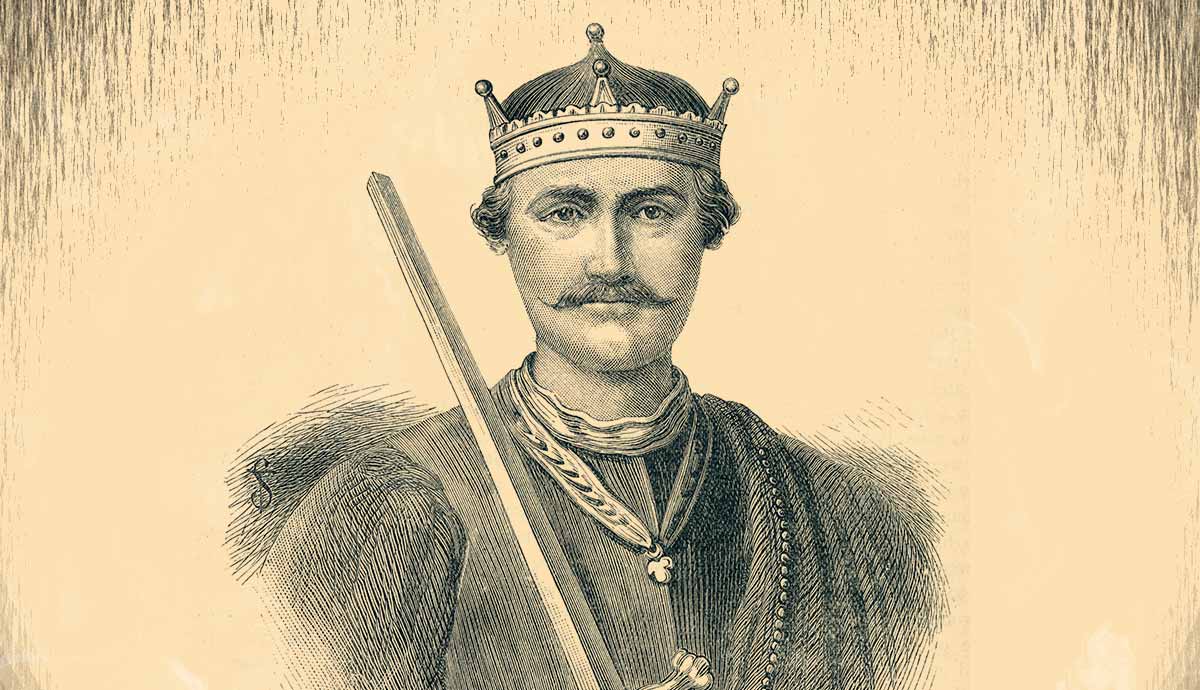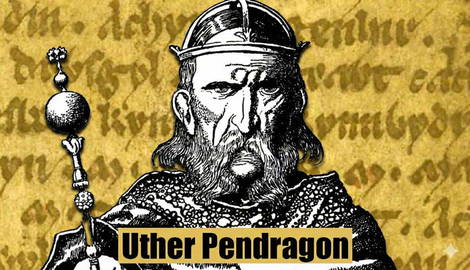
In the Arthurian legends from medieval Britain, there is an important king of the Britons named Uther Pendragon. He has a vital role in these legends, seeing that he is the father of King Arthur himself. Therefore, without Uther, the Arthurian legends could not exist. With that in mind, what do the legends tell us about Uther Pendragon? What sort of king was he, and what did he accomplish during his reign? Furthermore, might there be evidence that he was a historical figure from medieval Britain?
The Name Uther Pendragon

In the legends of King Arthur, many of the members of Arthur’s family have names which make sense in an early Post-Roman, Romano-British context. Arthur’s own name likely comes from “Artorius,” while Arthur has uncles named Aurelius Ambrosius and Constans. Within this context, the name “Uther Pendragon” stands out as decidedly unusual. What is the reason for this?
The legends themselves make it clear that “Pendragon” was simply an epithet applied to this king. In fact, medieval Welsh apply this to other figures as well. Its meaning is quite obvious. The word “pen” is Welsh for “head,” often in the sense of “chief.” The word “dragon,” meanwhile, is frequently used in poetry to denote a warrior. Therefore, this is a title meaning “Chief Warrior.”
As for “Uther,” this could be explained as a corruption of the Latin name “Victor.” Normally, in Welsh, that would be “Gwythyr,” but the corruption of this into “Uthyr” is attested in Welsh texts. Alternatively, and perhaps more probably, it comes from the Welsh word “uthr,” meaning “fearsome,” and is actually part of the “Pendragon” title.
The Earliest Traces of Uther Pendragon
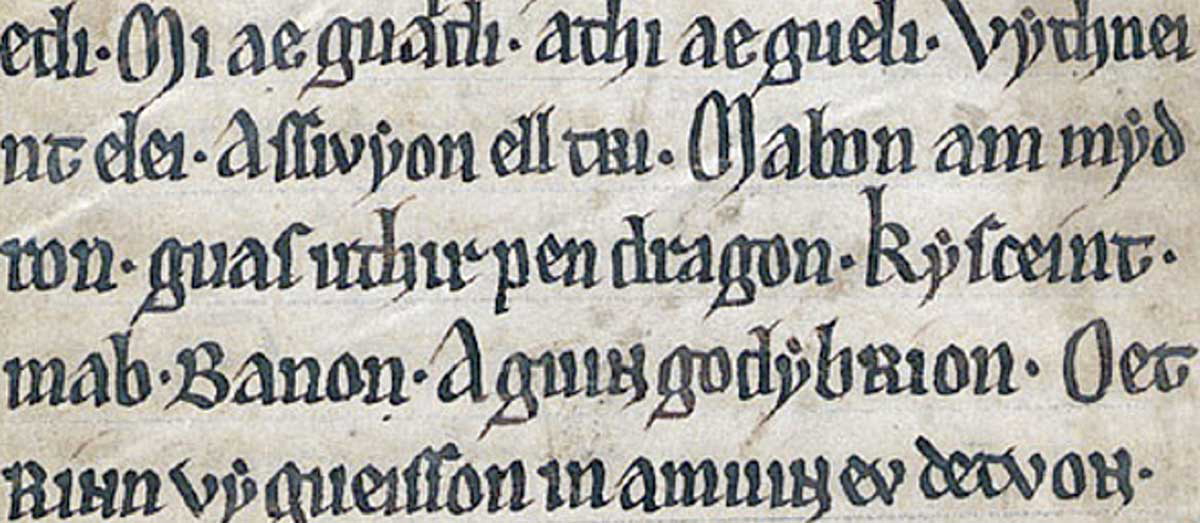
When and where does Uther Pendragon first appear in the Arthurian legends? Some modern sources suggest that he is a late addition to the legends, or that he was invented by Geoffrey of Monmouth in the 12th century. These claims are untrue. In reality, Uther Pendragon appears in Welsh texts as early as c. 900, which is within a century of the earliest text outlining Arthur’s career. The earliest text is Pa Gur, which is a poem that refers to various episodes in the career of Arthur and his men.
In one passage, one of Arthur’s servants—Mabon ap Modron—is referred to as the servant of Uther Pendragon. His name there is actually spelled “Uthir Pen Dragon,” with the name frequently seen as “Uthyr Pendragon” in Welsh sources. However, nothing more is said about him in this source. In fact, given that it is Arthur’s own servant who is described as the servant of Uther Pendragon, this has contributed to the suggestion that this was actually a title used by Arthur himself.
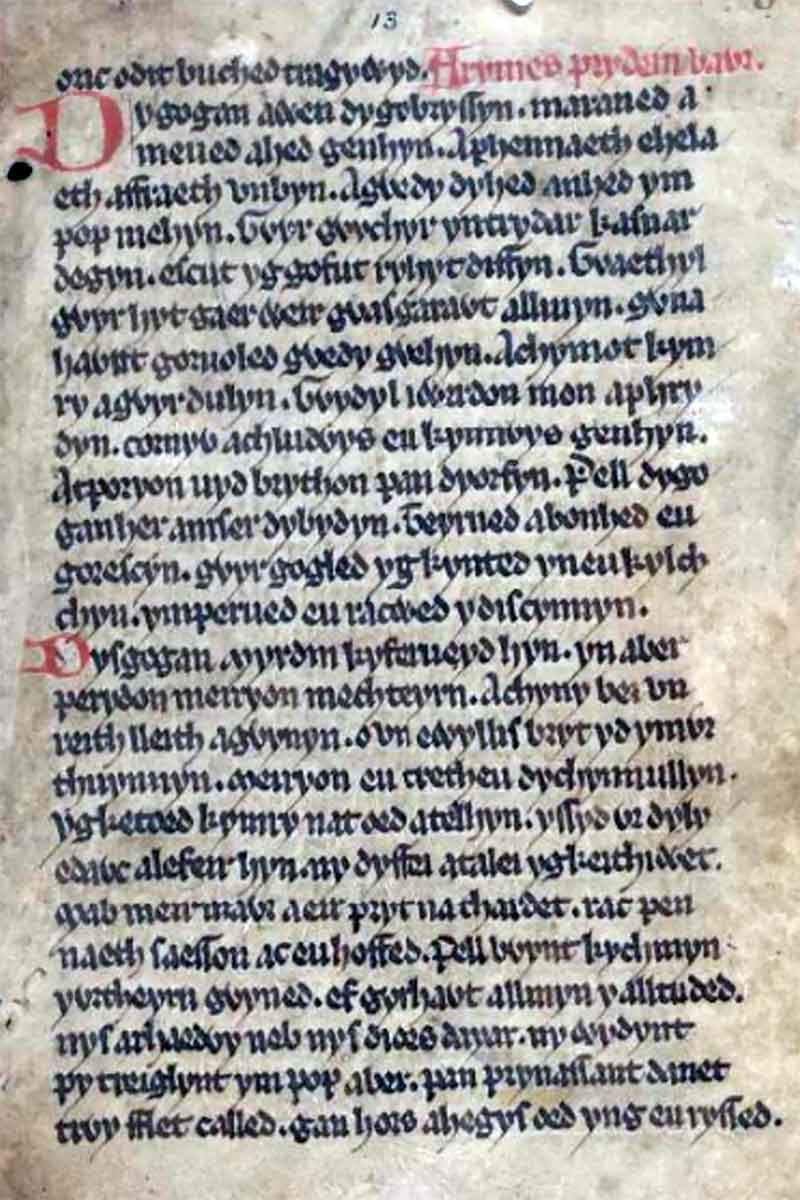
Another early text which features Uther Pendragon is Marwnat vthyr pen, also known as the Death-song of Uthyr Pendragon. This is an elegy which appears to honor the death of Uther Pendragon. This text, which appears to date to no later than the 11th century, is the earliest known source to connect Uther with Arthur. Written from the first-person point of view, Uther declares:
“I shared my shelter,
a ninth share in Arthur’s valour.”
This clearly suggests a connection between the two figures, which some researchers interpret as evidence that Uther was already viewed as the father of Arthur by this point. Other researchers argue that the parallelism in these two lines imply that Uther is Arthur, this merely being a title by which Arthur was known. In any case, this poem attributes various noteworthy feats to Uther, such as a conflict with the sons of a certain Cawrnur. This source is widely known for being fairly difficult to interpret.
Uther Pendragon in the Historia Regum Britanniae
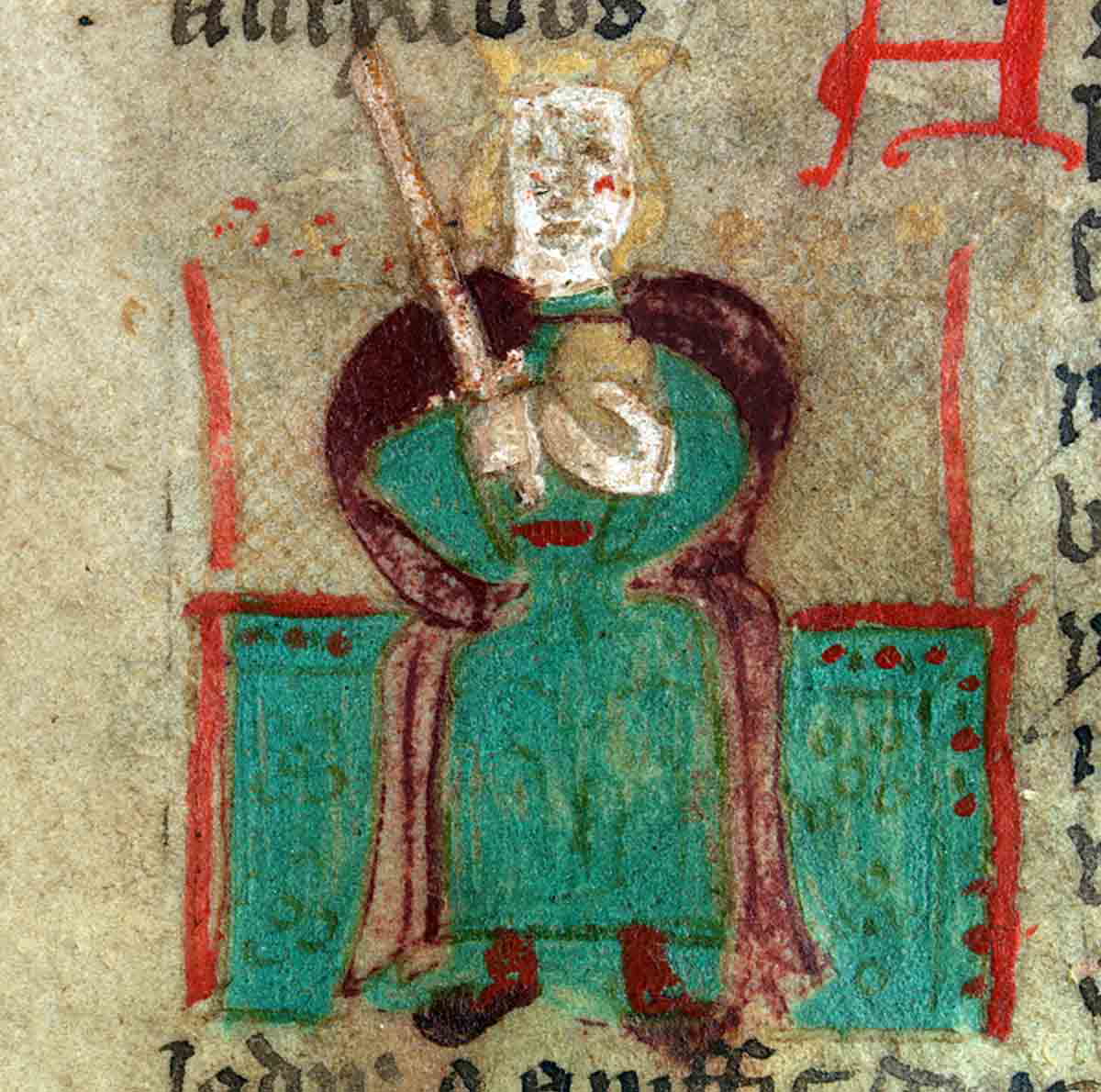
In c. 1137, Geoffrey of Monmouth wrote the Historia Regum Britanniae. This provides the earliest full account of Arthur’s whole career, from birth to death. In this source, Uther occupies his recognisable position as father of Arthur and high king of the Britons. The profile and life story of Uther in this account set the standard for the majority of subsequent versions of the Arthurian legends.
According to Geoffrey, Uther was the youngest son of Constantine, high king of Britain just after the end of the Roman era. His two older brothers were Constans and Ambrosius. Constans became king after Constantine, but then he was treacherously murdered by his advisor, Vortigern. After this, the young Ambrosius and Uther fled to Brittany, away from the danger that Vortigern posed to them. Decades later, after Vortigern had allowed the Anglo-Saxons to take control over much of Britain, the two brothers returned to defend their fellow countrymen, many of whom had been slaughtered.

Ambrosius then became the new high king of Britain after defeating and killing Vortigern. He then turned his attention to the Anglo-Saxons and fought effectively against them. Eventually, Uther succeeded Ambrosius as king. Due to the appearance of a dragon-shaped comet in the sky during his accession ceremony, Uther received the epithet “Pendragon.” During his career, Uther fought with great success against the Anglo-Saxons and the Irish.
One of Uther’s allies was Gorlois, the Duke of Cornwall. He had a beautiful wife named Igerna. Upon seeing her, Uther was overwhelmed with passion towards her and went to war with Gorlois over her. Eventually, Uther used magic to obtain access to Igerna, making himself appear to be Gorlois. This led to the conception of Arthur.
At some point within the next 15 years, Uther retired due to ill health, leaving the kingdom in the hands of his son-in-law, Lot. However, attacks from the Anglo-Saxons proved too much for Lot. Uther returned for one final battle and achieved a mighty victory, but he died just a few days later after drinking from a poisoned spring. Arthur then succeeded him as king.
Was Uther Pendragon Based on a Real Person?
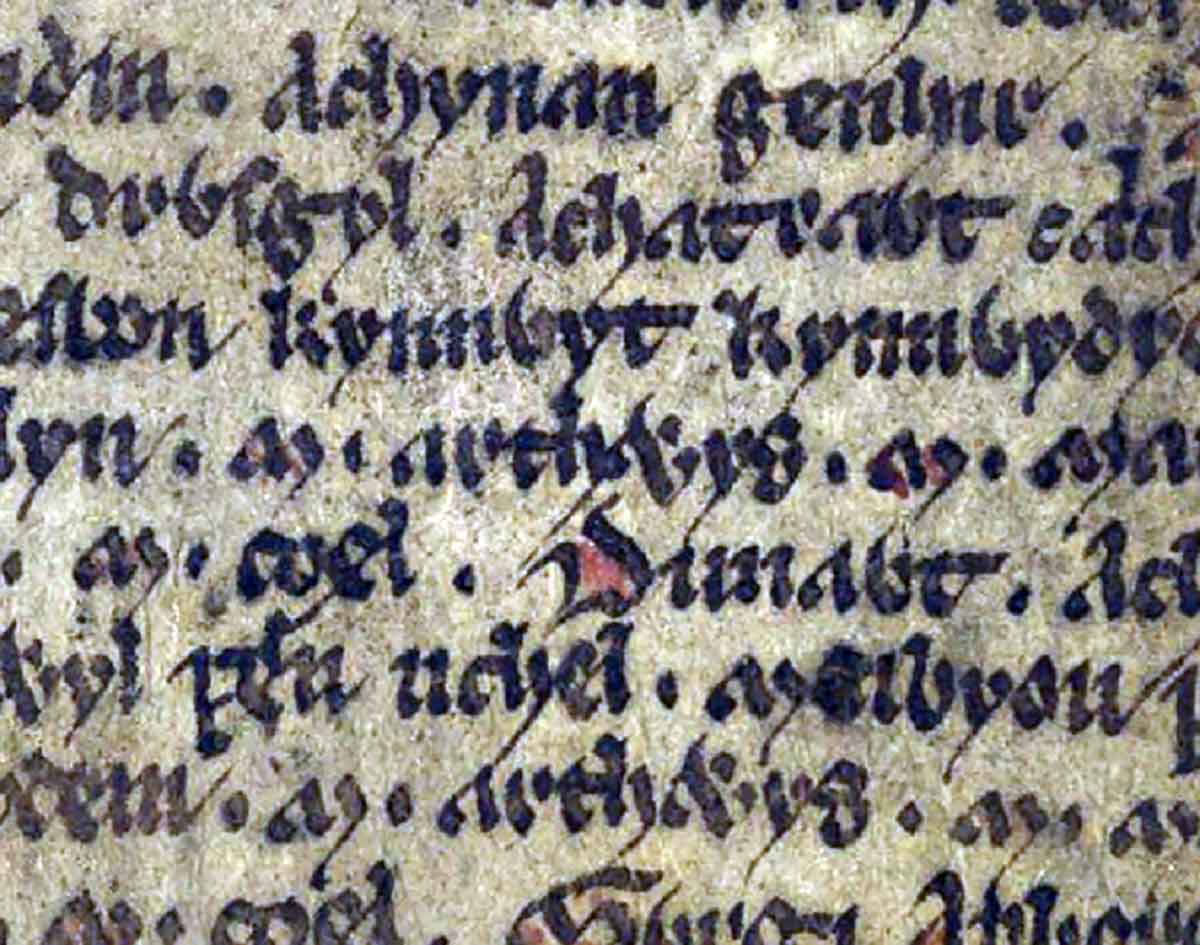
Was Uther Pendragon a historical figure, or was he just a figure of Welsh folklore? As we have seen, Geoffrey of Monmouth did not create the character. He appears in Welsh tradition long before Geoffrey, possibly as early as c. 900. Yet, that does not necessarily mean that he was real. It does, however, mean that he is one of the Arthurian characters whose historicity is most plausible.
There are many theories about who may have been the historical inspiration behind the legendary Uther Pendragon. One of the suggestions is Eliffer ap Arthwys. His name is written in one early record as “Eleuther.” The name “Uther” could plausibly be a shortening of that spelling. Since his father, Arthwys, is a popular candidate for the historical King Arthur, it could be that their father-son relationship was accidentally inverted. Of course, this is very speculative, and it does not have much scholarly support. Furthermore, none of the legends about Uther are compatible with him actually being the son of Arthur.
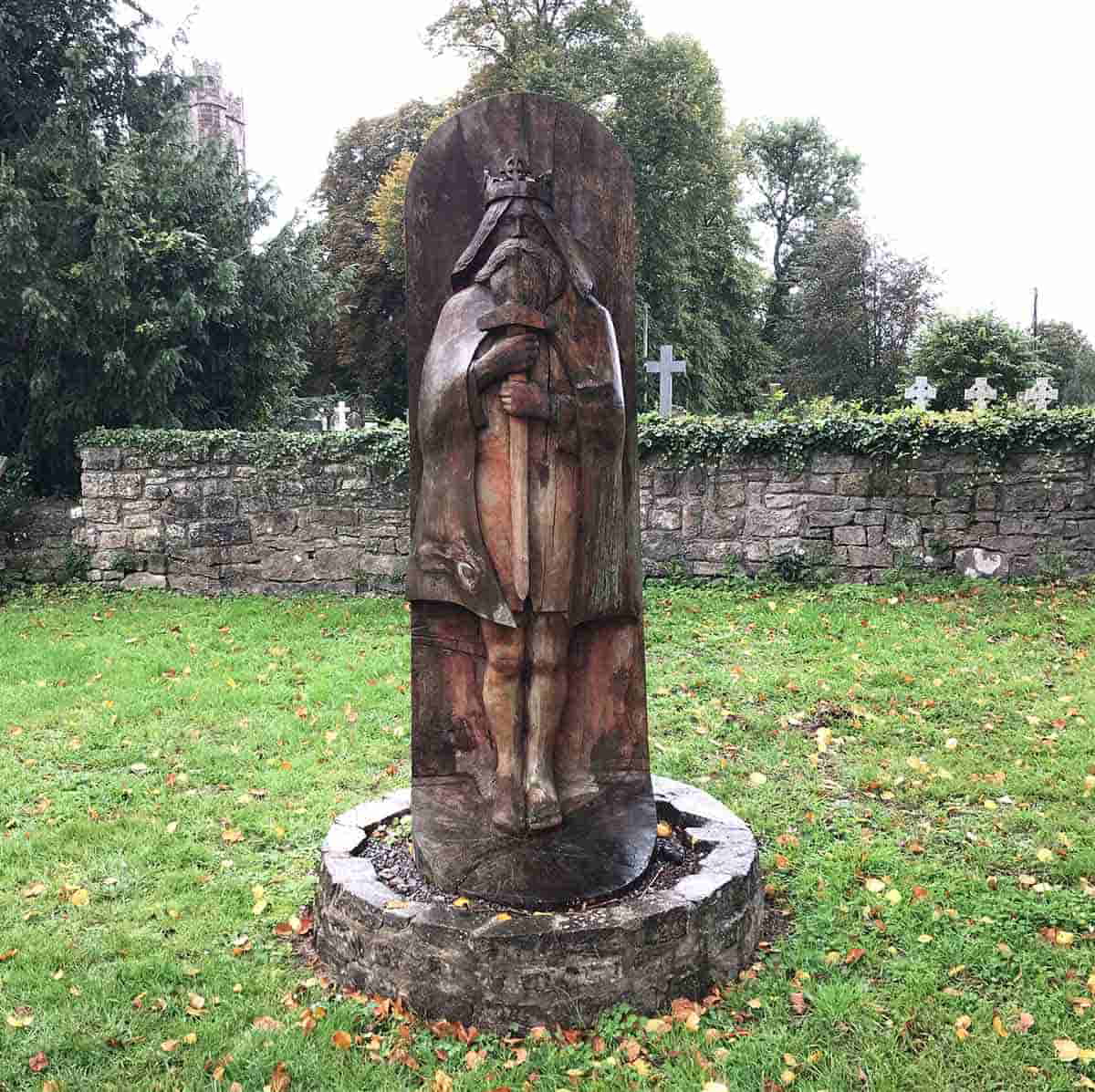
An alternative possibility is that Uther could have been largely inspired by King Tewdrig, a historical ruler of southeast Wales in the early Post-Roman period. There is debate about when exactly he lived. However, many scholars place his reign from the latter half of the 5th century to the early 6th century. The Book of Llandaff provides a detailed account of the story of how he died. Interestingly, this account bears many significant similarities to Geoffrey’s account of Uther’s death, including some very specific details.
For example, both stories involve the king coming out of retirement to fight one final battle against the Anglo-Saxons. Both stories involve the king winning the battle but then dying just a few days later by a spring. Furthermore, they both involve the king being carried in a cart.
The suggestion that Tewdrig served at least as the partial inspiration for the legend of Uther Pendragon is appealing for another reason. It harmonizes with the popular theory that his grandson, Athrwys, may have been at least partially the inspiration for the historical King Arthur. This latter theory is supported by historians such as Christopher Gidlow, Timothy Venning, and Chris Barber.
The Truth About Uther Pendragon
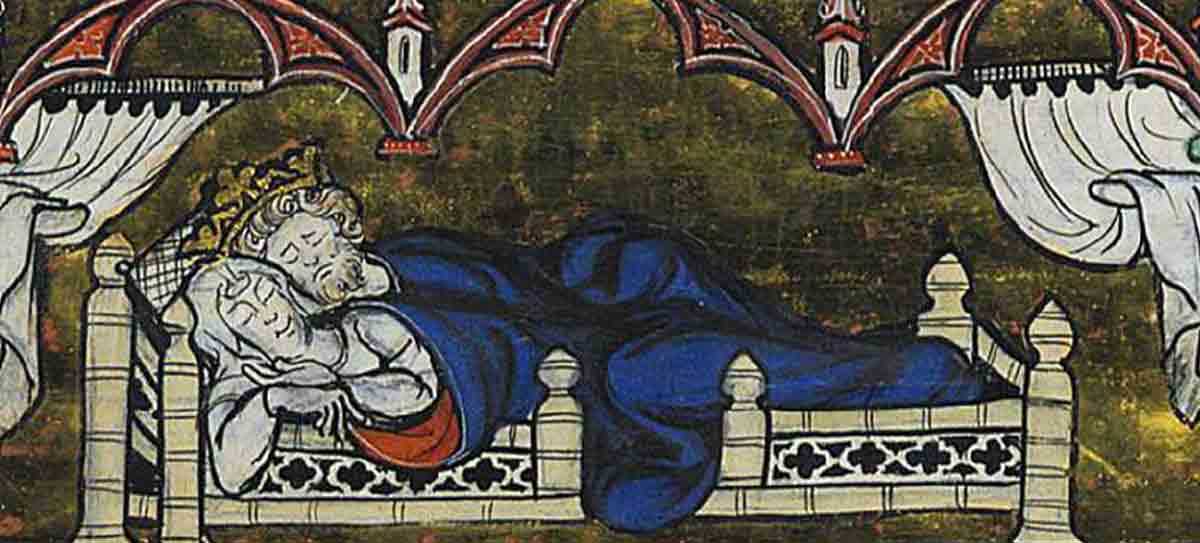
In conclusion, Uther Pendragon is an important figure from the legends of King Arthur. He was the father of Arthur, serving as high king of Britain prior to him. Despite popular belief, he was not created by Geoffrey of Monmouth. Rather, he is an authentic figure from Welsh tradition. However, the earliest full overview of his career comes from Geoffrey in his Historia Regum Britanniae. According to this, he was the son of Constantine, high king of Britain just after the Roman era. Uther eventually became king after his two older brothers died. He was a mighty king who regularly fought with great success against the Anglo-Saxons. However, he was also given to excesses and did not accept the idea of not getting the woman he wanted, whatever it took. He forcibly took Igerna from Gorlois, his former ally.
Regarding Uther’s historicity, we have seen that one reasonable theory is that he was at least partially based on the historical King Tewdrig of Gwent.