
Poor Valentina was pregnant for nearly two straight decades. Now imagine doing that while living as a Russian peasant in the 1700s, without so much as an aspirin to take the edge off. That was reportedly the reality of Valentina Vassilyeva, a woman who—according to an 18th-century monastic report to Moscow—gave birth to 69 children over 27 pregnancies. She managed to produce twins, triplets, and quadruplets. Her womb was basically an assembly line in her 20s, 30s, and 40s. Despite historical documentation, many people refuse to believe she could have pulled off such a shocking feat of fertility. And honestly, such cynicism is more than fair when you crunch the numbers. Between the astronomical odds of so many multiple births, the grueling toll on the human body, and the fact that she somehow survived all of it, Valentina’s story teeters somewhere between medical marvel and historical myth.
What We Know About Valentina… and Her Children

Valentina Vassilyeva remains an enigma. She holds the world record for the most children born to a single woman—69 in total—yet we know almost nothing about her beyond a handful of historical records. Her existence is a paradox: documented yet doubted, famous yet entirely faceless. Even her maiden name is disputed. Some sources claim she was called Valentina Bauer at birth, while others act as though she simply appeared as a pregnant mom, a woman without a girlhood or identity outside of her husband and children. What we do know is that she lived in Shuya, a rural town in western Russia, and was the first wife of Feodor Vassilyev, a peasant.
The primary record of Valentina’s remarkable reproductive career comes from the Monastery of Nikolsk, which, in 1782, reported her births to the Russian government (kind of like a census that the church was responsible for). The monks had allegedly documented each of her 27 pregnancies—16 sets of twins, seven sets of triplets, and four sets of quadruplets—over the course of 40 years, between 1725 and 1765. The report was later sent to Moscow, where it caught the attention of the counting officials and, eventually, the wider world. Even in the 18th century, this was an eyebrow-raising claim.
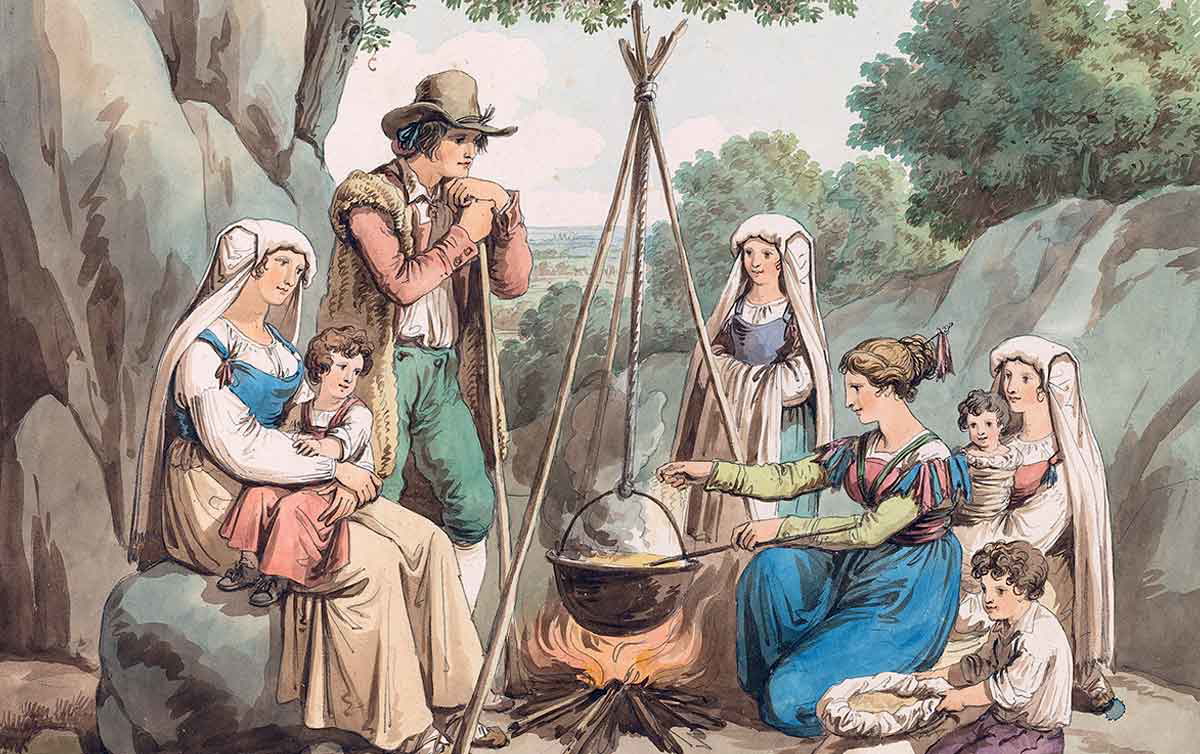
Feodor Vassilyev reportedly outlived Valentina and went on to have another 18 children with his second wife, bringing his rather disquieting grand total to 87. This raises several questions—chiefly, how Valentina survived that many pregnancies and who, between her and her husband, was the medical freak. After all, historically, maternal mortality was high, and the physical toll of repeated childbirth, especially when families didn’t have great food security, was extreme.
Complicating matters further, if she breastfed each baby (as most 18th-century peasant women who couldn’t afford a wet nurse did), the natural suppression of ovulation would have made back-to-back pregnancies even less likely. Yet, if the monastery’s records are accurate, Valentina managed it.
Adding to the mystery, her children—presumably quite a few of whom lived to adulthood—left behind no widely known legacy. If a woman truly gave birth to 69 children, wouldn’t we see some trace of them in historical records? Some theorists suggest that the Vassilyevas’ story was exaggerated, either for political reasons or due to clerical errors. Others believe Valentina may have had a rare genetic condition that caused her to hyper-ovulate, increasing her chances of multiple births.
Whatever the case, the tale of Valentina Vassilyeva remains one of history’s most extraordinary and improbable maternal feats—if, of course, it actually happened at all.
Reasons to Believe It Didn’t Happen
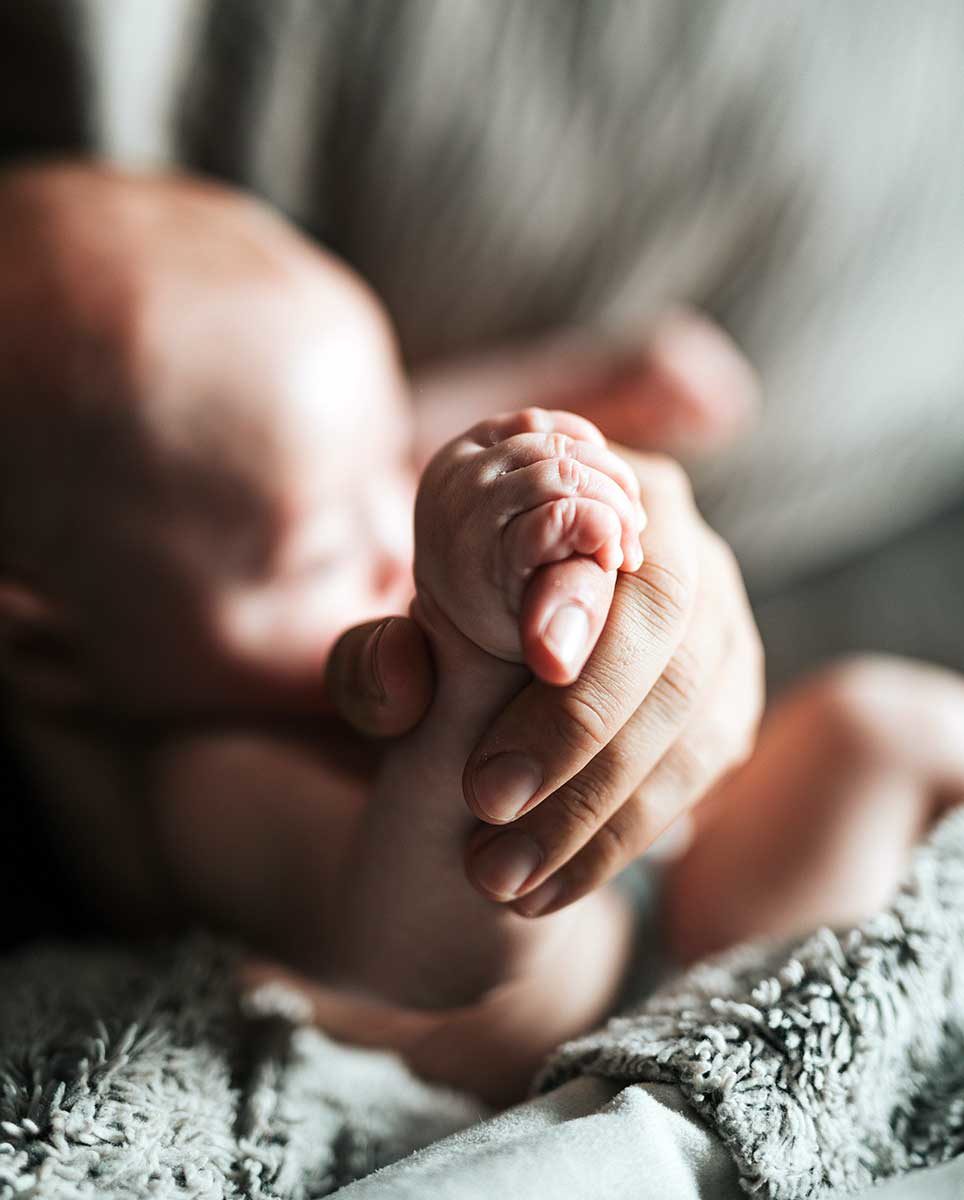
Let’s start with the obvious: pregnancy is hard, even in this modern age of medically assisted delivery and prenatal vitamins. Pregnancy with twins, triplets, and quadruplets? That’s even more challenging. Doing it 27 times in a row over 40 years, with no modern technology, the absence of obstetric care, and the unending physical demands of peasant life: that stretches the limits of credibility. Valentina Vassilyeva’s supposed reproductive record isn’t just impressive—it is close to impossible.
The toll of pregnancy and childbirth is enormous. After all, contemporary pregnancies that are well monitored can cause a range of issues, including chronic pelvic pain and the weakening of bodily structures that may lead to conditions such as pelvic organ prolapse. Carrying multiples puts additional strain on the body. The risk of complications—hemorrhage, infections, and uterine ruptures—skyrockets with each pregnancy and each fetus carried within the pregnancy.
In an era when childbirth was one of the leading causes of death for women, the idea that Valentina survived 27 labors, most of them involving multiple babies, without succumbing to any of these dangers is a superhuman act. In addition, she did all this without cesarean interventions, which were pretty much guaranteed fatal for the mother in that era (not that a peasant woman would’ve had access to a professional able to complete the procedure).Today, with advanced medical care, carrying so many pregnancies would still be a serious health risk and would certainly be advised against.
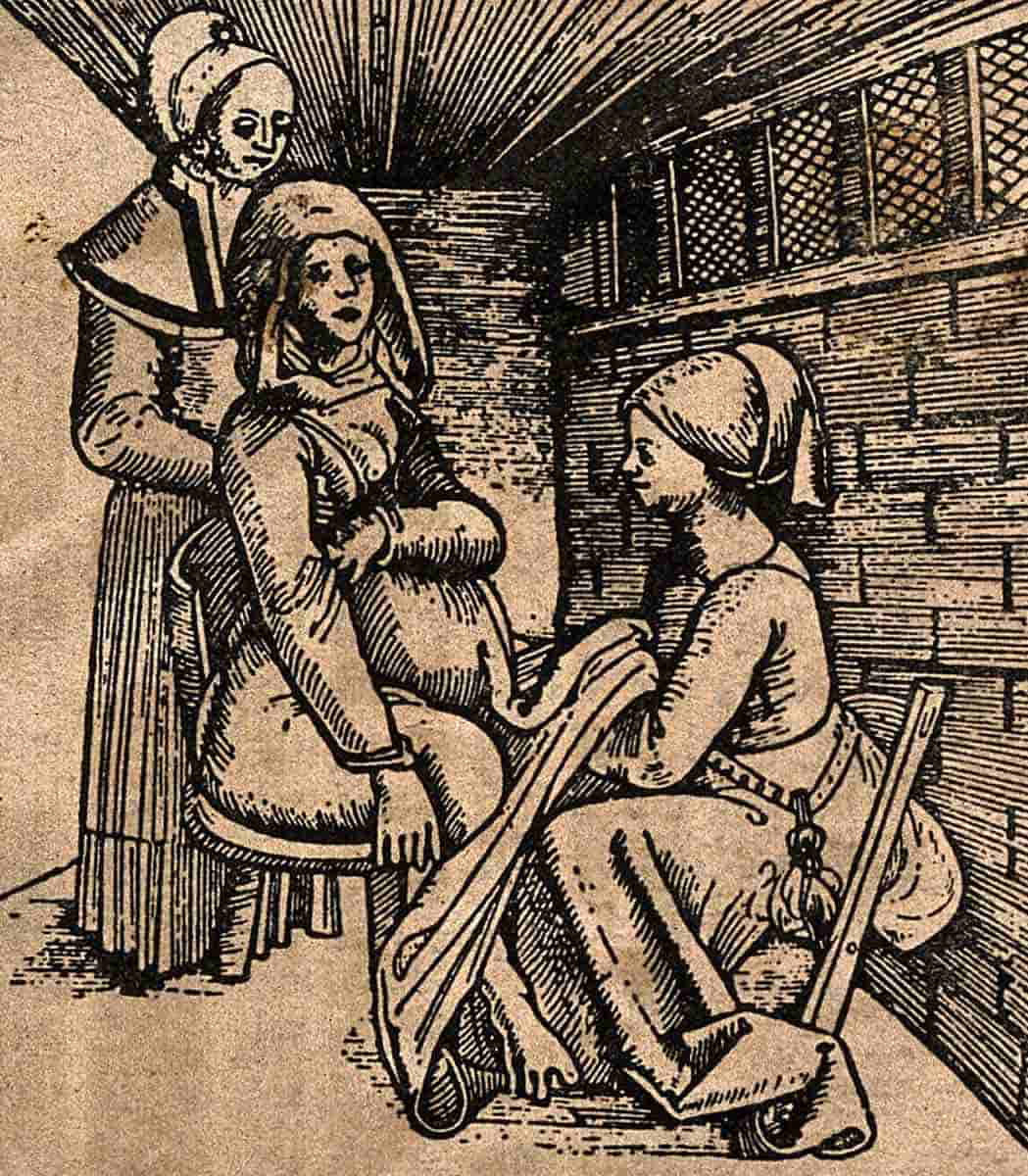
Then there’s the issue of the child’s survival. The 18th century wasn’t exactly a golden age for infant mortality. High fatality meant quite a few babies didn’t survive their first year, especially in families without access to wealth to purchase medical care. Yet, according to claims, 67 of Valentina’s 69 children lived to adulthood. If true, this would be an astonishingly low infant mortality rate, particularly for an era when the children of aristocrats often died young. Multiple births tend to result in premature and underweight babies, both of which would have drastically lowered their chances of survival in the 1700s.
On top of all that, there are many practical questions: where did they put all these kids? How did they feed them? How did Valentina manage to feed herself with the necessary increased calories while she was both pregnant and breastfeeding all those offspring? Feodor and Valentina were most likely subsistence farmers, which meant they lived in a small, modest home with few resources. Feeding and housing five dozen children—plus themselves—would have been a logistical nightmare. Peasant families often struggled to feed just a handful of children. While it is fair to assume the older kids helped supervise the younger ones, it is difficult to imagine how they could have afforded enough food, clothing, and housing to accommodate such a bloated family.
Finally, the only real source of this claim is a report from a monastery, which was later sent to Moscow. There are no supporting records, no diaries or personal accounts—just a single institutional document. Given the tendency of historical records to exaggerate, misinterpret, or outright fabricate details, skepticism is more than warranted. The story of Valentina Vassilyeva might be a record-breaking feat of motherhood, an act of phenomenal fertility, or a myth that refuses to die.
Documents That Say It Did Happen
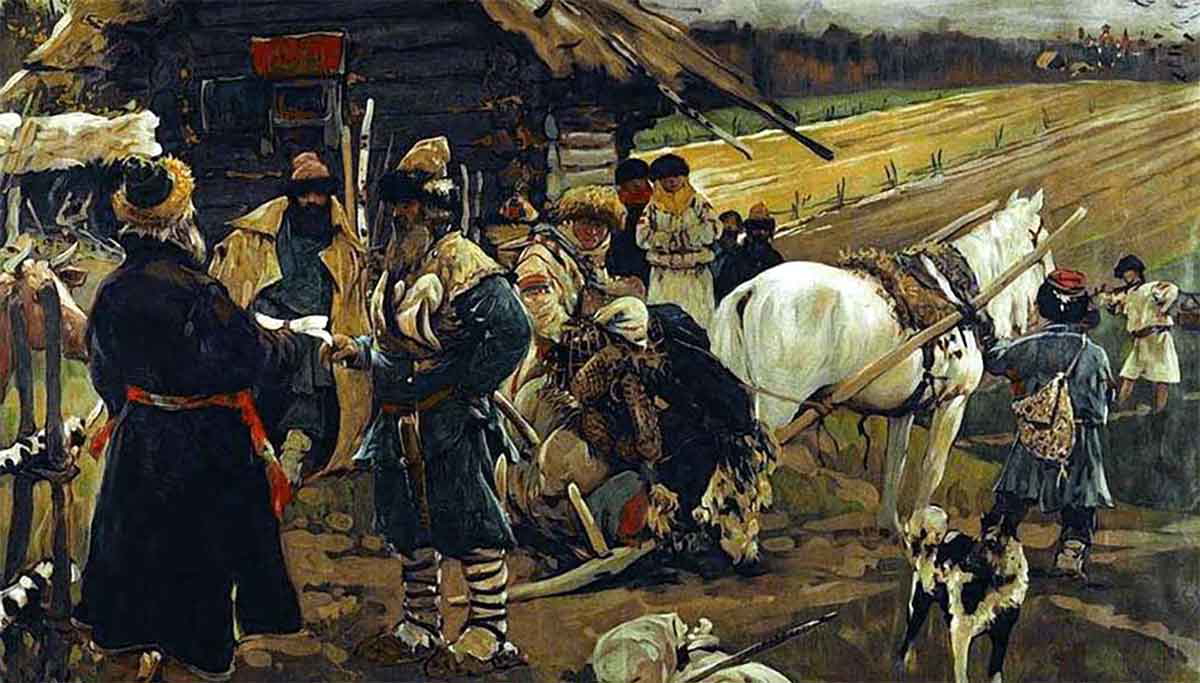
While modern skepticism is understandable, historical records insist that Valentina Vassilyeva really did turn baby-making into an astounding accomplishment. The primary source of this claim comes from the Monastery of Nikolsk, which reported in 1782 that Feodor Vassilyev’s wife had given birth to 69 children through 27 pregnancies. This report was then forwarded to Moscow, where it became part of official records. Therefore, at least on paper, someone in 18th-century Russia genuinely believed this woman had an invulnerable uterus.
The case didn’t fade into obscurity, either. The story popped up again in The Gentleman’s Magazine, a British publication, in 1783. Later, in the 19th and 20th centuries, multiple references to Valentina’s alleged superhuman fertility appeared in books and encyclopedias, including Quadruplets and Higher Multiple Births by Marie M. Clay. The Russian Academy of Sciences reportedly even investigated the claim, though their findings didn’t exactly settle the debate (however, a statement was uncovered that Valentina’s descendants were still receiving benefits from the government).
What is notable is that these documents aren’t just hearsay—they are official records, meaning someone took the time to write this all down with the expectation that others would take it as fact. Feodor himself was supposedly honored by the Russian government for his attempts to repopulate the empire.
Does this serve as proof that Valentina really did birth an entire village? Not quite, but it does mean the claim wasn’t pulled out of thin air centuries later—it was considered true at the time. Whether that’s because it was absolutely true or because an overworked monk haphazardly jotted down some wildly exaggerated numbers is another question entirely.
Other Women Who Had Handfuls of Children
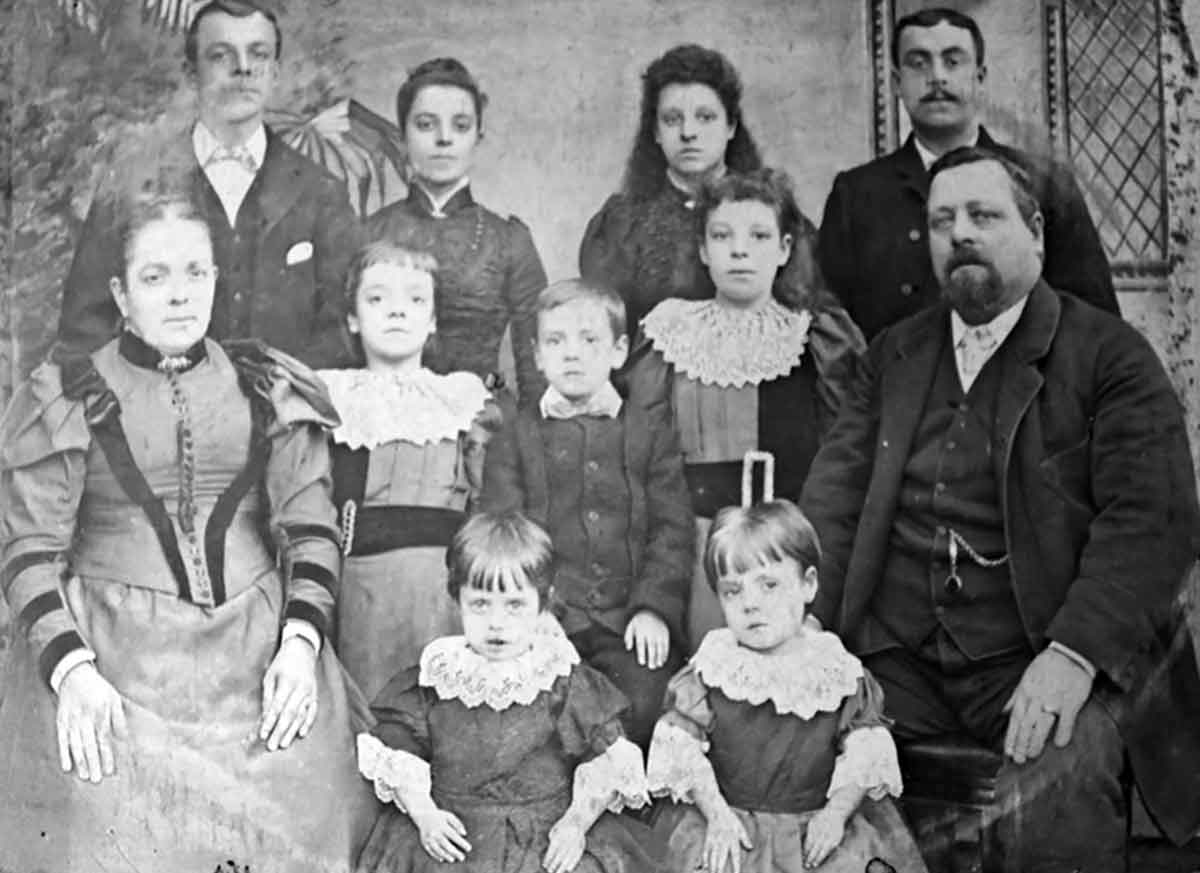
While Valentina Vassilyeva’s alleged 69 children put her in a category of her own, history has recorded other women whose wombs worked overtime. Whether due to genetics, lack of birth control, or sheer chance, a handful of women have also produced numbers of offspring that would leave a normal mom-to-be both sick and overwhelmed.
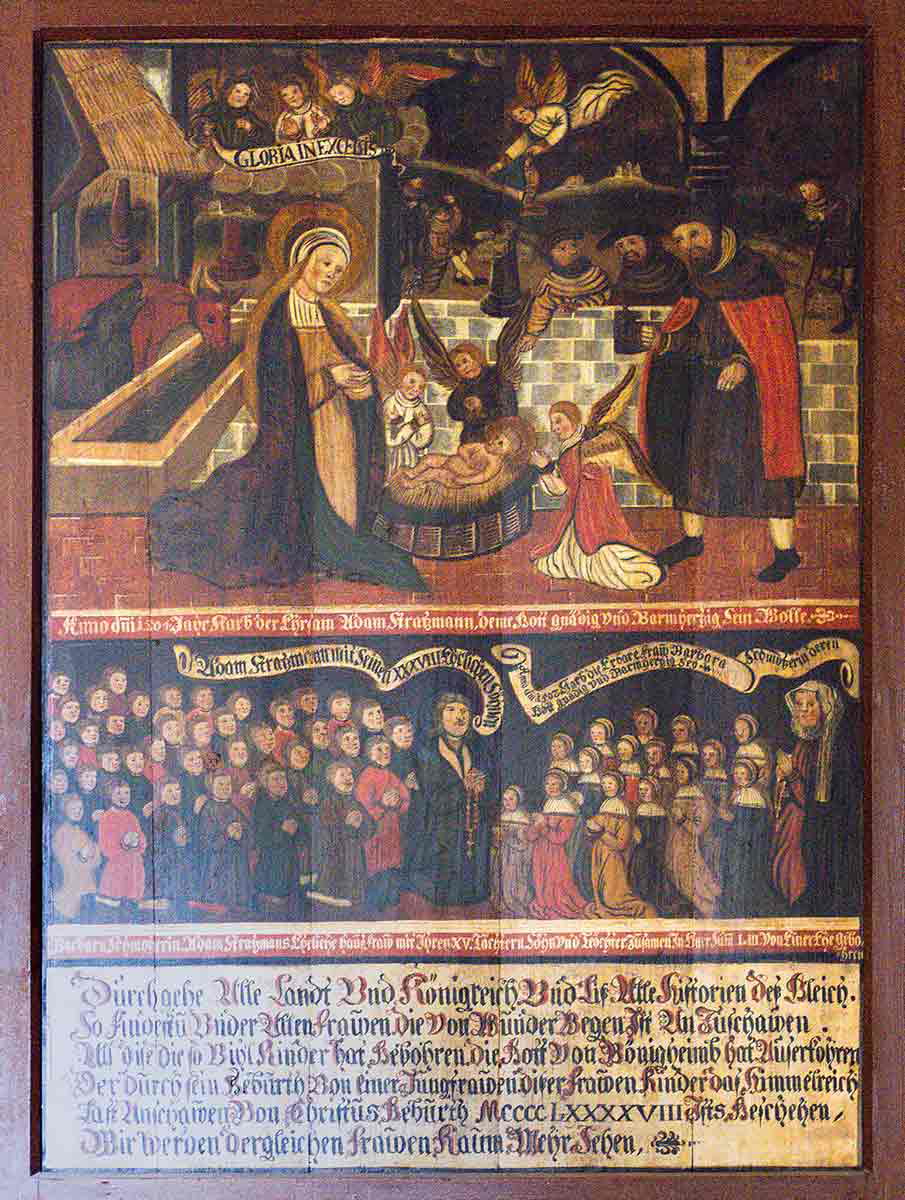
Germany’s Barbara Stratzmann is one such case. Born in the 15th century, Barbara reportedly gave birth to over 50 babies, which included an exhausting mix of singletons, twins, triplets, and even quadruplets. Her story was recorded in a 1498 church document and later depicted in an altarpiece in St. Cyriakus Church in Bönnigheim, Germany. The painting shows Barbara surrounded by her (alleged) dozens of children, though there is little documentation on how many of them actually survived birth/early childhood.
If you thought giving birth to a small army was a medieval or early modern trend only, think again. A Ugandan woman named Mariam Nabatanzi Babirye (born in 1980) holds the record for birthing the most children in Africa, having carried 44 kids. Married off at 12 to a man 28 years her senior, she had her first child at 13 and continued to have multiple sets of twins, triplets, and quadruplets. Medical evaluations showed that Mariam has an extremely rare condition that causes her to hyper-ovulate, releasing multiple eggs per cycle—essentially making her body a human incubator.
With her astounding number of children, Mariam’s life has been anything but easy. Her husband abandoned her, leaving her to raise the 44 children alone. She is obligated to work multiple jobs (and a side hustle here or there)—including tailoring and hairdressing—to provide for her massive family. Unlike Valentina and Barbara, Mariam’s case is well-documented, proving that extreme fertility isn’t just a historical curiosity. It can happen. It does happen. And, though rare, exceptionally large families with a single maternal figure are possible.
The Hyperovulation Hypothesis
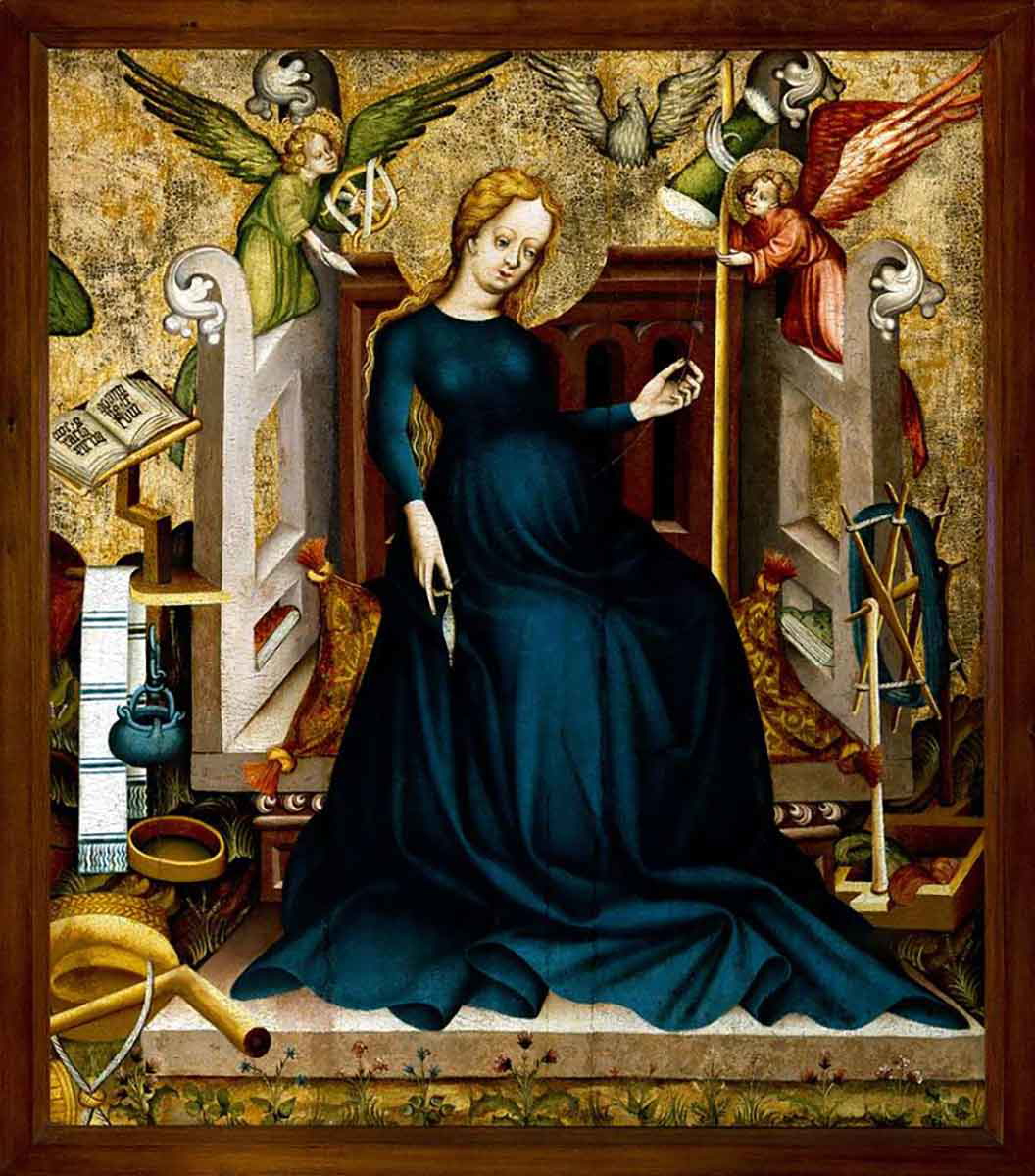
A woman’s body usually releases one egg per cycle, but some unlikely individuals experience hyperovulation, which is a state in which a woman’s ovaries engage in releasing multiple eggs at a time. That’s one method to get twins, triplets, and, in extreme cases, greater numbers of multiples. Hyperovulation is an event more common in women with a family history of multiples, those at the extreme ends of their fertile years (either very young adolescents or women about to enter menopause), and those with certain feminine hormonal imbalances. Even so, that can result in an occasional multiple birth—not 16 sets of twins, seven sets of triplets, and four sets of quadruplets. That’s not hyperovulation: that’s a curse.
Yet, we are expected to believe Valentina pulled this off without so much as a prenatal vitamin. No records of her mother or sisters popping out armies of children exist. Her life would have been one of no apparent breaks between pregnancies for her body to recover—just one long reproductive marathon.
Was Valentina the one responsible for these pregnancies, or could her husband’s genes have been a catalyst? For her husband, Feodor, there are theories that some men might have particularly potent sperm or a naturally occurring higher sperm count per relation. What is unlikely is that he would have had a genetic quirk that somehow favored multiple pregnancies. So far, modern science hasn’t found a direct link between a man’s fertility and the chances of multiples. What most experts conclude is that Feodor’s contribution here was probably just good old-fashioned persistence.
However, this discussion of Valentina’s versus Feodor’s genetics can be distracting from the real issue. Even if Valentina was naturally prone to multiples, the real shocker isn’t the number of children—it is that she survived all those births. History wasn’t kind to mothers and babies.
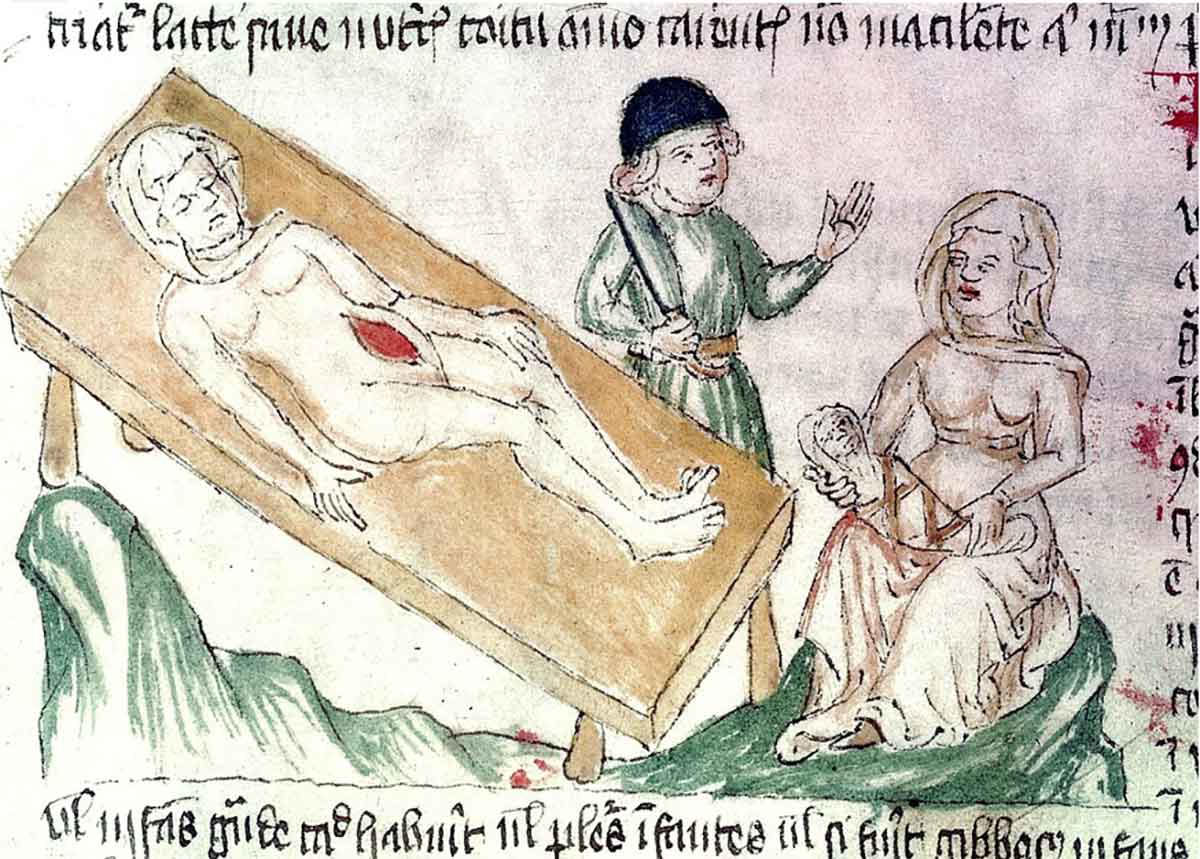
The most prolific killers were puerperal fever (a postpartum infection, sometimes spread from doctors and midwives who didn’t understand good handwashing) and retained placenta (when bits of the placenta stay inside the uterus, causing deadly infections). Queen Jane Seymour, Henry VIII’s third wife, died from one of these causes after giving birth to Edward VI. Which of them was the culprit has never been determined, but Jane lingered for twelve days before succumbing to fever. Elizabeth of York, mother of Henry VIII, met the same fate on her 37th birthday. Aemilia, wife of the Roman general Pompey, was one of countless women who died of childbirth complications in the ancient world.
Now, imagine rolling those very weighty dice 27 times—with multiple babies per pregnancy—before germ theory even existed. This boils down to no antibiotics, no sterile birthing conditions, no understanding that bacteria even existed or that soap could kill them. Valentina would have been constantly running the reproductive gauntlet.
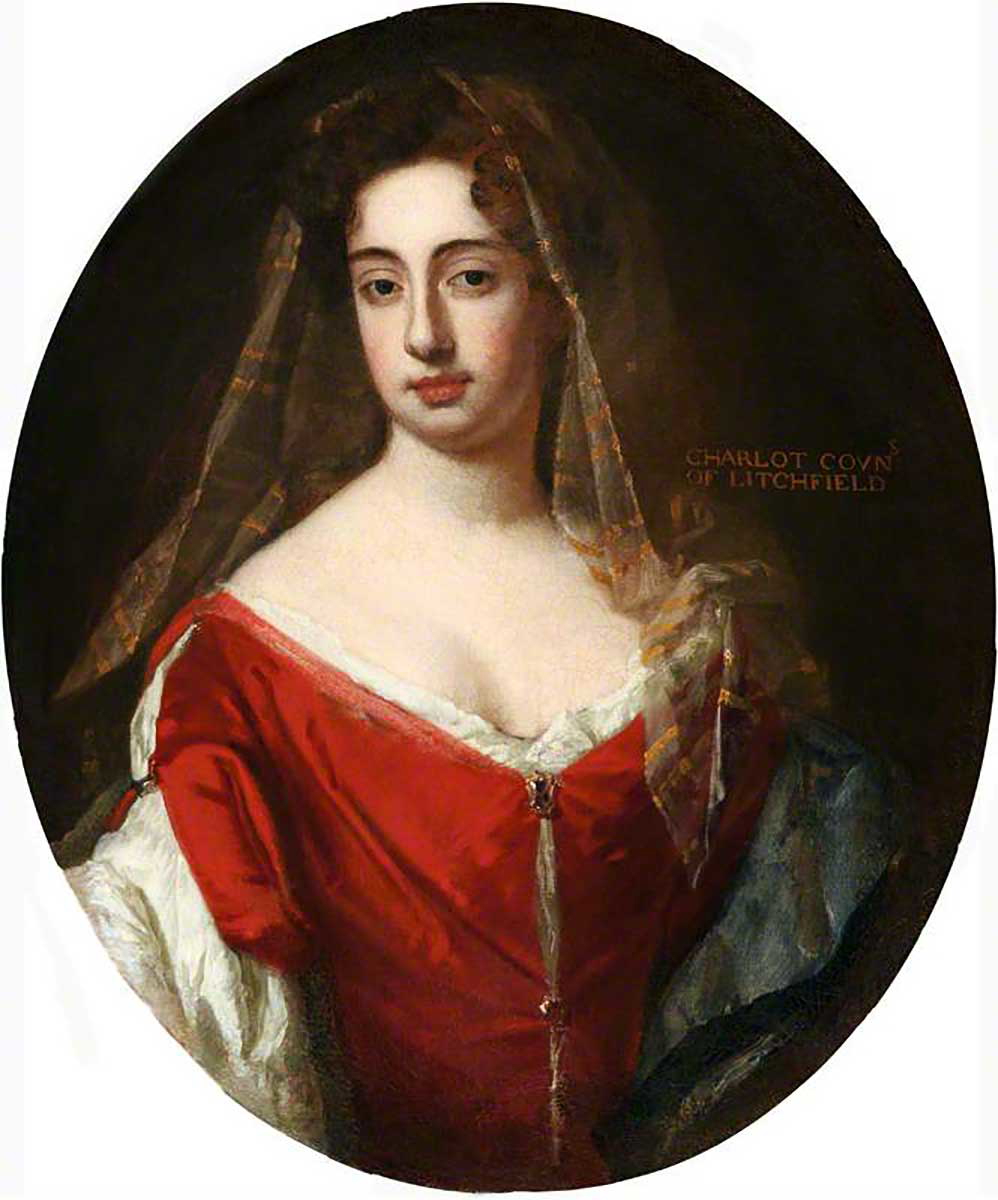
Before dismissing Valentina’s marathon of babymaking entirely, it must be acknowledged that some women in history truly did survive an absurd number of pregnancies. Take Charlotte Lee, Countess of Lichfield—one of Charles II’s many illegitimate children. Unlike most women who endured the childbirth roulette in the 17th century, Countess Charlotte somehow managed to survive giving birth 18 times.
Charlotte made her way through 18 pregnancies while thriving. By 19 years old, she had already given birth to four children. Meanwhile, she was reported to be living it up, riding horses, playing billiards, decorating her houses, and enjoying a marriage that was unusually happy for her day. The woman basically turned motherhood into an aristocratic side hobby.
It is important to keep in mind that Charlotte was a noblewoman, the beloved, if illegitimate, daughter of the reigning king, one with access to better nutrition, medical care, and a home that wasn’t a drafty peasant hut in the middle of rural Russia. Since physicians were still using leeching at this time, 18 successful births in the 1600s are almost as eyebrow-raising as 69 in the 1700s.
So, was Valentina just the peasant version of Charlotte Lee? Or was she the historical version of “Mother Uganda,” Mariam Nabatanzi Babirye? She just might have been.