In the search for the historical King Arthur, historians often attempt to identify the legendary Arthur with a known historical figure. One such theory identifies King Arthur with Artuir mac Aedan, a historical prince of the Irish kingdom of Dal Riada in southwest Scotland. For a variety of reasons, some scholars have argued that he was the historical figure who formed the basis of the legends of King Arthur. But do the facts really support this suggestion?
Why Might Artuir mac Aedan Be the Real King Arthur?

Artuir mac Aedan was the son of Aedan mac Gabran, a powerful king of Dal Riada. In fact, Dal Riada was one of the most notable and powerful kingdoms in Britain in the 6th century. For this reason, we can reasonably conclude that Artuir mac Aedan was a relatively important prince. We know that he was historical because he is mentioned in the Life of Saint Columba (the Vita Columbae). This was written in about the year 700 by Adomnán, only a few generations after the events it describes.
The idea that Artuir mac Aedan was the historical foundation for the legends of King Arthur is based on a few key facts. Firstly, his name is identical to King Arthur’s. The form “Artuir” is simply an Irish form of “Arthur,” whereas the legends of King Arthur are primarily from Welsh and Latin sources. Secondly, Artuir lived in the 6th century, which is when King Arthur was supposed to have lived.
In addition to those two basic facts, we have also seen that Artuir’s dynasty was particularly powerful. This is an important detail because King Arthur was supposed to have been the most prominent king of his time.
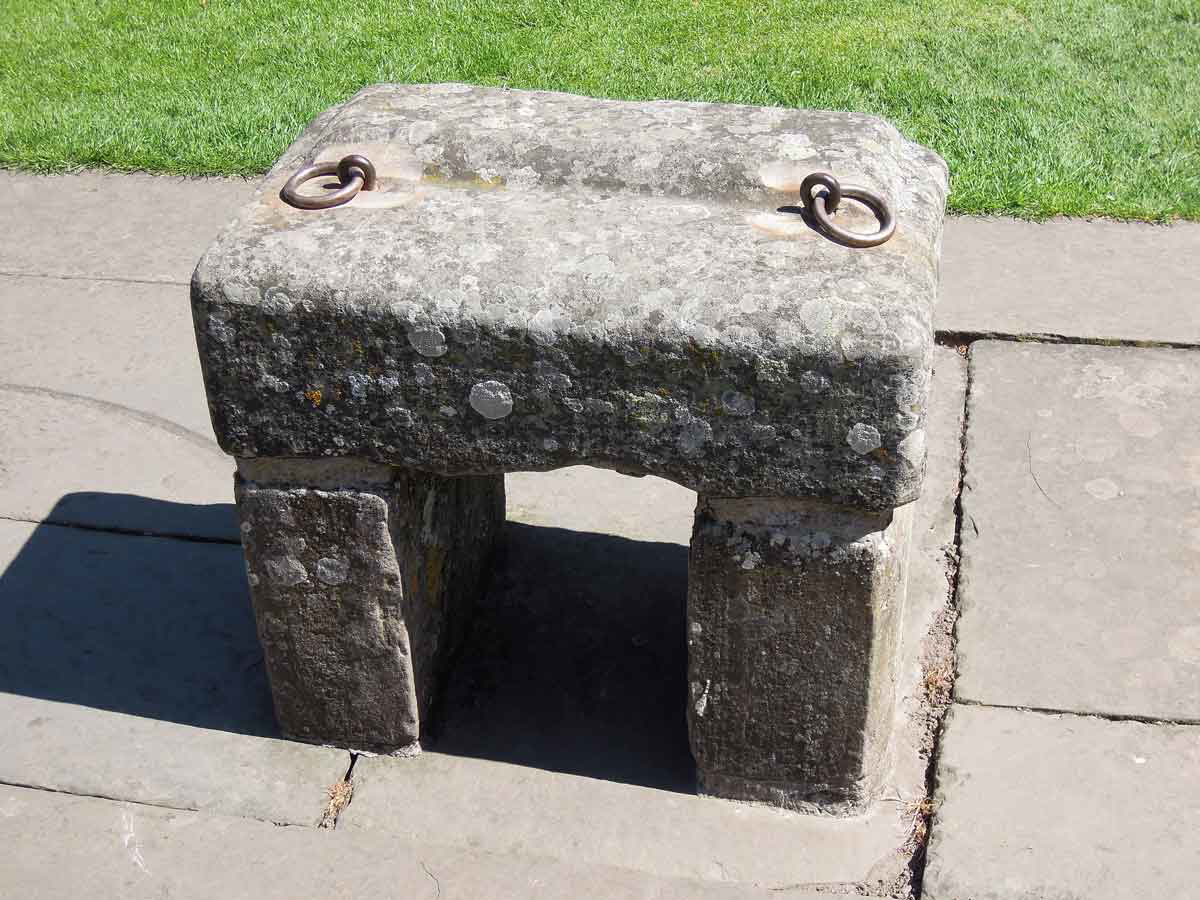
In addition to those three basic facts about Artuir, several minor details supposedly connect Artuir to King Arthur. For one thing, the legend of the Sword in the Stone is argued to be derived from the accession ceremony of the kings of Dal Riada. This ceremony allegedly involved the use of a sword and a stone. Furthermore, proponents of this theory claim that there is evidence that Artuir had a sister named Morgan, just like King Arthur in the legends.
Other even more minor points have been highlighted as supporting evidence for this theory. However, these are the main pieces of evidence used to identify Artuir mac Aedan as King Arthur.
Chronological Issues With Artuir mac Aedan
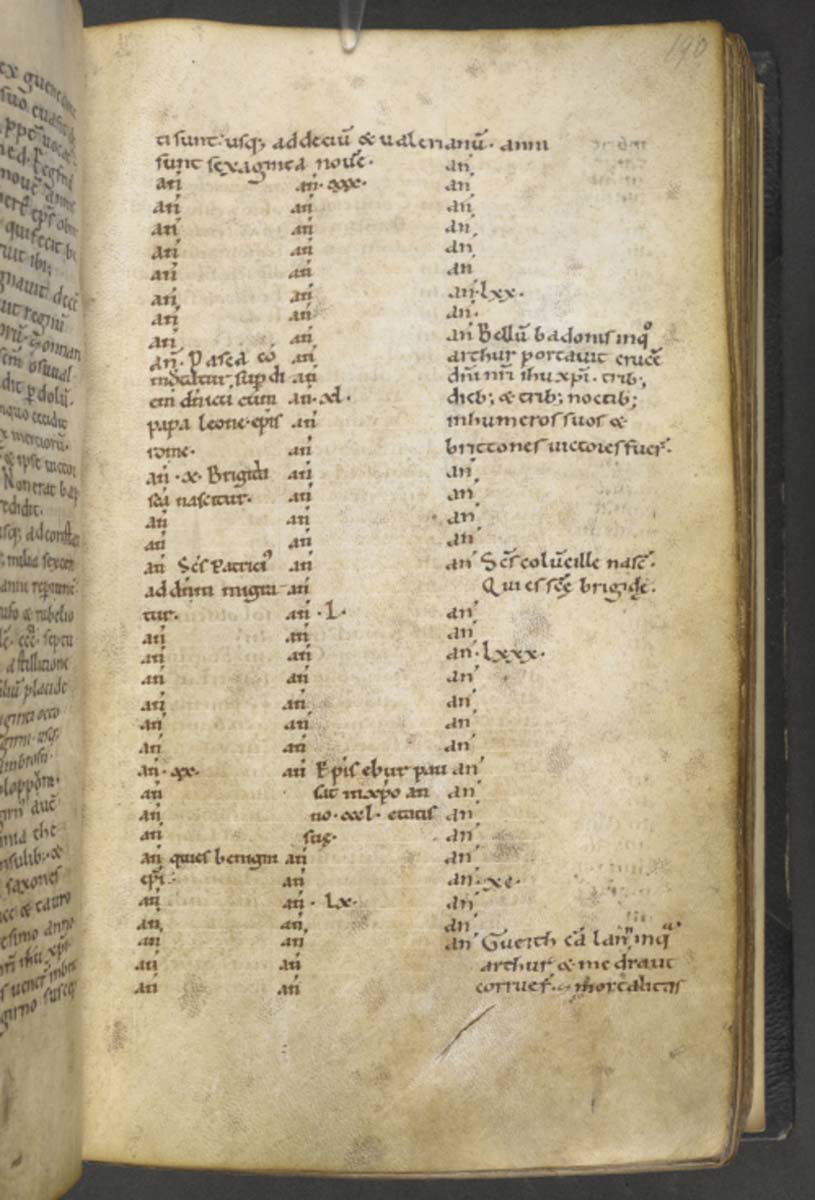
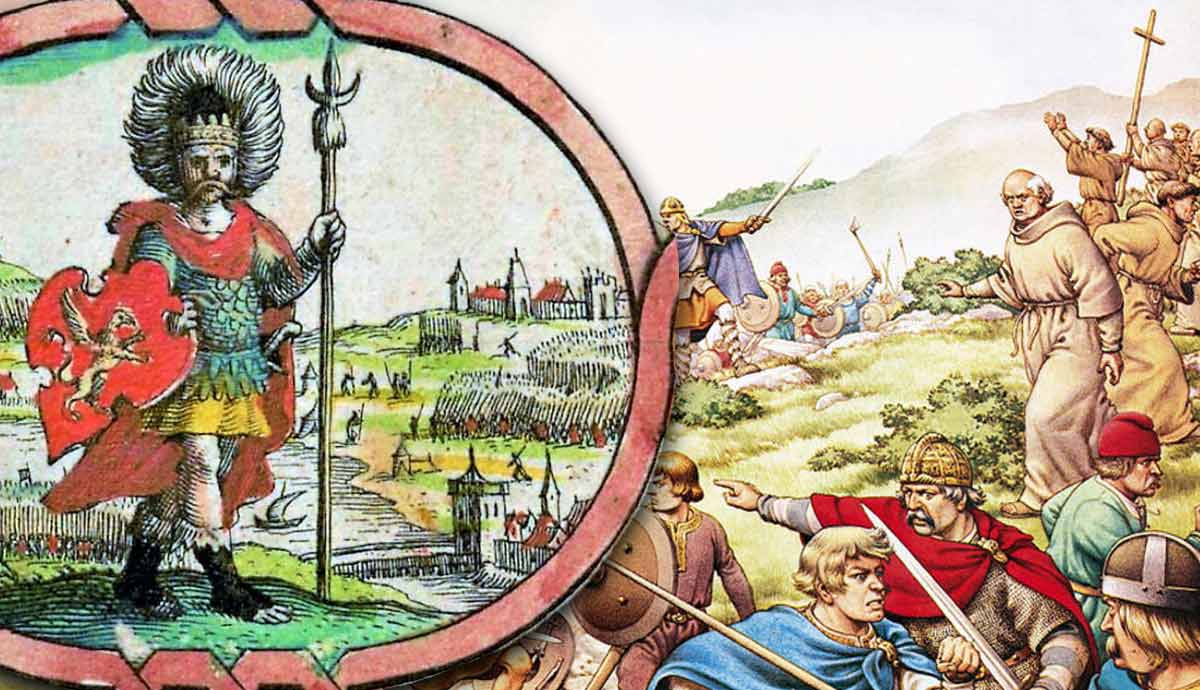
One crucial problem with this theory is the chronology. One key event involved in dating the Arthurian legends is the Battle of Badon. This was supposedly King Arthur’s climactic battle against the Anglo-Saxons.
Gildas mentions this battle in his De Excidio, where he refers to it as having occurred 43 years before he was writing. The Annales Cambriae, a 10th-century chronicle, places it in 516 CE. As per Rachel Bromwich’s suggested revised chronology for a king known as Maelgwn Gwynedd, to whom Gildas directed some comments, this date might need to be brought forward by several decades. Nevertheless, it is clear that the Battle of Badon was not an event that took place as late as the second half of the 6th century. This is a fatal problem for the theory that Artuir mac Aedan was really King Arthur.
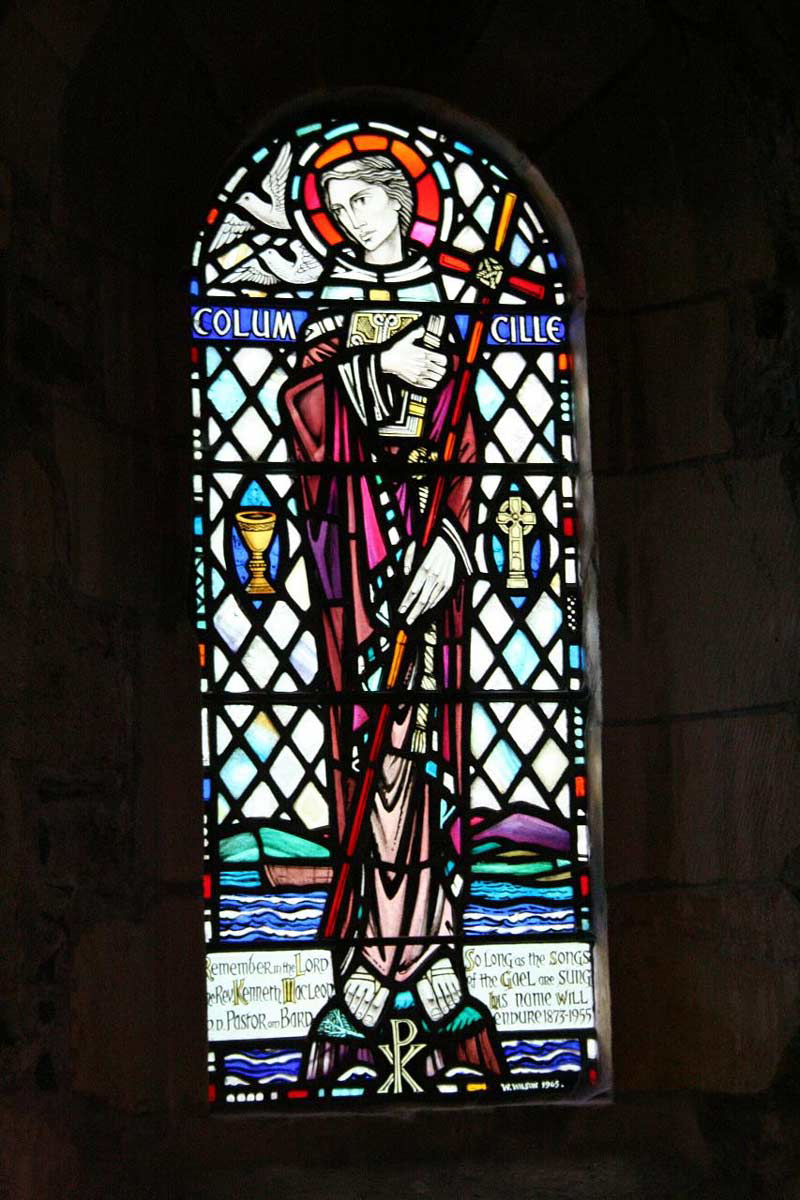
Based on the evidence from the Vita Columbae and the Irish Chronicles, we have a very good idea of when Artuir mac Aedan lived. According to the Annals of Tigernach, his father was reportedly born in 530 or 531. The Annals of Ulster provide information consistent with this, telling us that Aedan became king in 574.
Consequently, Aedan cannot have reasonably fathered Artuir before the year 550. In fact, Artuir could have been born quite a few years later since there is no reason to believe that he was Aedan’s eldest son. In other words, Artuir mac Aedan was not even born when the Battle of Badon took place. That battle was supposed to have been Arthur’s climactic battle against the Saxons after years of war between them. This being so, it is clear that Artuir mac Aedan cannot have been King Arthur. At the very least, he cannot have been the earliest core of the legend.
Issues With the Proposed Evidence
However, recognizing this crucial chronological issue, it might be suggested that the legendary King Arthur was actually a composite figure. If we take this view, then we could potentially argue that Artuir mac Aedan contributed to the legends of Arthur, even if he was not the warrior who fought at the Battle of Badon. In support of this is the evidence concerning the Sword in the Stone and the argument that Artuir had a sister named Morgan, just like King Arthur.
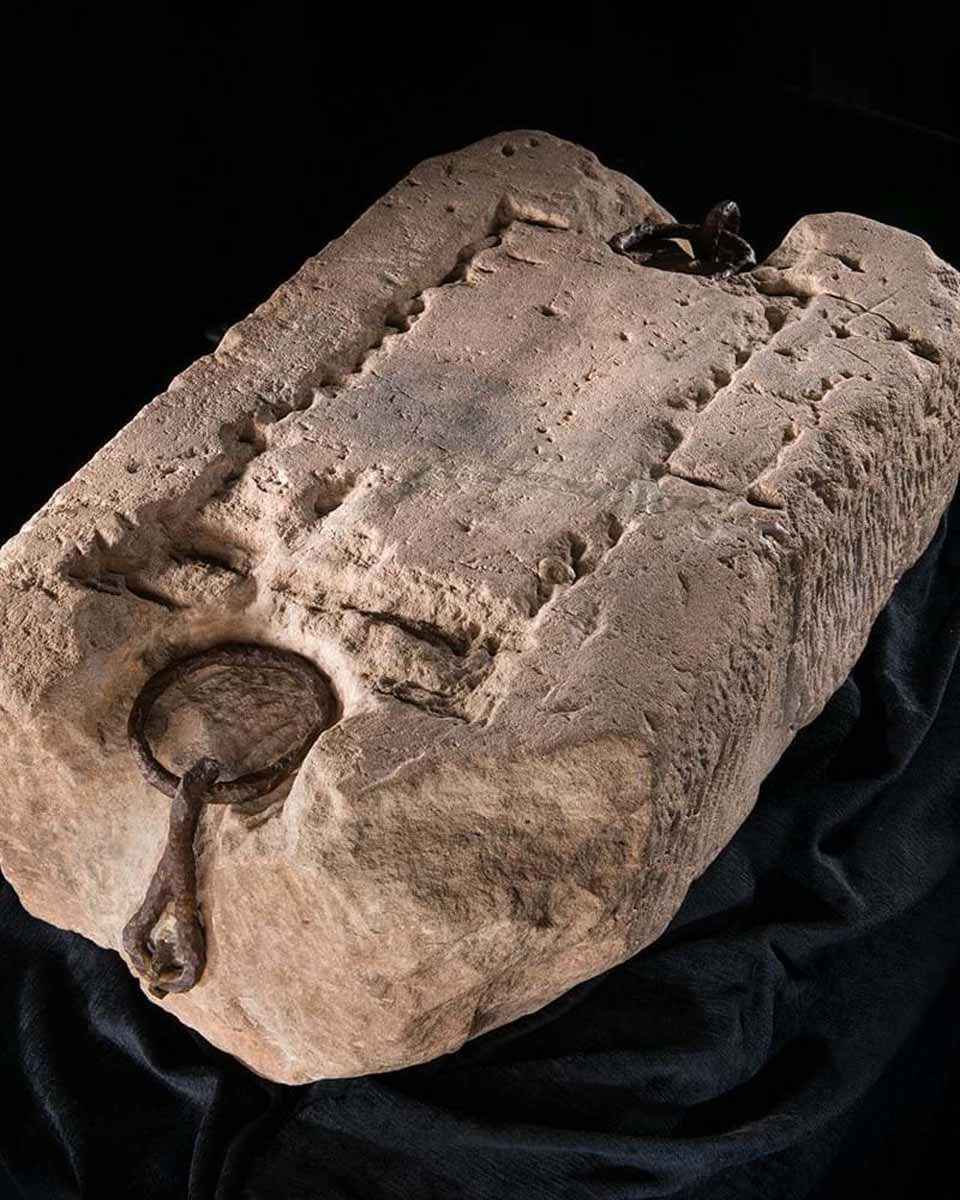
However, when we examine the supposed evidence in more detail, we see that it does not really stand up to scrutiny. In the case of the Sword in the Stone, the argument is that this is a distorted memory of the accession ceremony of the kings of Dal Riada. The problem is that, despite persistent claims online, there is no evidence that a sword was ever involved in this ceremony. The new king would simply stand or kneel on the Stone of Scone, which would then allegedly emit a shriek. No sword is ever recorded as being involved. Furthermore, there is the simple fact that Artuir never became king of Dal Riada.

What about the claim that Artuir had a sister named Morgan, just like King Arthur? The basis for this claim is a document known as the Martyrology of Óengus, written in the 9th century. This refers to a daughter of Aedan named Muirgein, near enough to “Morgan.” The problem is that there is no evidence that the Aedan in question was Aedan, the father of Artuir. In fact, there is evidence that actively suggests that it was a different Aedan.
The Martyrology of Óengus gives the birthplace of Muirgein as a certain Belach Gabrain. This is surely the same as a place called Bealach-Gabhran mentioned in the Tripartite Life of St Patrick. That latter document explicitly places this location in Ireland, not Britain. Many modern scholars identify it as the modern-day Gowran Pass.
In any case, that same document also mentions a certain Aedan mac Colman in Ireland. It seems far more likely that Aedan, the father of Muirgein, was this Aedan and not Aedan mac Gabrain, the father of Artuir.
The Issue of Prestige
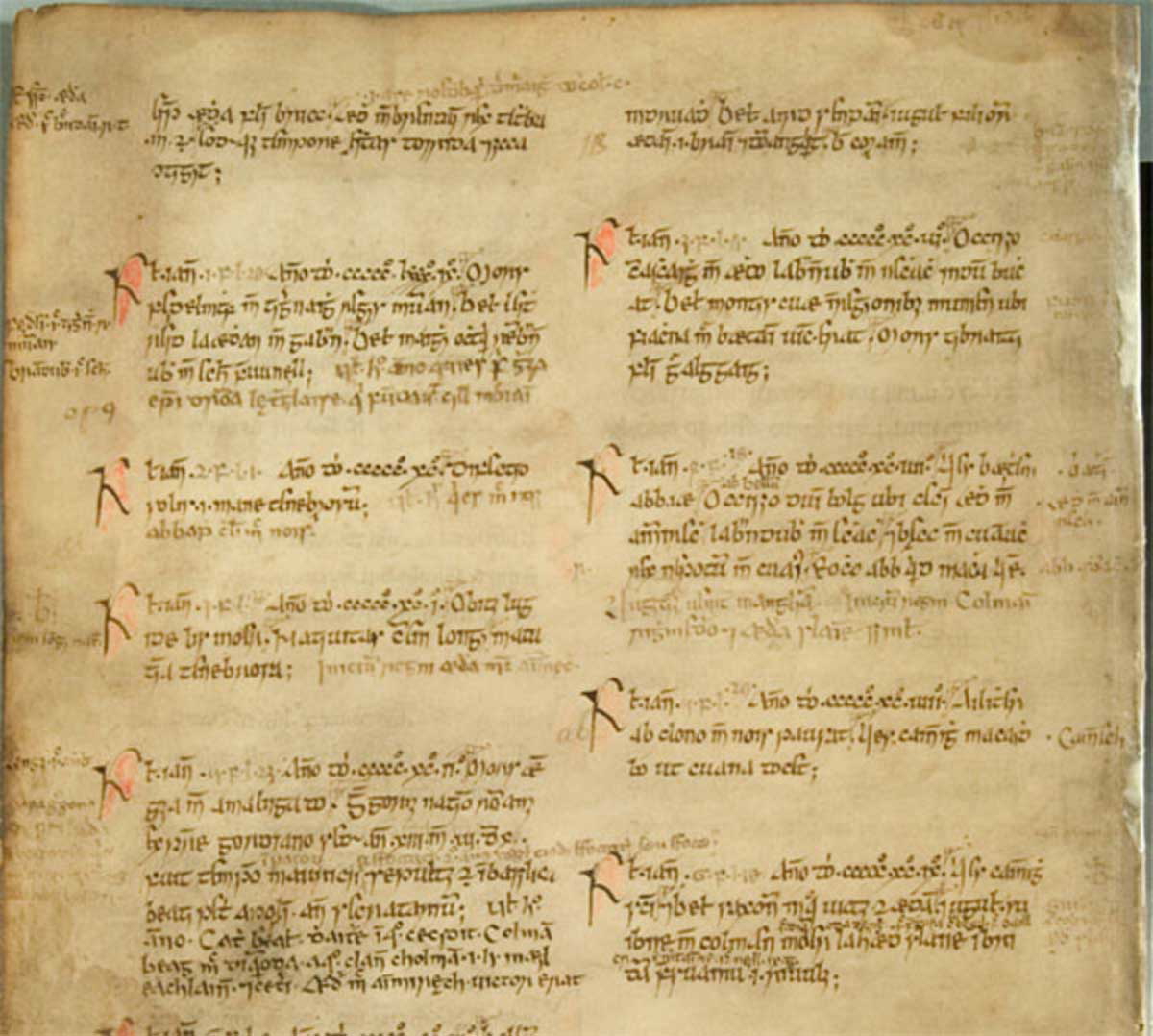
There is one more crucial issue with the identification of Artuir mac Aedan as the real King Arthur or even as a contributor to a composite figure. The evidence suggests that Artuir mac Aedan was not a very important person. While the kingdom of Dal Riada was certainly important, Artuir himself seems to have been a minor and unimportant prince. The basis for this conclusion is the way in which the death of Aedan’s sons is presented in the Annals of Tigernach and the Annals of Ulster.
The Annals of Ulster records the fact that several of Aedan’s sons died in battle against the Miathi. Notably, Artuir is listed last among his brothers. In the equivalent entry in the Annals of Tigernach, Artuir is missed out entirely. This strongly suggests that Artuir was not a renowned and famous warrior. This severely weakens the suggestion that he had anything to do with contributing to the legends of King Arthur. Certainly, it makes it extremely unlikely that he was the core figure behind the legends.
Was Artuir mac Aedan the Real King Arthur?
In conclusion, the theory that Artuir mac Aedan was the historical figure behind the legendary King Arthur is primarily based on three factors. He had the same name as Arthur, lived at approximately the right time, and came from an important kingdom. However, when we look at the facts more closely, we see that there are some serious issues.
The Battle of Badon, which was King Arthur’s famous victory against the Saxons, took place somewhere within the first half of the 6th century. However, Artuir mac Aedan was not even born then.
Furthermore, while Artuir’s kingdom was prominent and powerful, the evidence strongly suggests that Artuir himself was unimportant and forgettable. This makes it highly unlikely that he contributed to the legends about King Arthur.
In addition, we have seen that the extra details that supposedly support this identification—namely, the accession ceremony of the kings of Dal Riada and Artuir’s alleged sister—do not really stand up to scrutiny.
The search for the real King Arthur continues.