Summary
- Diverse Support System: Washington relied on a trusted circle of military aides, political advisors, and family to achieve national independence.
- Key Military Figures: Hamilton, Lafayette, and Laurens provided essential leadership, financial support, and administrative skills throughout the Revolutionary War.
- Personal Confidants: Martha Washington offered social diplomacy and morale, while William Lee served as Washington’s constant, long-term personal valet.
An icon of American history, George Washington is remembered as the indomitable leader who led his country through a bloody revolution to become the United States. But no man is an island, and Washington relied on a close circle of trusted individuals to help him accomplish his incredible achievements. These are some of the men (and women) who Washington considered his “right hands.”
1. Alexander Hamilton
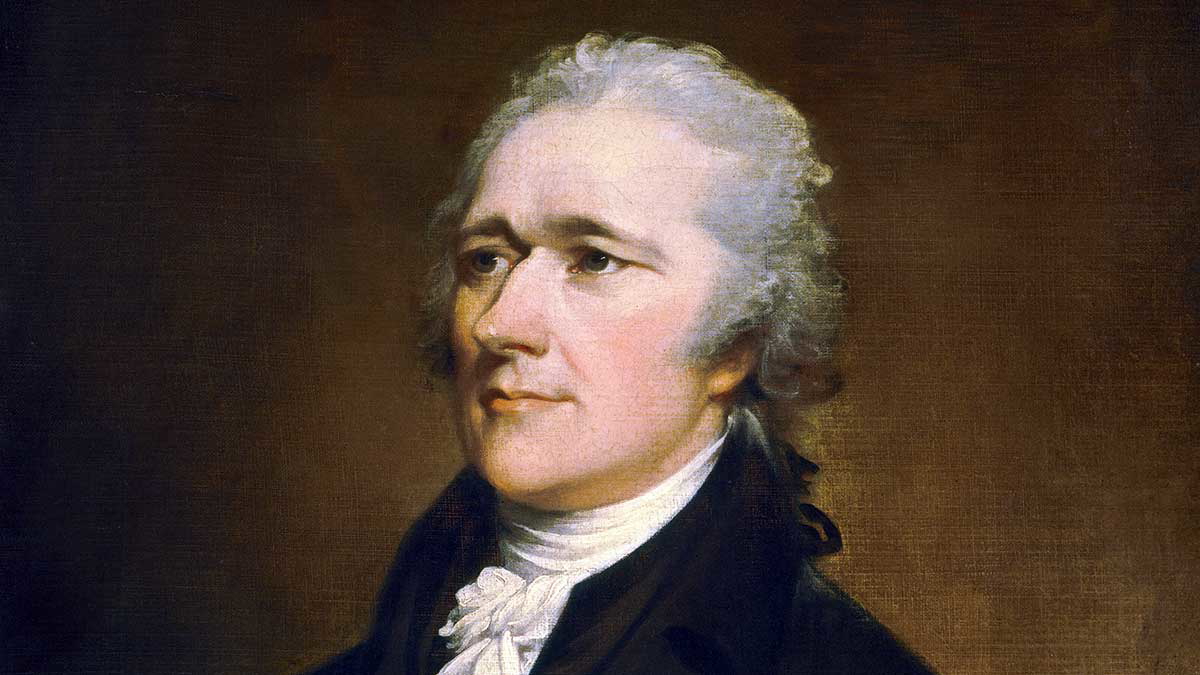
Before he stood on Washington’s side as a military aide and then cabinet member, Alexander Hamilton’s early days were challenging. He was born on Nevis, a Caribbean island ruled by the British. His unmarried parents didn’t provide Alexander with a stable childhood. His father abandoned the family, and his mother died before Hamilton reached adolescence.
The enterprising Hamilton supported himself by working as a clerk for a local shipping company. Several upstanding members of the community observed Hamilton’s skills and intelligence and created a fund to pay for his education in the American colonies. He arrived in New York in 1772, completed his preparatory education, and later attended King’s College.
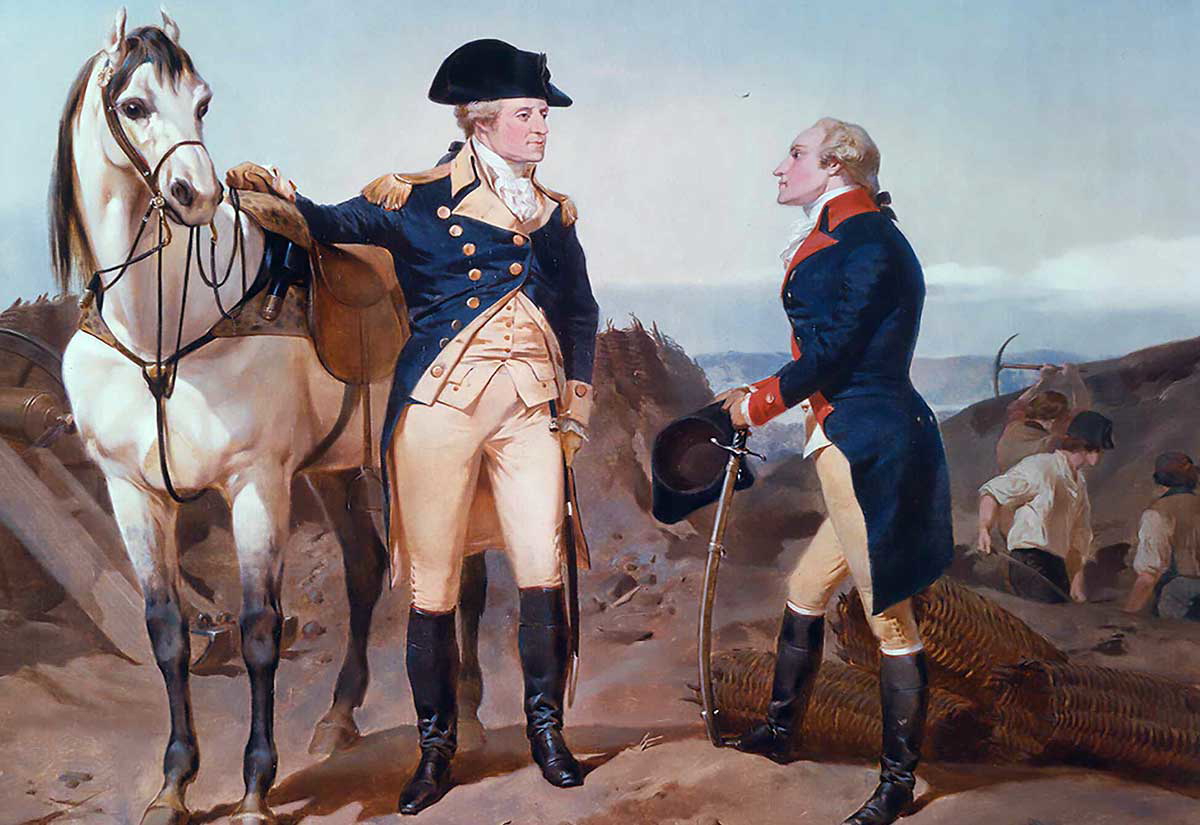
His education was interrupted by the outbreak of the American Revolution. He left school and joined a local militia group, working his way up to captain. In 1777, Captain Hamilton was invited to join Washington’s staff as an aide-de-camp and promoted to Lieutenant Colonel. The pair worked well together despite their opposing personalities. The two men had a brief dispute in 1781, and Hamilton temporarily left the General’s staff, but returned before long.
After the war, Hamilton returned to New York to pass the bar and start a law practice. It wasn’t long before Washington, now the country’s first president, tapped Hamilton to join his staff, which would become known as the cabinet. As the country’s first Secretary of the Treasury, Hamilton worked alongside his mentor to navigate the early years of the country and its operation.
Hamilton would be brought down in an infamous duel in 1804, outliving his mentor by only five years.
2. William “Billy” Lee
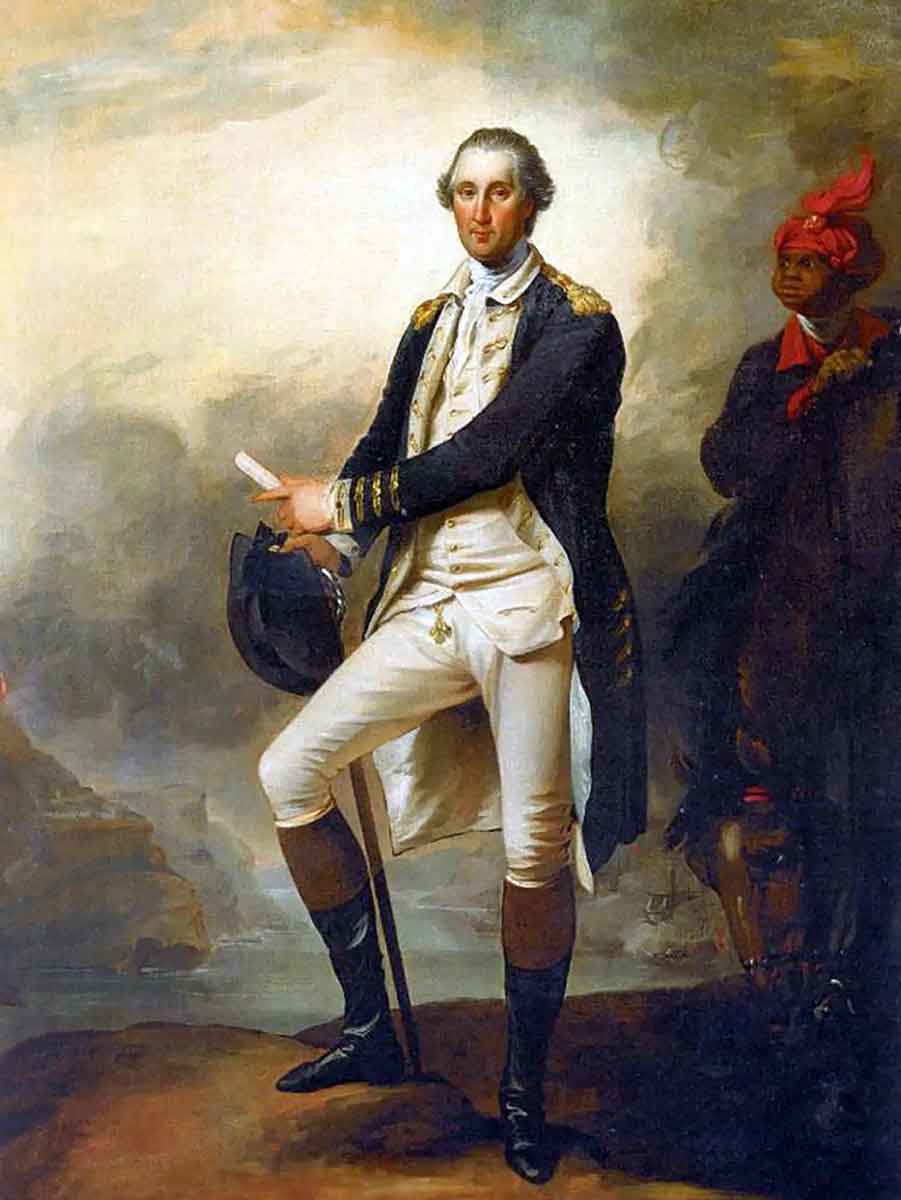
In 1768, Washington purchased two young men to supplement his current holdings of enslaved people. One of these brothers, William, called “Billy” by Washington, would come to play a vital role in the future general’s life. Billy became Washington’s valet. He spent almost every waking hour at Washington’s side, doing everything from helping him dress to delivering messages and ensuring the general was ready for meetings or other engagements.
Throughout the Revolution, Billy remained at Washington’s side, maintaining the general’s papers and keeping essential tools such as his spyglass at the ready. The two became extremely close, and some claimed their connection helped Washington’s opinions on slavery evolve, though Washington would not manumit any of the people in his holdings until after his 1799 death.
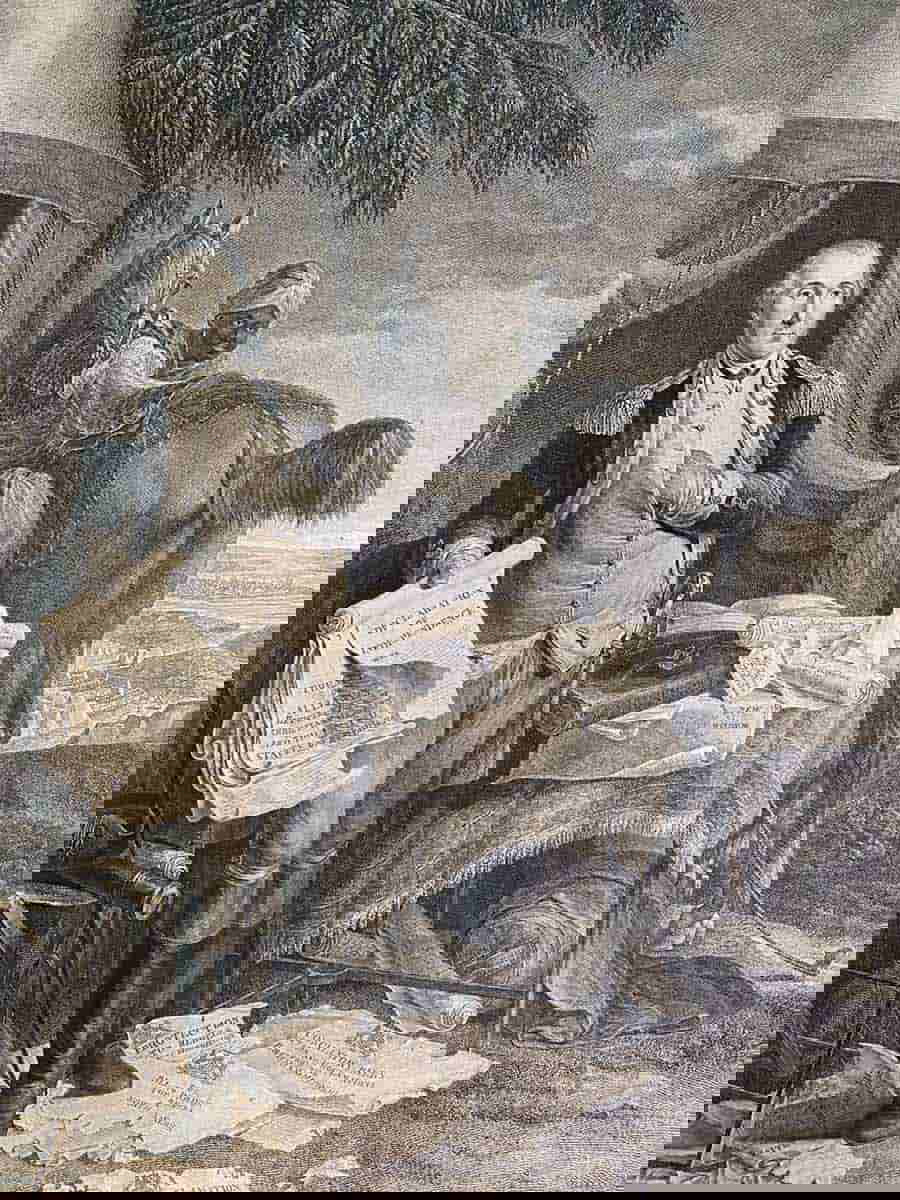
Lee gained celebrity status due to his proximity to Washington. He was described as athletic and an excellent horseman. He married a free Black woman in Philadelphia during the Revolution. Lee requested that his wife be transported to Washington’s home at Mount Vernon after the war.
Washington gave his permission, but there is no record of Lee’s wife, Margaret Thomas, in the Mount Vernon archives. Due to knee injuries sustained in an accident in the mid-1780s, Lee was unable to continue serving as Washington’s valet. He was sent to work in a shoe-making shop at Mount Vernon.
Lee was the only enslaved person freed immediately upon Washington’s death, and Washington ordered that he receive a $30 annual salary for the remainder of his life. Still, he remained at the estate until his death in 1810. Lee is believed to have been buried in the enslaved cemetery there.
3. The Marquis de Lafayette
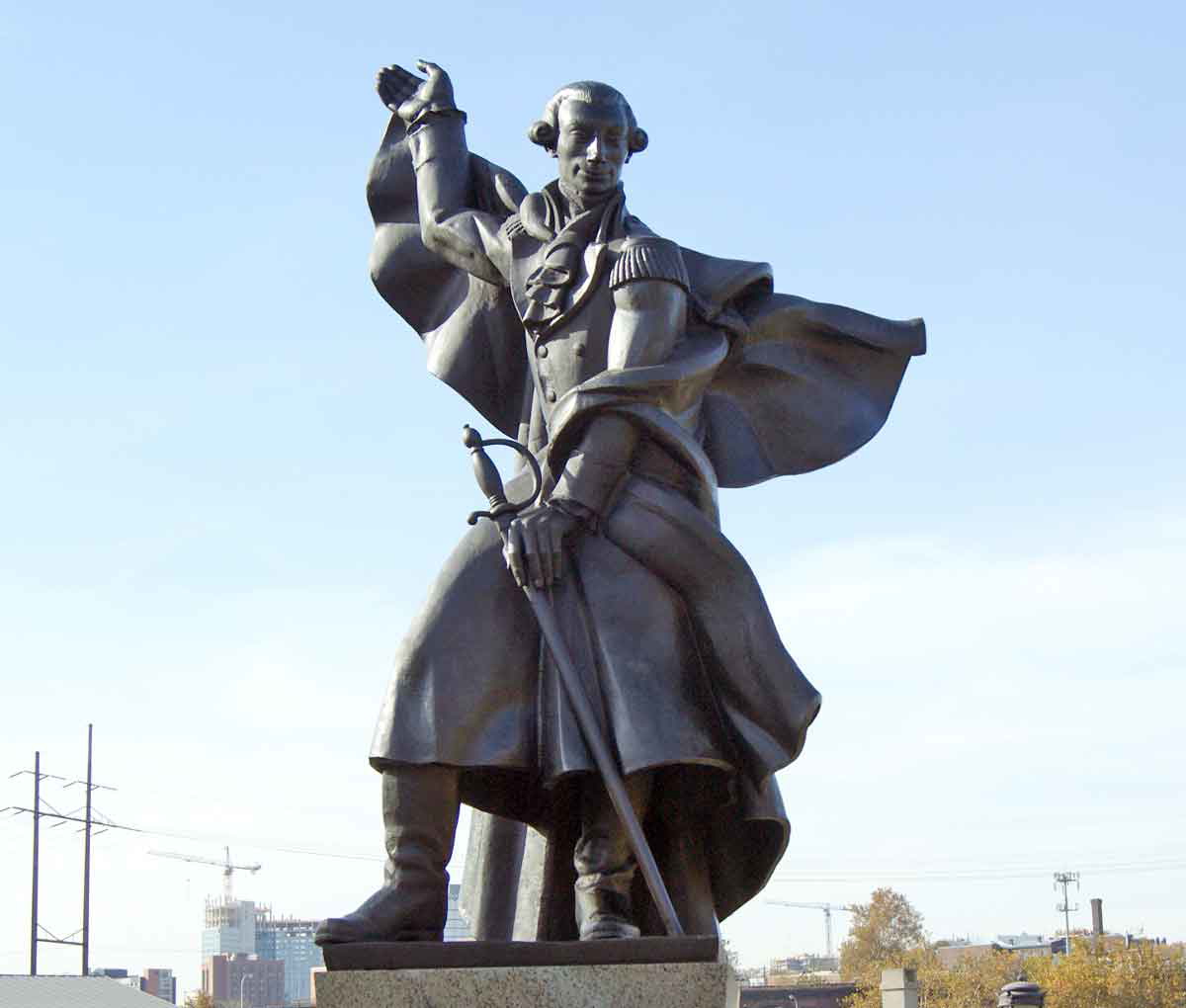
Marie Joseph Paul Yves Roche Gilbert du Motier, better known by his title, Marquis de Lafayette, was a French nobleman who was inspired by the American colonial cause. He volunteered on the Patriot side of the American Revolution and was given the rank of Major General. He helped gain French financial support for the war and spent thousands on supplies for his soldiers, who were sorely under-outfitted by the fledgling Congress.
Lafayette and Washington bonded immediately, with personal writings demonstrating mutual love and admiration. They remained close friends upon the conclusion of the war and Lafayette’s return to France, with Lafayette naming his only son George Washington Lafayette.
The Marquis assumed command of the French National Guard in 1789 and played an important role in the French Revolution. He was present at the famed storming and destruction of the Bastille and sent Washington the Bastille’s key as a gift. It is still displayed at Mount Vernon today.
4. John Laurens
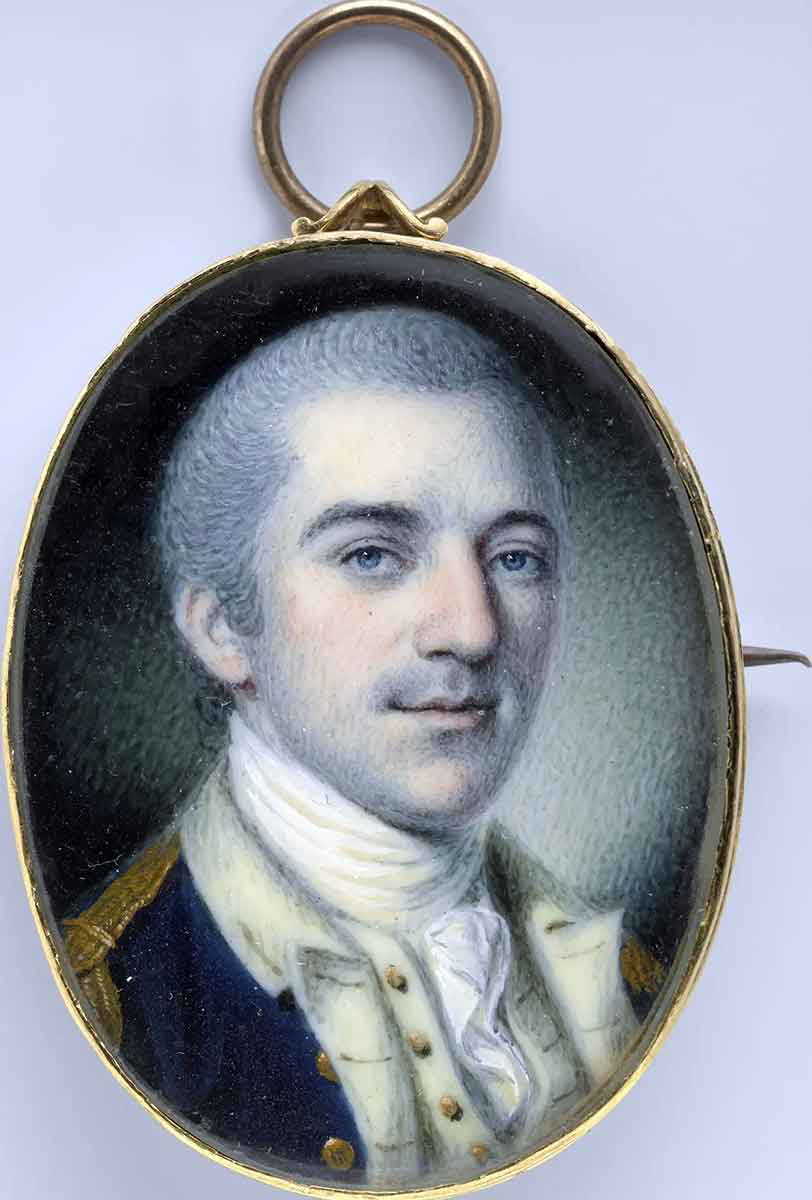
Born the son of a wealthy plantation owner in South Carolina, John “Jack” Laurens was nowhere near America when the Revolution broke out, as he was studying law in England. However, in 1776, he set sail for home, determined to participate in the war. He volunteered to join Washington’s staff as an aide-de-camp, quickly proving himself valuable with his fluency in French and friendliness with the other staff members.
Laurens was unique among many of his contemporaries in that he was an abolitionist, deeply influenced by the literature he had encountered while studying in England. He petitioned Congress to allow him to create a regiment made up of former slaves. Though his request was granted, reluctance among the southern planter class prevented him from raising the battalion.
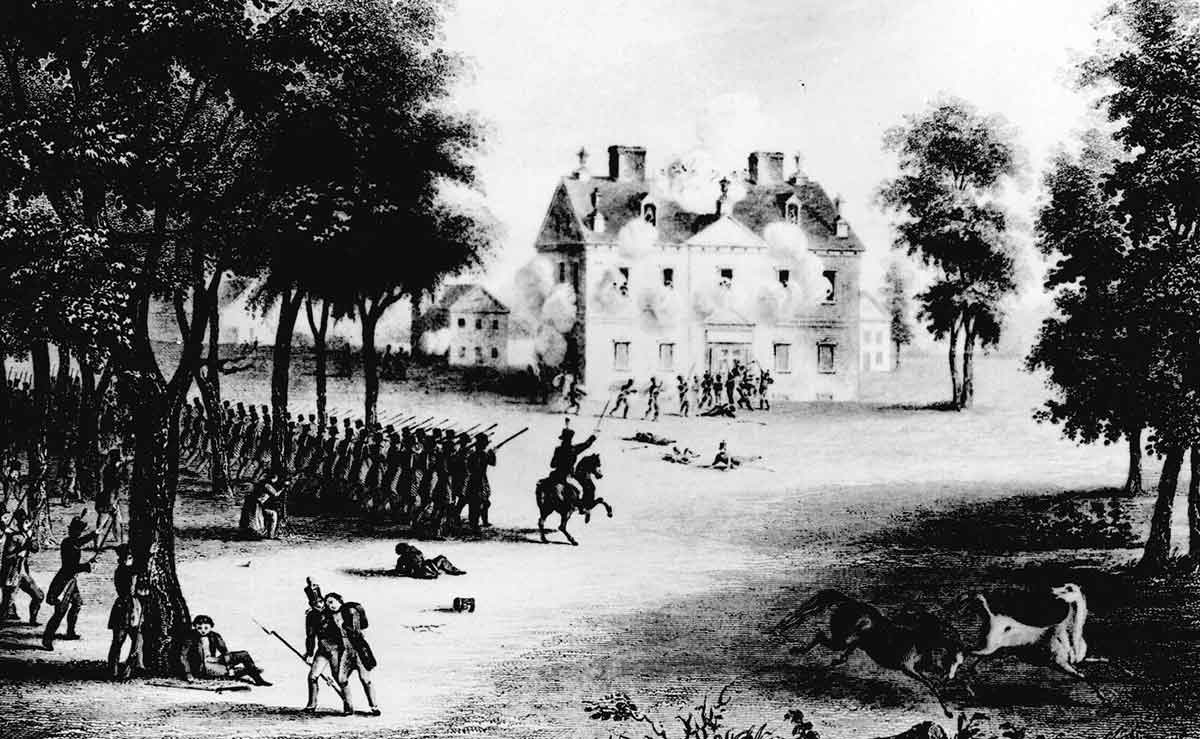
Laurens was briefly taken prisoner but returned to the battlefield, playing a crucial role in the British defeat and outlining the terms of surrender. However, one of the last battles of the Revolution, a minor skirmish outside of Charleston, would prove to be Laurens’ end. He was fatally shot just weeks before the final withdrawal of British troops.
5. Martha Washington
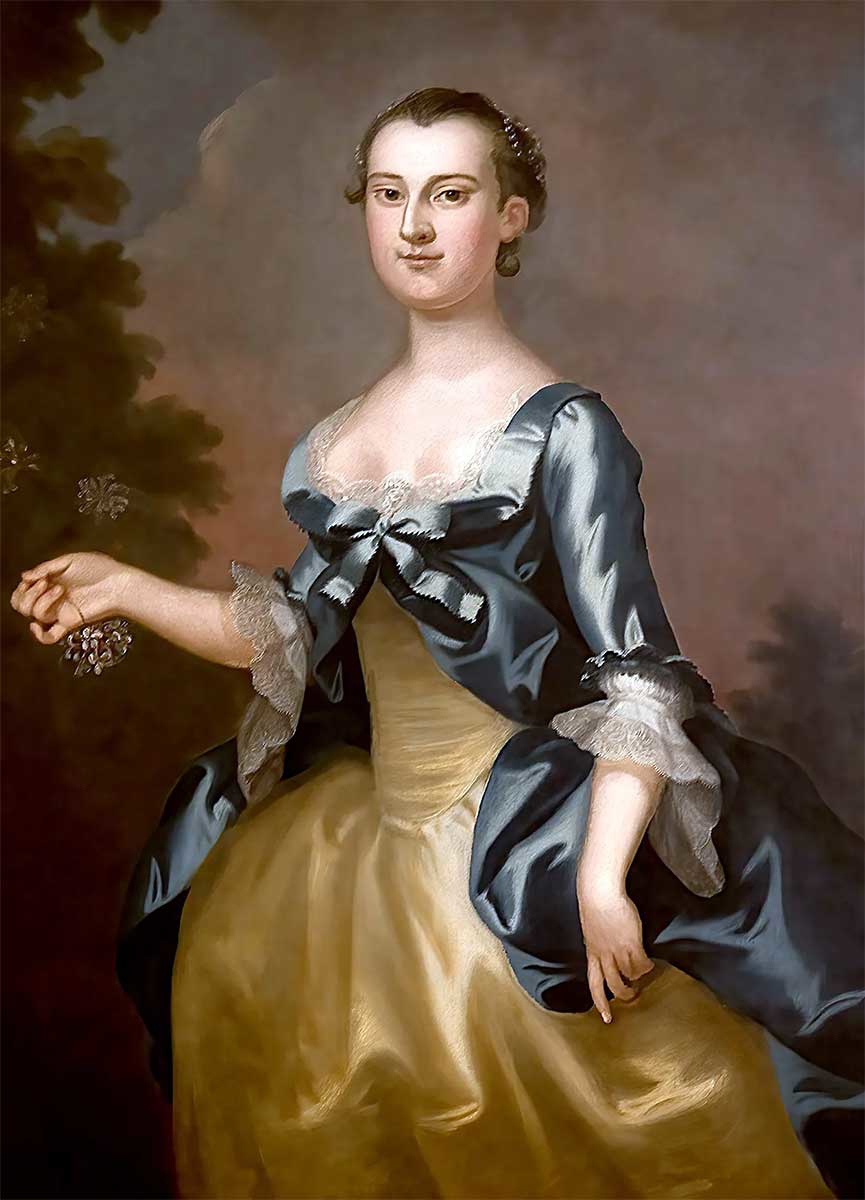
At just 26 years old, Martha Dandridge Custis would find herself widowed and the owner of a luxurious estate with two young children. Since Martha was financially independent, she was determined that her next marriage would be a love match. Her availability became the topic of much social discussion, and many suitors were vying for her attention. One of these young men was George Washington, one year younger than Martha, who first visited Mrs. Custis in March 1758.
Within months, the two were planning their wedding. Martha and her children, who had become legal wards of Washington, moved to the Washington family estate in 1759. Though the two would not have any children of their own, they raised Martha’s two children and eventually four grandchildren at Mount Vernon.
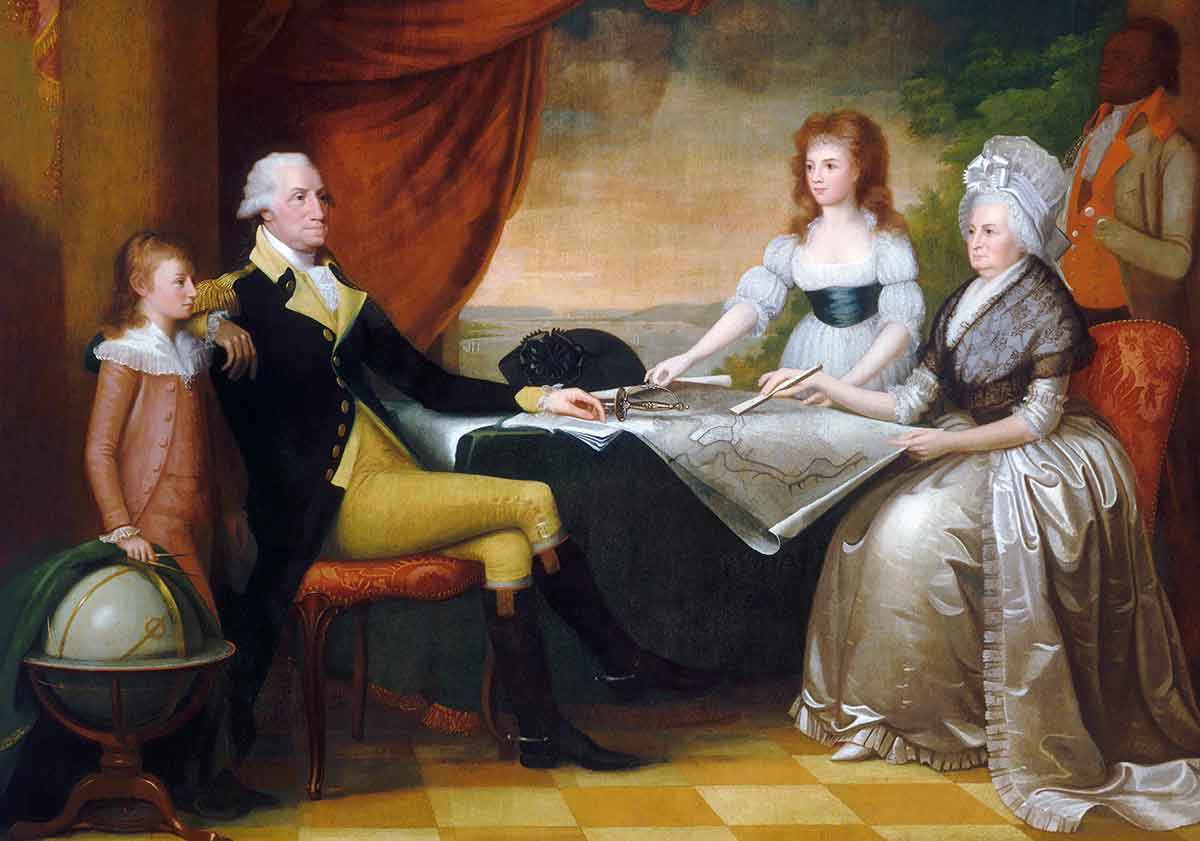
Martha assumed a more public role with the advent of the Revolution, and the two essentially became America’s first power couple. She represented her husband at social events and engagements. Fighting in those days generally ceased during the winters, and Mrs. Washington joined her husband at his winter encampments.
Martha was a sounding board for her husband and often helped with secretarial tasks. While Washington completed his duties, Martha spent time with other officers’ wives in camp. They aided in the care of wounded soldiers, hosted social events to boost morale, and welcomed guests, including political figures and military officials.
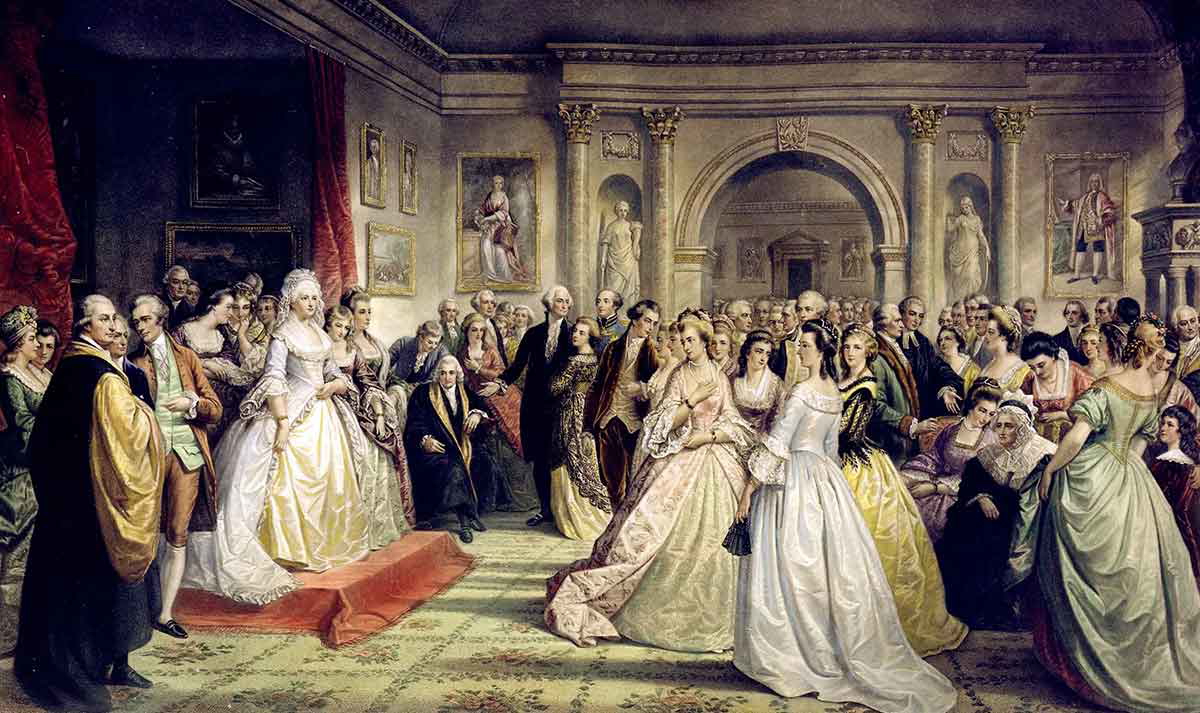
In their later lives, Martha continued to support her husband as he became the country’s first president. She held weekly receptions at the presidential home in Philadelphia. She welcomed people of disparate beliefs and diverse individuals who may not have had the opportunity for introduction and discourse otherwise. These gatherings helped establish the idea that the president needed input from the people to complete his role effectively.
After the presidency, the couple returned to Mount Vernon, eager to enjoy retirement together. Unfortunately, only two and a half years after returning home, Washington passed away from a throat infection. His distraught wife burned their letters to one another, forever preserving the privacy of their most intimate words. Beside her husband in death as well as life, Martha joined her husband in the tomb he had planned for them at Mount Vernon on May 22, 1802.