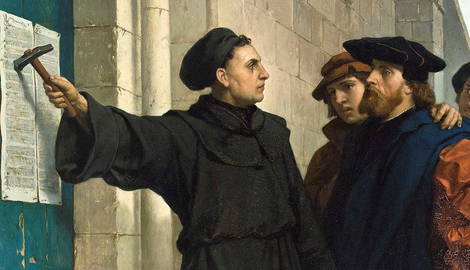
Before Martin Luther posted his 95 Theses in 1517, various other movements had already questioned certain positions and practices of the Roman Catholic Church in the centuries prior. Some of these movements and figures can be classified as Proto-Protestantism.
Proto-protestants: Oppositions and Beliefs
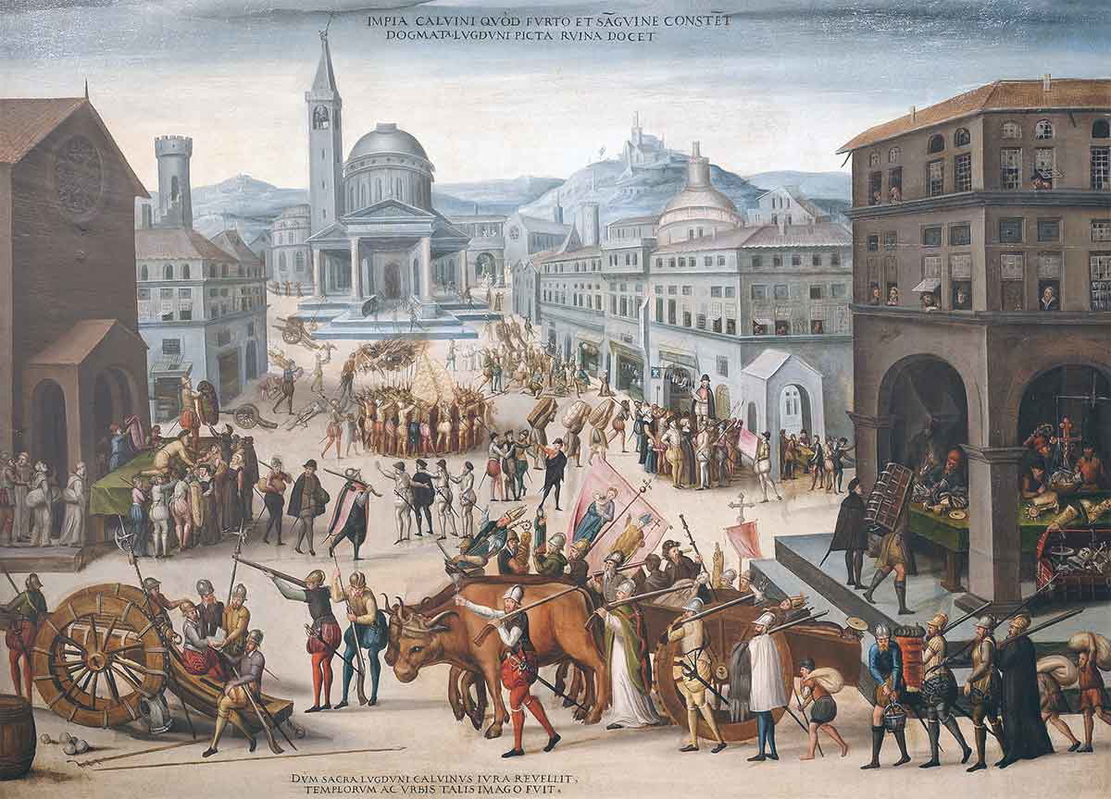
Proto-protestants typically opposed Roman Catholic practices which were held to be extra-Biblical. Some opposed the idea of the perpetual virginity and sinlessness of Mary, the mother of Jesus. Several believed in a stricter predestination theology more akin to what Calvin would preach hundreds of years later. Still others rejected the authority of the Pope and opposed the Roman Catholic ecumenical structure altogether.
Opposition to indulgences, transubstantiation, infant baptism, and icons were common. Several even promoted what would come to be defined as the Protestant doctrine of sola scriptura, where the Bible alone is the primary and authoritative rule of faith, above church tradition and the magisterium.
Proto-Protestant and the “Additional” Sacraments
From a Protestant perspective, two sacraments are generally held to have explicit Biblical commands – Baptism and the Lord’s Supper, or Communion. While some modern denominations may add to these sacraments, these two tend to be common in some form or another throughout Protestant theology. Catholicism has several others – Marriage, Confession/Penance, Confirmation, Anointing of the Sick, and Holy Orders. Objections to some of these additional sacraments was common among proto-Protestant groups.
Probably the most prominent proto-Protestant group of this category was the Waldensians, a sect that began in southern France in the late 1100s and endured throughout the Reformation. The Waldensians were prominent particularly in their belief in the priesthood of the believer, where the common Christian has direct access to God and does not need a priest to pronounce forgiveness of their sin, a viewpoint opposing the Catholic theology of Confession.
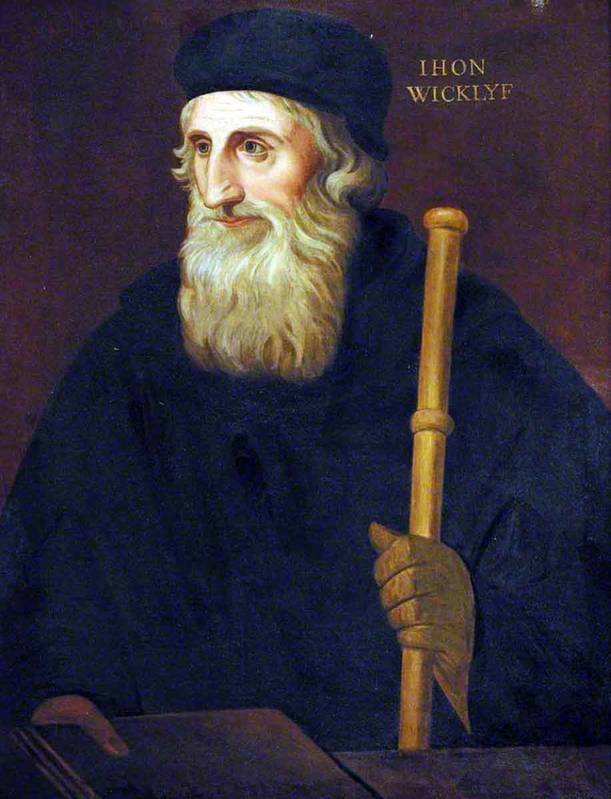
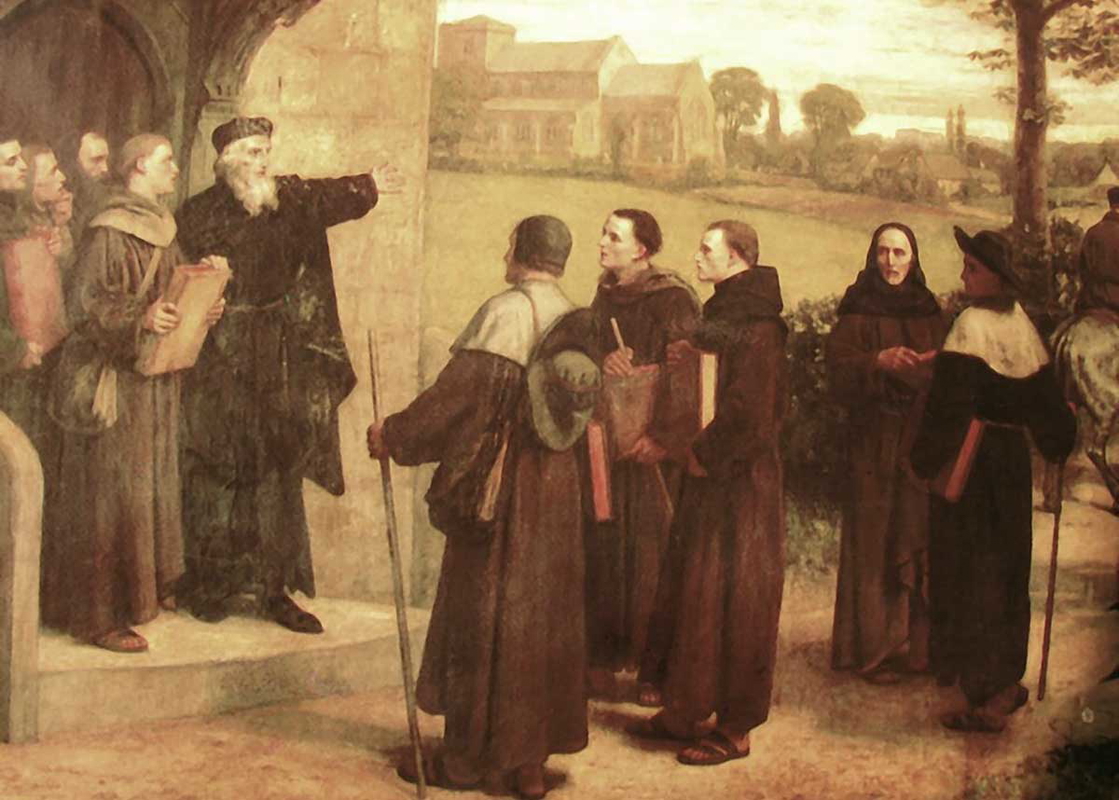
The Lollards, a group initially led by John Wycliffe in the late 1300s, held many similar views as the Waldensians and later reformers, and grew out of a movement which supported the Bible being written in common languages. They specifically opposed special ordinations of priests and the sacrament of confession.
Proto-Protestant Groups and Infant Baptism
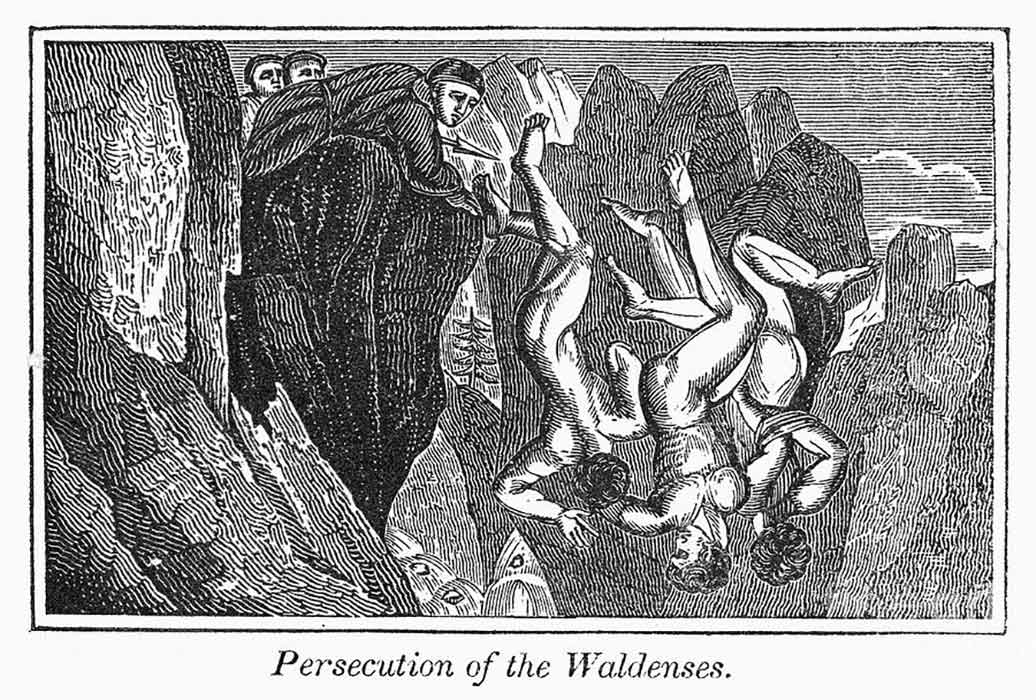
One of the theologies of the proto-Protestant groups that was controversial among Protestants in the Reformation was the opposition to Infant Baptism. The Waldensians appear to have opposed infant baptism, insisting that baptism was to be done following conversion to the faith, not before, a theology called credo-baptism. Another prominent credobaptist that even predates the Waldensians was Peter of Bruys, a French Priest in the early 1100s who also opposed various other Roman Catholic teachings, including transubstantiation.
Proto-Protestants and Transubstantiation
On of the more common controversies within Christianity is what specifically happens to the bread and wine during Communion. The Catholic position is that they literally and physically become the body and blood of Jesus without changing appearance, a theology called transubstantiation. Many proto-Protestant, and later Protestant groups, denied transubstantiation to one degree or another for various reasons.
Waldensians, Lollards, and the Hussites in the 1300s both denied transubstantiation, as did the monks Ratramnus in the 800s in France and Aelfric in the late 900s in England.
How Radical Were the Proto-Protestant Groups?
Outside of a handful of proto-Protestant groups, such as the dualistic Cathars, most, if not all of the proto-Protestant groups held to what were considered otherwise orthodox positions. Most affirmed the Trinity and the divinity of Christ as summarized in the Nicene or Athanasian Creeds, and few actively fought against the Church and were more likely to be targeted for their beliefs. These positions would carry on into the Protestant Reformation in the 1500s, where the issues were more regarding the authority of scripture and the nature and cause of salvation, rather than the character and nature of God.