Summary
- What is Virtue: Socrates and Meno discuss the nature of virtue, trying to move from subjective virtue to a general, overarching definition of virtue.
- Meno’s Paradox: This leads to a discussion of how knowledge is acquired and how one knows they have learned something they do not know.
- Anamnesis: Socrates introduces the Platonic idea of an immortal soul with perfect knowledge, and how questioning allows us to recall that knowledge.
- Antylus’ Warning: Socrates shows that to find “true knowledge,” one must abandon “belief” and embrace the unknown, an approach that disrupts the status quo.
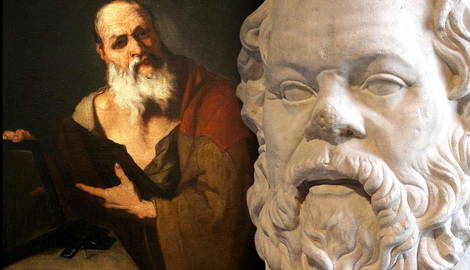
In Plato’s Meno, Plato has his teacher Socrates engage in a dialogue with Meno on the nature of virtue. While the dialogue starts by asking “what is virtue,” it goes on to explore how knowledge is acquired and how we learn unknown things. This brings the dialogue to Platonic metaphysics with his idea of an immortal soul with perfect knowledge that allows us to recall true knowledge, which requires questioning imperfect mortal beliefs.
What is Virtue According to Plato?
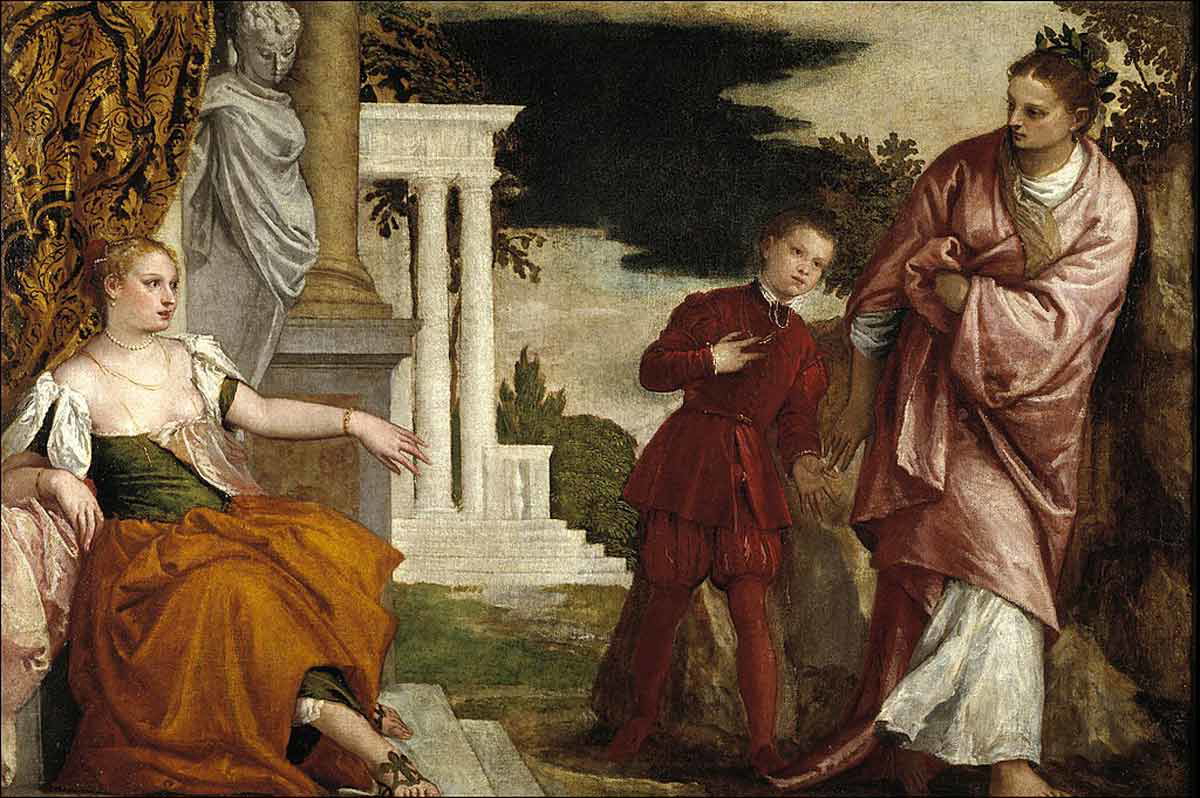
The core question that runs through the Meno is simply: what is virtue? Socrates principally explores this idea with his main interlocutor, Meno, who initially suggests that what counts as virtue depends on the (self-evident) natural ends for a certain kind of person. He then gives a list of different kinds of virtue, suggesting that virtue is subjective to the individual.
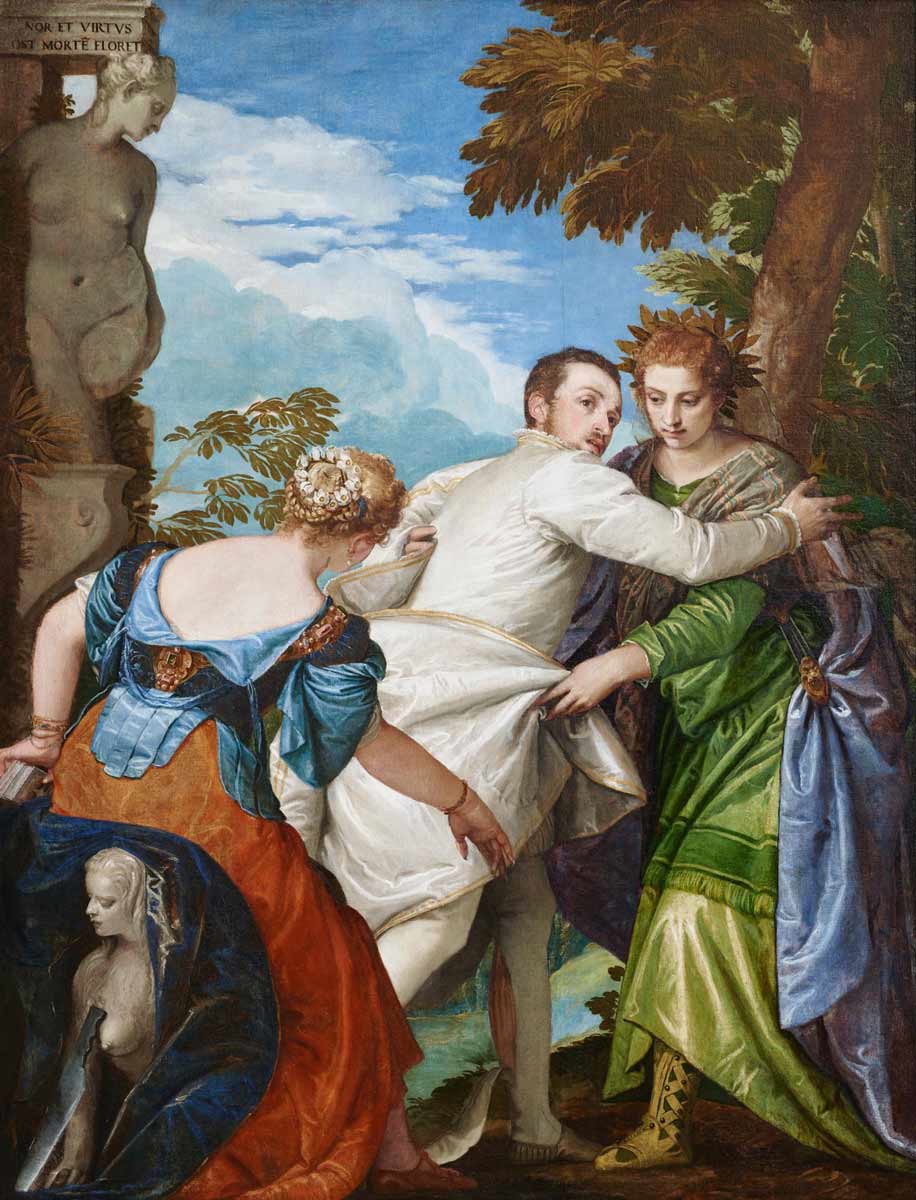
Socrates responds that if there are various kinds of virtues, then there must be something that unites them that makes them worthy of the name “virtue.” In other words, it is insufficient to simply reply to the question “What is virtue?” with the answer that “there are many forms of virtue.” Indeed, more generally, the question “what is x?” tends not to simply mean “give me some examples of x,” but rather “tell me about the nature of x.”
Meno had several options at this point to further explore the question. He could have explained what the various forms of virtue have in common. Alternatively, he could have denied the validity of applying the term “virtue,” while acknowledging that he knows what people mean when they ask about virtue and is trying to capture that. This is a common strategy: acknowledging that while the definition of a term does not exist, accepting that there is a way that the term is used, and explaining that as best as possible.
The (Unique) Nature of Virtue
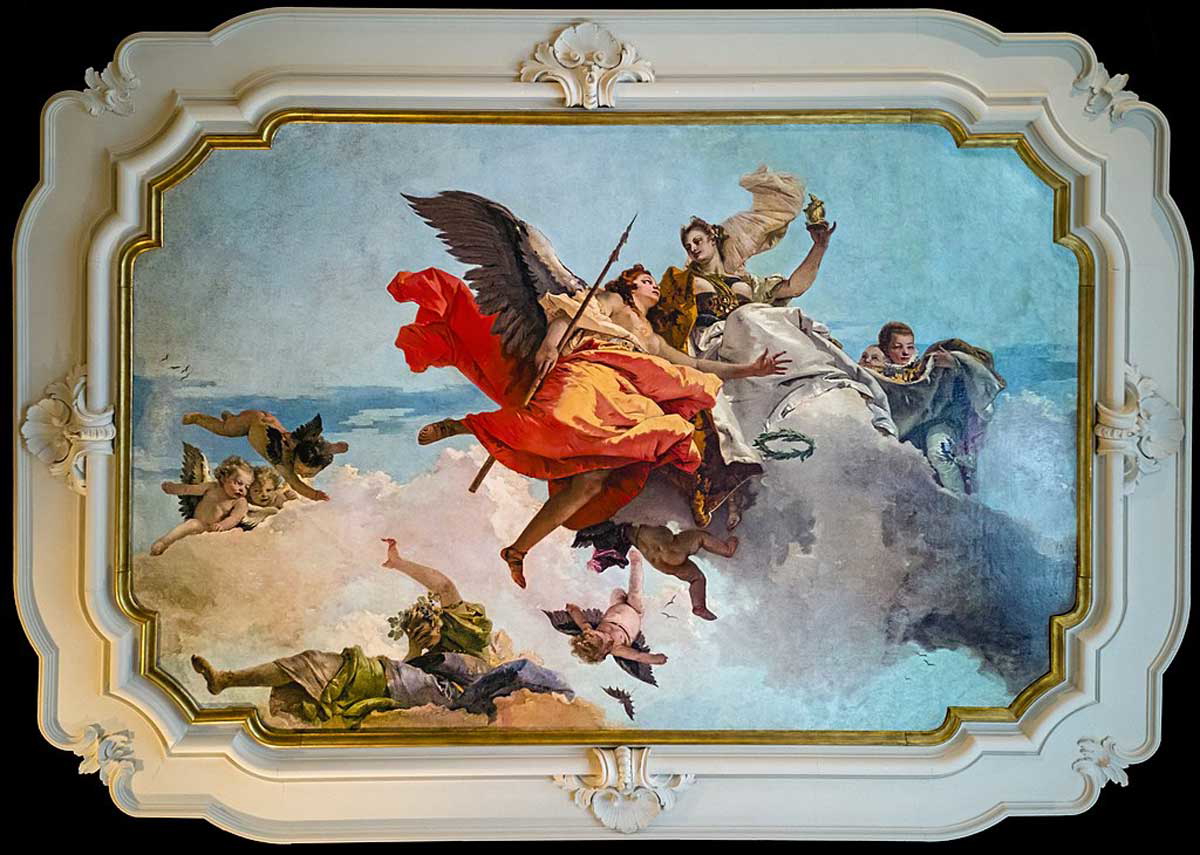
Meno is persuaded that he should, as Socrates urges, “allow virtue to remain whole and sound” and attempt to give an account of what binds all the examples of virtue he listed together. Meno, therefore, attempts to give a second definition, characterizing virtue as desiring beautiful things and having the power to acquire them.
Socrates responds to this by posing the question of whether anyone desires what they believe to be bad. Meno is eventually persuaded that no one does. Socrates then reintroduces some objective basis for things worth pursuing.
They move on to discussing power (since Meno mentioned the power to acquire beautiful things), and Socrates poses the idea that certain kinds of people—slaves, for instance—cannot reasonably have their conception of virtue determined by their power, given that this seems to be precluded by their very nature. Socrates rejects the idea that virtue is subjective to the person and argues that any general theory of virtue must be applicable to everyone.
The Connection Between Virtue and Plato’s Metaphysics
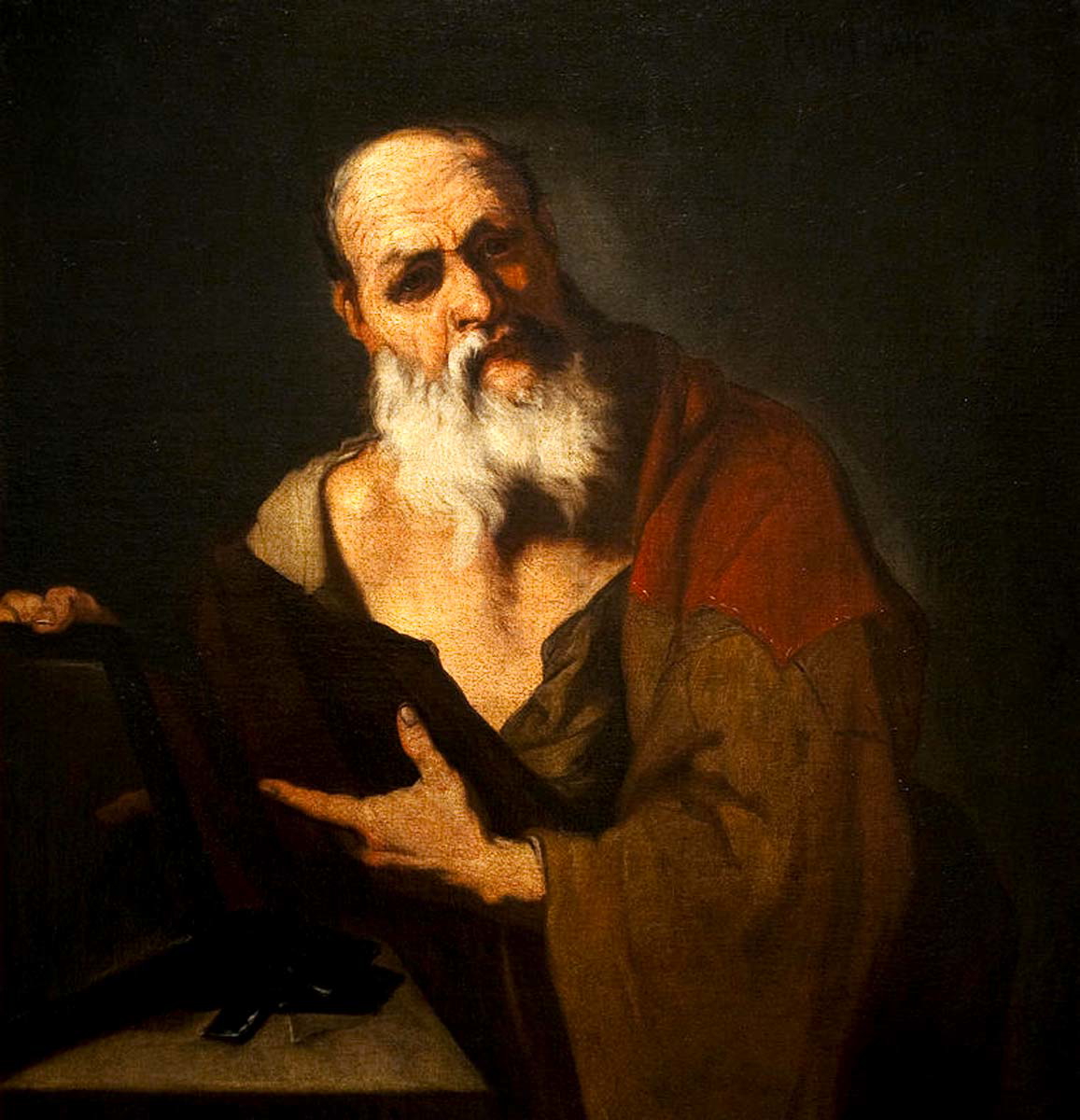
There is an underlying connection here to Plato’s metaphysics. The principle here is that one cannot know a part of a thing without some awareness of the overriding concept of things. Platonic metaphysics is based on the very same kind of assumption: namely, that our understanding of things must be derived from an understanding of broader concepts.
At this point, Meno embarks on a rather fruitless attempt to show that one cannot investigate something about which one is uncertain: “how will you look for [virtue] when you do not know what it is.” Meno’s suggestion is paradoxical. Apparently, one cannot search for what one does not know, as we would have no way to know when one has found it. Therefore, Meno seems to suggest that any kind of investigation is pointless and that learning is impossible.
This elicits one of the most famous passages of any Platonic dialogue and gives Socrates a chance to expose one of Plato’s most famous doctrines. That is the doctrine that holds that all knowledge is really recollection. Socrates explains that all human souls are immortal and so must have experienced all that there is to be experienced, seen all that there is to see, and have come to understand all that they can already. Any newly found knowledge is simply an act of remembrance.
Socrates’ Defense of Knowledge as Recollection
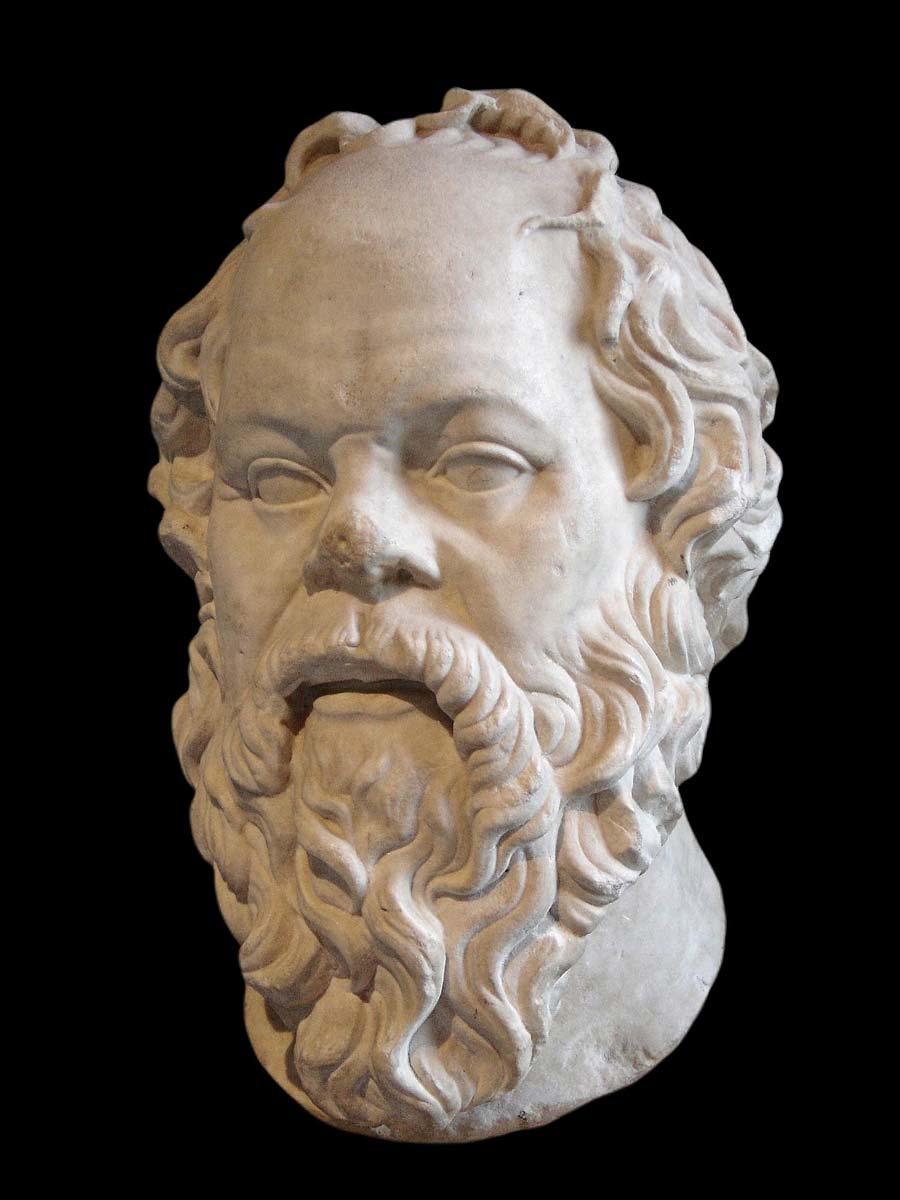
According to the dialogue, what we come to know over the course of our lifetimes is not new to us. Rather, our mortal lives are an opportunity for remembering what our immortal soul knows, but we ourselves are not directly aware of. Socrates famously demonstrates this idea using one of Meno’s slaves.
The slave has had no formal training in mathematics, and yet Socrates gets him to solve a geometrical problem. Crucially, Socrates gets him to solve this problem without telling him anything directly, but merely by asking him questions and giving him prompts to figure it out.
The choice of mathematics, and especially geometry, seems quite significant, given that the basic elements of geometry—space, quantity, shape, the interplay of structure—are some of the most basic elements of philosophical discussion. What is often forgotten about Socrates’ experiment with the slave is the emphasis that is placed on his (the slave’s) being brought from certainty to uncertainty.
While the slave does solve part of the problem, the example concludes with his failure to figure something out. However, he now recognizes the problem before him as a problem, and this—both Socrates and Meno agree—is an improvement. Manifestly, this is an oblique justification of the Socratic method and a defense against a common criticism of Socrates across the Platonic dialogues: that he tends to obscure what we previously found clear. Ignorance often suggests the appearance of clarity, but our highest aspiration should be to understand how things really are, not how it is comforting for them to be.
Antylus’ Warning: Taking Philosophy Too Far
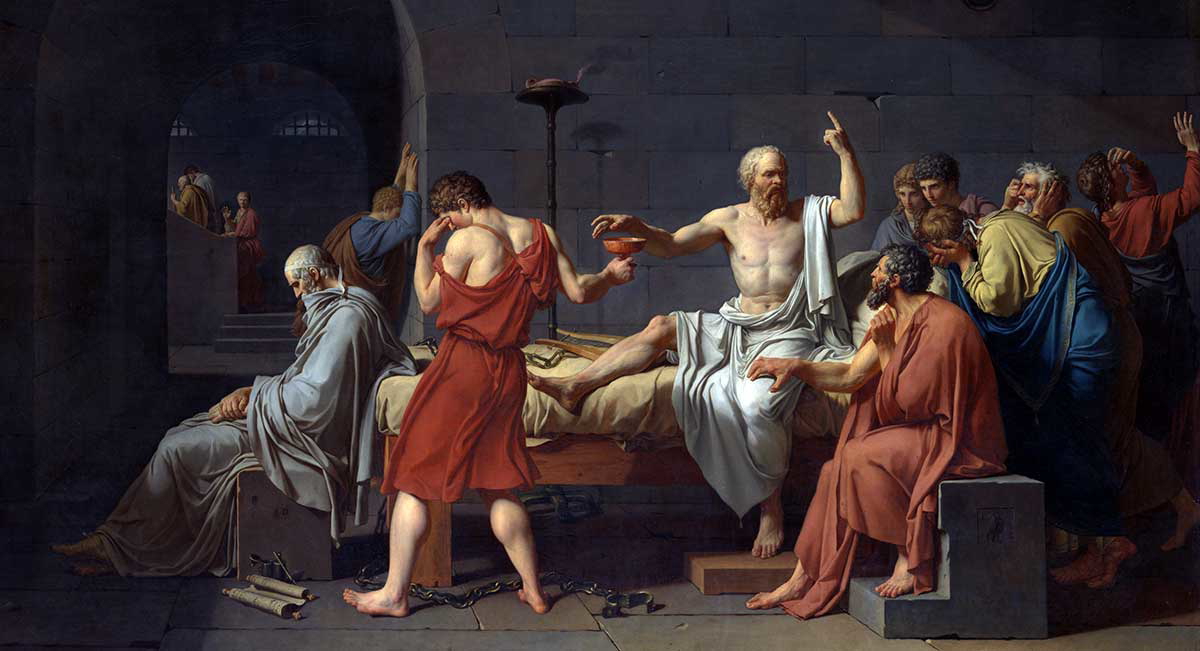
The Meno gives a clear classical expression of one of the core principles of European philosophy. The point of an intellectual life is to figure out how things are. This may be challenging, disconcerting, confusing, and difficult to establish with much certainty. Embracing this is an essential element of any productive scientific method. It is also an approach that inevitably fuels controversy and upsets existing authorities.
Towards the end of the dialogue, Antylus appears and suggests that it is quite easy to define virtue, since many men are deemed to be great by mutual agreement. Socrates asks Antylus whether such men are capable of teaching virtue, and if so, why those fathered by great men so often turn out not to be great themselves.
Having taken Socrates’ mockery poorly, Antylus departs with a warning for Socrates not to speak too harshly, should he find himself in trouble with the authorities. This is an ominous forewarning of Socrates’ fate and his eventual execution by the Athenian state.