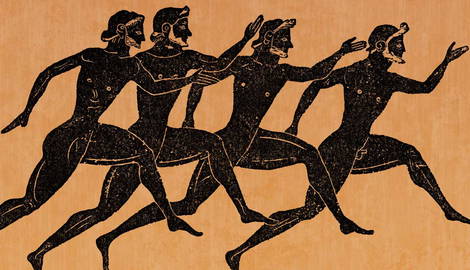
Nowadays, physical exercise seems more popular than ever. Yet this focus on health and fitness is nothing new. From the ancient Greek Olympic Games to modern gyms, people have long connected the body with discipline, competition, and self-improvement. Even philosophers have weighed in on the subject.
From Plato’s wrestling background to Nietzsche’s idea of the Übermensch, their perspectives reveal how exercise has been linked not just to strength, but also to education, balance, and even the meaning of life.
1. Plato: Exercise and the Ideal State
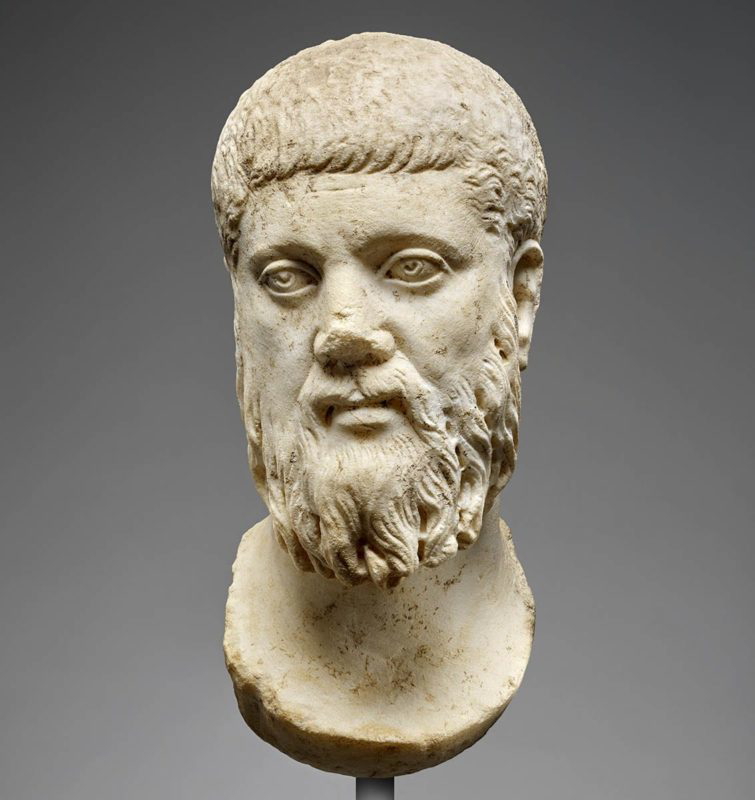
Ancient Greece is often linked with physical exercise, from the Olympic Games to the rigorous training of Spartan soldiers. The idealized physiques of Greek sculpture also reflect this cultural emphasis on the body.
Plato is perhaps the most notable example of the link between philosophy and physical exercise. Born Aristocles, he became known as Plato—a nickname thought to reflect both his broad physique and his skill in wrestling, one of the most important sports in Ancient Greece. Two pillars of his philosophy help explain his view of physical training: the political vision outlined in the Republic and the metaphysical ideas of the Theory of Forms.
In the Republic, Plato described the blueprint of an ideal society. Physical training was central to education, not only for health but also for the broader values it instilled. Exercise promoted discipline, teamwork, and self-control while preparing citizens for military service. For Plato, a strong body supported the strength of the state.
The Theory of Forms, meanwhile, argued that everything in the physical world is an imperfect reflection of its perfect, abstract counterpart. Exercise could be understood through this framework as the pursuit of the body’s ideal form. Each workout, competition, or effort toward fitness brought one closer to—but never fully in reach of—that perfection.
Plato’s perspective shows how exercise was never just about muscles or sport. It was a philosophical practice, a way to train both the body and the soul toward their highest potential.
2. Aristotle: Balancing Body and Mind

It would be impossible to discuss Ancient Greek philosophy without mentioning Aristotle. Both a student and critic of Plato, Aristotle shaped much of Western thought. One of his most enduring ideas is the concept of virtue through balance—the belief that fulfillment comes not from extremes but from moderation.
For Aristotle, the natural goal of human life was eudaimonia, often translated as human flourishing or well-being. This state could only be reached through living virtuously, and balance was central to that pursuit. A complete life required attention to all aspects of the self: intellectual, spiritual, and physical. The body, therefore, was just as important to cultivate as the mind.
Aristotle’s approach to exercise was neither indulgent nor neglectful. He warned against becoming a sedentary scholar but also against becoming a brute who relied only on strength. True progress came through moderation—training the body enough to support a virtuous life without falling into obsession.
His message resonates today. In a fitness industry where people often push far beyond natural limits, sometimes with harmful substances or unhealthy methods, Aristotle’s call for balance is strikingly relevant. He reminds us that health is best achieved not through extremes but through harmony between body, mind, and character.
3. Seneca: Stoic Strength in Training
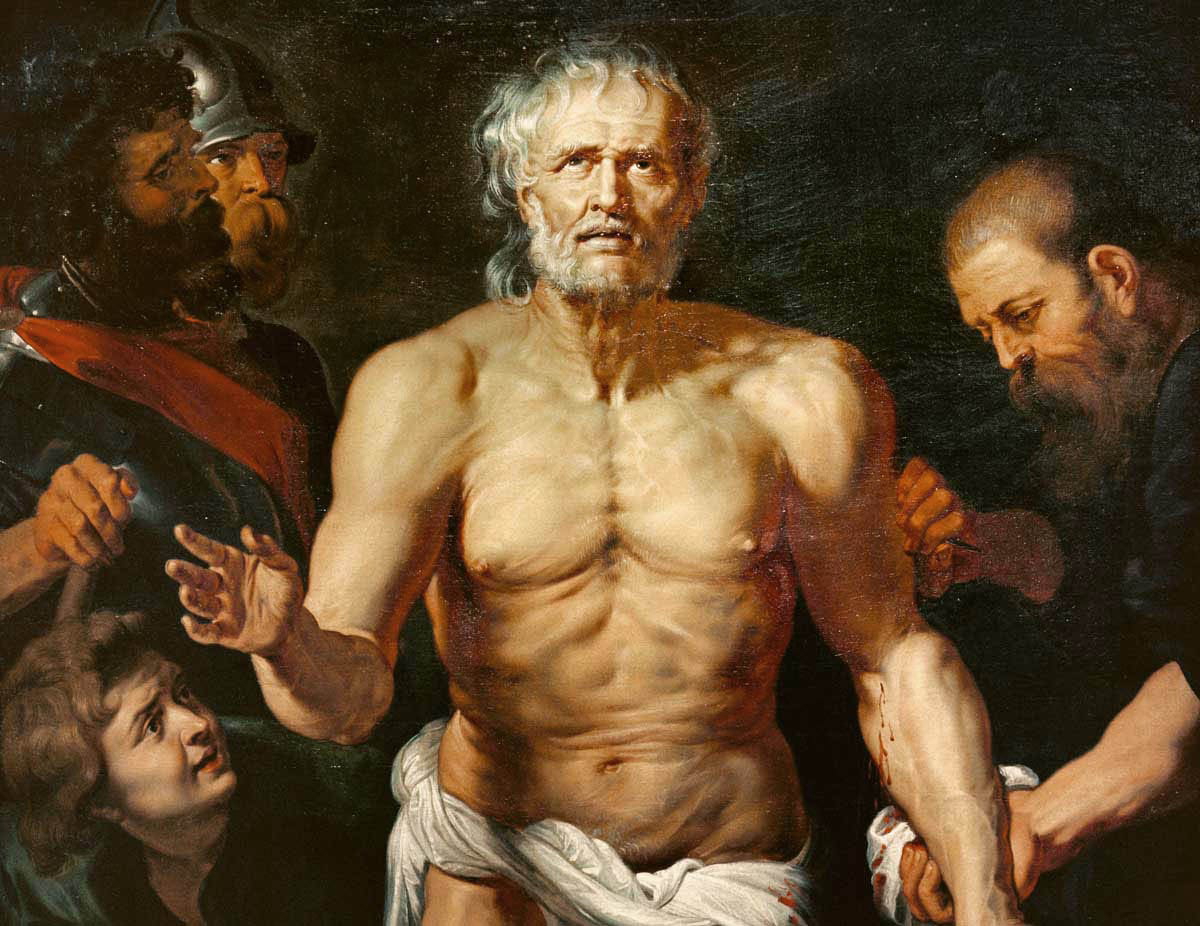
Between the pinnacle of ancient Greece and the dawn of the Roman Empire, there was the Hellenistic period. During this time, Alexander the Great spread Greek culture and influence far and wide.
The Hellenistic period was marked by significant turmoil. This resulted from the sudden political and cultural changes imposed upon the general population. Stoic philosophy was born in response. It championed a worldview that was based on self-control, resilience, and the ability to overcome hardships through mental strength.
Much like Aristotle, the Stoic philosopher Seneca believed that balance and moderation were necessary for self-improvement. He believed we should all strive for some level of physical development. A healthy body can better support a healthy mind—but not to the point of obsession.
In Seneca’s view, the real value of the practice of physical exercises, however, was the development of self-control, discipline, and endurance—the very pillars of Stoic philosophy. Athletic practices are indeed a great way for a person to become well-suited to face the adversities of the world around them.
4. Schopenhauer: Fitness as Escapism

Arthur Schopenhauer is a philosopher associated with pessimism, as in his perspective, life is an endless cycle of suffering derived from the frustration of wanting things that we cannot have and the boredom that results once we obtain what we have previously desired.
Schopenhauer recognized the value of a healthy body in many instances, particularly in terms of individual well-being and as a temporary escape from life’s suffering. However, his philosophy can also be seen as somewhat critical of physical exercise.
One of the most significant influences on Schopenhauer’s philosophical system was Buddhism—particularly its perspective on the denial of pursuing our desires. Thus, we can interpret that the author’s perspective would be largely against competitive levels of physical exercise. Our desire for a good-looking body or to excel in a specific sport is ultimately nothing but a source of further suffering.
When analyzing such a broad subject under the scope of an even broader area that is philosophy, it is important to consider different points of view, and that is why Schopenhauer’s perspective is important in our analysis. It is a unique take on the subject that brings further questioning to the discussion, moving it forward.
5. Nietzsche: Exercise Toward the Übermensch
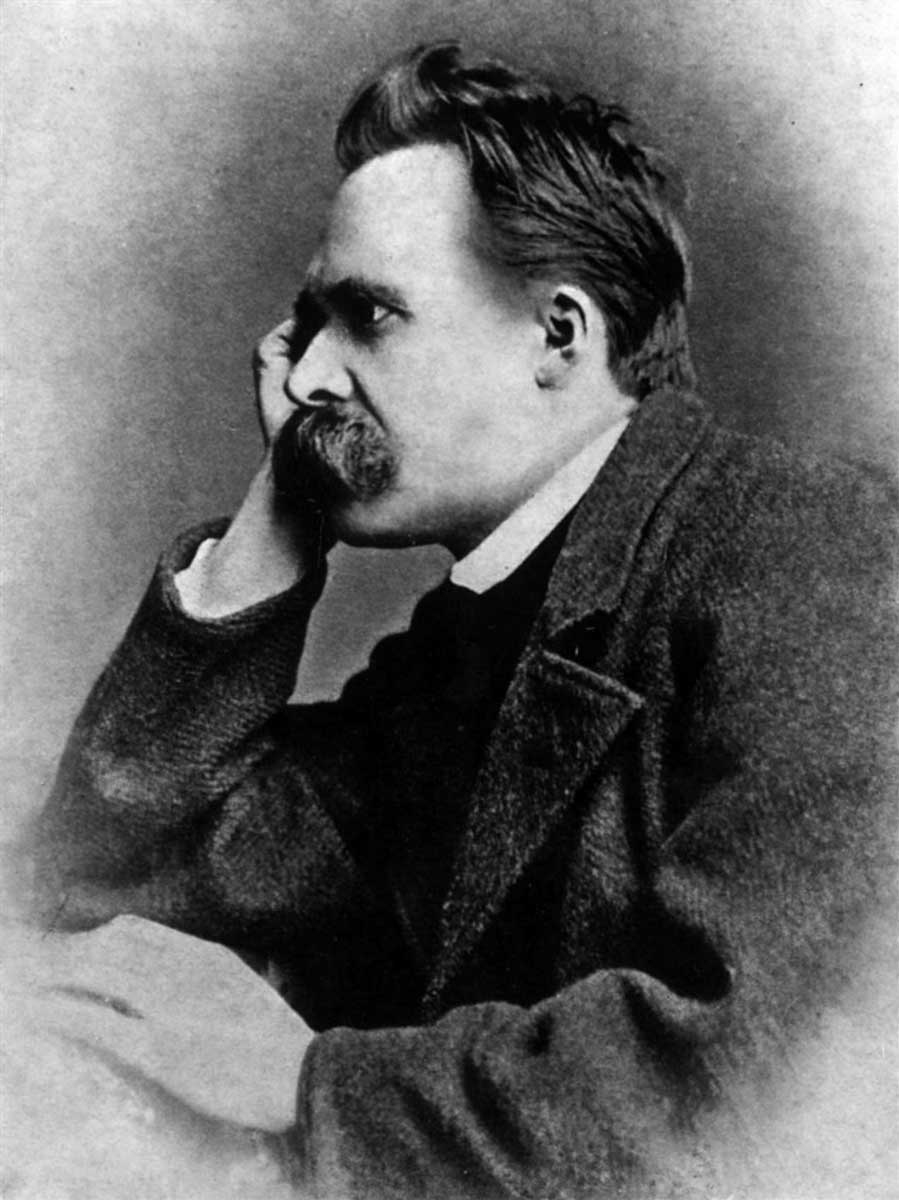
Friedrich Nietzsche is one of the most notable and influential philosophers in more recent history. His nihilistic views are scattered all around our society. His concept of Übermensch offers a distinctive viewpoint on physical exercise.
What exactly is the Übermensch or Super-Human according to Nietzsche? Essentially, it represents the next level of existence that people should strive to reach. The Übermensch is set on a path of self-overcoming, self-discipline, and self-mastery. This Super-Human is not bound by the limits of traditions or dogmas, whether they be religious, political, or cultural.
Nietzsche did not elaborate on the development of the body specifically. However, a core aspect of the Übermensch does relate to the practice of physical exercises. For example, a competitive athlete must constantly engage in self-overcoming to break records. Similarly, a bodybuilder would need a lot of self-discipline to follow the required training and nutrition protocols.
The philosophy of the Super-Human is a philosophy of constantly breaking limits. If these limits are mental, physical, or even social, that is up to interpretation. The main point is to always strive to become more than you currently are.
Should You Exercise Your Body?
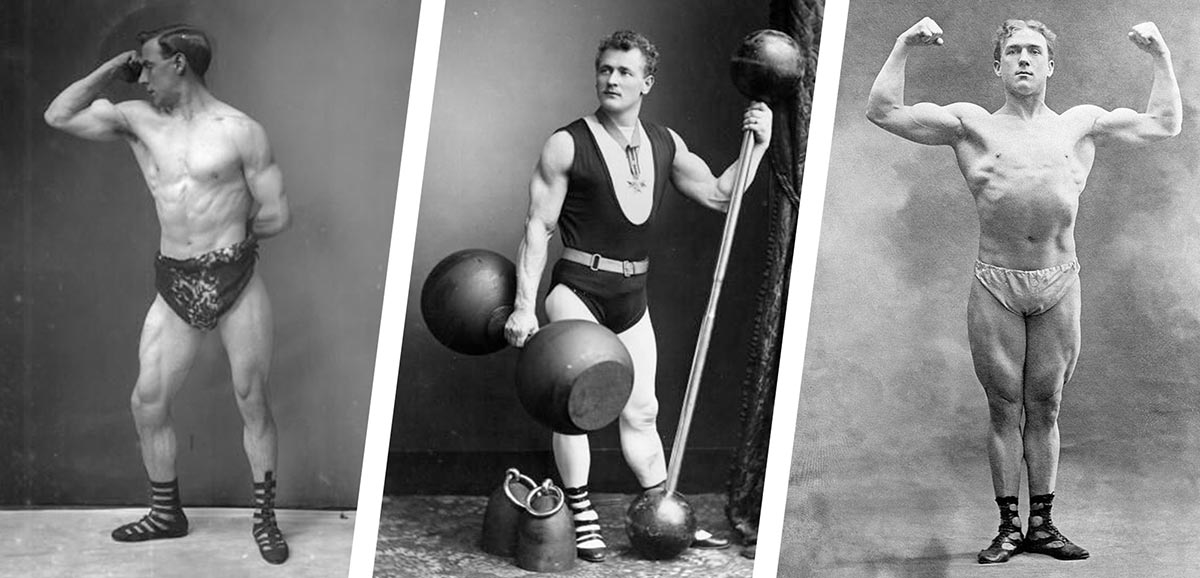
The list of philosophers who have made direct or indirect mention of this subject matter is long. However, analyzing the five points of view explained here can broaden our perspective on the relationship between philosophy and physical exercise. Many philosophers agree that exercising your body and living a healthy life are beneficial.
Pessimists like Schopenhauer will see the practice of physical exercises as nothing but a distraction. Authors such as Nietzsche and Plato, however, agree that people should try to be the best version of themselves. They make very strong arguments to support their perspectives. We can balance them with the fair warnings provided by Aristotle and Seneca about the dangers of going to extremes.