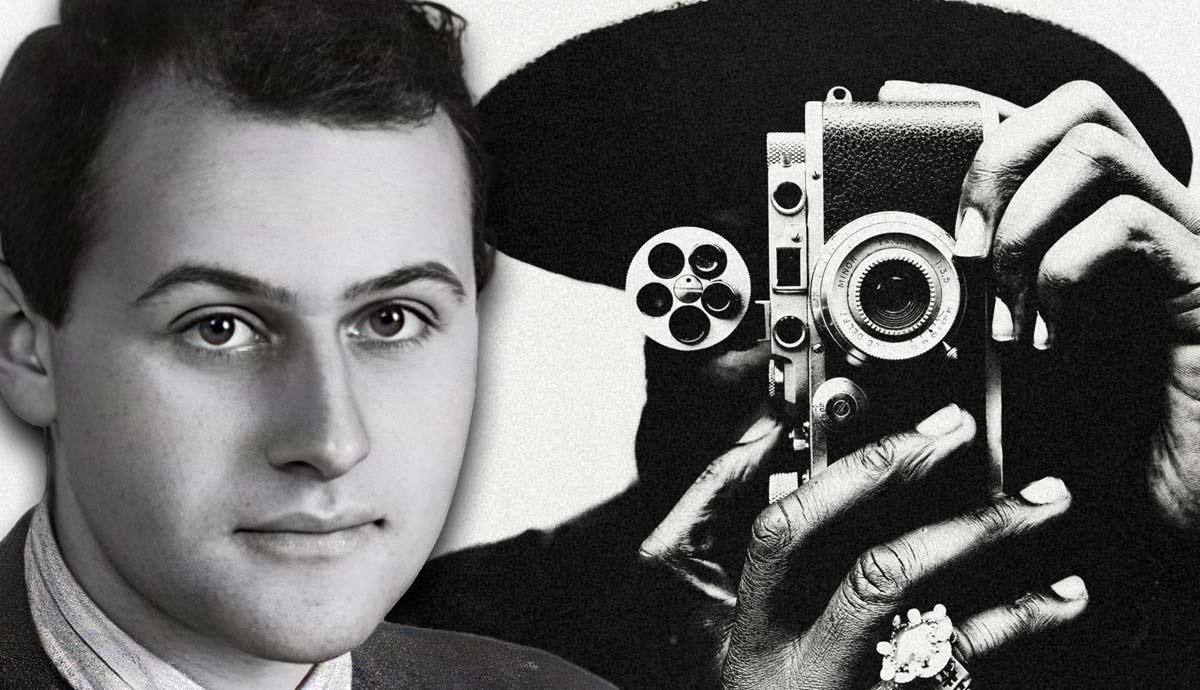
Madness is one of the most misunderstood experiences in modern society. In some cultures, it is considered a crisis that signals the beginning of Shamanic initiation. In others, it is a cause for ostracism and dehumanization. R. D. Laing understood madness. Unlike his contemporaries, he never lost sight of the humanity of those undergoing states of psychosis. Severely critical of modern psychiatry, Laing designed an experiment aimed at harvesting the fruits of madness in a safe and supportive environment. Whether the study was brilliant or outrageously unethical is still the subject of continuous debate.
How R.D. Laing Understood Madness
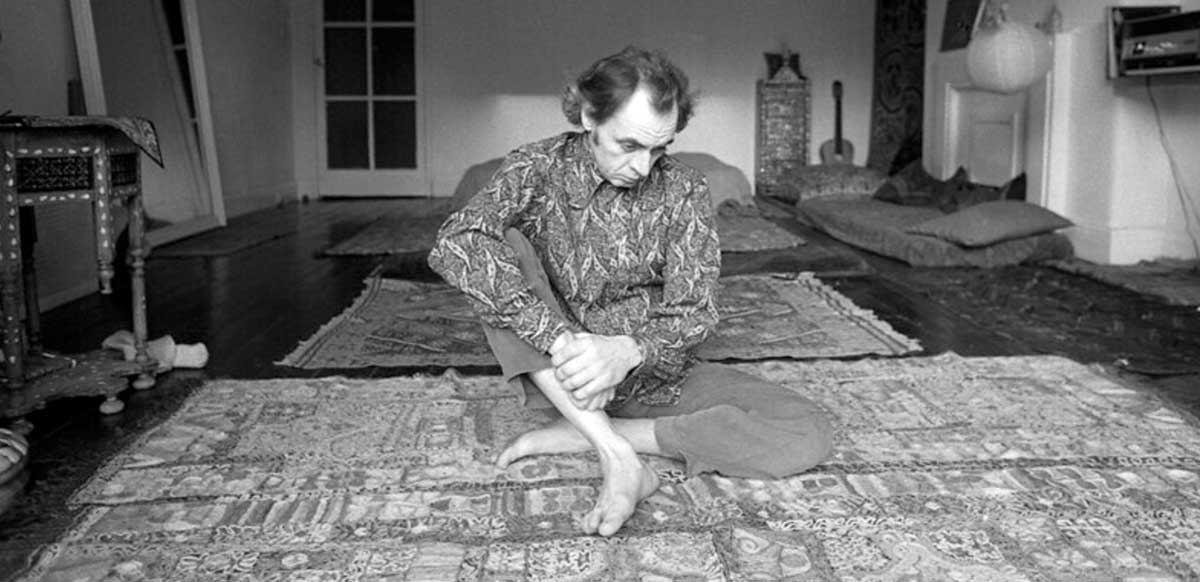
D. Laing considered madness a perfectly rational adjustment to a mad and dysfunctional world. In a society that values suppression over expression, conformity over authenticity, and homogeneity over diversity, madness is not only natural, but inevitable. Laing considered what society calls ‘sane’ the true mental illness, for how can humans be well adjusted to a society whose tenants are fundamentally against human nature? As he notably argued in The Politics of Experience, “It is no measure of health to be well adjusted to a profoundly sick society” (Laing, 1967).
As one of the founders of the anti-psychiatry movement, Laing called for a radical reassessment of how we view sanity and challenged the alienating and derogatory assumptions that predominate common perceptions of mental illness. “Our ‘normal’ ‘adjusted’ state is too often the abdication of ecstasy, the betrayal of our true potentialities, many of them so special and so dangerous to the social order” he continued (Laing, 1967).
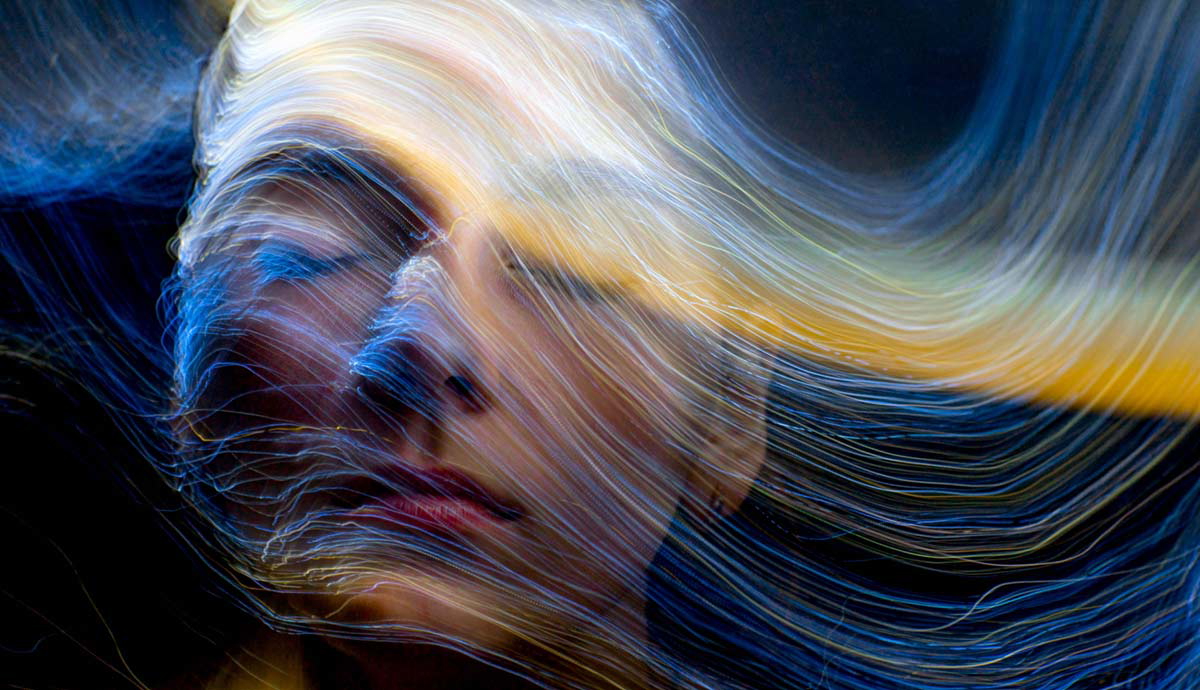
Laing viewed states of psychosis as natural ways of coping with an insane world, our psyche’s innate attempt at healing and rebalancing itself.
Instead of throwing psychiatric labels, he tried to listen to those undergoing these states, legitimizing their experience and helping them navigate it as it presents itself. He argued that the vivid world experienced by those labeled ‘insane’ is qualitatively identical to the inner world of those considered ‘sane’, the only difference is that the former lost their ability to conceal it from others. Like Carl Jung, Laing did not consider psychosis a problem that abundant doses of medication must suppress, but an opportunity, if manouvered correctly, for metanoia — a fundamental psychological transformation.
Why the Kingsley Hall Experiment Was Revolutionary
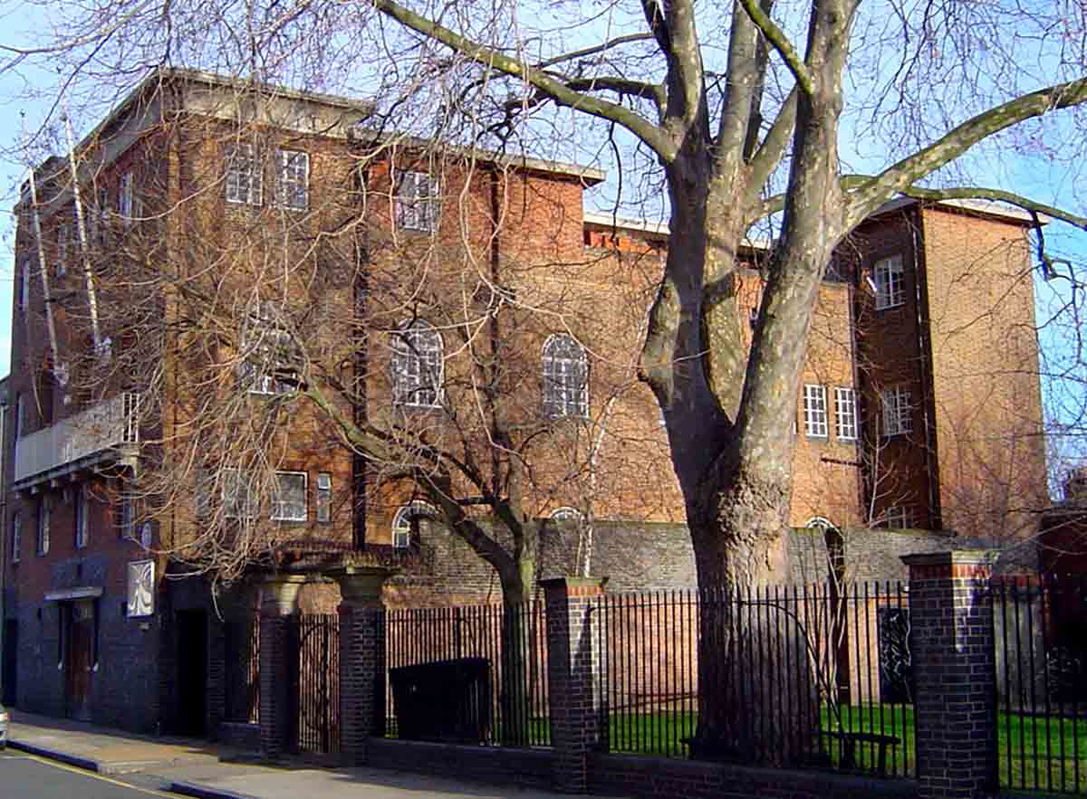
The Kingsley Hall experiment was revolutionary because it challenged the psychiatric model of mental illness. In 1965, Laing founded the Philadelphia Association with a group of colleagues who shared the same ethos. He didn’t only strive to change the general perception of what is considered ‘mental illness’, but offered a proposal to change the entire model of psychiatry. In 1965, the Philadelphia Association leased Kingsley Hall to house a community of people experiencing states of psychosis.
Laing and his colleagues also moved to the establishment and treated residents with utmost dignity and respect, refraining from shock therapy, medical interventions, and typical therapeutic approaches characterized by coercion or repression. News of the unorthodox experiment echoed worldwide, attracting psychologists, celebrities, and artists from all walks of life. The Kingsley Hall experiment became a revolution that destabilized the status quo of psychiatric institutions, creating a ripple effect into a counterculture and anti-psychiatry movement. However, just like any revolution, it was met with an equal amount of enthusiasm and hostility.
Why Did the Kingsley Hall Experiment End?
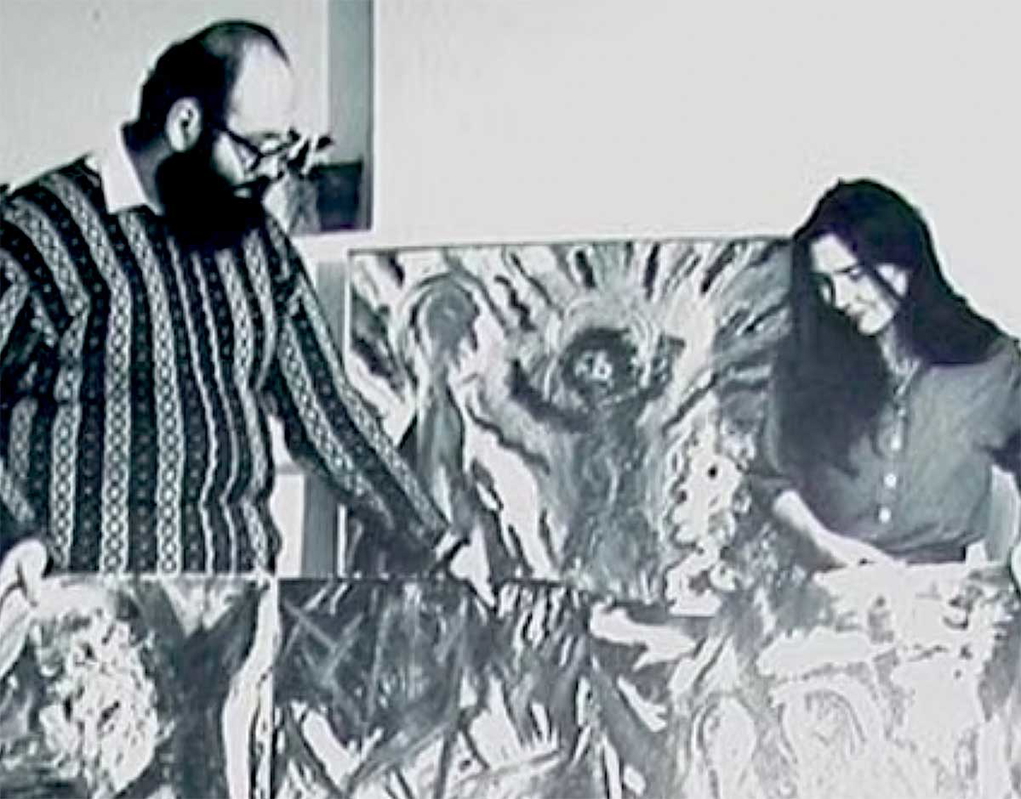
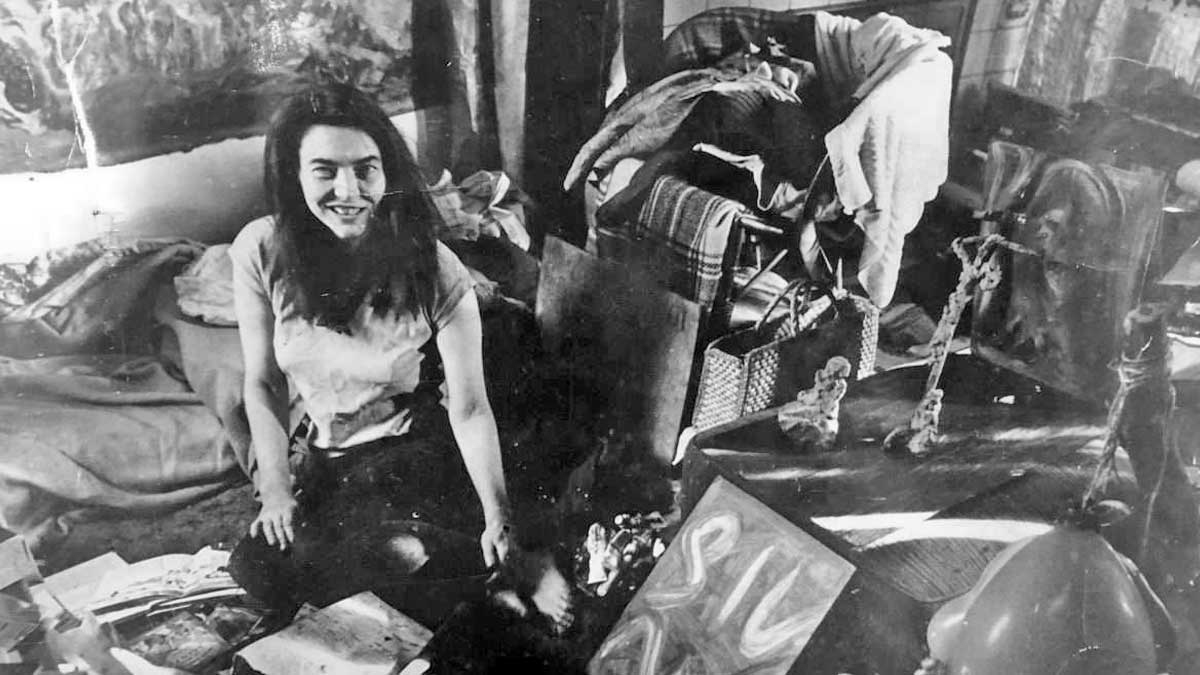
According to the Philadelphia Association, the Kingsley Hall experiment ended due to the expiry of their lease in 1970. However, by that time, numerous reports had been filed against the experiment that resulted in negative publicity, which could have contributed to that decision. Although the experiment ended, members of the Kingsley Hall community lived to tell their story, revealing how their experience has deeply influenced the course of their lives. Most notably, Mary Barnes, a nurse who was diagnosed with schizophrenia, recounted her transformative experience in her co-authored book, Mary Barnes: Two Accounts of a Journey Through Madness. In Kingsley Hall, Barnes was allowed to regress into an infantile state completely.
Rather than suppress her impulse, her psychiatrist, Joseph Berke, encouraged her to give in to the experience fully. After painting a wall with her feces, Barnes discovered a medium that would help her heal and completely change her life – art. The state took its own organic course, but eventually, Barnes left Kingsley Hall a transformed person and pursued a career in art. Most importantly, she became a testimony of the true potential of R. D. Laing’s approach to healing.
The Kingsley Hall experiment received as much negative criticism as it was praised. While many have rebuked the ethics behind the experiment, we must wonder whether a perceived failure of application is sufficient to invalidate the ideas that form its basis. The legacy of R. D. Laing does not lie in the perceived success or failure of the Kingsley Hall experiment, but in his lucid and humanitarian understanding of one of the most misunderstood experiences in the world.