
Despite the Bible’s popularity over the course of history, questions around its origins are still asked to this day. Where did the Bible come from? Why could it never be destroyed? Is it true that it is written by God himself? This article explores the meaning of and composition of the Bible as the “inspired Word of God” from a Christian perspective.
What Exactly Is the Bible?
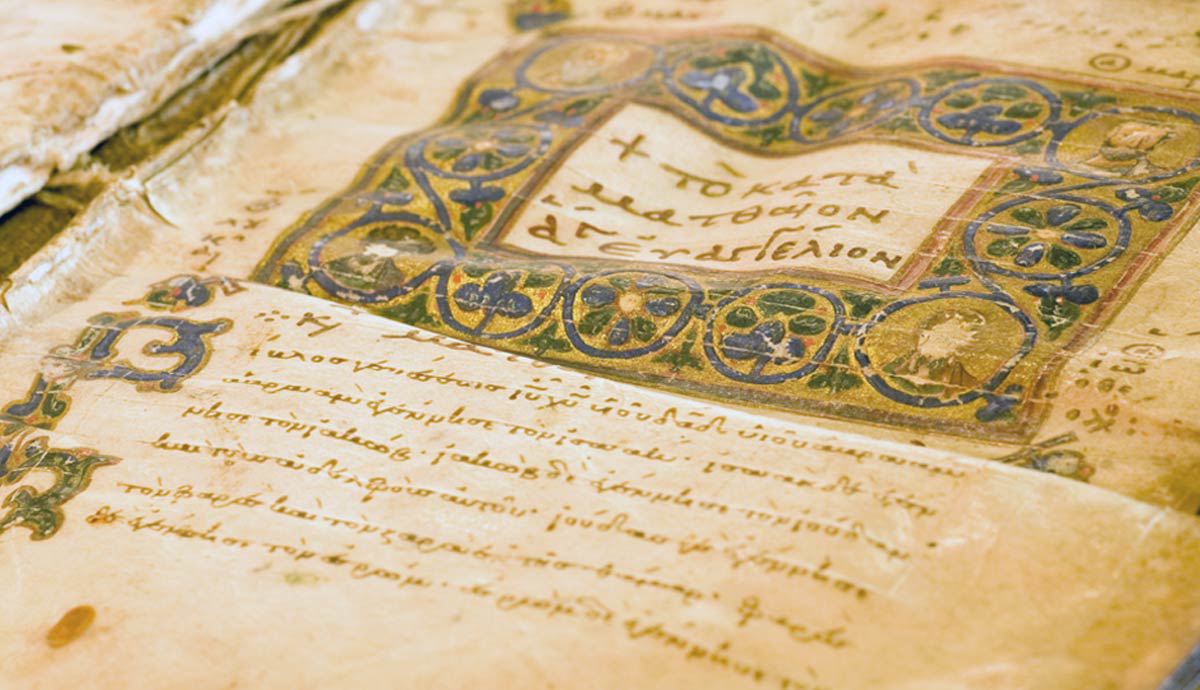
It is hard to capture the essence and significance of the Bible in a hardcover copy, for it has become so much more than a book over the years. The Bible is a collection of sixty-six books written over centuries by over forty different authors.
“The Bible is alive, it speaks to me; it has feet, it runs after me; it has hands, it lays hold on me.”
— Martin Luther
But Christians do not read the Bible because it is a collection of works, a library, or a book – most readers of the Bible pick it up in search of something else… something divine.
“Every day I go to these words and I ask them, “Have you seen Him whom my soul loves?” And the words take me by the hand and lead me beyond the words to Him who is the word.”
– E. Stanley Jones
Who Wrote the Bible?
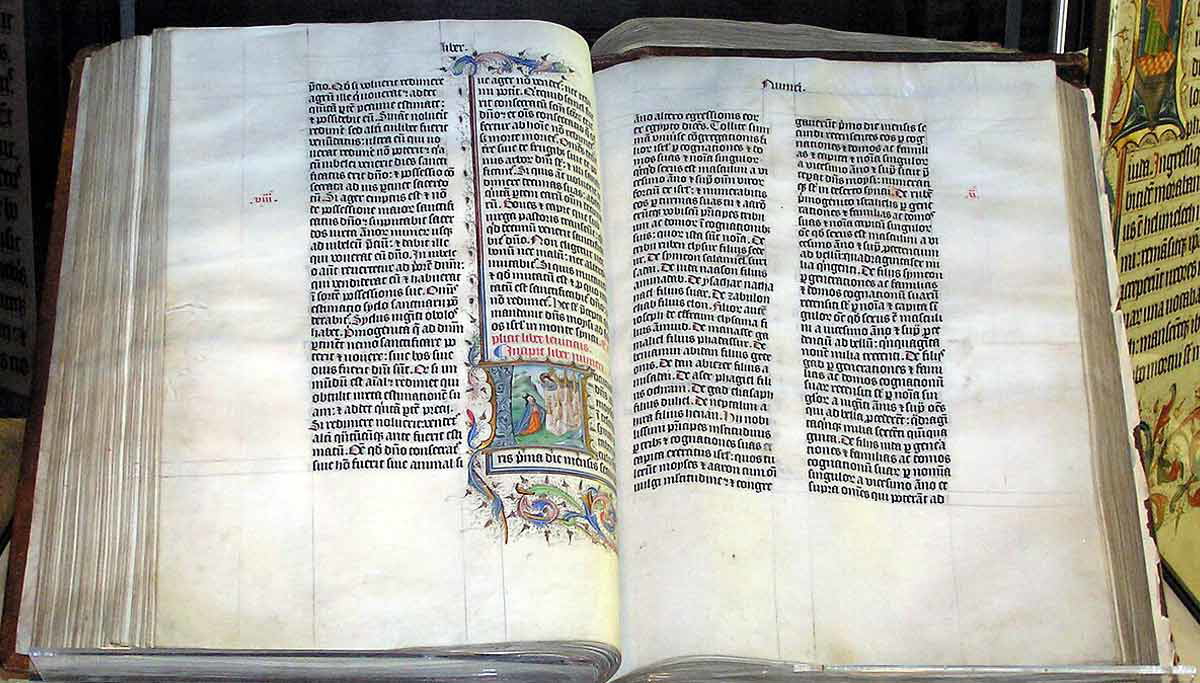
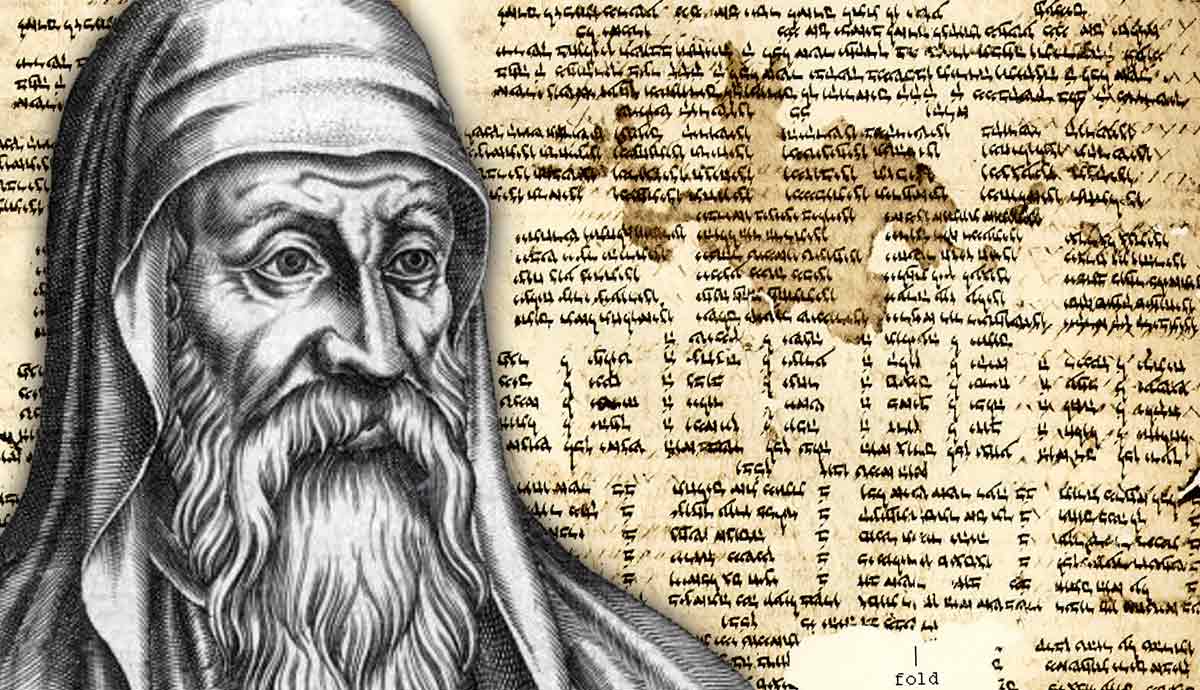
According to the Scripture itself, the Bible is “inspired” by God himself. 2 Timothy 3:16 – “All Scripture is God-breathed”. But God did not hold a pen and write his wisdom down. Even Jesus did not write these books when he walked the earth. The Bible was written by everyday, normal people like you and me. Most of the books would have been physically written down by scribes on scrolls that were kept safe for generations to come. These genres include eyewitness accounts, historical records, genealogies, stories, songs, poetry, and more.
Tip: Some clues about authorship in the Bible are given in the titles of some of the books (Isaiah, Matthew, John) while others will identify the author in the text itself (usually in the first few verses).
Ephesians 1:1 –
“Paul, an apostle of Christ Jesus by the will of God, To God’s holy people in Ephesus, the faithful in Christ Jesus.”
Attempts to Destroy the Bible and Corrupt It
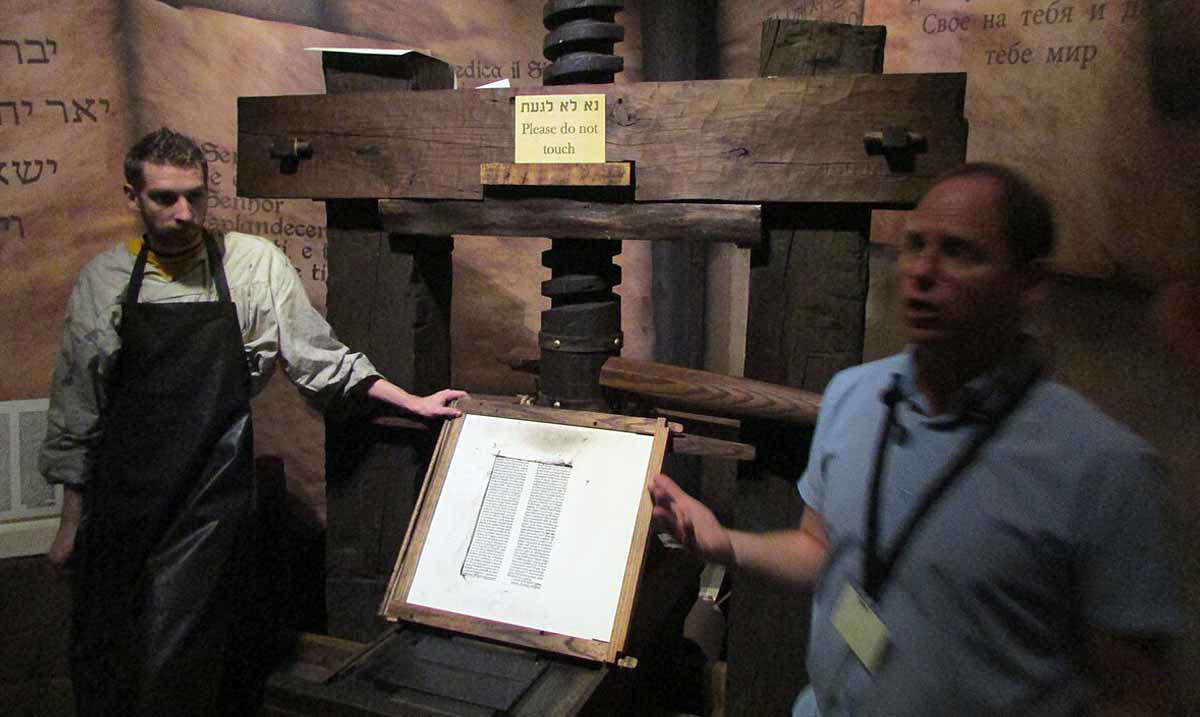
Throughout history, Bible translations have been prohibited, the books were confiscated, and even burned. The fact that the Bible itself teaches persecution as a sign of a true believer means that each attempt only backfires. The teachings of the Bible has also been corrupted and misquoted (or misapplied) countless times – including Nazi Germany and colonialism in the name of spreading faith.
Despite all of this, the Bible is still seen as one of the most popular books today. While some countries or even whole continents experience secularism and poor church attendance; revivals and new commitment rise in other places. It seems like an unquenchable flame.
Christian missionaries are still active today, leading new people into the faith, and yes – into the pages of the Bible too. Although, it must be said that modern readers often prefer the Bible in audio version or on an app to the physical paper book.
History of the Bible’s Formation
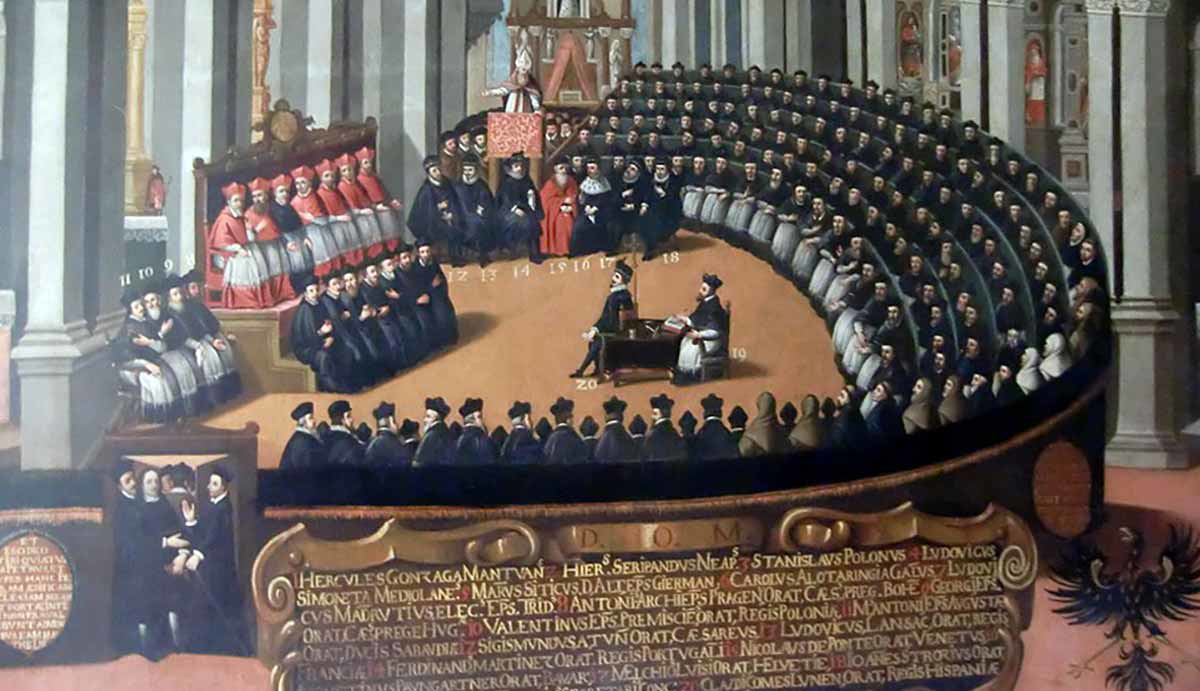
It is widely believed that the first believers used oral tradition to pass on what we know as the Pentateuch (first 5 books). Around the 8th century BCE, scribes started writing these down on papyrus, leather scrolls, or parchment. First, there was the Hebrew Bible (Tanak). Councils and translations came and went, as these ancient texts developed and were grouped in different ways.
The Bible as we know it is a “canon” – meaning, a curated collection of works. Simply put, there are other books in existence that were not included in our canon. The New Testament was compiled in a much shorter time-period, with the latest book (Revelation) being dated around the year 95 CE. In the time since then, many more councils and translations occurred, as well as the printing press and Martin Luther. For a more detailed overview, you can read this article on how the Bible was made.