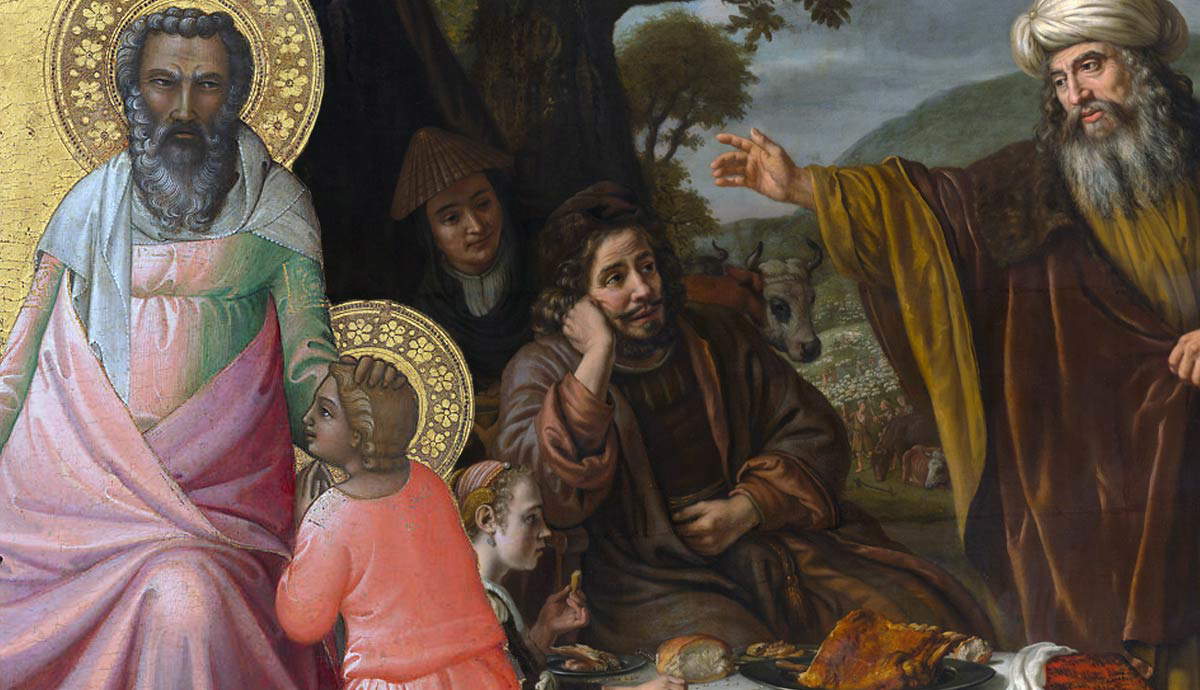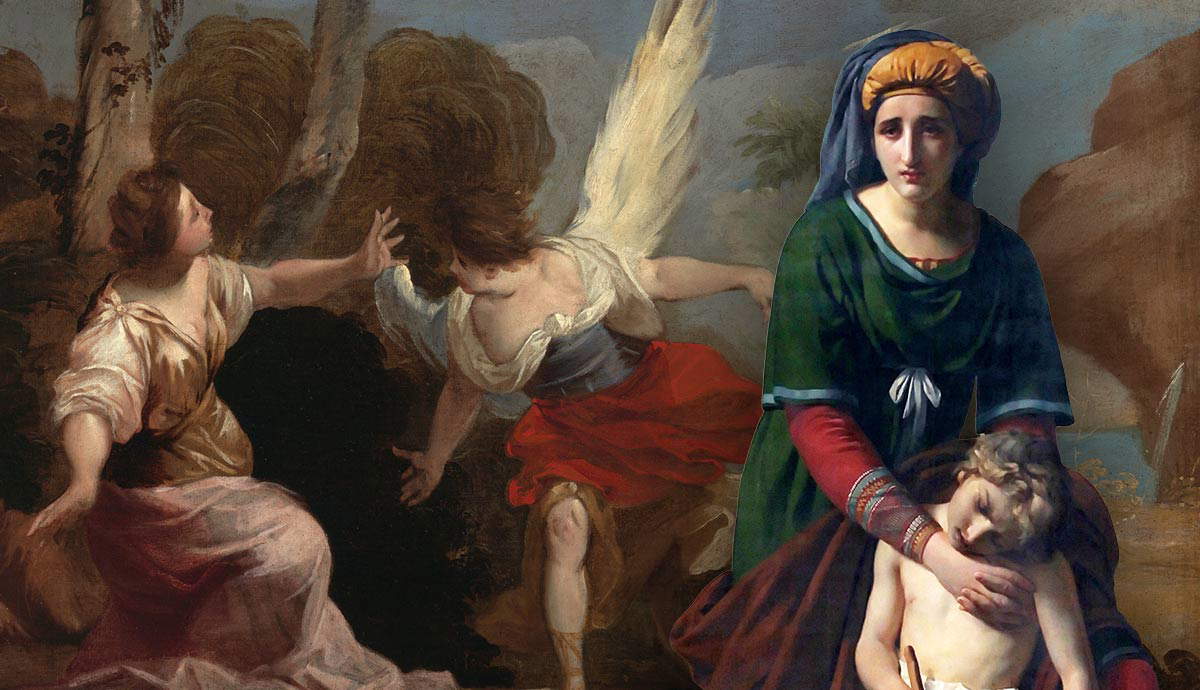
According to the Bible, Abraham was married to at least three women during his life. Sarah and Hagar, his first two wives, each had one son with Abraham and played prominent roles in the Abraham story. Abraham expelled Hagar, the younger of the two women, from his household. After Sarah died, he is said to have married another woman named Keturah with whom he had six more sons. One of them was named Midian, and is seen as the father of the Midianite nation.
Is Keturah the Same Person as Hagar?
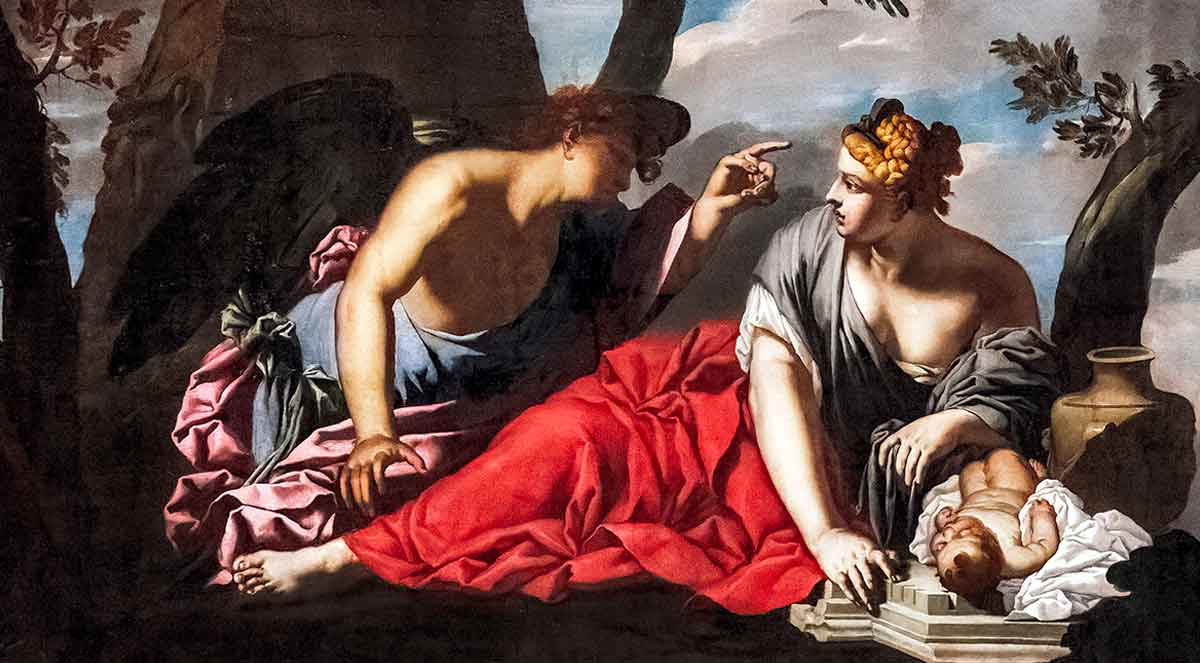
Altogether, it appears that Abraham had at least eight sons by the time he died. We are not told that he had daughters. But it is possible that his daughters were ignored by the authors since the Bible usually excludes women from genealogical records.
While later Rabbinic and Christian interpreters often conflated Hagar’s identity with Keturah’s, nothing in the biblical tradition suggests this. Rather, it appears that Abraham married Keturah some time after after he had exiled Hagar, and after Sarah died. Keturah’s origin is not specified in the text, and this absence of detail seems to have invited creative additions to the story from later interpreters. Regardless, all traditions agree that Abraham is both the father of Isaac, whose son would be named Israel, and of Midian, Isaac’s half-brother. Despite their kinship, the descendants of these two sons of Abraham would become bitter enemies.
Moses Lived with the Midianites for Forty Years
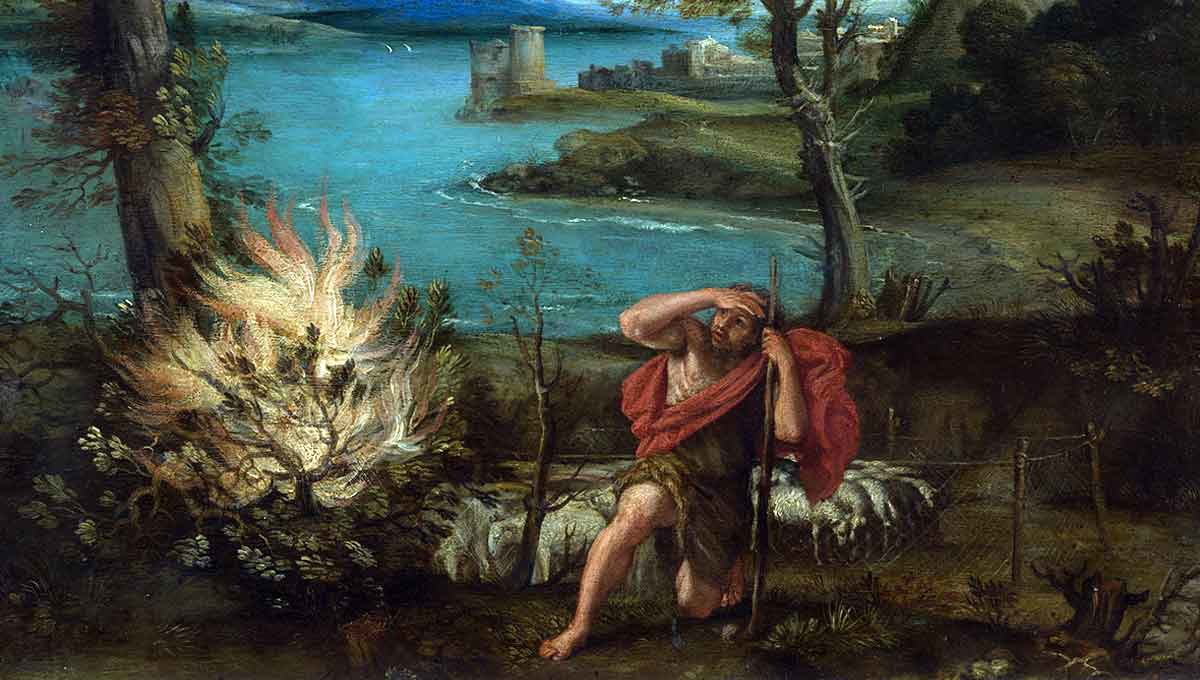
Yet, the Bible also says that Moses married into a Midianite family, spent forty years among them, and may have even been saved from divine judgment by his Midianite wife Zipporah.
Once Midian is introduced briefly in Genesis as one of Abraham and Keturah’s sons, little more is said about him or his offspring before the Exodus story begins. In the book of Exodus, Moses is forced to flee Egypt after murdering an Egyptian slavedriver. There he encounters a man called both Reuel and Jethro in the text, who is described as a “priest of Midian.” Remarkably, there is no sign of religious dissension between Jethro and Moses, or the Hebrews once they come back through Midian initially on their way out of Egypt. In fact, Jethro is portrayed in the text as a wise counselor to Moses throughout.
Did Moses’s Midianite Wife Save His Life?
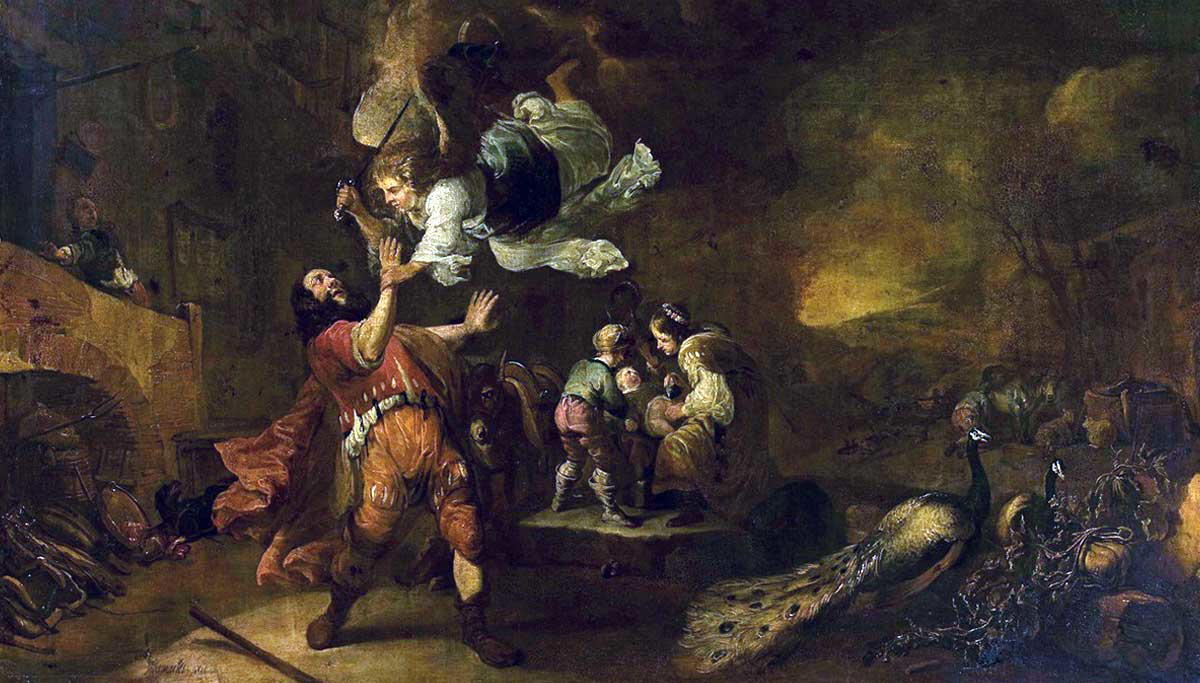
But arguably the most important Midianite character in the Exodus story is Zipporah, Moses’s wife and the daughter of Jethro. In a cryptic story that takes place in the text immediately after Moses’s famous encounter with God at the burning bush, the text says that God appeared one night at the door of Moses’s tent with the intent to kill either him or Moses and Zipporah’s son (the Hebrew is ambiguous, only using “he” to indicate the intended victim). But when Zipporah performs a ritual circumcision on their son, God relents and no one is killed.
This strange story is puzzling to interpreters, and is so short that it is often simply passed over by readers. Yet its shortness belies its significance to the storyline. It could be that the text is saying that Moses’s life was saved by a Midianite woman. Given Moses’s essential role in the rest of the Exodus story and in Jewish and Christian traditions thereafter, the story’s significance could scarcely be overstated.
Midianites and Israelites Fought throughout Their Histories
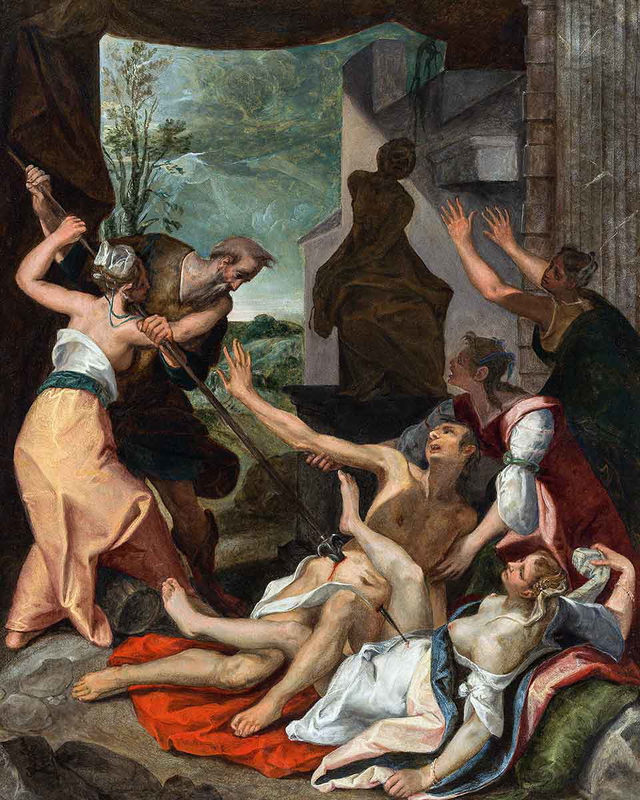
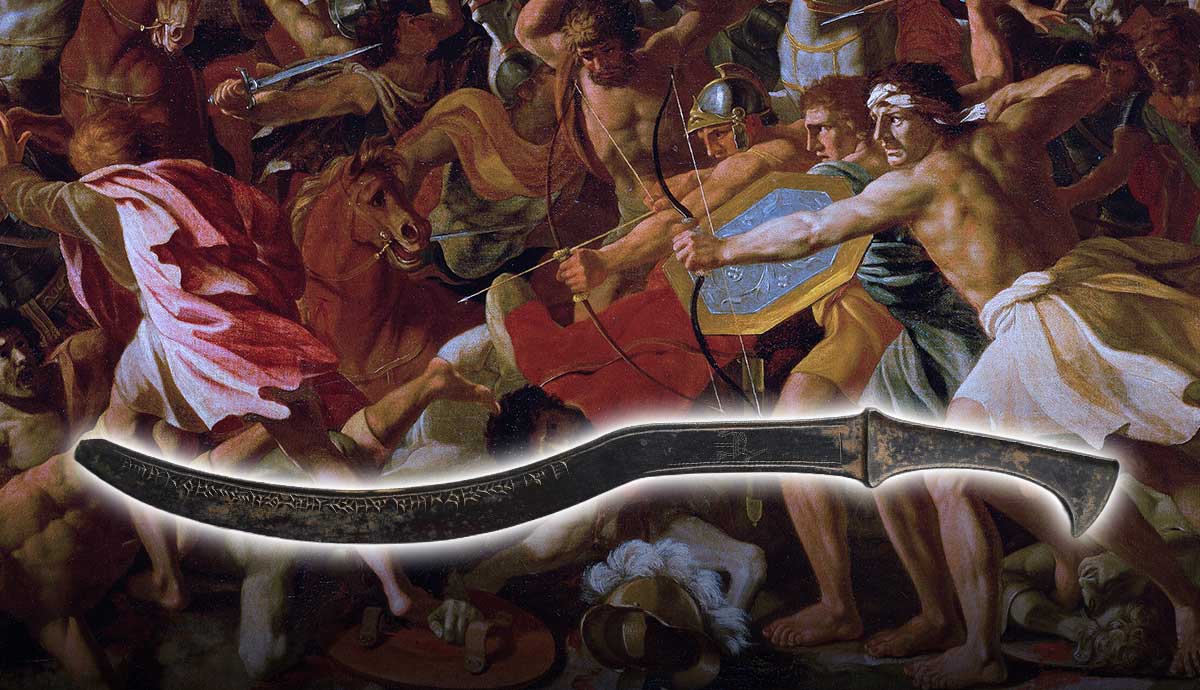
In one of the most perplexing twists in the story of Moses and the Israelites’ years of wandering in the regions to the south and east of Canaan, the text portrays Midian as one of Israel’s most intractable enemies. In fact, in a relatively long narrative in the book of Numbers, Moses is said to command the complete eradication of the Midianite nation, even to the point of executing prisoners of war and forcibly marrying previously unmarried Midianite women to Israelite men. The passage is one of the starkest contrasts to modern ideals of combat law in the Bible.
Yet, Bible readers are left wondering how, or whether or not, Moses’s Midianite family is supposed to have been related to this bloody episode. Were they also massacred along with the other Midianites? The text does not say. Instead, the Bible simply includes both stories, and the reader is left unsatisfied.
Did the Israelites Really Kill All of the Midianites?
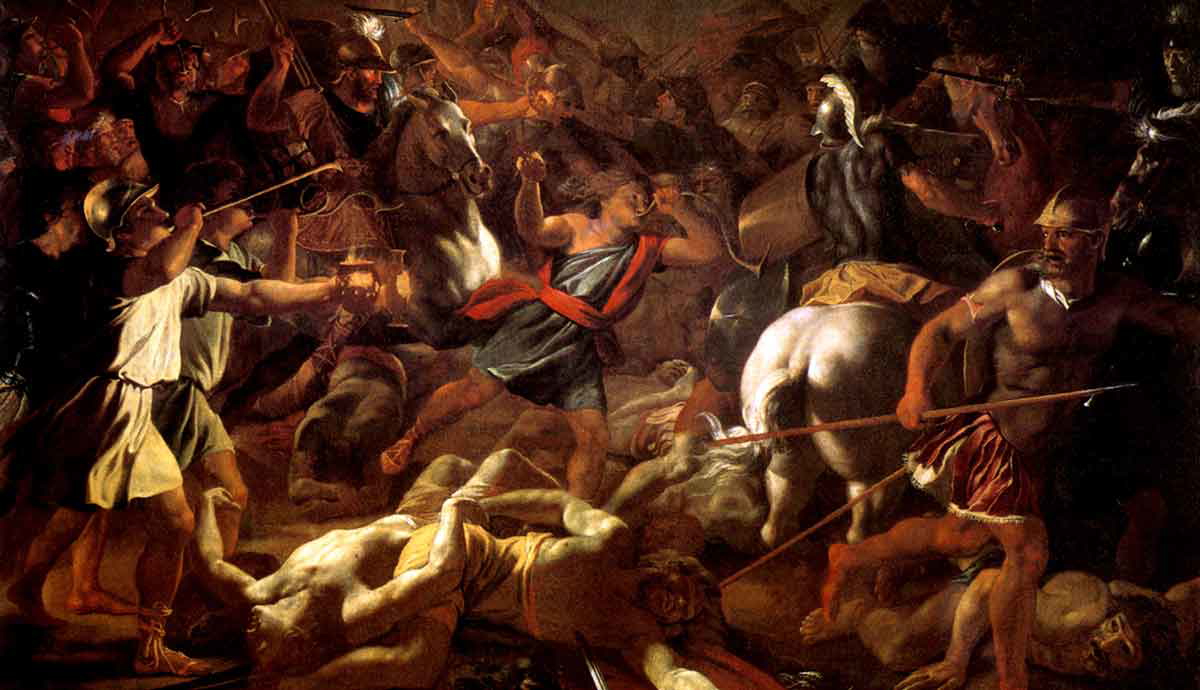
Careful Bible readers notice that, despite the story in Numbers that suggests that the Midianite nation was eradicated, Midianite civilization continues to appear in subsequent narratives and to engage in further wars with Israel. The book of Judges contains stories in which it is claimed that Midian was relatively more powerful than Israel at times, to the point of being able to exact heavy taxes upon them. Gideon, who receives a great deal of attention in Judges, is said to have led the Israelites to victory over the Midianites.
What Have Archaeologists Discovered about the Midianites?
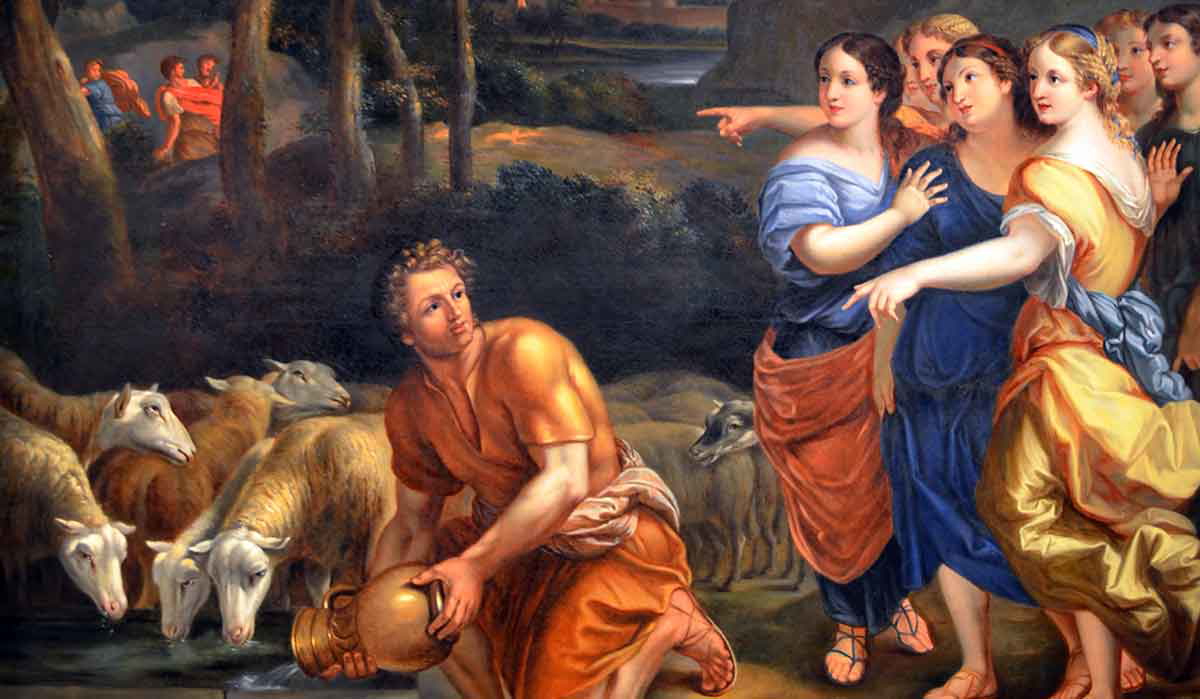
Archaeologists have uncovered artifacts that demonstrate important, thriving centers of civilization in the region known as Midian dating to biblical as well as earlier and later periods. Bible readers can get the impression that this region was a “wilderness,” or a largely uninhabited space. But excavations at sites like Qurrayah, Tayma, and Danan suggest settled communities with trade connections to the great ancient civilizations of Egypt, Mesopotamia, and the Levant.
It is difficult to draw direct, specific parallels between the material culture found in these sites and the picture given of “the Midianites” in the Bible. Some suggest that the various references to Midianites in the Bible are actually not the same group of people. Perhaps biblical Israel interacted with several distinct groups who come from roughly the same region known as Midian.