
Nearly every society today follows a seven-day week. Moreover, stock markets, work schedules, and religious observances all follow this cycle. Interestingly, a year is determined by the Earth’s orbit around the Sun, and a month is tied to the Moon’s cycle. But the seven-day week is different. It’s not perfectly aligned to any single natural celestial event. So, why does most of the modern world follow a seven-day week?
The Babylonians Invented the 7-Day Week to Align with the Moon’s Phases
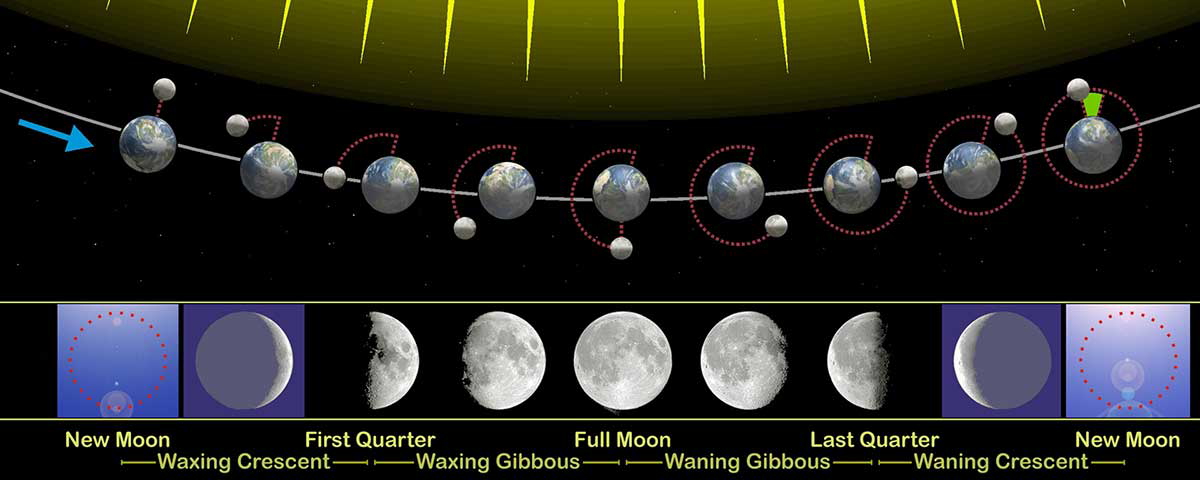
Seven-day weeks are an integral part of the modern Gregorian calendar. The concept is a human-made approximation of the Moon’s natural cycle.
The Babylonians divided the 29.5-day lunar month into four seven-day periods, creating a convenient measure of time that roughly follows the moon’s phases. According to archaeological evidence, this system was invented in ancient Mesopotamia over 4,000 years ago.
The Babylonian Celestial Bodies and Their Influence on Weekday Names
| Celestial Body | Associated Roman God | English Weekday | Origin of Name |
| The Sun | Sol | Sunday | From Old English “Sunnandæg” (Sun’s day) |
| The Moon | Luna | Monday | From Old English “Mōnandæg” (Moon’s day) |
| Mars | Mars | Tuesday | Named for Tiw, the Norse god of war |
| Mercury | Mercury | Wednesday | Named for Woden (Odin), the Norse god |
| Jupiter | Jupiter | Thursday | Named for Thor, the Norse god of thunder |
| Venus | Venus | Friday | Named for Frigg, the Norse goddess |
| Saturn | Saturn | Saturday | From the Roman god Saturn |
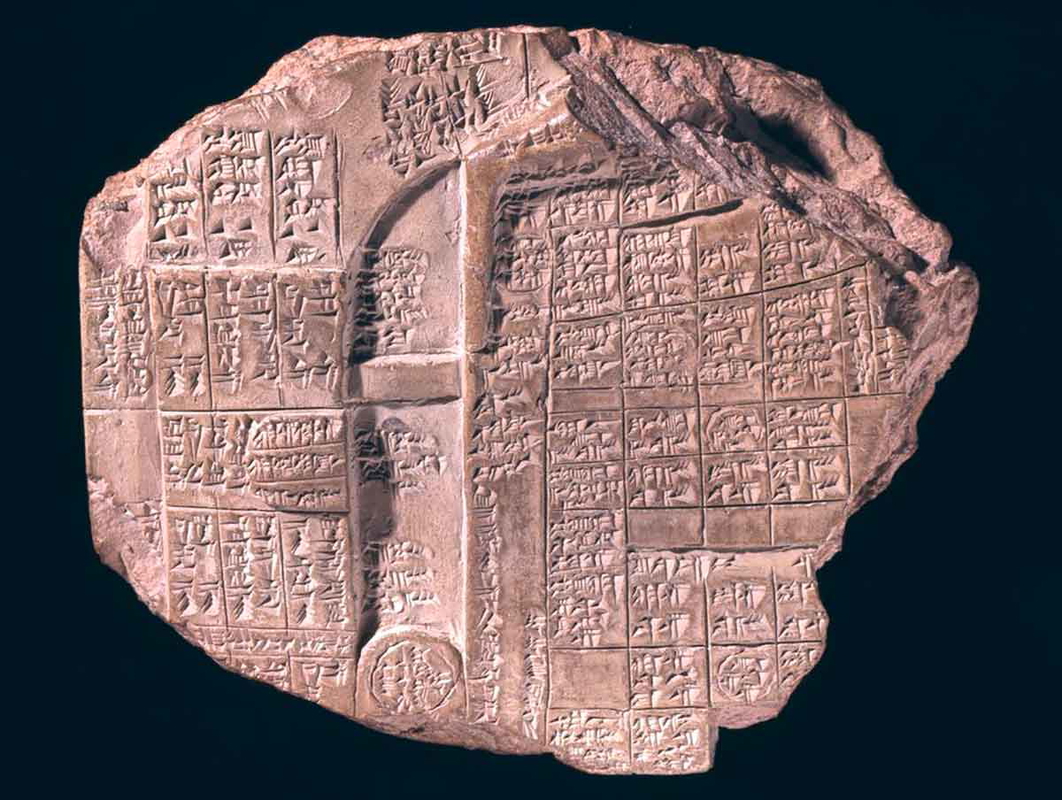
The seven-day week can be traced back to the Babylonians of Mesopotamia who were skilled at watching and explaining the movements of the stars. At the time, they were able to track seven celestial bodies that moved across the skies. They included the Sun, Moon, Mars, Mercury, Jupiter, Venus, and Saturn. For them, each body possessed divine influence and represented a specific deity.
Because the number 7 was holy to them, they split their lunar months into seven-day weeks. The last day of the week carried special religious importance to them. However, the 29.5-day month, which was essentially one full cycle of the Moon, remained. The week was a convenient timeframe for them, as a month was slightly too long to track easily. Every day of the week was linked to a particular heavenly body.
Judaism and Christianity Strengthened the 7-Day Week by Introducing the Sabbath
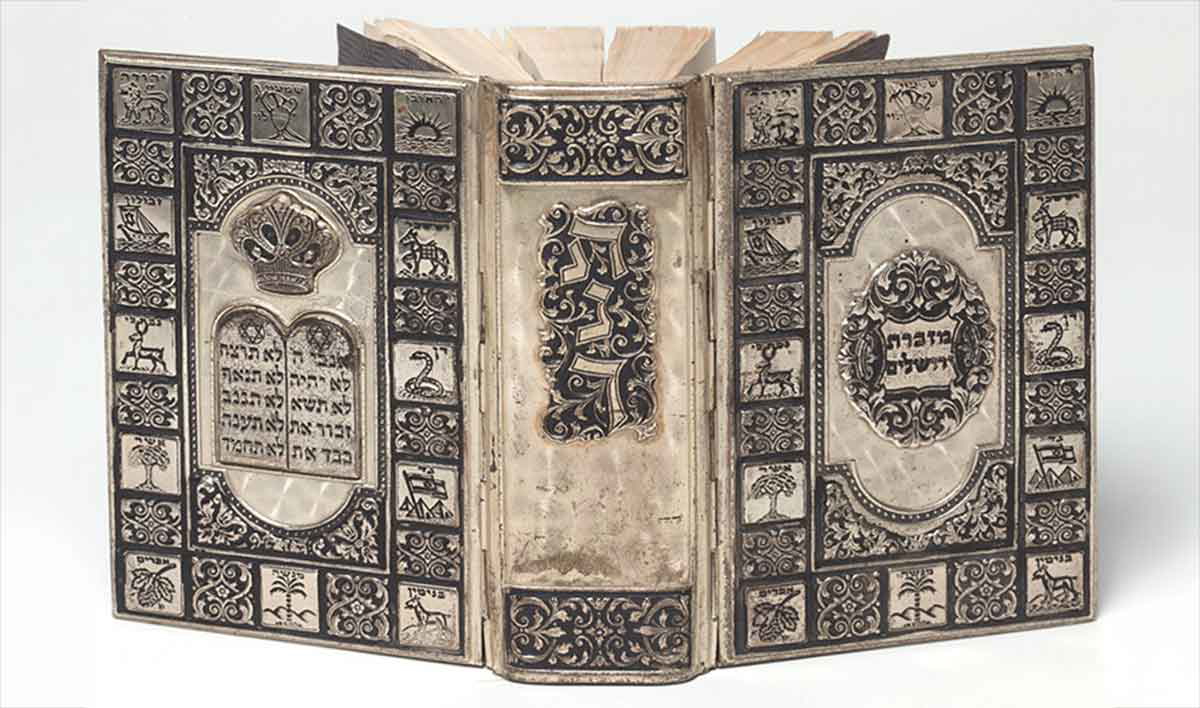
The seven-day week was given further credence after it was taken up by the Jewish people who had cultural interactions and influences from the Babylonians. Jewish and Christian customs strengthened the seven-day pattern through the Sabbath day which was dedicated to rest and prayer. According to the Hebrew Bible, God created the world in six days and took a rest on the seventh. Under Mosaic law, there is a Sabbath year as well as a Sabbath day. Observing the Sabbath required that the fields be left unplanted as it was regarded as holy. Hebrew slaves were also granted their freedom after six years of service.
The Roman Empire Made the 7-Day Week a Global Standard in 321 AD
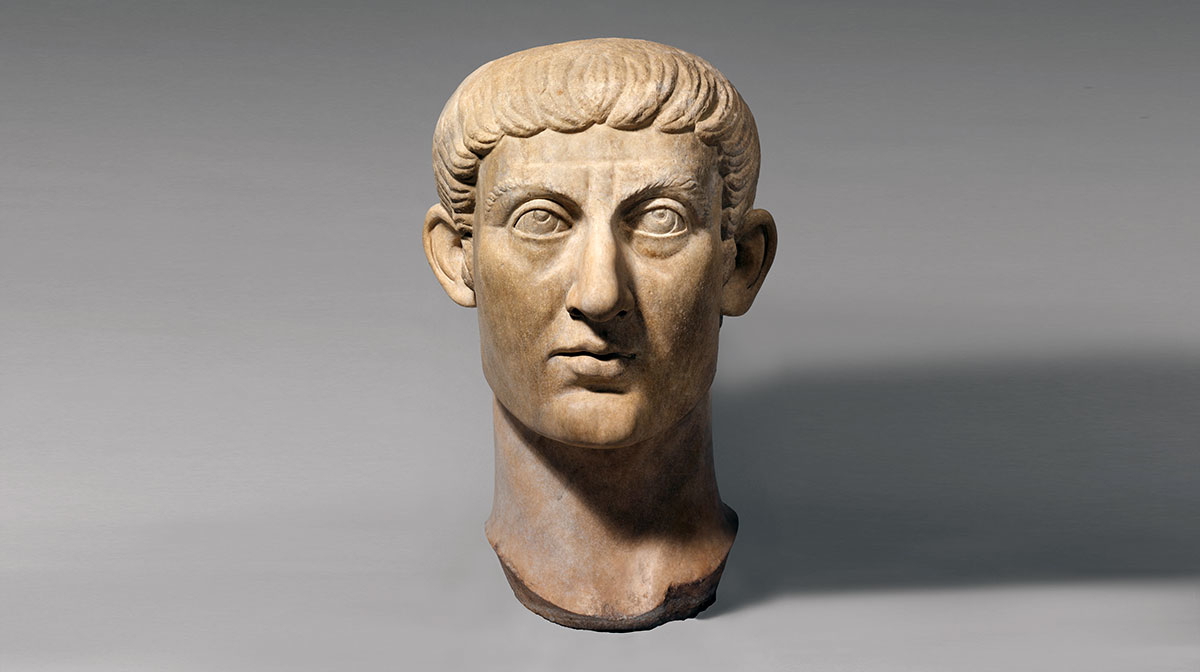
The modern week became a global standard after the Roman Empire began using the system. For hundreds of years, the Romans primarily relied on the eight-day nundinal cycle for public and market life. The eighth day of the cycle was called nundinae or market day. For many years, the eight-day and seven-day weeks coexisted within different societies, with the seven-day planetary week gaining prominence from the 1st century AD onward. Things changed drastically after Emperor Constantine officially made the seven-day week the official cycle of the empire in 321 AD.
Constantine, who converted to Christianity, formally fixed the seven-day week into the Roman calendar and named Sunday as the day for rest and worship. It was after the implementation in Rome that the system gained prominence in other parts of the world. One of the earliest documented uses of the weekday system in the Roman Empire is a piece of graffiti from the city of Pompeii that refers to February 6, 60 AD as dies Solis (the day of the Sun or Sunday).
Modern Attempts to Replace the 7-Day Week Have Consistently Failed
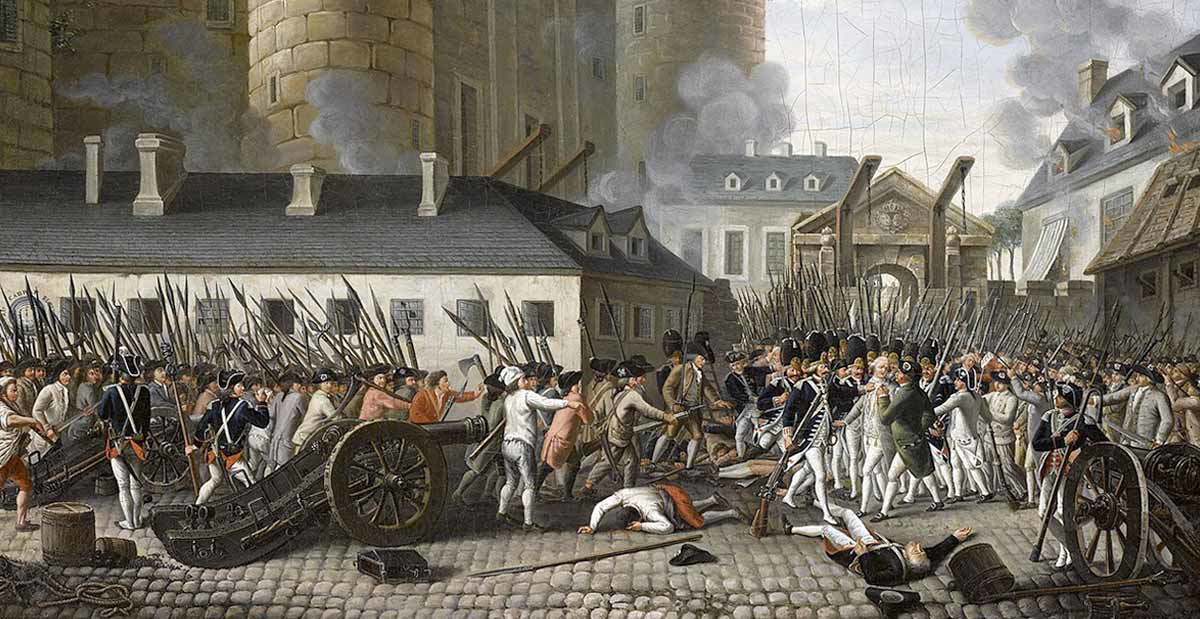
There have been numerous attempts to get rid of the seven-day week. For example, in 1793 during the French Revolution, the leaders tried to invent a new calendar by dividing each month into three ten-day periods called décades. The idea, however, never caught on with people and Napoleon dropped it completely in 1805.
In 1929, the Soviet Union tried something different – a five-day week with staggered rest days. They assigned rest days and used different colors for different groups of workers. The changes, however, caused so much confusion that they were forced to switch to a six-day week instead in 1931. By 1940, the Soviets had gone back to the regular seven-day week.