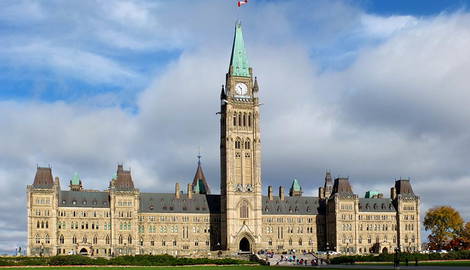
Ottawa is the capital of Canada, but this was not always the case. Throughout the 19th century the capital of what was then the Province of Canada shifted between several cities, including Toronto and Montreal. Canadian politicians were unable to agree on a location for a permanent capital. Eventually, it was agreed that the decision should be made by Queen Victoria. Queen Victoria, following the advice of her ministers, selected Ottawa because it was a compromise between French and English Canadians and was comparatively safe from an American invasion.
The Shifting Capital of Canada in the 19th Century
In 1841, in response to political unrest, the modern-day provinces of Ontario and Quebec were merged by the British government into a self-governing British colony called the Province of Canada. The creation of the Province of Canada was controversial because it mixed French and English Canadians under a single government. A debate immediately erupted over the location of the capital of the new colony. French Canadians wanted the capital located in the territory that would become Quebec and English Canadians wanted it in what would become Ontario.
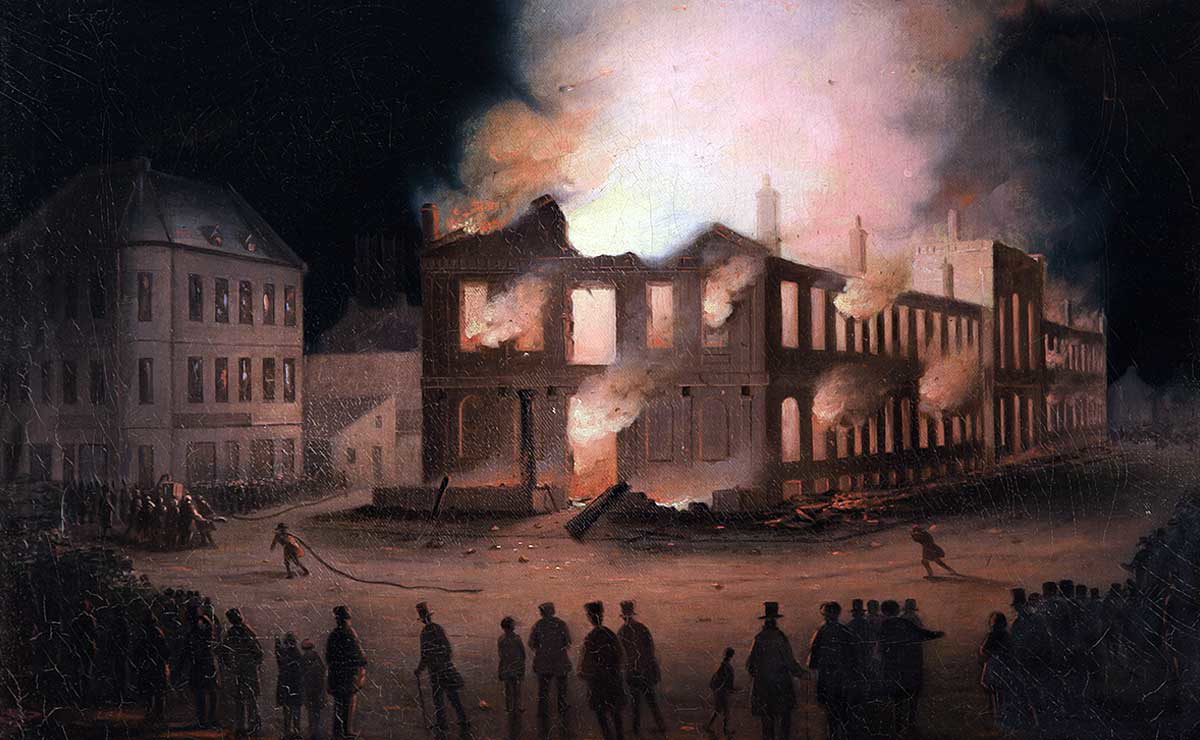
From 1841 to 1844 the capital was Kingston, Ontario. Then from 1844 to 1849 the capital moved to Montreal, Quebec. Riots in Montreal in 1849 that resulted in the burning of the Parliament Buildings forced the capital to move to Toronto.
Eventually, a compromise was reached whereby the capital of the Province of Canada would move every four years between Toronto and Quebec City.
The Contenders for the Permanent Capital of Canada
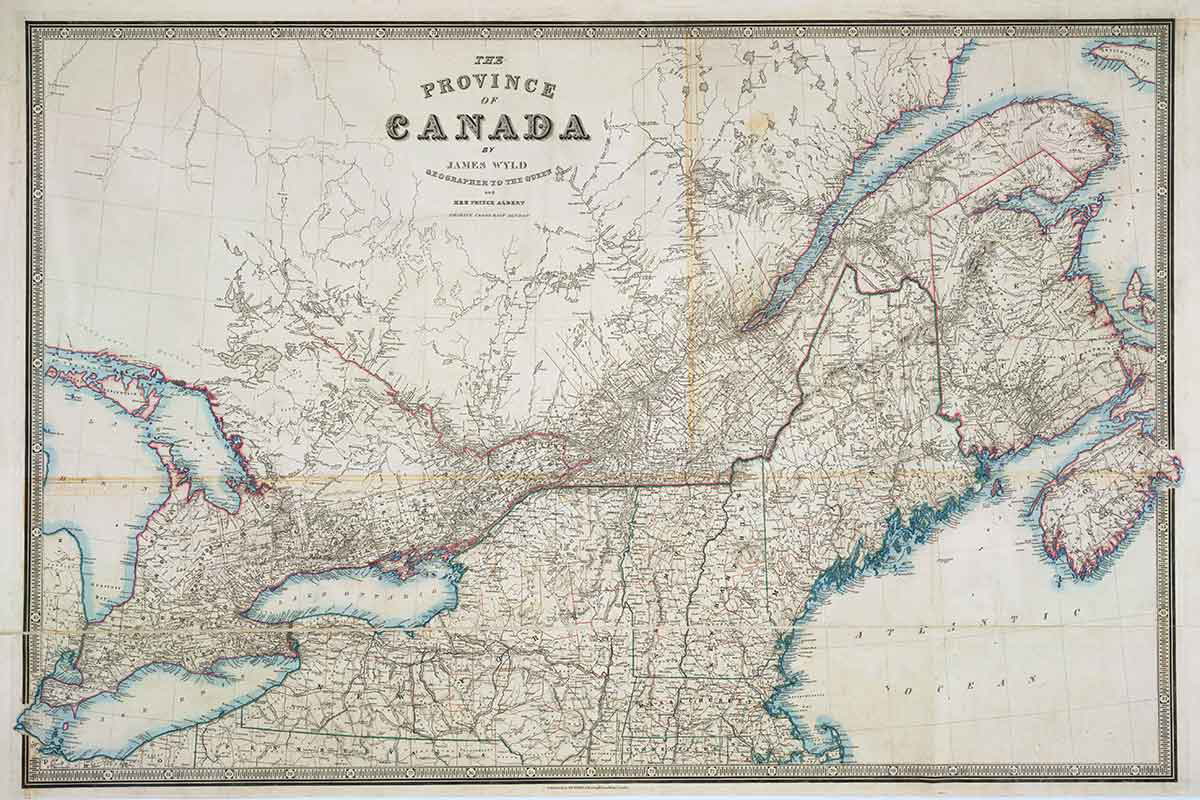
Everyone recognized that the compromise between Toronto and Quebec City was unsustainable. Relocating the capital, and the entire government of the Province of Canada, every four years was expensive and time consuming. A decision needed to be made on a permanent capital for the Province of Canada.
The principal contenders in the 1850s were Kingston, Toronto, Montreal, and Quebec City. All four of these cities had already been capitals of the Province of Canada and were relatively well-developed by the standards of 19th century Canada.
Cities in Atlantic Canada such as Halifax were not considered because the modern-day Atlantic provinces were separate colonies in the 1850s. There were also no substantial cities in Western Canada, which was still largely populated by Canada’s Indigenous peoples in the 1850s.
However, French and English politicians remained deadlocked and thus the capital continued to move between Toronto and Quebec City throughout the 1850s.
Ottawa’s Advantages: Compromise and Safety
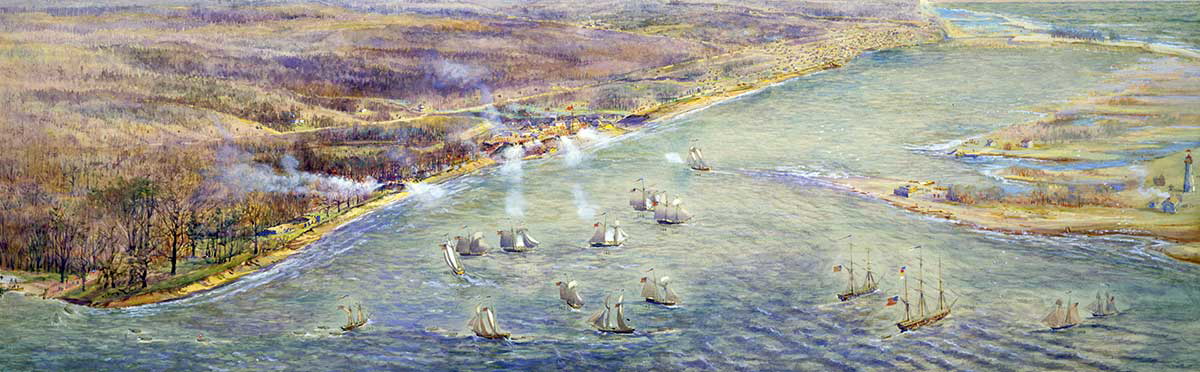
Throughout the debate on a permanent capital for the Province of Canada, very few people considered Ottawa. Ottawa in the 1850s was a rough logging town with a population of around 5,000 people. However, Ottawa had advantages over the other contenders.
Firstly, since it was relatively far from the American border, it was much more defensible against an American invasion. Quebec City, Montreal, and Toronto had all been attacked by the Americans during the American Revolution and the War of 1812. Toronto, then called York, had actually been burnt to the ground by the Americans in 1813. Kingston was similarly vulnerable to an invasion across Lake Ontario.
Most importantly, while in Ontario, Ottawa was located on the Ottawa River, the border between Ontario and Quebec. Ottawa therefore represented a compromise between the competing claims of French and English Canada for the capital of the Province of Canada.
The Queen Makes a Bold Decision
The Premier of the Province of Canada, John A. Macdonald, recognized that selecting Ottawa as the capital was a path out of the deadlock. Nonetheless, selecting a small logging town would be controversial.
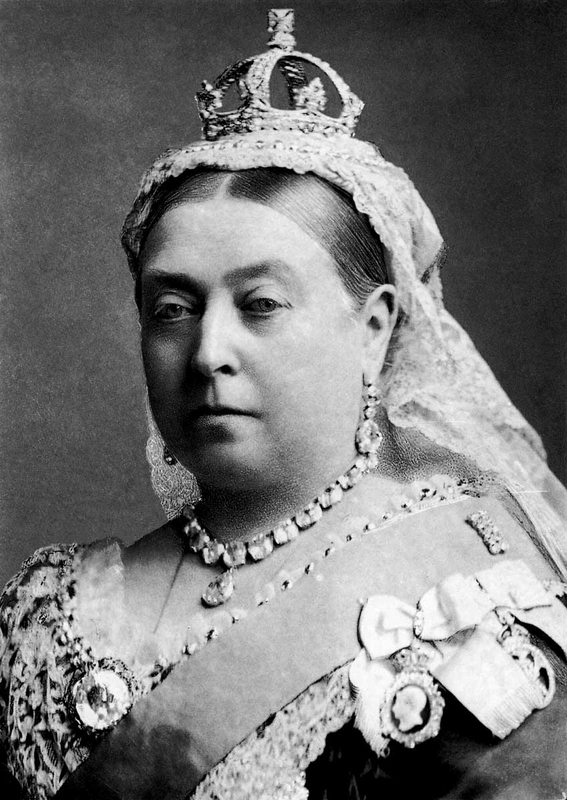
To make the decision acceptable, Macdonald and Sir Edmund Head, the Governor General, hit upon the ingenious tactic of announcing that the deadlock over the location of the capital should be resolved by Queen Victoria. The Queen had little knowledge of the debate over the capital and accepted the recommendation of Macdonald and Head to pick Ottawa.
In 1857 Queen Victoria formally announced that she had selected Ottawa as the capital of the Province of Canada and work began on the Parliament Buildings. The immense cost of constructing the Parliament Buildings, and a desire to avoid reopening the contentious debate, meant that Ottawa remained the capital once Canada became an independent country in 1867.