
When one picks up a book – any book at all – they expect the protagonist to be present at least most of the time. But for some strange reason, this is not the case when it comes to the Bible… The Book of Esther does not mention God at all. This article explores why God is absent from one of the sixty-six books in the Bible.
The Bible, a Work of Literature
The Bible is not a book; it is a library. It is made up of a collection of sixty-six different pieces of literature, covering various genres. Some are poetry, some are history, some others are wisdom literature, and there are still many other styles of writing that form part of the Bible.
When studying the Bible as a work of literature, one can find many fascinating things. One of the most bizarre is found in the Book of Esther.
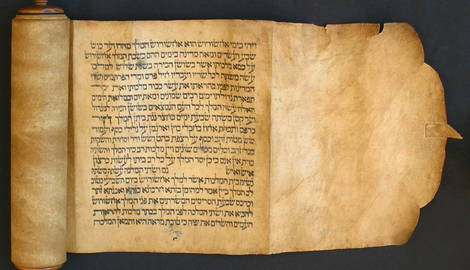
The Book of Esther’s genre has been categorised as historical fiction, parody, satirical drama, or novella – depending on who you ask. Like much of the Old Testament, the Book’s ancient origins add to its mystery and awe.
The Plot of the Book of Esther
In order to understand why the Book of Esther never explicitly mentions God, let’s look at the story’s plot:
“The book of Esther shows us that God is present even when he seems distant. In the course of the story, Esther—a Jew living during the time of the exile—becomes the queen of Persia. However, an official named Haman plots to kill the Jews throughout the empire. Esther and Mordecai, her cousin, expose the attempted genocide. Mordecai’s cunning, Esther’s bravery, and God’s unseen hand unite to save the Jewish exiles from destruction.” —Faithlife Study Bible, Lexham Press
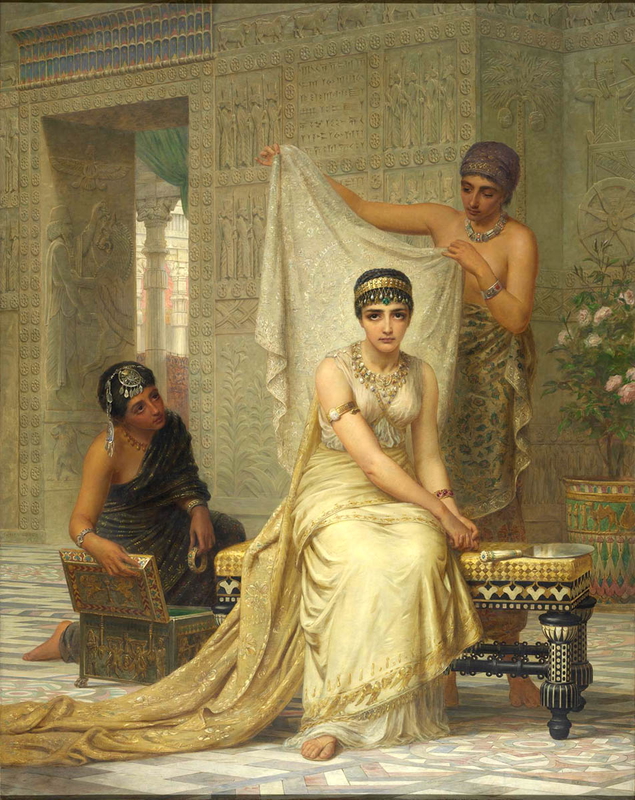
In short, the Book of Esther is a story about a queen who saves her nation in a courageous and selfless way.
Absence as a Literary Device
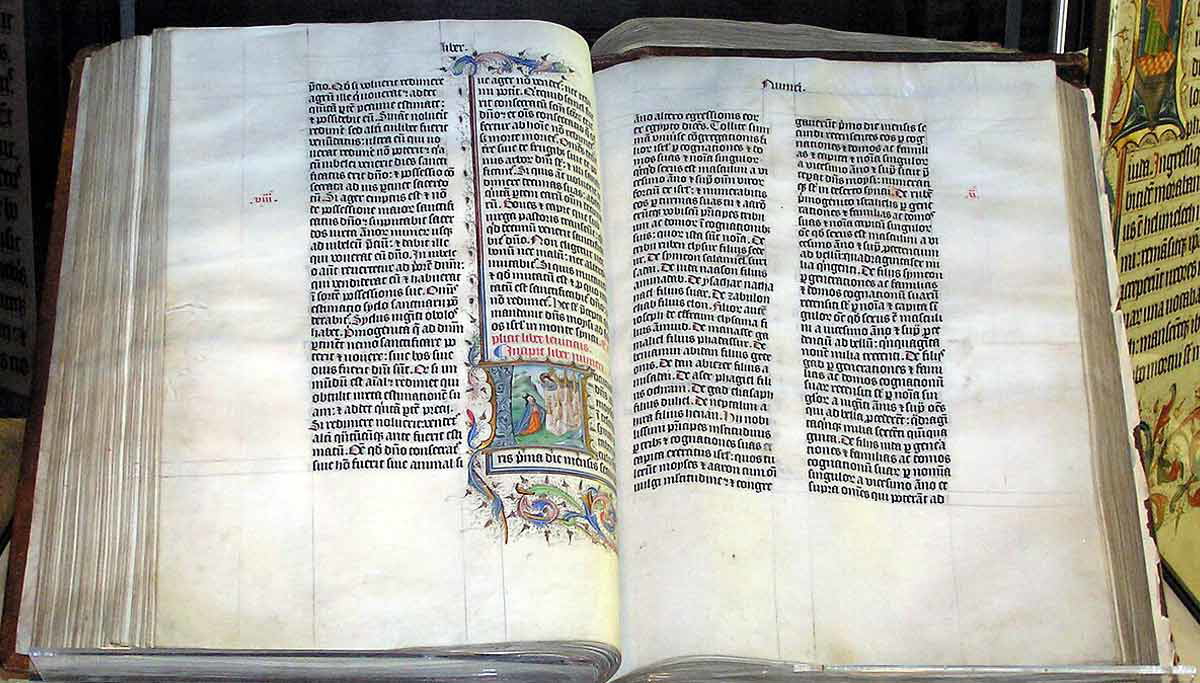
It is not hard to imagine why the absence of information is a useful literary device for creating mystery, a sense of awe, building suspense, etcetera. When reading the Book of Esther alongside the rest of the Bible, the difference is very clear. From Genesis, the Creator God is somehow present in every single book of the Bible – one might even say on every page.
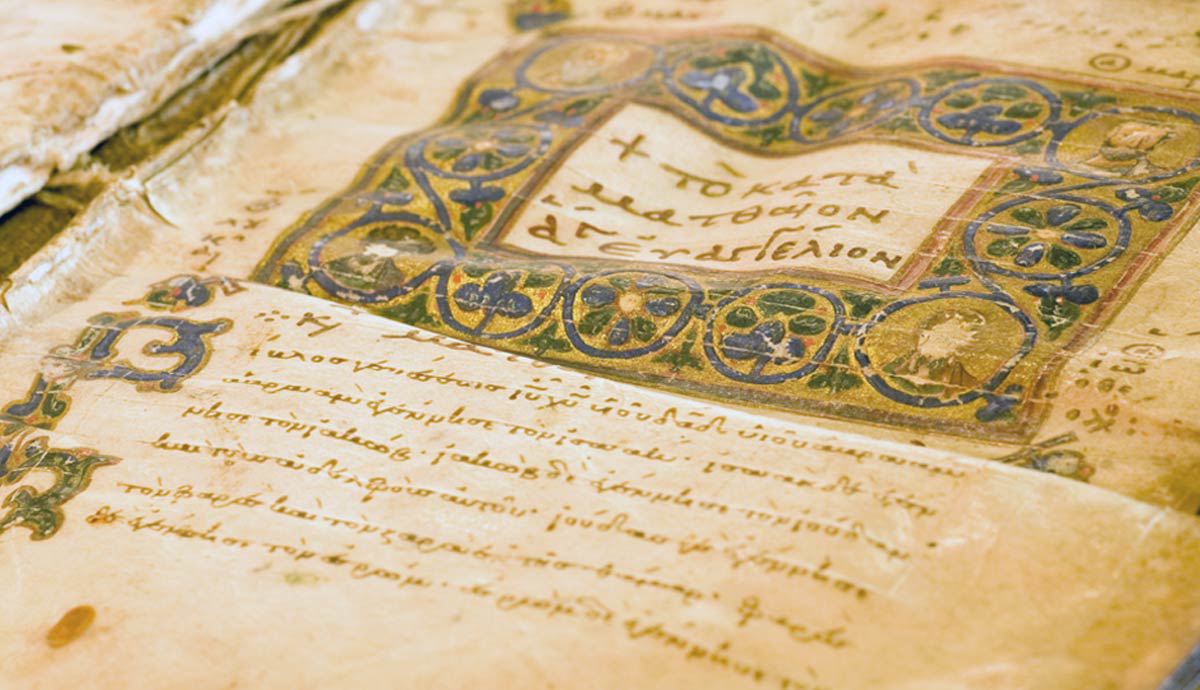
Therefore, when it comes to the Book of Esther, God’s sudden apparent absence is not only shocking for the reader, but it also moves them. Where is he now? Why is he quiet at a time when his people need him the most? Who can step in to save the people if he appears to be busy elsewhere?
Questions that successfully provoke the reader to think: ‘This feels familiar’. From a philosophical and theological point of view, these are questions that mankind wrestles with regularly.
Why God Is Absent from the Book of Esther
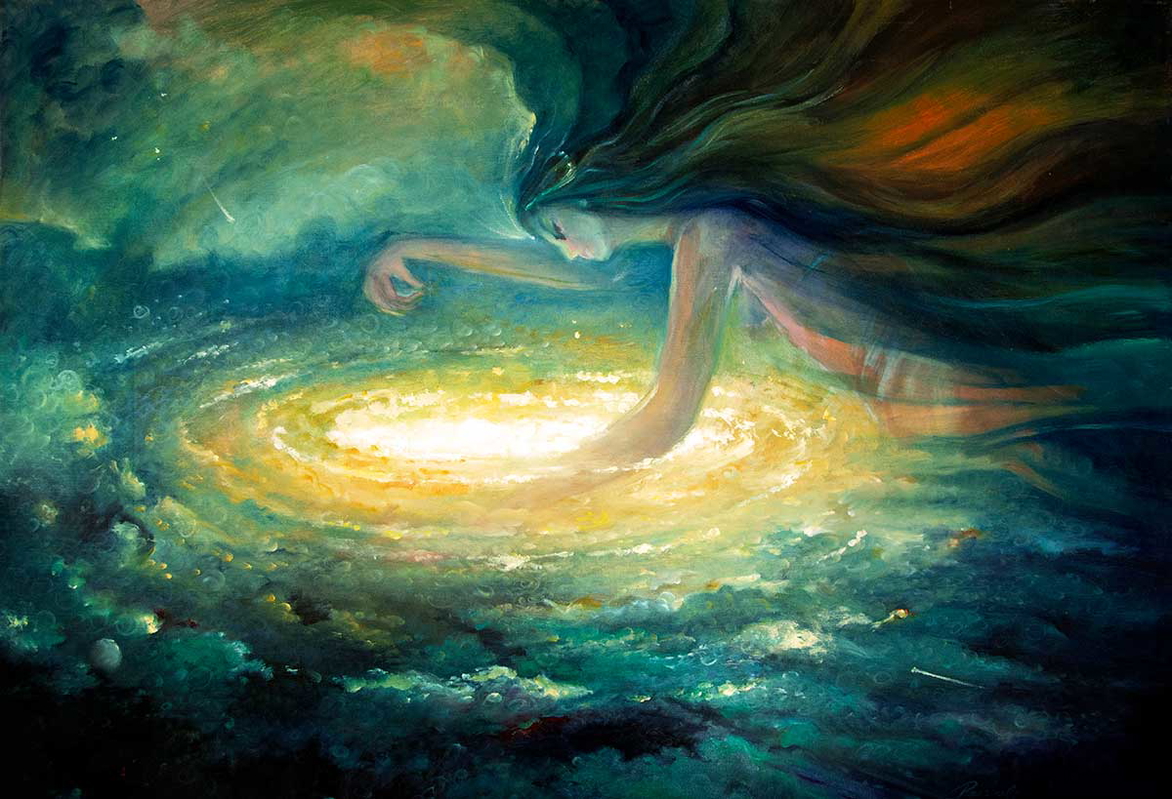
When one reaches the end of the story of Esther and Mordecai saving the Jews from Haman’s evil, something becomes strikingly clear: God was never absent; He was in the details all along.
Queen Esther, originally an orphan from a poor family, is invited into the royal palace and a position of power in an unforeseen way. Longing for her old life and burdened by the oppression of her people (the Jews), she meets with her cousin, Mordecai, at the palace’s gate and communicates with him via one of the king’s eunuchs.
But Mordecai does not comfort Esther or tell her that God will fix things – he challenges Esther with a message that must have sent shivers down her spine. He said:
“Who knows whether you have not attained royalty for such a time as this?” (Esther 4:14, NASB)
In other words: What if God wasn’t absent all along?
The Character Woven into the Details of the Story
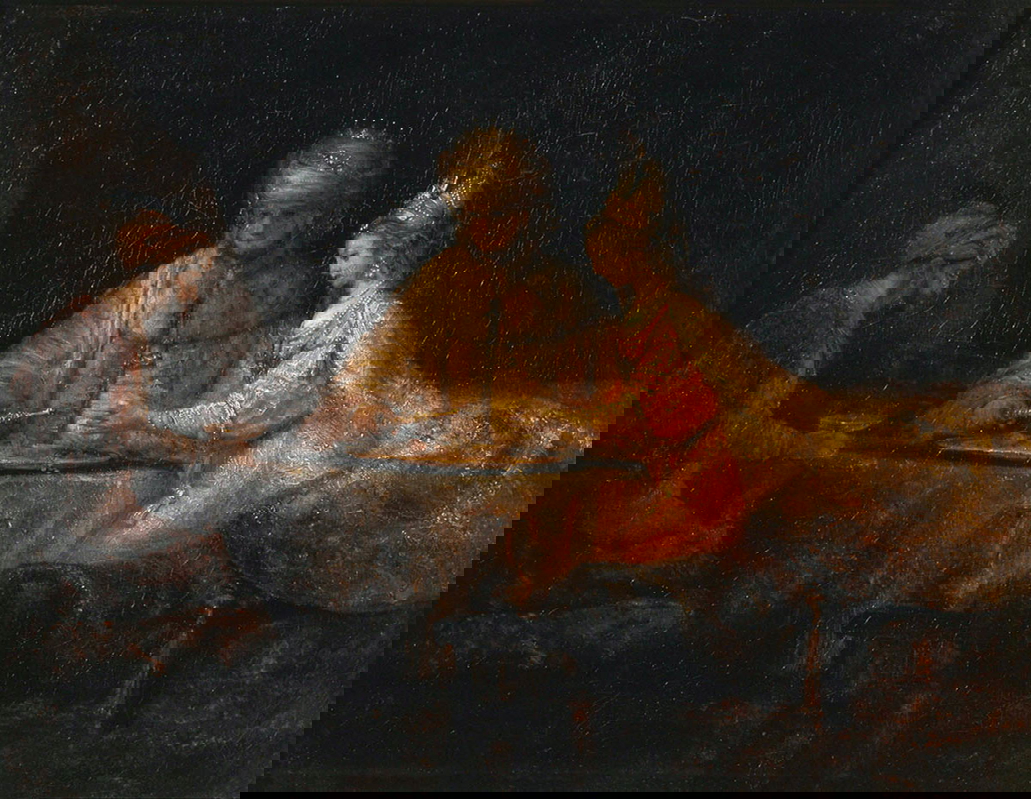
God’s presence in the Book of Esther is unseen, but it is crucial – like the conductor of the orchestra, out of the audience’s eyesight; or the backstage prompter giving the actor on stage their lines when they forget.
You don’t have to be spiritual to understand that sometimes things work out in very strange coincidences – and that is why the Book of Esther never mentions God. It’s a story about being in the right place at the right time, and in that, many a reader sees God’s hand.