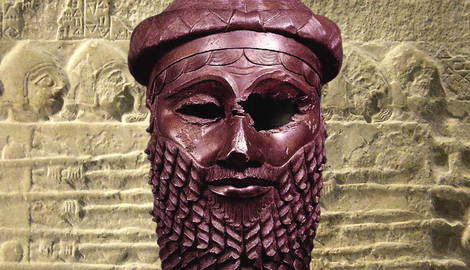
Sargon the Great, who founded the first great empire known, found his success through military innovations and intense organizational skills allowing him to rapidly and successfully form the Akkadian Empire in the Bronze Age.
Sargon the Great’s Army: The First Standing Army
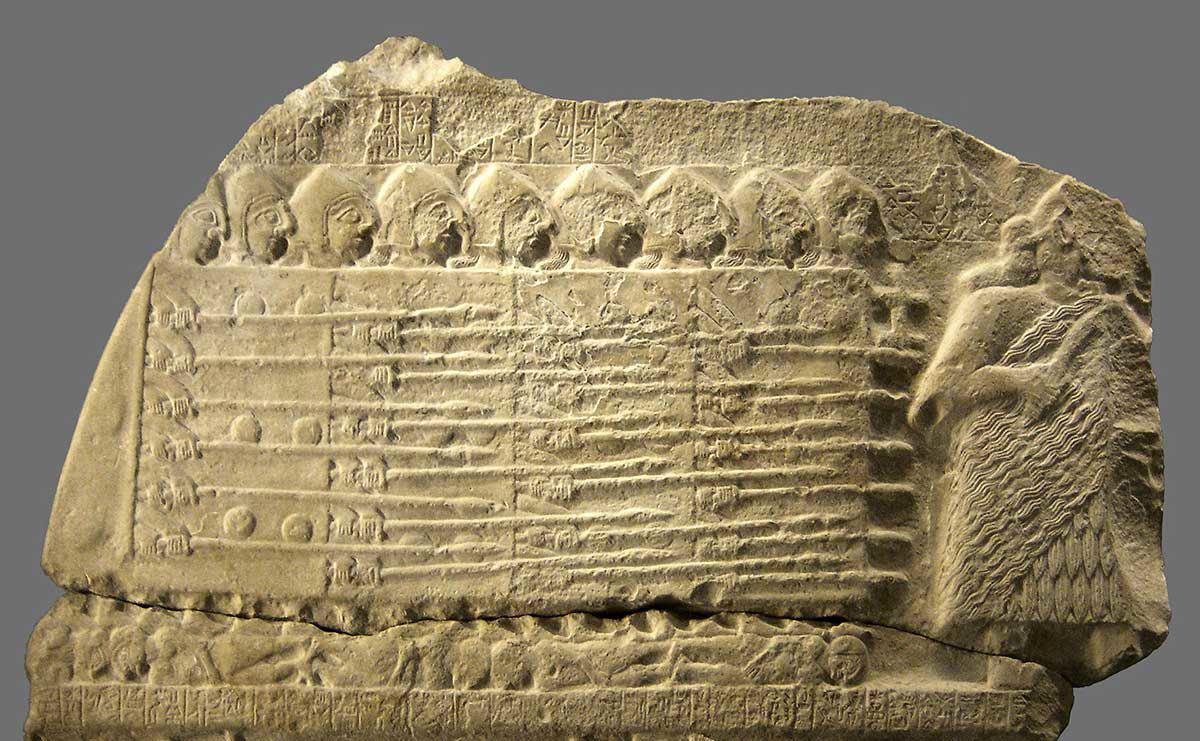
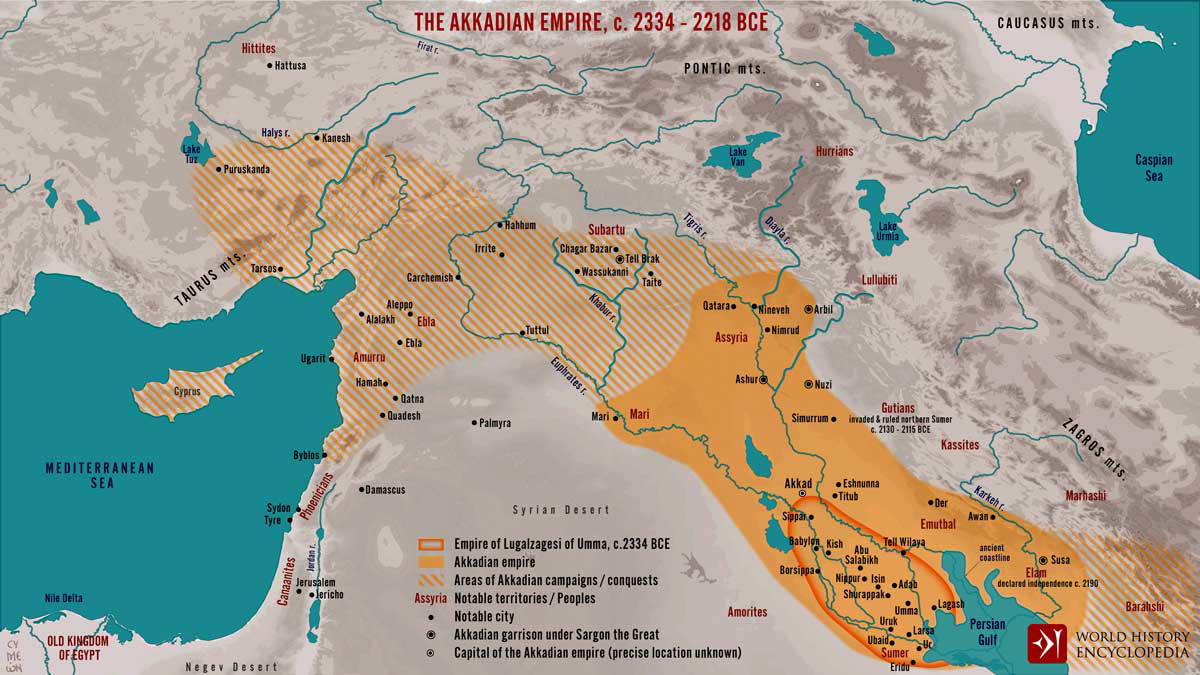
The first recorded standing army members was led by Sargon of Agade in around 2250 BC, who became known as Sargon the Great. His army consisted of a core unit of about 5400 professional soldiers, with some later unreliable records having his army as high as 100,000 (which was likely logistically impossible for that period). Sargon the Great founded the Akkadian Empire, likely the first empire which ruled the Mesopotamian peninsula.
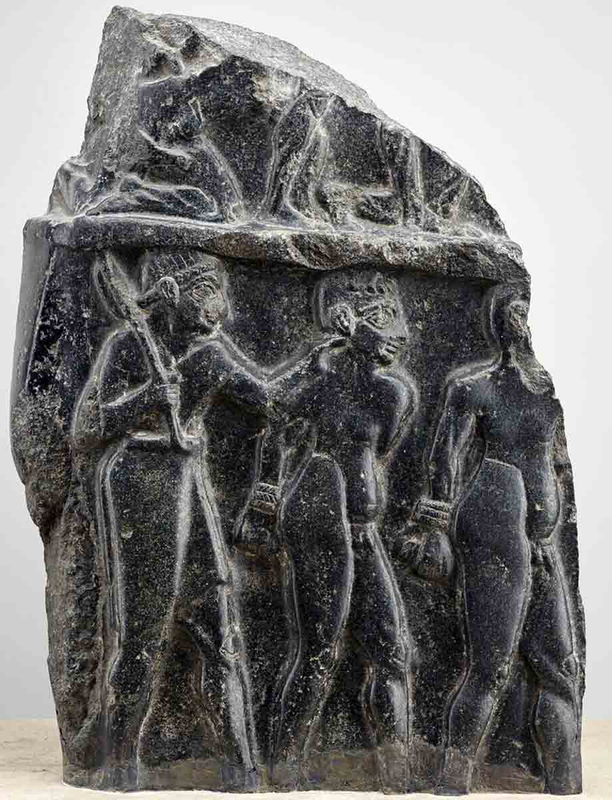
His empire would last almost two centuries, and its stability and expansion were made possible because of how he formed his armies. Before Sargon, armies were more like militias, with able-bodied men called from the citizenry as needed. Sargon the Great established a different sort of army, one with paid, well-trained soldiers whose job was being a soldier, rather than a farmer who took up arms at time of need. This standing army allowed Sargon to expand and protect his empire further than any before, and may have proven that a standing army is necessary to form an empire in the first place.
Weapons Used by Sargon’s Army
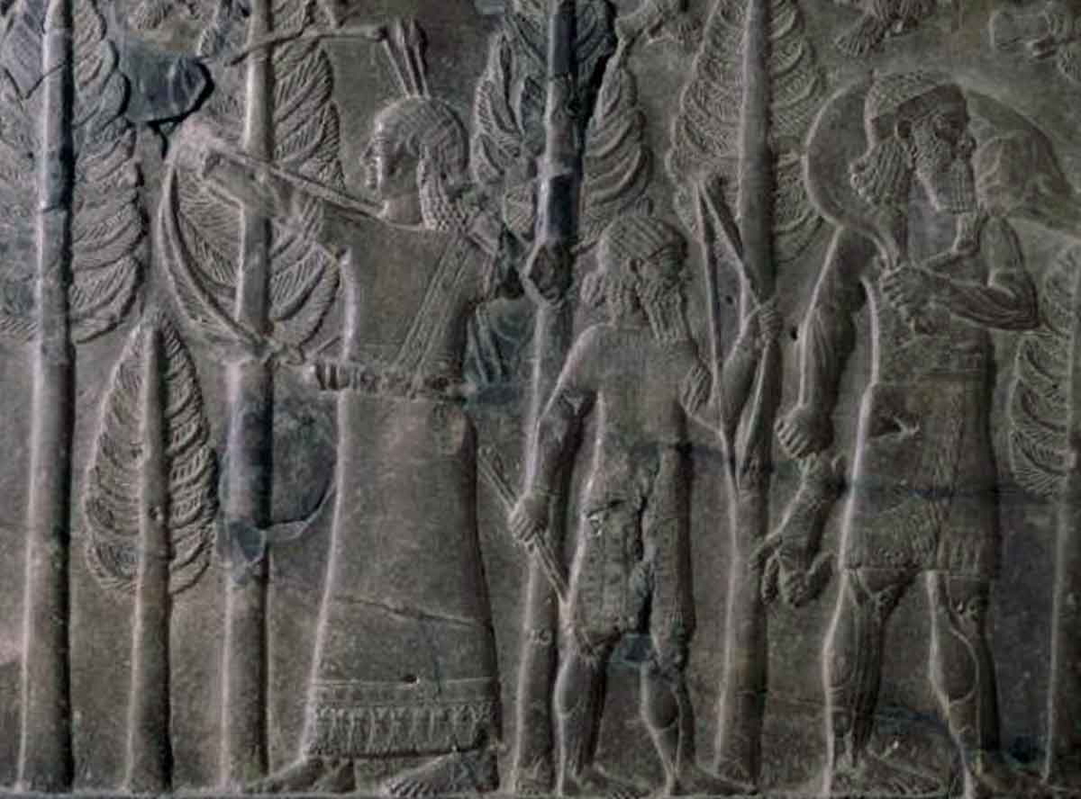
Sargon’s army used both weapons common to the period as well as recent innovations. Many soldiers carried a short spear with a copper head, and wore copper helmets for protection. Shields were also used as part of the common phalanx formations.
What made Sargon’s troops more unique was their use of axes in close combat, allowing a more versatile force, when combined with a looser phalanx formation. Sargon also employed the use of composite bows, which may have been his greatest advantage. Composite bows, which had a recurve construction enabled by reinforcing it with sinew, could fire heavier projectiles faster and further than simple bows. Simple bows could have trouble piercing basic leather armor at times, while composite bows could pierce even thin metal plating. Sargon’s archers could rain arrows down on enemies from greater ranges, weakening them long before close engagement.
Sargon’s use of chariots was limited – they were mainly skirmishers and transport. Horses had not been introduced yet into the area, and the chariots of that day were heavier “war wagons” pulled by donkeys, and had not really developed into the fast-attack weapons platforms well known in popular culture.
Army Tactics Devised by Sargon
Sargon’s main battlefield strategy was in the use of the phalanx, but rather than the typical tight spear and shield formation, his troops used a looser formation of six men deep armed with javelins, and sometimes axes, in front of innovative archer units with their better composite bows. With a better-trained professional army, such formations found great success on Mesopotamian battlefields.
Sargon also was an expert on troop movement, allowing him to engage in surprise attacks against his enemies (such as the city of Uruk in 2334 BC). Moving troops quickly over long distances usually requires an amount of discipline and training which militias formed for home defense can muster.
Sargon also established a road system between cities, which provided two solutions for control of an empire: more rapid troop movement, and easier trade between cities. Both were necessary for Sargon to maintain control of the Akkadian Empire which he established.