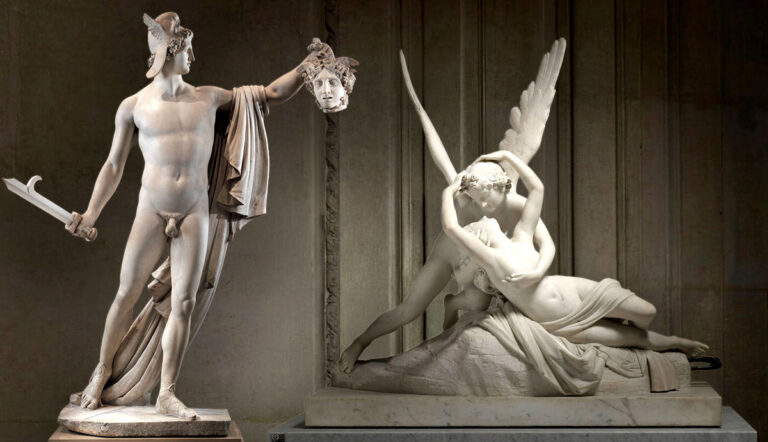
From the tragic tale of Orpheus and Eurydice to the rapturous love of Cupid and Psyche, here are the stories that Canova immortalized in stone.
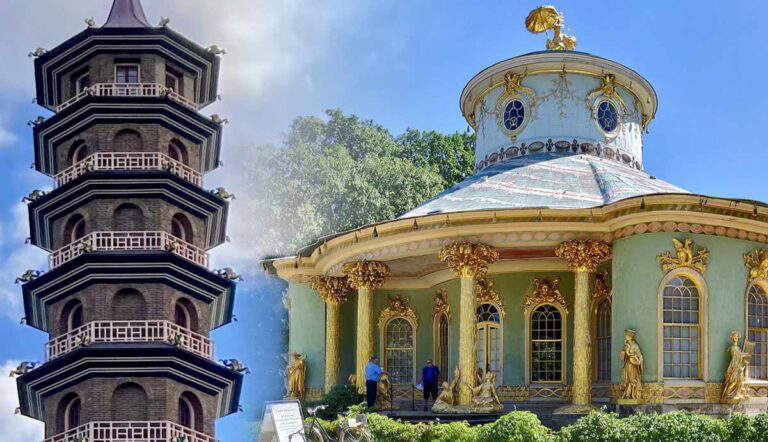
A royal obsession with Chinoiserie in the 17th and 18th centuries saw many exquisite Chinese-style houses erected on European soil. What was this craze about?
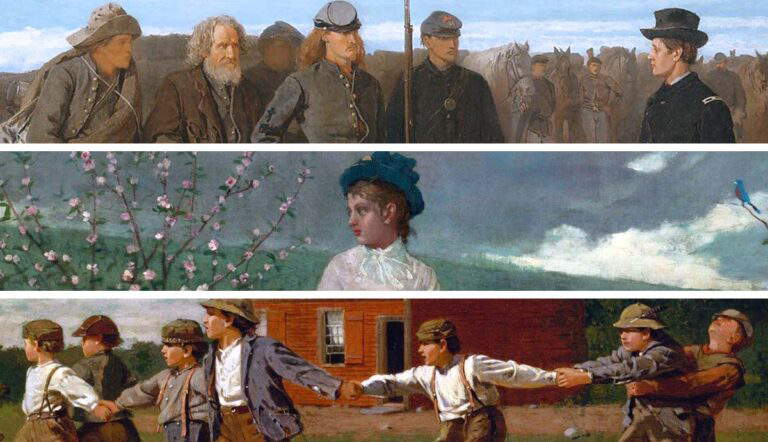
Winslow Homer’s paintings reflect the changing lifestyles of 19th-century America. His portrayals of rural and coastal life have become representative of America’s values and culture.
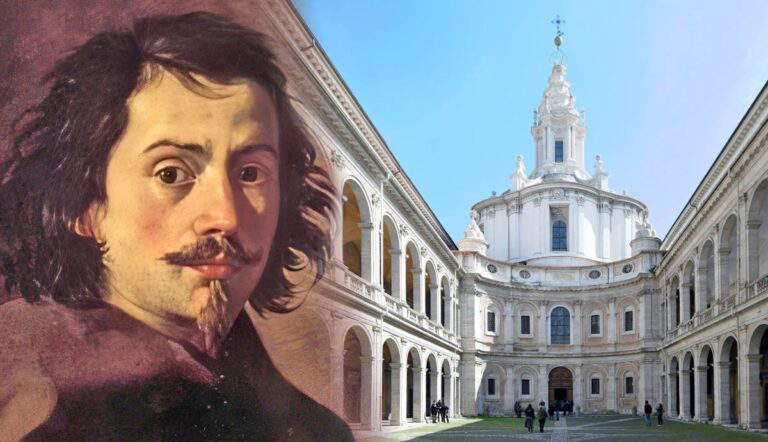
Francesco Borromini ingeniously used complex architectural innovations to transform Rome. In his designs, geometry became a tool to translate abstract concepts into inventive architectural microcosms.
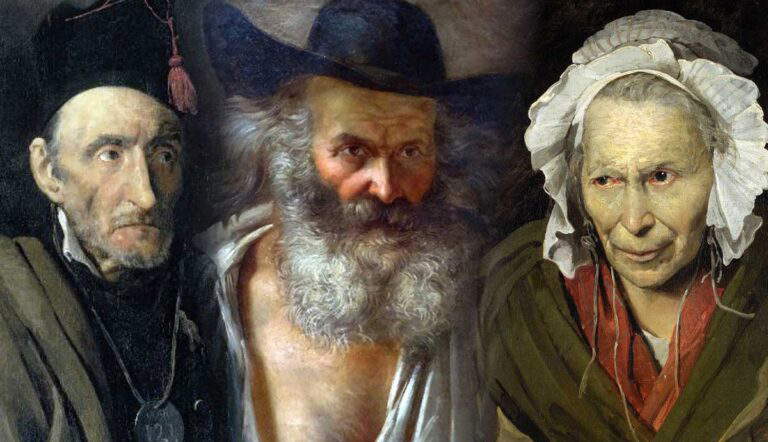
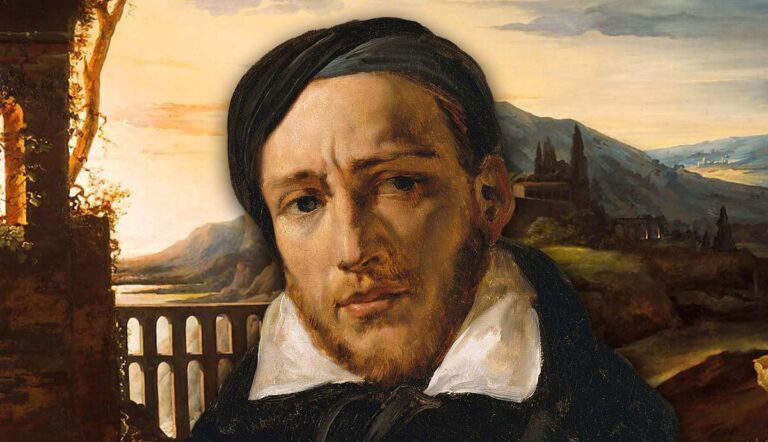
Théodore Géricault’s series of paintings was intended to serve as study material for contemporary psychiatrists.
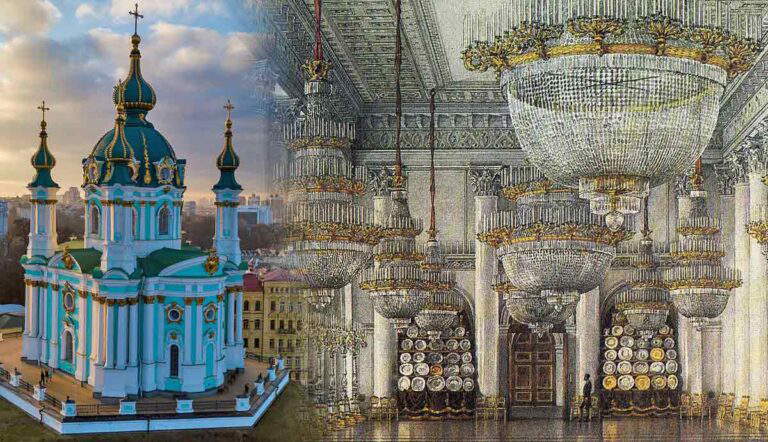
Many of the most famous palaces in and around St. Petersburg were built by an Italian Baroque architect, Francesco Bartolomeo Rastrelli. Here are 7 of his masterpieces.
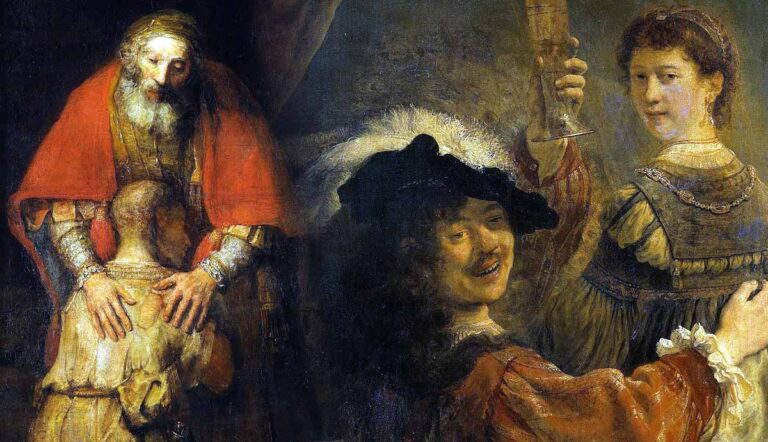
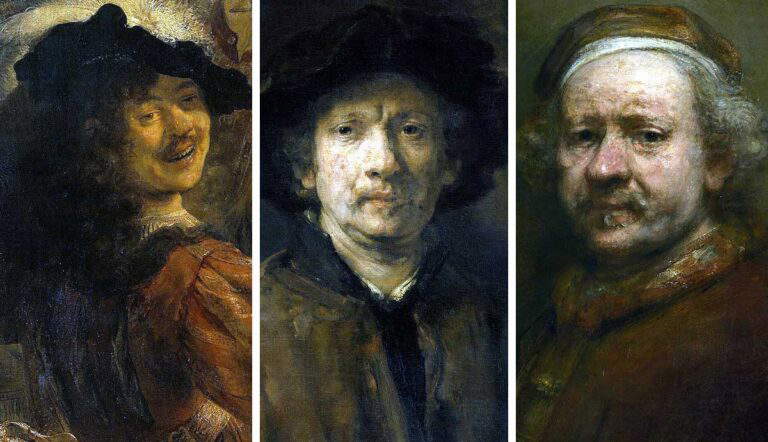
Several of Rembrandt’s paintings illustrated the Biblical parable of the Prodigal Son, perhaps due to the painter’s personal connection to the story.
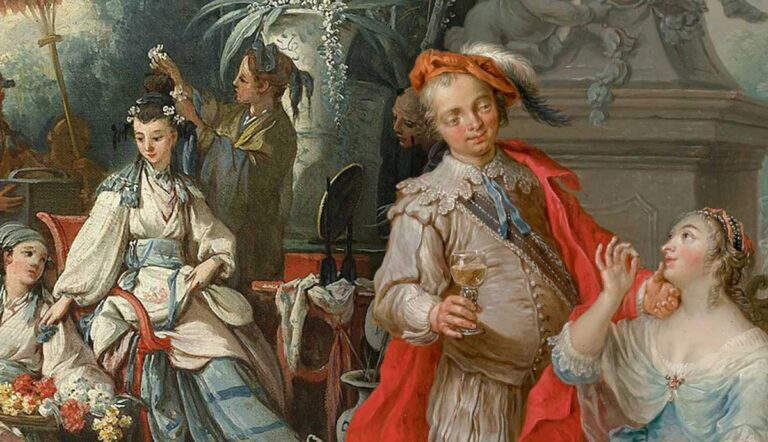
Chinoiserie and Rococo were two ornamental styles that gained a huge following in Europe during the 18th century. How were they different?