
There’s no doubt that the Mediterranean theater represented a critical theater for the Axis and Allies. Since 1940, all participants witnessed seesaw air, land, and naval campaigns. Sadly, most went badly for the Allies, especially the U.K. Losing the Suez Canal meant severing communications and the flow of critical materials, especially Middle Eastern oil. For the Axis, cutting off Britain’s Suez lifeline and taking Malta would unhinge Allied logistics overall.
1942 began with the Axis seemingly ascendant in the Mediterranean. Germany’s Afrika Korps marched across North Africa, pushing the British before it. Axis air attacks hammered Malta, suppressing Allied interdictions of Axis convoys. Nonetheless, the Axis built a house of cards via long supply lines, exposed convoys, and overextension. Allied efforts, such as Ultra decrypts, soon paid off, creating an advantageous scenario, much to Hitler and Mussolini’s chagrin.
Malta, Ultra, and Logistics
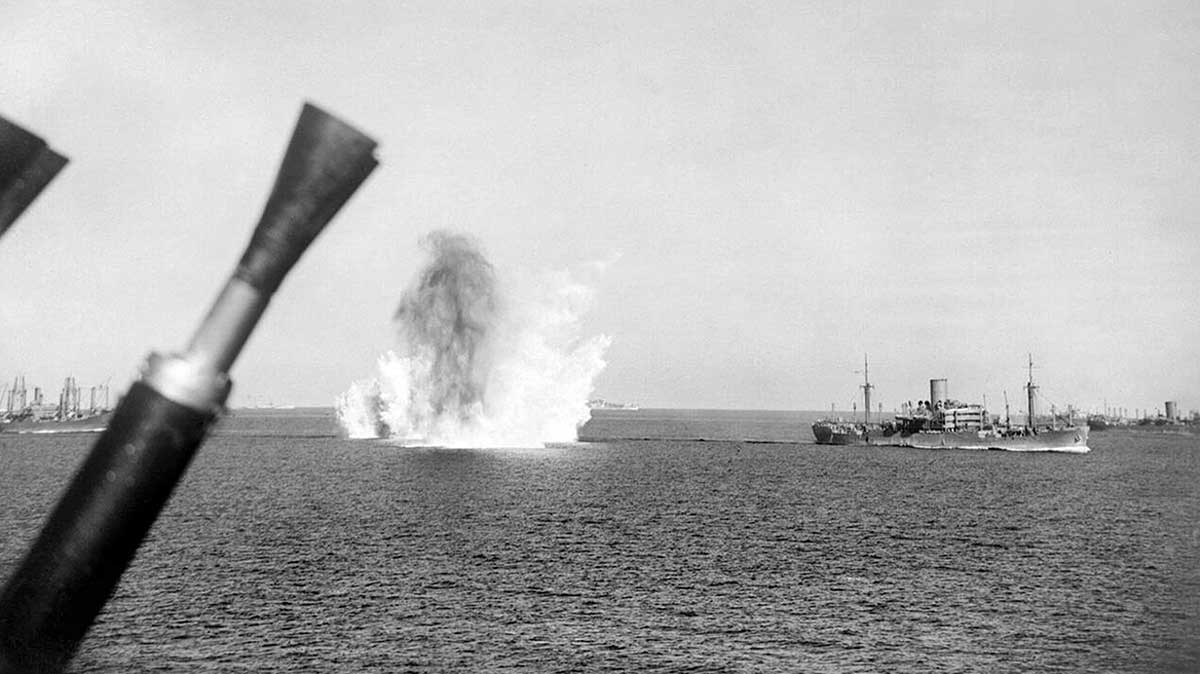
Despite the Axis Powers’ early upswing and unrelenting air attacks, the Allies kept Malta supplied. With its key central location, Malta sat astride Axis supply lines. By spring 1942, Malta had an estimated 6-8 weeks of food left, little fuel, and starvation predicted by July. Axis pressure only increased with over 9,000 air sorties in March and April alone. Malta’s elimination looked inevitable.
What saved Malta and spurred the Allied turnaround lay with Ultra. This breaking of Enigma, Germany’s encryption device, allowed the British to read when, where, and what cargo information about Axis convoys. With such a clear picture, Allied naval and air forces hit those convoys hard and frequently, from Malta and North African bases, making any such journeys hazardous.
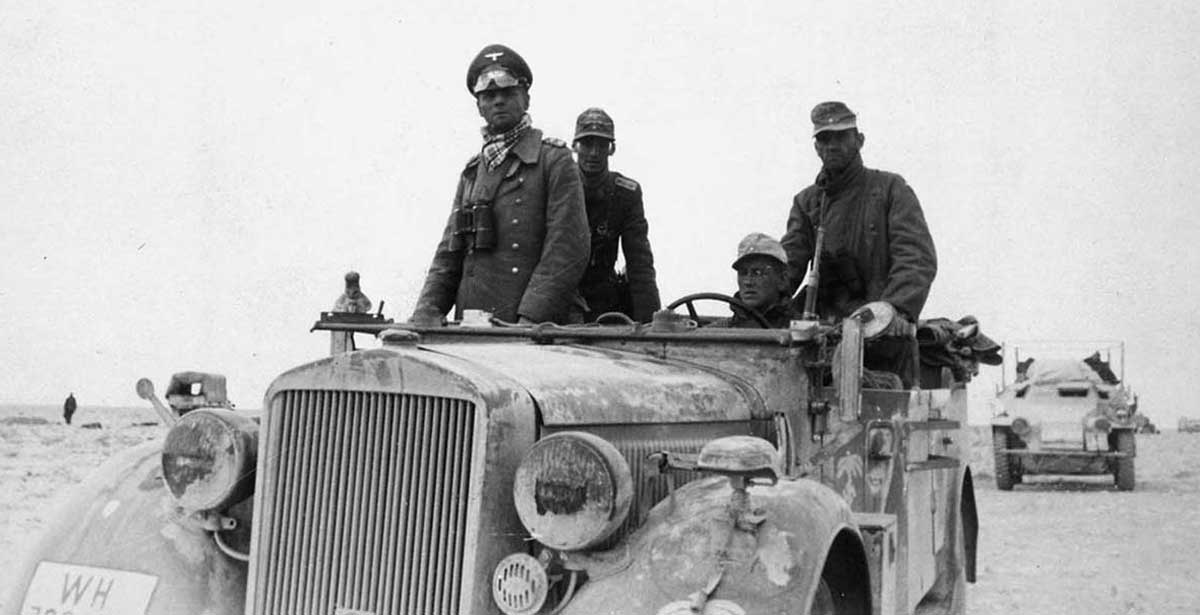
Ultra’s decryption also meant Malta being resupplied. Convoys, mainly Operation Pedestal, in August 1942, kept the island base alive. As 1942 progressed, Axis supply woes worsened as Malta stabilized. Allied strikes, both air and naval, aided by Ultra, took a severe toll. As Axis ships went to the bottom, their lost cargo affected the North African fighting at a critical juncture. Rommel’s Afrika Korps, persistently short of supplies, grew worse. Scarce items such as spare parts, ammunition, and fuel impeded movement and firepower. Sustained operations couldn’t be accomplished, a fact displayed in the two Battles of El Alamein.
An Unchangeable Pivot
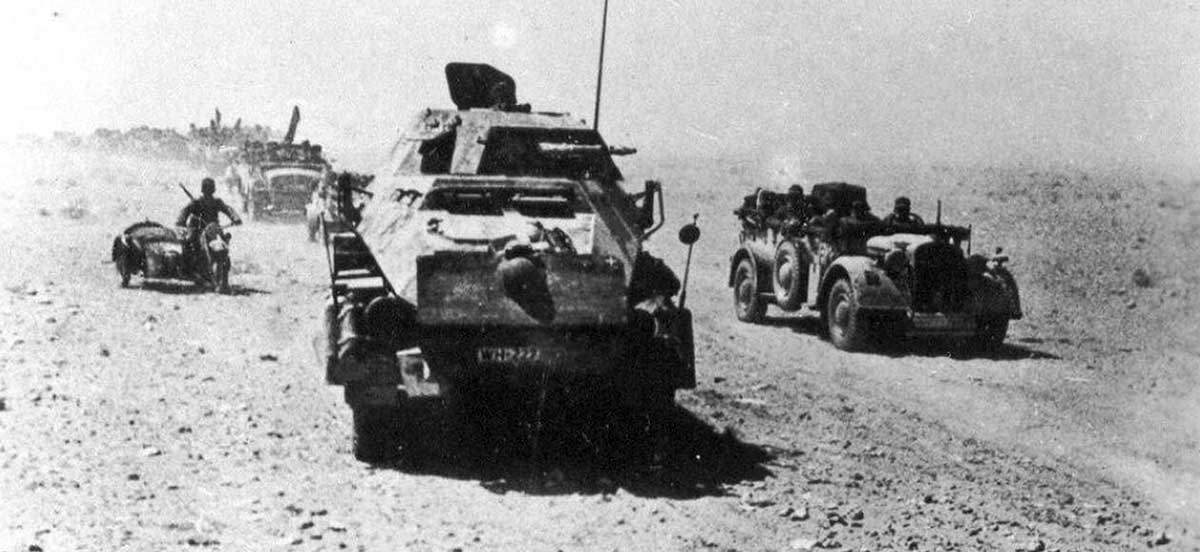
The signs of 1942’s strategic pivot gained steam by mid-year. As Axis logistics withered under Allied strikes, the Allies prepared. Their naval and air power, already strong, grew significantly. With Malta reinforced, the island’s operational tempo increased. By late summer, events started to inexorably shift the pivot.
The first shift occurred with the First Battle of El Alamein (July 1942). The first battle of the two occurred after Rommel recorded multiple victories through June.
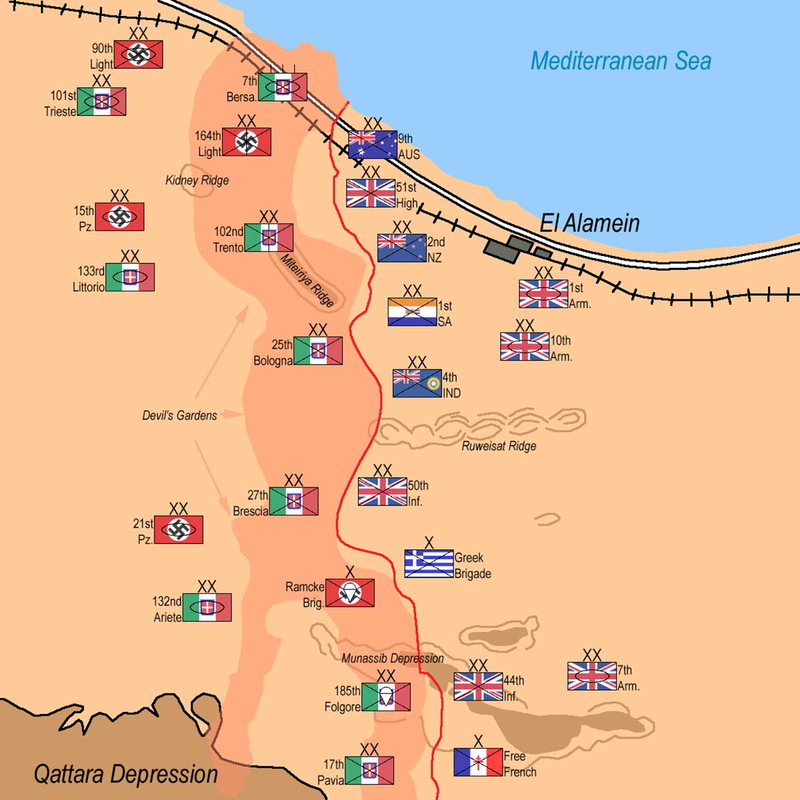
At El Alamein, Britain’s 8th Army stopped Rommel’s Afrika Korps. Here, the British built formidable defenses covering 40 miles between the impassable Quattara Depression and the sea. This terrain prevented Rommel from using his army’s mobility. This battle would be a modern-day slugfest. With that, on July 1, Rommel attacked seeking a breakthrough. The fighting, often close combat, ended on July 27, exhausting both sides. The British, though roughed up, still stood having halted Rommel. The pivot moved again towards the Allies.
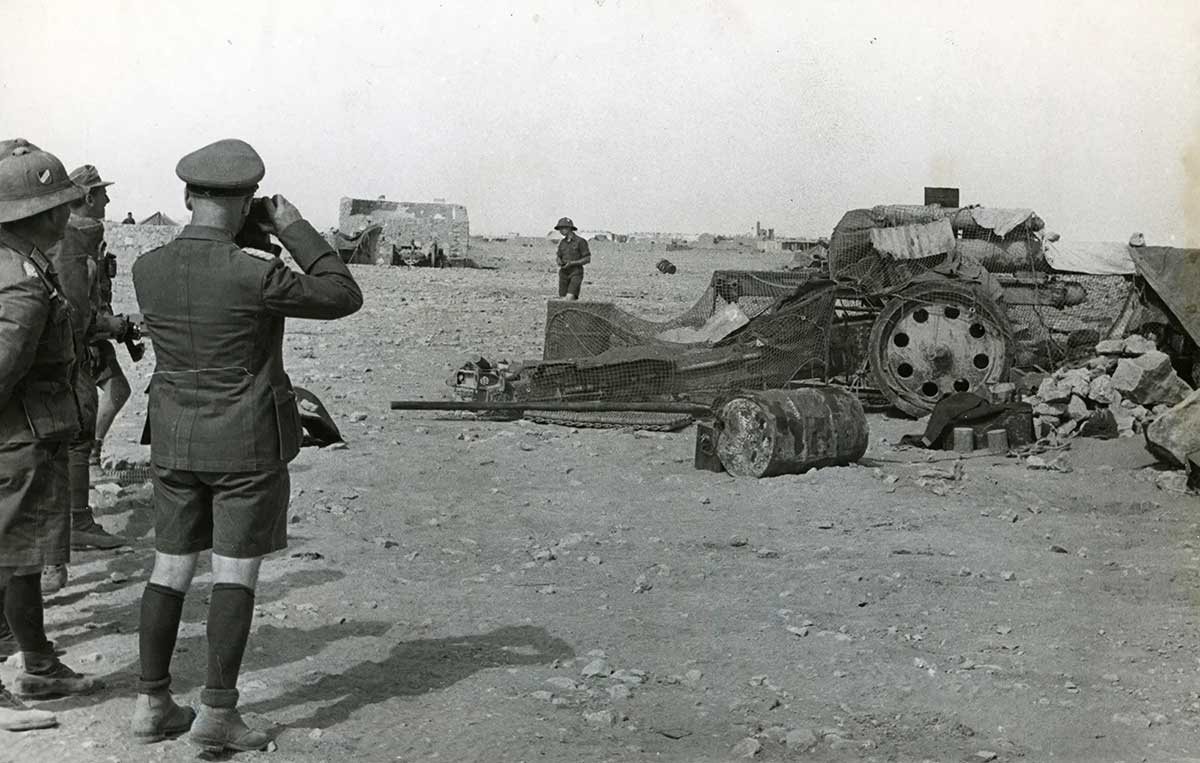
Following a three-month pause, the 8th Army under Montgomery attacked on October 23, 1942. Using greater numbers, Montgomery broke the depleted Afrika Korps by November 11. This Second Battle of Alamein nearly completed the strategic pivot, seizing the initiative for good.
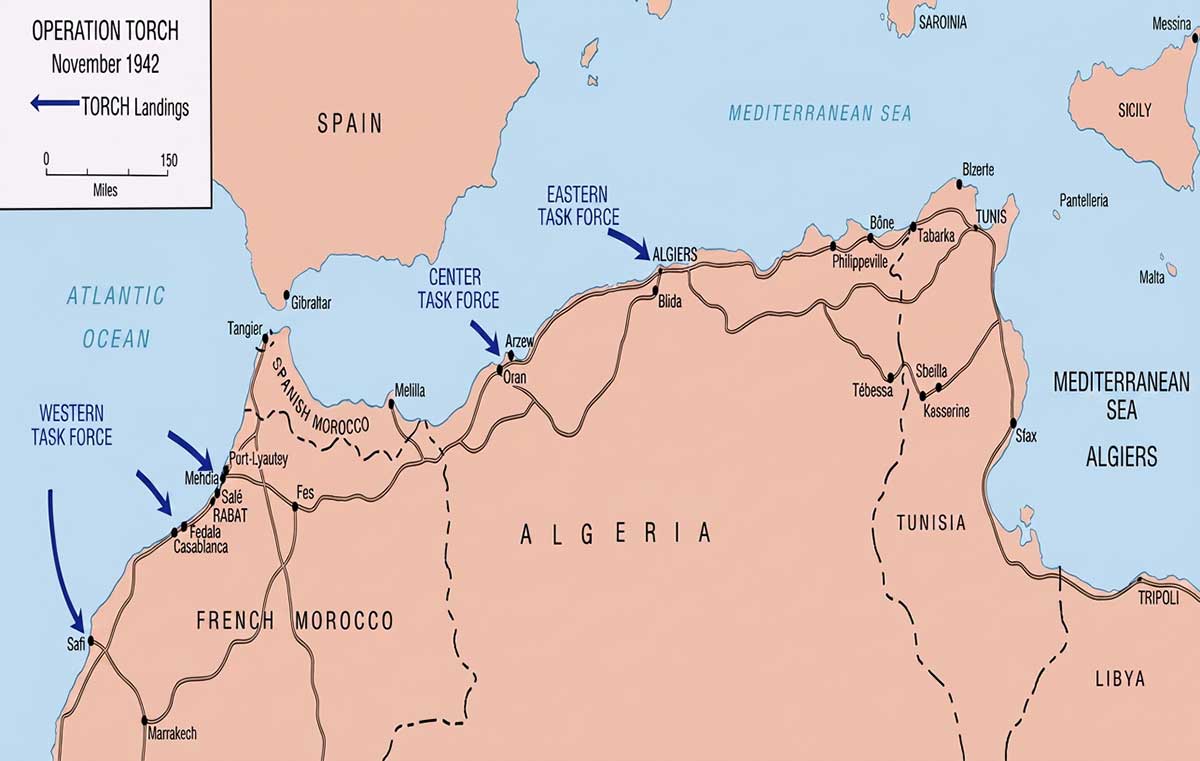
While fighting raged in Egypt, a large and well-equipped Anglo-American force landed in Morocco. November 8, 1942, proved fateful for the Axis.
One Destination, Two Forces, and Domination
The landings, dubbed Operation Torch, surprised Axis leadership. Utilizing already depleted resources, they rushed reinforcements to Tunisia. Meanwhile, Rommel retreated west to Tunisia, hotly pursued by the 8th Army. The Americans consolidated their forces and sped east. The force that took the essential port of Tunis would win. This forced the Axis to fight on two fronts, starved of fuel, ammunition, and replacements, which only delayed the end.
Through continuous fighting, the Allies used their greater numbers to dominate the Axis increasingly. The conflict continued into 1943, but that’s a different story. What matters for 1942 is that the Allies pivoted the strategic balance in their favor. Permanently.
The Convergences Mattered
Four factors converged in 1942 that created winning conditions for the Allies. Ultra intercepts, superior logistics, Malta surviving, and improved Allied operational skills made this pivot permanent. Allied labor put the Axis on the back foot, setting up winning conditions for 1943.