Summary
- Both John and John Quincy Adams were Harvard-educated diplomats who served single, often unpopular, presidential terms.
- The presidencies of both father and son were marked by highly controversial elections, like the “corrupt bargain” of 1824.
- The Adamses were distinguished American diplomats in Europe, representing the nation from its founding through the War of 1812.
- John Quincy Adams was the first US president who did not participate in the American Revolution, signaling a new political era.
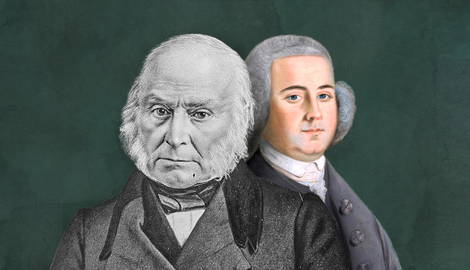
Until the election of George W. Bush in 2000, John Quincy Adams (President, 1825-29) was the only child of a former US President to be elected to that office. John and John Quincy Adams (JQA) had much in common besides being elected to the highest office in the country. For starters, they were both Harvard graduates. Moreover, both Adams had extensive careers as diplomats representing the United States across Europe. Let’s dive into common threads and significant differences in the careers of John and John Quincy Adams.
Founding Father John Adams
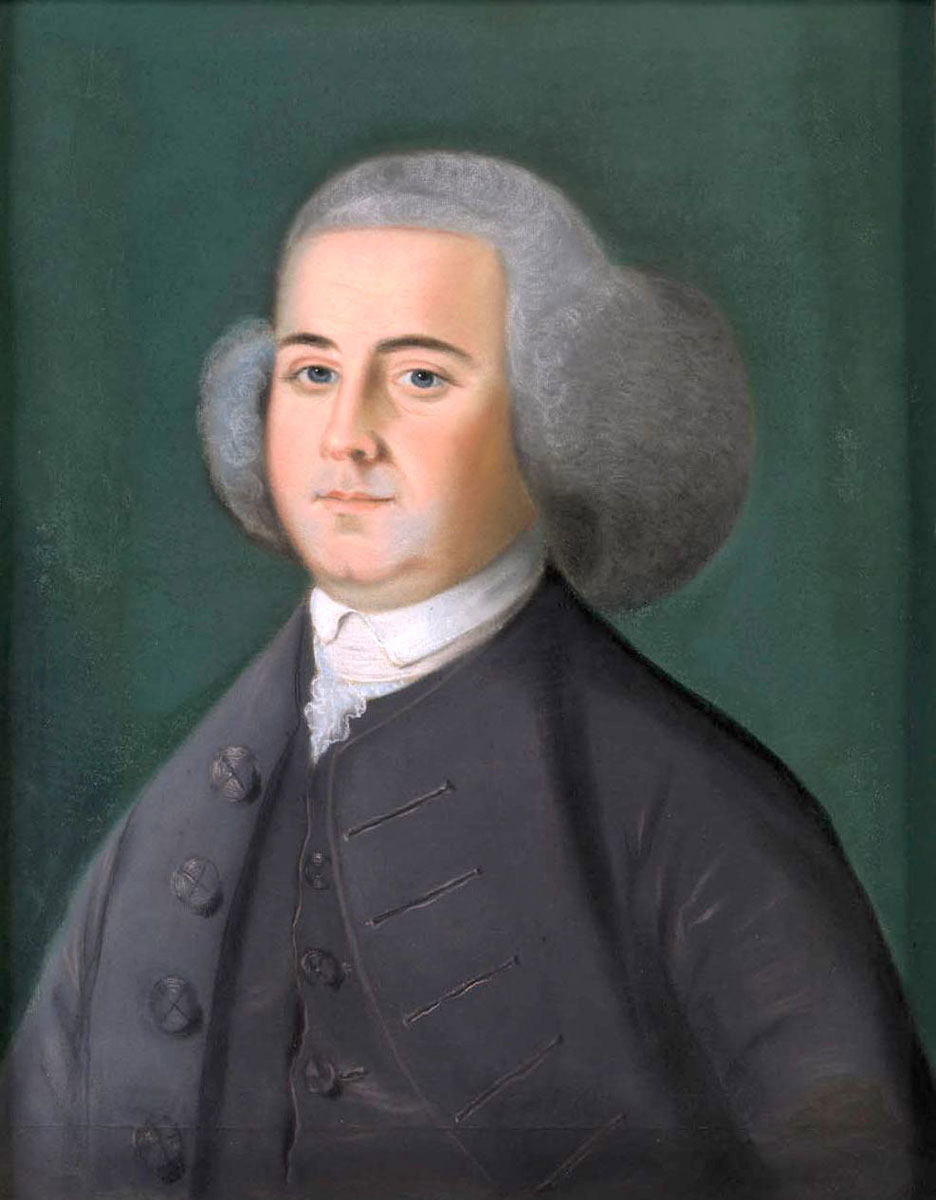
John Adams was involved in nearly every chapter of the United States’ founding story. He was not a radical firebrand like his cousin, Samuel Adams, during the 1760s, when resistance to British policies in Massachusetts mounted.
Nevertheless, John Adams was a vocal opponent of Parliament during the turbulent years leading up to the American Revolution. He went on to play a prominent role in representing Massachusetts in the Continental Congress.
A lawyer by training and farmer by choice, John Adams was born in Braintree (modern Quincy), Massachusetts, in 1735. His brilliant legal mind was in high demand as the path to the outbreak of the American Revolution unfolded.
Although considered vain and abrasive, Adams was also regarded as an intelligent and honest man by many of his contemporaries. Despite his political sympathies, Adams successfully defended several British troops on trial in the aftermath of the so-called Boston Massacre of March 1770.
With the outbreak of war in April 1775, Adams emerged as one of the leading figures in the nascent American government in Philadelphia. For example, Adams was the critical voice in securing George Washington’s appointment as the commander-in-chief of the new Continental Army in June 1775.
The following year, Adams played a significant role in the drafting and signing of the Declaration of Independence. As we will see below, Adams went on to serve as a leading diplomat attempting to earn the young United States international recognition from anti-British European powers.
John Adams: Second President of the United States
Adams was elected to be the nation’s first vice president in George Washington’s inaugural administration. He then succeeded George Washington after winning the 1796 presidential election.
His abrasive personality did not make Adams many allies, even among his fellow Federalists. The political opposition (known as Democratic-Republicans or Republicans) was even more hostile. Historian Nathaniel Philbrick notes that one opposition lawmaker referred to Adams as “His Rotundity” (2021, 64).
Name-calling aside, the Adams administration encountered an increasingly volatile political climate. Battle lines were drawn over several issues, including the nature and power of the federal government and the future of slavery, among others.
Historian Alan Taylor notes that North and South fractured over issues including slavery, which would not be resolved until the Civil War in the 1860s. Debates over the federal government’s authority continue to be at the heart of political discourse in the United States (2016, 434).
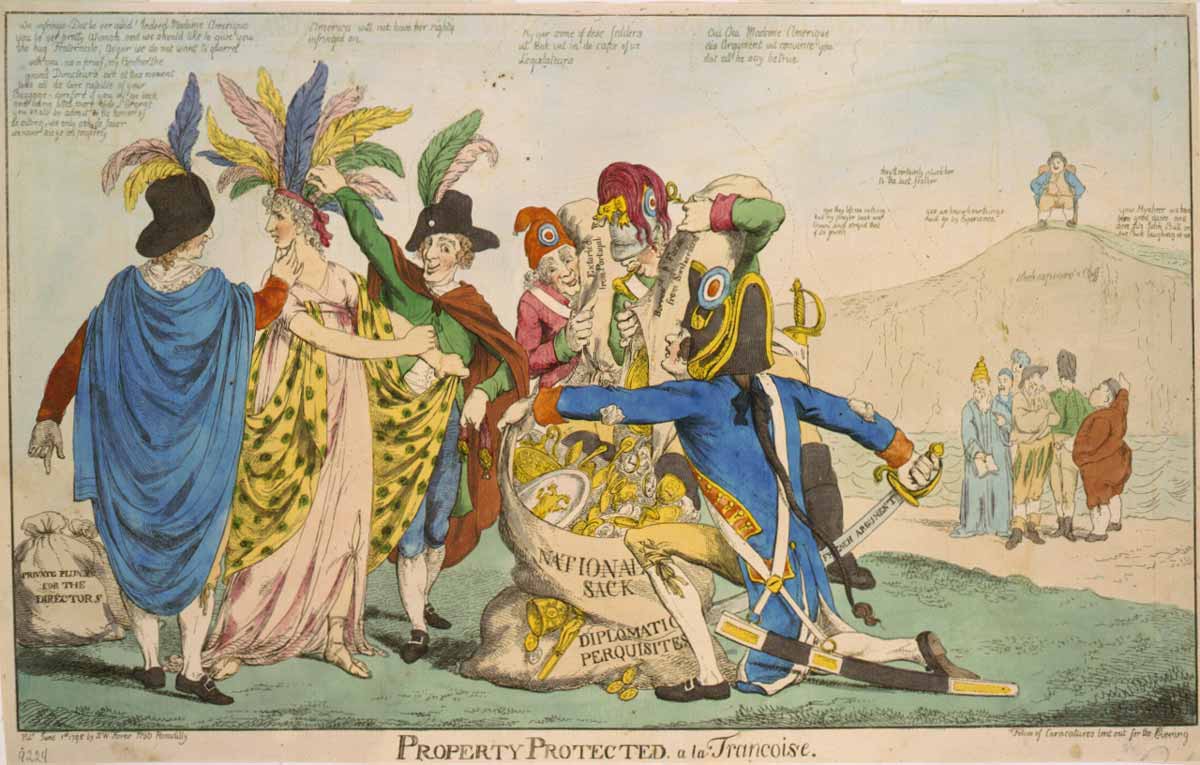
In addition to these domestic political battles, Adams faced the looming threat of war with Revolutionary France. News of a French demand for a bribe to resolve tensions (XYZ Affair) led to calls for war.
Adams wisely exercised restraint and averted full-scale war. However, he exercised less restraint in backing the controversial Alien and Sedition Acts of 1798, a series of four laws that restricted the rights of foreign-born Americans and limited anti-government speech.
Adams became the first president to live in the White House in the new capital of Washington DC. However, his time there would be brief as he lost the landmark 1800 election to his rival, Thomas Jefferson.
Portrait of the First American Generation: John Quincy Adams
John Quincy Adams was born in 1767, the son of John and Abigail Adams. Historian Paul Nagel points out that in his youth, the younger Adams was known as Johnny. Then, in his college years, he typically signed his name as “JQA” to avoid confusion with his famous father (1999, 3).
According to historian David Hackett Fischer, a company of militia traveling through Braintree on their way to confront the British at Lexington and Concord in April 1775 was amused when an eight-year-old child with a musket taller than himself performed a military drill in front of them. That child was John Quincy Adams (1994, 289).
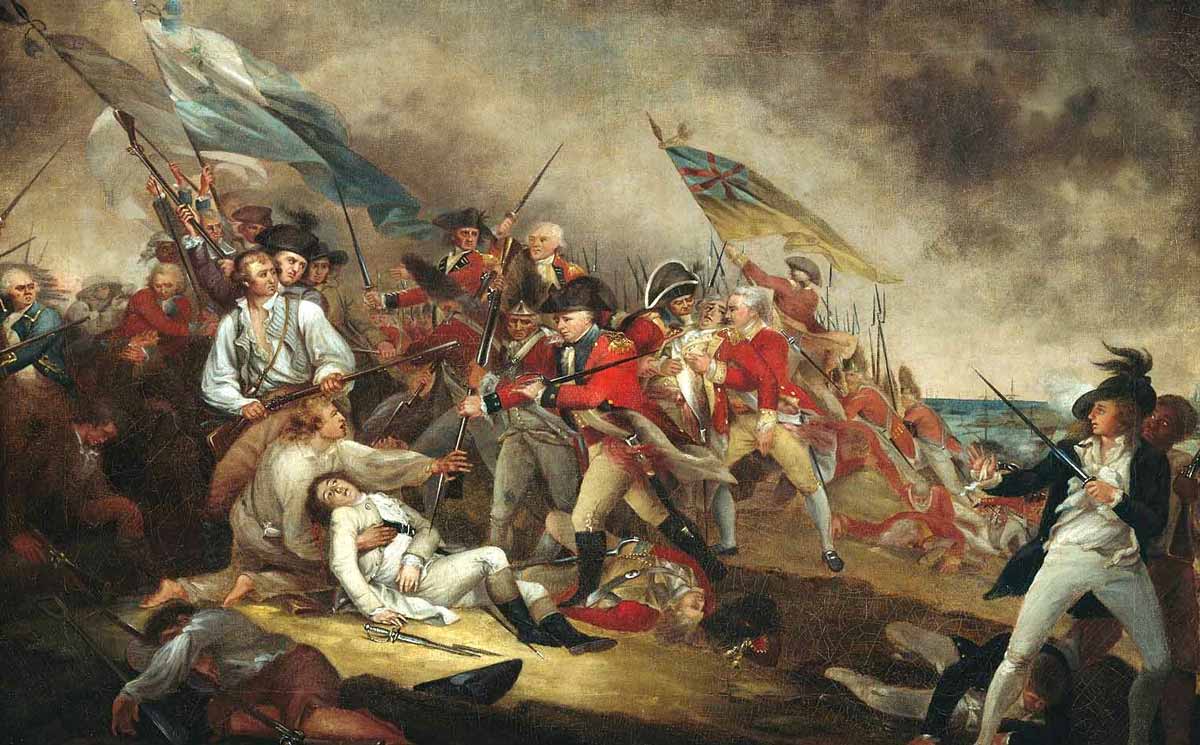
While too young to fight for American independence, John Quincy Adams experienced the war firsthand. In addition to encountering militia on the day of the battles of Lexington and Concord, Adams and his mother witnessed the June 1775 Battle of Bunker Hill.
The Revolutionary War experience and nationalism inspired JQA and this first generation of Americans, who were too young to participate in the American Revolution, to serve the country in the first decades of the 19th century.
The younger Adams was like his father, highly educated and intelligent. He was fluent or conversational in eight languages, including French, German, Italian, and Russian.
While serving as a diplomat in London, Adams met and married Louisa Catherine Johnson, daughter of a prominent American merchant.
JQA was also elected to the Massachusetts Senate and later the US Senate.
John Quincy Adams’ Presidency
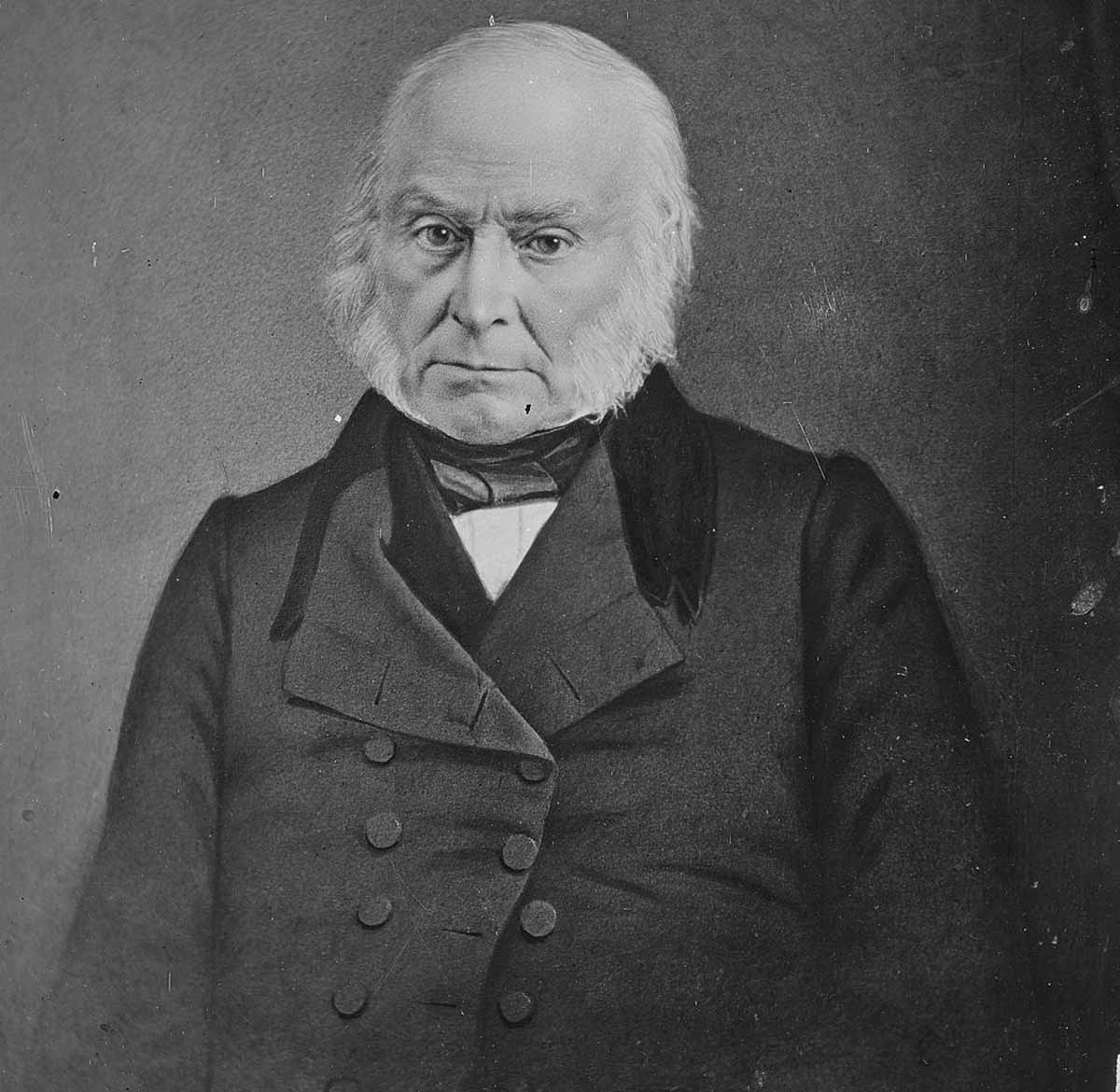
John Quincy Adams won a controversial election victory in 1824 to become the sixth US president. He was the first person elected to office who did not directly participate in the Revolutionary War or the efforts to draft and ratify the US Constitution.
He was also the first president to wear trousers instead of knee britches. It was truly a new era.
There was a strong hint of rehashing the past in the JQA administration, particularly when it came to avenging John Adams’ political defeat in 1800. In other words, JQA approached the presidency as an opportunity to help salvage his father’s reputation.
However, JQA assumed the presidency with loftier goals than avenging his father’s political legacy. For starters, JQA encouraged westward expansion and exploration. He proposed a vast system of new canals and roads to bind the growing country together.
He also envisioned revolutionizing public education. For example, he hoped to create a national university that would serve as a competitor to smaller private institutions, such as his alma mater, Harvard.
Unfortunately for JQA, most of these projects would be realized after his presidency. He stood little chance of reelection in the face of Andrew Jackson’s rising popularity. According to historian John Patrick Diggins, “Adams was the last of a generation of gentry-class leaders who wouldn’t stoop to cater to the masses in order to retain power. So he lost it” (2004, 54).
American Diplomats: John and John Quincy Adams
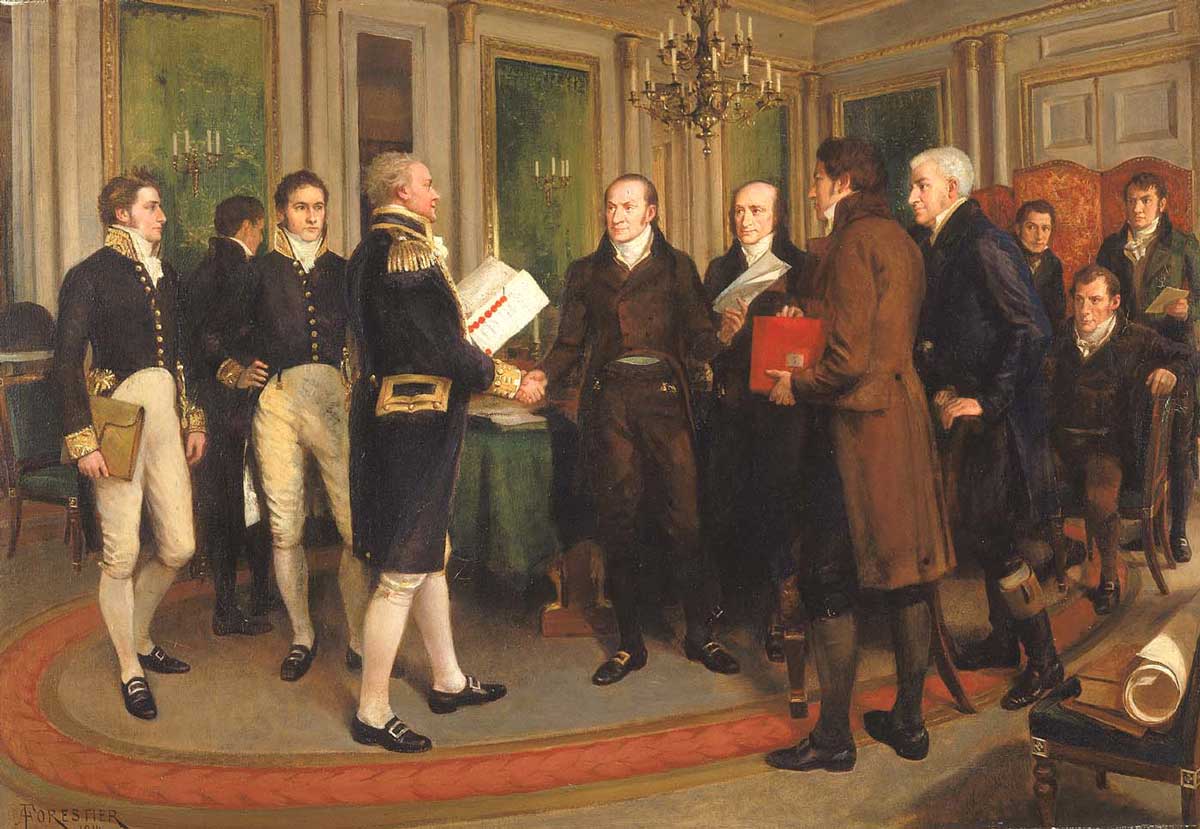
During the Revolutionary War, Congress turned to several prominent supporters of American independence to win foreign backing in the war against Britain and foster trade relations with various European states.
Benjamin Franklin played a pivotal role in securing French support in 1778 for the American cause of independence from Britain. Before Franklin left for Paris, he served as an American peace commissioner alongside John Adams and Edward Rutledge.
The congressional peace commissioners traveled to New York in September 1776 at the request of British commanders Sir William and Lord Richard Howe. According to Alan Taylor, however, the meeting with the Howe brothers went nowhere, and the war for American independence continued (2016, 164).
John Adams received further diplomatic appointments beginning in 1778. Adams represented Congress in France, the Netherlands, and Britain. He also helped negotiate the peace treaty with Britain in 1782-1783.
The younger Adams received his first diplomatic appointment at the age of 16. JQA served in diplomatic posts across Europe from Britain to Russia. He also led the negotiations with Britain to end the War of 1812 in Ghent, Belgium.
John Quincy Adams served as Secretary of State, the nation’s top diplomat, during the administration of James Monroe. In particular, JQA was the architect of the Monroe Doctrine and negotiated a treaty with Spain in 1819 to secure American control of Florida.
Controversial Elections I: John Adams, Thomas Jefferson, and the Landmark Election of 1800
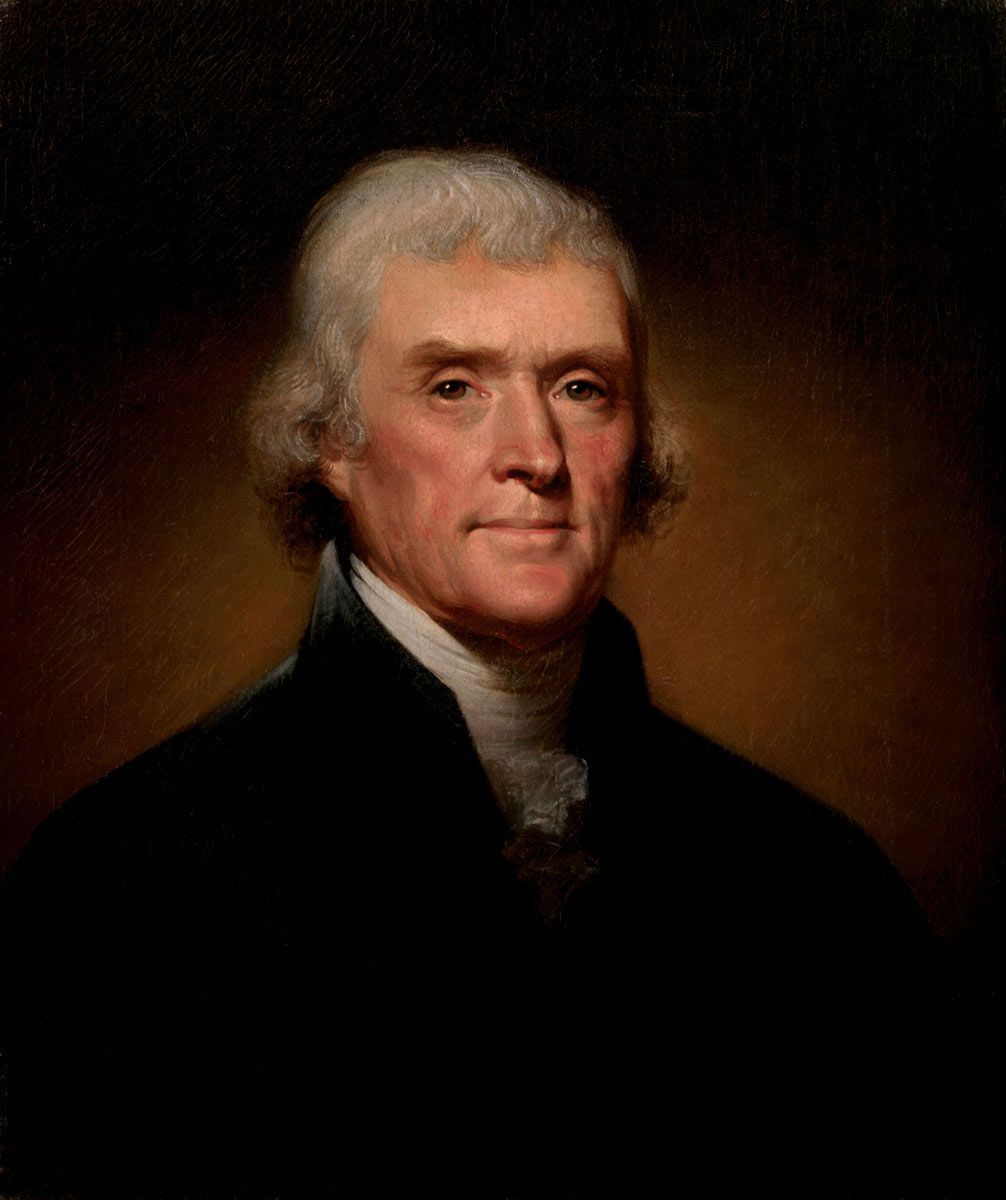
Federalists in Congress had little use for Adams. According to historian James Banner Jr., John Adams faced a popularity problem because he was not a war hero like George Washington (2004, 23).
John Adams sought re-election against his rival, Vice President Thomas Jefferson, in the 1800 election. Jefferson and his allies targeted several unpopular Federalist policies in the run-up to the election. Historian Alan Taylor notes that Republicans capitalized on the unpopular Federalist taxation policies and Sedition Act prosecutions (2016, 424).
In the fall of 1800, the Federalists lost both houses of Congress and the presidency. But this was not without controversy. As Taylor explains, since Thomas Jefferson and Aaron Burr were tied in the Electoral College votes, there was no conclusive winner of the presidency and vice presidency. The outcome would be decided in the House of Representatives, where the Federalists nearly caused a civil war by toying with the idea of denying Jefferson the presidency (2016, 425).
Despite the tension, the first peaceful transition of power between rival political parties in the US took place with Jefferson assuming the presidency and Burr serving as his vice president.
Controversial Elections II: John Quincy Adams vs. Andrew Jackson (1824 & 1828)
John Quincy Adams participated in two landmark presidential elections in 1824 and 1828. In 1824, JQA narrowly defeated frontier war hero and future President Andrew Jackson of Tennessee. This election marked the first time the popular vote had a significant influence on the outcome of the presidential race.
However, the popular vote, as is true today, did not determine the victor. Yet, unusually, the Electoral College couldn’t deliver an outright winner either. Thus, as historian John Patrick Diggins notes, the outcome came down to the vote of the House of Representatives (2004, 53).
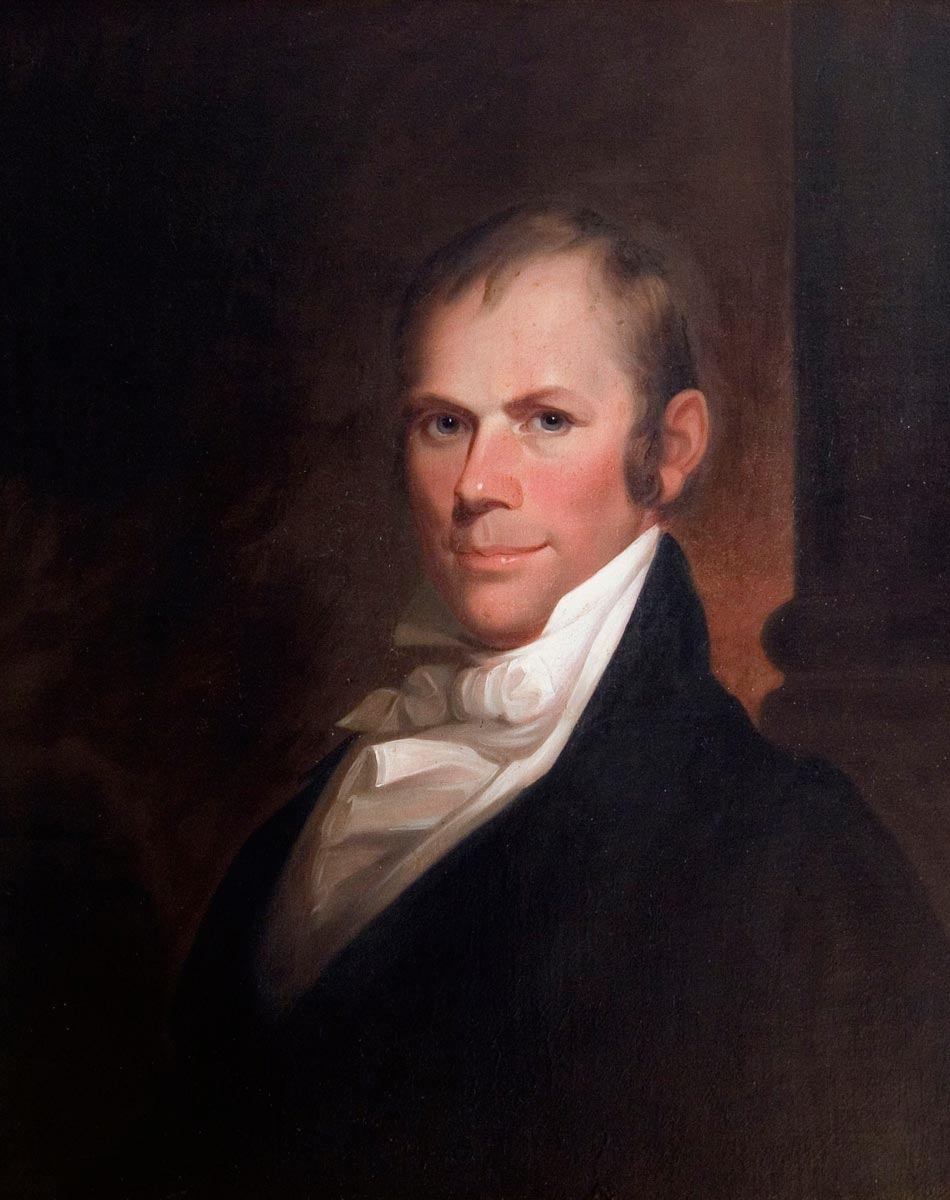
JQA received critical support from Speaker Henry Clay, securing the House vote to win the election. Jackson and his supporters felt cheated and called Clay’s decision a “corrupt bargain.” The bad feelings sank any chance of reconciliation between JQA and Jackson.
As a result, the Democratic-Republicans split into two parties. JQA led the National Republicans while Jackson headed the Democrats.
Despite this bitter political climate, John Patrick Diggins argues that JQA was perhaps the most apolitical president in the country’s history (2004, 50).
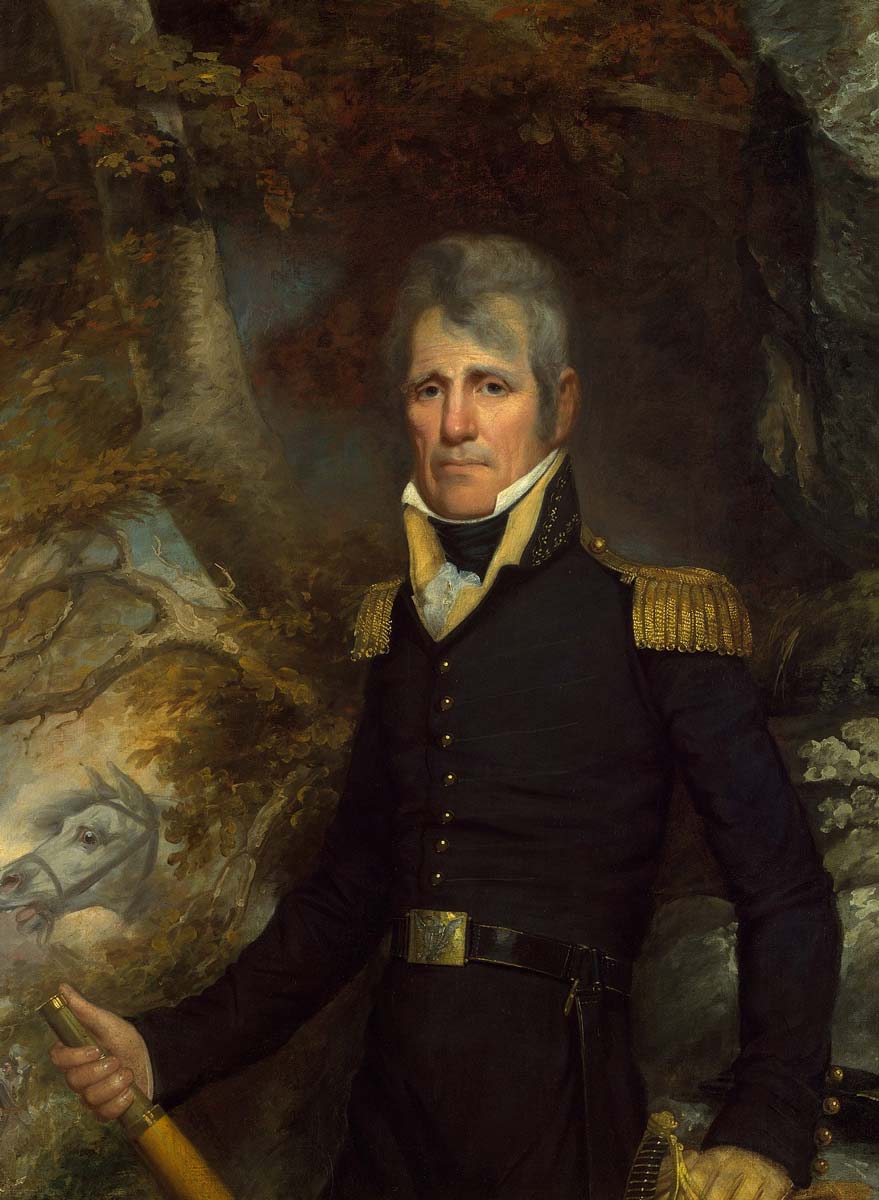
Nevertheless, the election of 1828 was equally vicious in terms of mudslinging between JQA and Jackson. Jackson ultimately carried the election by winning the South and West. Historian John Patrick Diggins Jackson’s election “was a class victory for democracy and a defeat of the intellectual in politics” (2004, 54).
Thus, although Adams might have been born into that first American generation, his personality did not align with the new populist era embodied by Andrew Jackson’s rise to the presidency.
Comparing the Adams’ Presidencies
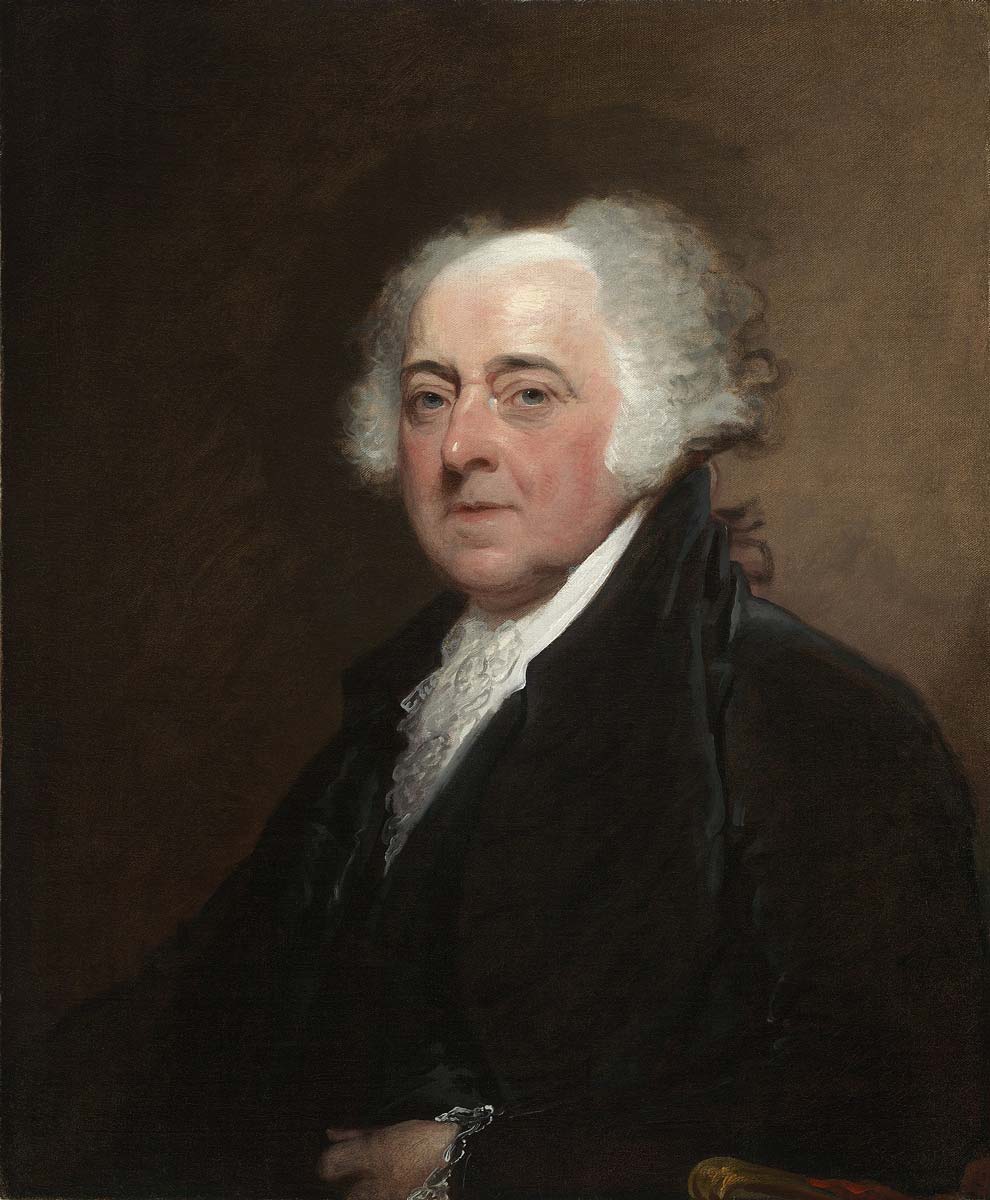
Historians have recently supported a reconsideration of both Adams’ presidencies.
The John Adams administration is primarily remembered for the controversial Alien and Sedition Acts. These correctly reveal Adams’ insecurity and haughtiness. But Adams also wisely exercised restraint when it came to tensions with France and in his dealings with political rivals. Despite an erratic and volatile personality, Adams met multiple crises with patience and tact.
Despite JQA’s relative unpopularity in office, historian Paul Nagel notes that he drew a massive crowd in New York City to hear his lecture on faith after his presidency (1999, x).
The respective presidencies of John and John Quincy Adams share commonalities beyond their role in some of the country’s hotly contested presidential elections.
For starters, both were one-term chief executives defeated in their reelection efforts. Neither had significant public support. The personalities of the father and son also did not endear them to potential allies in Congress.
While John Adams enjoyed a lengthy post-presidency retirement from public office, John Quincy Adams returned to Congress through his election to the House of Representatives.
To date, JQA is the only former president to be elected to Congress following their presidency. He died after collapsing on the House floor in 1848.
John Adams and Thomas Jefferson were linked even in death. Both died on the fiftieth anniversary of the signing of the Declaration of Independence, July 4, 1826.
Legacies
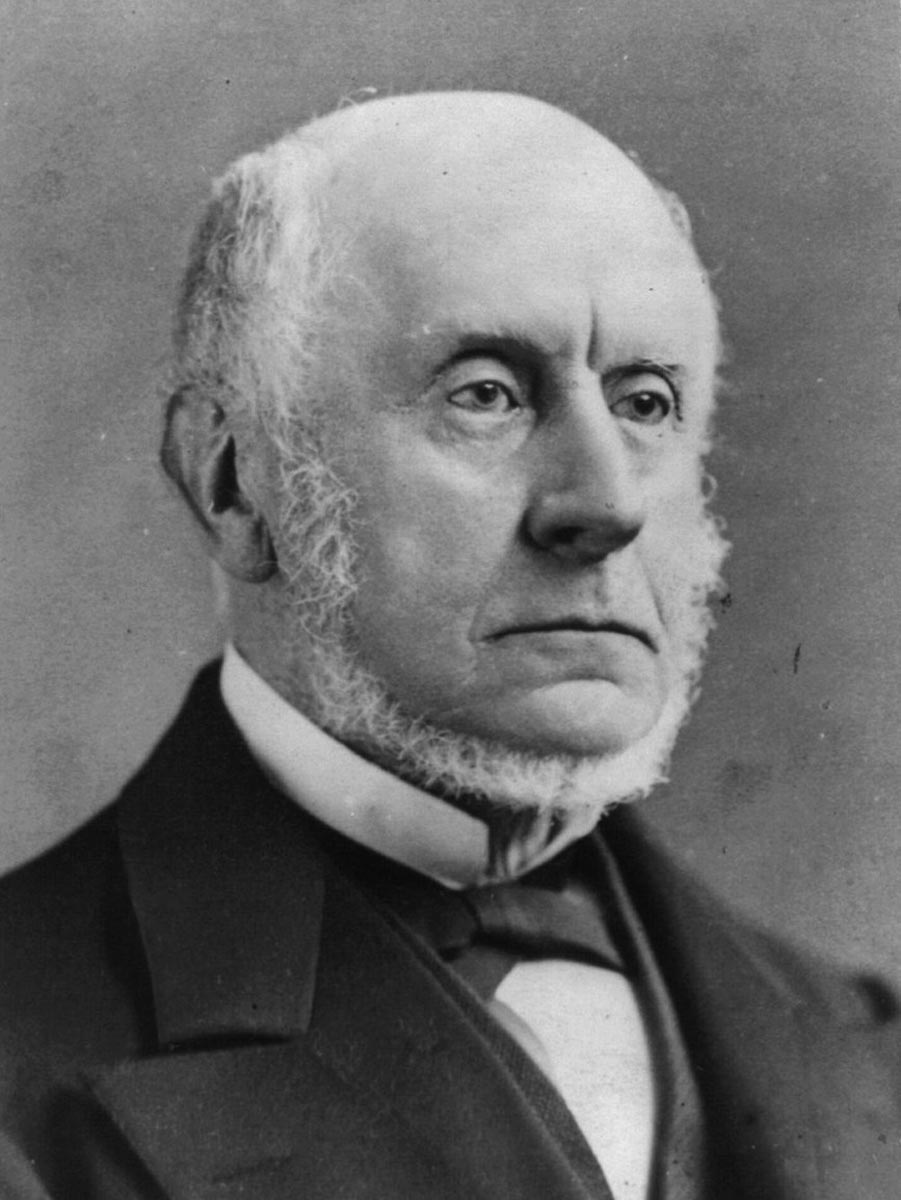
According to historian Alan Taylor, John Adams deserves to be remembered for preventing a civil war in response to the Kentucky and Virginia resolutions of 1798, issued in response to the Sedition Act (2016, 424). This is a lesser-known turning point in the country’s early history, alongside the peaceful transition of power from John Adams to his rival Thomas Jefferson after the heated 1800 election.
Both John and John Quincy Adams are remembered more for their careers outside of the presidency. Indeed, John Adams is widely regarded as one of the leading architects of the United States. His son made significant contributions to the country’s expansion. JQA is also remembered for being a leading voice in Congress against slavery.
JQA’s finest hour came amid the Amistad Event of 1839. Historian Paul Nagel explains that a group of Africans revolted aboard a Spanish slave ship called the Amistad. In 1840, abolitionists called on JQA to defend the Amistad prisoners, which ultimately led to their freedom in trials that reached the Supreme Court (1999, 379-80).
Their descendants continued to serve the United States, particularly during the Civil War (1861-1865). JQA’s son, Charles Francis Adams Sr., played a crucial diplomatic role, helping to maintain Britain’s neutrality. As historian Stephen W. Sears notes, his son, Charles Francis Adams Jr., served as a Union cavalry officer during the Civil War (2004, 98).
While the Adams’ political dynasty petered out in the 19th century, the family retains a prominent legacy in the country’s founding and growth.
References
- Banner Jr., J.M. (2004). “John Adams,” in “To the Best of My Ability:” The American Presidents. Edited by J. M. McPherson. Pp. 22-28. DK Publishing Inc.
- Diggins, J.P. (2004). “John Quincy Adams,” in “To the Best of My Ability:” The American Presidents. Edited by J. M. McPherson. Pp.50-56. DK Publishing Inc.
- Fischer, D.H. (1994). Paul Revere’s Ride. Oxford University Press.
- Nagel, P.C. (1999). John Quincy Adams: A Public Life, A Private Life. Harvard University Press.
- Philbrick, N. (2021). Travels with George: In Search of Washington and His Legacy. Penguin.
- Sears, S.W. (2004). Gettysburg. Mariner.
- Taylor, A. (2016). American Revolutions: A Continental History, 1750-1804. Norton.