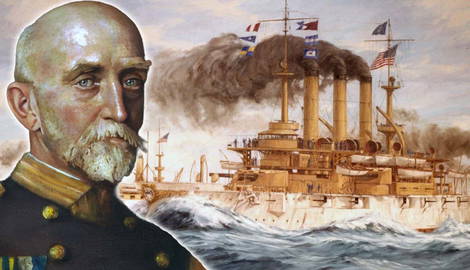
From 1859-1896, Alfred Thayer Mahan served in different roles in the US Navy, eventually becoming president of the Naval War College. He had limited combat experience and his record of captaining a ship was mediocre. However, his writings on the importance of sea power became renowned around the world. His advocacy of a strong navy with the ability to project force globally continues to play a major part in US strategic considerations to this day.
Early Life and Career
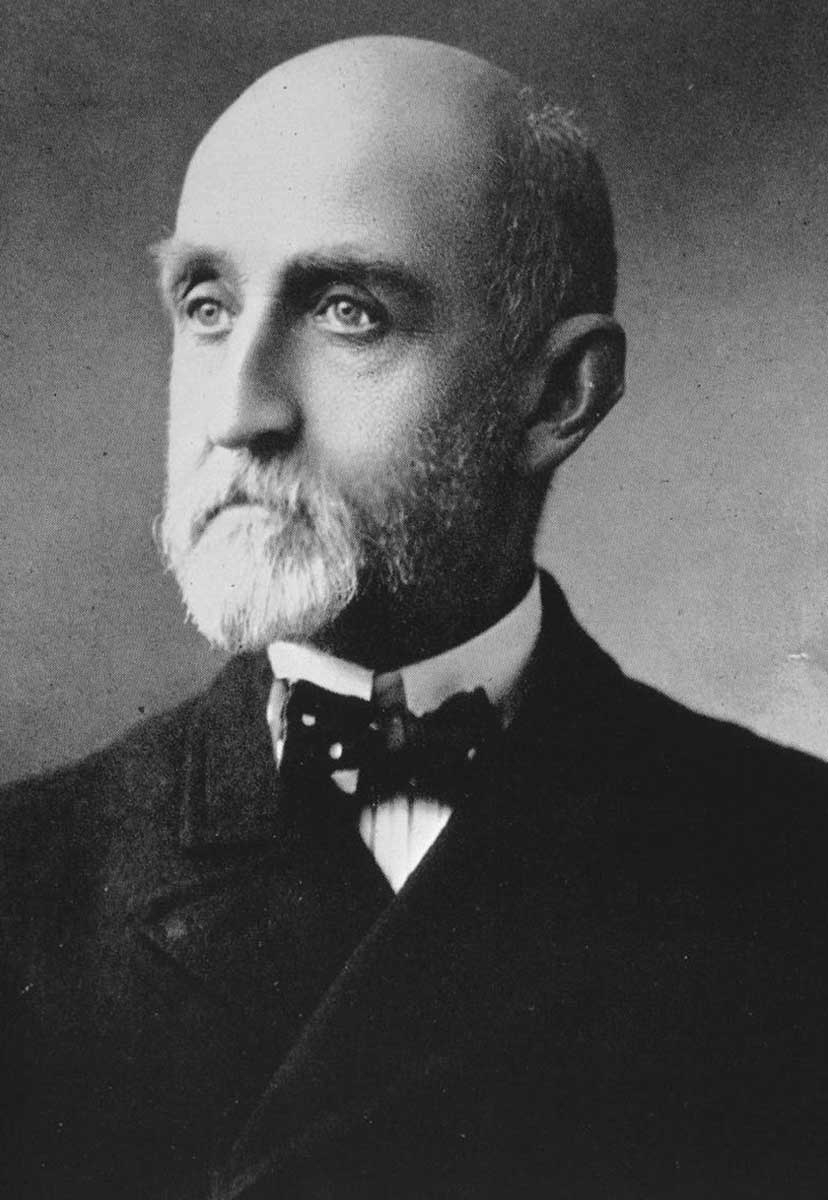
Born on September 27, 1840, Alfred Thayer Mahan was the son of a professor at West Point. He spent several years living near the campus before attending the Naval Academy at Annapolis, Maryland as an Acting Midshipman in 1856. The Academy was relatively new and senior officers had high hopes for its potential. After graduating, he became a lieutenant and was assigned duty to several surface warships on the Atlantic coast. While he had a good academic record, his sailing record proved to be poor.
When the American Civil War broke out, he served in the Union navy and was assigned duty on several ships blockading Southern ports. In November 1861, he served as executive officer aboard the corvette USS Pocahontas as it prepared to attack the Confederate stronghold at Port Royal, South Carolina. The Pocahontas was too late to join the action, and after arriving at the scene, Mahan crashed the ship into a friendly vessel. For the rest of the war, he stayed on blockade duty, a humdrum and exhausting experience for sailors that did little to improve his limited combat skills.
When the war ended, he remained in the Navy, hoping for more opportunities for promotion. In 1872, he was finally granted command of the USS Wasp, his first time captaining a vessel. He continued to captain ships as his naval career progressed, but his time in command continued to be marred by poor seamanship. He engaged in very little combat after the Civil War ended and despaired of his career prospects.
President of the Naval War College
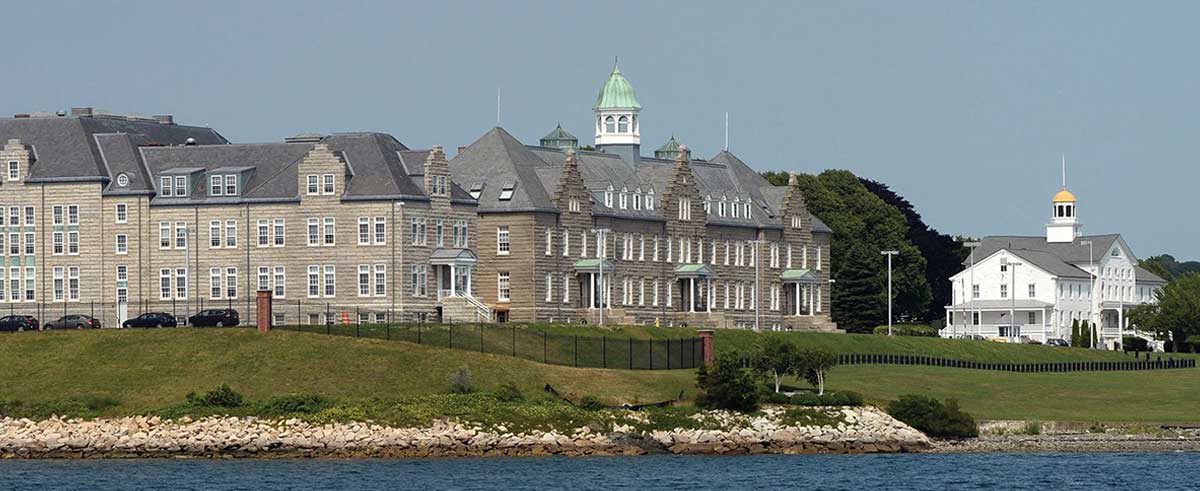
In October 1884, Rear Admiral Stephen Luce took over as the president of the newly established Naval War College in Newport, Rhode Island. The desire to expand teaching on naval matters beyond the academy influenced American policymakers. Wargaming and strategizing became a major part of the College’s curriculum. Luce admired Captain Mahan, whom he had met before taking over as president of the College. In 1886, Mahan joined the staff to lecture on naval strategy.
Being a lecturer was far more comfortable for Mahan than commanding a ship at sea. Mahan was an avid reader of history and sought to use naval history as a point of analysis when formulating his ideas. Later that year, Luce was ordered back to sea and Mahan took over as president of the College. It was in this capacity that he wrote his first and most widely-read book: The Influence of Sea Power upon History, 1660–1783. This book focused on the history of British sea power and how the Royal Navy helped turn Britain into one of the world’s most formidable empires. He complemented it with a book on French sea power and its influence on France’s empire-building project.
The Influence of Sea Power upon History noted that Britain lacked all the resources it needed to fuel its economy. Therefore, it relied on naval power to open markets. As the US economy struggled in the 1890s following the Panic of 1893, Mahan and others supported the idea of forcing open new markets abroad to stimulate the US economy.
Mahan, TR, and the Spanish-American War
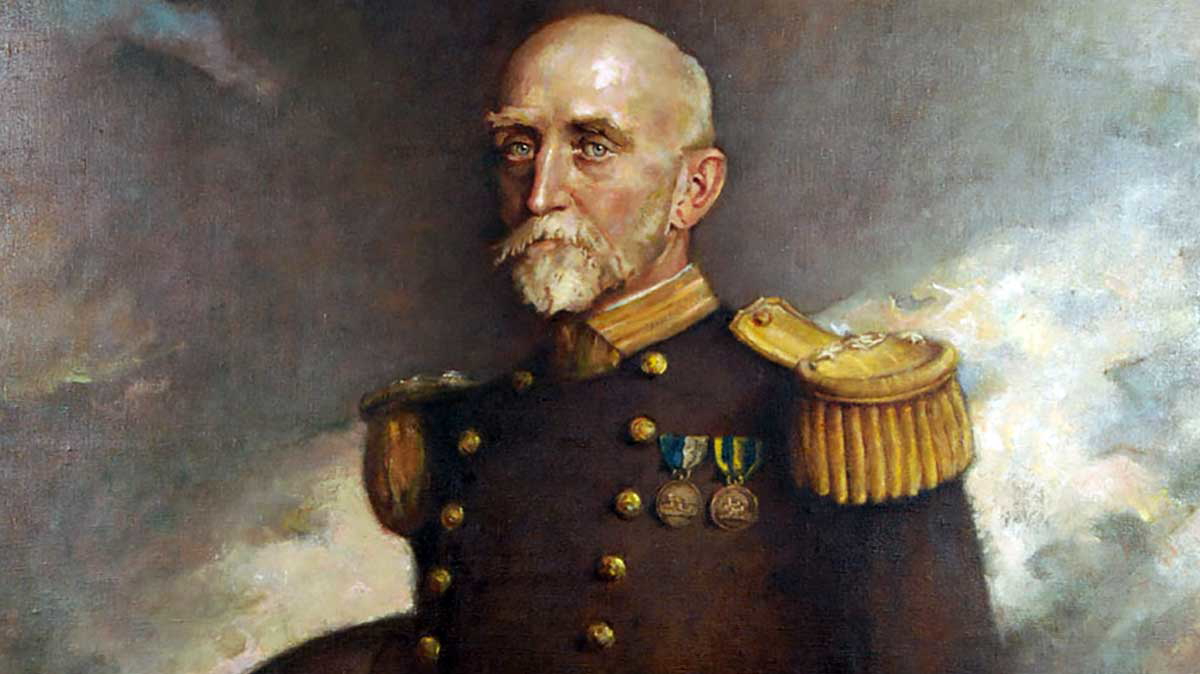
A couple of years before he wrote The Influence of Sea Power, Mahan met with Theodore Roosevelt. Roosevelt, then a member of the Civil Service Commission, was also interested in naval history. He wrote a book on the naval component of the War of 1812 against the British and had become convinced that the United States could only survive with a strong navy. Mahan made a major impression on Roosevelt and contributed to TR’s beliefs that a stronger navy was essential if the United States were to become a major player on the international stages.
In 1897, TR was made Assistant Secretary of the Navy to the McKinley Administration. While he was not a prominent cabinet member, he effectively took charge of naval policy, writing war plans with European countries, reinforcing the American fleet in the Pacific, and encouraging the White House to pursue more assertive policies. At this point, Mahan had returned to active service and served as a strategic advisor to inform how the United States would approach a potential war with Spain. The war duly broke out in 1898 after the USS Maine exploded in Havana Harbor in Cuba.
The war was most famous for the exploits of American troops in Cuba, Puerto Rico, and the Philippines. However, it was the Navy that made these victories possible. Right before he resigned, Roosevelt ordered Commodore George Dewey’s Asiatic Fleet to attack the Spanish at anchor in Manila harbor. The battle was a resounding American victory. Subsequently, they destroyed the Spanish fleet in Cuba and assisted in the landing of American troops on the archipelago.
Mahan and the Evolution of the US Navy
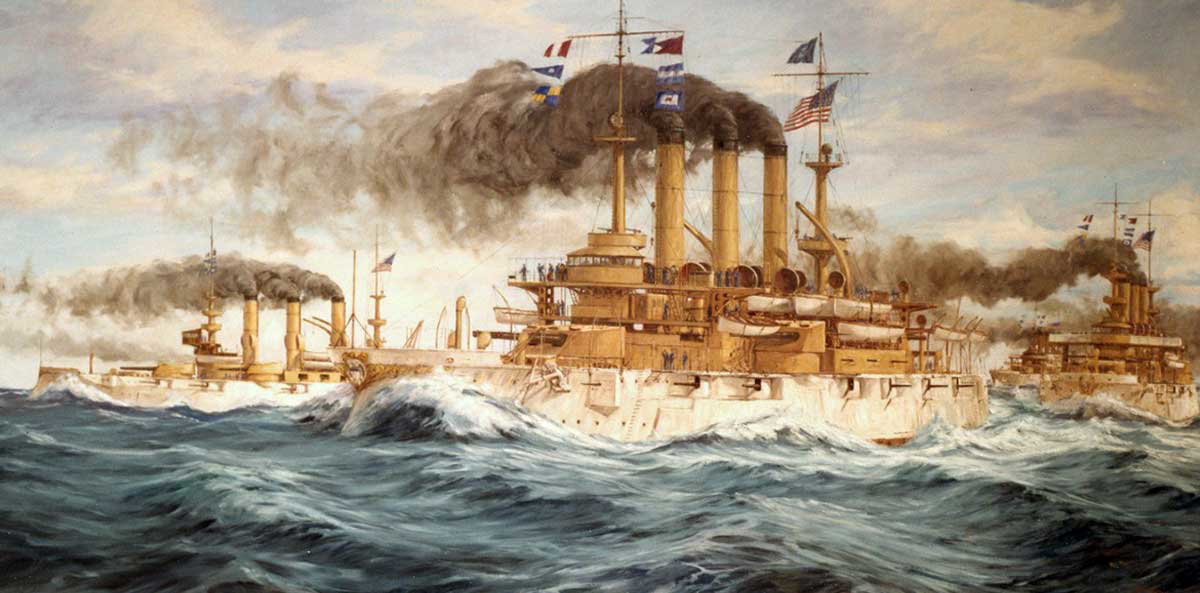
During Mahan’s time at sea and at the Naval War College, the US Navy underwent a major transformation as a fighting force. Throughout American history, the Navy was a small but professional force. While it was capable of protecting America’s coastline, it was too small to project force abroad like the British Royal Navy. During the American Civil War, the fleet increased in size in order to blockade the South as part of General Winfield Scott’s Anaconda Plan. After the war, it retained many of its ships but scrapped others due to budget cuts.
In the 1870s, the Navy faced a major crisis with the economic downturn after the Panic of 1873 and increased tensions with Europe. During the early 1880s, President Chester Arthur decided that the Navy needed a major refurbishment. By the time the US went to war with Spain, the Navy had 160 vessels active, making it one of the largest navies in the world at the time. Its performance in battle demonstrated that the naval rearmament program was a success.
Although Mahan had retired from active service in 1896, he continued to follow naval affairs with interest. He continued his correspondence with TR, who became president after McKinley’s assassination in 1901. In 1907, Roosevelt ordered the US Navy to send a squadron of 16 battleships around the world for 14 months, exemplifying his Big Stick Policy. The Great White Fleet was Mahan’s dream: America showing force with its fleet.
Mahan’s International Influence
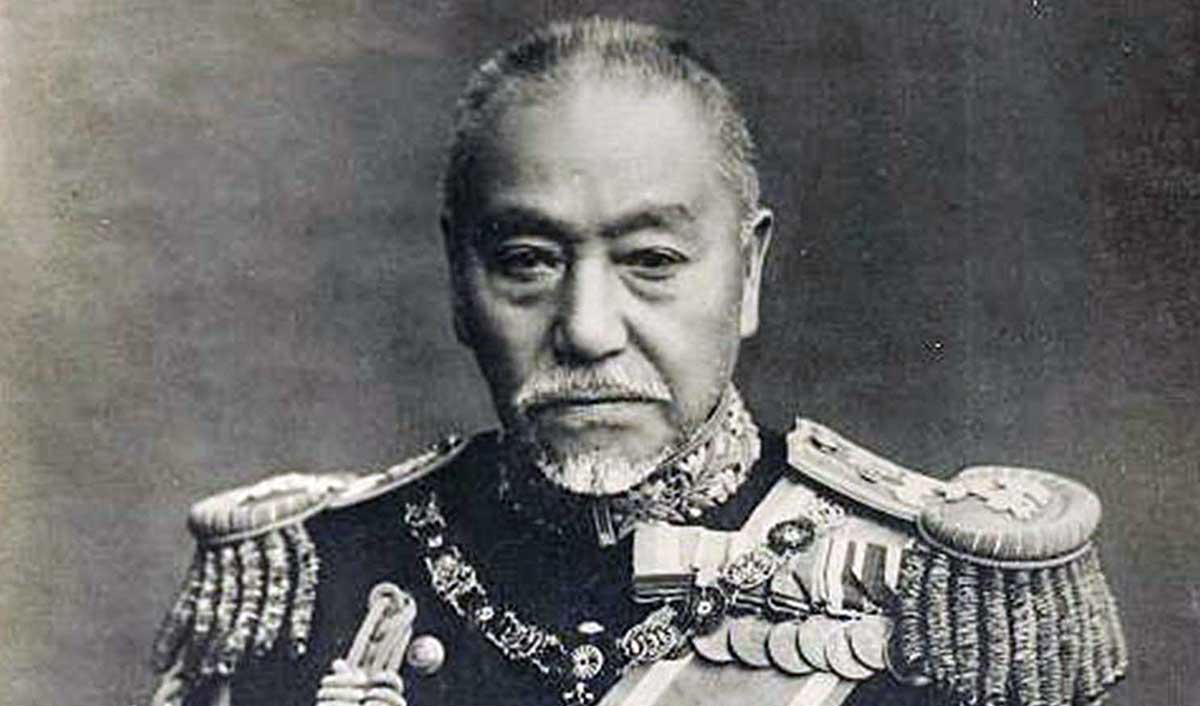
Mahan’s theories did not just impact American policymaking; it reverberated around the world. Observers in Germany and Japan were particularly influenced by his writing. Japanese maritime thinkers of the time, such as Akiyama Saneyuki, Satō Tetsutarō and Katō Kanji, were profoundly influenced by Mahan and used his conceptions to further the growth of the Imperial Japanese Navy and forge government policy. Tokyo modeled its navy on the British, who had influenced Mahan’s thinking.
When Japan went to war with Russia in 1904, one of its priorities was destroying the Russian navy. In February 1904, the Japanese Navy launched a surprise attack against the Russian Pacific Fleet at anchor in Port Arthur. In late 1904, Tsar Nicholas II dispatched his Baltic Fleet around the world to relieve the blockaded fleet. Port Arthur fell in December 1904, and in May 1905 the Japanese Navy devastated the rest of the Russian Navy at Tsushima. This battle was fought exactly in line with Mahan’s theory of destroying the enemy fleet and its ports. Japan’s naval commander, Admiral Tōgō Heihachirō, credited Mahan with his strategy. Over three decades later, Admiral Yamamoto Isoroku was also inspired by Mahan’s strategic ideas when planning the Pearl Harbor attack.
Germany also admired Mahan’s theories. Mahan predicted that Germany would grow its strength on land and at sea. Admiral Alfred Tirpitz was ordered by Kaiser Wilhelm II to create a major fleet. He followed Mahanian principles and prepared German war plans for a decisive battle against the British or French. The naval arms race that began in the late 1890s increased international tensions in the lead-up to the First World War. However, the tactically inconclusive Battle of Jutland in 1916 enabled the Royal Navy to maintain control of the North Sea.
The Legacy of Mahan’s Work in America
On December 2, 1914, Mahan died of heart disease at the US Naval Hospital. He believed that America’s involvement in WWI was inevitable and was concerned that America’s foes were gaining an advantage over the United States at sea. After his retirement from active service, he was promoted to rear admiral and worked with the Department of Historical Research at the Carnegie Institution. The respect he gained for his promotion of American naval power lasted long beyond his death.
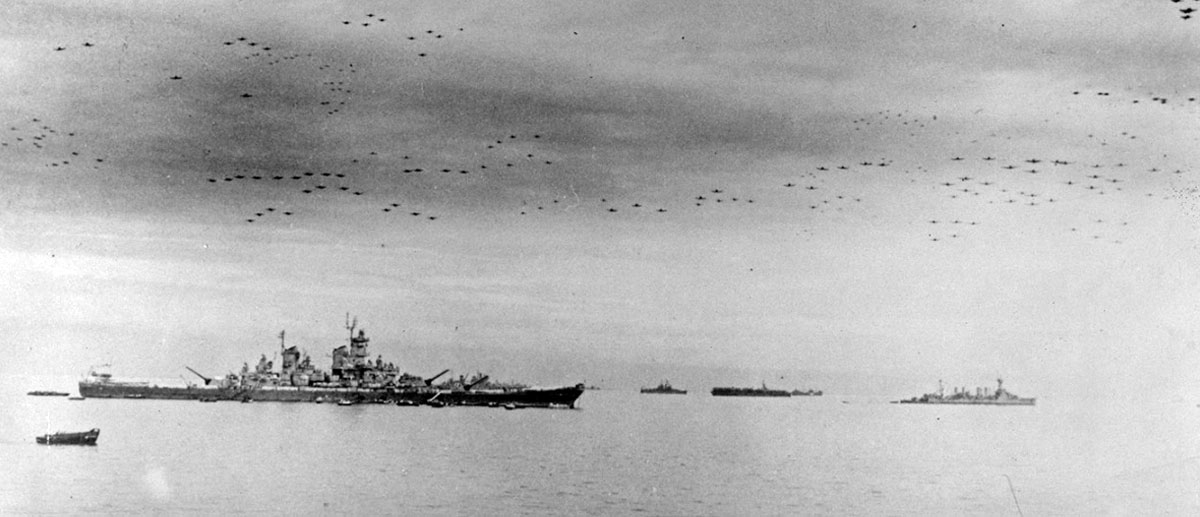
Throughout the rest of the 20th century, the US Navy grew in size and acquired new capabilities. It prioritized a doctrine of overwhelming strength and a link of overseas bases, such as Hawaii, that could ensure its ability to operate anywhere around the globe. During WWI, the Navy had 2,000 ocean-going vessels of all types and 600,000 sailors available on its rosters. While this number decreased during the interwar period, the Navy still remained one of the most potent branches of the American military.
America’s navy would become a goliath during the Second World War in line with Mahanian principles and the Olympian ambitions of Admiral Ernest King. By 1945, 6,768 ships were in active service and 3.4 million sailors were on the rolls. This was the largest fleet in history and it also marked the first time that the US Navy became the dominant naval power at sea. The US Navy continues to operate a major fleet with some of the most advanced warships in history. While Mahan never saw this growth, he predicted America’s naval future to the letter.