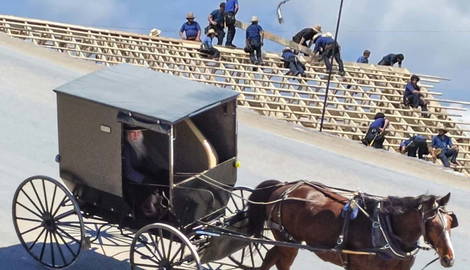
The Amish are a unique Christian group known for their simple living, rejection of modern technology, and strong community values. They grew from the Anabaptist movement in Europe during the 16th century and settled in North America in the 18th century, primarily in Pennsylvania, Ohio, and Indiana. Their religious beliefs guide their way of life and emphasize humility, hard work, and separation from mainstream society. Their horse-drawn buggies, plain dress, and self-sufficient farming make them stand out in contemporary society.
Origins of the Amish
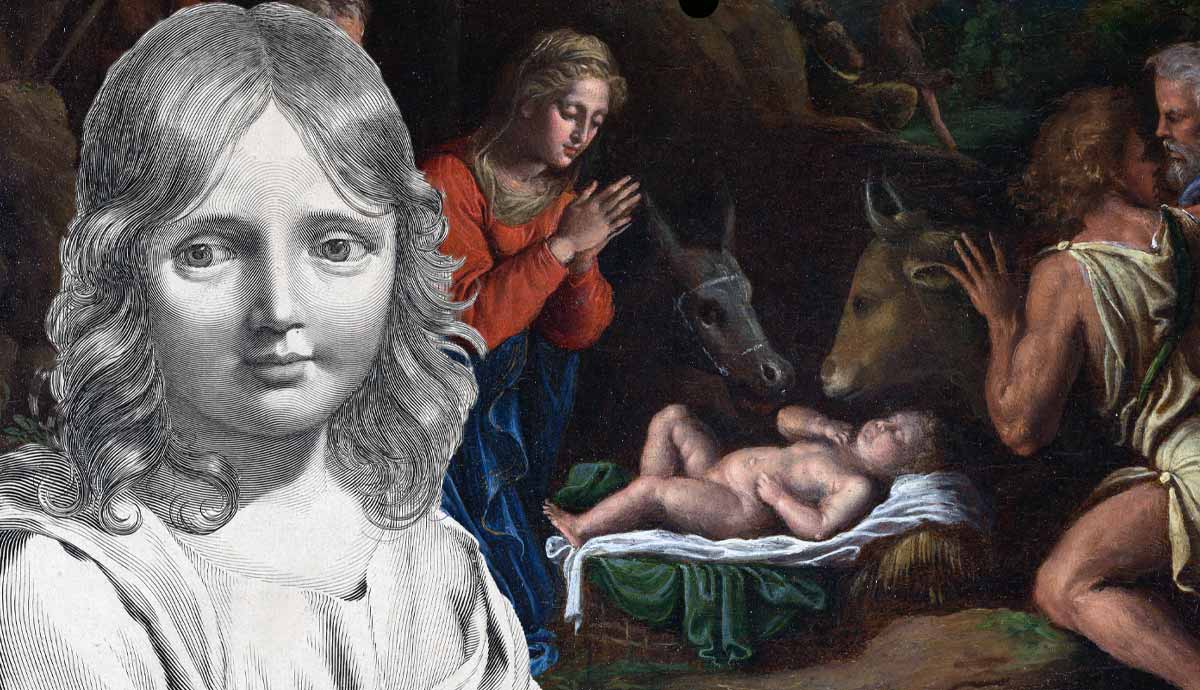
Anabaptist is a term that derives its origin from two Greek words: the prefix ana- which means “re-” or “again,” and baptizein, “to baptize.” The Catholic and Protestant authorities gave the name to a movement that promoted the baptism of adults, which they considered rebaptism since they had been baptized as children.
The Amish developed from the Anabaptist Movement of 1525 that embraced the Reformation of the 16th century. The Anabaptists rejected infant baptism and lived in close-knit communities, following a strict, literal interpretation of the Bible. It resulted in a distinct lifestyle that set them apart from other Christian groups. Because of their peculiar way of living, European people tended to persecute them and drove them to select more secluded places to reside. This exacerbated the stigma.
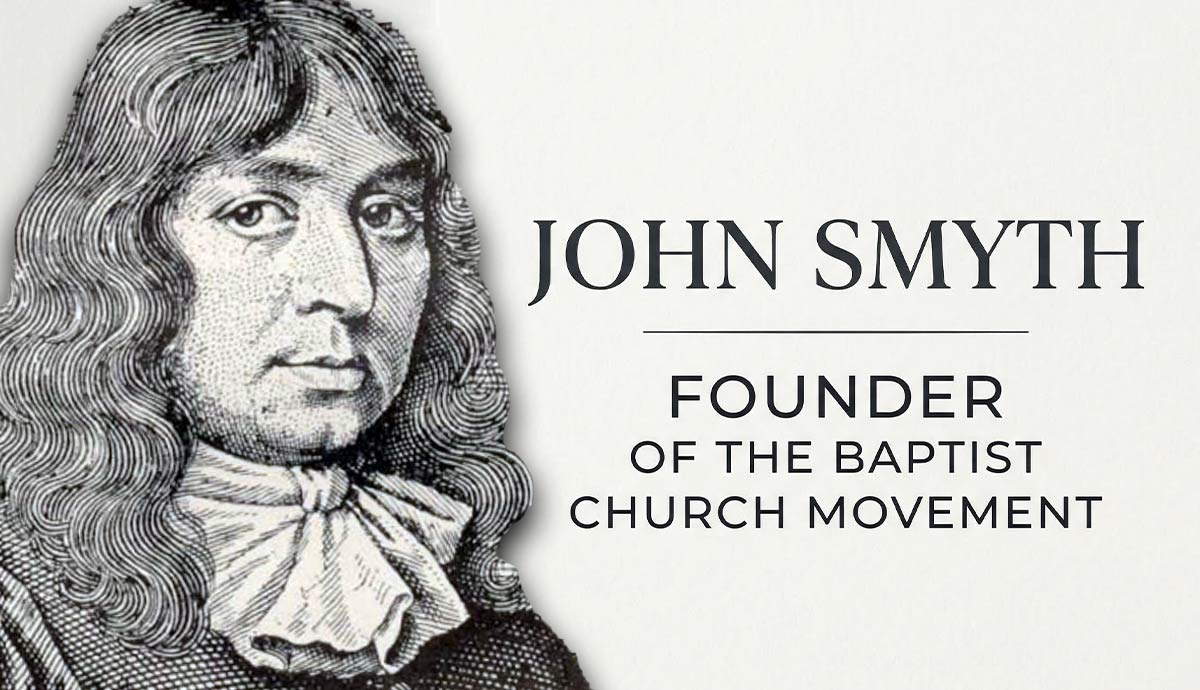
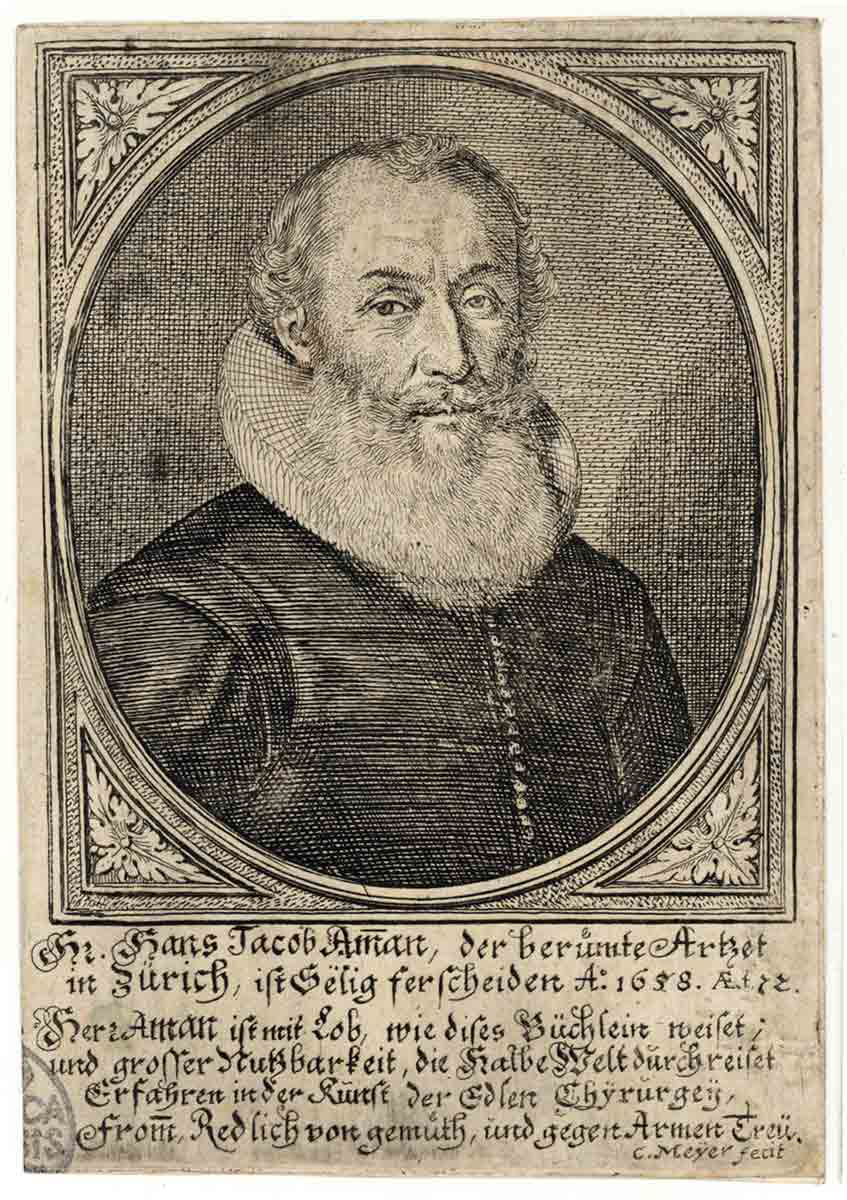
Jakob Ammann was a Swiss Anabaptist leader who was part of the Swiss Brethren that gave rise to the Mennonites. He advocated for stricter discipline among the Mennonites. Hans Reist defended an opposing view, and when he did not attend a second meeting to discuss the matter, Ammann excommunicated him and several other ministers and leaders. The conflict eventually resulted in a schism that led to the establishment of the Amish community, named after Jakob Ammann. The Anabaptists split into primarily three sects: the Mennonites, the Amish, and the Hutterites.
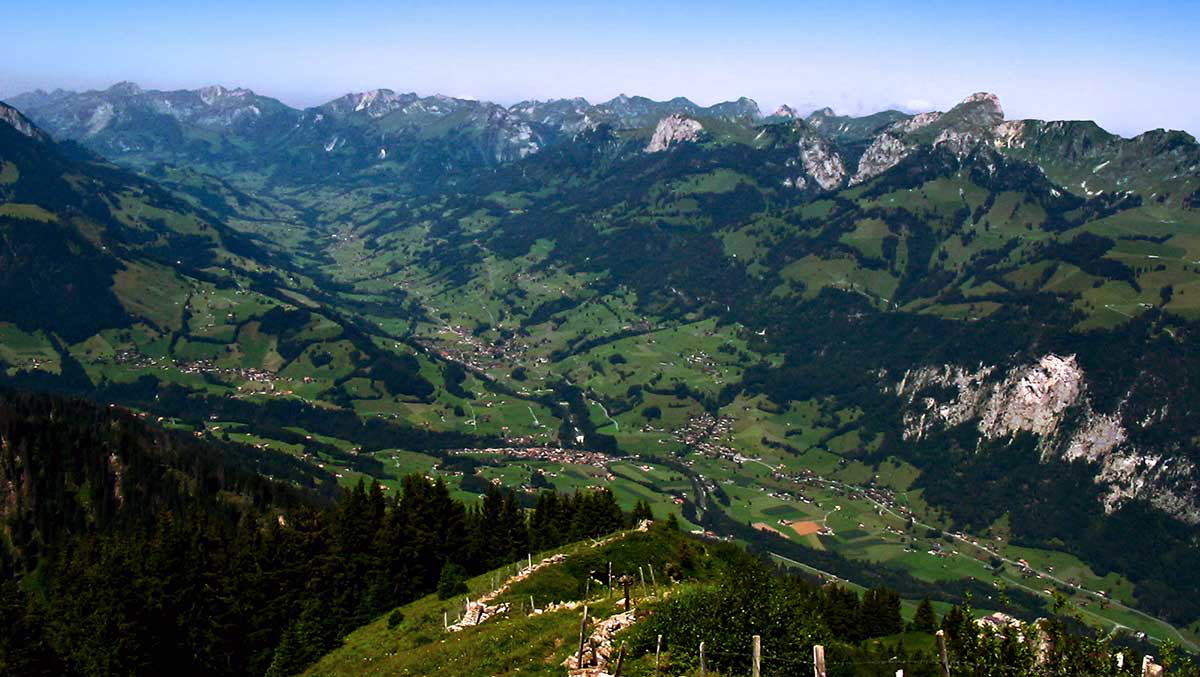
The Amish were from central Germany and the Netherlands and spoke a high German and Franconian dialect. The ostracization and persecution of many Christian groups that sprang from the Reformation caused them to look to the New World for an escape. Some Amish people from Europe settled in the British colonies of North America in the early 1700s and tended to live in frontier communities.
Many Amish families settled in Pennsylvania due to the welcoming attitude of William Penn, who was not Amish himself but played a significant role in establishing the Quaker denomination. Penn’s policies on religious tolerance in Pennsylvania made it an ideal haven for Mennonites and the Amish. Hans Tschantz was instrumental in establishing Amish communities, particularly in Lancaster County.
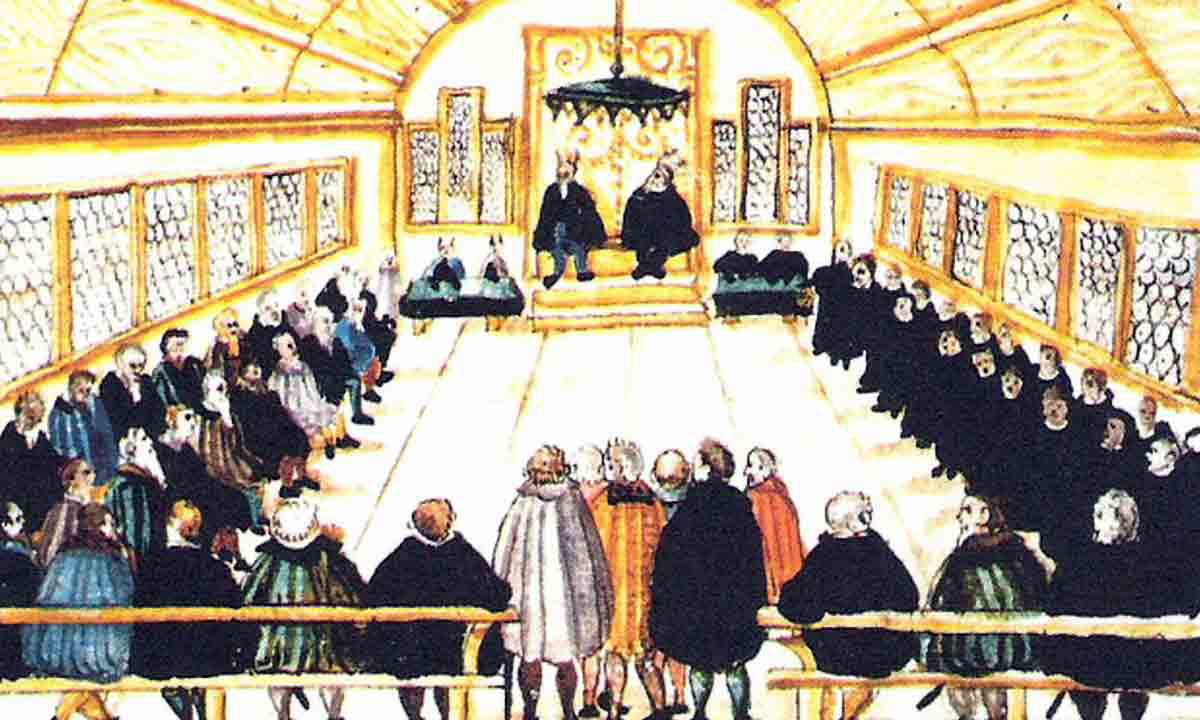
The Amish had much in common with the Pennsylvania Quakers. The Amish do not take up arms or engage in politics because of their religious beliefs, making them pacifists and conscientious objectors. The Amish, therefore, did not take part in the American Revolution or other conflicts in American history.
Because of their closed and close-knit communities, the Amish retained their European language, which developed into what is commonly referred to as Pennsylvania Dutch. The Amish chose not to embrace modernization as America quickly became the hub for industrialization and the development and implementation of new technologies. Instead, they viewed these new technologies as a potential evil that would undermine their strict adherence to Biblical principles.
Initially, the Amish tended to live in purely agrarian societies but with the increased demand for and cost of farmland, they diversified into carpentry, construction, and crafts. These industries align with the Amish focus on manual labor.
The Amish lifestyle is a choice, and the Amish community affords young members during their teens, usually between the ages of 16 and 18, an experience of life outside their community before expecting a commitment to their traditional way of living. In Pennsylvania Dutch, the Amish call this practice rumspringa, which means “running around.” During rumspringa, teens can experience driving a car, using technology, and socializing with non-Amish peers. Some Amish youth choose not to return to their way of life after this experience.
General Beliefs
The Amish have much in common with other Christian churches as far as faith and practice are concerned. The Amish believe the Bible is the inspired word of God and hold it as the foundation for faith and practice. Their interpretation of the Bible is more literal than most other denominations as will become evident when we discuss their distinct beliefs.
The Amish believe in salvation by grace through faith. They believe Jesus Christ is the promised Messiah who became a man and died for the salvation of mankind. They believe Christ is one of the persons in the Trinity. They believe in an eternal afterlife that is spent in either Heaven or Hell.
The Amish believe in adult baptism, as many Protestant denominations do. Marriage is a lifelong commitment in Amish communities, and divorce is not allowed. Private and corporate prayer feature prominently in Amish life, and communities gather on Sundays to worship together. They enjoy singing hymns though they do not use musical instruments in worship.
Distinct Beliefs

Unlike other denominations, the Amish do not focus on evangelism. They do not attempt to convert others to their way of living, and few outsiders have successfully integrated into Amish societies. They tend to believe one is born into Amish life.
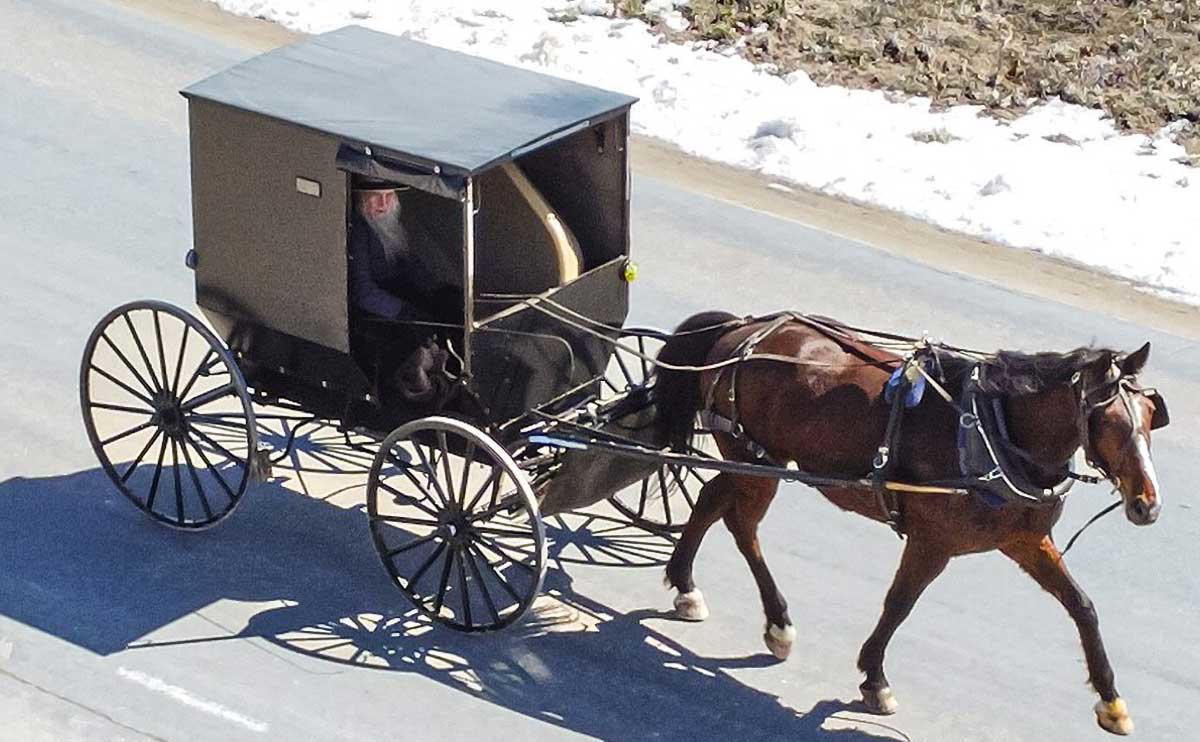
Their literal interpretation of the Bible, especially Romans 12:2, is why they live simplistic, distinct lifestyles. The Amish generally shun technology such as computers, smartphones, and electricity, believing it presents temptations that are not conducive to spiritual well-being. They do not use motorized transport and are easily recognizable in their horse-drawn buggies. They also embrace simplicity in dress and living and choose to perform manual labor rather than using machinery when manufacturing goods or working the land.
Where necessary, they may hire outsiders to perform tasks that are essential in contemporary society but that fall outside of what they permit in their society, such as driving a vehicle or creating an online presence. Each community can evaluate for themselves which technologies they will allow. The criteria are how the technology impacts the family, humility, and hard work.
Because of their simple lifestyle, the Amish see no need for higher education, and their schools only provide the basic education needed for their lifestyle. Children go to school up to the age of 13 or 14. Scholastic education stops at the 8th grade.
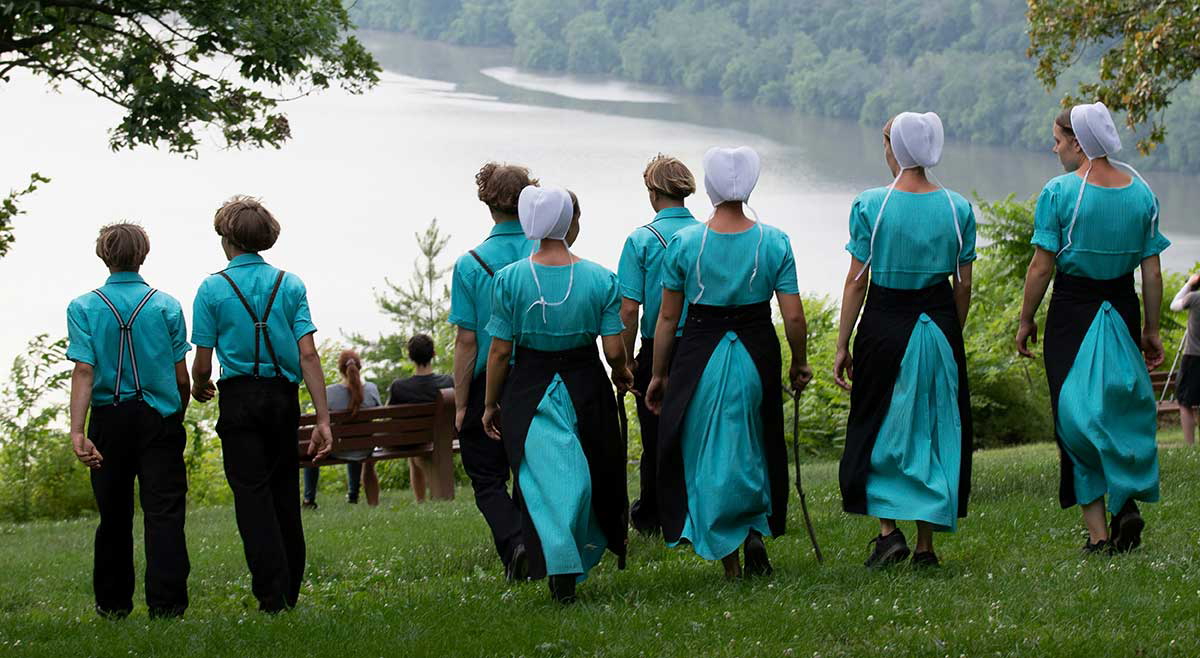
Their lifestyle shows they believe in a Christ-like life dedicated to worship, mutual support, and humility in everything they do.
Strict observance of community rules and regulations apply. Once a member breaks Amish principles and rules or rejects the faith, the church leaders warn the erring member and encourage them to correct their behavior. If the person in error is unrepentant, the church community votes on their shunning (meidung). Shunning results in social and religious isolation, even by family members and spouses. When the community shuns a person, they limit communication with that person to what is absolutely necessary. Shunning ends when the offending individual repents and asks for forgiveness. Afterward, the community fully reinstates the offending party.
Amish children may play with dolls, but the dolls have no faces. This approach prevents vanity and some claim it would violate the biblical teaching not to make graven images if they did have faces. It also aligns with their belief in simplicity and avoiding unnecessary decoration.
Structure

The Amish have no educational requirement for ministers and, therefore, no seminaries. Each community chooses its ministers, deacons, and bishops. Because of their focus on humility, they do not consider holding such offices an honor. It is an unpaid position that is accompanied by a lot of responsibility. The appointment as a minister is generally a lifelong service. New ministers are chosen when a previous minister dies, or a community grows so big that it has to divide.
A community leader announces the imminent selection of a new minister a couple of weeks prior to a communion service. There is no discussion or campaigning to become a minister, and the nomination process takes place after the service. Anyone who receives more than three votes is a candidate and the one who draws the hymnal with a slip of paper with a verse on it is the one God chose to be the next minister.
The community selects deacons and bishops in the same manner. Among the Amish, a deacon is responsible for practical matters such as financial aid to members, finances, and ensuring members follow the Ordnung (church rules). A bishop is the highest authority in an Amish district. He is responsible for communion, baptisms, discipline, and overall leadership.
The Amish have no central governing body. Each district has complete governance of its own affairs, though bishops meet once or twice annually to discuss matters affecting Amish communities. At these Diener Versammlungen (Bishops’ meetings) they attempt to gain consistency among Ordnung. No bishop outranks another or has authority over other districts. There is no uniform code among the Amish due to differences in Ordnung. Some groups are stricter while other groups are more lenient in how they practice their faith.