
Jim Jones, one of history’s most infamous cult leaders, founded the People’s Temple in the 1950s and 1960s, exploiting America’s racial and socioeconomic inequalities. His racially integrated church offered hope through Marxist-laden preaching, drawing a devoted following who viewed him as a Messiah figure. Jones convinced members to surrender their wealth, which funded “Jonestown” in Guyana. Remembered for orchestrating a mass suicide of over 900 people, his rise was rooted in theological manipulation, blending social justice rhetoric with authoritarian control and unorthodox doctrine—ultimately leading to tragedy.
Jim Jones’s Theology: Syncretism and Socialism
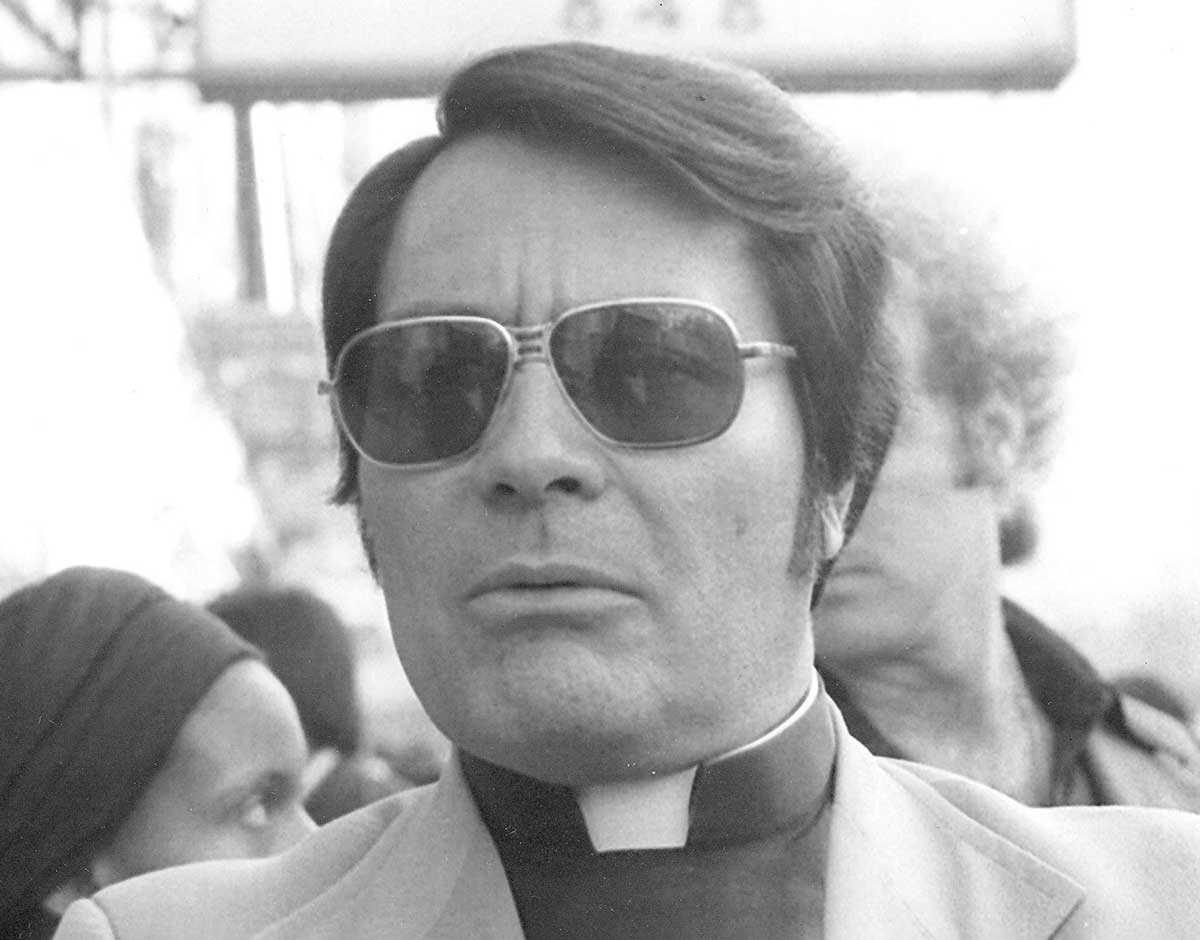
Jim Jones, misrepresented by some as a Christian preacher, orchestrated the Jonestown tragedy through a blend of manipulative ideologies far removed from orthodox Christianity. While he cited religious figures like Jesus and Buddha, Jones reinterpreted them to align with his socialist ideals, forming a syncretic belief system. His teachings emphasized salvation through communal living and eradication of individualism, akin to certain Liberation Theology movements. Unlike the voluntary communal sharing described in Acts 2:42-47, Jones made it compulsory, enforcing a distorted version of socialism.
Such a theology—the study of the nature of God and religious belief—is foreign to the Christian mind. Orthodox Christianity rejects such theological blending. It teaches that salvation is by grace (Ephesians 2:8-9). Christianity affirms Jesus as the sole way to salvation (John 14:6) and opposes deifying figures beyond Christ. Jones, in contrast, declared himself the embodiment of Jesus, Buddha, and Lenin, using these claims to elevate his authority. His approach to religion was pragmatic and self-serving, exploiting faith to gain power and wealth, as evidenced by his strict control over his congregation and their resources.
His allowance of mass suicide reflected his disregard for Christian teachings, where life is sacred, and suicide is condemned. Jones’s rejection of Christian orthodoxy, combined with his manipulative use of religion, underscores the tragic departure of Jonestown from authentic Christian principles, resulting in one of history’s darkest cult-driven atrocities. But this doesn’t simply stop at Theology. The eschatology of Jim Jones reveals his reason for establishing Jonestown in the first place.
Jim Jones’s Eschatology: Power, Prophecy, and Promised Lands
Prior to any discussion on Jim Jones’s eschatology, one ought to explain what eschatology is. Eschatology is the study of the end times and “last things.” The Eschatological views of Christians vary significantly. Some Christians are pre-millennial, which means that they believe humanity is currently living in the time before Christ’s millennial reign over all the Earth (Rev 20:3). They believe that the world will continue to get worse and worse until Christ returns.
There are other Christians who assert that Christ is already reigning spiritually in a non-literal one-thousand-year period in Heaven and that mankind is currently experiencing the reign of Christ, though it will be periodically filled with suffering and victory. These are the amillennialists.
Finally, there are those who claim that the world will continue to get better and experience a long period of Christian supremacy before Christ returns: the post-millennialists. While these three camps would differ in their beliefs about the when of Christ’s return, it is very clear that the focus of each eschatological view is Christ and his salvation of his Church and the world by his return. To put it bluntly, this is not the same as Jim Jones’s eschatology.
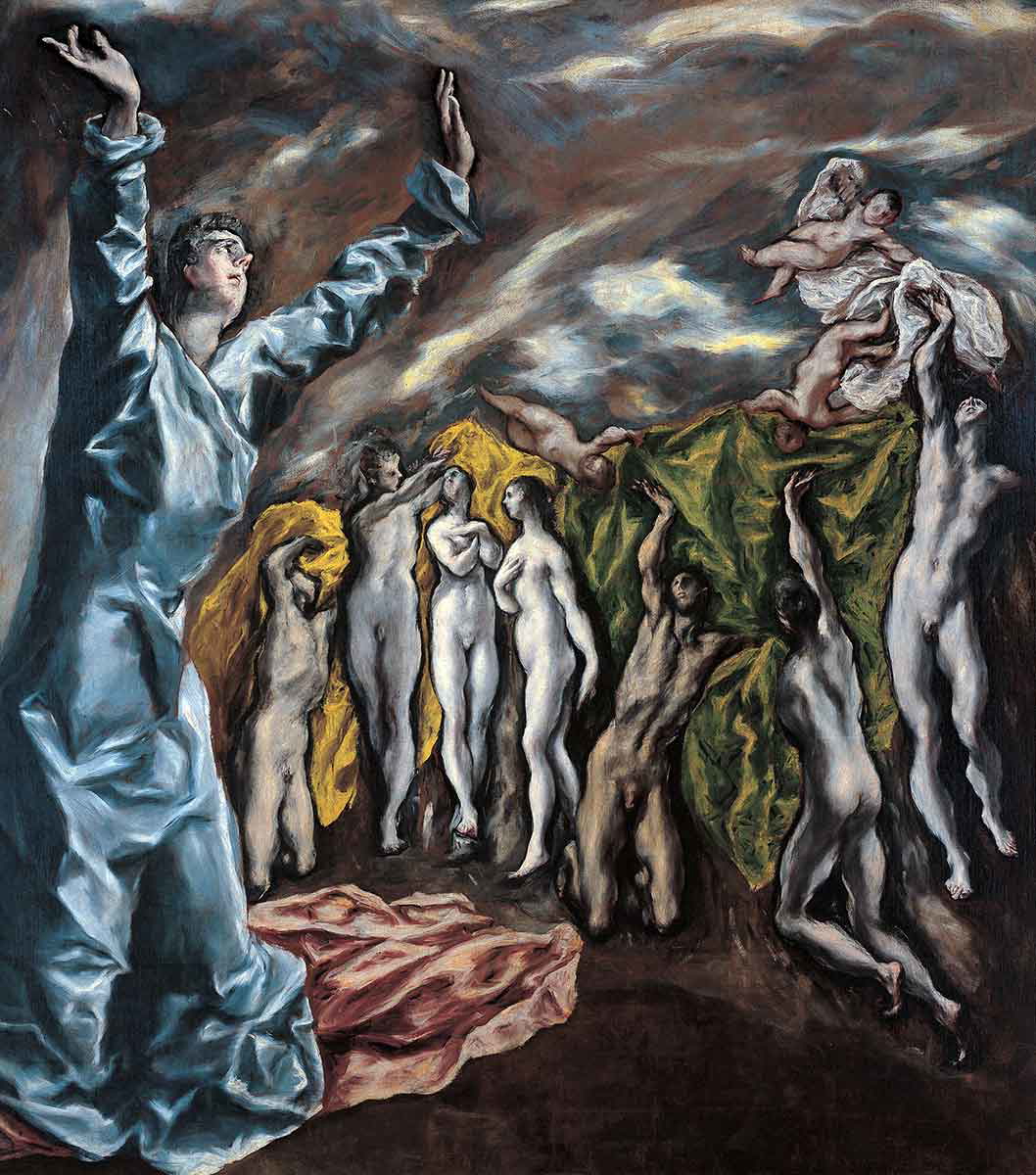
While Jim Jones did share in the premillennialists’ sentiments about the impending doom of the world and its worsening state in terms of war and “hearts growing cold” (Matthew 24:12), he departs in terms of his general disregard for the return of Christ and the remaking of the whole world.
What did Jim Jones focus on as the salvation for the Church and the world? Well, he didn’t really care for the world and assumed that mankind would die due to nuclear war and race riots. This is why Jim Jones felt a need to buy up land to create a home for his people. No, not a land for the whole Church. Jim Jones believed that this Promised Land, akin to a New Jerusalem in Revelation (Rev 21:9-27), was only for his followers and would be a haven for them while the outside world was ravaged by a nuclear winter.

It would be only by the survival and expansion of this socialist utopia, “Jonestown,” that a truly perfect world would be established. No need for Christ’s return since Jim Jones saw himself as the Messiah—a belief that spread amongst his congregation due to the many false healings he performed.
Without Jesus to come back and save his church from the nations of the world, and without a divine working of God to remake all of creation in a good state, Jim Jones’s choice to make Jonestown seemed to fit. His use of suicide as an escape from the government makes sense since no expectation of a parousia or rapture was imminent. However, that still begs the question of how Jim Jones was able to convince so many followers to sell all they had and follow him as a Messiah.
Jim Jones’s Ecclesiology: Isolate, Control, and Silence

Ecclesiology examines the structure and function of the Christian church, addressing roles such as elders, bishops, and deacons, as well as church practices, authority, and outreach. Most Christians agree on the mission to spread the Gospel (Matthew 28:19) but differ on specifics like gender roles and financial priorities. In stark contrast, the People’s Temple under Jim Jones adopted an ecclesiology centered on authority, isolation, and control. Jones positioned himself as the sole authority, performing sham miracles to validate his messianic status. Unlike traditional church structures with shared leadership, his was an authoritarian regime.
Jones controlled his followers by restricting their access to external news, teachings, and family members. Viewing other Christian denominations as complicit in capitalist and racist systems, he isolated his congregation from alternative theology. His apocalyptic worldview led him to dismiss the outside world and frame family ties as irrelevant in the face of impending doom. This ecclesiological isolation primed his followers to reject external critiques and unquestioningly obey him.
Congregants were taught to delegitimize outside criticism, sever unsupportive relationships, and give their resources and loyalty entirely to Jones. This environment enabled Jones to convince over 900 followers to abandon their lives, relocate to Guyana, and ultimately consume poison in a mass suicide. By monopolizing authority and isolating his congregation, Jones created an ecclesiological structure designed for absolute control, culminating in the tragedy at Jonestown.
His manipulation of religious structure and authority underscores the dangers of unchecked power within any community. Jim Jones’s ecclesiology had primed his congregation to follow all orders and ignore all reason long before they ever took their first sip of that killer Kool-Aid.
Cultish Concoction: How These Foundations of Faith Led to a Massacre

The Jonestown Massacre, one of history’s most chilling cult tragedies, didn’t happen in isolation. On that tragic day in 1978, over 200 children were the first victims, forced to consume poison. Parents obeyed the directive of Jim Jones, their self-proclaimed prophet, even as their children died in agony. Afterward, these same parents, driven by their beliefs, followed suit. At first glance, such actions seem unthinkable, but understanding the foundational beliefs of Jones and his followers clarifies this tragic obedience.
Actions stem from beliefs, whether religious or ideological. Jim Jones instilled a worldview in his followers rooted in distorted theology, eschatology, and ecclesiology, which justified even the unthinkable:
Theology: Jones’s teachings were a blend of syncretism and pantheism, rejecting orthodox Christianity. He declared himself God’s exclusive prophet, whose commands reflected divine will. Believing their salvation depended on absolute adherence to Jones’s socialist and religious directives, his followers accepted even death as a pathway to heavenly reward.
Eschatology: Jones combined socialist utopian ideals with a distorted apocalyptic worldview. He framed Jonestown as a “New Jerusalem,” promising escape from the world’s corruption. Faced with external threats, followers viewed mass suicide as their ultimate escape from impending doom.
Ecclesiology: Jones held uncontested authority, portraying himself as Christ, Buddha, and Lenin incarnate. His commands were equated with God’s will, silencing dissent. Followers believed obedience to Jones outweighed all, including the lives of their children.
These beliefs explain why Jones’s followers sold everything, abandoned their lives, and ultimately consumed poison. The tragedy of Jonestown was not about Kool-Aid but about the catastrophic power of misplaced faith and the beliefs that shape one’s actions.