When we talk about the beginnings of democracy, we always picture ancient Athens, and rightly so. However, few imagine true collective rule with hundreds of jurors deciding the fate of each individual citizen. While most Greek city-states had courts, Athens pushed the idea of citizen-jurors to the extreme. This was democracy in its truest and most stripped-down form. Thousands of citizens were empowered to sit in judgment, not as elite magistrates or trained officials, but as equals under the law. So what did these juries actually look like? Who were the jurors, and how did the system work?
The Unusual Size and Importance of Athenian Juries
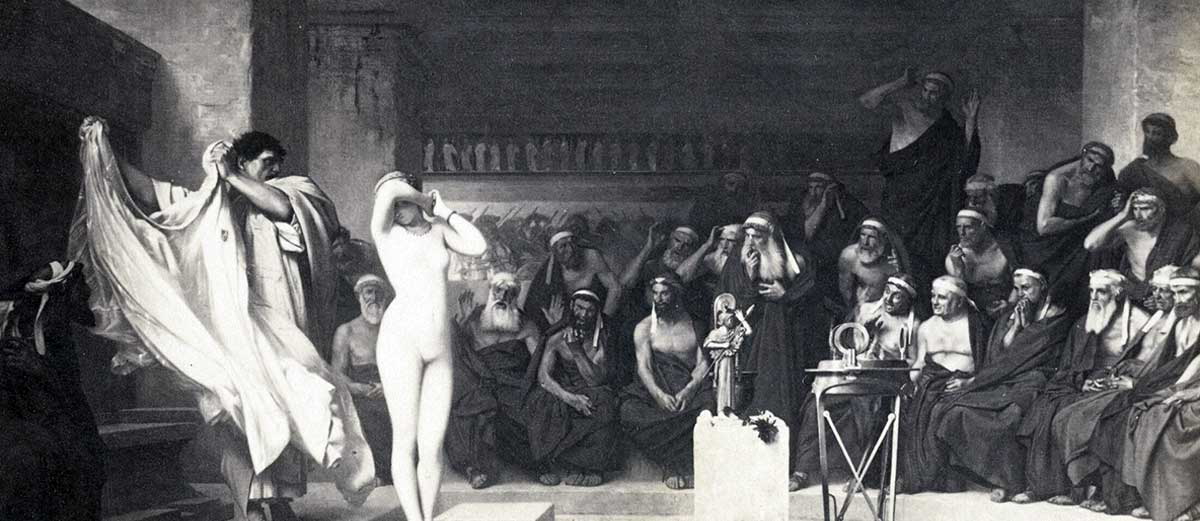
In ancient Athens, the jury was the heart of democracy. These were not small juries like in modern times. Instead, the Athenian jury could consist of hundreds, if not thousands, of ordinary citizens. This system was introduced mainly to ensure that rich and powerful people could not easily bribe jurors. The thinking was simple: no one can bribe 500 people.
The Athenians believed that decisions should be made by a large number of ordinary citizens, not by a small group of aristocrats. The large number of jurors also ensured that democracy truly reflected the will of the people, especially considering that the Athenians had no professional judges. This scale of participation turned trials into public spectacles. People gathered, discussed, and reached conclusions.
This kind of jury system first appeared in the 5th century BCE, following the leadership of Ephialtes, who stripped the aristocratic council of the Areopagus of much of its power and handed more authority to the popular courts. The system remained in place until around 322 BCE, when Athens was defeated by Macedon. After this, democracy was heavily restricted. Smaller juries and more limited citizen participation survived into later times, but the Athenian system, which had lasted about 140 years, ended.
Who Could Serve on an Ancient Greek Jury?
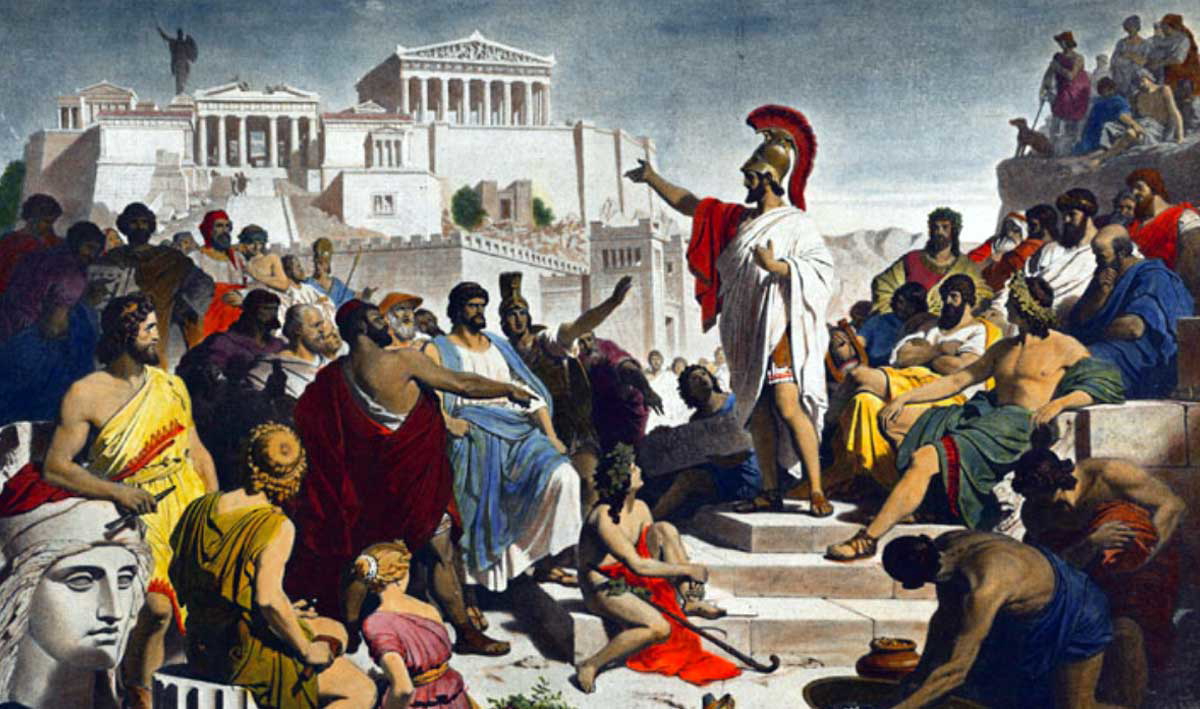
Regardless of its size, not everyone could be part of an ancient Athenian jury. Participation in the jury reflected the social and political priorities of the time. First and foremost, Athenian citizenship was required for jury service, and it could not be acquired. After Pericles’ reforms in 451 BCE, only people whose both parents were Athenians were considered citizens. This automatically excluded foreigners and newcomers, as well as children from mixed marriages.
Jurors could only be men over the age of 30. This was older than the minimum age for participation in the Assembly (ekklesia), which was 18. The Athenians believed that serving on a jury required greater life experience. In addition, a citizen had to be in good legal standing to serve. Those who had previously been punished for any kind of crime were excluded from this process due to atimia (loss of civic rights).
Aside from women, other social groups were also excluded from jury service. Most notably, slaves had no political rights whatsoever and therefore could not serve as jurors. Certain magistrates and officials were also prohibited from serving as jurors due to possible conflicts of interest.
The Kleroterion: Ancient Randomization Technology
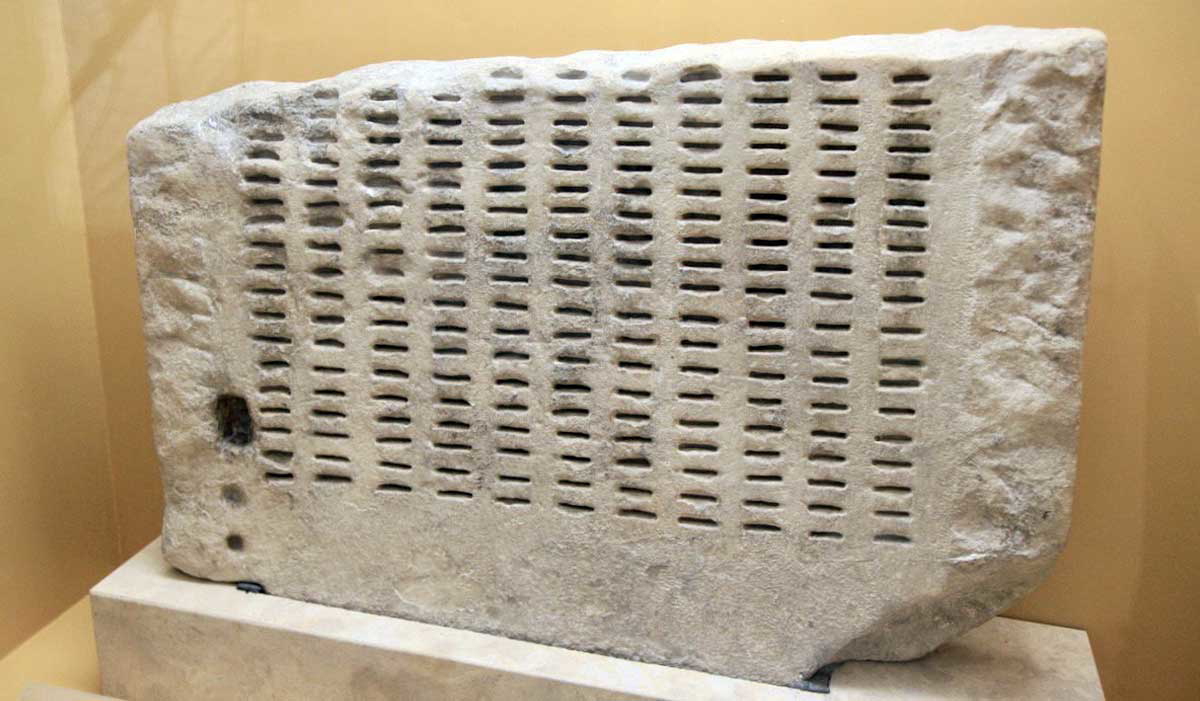
Each year, 6,000 Athenian men volunteered to serve as jurors. They registered by tribe (Athens had ten tribes), and each man received a small bronze identification card called a pinakion, engraved with his name and tribe. These pinakia served as their pass for jury selection and also helped prevent fraud.
From this large pool of volunteers, a method was needed to randomly choose 500 or 1,000 men, depending on the trial, in a way that was fair, transparent, and immune to manipulation. To achieve this, a mechanical device known as the kleroterion was invented. A stone slab with a grid of narrow slots, each slot held a pinakion, organized in columns according to the juror’s tribe. Along one side of the slab was a vertical tube that could be filled with black and white balls (kyboi). The official in charge would release the balls one by one. If a white ball appeared, the entire horizontal row of jurors was selected to serve that day. Likewise, if a black ball appeared, the row was rejected. This process continued until all required jurors had been chosen.
What Did a Day in Court Look Like for a Juror?
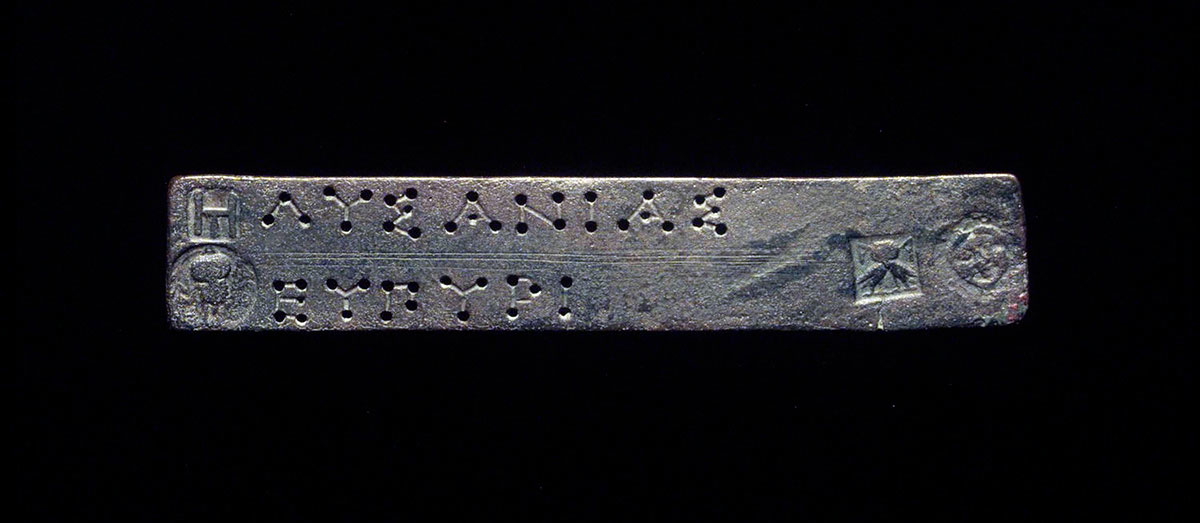
For an Athenian juror, the day was intense, structured, and full of activity. Selected jurors arrived at the courts early in the morning, often before sunrise. Upon arrival, they would present their pinakion as proof that they were indeed part of the jury, and in return, they would receive a token. Sometimes an oath was taken before the trial began, though this was not always the case. Regardless of the jury’s size, seating was not random. Each juror’s seat was assigned according to his tribe and the earlier draw from the kleroterion. It was important to maintain the same seating order throughout the trial to avoid any confusion.
There were no judges delivering verdicts, and the presiding magistrate only managed time and procedure. There were also no lawyers. Citizens represented themselves, though they could have a skilled friend or a hired speechwriter (logographer) prepare their speech. Each speaker’s time was measured by a water clock (klepsydra). Jurors listened to both sides present their arguments, supported by witnesses, documents, and sometimes emotional appeals to civic values. Cases could range from property disputes to political trials that determined the fate of leaders.
Most cases were resolved by the end of the day, and some even by midday. At the end of the working day, jurors were paid for their service. This was usually a small but significant sum known as the dikastikon, introduced by Pericles to allow poorer citizens to participate without financial hardship. Payment was collected at a designated location before the jurors dispersed.
Did Ancient Greeks Really Represent Themselves in Court?
The Athenians truly did represent themselves in court. The entire legal system was based on the idea that the voice of the citizen was the most legitimate means of defending their rights and presenting arguments.
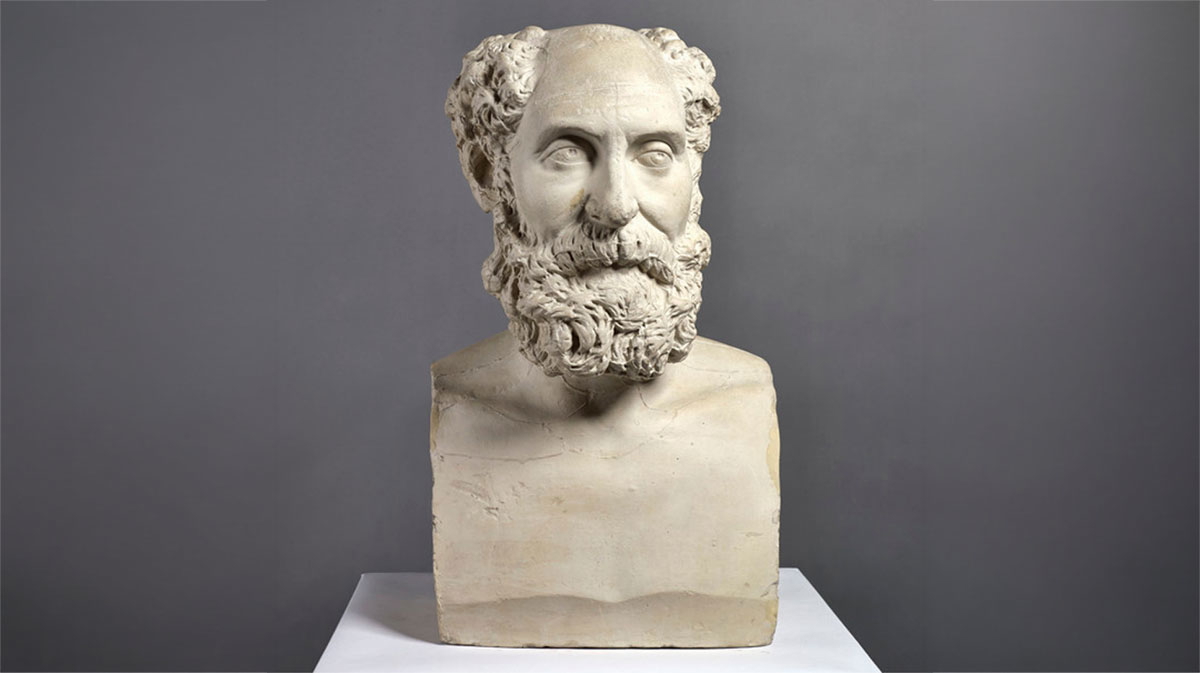
Although defendants were expected to deliver their speeches themselves, not everyone had the talent to do so. This led to the rise of the profession of the logographer, a hired speechwriter. A logographer would compose a convincing speech that the litigant would then deliver personally, as he had to speak on his own behalf. Well-known figures such as Lysias, Demosthenes, and Isaeus built their careers writing for others. One famous example is Lysias’ speech On the Murder of Eratosthenes, written for a man named Euphiletos, who was on trial for killing his wife’s lover.
Relying on someone else to speak for you was, in a sense, an admission that you could not fulfill one of the most important civic responsibilities. That is why logographers had to remain in the background. Their speeches were meant to sound like the words of the litigant, not those of an outsider.
How Did Jurors Reach a Verdict?
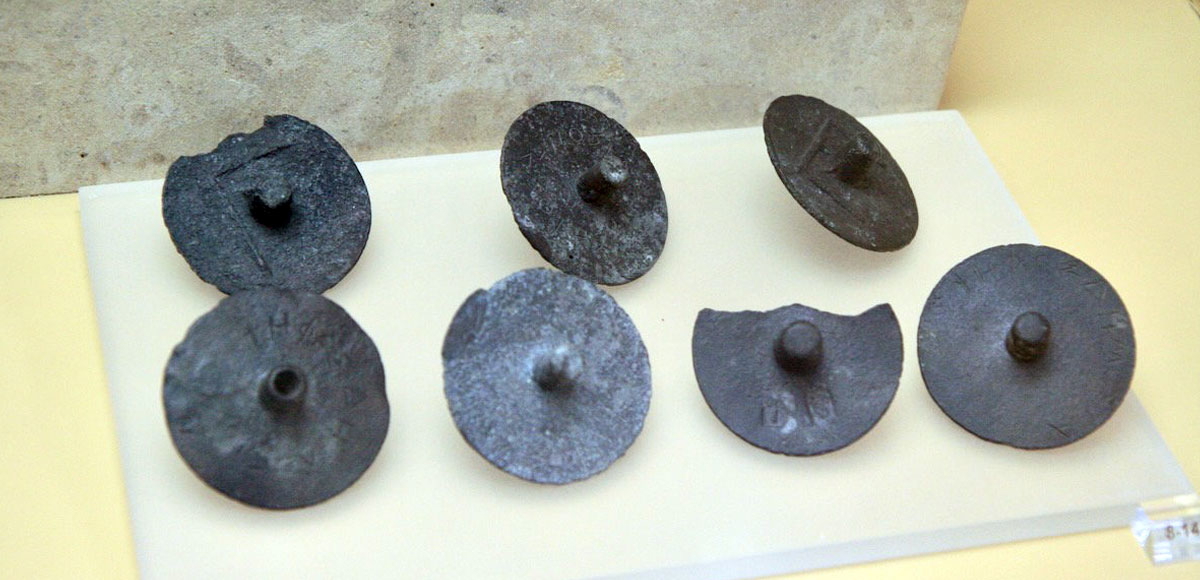
When both sides in the trial had finished their speeches, the jury could deliver its verdict. They did so immediately and publicly, not privately or through discussion. The aim was for each juror to give his own opinion and judgment without being influenced by other jurors. Voting was carried out using two bronze discs called psēphoi. One had a solid center (without a hole) and was used to declare guilt. The other had a hole and was used to declare innocence. The discs were identical in size so that no juror could know how another had voted.
Jurors placed both discs into different urns. In one, the official urn called the kerameion, they placed their actual vote, while the unused disc went into the other urn. This ensured complete anonymity in voting. After all jurors had cast their votes, court officials counted them in front of everyone. In cases of a tie, the law recognized what was called “the vote of Athena,” which meant the defendant was acquitted. The name came from the myth in which the goddess Athena cast the deciding vote in favor of Orestes during his trial for the murder of his mother.
In cases where guilt was established, a second round of voting immediately followed to determine the penalty. Both sides proposed punishments, and the jurors chose between them; they could not select a third option. The outcomes of the votes could not be appealed and were final.
Were Athenian Juries Truly Democratic or Dangerously Populist?
Could a fair verdict really be reached when decided by hundreds of individuals? The ancient Athenians believed it was not only possible but the only proper way. The sheer size and randomness of jury selection ensured that the voice of the ordinary Athenian was heard. But it also left room for voting based on emotional or other subjective reasons.
Jurors were made up mostly of laymen, not trained legal experts. Trials could turn into arenas for passionate rhetoric, personal attacks, or emotional appeals rather than calm consideration of evidence. Without the requirement for jurors to deliberate together, decisions were often made quickly, sometimes within a few hours, and could be influenced by skilled speakers who knew how to sway public opinion.
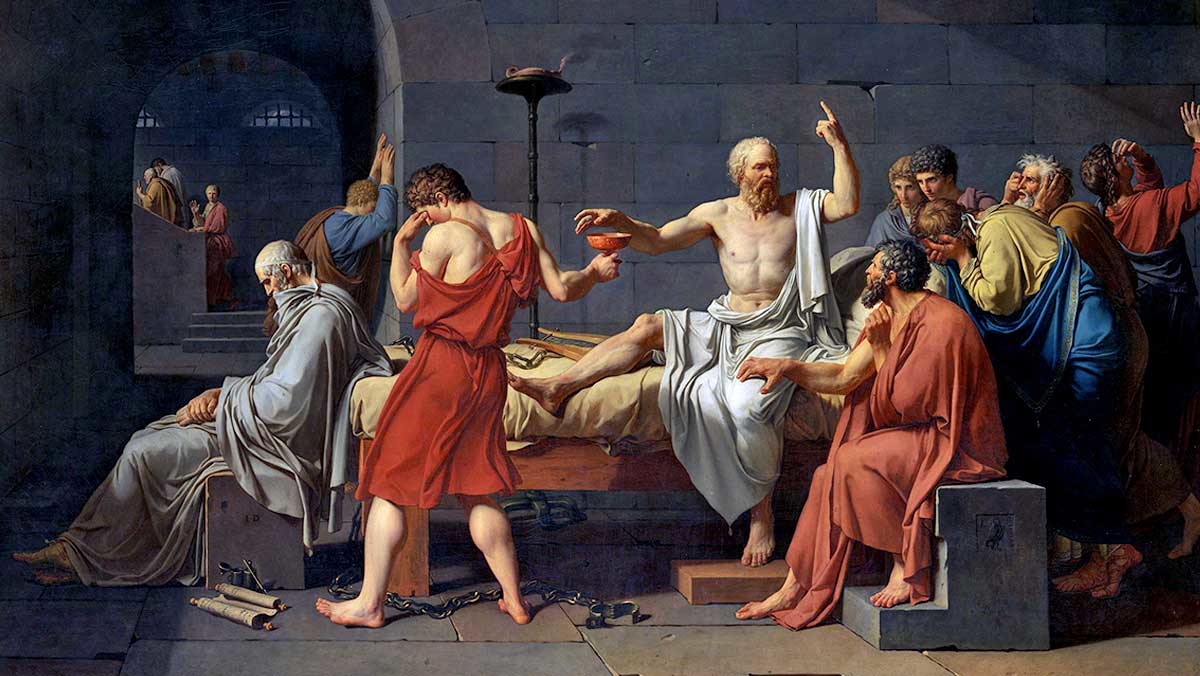
High-profile political trials, such as that of Socrates in 399 BCE, reveal both sides of this coin. On one hand, the fact that a philosopher could be judged by hundreds of fellow citizens showed the reach of popular justice. On the other hand, the same system could condemn a man to death more because of his perceived threat to civic values than because of any specific legal wrongdoing.