Summary
- Henry VIII chose Anne based on a flattering portrait, leading to his disappointment and claims he was “catfished.”
- The marriage was annulled after just six months, with the king citing Anne’s appearance as the reason for non-consummation.
- Anne wisely accepted the annulment, becoming the king’s “beloved sister” and receiving a generous settlement to live in England.
- Unlike many of Henry’s wives, Anne survived her royal marriage, living a peaceful, independent, and wealthy life.
On January 6, 1540, as the Christmas festivities drew to a close, King Henry VIII married Anne of Cleves. She was his fourth wife. However, their marriage only lasted six months as Henry declared he could not consummate the marriage, citing Anne of Cleves’ appearance as the reason for his lack of interest and inability to fall in love with her. Despite this, Anne of Cleves remained friends with the king and resided in England for the rest of her life.
Who Was Anne of Cleves?

Born in 1515 in Düsseldorf, Germany, Anne of Cleves was the second daughter of John III (Duke of Cleves) of the House of La Marck, an ancient, noble German family. Her mother was Maria, Duchess of Julich-Berg.
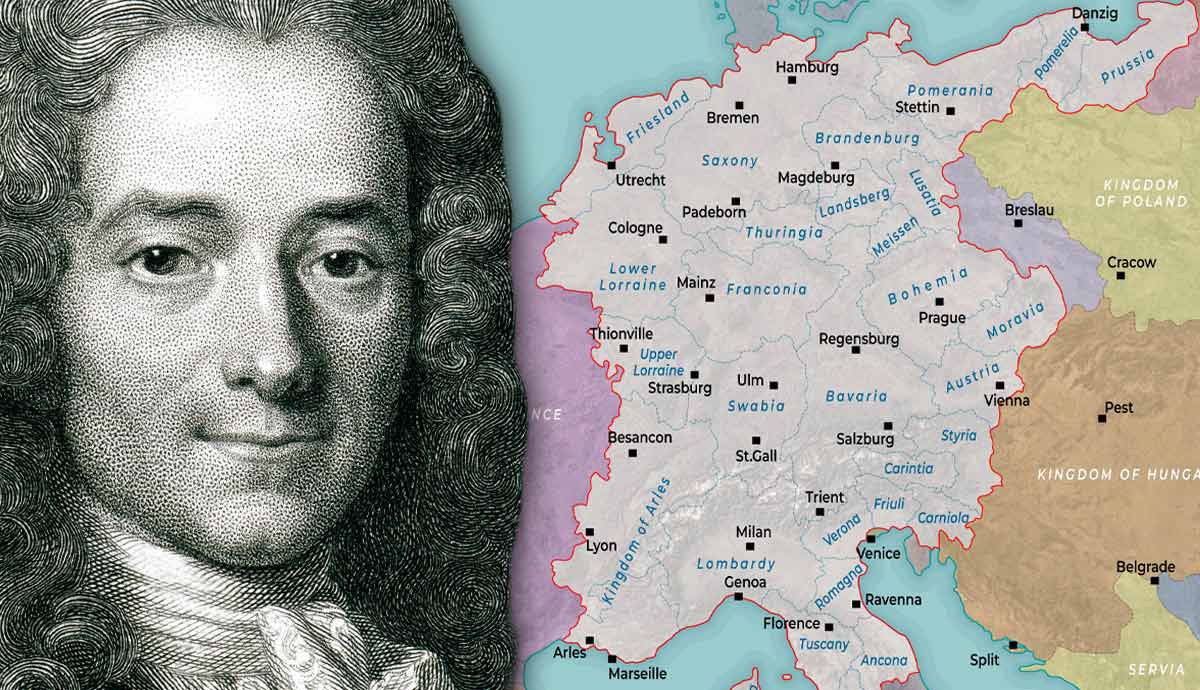
Anne grew up at Schloss Burg in Solingen, a castle in North Rhine-Westphalia, Germany. The territory was part of the Holy Roman Empire, which stretched from the Baltic to the Italian Peninsula. Anne’s mother was in charge of her education, teaching her daughters traditional skills that German noblewomen were expected to have, including cooking, managing the household, and reading and writing in their own language.
Alongside these skills, Anne also likely learned regional property laws, taxation laws, and how to manage finances. However, Anne and her sisters were not educated in subjects that other noblewomen in places like England would have been exposed to, including singing, playing musical instruments, learning foreign languages, and playing cards. Anne spent much of her time secluded in women’s quarters and was taught to be pious like her mother, who was a devout Catholic.
Unlike her mother, Anne’s father, inspired by the Renaissance theologian and philosopher Erasmus, was much more tolerant of religious differences. Though he remained Catholic for the duration of his life, he was accepting of other beliefs entering his duchies, including Lutheranism. In fact, he arranged the marriage of his eldest daughter, Sibylle, to Johann Friedrich of Saxony, a Protestant friend and supporter of Martin Luther, as well as an enemy of the Holy Roman Emperor, Charles V.
At the age of 11, Anne was betrothed to the Duke of Lorraine’s son, eight-year-old Francis. The betrothal was not a formal marriage, however, as Francis was not of age to contract a legal marriage in Germany, and the betrothal was nullified seven years later.
A Key Alliance
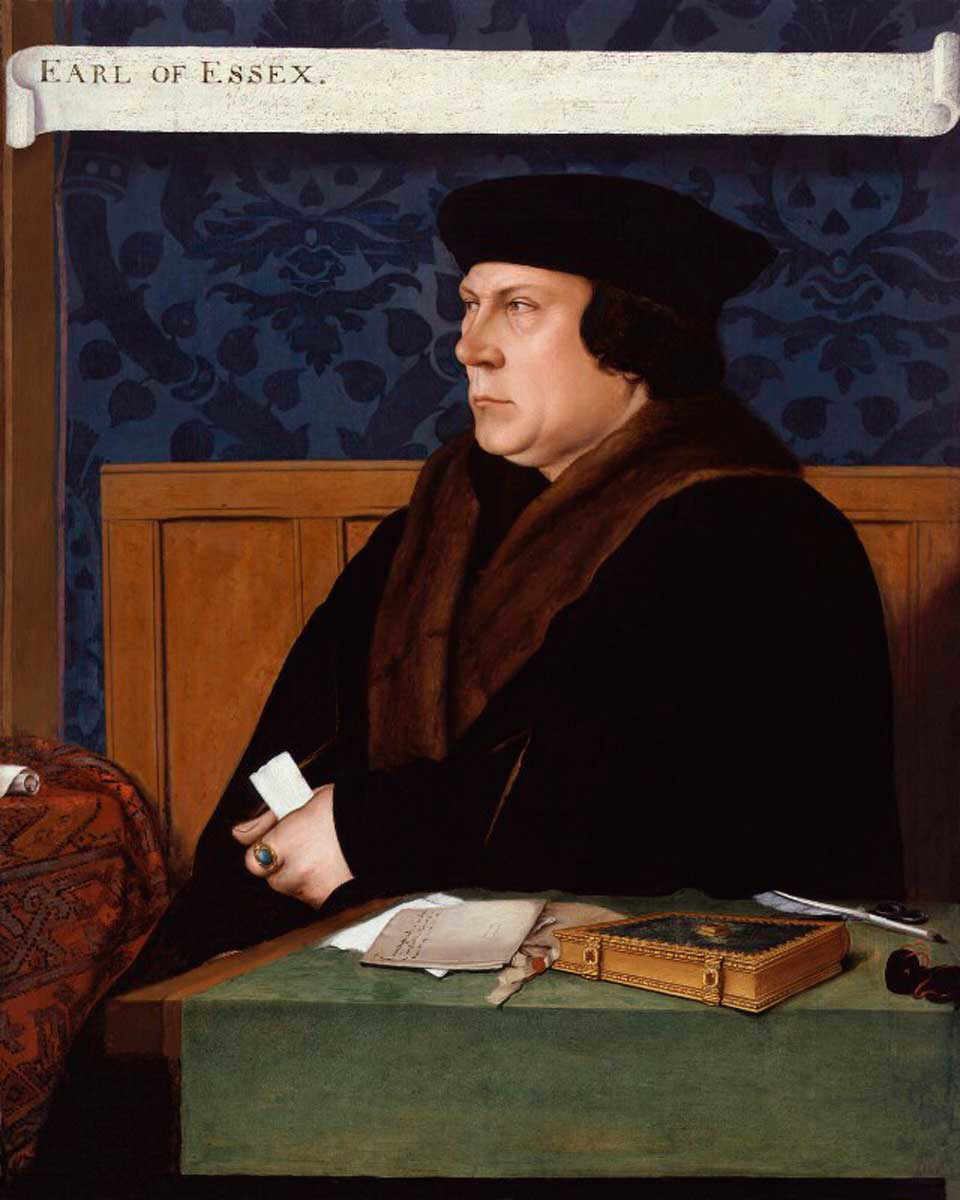
Advised by politician and lawyer Thomas Cromwell, who served as his chief minister for six years, King Henry VIII sought a political alliance with Anne’s brother, William, Duke of Cleves. William was a leader amongst the Protestants of western Germany.
Both Cromwell and Henry believed the alliance was necessary as they felt threatened by France and the Holy Roman Empire. Since both countries were major Roman Catholic powers, Cromwell and Henry worried they would attack England, a Protestant country. Cromwell advised that a marriage should be arranged to establish ties with England and Lutheran leaders within the Holy Roman Empire.
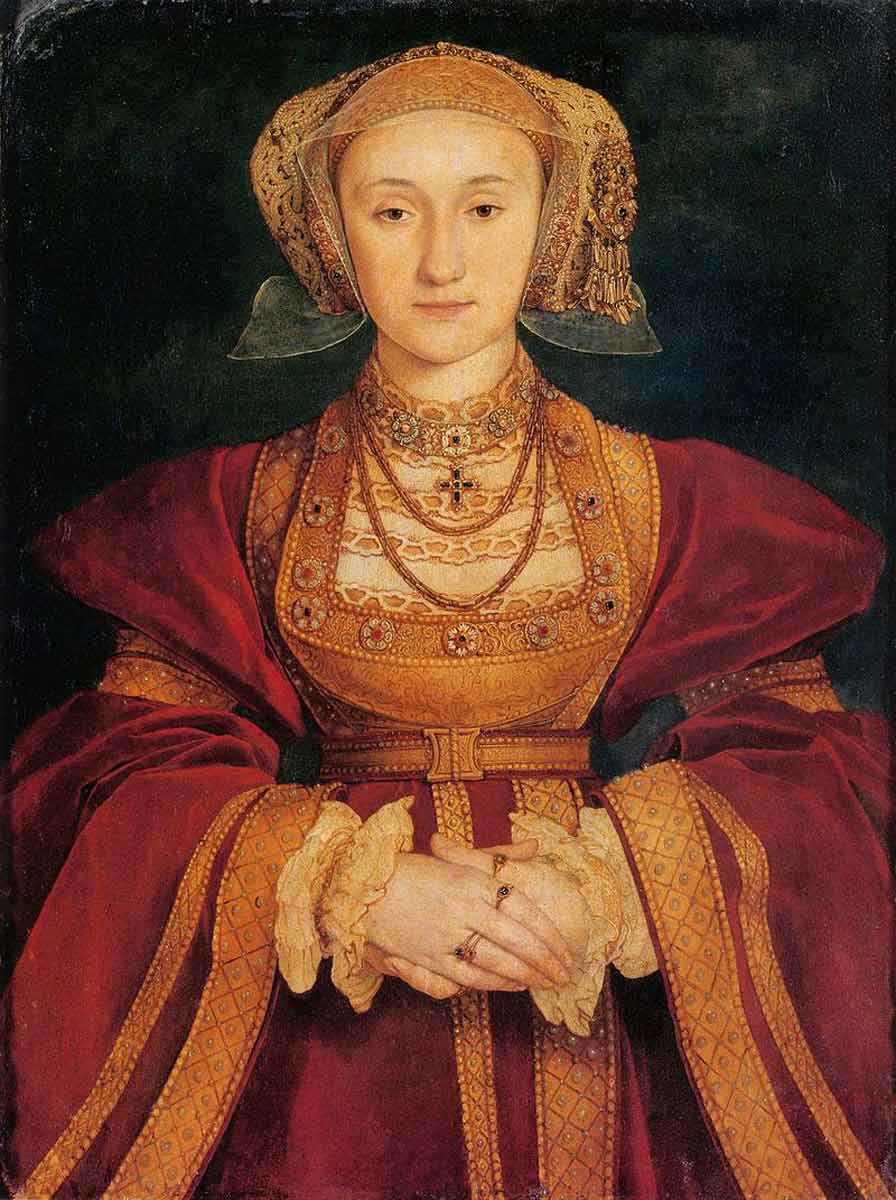
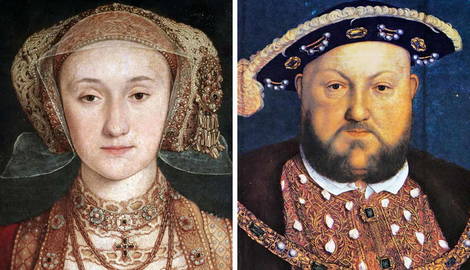
In light of this, in 1538, Cromwell contacted the Cleves family to arrange a marriage between Henry and one of the daughters. When the family agreed to a potential union, Cromwell sent the acclaimed Renaissance artist Hans Holbein the Younger to paint two portraits of the sisters, Amalia and Anne. The portrait of Anne depicted her as tall, slender, with blue eyes and blonde hair. She wore a Dutch-style dress and appeared serene and content. Once in possession of the portraits, Henry was blown away by Anne’s beauty and chose her to be his next wife.
Henry VIII, Catfished?
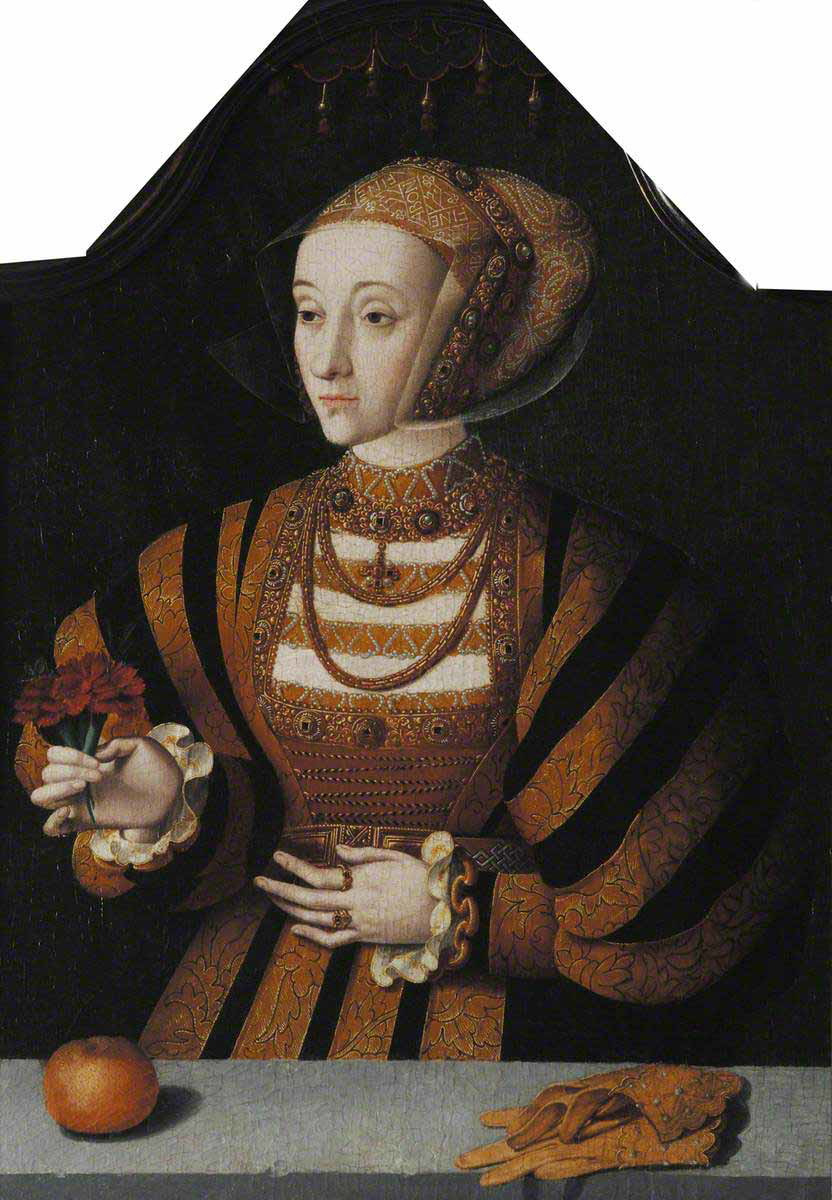
In November 1539, Anne traveled from Germany to England to marry Henry. Despite experiencing tempestuous weather on the English Channel, which delayed her journey by a few days, Anne finally made it to England and was warmly greeted by large crowds. Upon meeting Anne along her journey, Henry’s noblemen and ambassadors wrote to Henry and expressed that Anne was amiable, cheerful, and kind, and that the portrait was an accurate depiction of her beauty.
Anxious to meet Anne for the first time, Henry set off on January 1, 1540, to meet her, which was earlier than planned. Though Henry had hoped to marry Anne by Christmas, the wedding was postponed to January 6 as Anne’s journey had taken longer than expected. When Henry arrived to meet Anne, he disguised himself in a costume. He knelt before Anne and kissed her hand. However, Anne was taken aback by this gesture. She was unfamiliar with English Medieval culture and therefore did not understand that Henry expected her to recognize her future husband through his disguise.
Henry was humiliated by the awkward interaction with his future wife, believing that she disliked him and was ignoring him. He left the room in a huff and threw off his disguise, only returning to Anne once he adorned himself in a royal purple coat. Upon seeing Henry for the second time, Anne bowed before him and expressed her embarrassment as Henry briefly kissed her and then left the room.
An Unhappy King
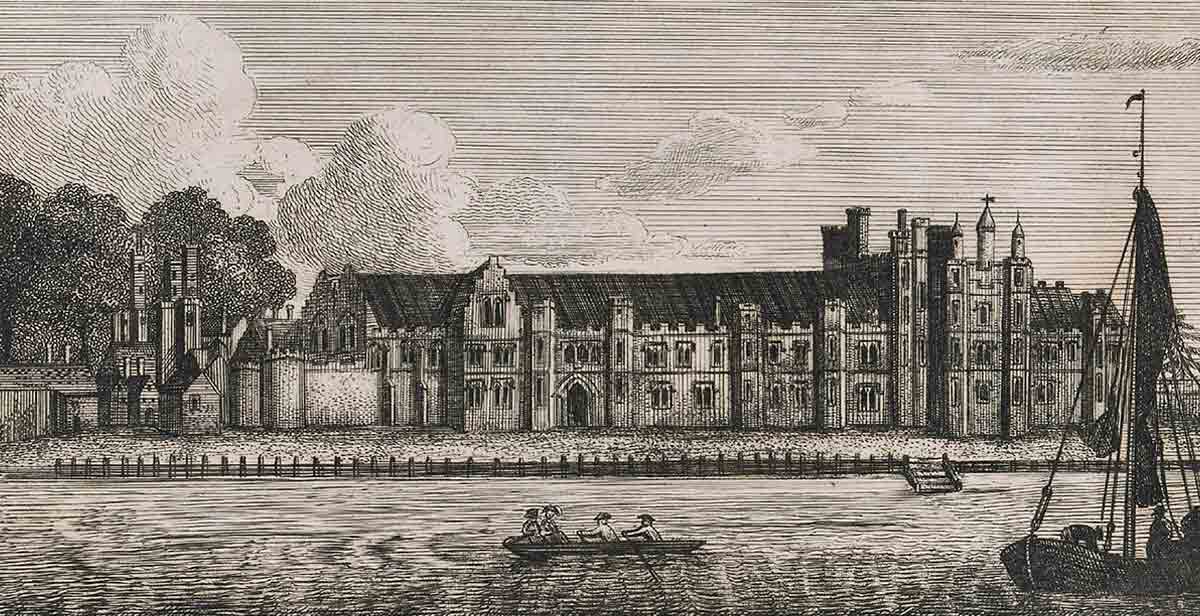
Henry was not pleased with his bride-to-be and loudly expressed his dissatisfaction when he returned to his residence at the Palace of Placentia in Greenwich. He argued with courtiers who had found the portrait of Anne beautiful and complained to Cromwell, expressing his disdain for his future wife.
The king expressed that he did not find Anne as “fair” as she had looked in the portrait and had been reported by others. He also complained that Anne knew very little English. Cromwell listened as Henry told him how much he disliked Anne and pleaded with him to find a way to end the arrangement.
However, to Henry’s dismay, it was decided that there was no way to nullify the engagement without angering the Cleves family, particularly Anne’s powerful brother, so Henry proceeded with the marriage.
The unhappy marriage of Henry and Anne would prove to be Cromwell’s downfall, as the king blamed Cromwell for the arrangement and his subsequent disappointment upon meeting Anne.
Marriage on the Rocks
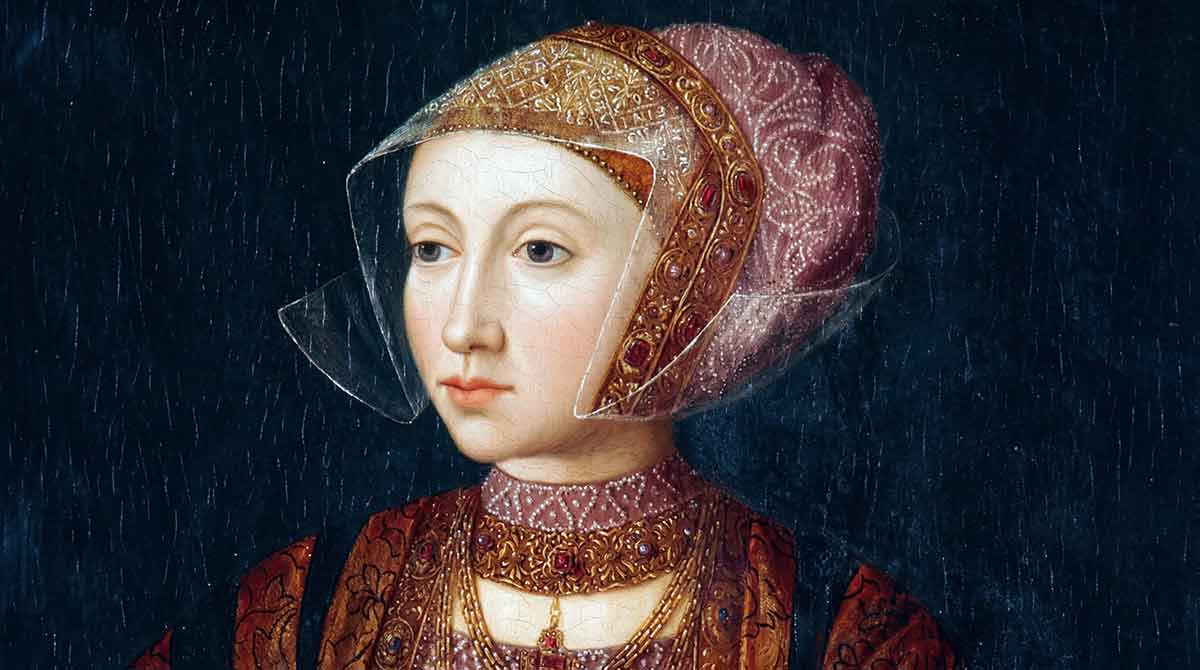
Though the wedding went ahead, Henry spent six months trying to find a way to divorce Anne.
The morning after their wedding night, it was reported that Cromwell asked Henry how he liked the queen, and Henry responded that he liked her even less than before. The king added that he did not consummate the marriage since Anne repulsed him, and he even doubted her virginity.
Within a few weeks, Henry informed his Privy Council that God would not allow him to consummate the marriage and that the union was doomed. He also requested that Anne’s previous betrothal to the Duke of Lorraine’s son be examined to make sure that the contract had not been binding. From the outset, Henry began setting the stage for an annulment based on non-consummation of the marriage.
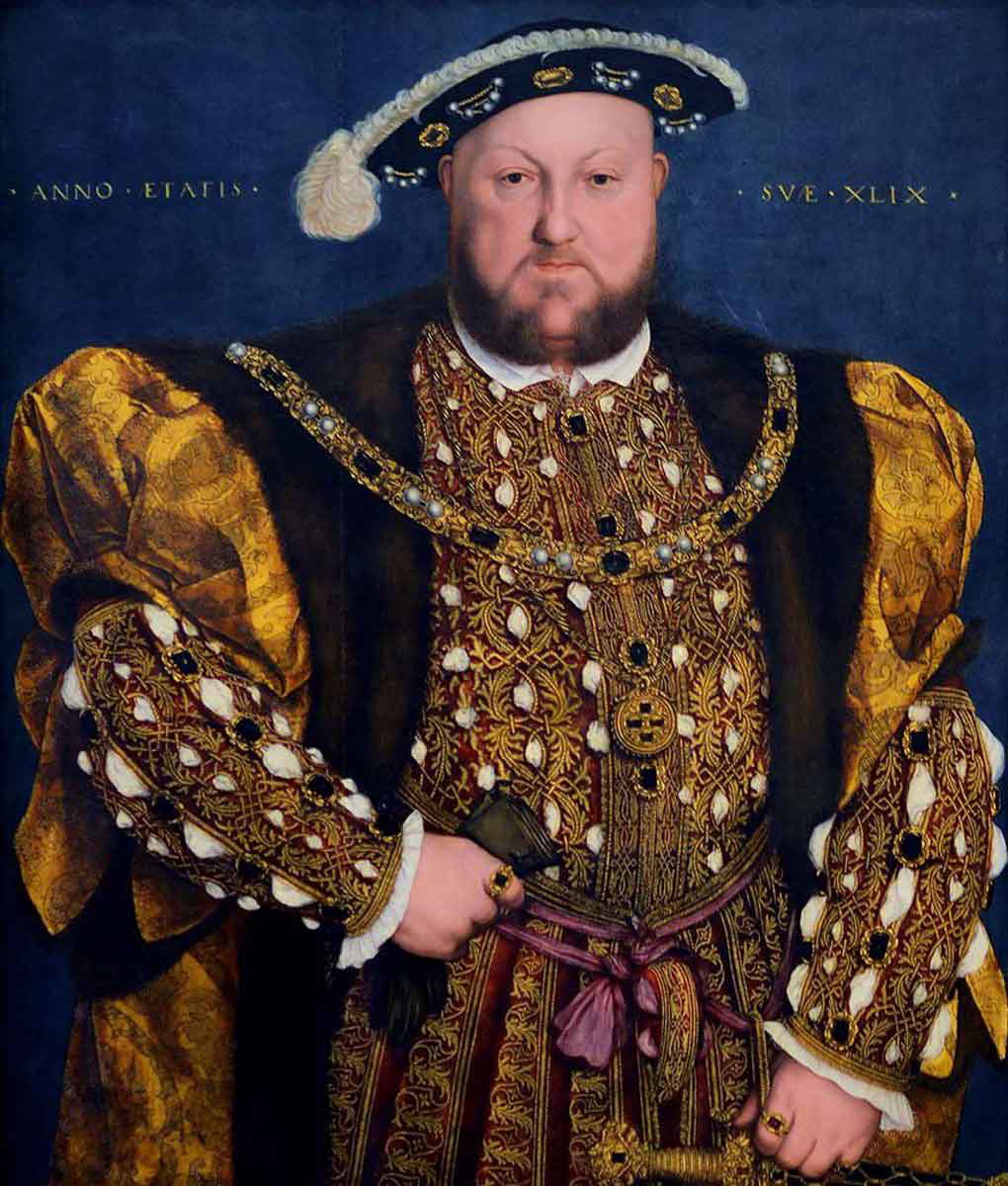
At first, Anne did not seem concerned about her relationship with Henry, but by February 1540, she was aware that her marriage was struggling. She tried desperately to win over the king as he continued to dine with her and sleep beside her each night. However, as weeks and months ticked by, Anne did not become pregnant, and her ladies-in-waiting feared what would happen if she did not bear a child soon.
By the spring, the king was spotted crossing the Thames in the evenings to visit his new mistress, 16-year-old Catherine Howard, the Duke of Norfolk’s niece. The public was unhappy with Henry’s infidelity, expressing similar sympathy to Anne of Cleves as they had with Anne Boleyn, the king’s second wife, who was also a victim of Henry’s infidelity as he pursued a relationship with Jane Seymour.
Union Dissolved

On June 24, 1540, Henry sent Anne to live at Richmond Palace. He shrouded the move in concern for his wife’s safety and well-being as a plague ravaged London. However, Henry clearly was not concerned about the plague since he himself remained in the city.
Three weeks later, Henry obtained the annulment of his marriage based on non-consummation and Anne’s prior betrothal to the Duke of Lorraine’s son. Anne received notice of the divorce on July 10, 1540. She was told that if she agreed to it, the king would provide for her for the rest of her life, and she would be treated kindly and fairly at court.
Anne was tearful and humiliated when she received notice that Henry desired to divorce her. Initially, she refused to agree to the divorce and summoned the Cleves family ambassador. However, a day later, Anne settled for Henry’s wishes, realizing that if she refused, she might be the next victim of his temper. She accepted the divorce and even noted that she hoped to still meet Henry occasionally as friends.
Henry was generous with Anne, as he was delighted that she calmly agreed to the terms without threats or backlash. On July 12, he wrote to Anne, informing her that she was free to return home to Germany. However, if she decided to remain in England, Anne would be given an annual income of 4,000 pounds along with the estates of Richmond, Bletchingly, and Hever Castle. He also said she would be allowed to marry again if she wished and that she was welcome at court any time, as he saw her as a “beloved sister.”
Anne readily accepted Henry’s offer and decided to remain in England. She wrote to her brother, indicating that she was happy and content with the agreement and would be spending the remainder of her life in her adopted country.
Anne of Cleves’ Life After Queendom
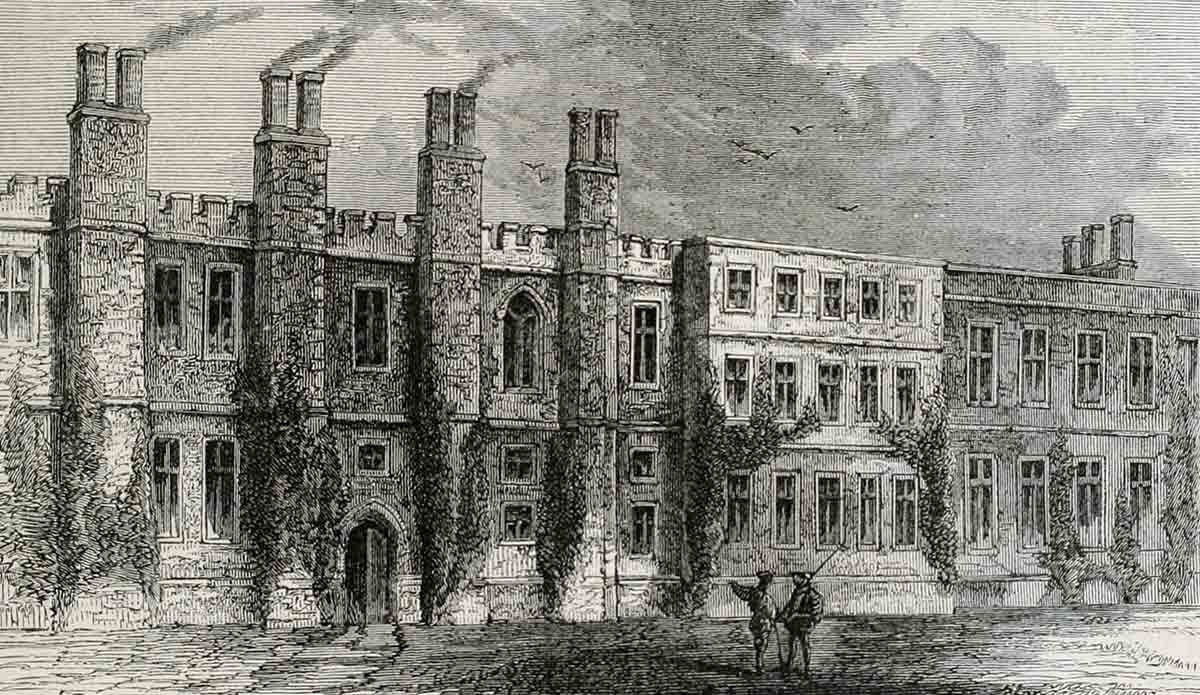
After her marriage to Henry ended, Anne lived for over a decade on her English estates and was known for being kind and generous to all those who served her. She remained devoted to Henry and his family. After the execution of Catherine Howard, rumors circulated that Anne might remarry Henry. However, she remained single for the rest of her life.
Anne was especially close to Henry’s daughters, whom she corresponded with and offered guidance and support. Even after Henry’s death in 1547, Anne was still welcomed at court, including during the reigns of Edward VI and Mary I. She walked with her former stepdaughter, Elizabeth, in Mary’s coronation procession.
Anne remained in royal favor until Wyatt’s Rebellion in 1554, when Queen Mary I suspected that Anne might have aided the rebels because she was a suspected Protestant sympathizer and was friendly with Elizabeth. After the rebellion, she was no longer welcomed at court and lived in solitude on her estates. Anne passed away at Chelsea Manor on July 16, 1557, from what historians believe was cancer. She was buried in Westminster Abbey.
Though Anne of Cleves’ marriage to King Henry VIII lasted only six months, she emerged with wealth, autonomy, and a respected position at court. Unlike many of Henry’s wives, she avoided scandal or execution, instead building a secure and peaceful life in England. Anne’s legacy is often seen as one of diplomacy and survival, as she avoided the wrath of Henry and was able to live independently for the remainder of her days.