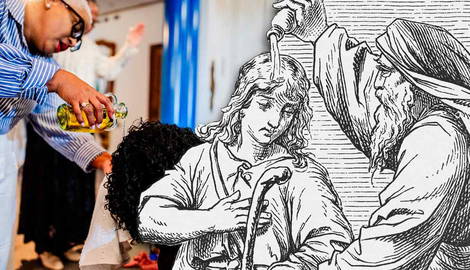
In the Old Testament, the practice of anointing with oil occurs in several contexts. Appointment to an office, commemoration, or cleansing is usually the purpose. In the New Testament, healing is another dimension. In the contemporary Christian context, many people believe that they can anoint houses, buildings, and even land to protect it and the people in it from harm by evil. Is it a biblical practice based on Old or New Testament examples? Or is it a misapplied, and therefore invalid, correlation to a biblical event?
Anointing With Oil
In the Bible, the practice of anointing with oil usually occurs when a person assumes an office, cleanses themselves or someone else, heals someone, marks a place to commemorate a significant event that took place there, or consecrates objects for holy use. In the case of healing and taking up an office, the oil symbolizes the presence of the Holy Spirit. With commemoration and cleansing, the context does not suggest the continued presence of the Holy Spirit in the place or on the person.
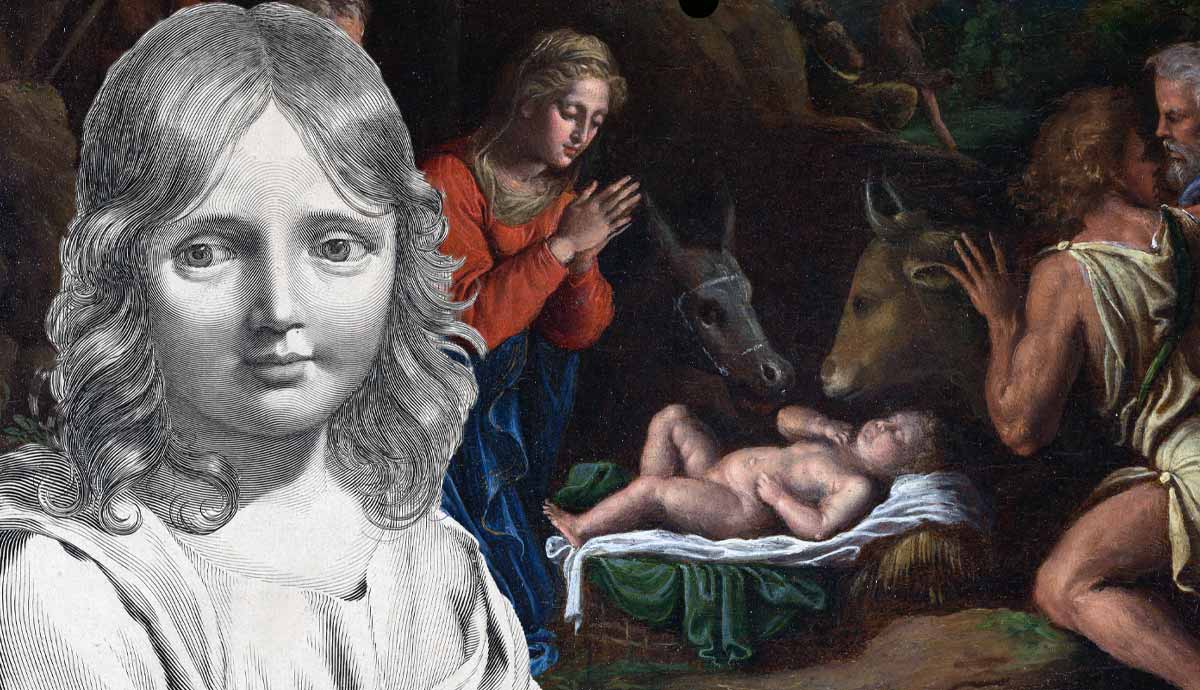
Oil and a dove are both symbols of the Holy Spirit. In the Hebrew sanctuary system, the oil the priests used as fuel for the menorah signified the Holy Spirit. At Jesus’s baptism, the Holy Spirit appeared to descend on him like a dove. The baptism of Jesus was the event where God anointed him the Messiah, which means “anointed one.” “Christ” has the same meaning but is the Greek word used in the New Testament.
God gave specific instructions to the Israelites on how to make oil for anointing. God said: “Take the finest spices: of liquid myrrh 500 shekels, and of sweet-smelling cinnamon half as much, that is, 250, and 250 of aromatic cane, and 500 of cassia, according to the shekel of the sanctuary, and a hin of olive oil. And you shall make of these a sacred anointing oil blended as by the perfumer; it shall be a holy anointing oil” (Exodus 30:23-25).
Biblical Contexts for Anointing With Oil
Taking Up an Office
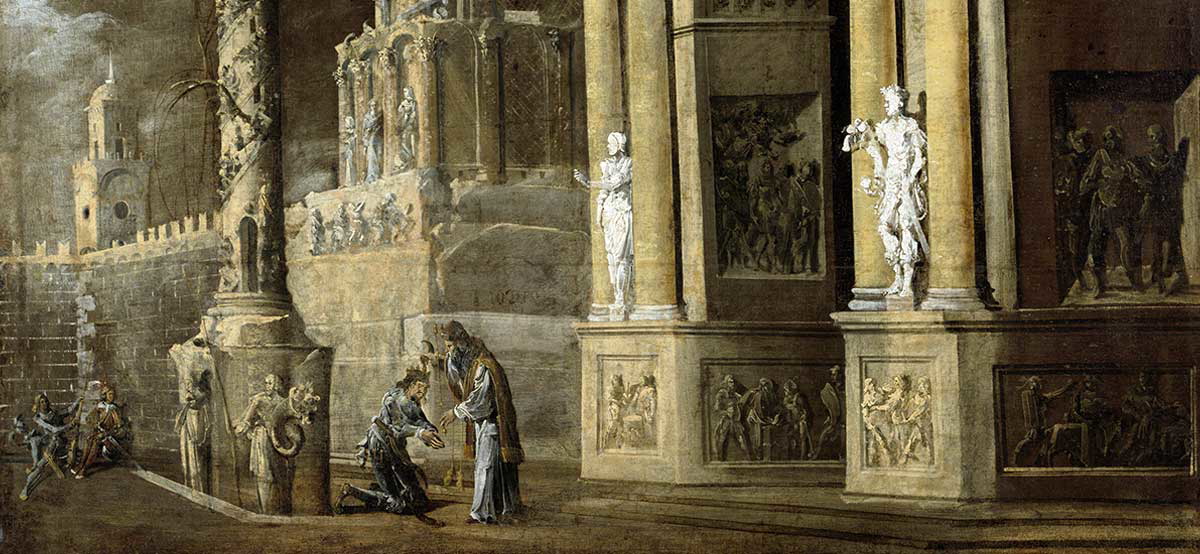
In the Bible, there are examples of anointing people into the office of king, prophet, and priest. Anointing a person who took up the office of either king, prophet, or priest signified the blessing of God on their ministry and the presence of the Holy Spirit on them, but it did not guarantee his continued presence. Consider Saul. He was anointed as king by the prophet Samuel (1 Samuel 10:1) but became disobedient to God and eventually sought the council of a witch.
Moses consecrated Aaron and his sons as priests by anointing them (Exodus 28:41, 30:30; Leviticus 8:12), and Elijah received instruction to anoint Nimsi as king and Elisha as prophet in his place (1 Kings 19:16). Though this verse does not mention oil explicitly, the practice had been established in Israel by that time.
The Hebrew word used for “anoint” in these cases is mashach and is related to the title Messiah.
Anointing Artifacts for Service
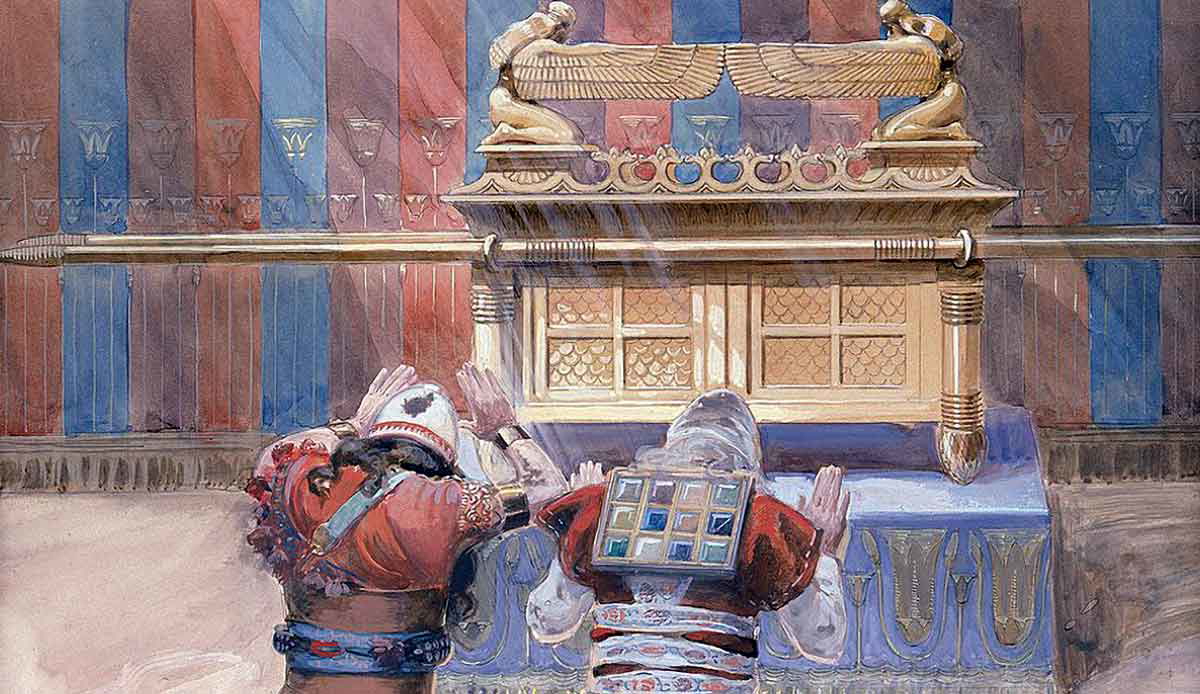
Exodus 30:26-29 records God’s instruction to anoint the tent of meeting (Tabernacle), the ark of the covenant, and the associated utensils as signs of their consecration. Everything that touched them became holy. Whether the oil in this instance depicts the presence of the Holy Spirit is doubtful since the Philistines and the Babylonians have taken some of these objects (1 Samuel 4:1-11; 2 Kings 24:10-13, 2 Chronicles 36:18-19, Daniel 5:2-4).
Here, the Hebrew term is also mashach, as with the appointment to an office.
“Anointing” of Places in Commemoration
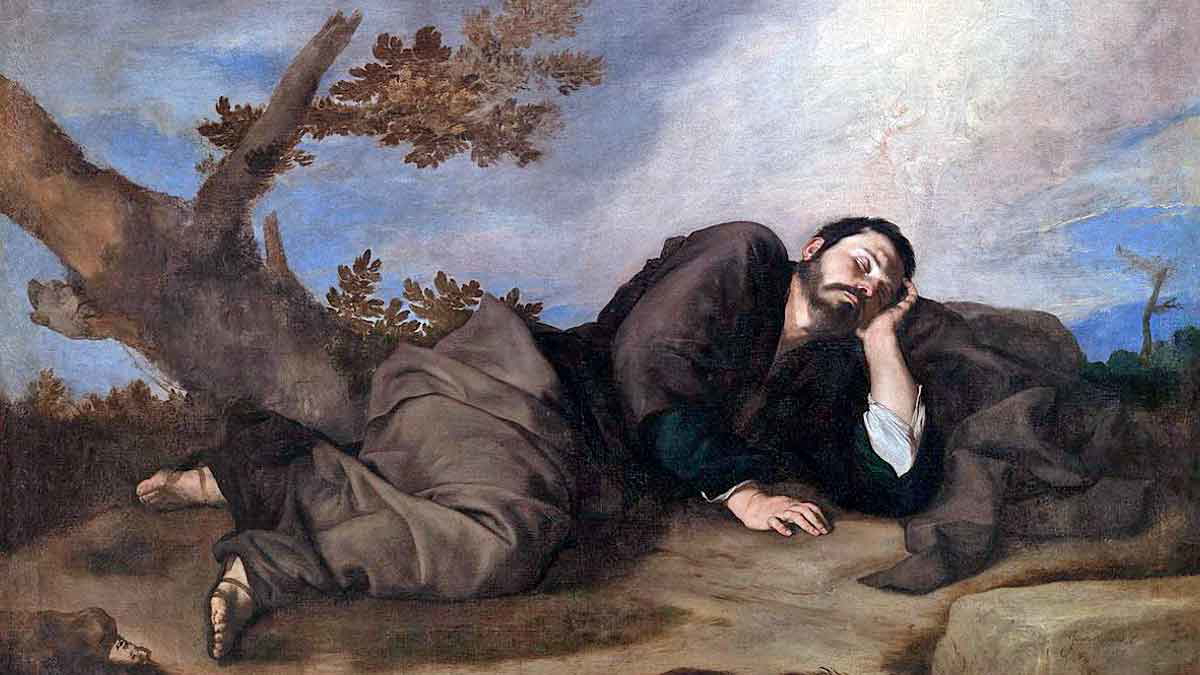
Jacob set up a stone as a pillar where he had the dream of a ladder connecting Heaven and Earth. He poured oil on it, commemorating the place where he had the dream experience, and called it Bethel (Genesis 28:18). Genesis 28 does not call it anointing but describes the practice.
Later, when Jacob returned to his native land, he again had an experience with God at Bethel. “And Jacob set up a pillar in the place where he had spoken with him, a pillar of stone. He poured out a drink offering on it and poured oil on it. So Jacob called the name of the place where God had spoken with him Bethel” (Genesis 35:14-15). Like the previous encounter, Jacob raised a pillar and marked the spot, commemorating the encounter.
Though some believe it serves as evidence of the continued presence of God in that place, history shows that Bethel became a center of pagan worship later, when Jeroboam ruled as king of the Northern Kingdom of Israel (1 Kings 12:26-29).
The Bible does not refer to these actions of Jacob as anointing, but it is reminiscent of similar practices later on that were called anointing.
Anointing as Cleansing
When David perceived that his child with Bathsheba had died, he donned sackcloth and cleansed himself. As part of that process, he anointed himself with oil, which served as a kind of perfume. The Hebrew for anoint in this Bible passage is “sûk,” which means to “smear.” Without exception, the use indicated cleansing.
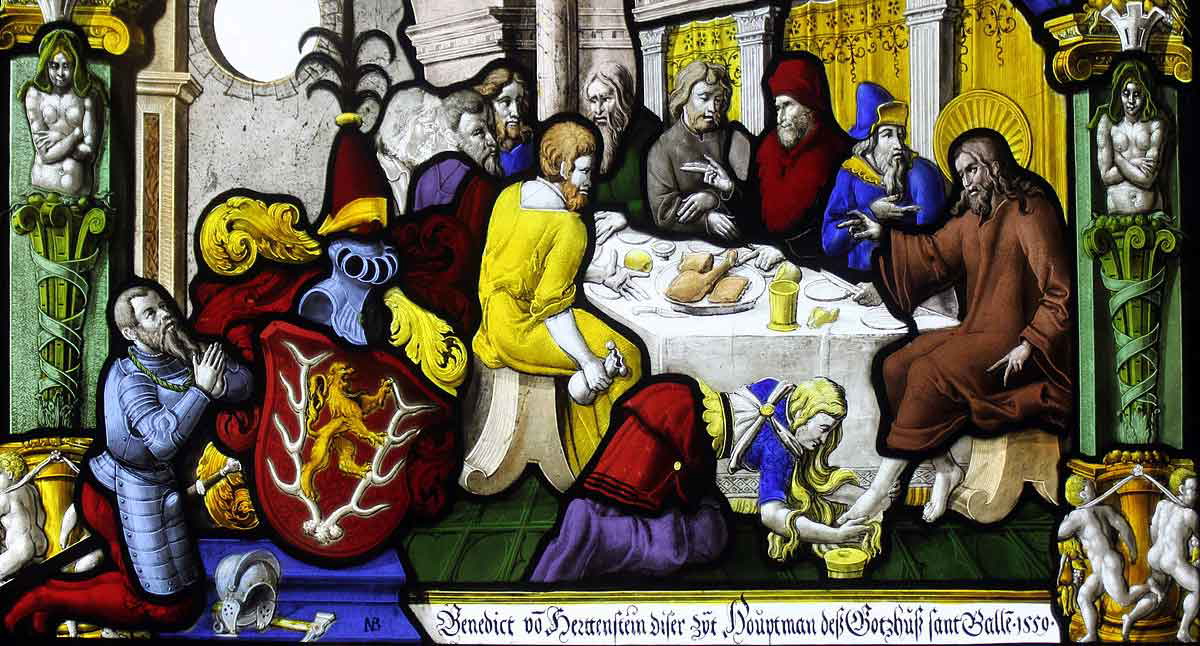
All four gospels record the anointing of Jesus by a woman. The Gospel of John identifies her as Mary, describing her as anointing the feet of Jesus with fragrant ointment and wiping it with her hair (John 12:3). The Greek word “aleiphō” is in view here and is the same word used in the context of healing in Mark 6 and James 5 which we will discuss shortly.
In both cases, cleansing was the context, and anointing with oil added fragrance. The oil does not symbolize the Holy Spirit.
Healing
The Old Testament mentions oil in the ritual healing of people suffering from leprosy. Leviticus 14:1-18 describes the process, which included applying oil to the right ear, the right thumb, and the big toe of the right foot of the one suffering from Leprosy. The remaining oil was poured out on the leper.
The New Testament mentions the use of oil when healing on several occasions. Mark 6:13 states: “And they cast out many demons and anointed with oil many who were sick and healed them.” Later, James wrote that anointing a sick person with oil must accompany the prayers of the elders (James 5:14). Here, the oil does not seem to serve as an ointment but rather as a sign of the presence and power of the Holy Spirit as the healing agent.
So, there are several contexts in the Old and New Testaments where we find anointing with oil. In some, the oil symbolizes the Holy Spirit, but in others, it does not.
Possible Misapplied Correlation
The idea that a Christian can anoint the corners of a property or the windows and doorframes of a house or other building to protect it from evil is foreign to the biblical concept of anointing. None of the types of anointing we have encountered in the Bible serves such a function.
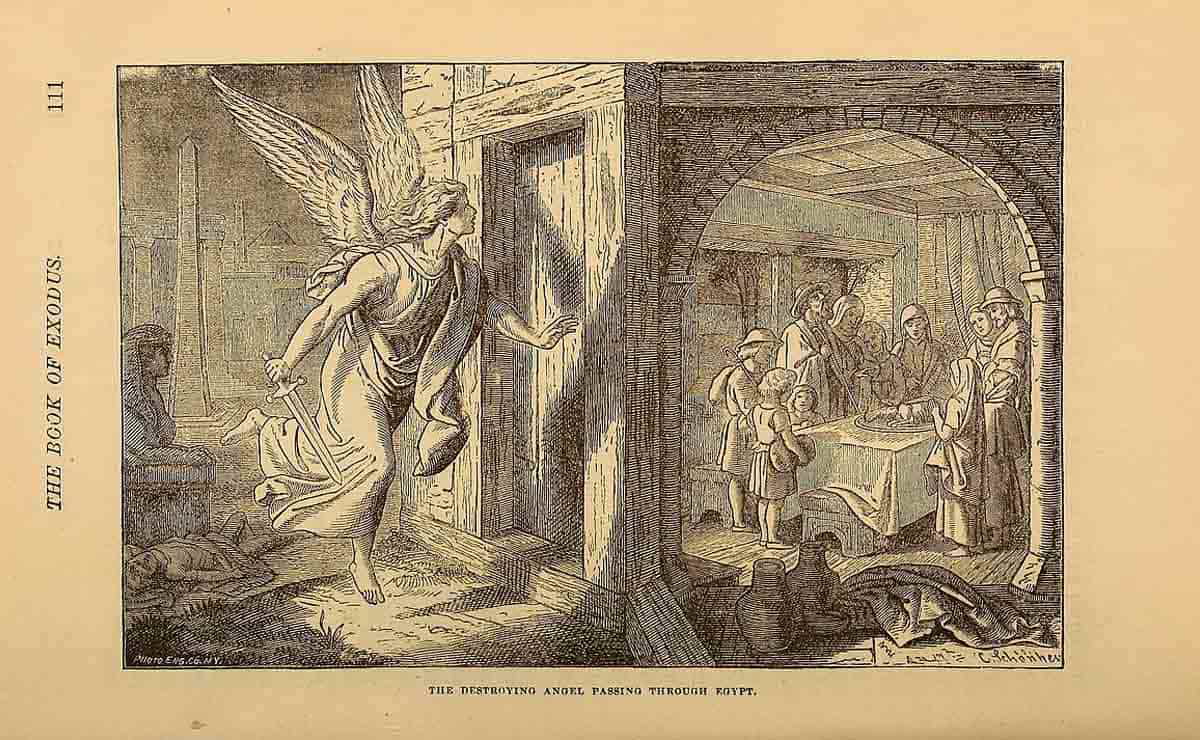
The only correlating practice is when the Israelites were slaves in Egypt, and God instructed them to put the blood of a lamb on the doorposts and lintels of their houses so the Lord would pass over them and their firstborns would not die. It was the last of the Ten Plagues. The Lord passing over those houses is why we know the feast as Passover.
The words used to describe the actions of applying the blood to the lintels and doorposts have no relation to the words translated “anoint” in any of the previous contexts. The Israelites did not anoint the lintels and doorposts. In addition, smearing blood on the lintels and doorposts of houses protected the inhabitants from God’s plague, not evil forces. It signified the inhabitants’ obedience to God.
There is no biblical foundation for anointing a structure or plot of land to prevent evil powers or forces from entering. Pagan nations practiced several apotropaic (evil-averting) rituals. The Babylonians and Assyrians believed household gods like Lamassu and Pazuzu averted demons. They often placed blood or oil on entrances or put clay deities by their doors to prevent evil from entering.
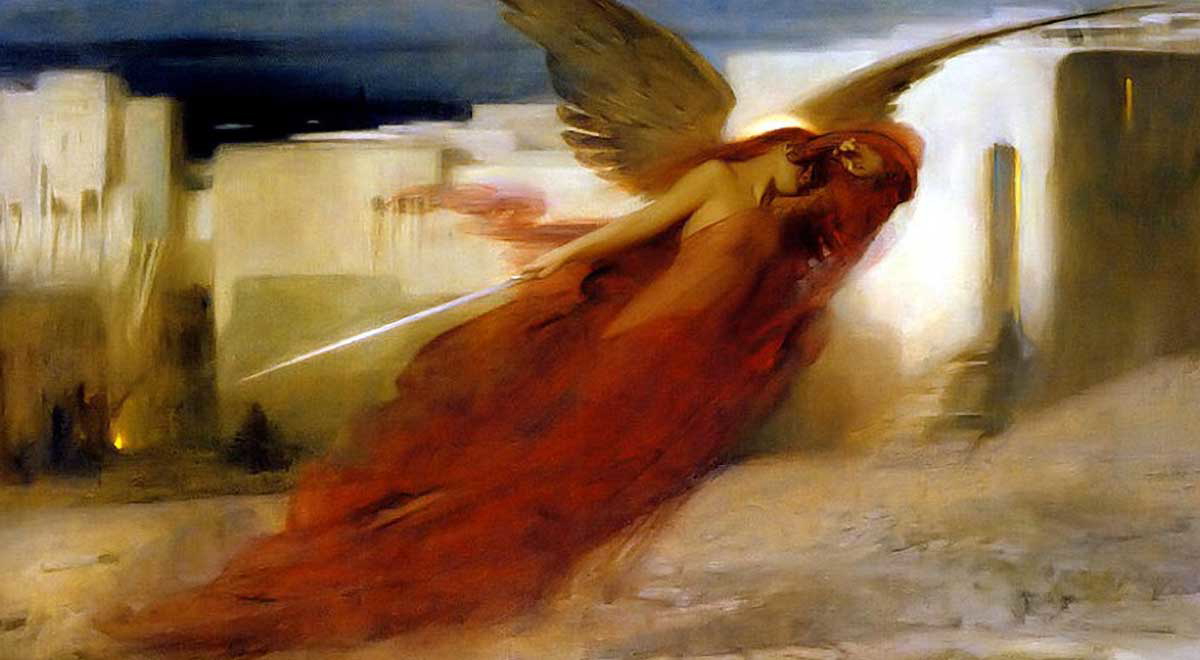
The Roman festival of Lemuria saw pagan believers put blood, wine, or oil on doorposts to ward off restless spirits (lemures). Janus was the Roman god of doorways and was associated with doorway protection rites. In Norse and Germanic traditions, people used runes to protect structures from evil forces entering, while the Celts used ash, herbs, or sacred water for the same purpose.
In Judaism, some place a mezuzah (a small scroll of Scripture) on the doorpost, but there, it serves as a reminder of God’s principles rather than a method of supernatural protection. In some forms of Islam, practitioners place a piece of the Quran on doorposts and use scented oils or incense to ward off evil spirits.
Though many religions have some practices preventing evil from entering structures, the Bible does not promote it. The practice of anointing doorposts and windows in Christianity to prevent evil from entering is a misapplication of the original Passover narrative.