HomeAnswers
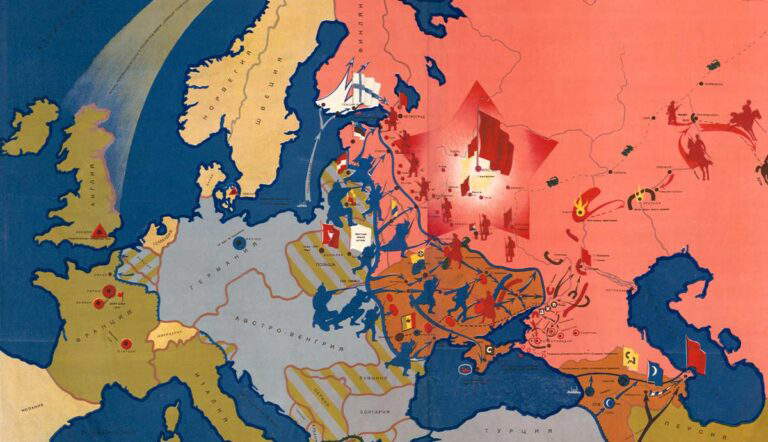
Militarily defeated, the White Russians found new ways to fight the Soviet Union. Explore their surprising cultural and political victories from abroad.
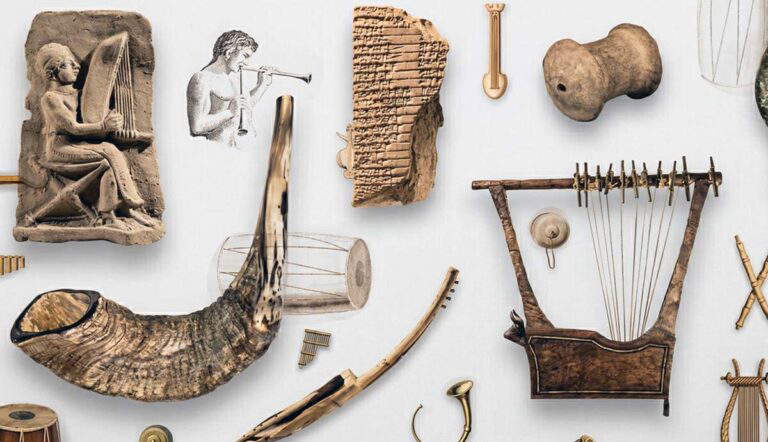
How far back does the history of music actually go, and what were the oldest instruments adopted by humans?
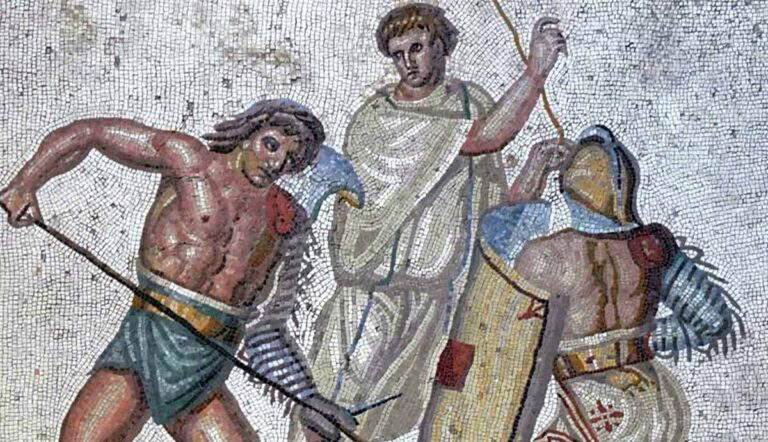
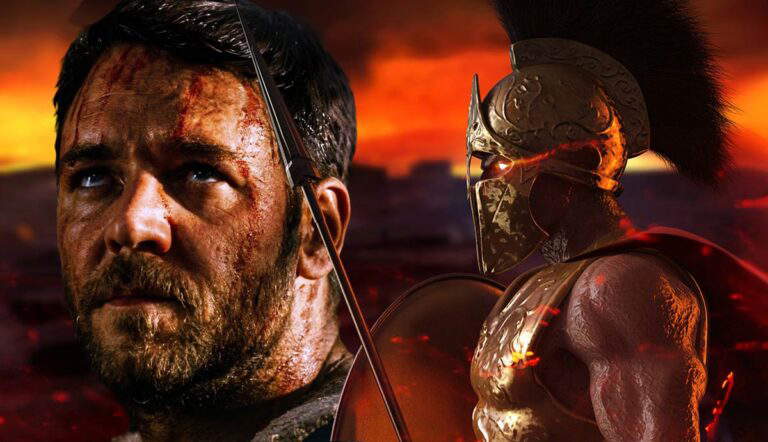
The bloody sport in the Roman arena wasn't really all that different from the showmanship displayed in the WWE ring today.
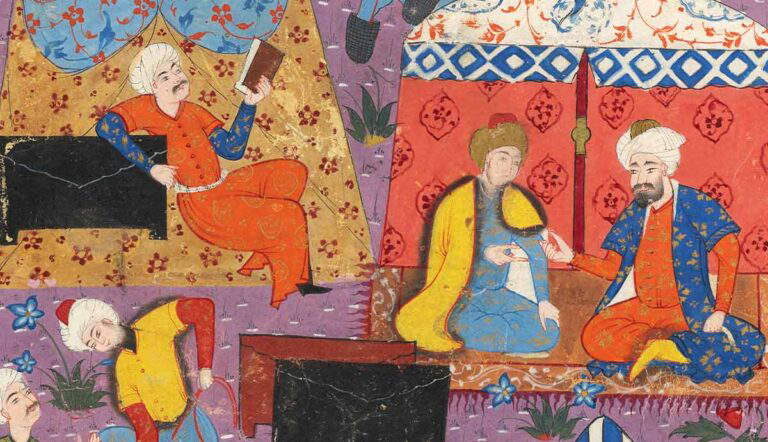
The Joseph story is the longest continuous narrative both in Genesis and in the Qur’an. But the two books tell the story quite differently.
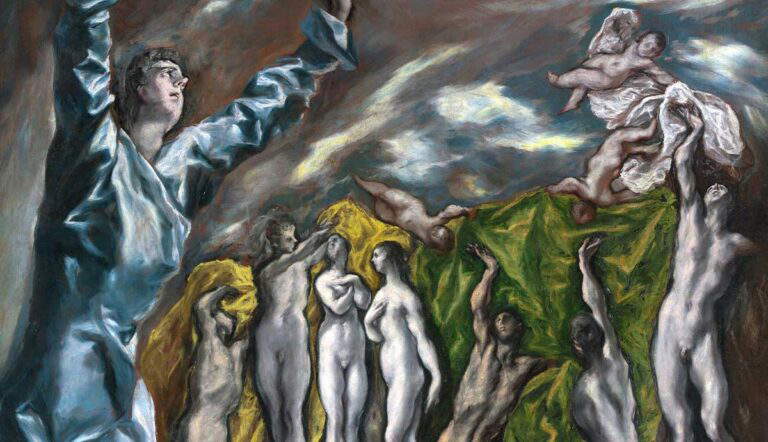
In popular usage, “apocalypse” conjures images of world-ending disaster. But in the Bible, the word refers to a special type of visionary, divinely-guided revelation.
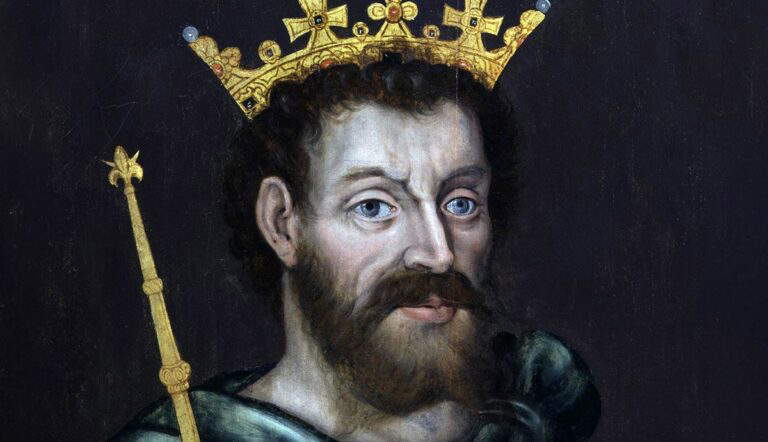
King John of England is one of history’s most memorable and celebrated kings, whose name has entered the realms of myth and legend.
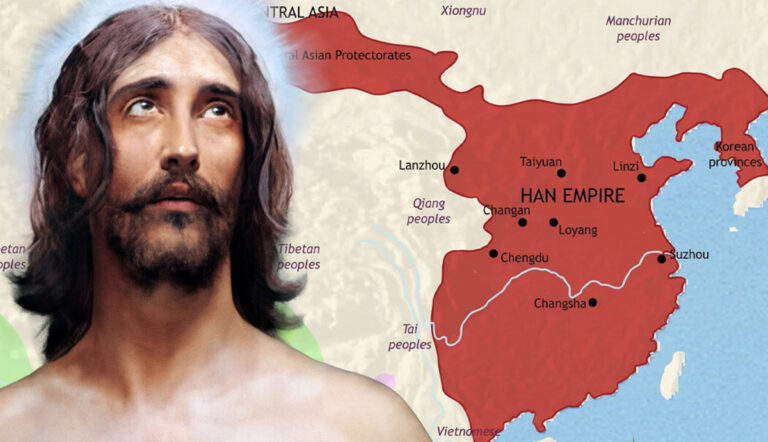
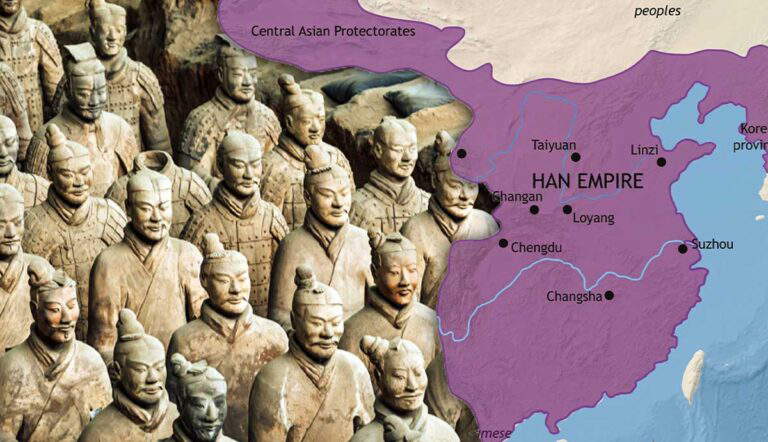
Explore the Han and Xin Dynasty leaders who ruled China while Jesus lived and preached in Judea.
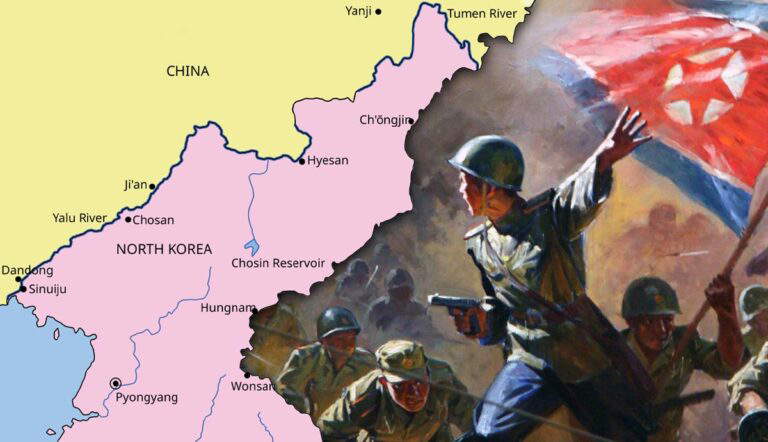
How did a lost battle save a nation? Explore why the 1950 American defeat at Taejon was a strategic masterstroke that halted the North Korean advance.