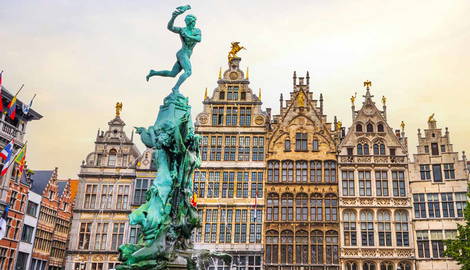
Antwerp is the third-largest city in Belgium and the worldwide center for the diamond trade. For fourteen centuries, it has been known as a global commercial center. With its financial success came the development of the arts industry. It was home to artists like Peter Paul Rubens and Jacob Jordaens and raised fashion designers like Martin Margiela and Dries van Noten. The Antwerp Zoo is one of the oldest in the world and is well-known not only among animal lovers but also among those interested in art and architecture.
1. Antwerp Zoo
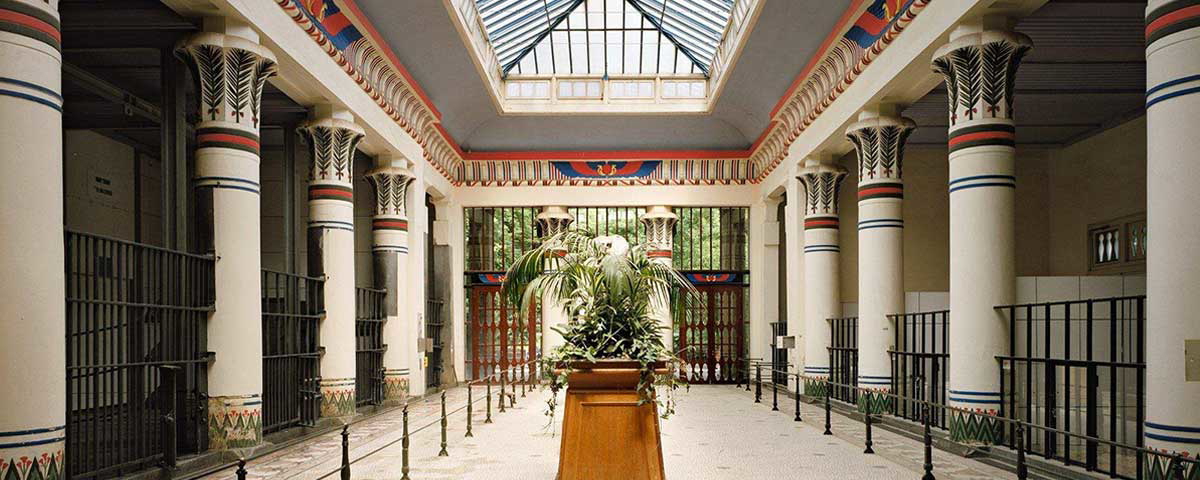
A zoo may sound like an unlikely place for an art lover to visit, but the Antwerp Zoo is a remarkable exception. It is one of the oldest zoos in the world and is a place that focuses not only on the well-being of animals but also on the aesthetic appeal of the location. The zoo was built in 1843 and initially functioned as a public garden with live goats, horses, and a collection of stuffed animals. In the years that followed, the structure expanded. In tune with the 19th-century fashion for everything “exotic” and Oriental, the zoo administration designed the elephant enclosure in Egyptian style and a pavilion for antelopes in Indian style. Later, a Greek temple with columns was constructed to house reptiles. Today, Antwerp Zoo is both an architectural wonder and an important European center for the preservation and study of animals.
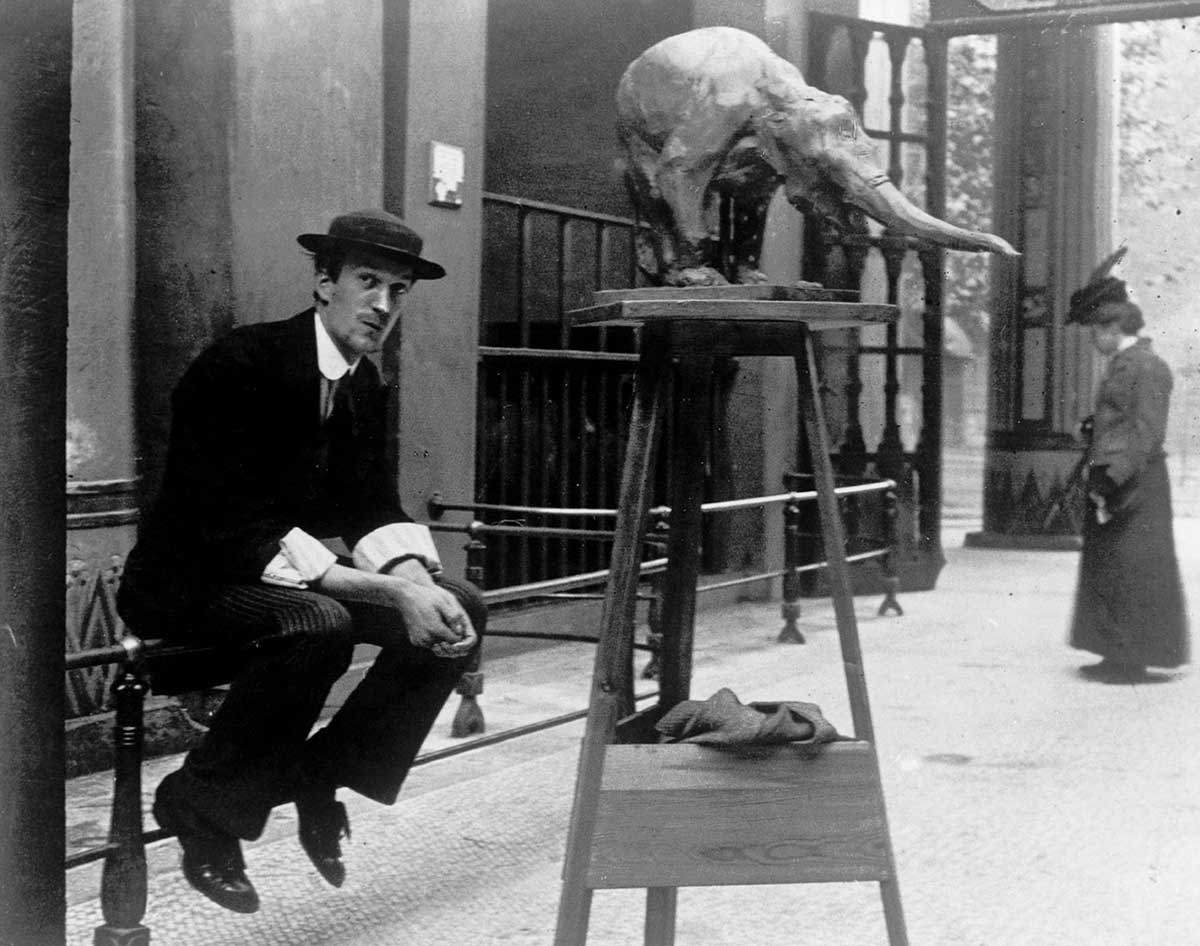
Italian Impressionist sculptor Rembrandt Bugatti made a name for himself by working in the Antwerp Zoo. He entered the animals’ enclosures and created dynamic sculptural portraits that focused on the individual characters of animals rather than on their zoological likeness. During World War I, the Antwerp Zoo keepers were forced to kill some of their animals due to food shortages. Devastated, Bugatti committed suicide soon after learning the news.
2. Royal Museum of Fine Arts (KMSKA)
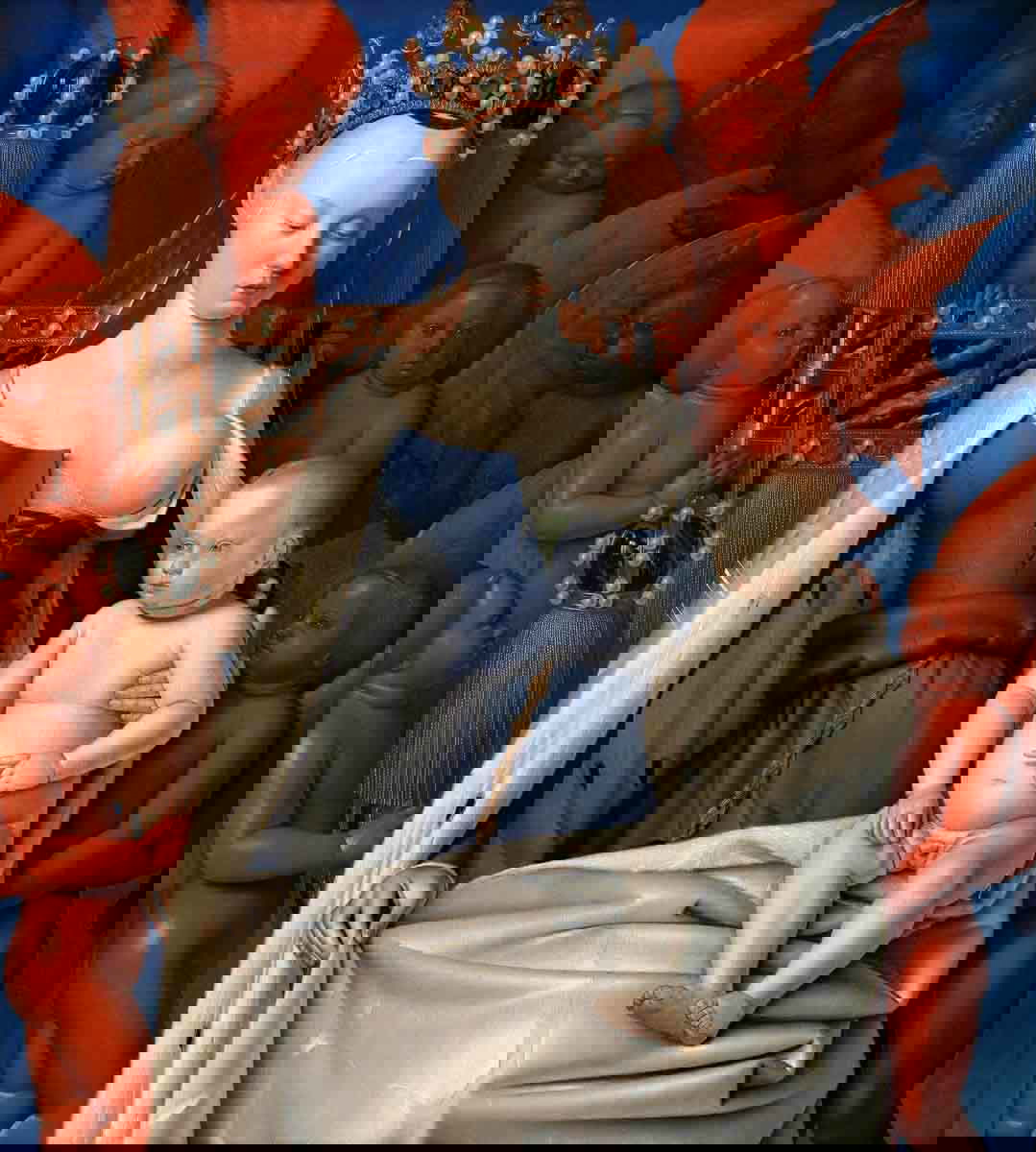
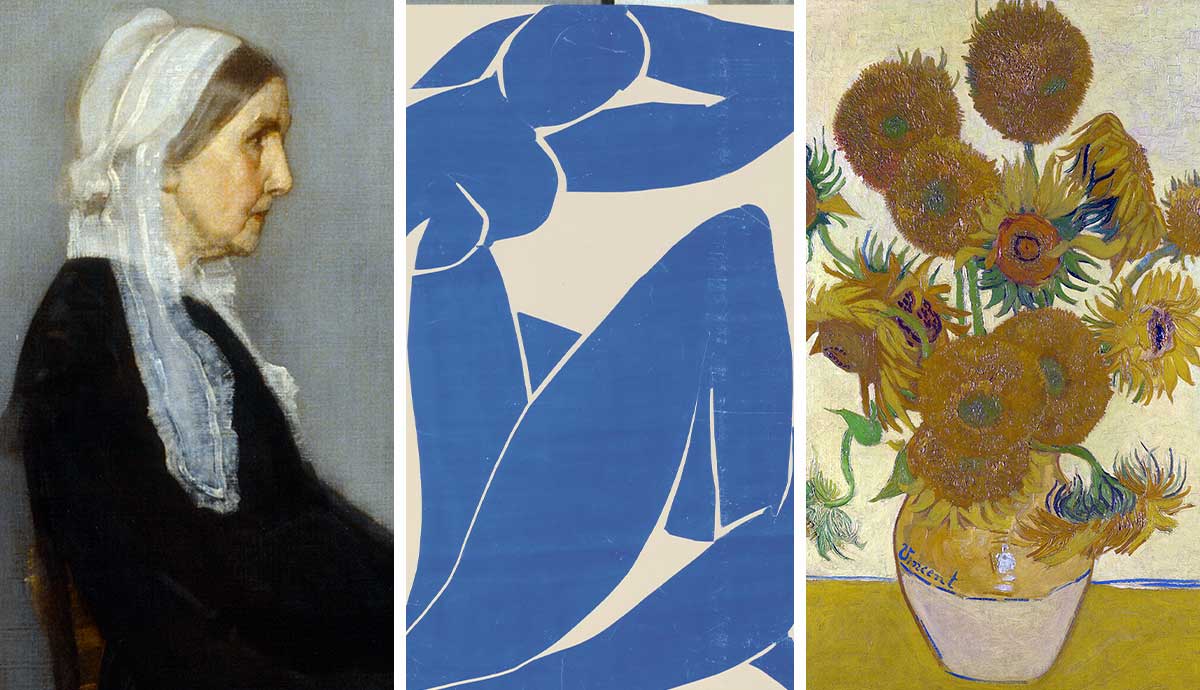
For lovers of Dutch and Flemish art, the Royal Museum offers a vast collection of works from the 14th to 20th centuries. The museum opened its doors in 1810 and mostly relied on the collection of the local Painters’ Guild of Saint Luke. Until the late 18th century, the powerful Guild had a monopoly on art production and sales in the region, controlling the art market entirely. An artist could not sell paintings or take apprentices without joining the Guild first. At the core of their art collection were, of course, the works by Peter Paul Rubens and other local masters like Jacob Jordaens. In the following centuries, donations from monarchs, city officials, and private collectors expanded the collection, adding works by Titian, Jan van Eyck, Jean Fouquet, and Frans Hals. The list of more modern names includes Amedeo Modigliani, Rene Magritte, and Vincent van Gogh.
One of the collection’s highlights is the right half of the famous Melun Diptych, painted by Jean Fouquet. There, he painted Agnes Sorel, the mistress of King Charles VII, as the breast-feeding Virgin in red, white, and blue, giving the silhouette an otherworldly stylized look. Over the centuries, the panel inspired many artists and fashion designers, including Alexander McQueen, who referenced the painting in his Joan collection.
3. Rubenshuis
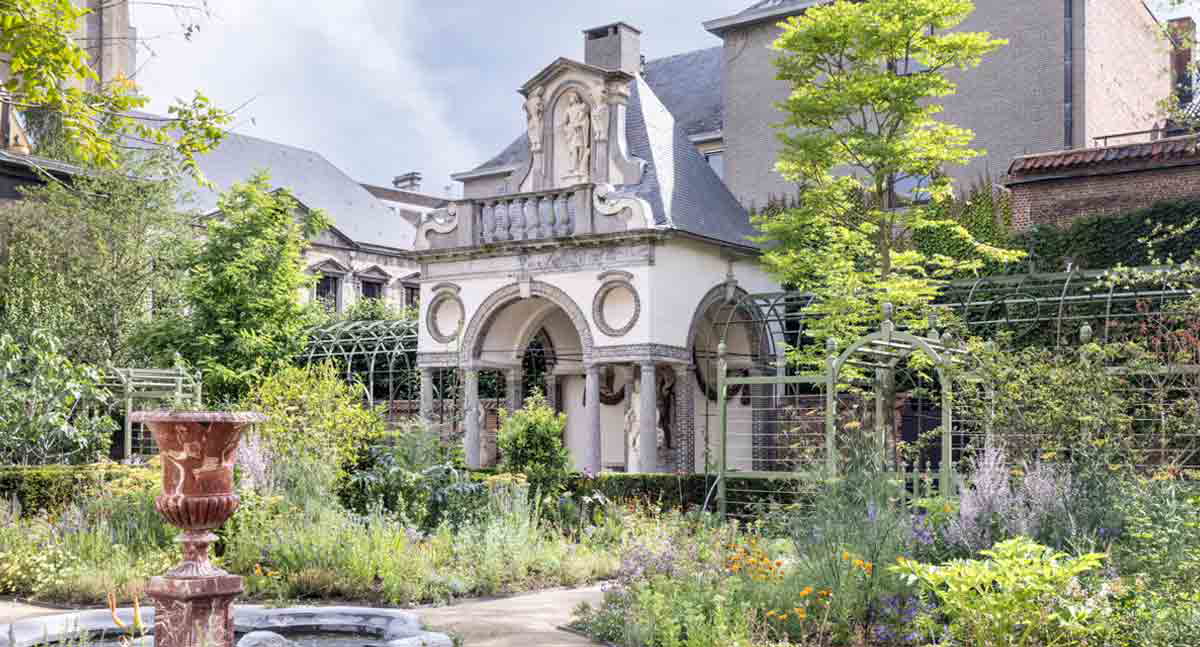
In 1610, the famous Flemish painter Peter Paul Rubens bought a house in Antwerp. In the following years, he renovated and redesigned the building, converting it into an Italian palazzo inspired by the architecture of Roman Antiquity and Renaissance. Apart from the living space for the artist and his family, the mansion housed Rubens’ painting studio and his collection of paintings by other artists and Antique sculptures. Rubens’ house was famous among his contemporaries as an architectural wonder and a private museum of outstanding art pieces. A few decades after Rubens’ death, his heirs rebuilt and sold the house, leaving only the entrance and the garden intact.
Today, Rubenshuis is a public museum that offers visitors a glimpse into the life and work of the master painter. Despite the changes in the floor plan, the museum still rather accurately reflects the daily routine of Rubens’ household, including the activities of his first and second wives, children, and domestic servants. In addition to the reconstructed rooms and the collection of works, Rubenshuis is an archive and research center dedicated to Rubens.
4. ModeMuseum (MoMu)
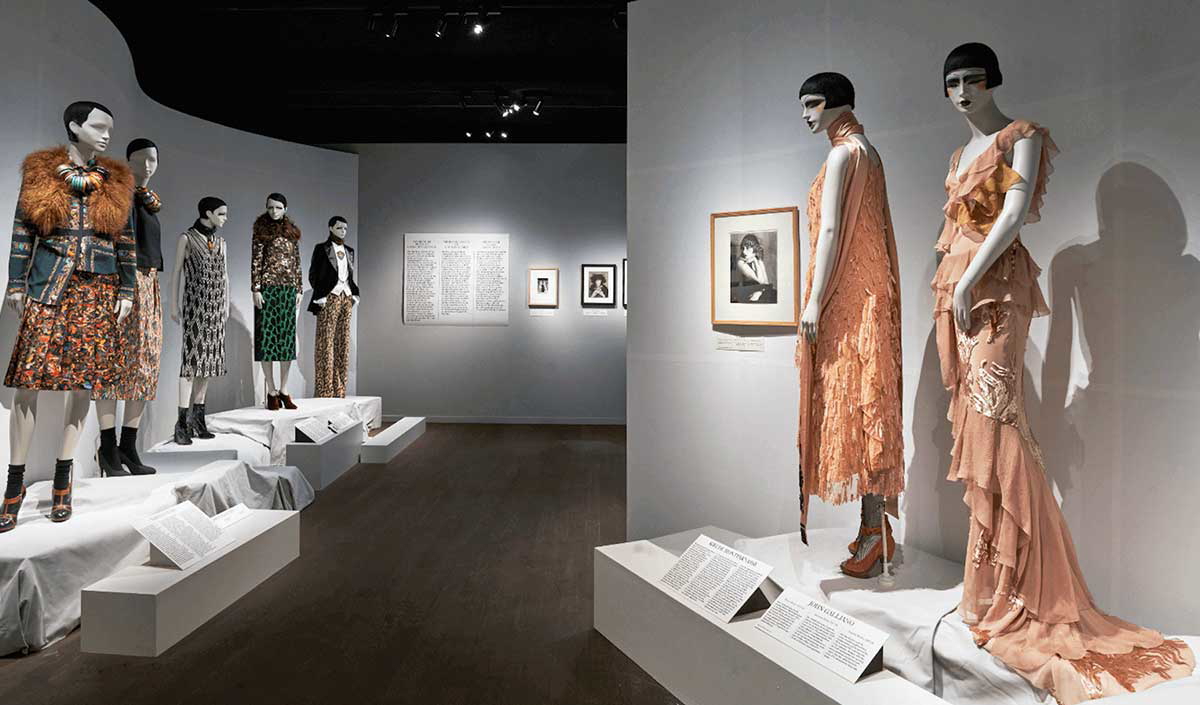
Another famous feature of Antwerp is its vibrant and outstanding fashion scene. In 1963, the Royal Academy of Fine Arts in Antwerp introduced a new course in fashion design that soon became appreciated by industry professionals. However, the real breakthrough happened in the 1980s after the graduation of a group of radical designers known as the Antwerp Six. Dries van Noten, Ann Demeulemeester, Walter van Beirendonck, Dirk van Saene, Marina Yee, and Dirk Bikkembergs did not have a uniform style but a shared background, and they often relied on the deconstruction of traditional fashion forms. Another famous designer associated with the Antwerp Six is Martin Margiela, also an Academy alumnus, who graduated earlier than the group.
MoMu is an institution focused on preserving the history of Belgian fashion design as an art form with a focus on its 1980-90s breakthrough. Its exhibitions, usually centered around a single designer, aim to provide as much context to the designs as possible to explain the designer’s thought process and inspirations.
5. Middelheim Museum
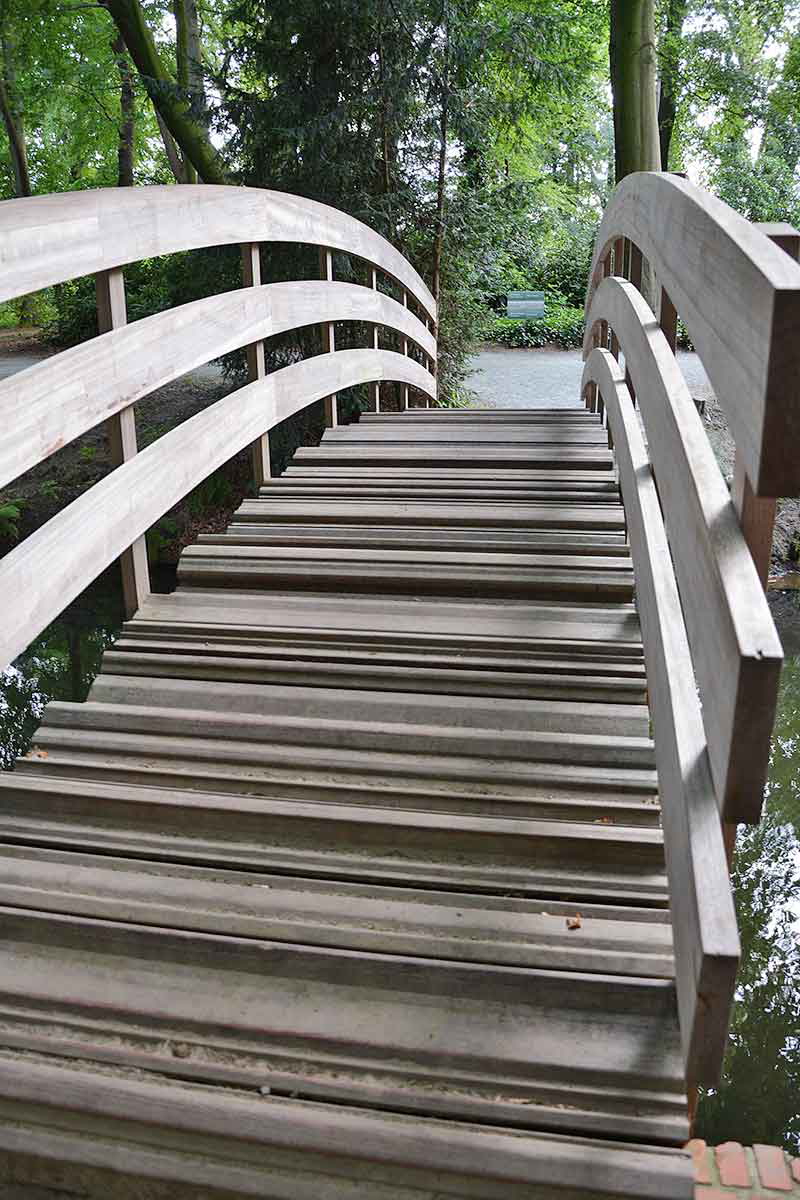
For those who love modern art but also prefer to spend time outdoors, Antwerp has something to offer. Middelheim Museum is a park that features 400 works of art in the form of open-air installations and sculptures. In the 18th century, Middelheim was known as a hunting residence, which housed a private collection of paintings amassed by local merchants. In 1910, the municipality bought the land and built a hospital there.
The Middelheim Museum emerged only after World War II, when the area, badly damaged by bombings, was selected as a venue for the International Sculpture Exhibition. The show was a success not only among the visitors but also among artists. French-Belarusian sculptor Ossip Zadkine said the park would be “orphaned” without the works. In 1951, Middelheim Museum opened its doors as the first open-air sculpture museum. For more than seventy years, it has remained completely free and accessible to the public.
Middelheim’s collection includes sculptures by Auguste Rodin, Pierre-Auguste Renoir, and Aristide Maillol. It also includes Carl Andre’s Minimalist classics, Barbara Hepworth’s abstract forms, and installations by Ai Weiwei.
6. Museum of Contemporary Art Antwerp (M HKA)
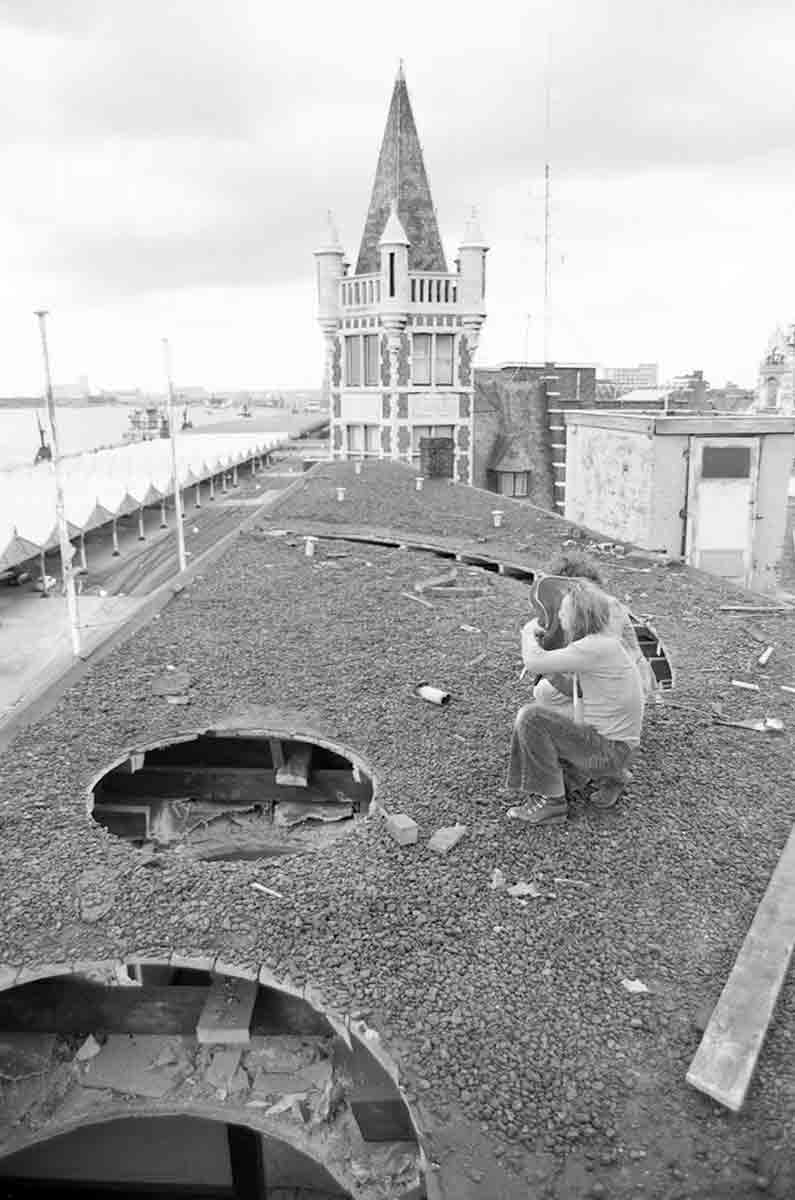
M HKA is a modern and contemporary art museum located in a former grain silo. The idea of establishing an institution for contemporary art was first proposed in 1947, but the post-war economic desolation deprioritized these plans. The project was centered around a series of site-specific works by American artist Gordon Matta-Clark. After Matta-Clark died in 1978, the Antwerp authorities established a cultural institution to ensure their preservation. Artists like Robert Rauschenberg and Sol LeWitt donated their works to form the basis of the collection. In recent decades, M HKA has focused on artworks by Belgian and international artists starting from the 1970s.
M HKA holds exhibitions of cutting-edge contemporary artists and those who laid the foundation for contemporary art’s language. One of the most famous exhibitions was dedicated to the work of Marcel Broodthaers, the Belgian poet and conceptual artist who explored the relationship between image, language, and categorization of concepts.
7. Cathedral of Our Lady (Onze-Lieve-Vrouwekathedraal): Antwerp’s Most Famous Church
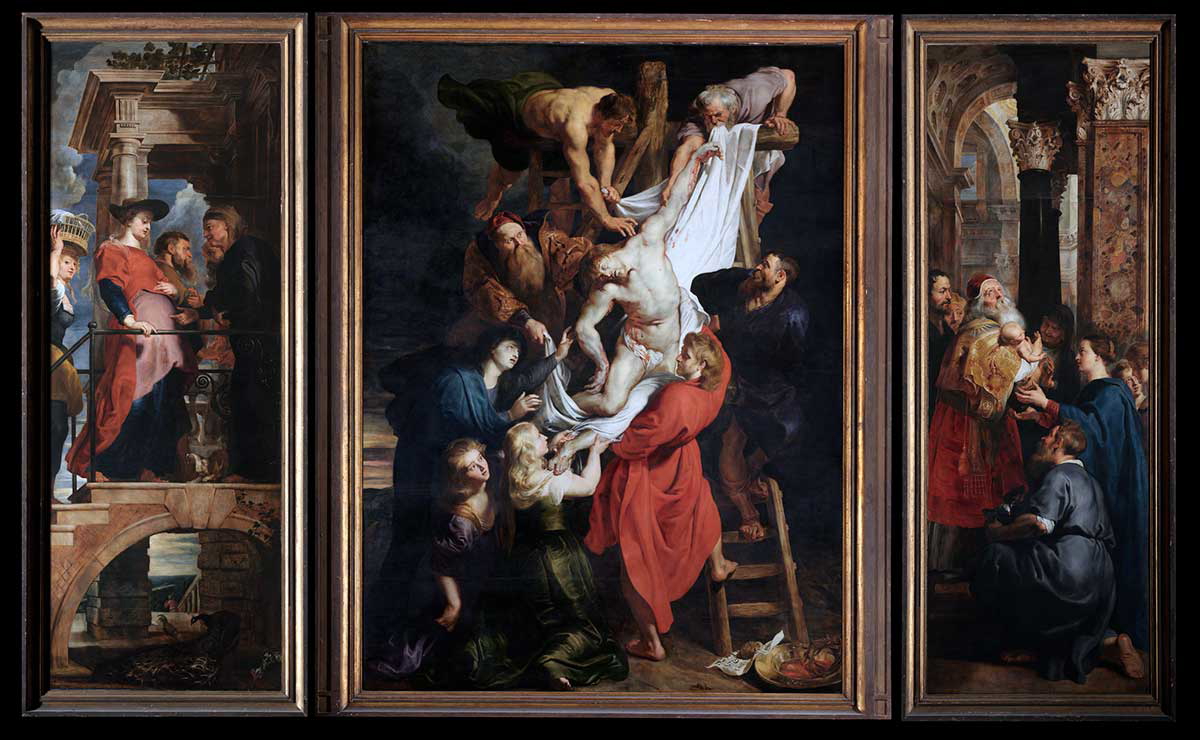
The list of must-visit places would be incomplete without the most important cathedral in Antwerp. The construction of The Cathedral of Our Lady was started in 1352, and although the church was finally consecrated in 1521, it was never fully built according to the original plan. It survived the devastating fire in 1533 and the Iconoclasm in 1566, when crowds of Protestants, violently acting against idolatry (or, in this case, any figurative imagery inside churches), destroyed the interior of the Cathedral.
For several centuries, during the unrest of the Reformation, the French Revolution, and numerous wars in Europe, the Cathedral was looted, burnt, and vandalized many times. Still, it survived and even managed to return many of its possessions. Today, the Cathedral is famous for its stained-glass windows and a series of paintings by Peter Paul Rubens, depicting the Crucifixion and resurrection of Jesus.
Given the centuries-long construction and reconstruction of the Cathedral, the building’s architecture reflected many styles and movements that were popular in different eras. The basis of the Cathedral was a classic cross-shaped Gothic structure. Other elements include Late Gothic, Baroque, and Neo-Gothic influences.